
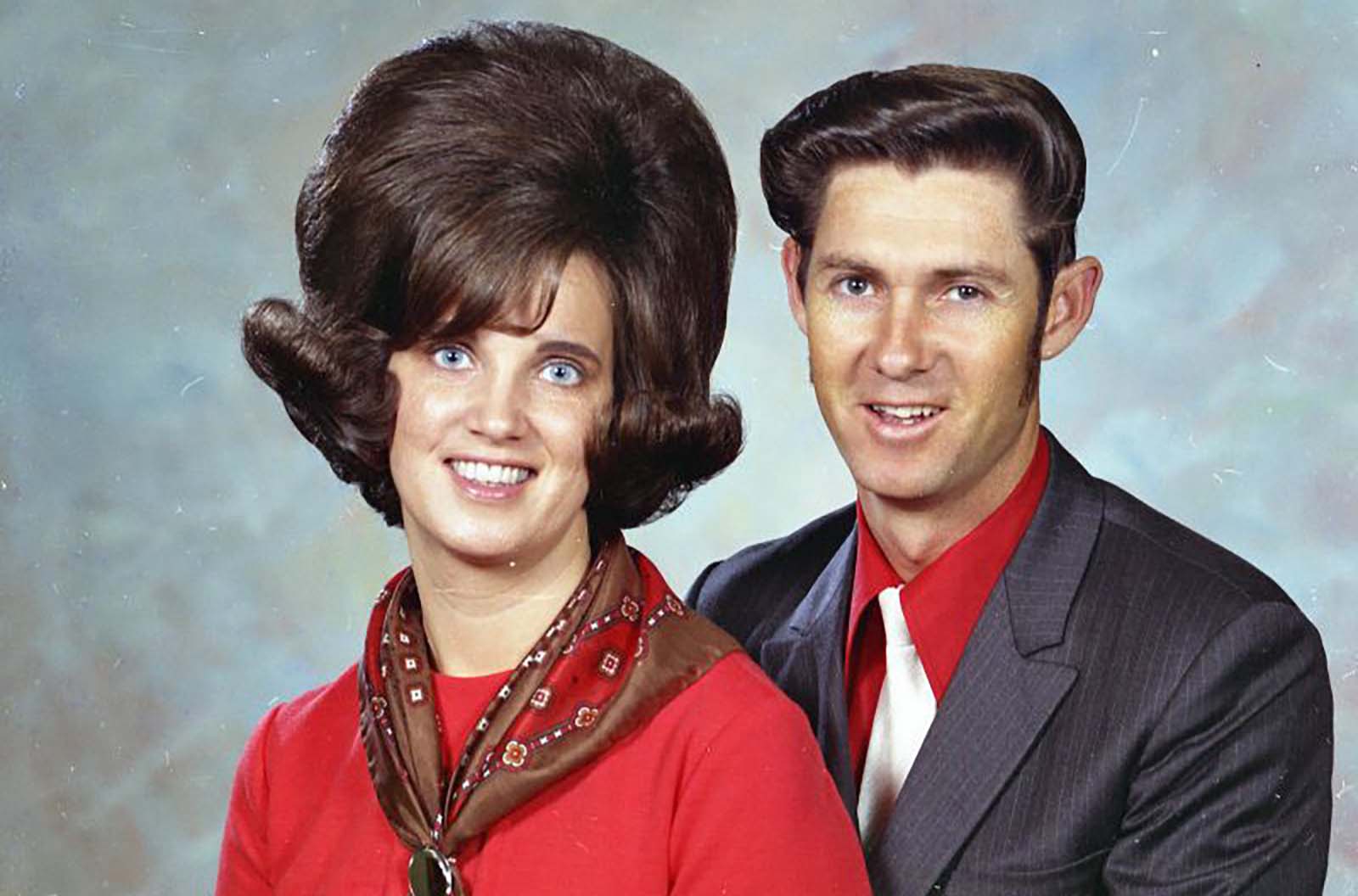

Walking into a portrait studio back in the 1960s was an occasion in its own right. Families prepared the way they would for church or a formal dinner, treating the sitting as a milestone worth honoring.
Appointments were made in advance, outfits chosen with deliberate care, and hair was most certainly done.
The finished photographs were hung in living rooms, tucked into wallets, and mailed to relatives scattered across the country. They were made to last, and they have.
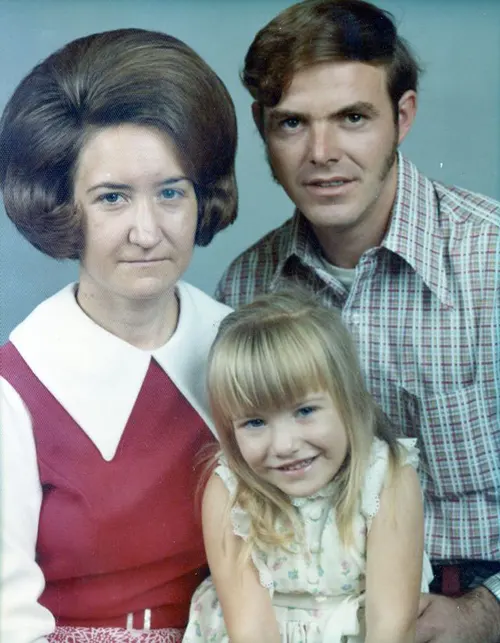
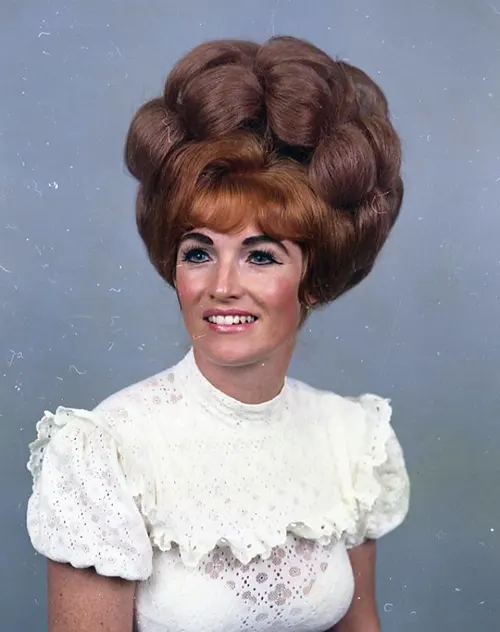
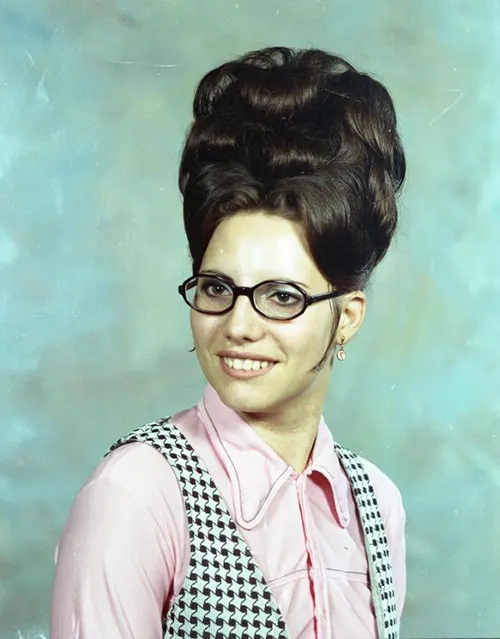
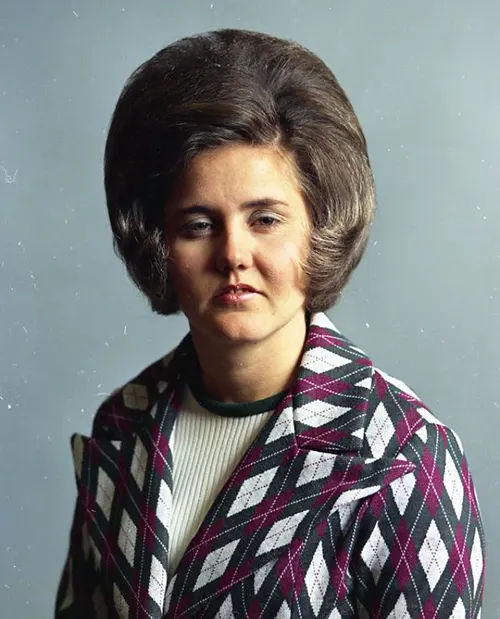
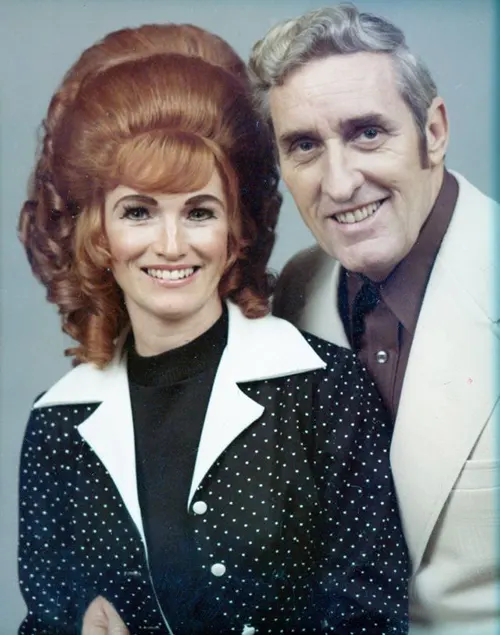
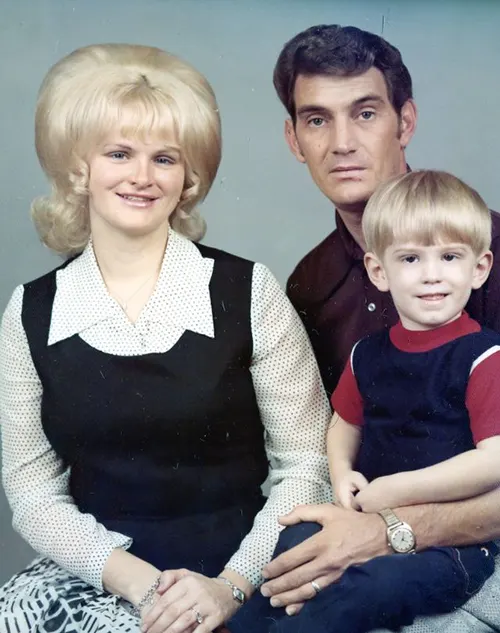
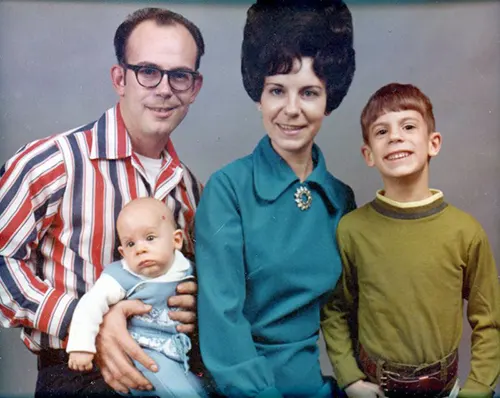
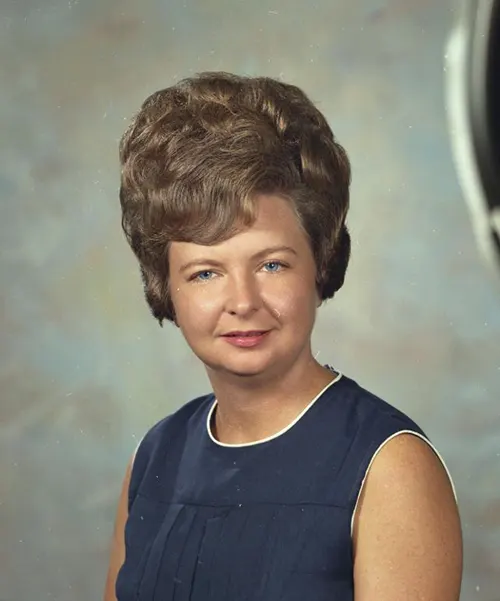
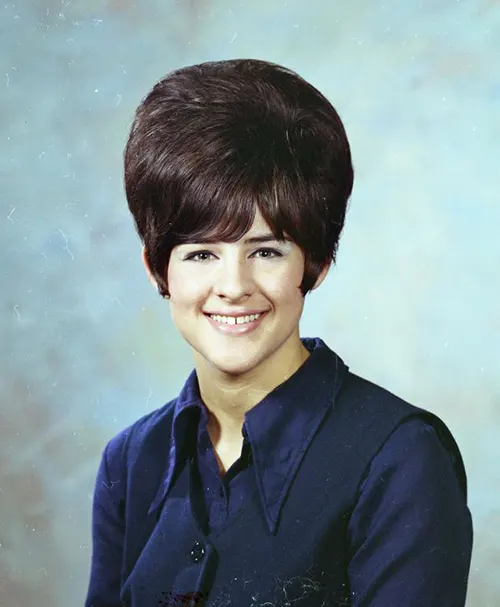
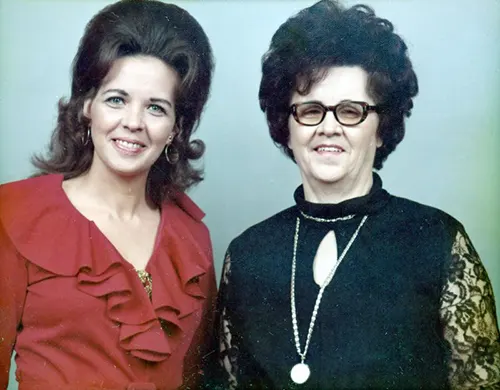
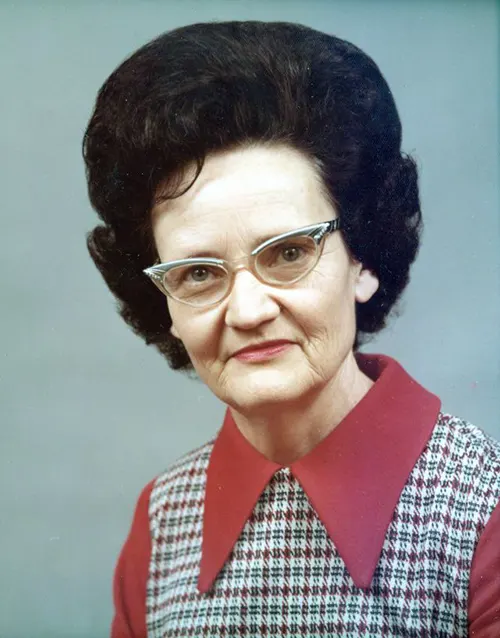
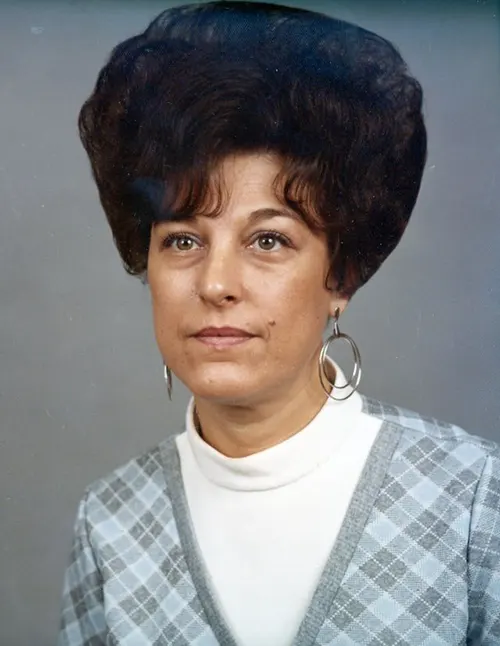
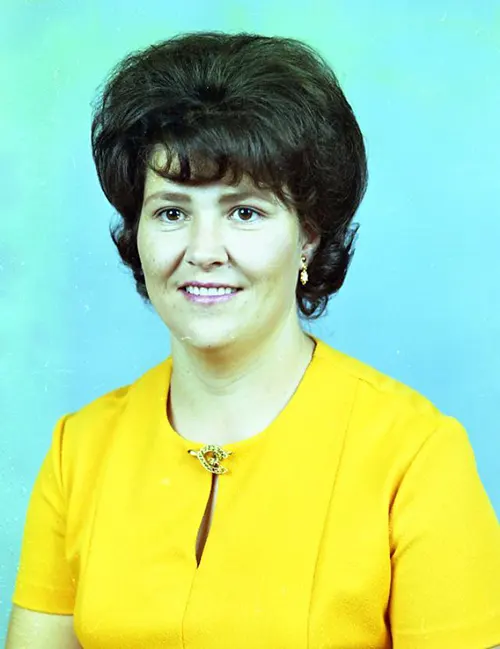
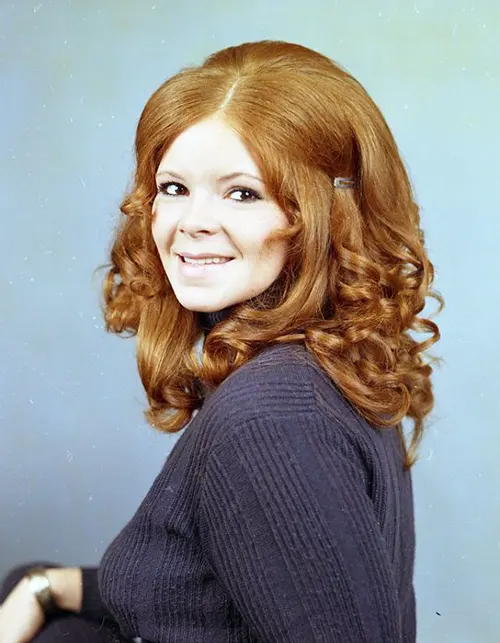
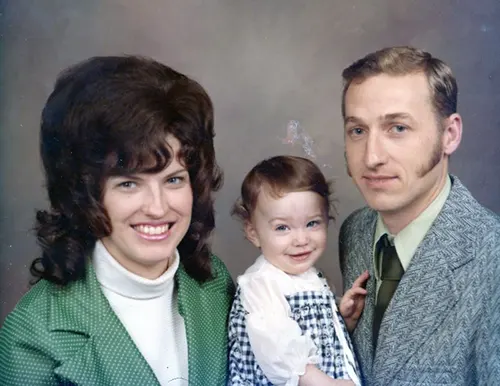 Nothing defined the era’s aesthetic more dramatically than the women’s hairstyles on display in these portraits.
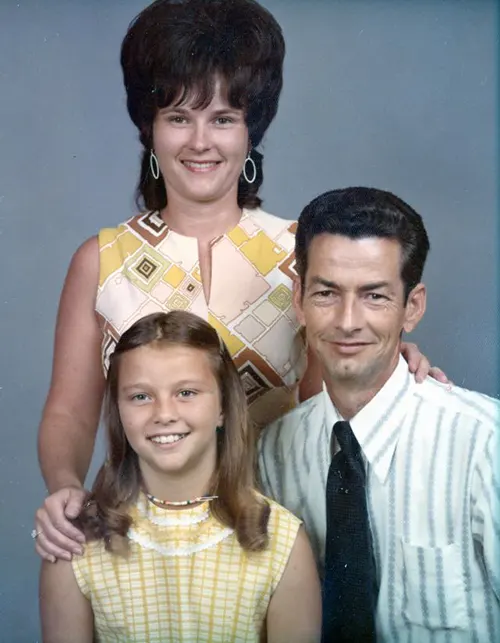
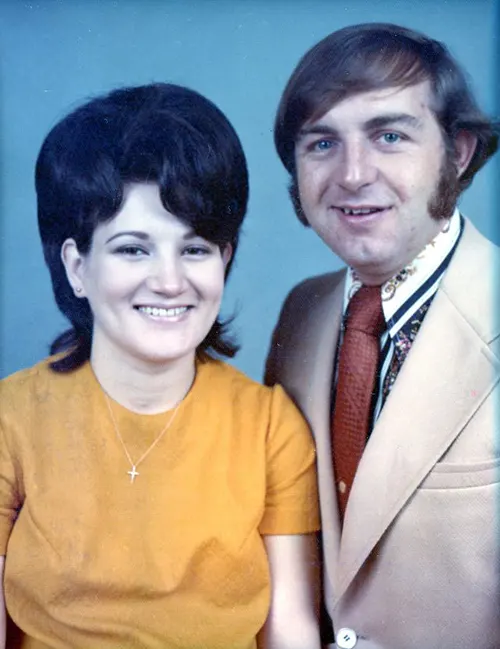
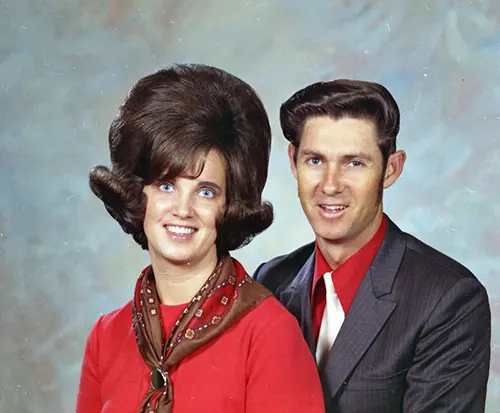
The beehive reigned supreme — a towering, lacquered structure that added considerable height and projected an unmistakable air of glamour.
Achieved through back-combing, generous amounts of hairspray, and no small amount of patience, the style demanded real commitment to build and maintain.
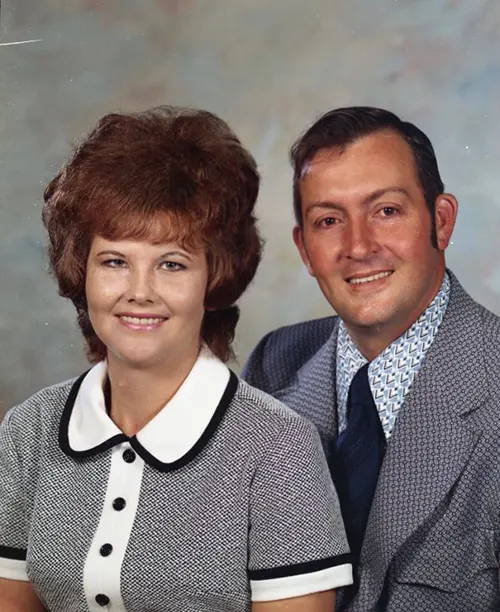
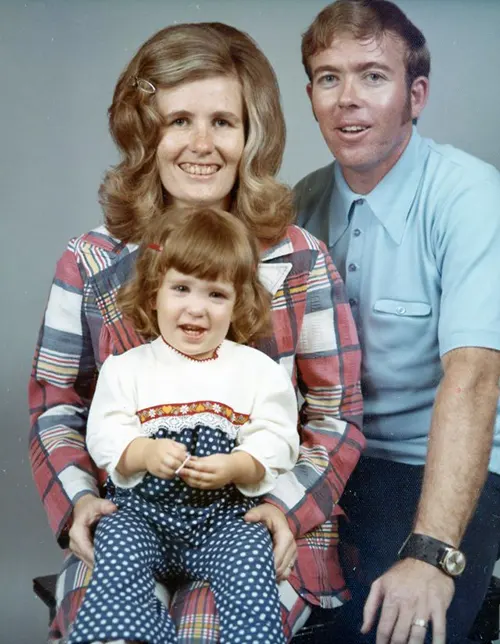
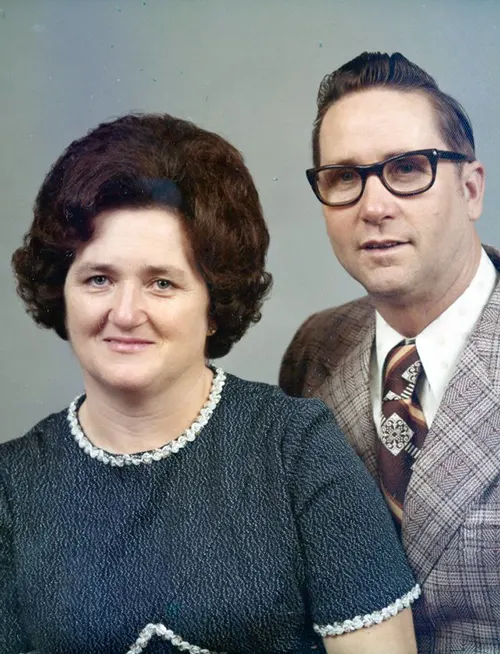
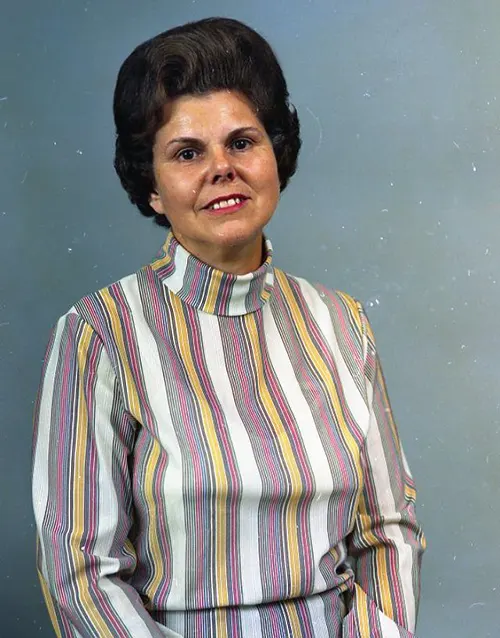
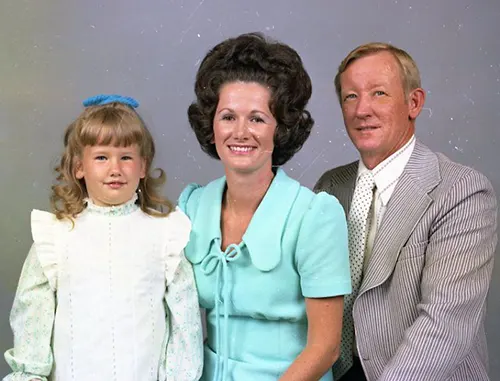 Women also wore bouffants, flipped ends, and elaborately set waves, all of them voluminous and meticulously shaped.
Hair in the 1960s was sculptural by nature, and the portrait studio, with its careful lighting and unhurried atmosphere, was the ideal setting to show it off.
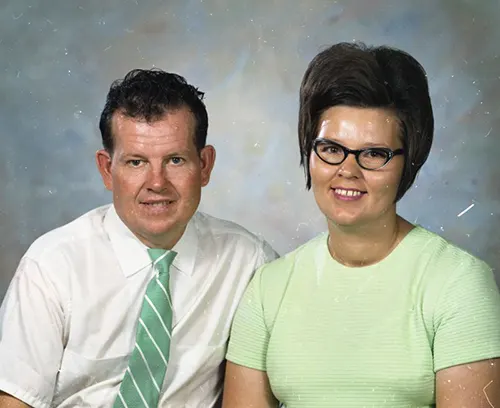
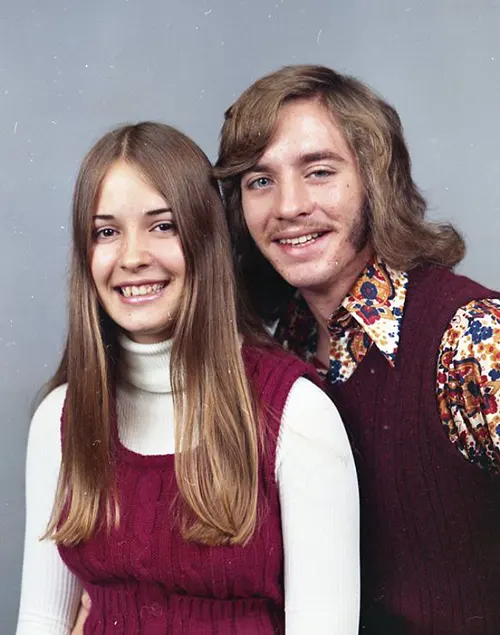
Men’s grooming took a far quieter approach. Side-parted, neatly pomaded styles were the standard early in the decade, gradually softening into slightly longer, more relaxed cuts as the years wore on.
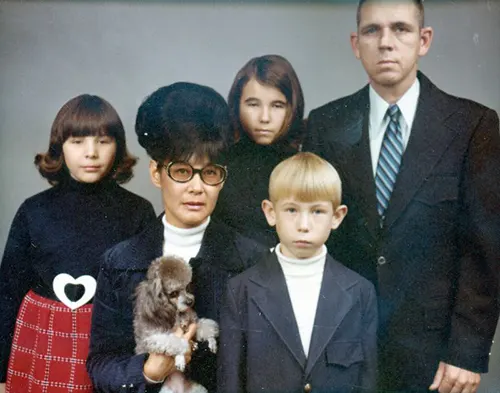 Beside the elaborate hairstyles of the women next to them, men in these portraits tend to read as understated, a contrast that somehow made the overall composition feel more balanced and complete.
Women’s fashion across the decade was driven by boldness and a growing sense of liberation.
The early years carried forward much of the previous decade’s tailored refinement, with fitted dresses, Peter Pan collars, and structured silhouettes that projected poise and polish.
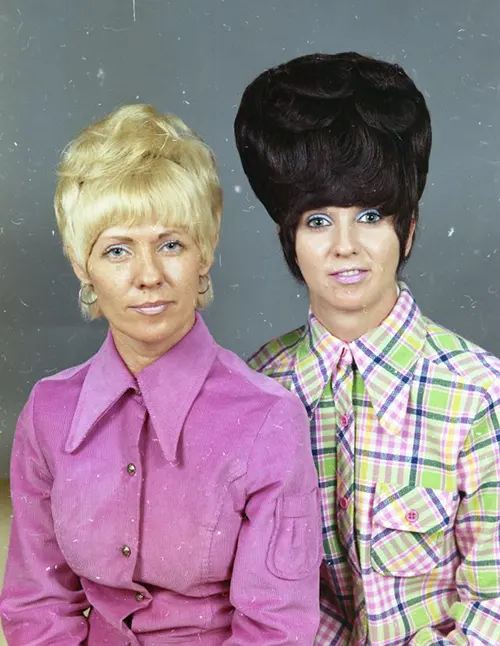 As the decade progressed, hemlines rose, patterns grew more adventurous, and color became a deliberate statement.
Shift dresses in geometric prints, mod-inspired cuts in vivid oranges, mustard yellows, and electric blues, along with the occasional pillbox hat, all found their way into the portrait studio.
The fabrics were often firm enough to hold their shape perfectly under studio lights, and the overall effect was one of effortless elegance that felt both aspirational and entirely of its time.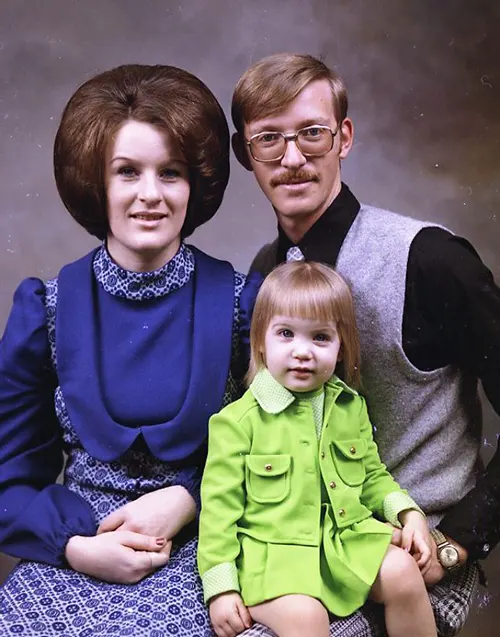 What these portraits preserve, beyond the fashion and the carefully sculpted hair, is something far harder to define.
They speak to a time when getting dressed up was an act of pride, when a family photograph was worth planning for, and when the way you presented yourself to the world was something worth taking seriously.
Decades later, these images continue to surface in shoeboxes, estate sales, and forgotten albums — quiet testaments to ordinary people who, for one carefully lit moment, looked extraordinary.
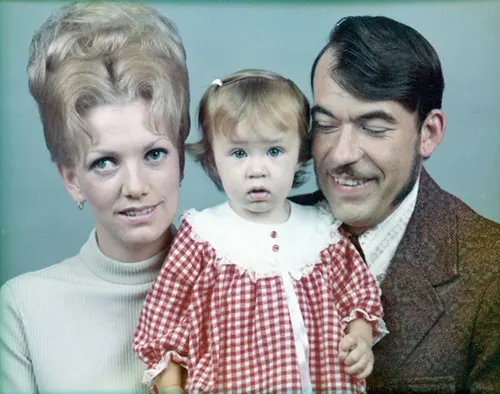
(Photo credit: Flickr / Pinterest).