
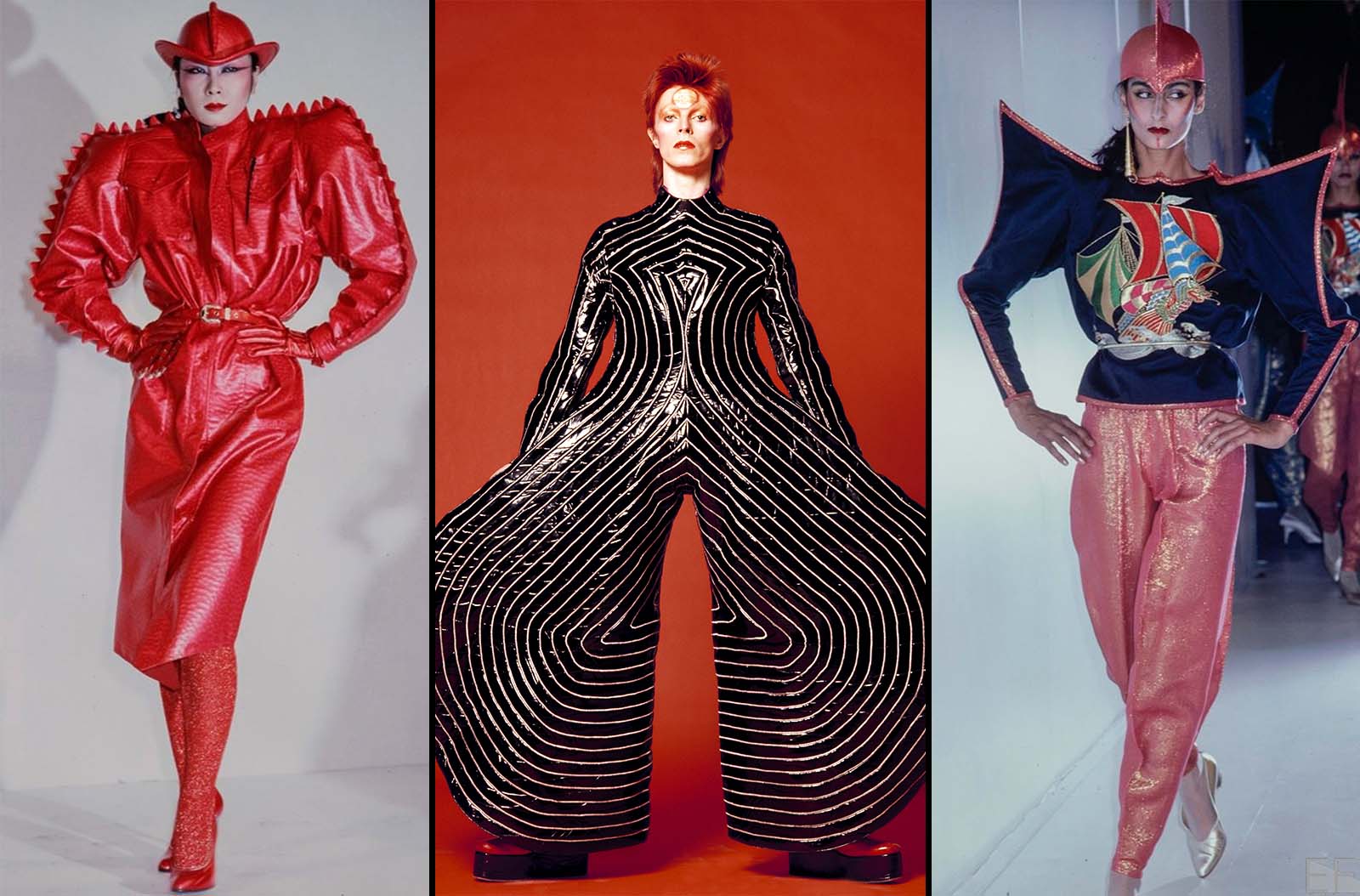
Before the world had fully processed what fashion could be, Kansai Yamamoto was already living several decades ahead of it.
The Japanese designer, born in Yokohama in 1944, built a visual universe rooted in color, spectacle, and a deliberate rejection of restraint, producing some of the most electrifying garments of the 20th century.
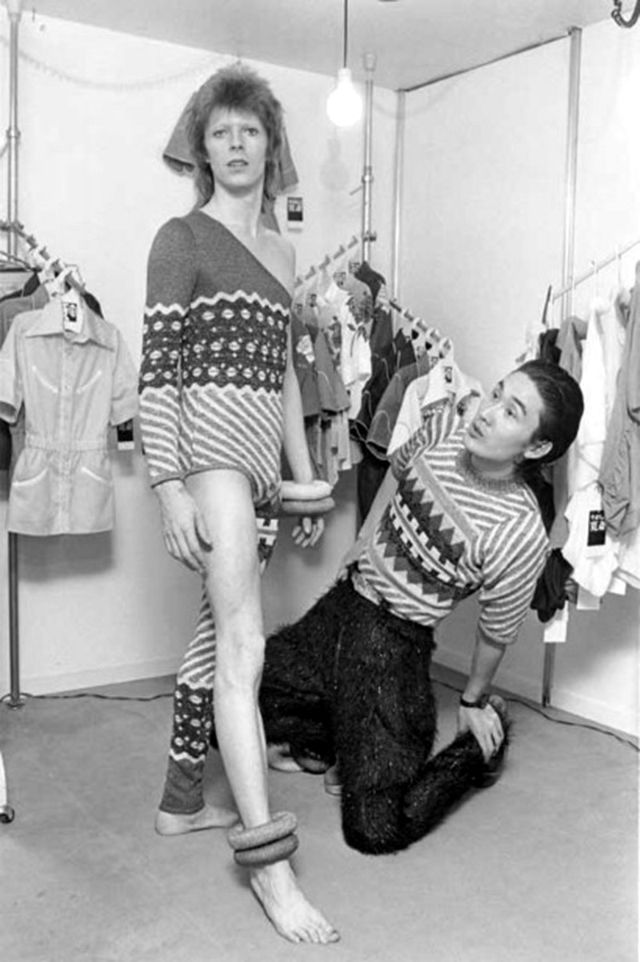
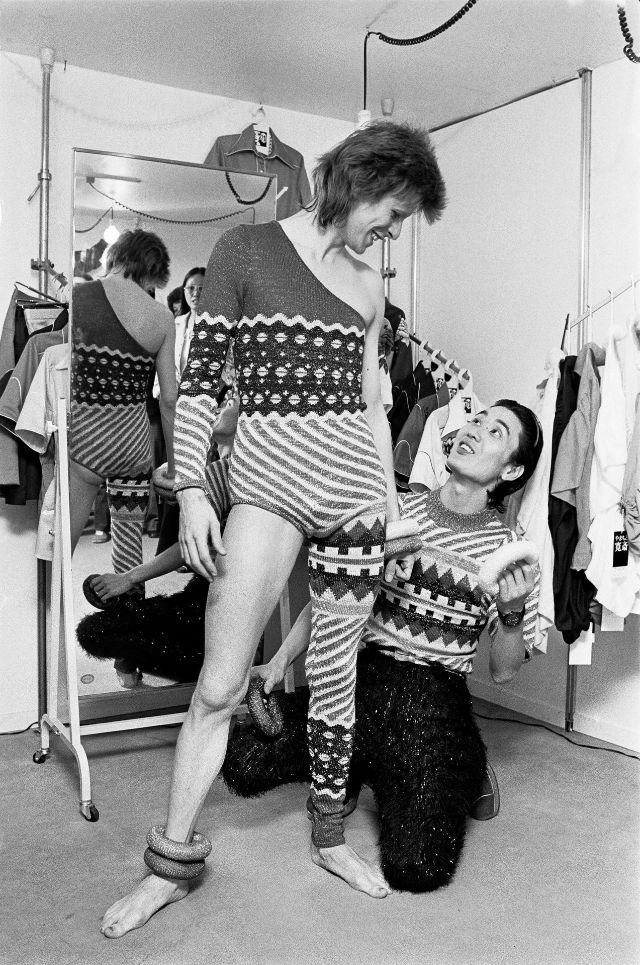
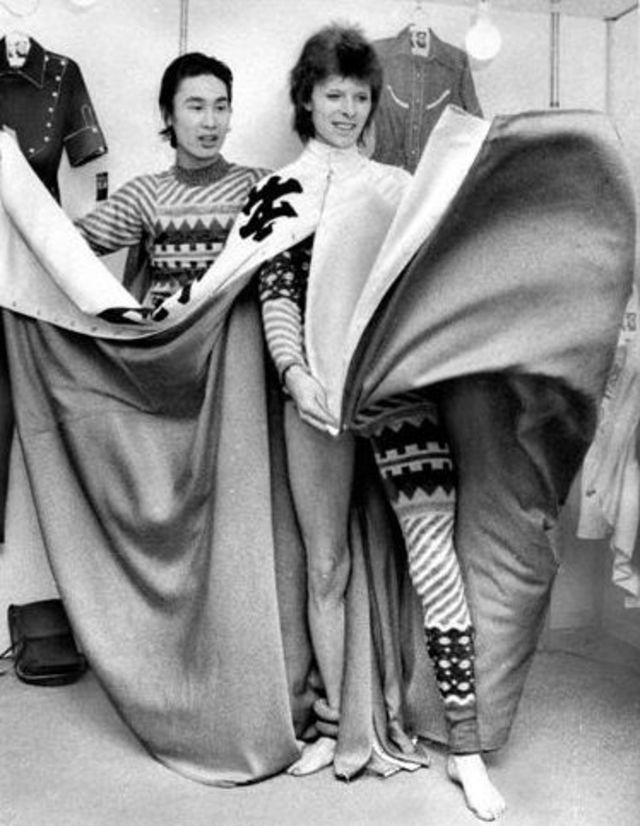
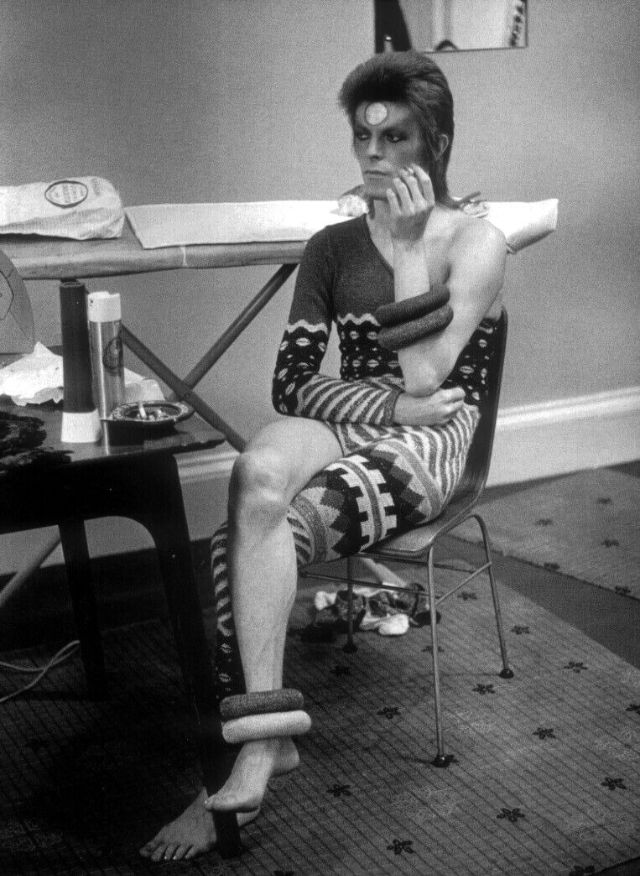
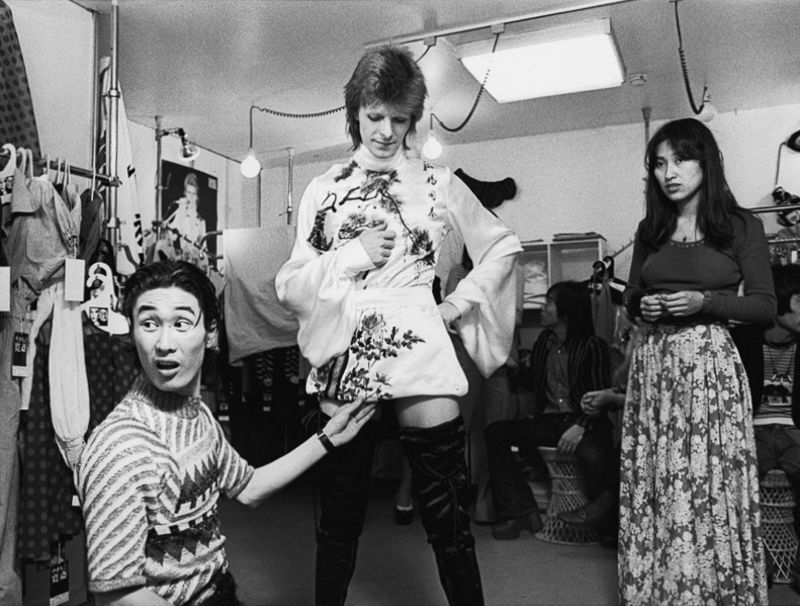
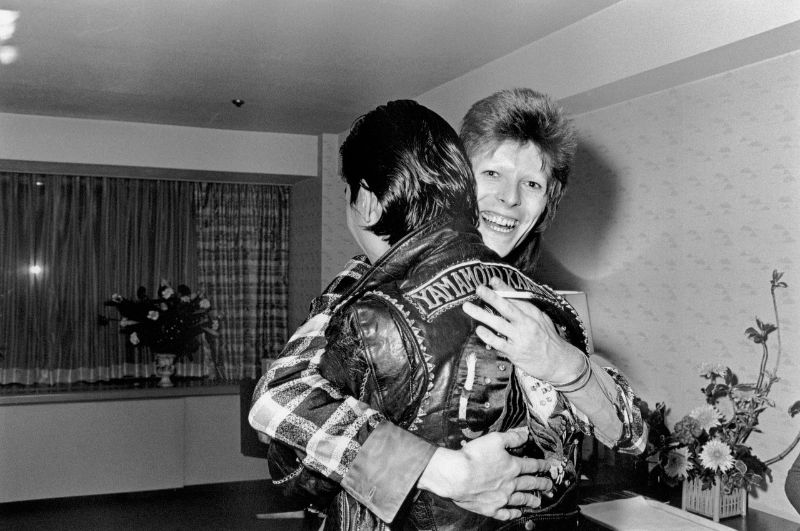
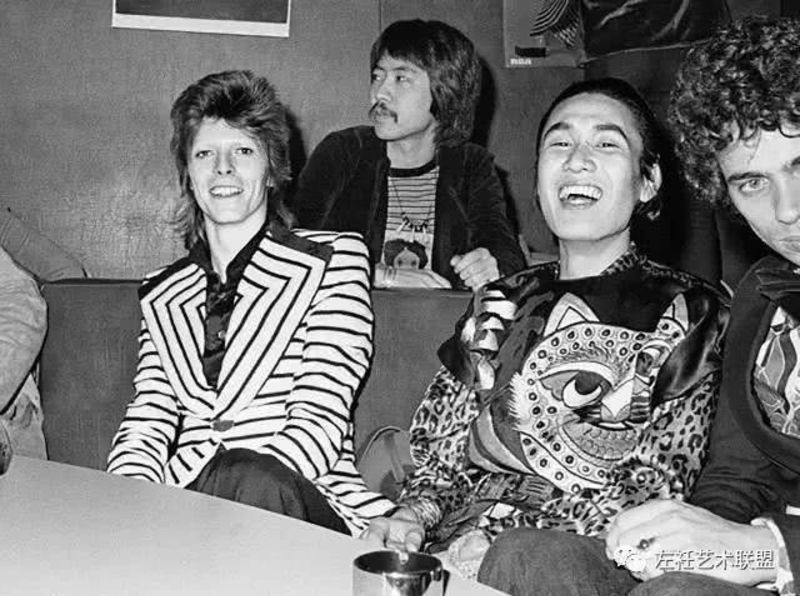
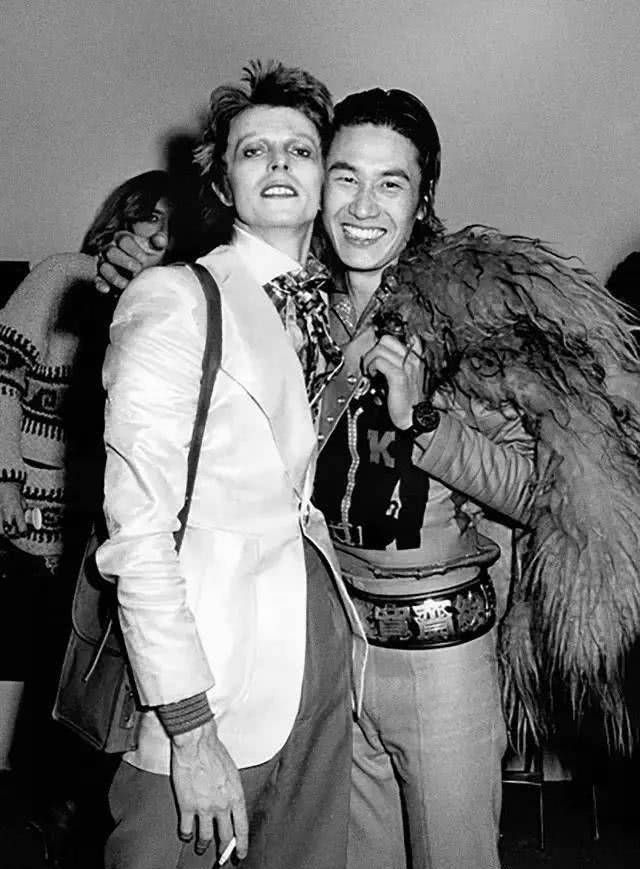
The photographs from his 1970s work do not feel like artifacts from another era. They feel like a provocation, one that still lands.
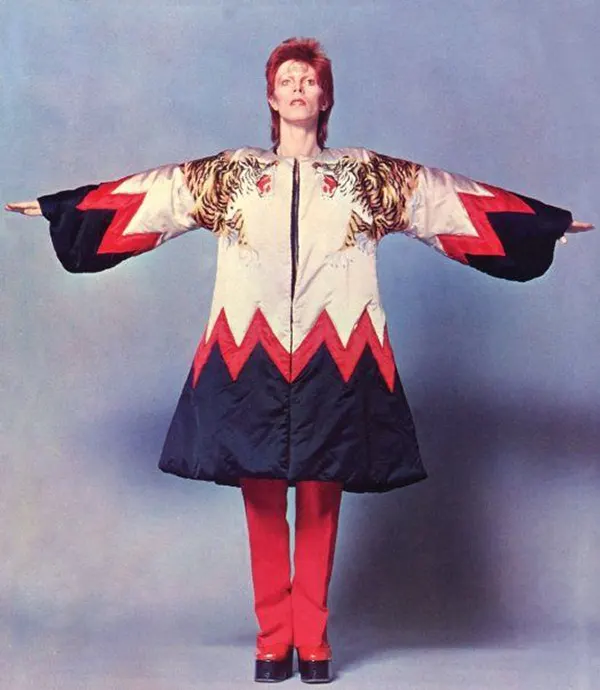 Yamamoto’s name became synonymous with sculptural tailoring that wraps and envelops the body, a layered approach to dressing, and an unapologetic embrace of bright color and strong patterns.
His guiding philosophy was the Japanese concept of basara. “In Japan the word basara means to dress freely, with a stylish extravagance,” he explained.
“Basara is the opposite of the Japanese wabi-sabi aesthetic, which is underplayed and modest; it is colorful and flamboyant and it lies at the heart of my designs.” Where most of his contemporaries sought quiet precision, Yamamoto chased the theatrical and the grand.
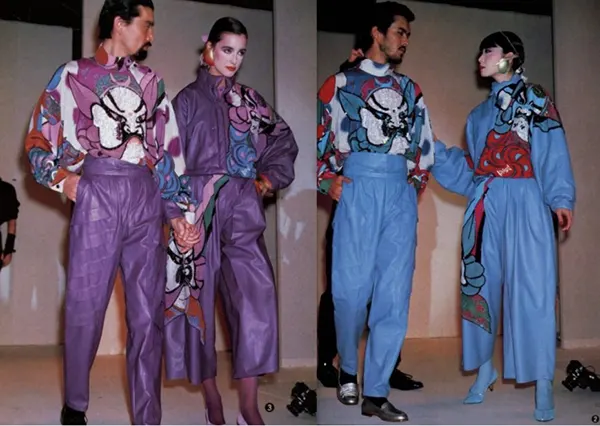
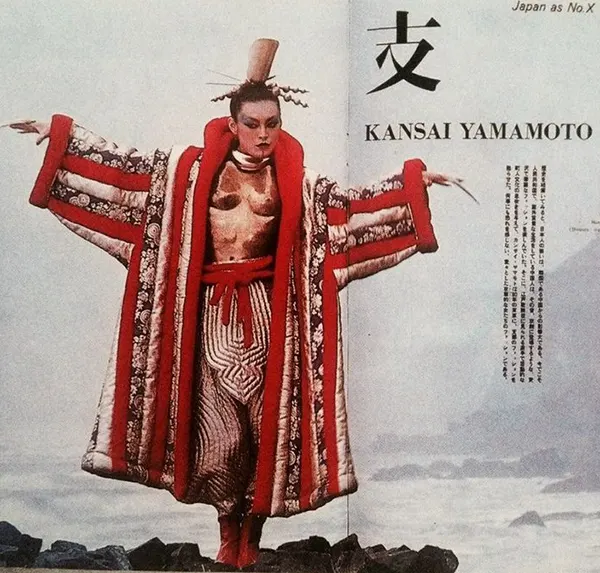 His strongest looks carry a Pop Art and glam rock energy, drawing from traditional Japanese art, particularly the imagery of Kabuki theater as filtered through ukiyo-e woodblock prints.
His prints and visual treatments echo the two-dimensional nature of much Asian art, with saturated patterns and exaggerated silhouettes rooted in centuries of Japanese cultural history.
The construction of his garments was often deliberately simple, allowing the explosive surface design to command full attention.
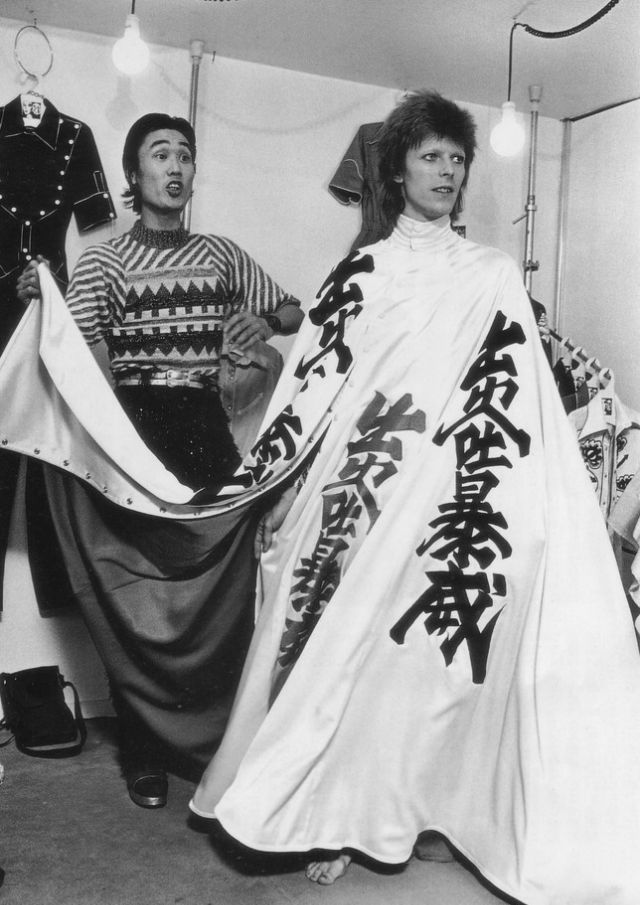
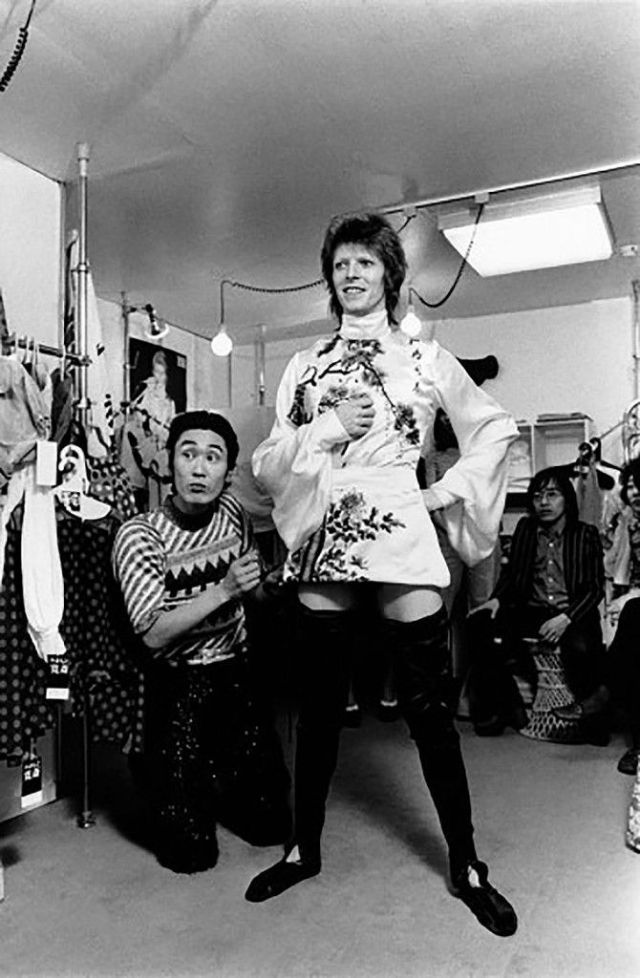
 This sensibility caught the eye of a kindred spirit. David Bowie had already begun purchasing Yamamoto’s kabuki and ukiyo-e-inspired playsuits and capes from a King’s Road boutique before the two ever formally met, wearing these pieces during his 1972 Ziggy Stardust tour.
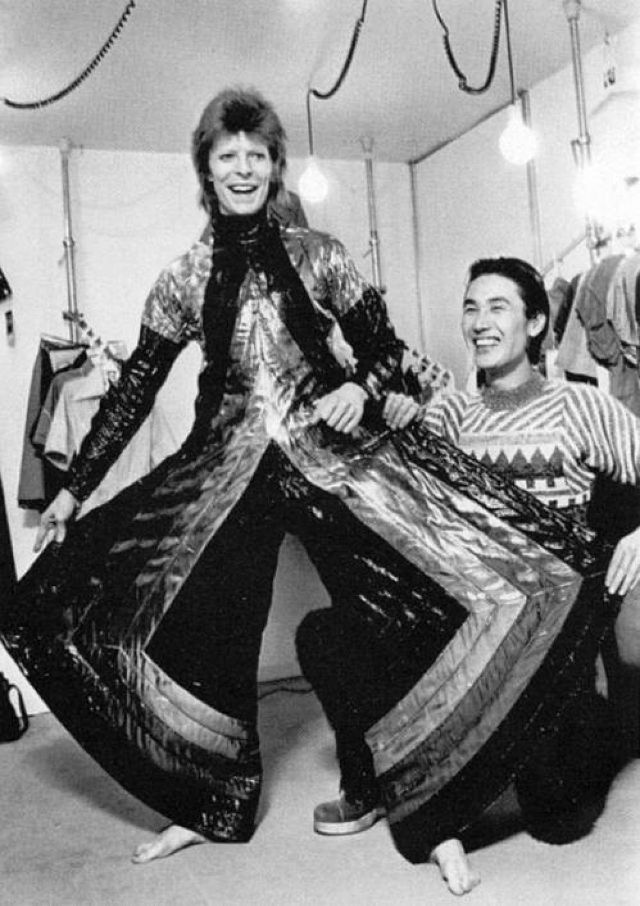
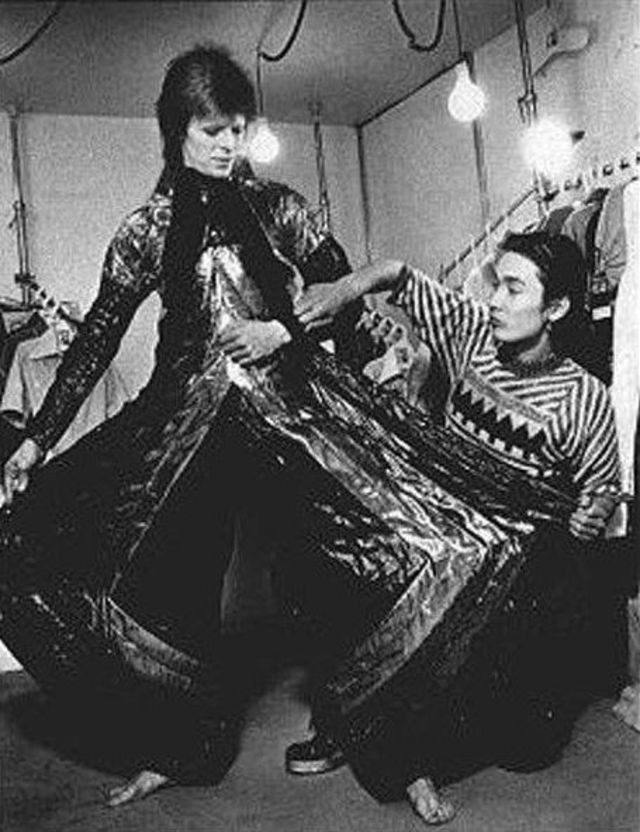
Their partnership solidified from there, producing some of rock’s most iconic stage looks. Among the most recognizable was the “Space Samurai” jumpsuit, with its dramatically curved pant legs and bold stripes of color, inspired by the hakama, the traditional Japanese trousers worn with the kimono.
“Color is like the oxygen we are both breathing in the same space,” Yamamoto once said of their work together.
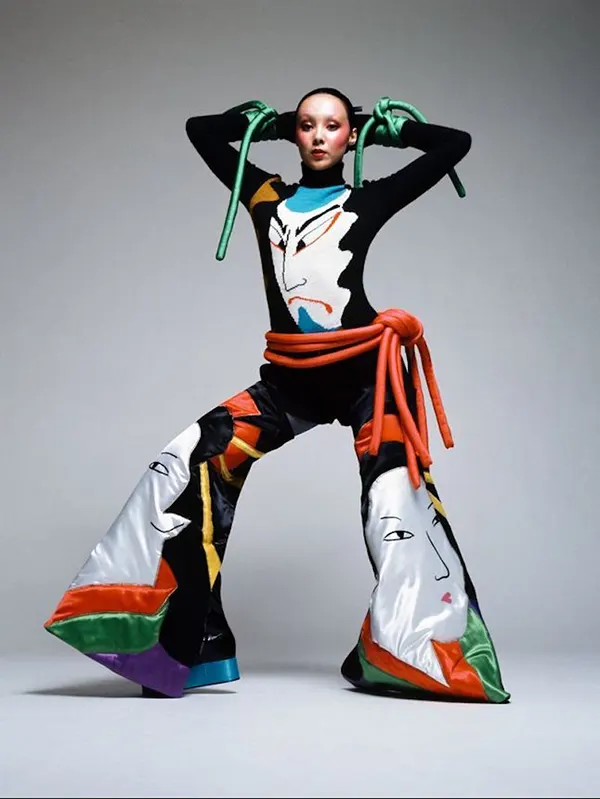 Yamamoto had already made history by the time that collaboration began.
In 1971, he became the first Japanese designer to present a collection in London, a show described by some as “the show of the year, a spectacular coup de théâtre,” announcing a new force in international fashion.
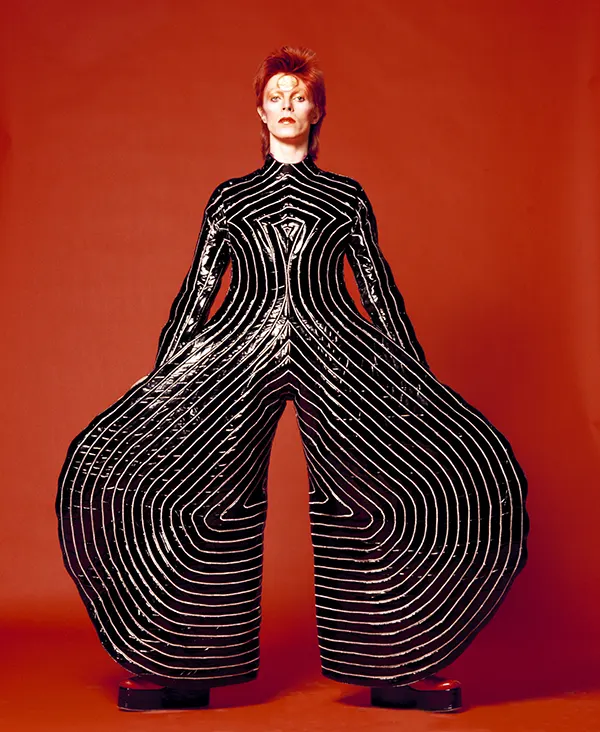
That same year, his work debuted in the United States at Hess’s Department Store in Allentown, Pennsylvania, a venue known for championing cutting-edge design.
His Paris debut followed in 1975, and by 1977 he had opened his own Kansai Boutique in the French capital, the same year he received the Tokyo Fashion Editors award.
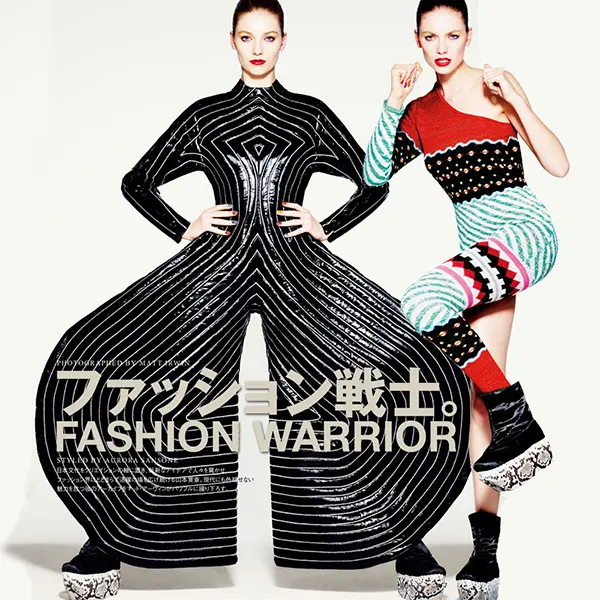 He presented his final fashion collection for fall/winter 1992, though he continued lending his name to licensed products ranging from eyeglasses to tableware.
What followed was an entirely different kind of spectacle. “In the early Nineties, after two decades of showing and selling his avant-garde collections in London, Paris and New York, Yamamoto took a hiatus from the fashion world to focus on live entertainment events.
His Super Shows, as he called them, combined elements of music, dance, acrobatics, traditional Japanese festivals and other spectacles, and were performed around the world, from Vietnam and India to Russia and Japan. The first such event, in Moscow’s Red Square in 1993, drew a crowd of 120,000.”
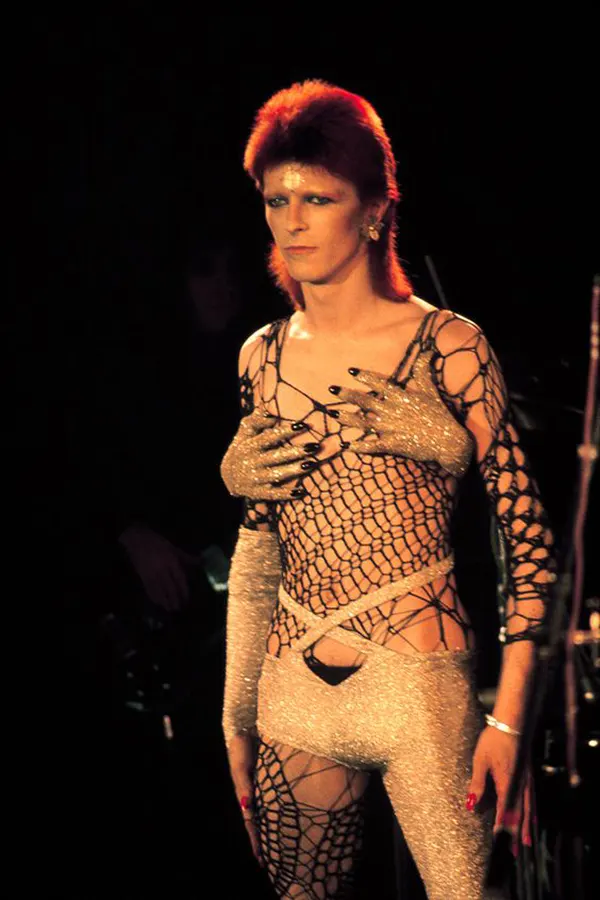 The arc of Yamamoto’s career, from those vivid early collections to the stadium-scale Super Shows, reflects the same core belief: that clothing, color, and performance are not separate things.
They are all part of the same act of making people feel something. These photographs are proof of what that looked like before the rest of the world caught up.
Yamamoto died on 21 July 2020, after suffering acute myeloid leukemia since March 2020, at the age of 76, which was reported by his daughter, the actress Mirai Yamamoto, through her Instagram account, then through Kansai’s own official account later.
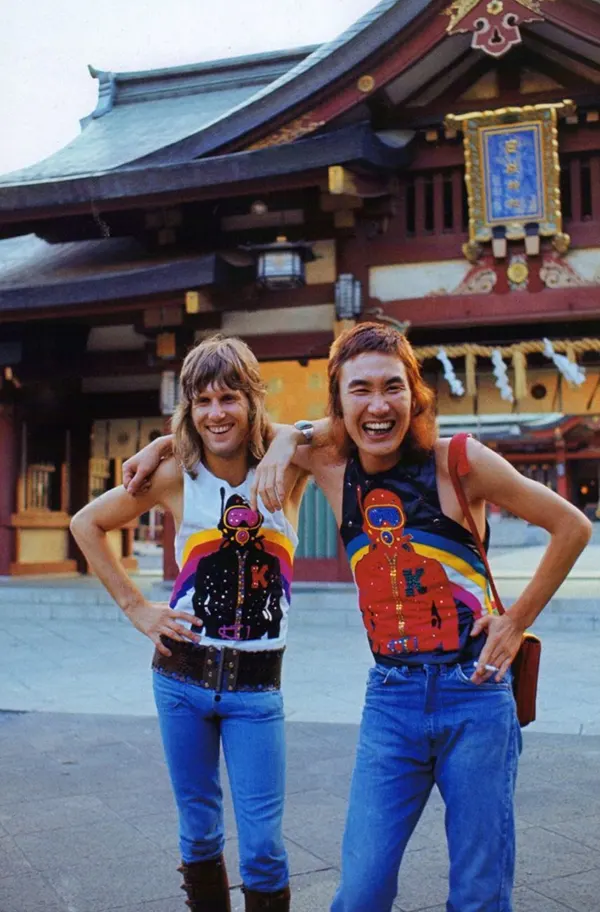
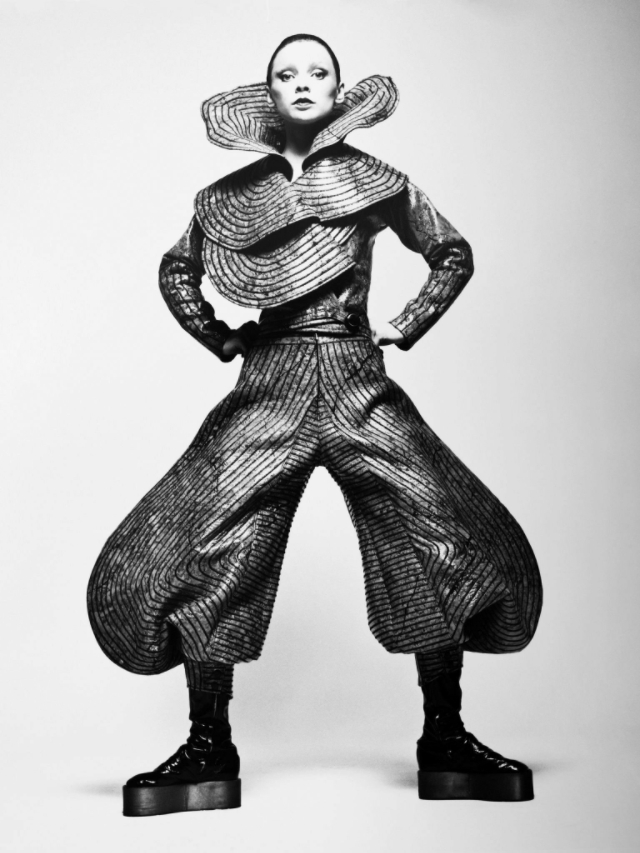
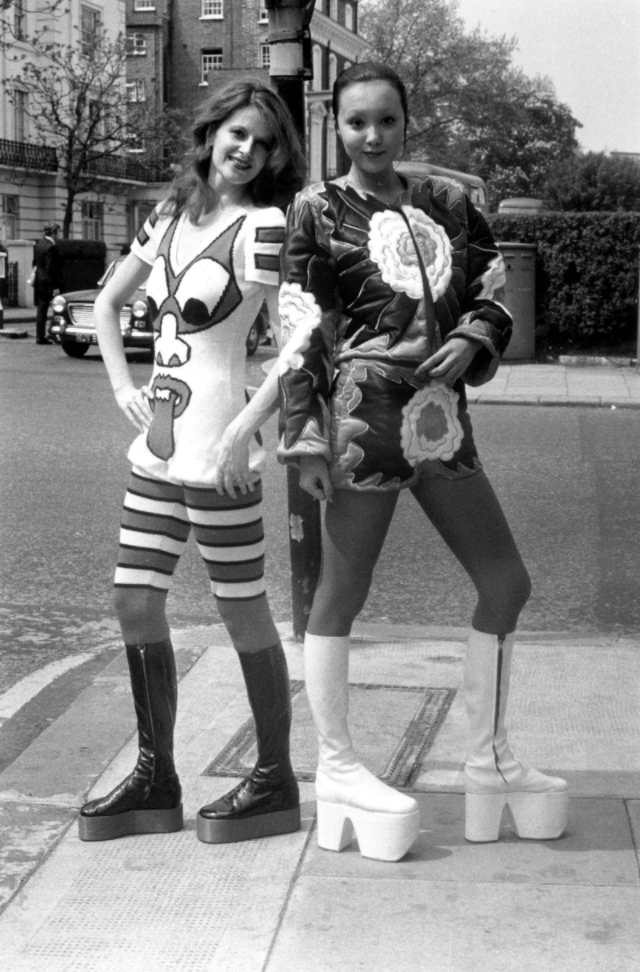
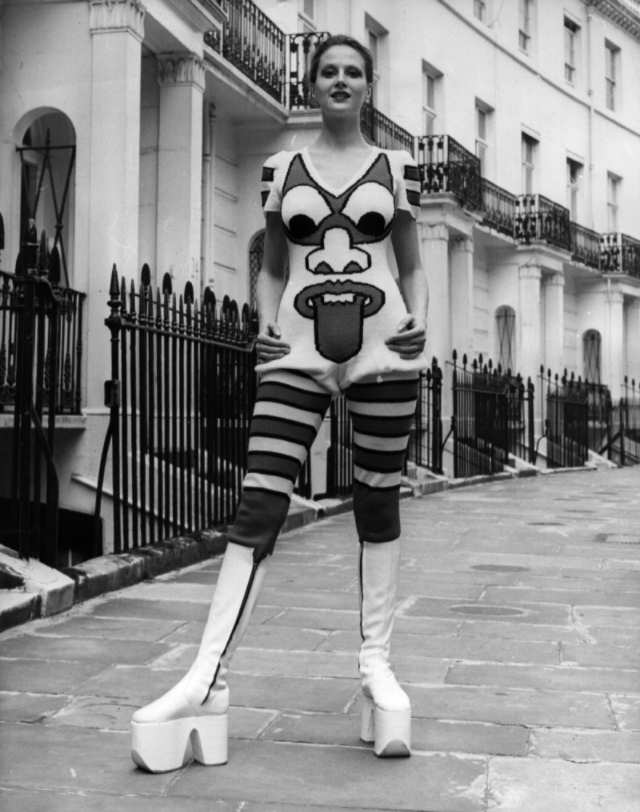
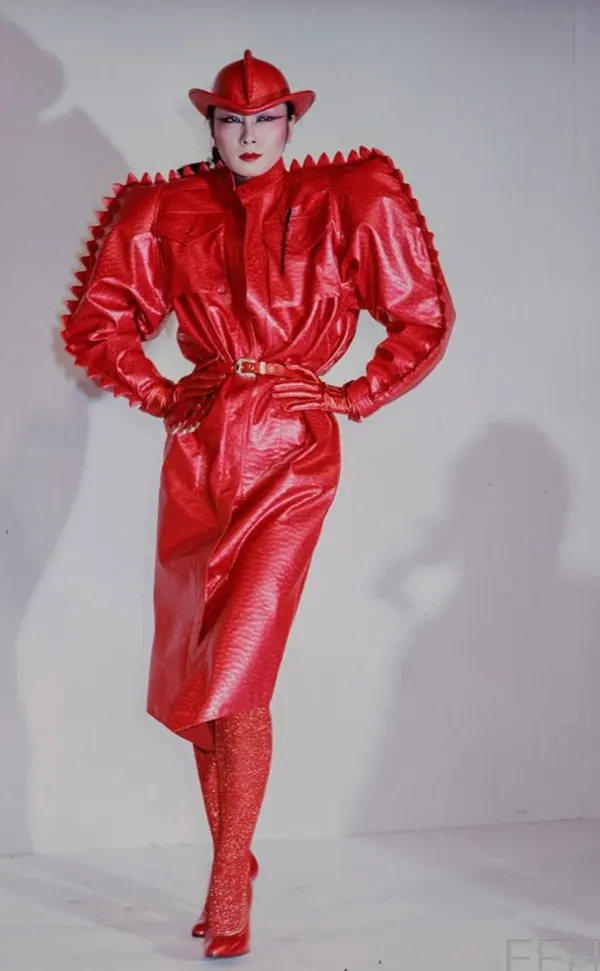
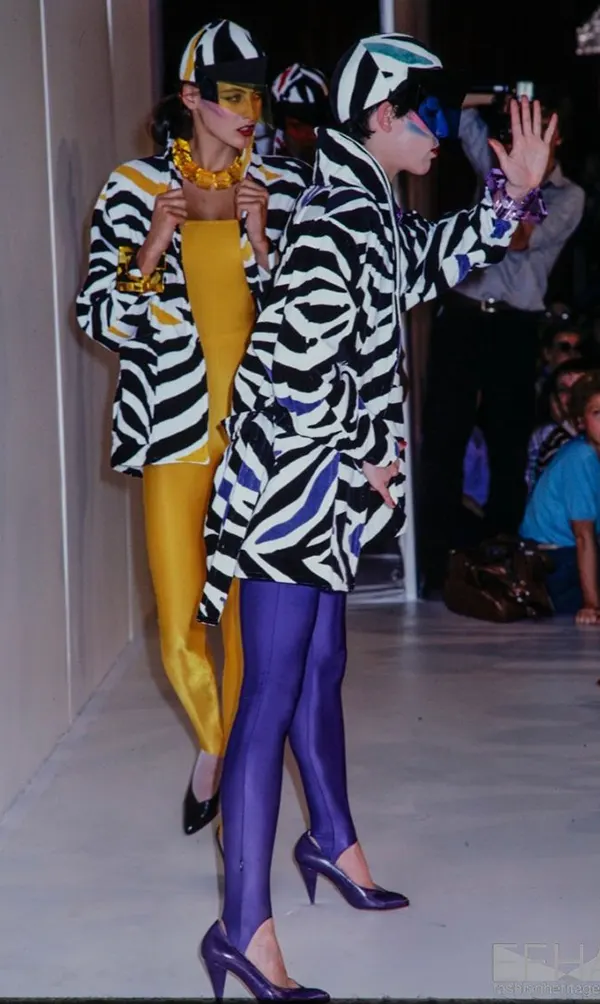
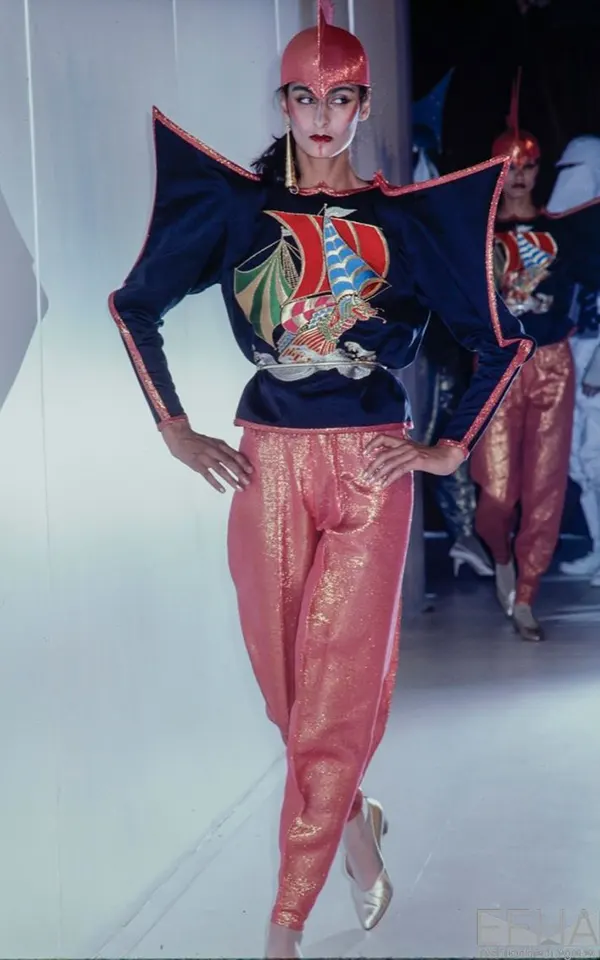
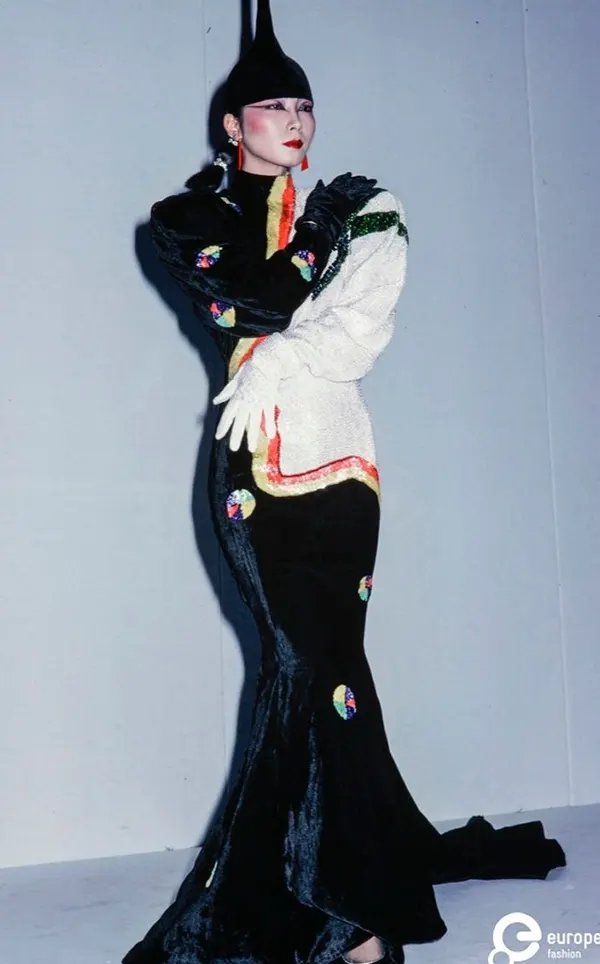
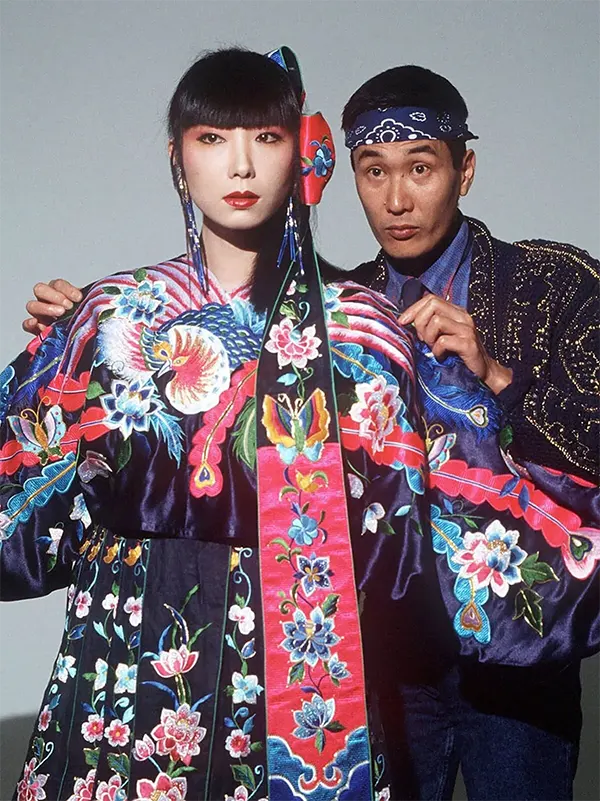
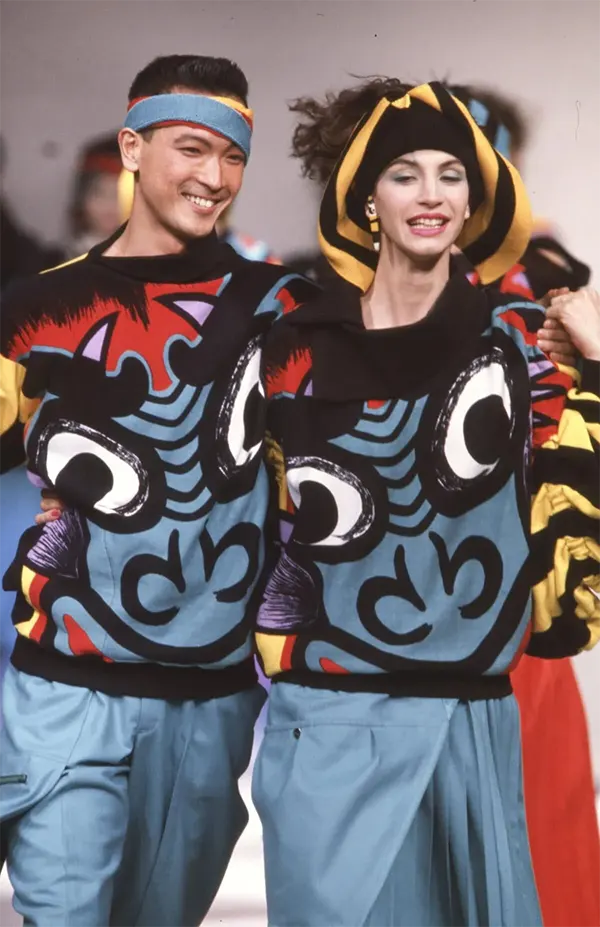
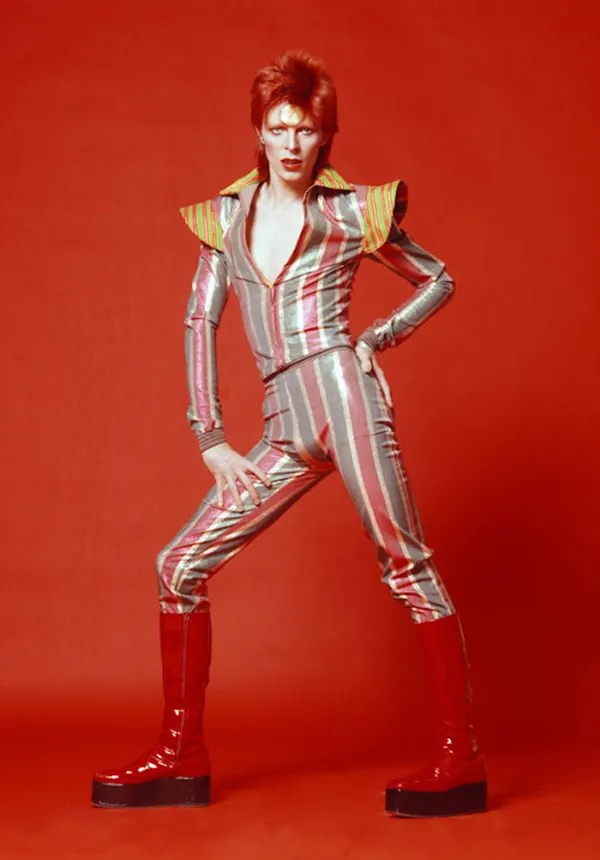
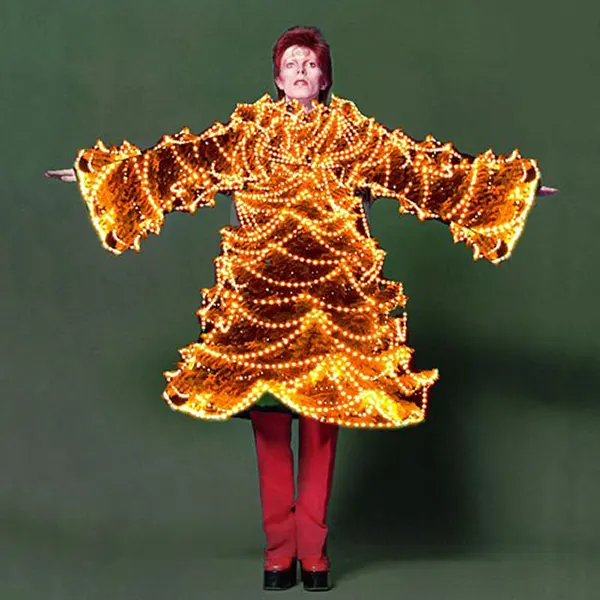
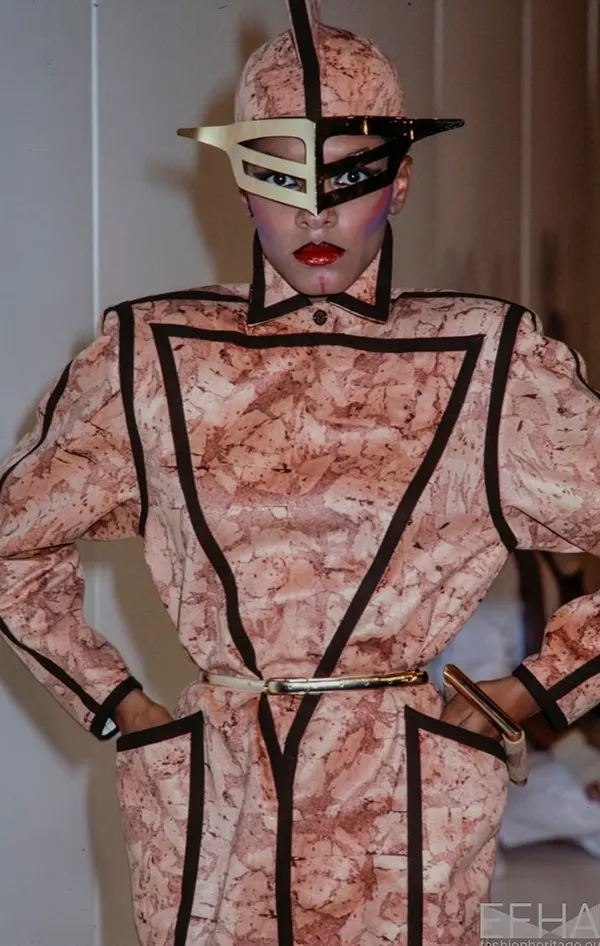
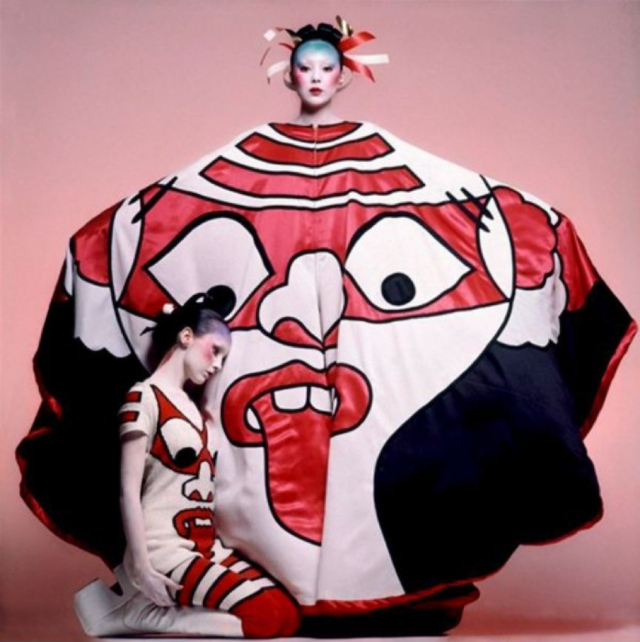
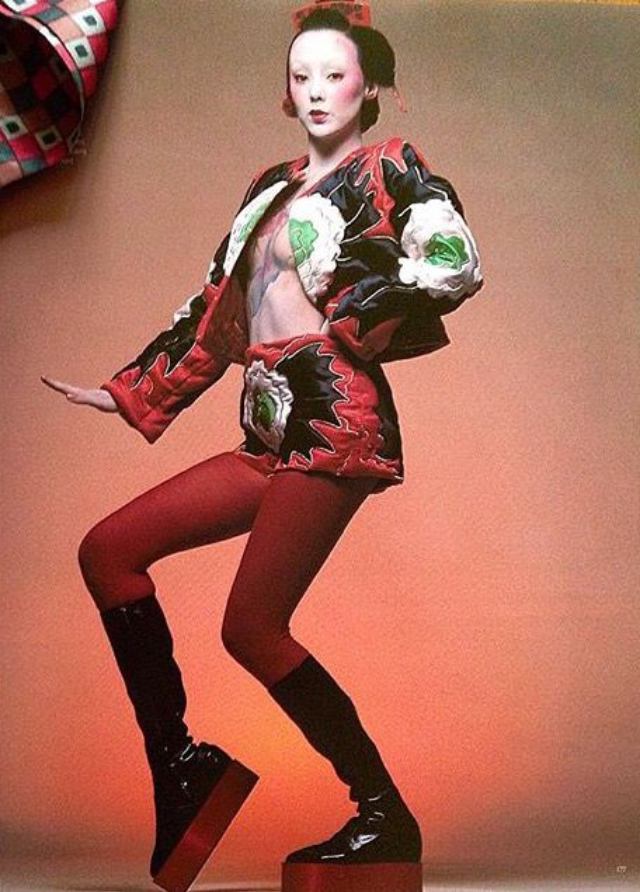
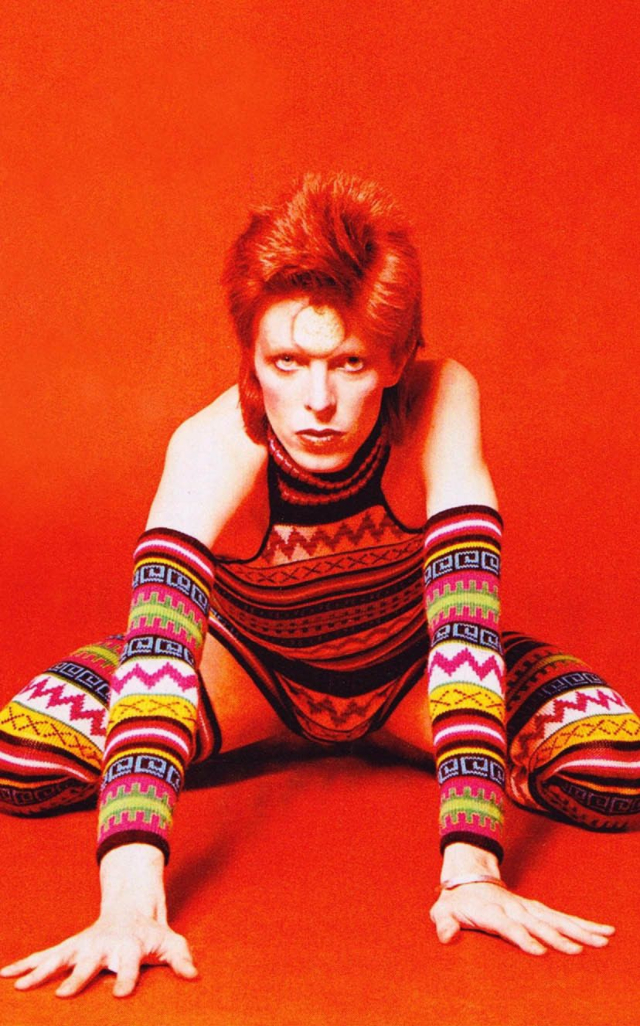
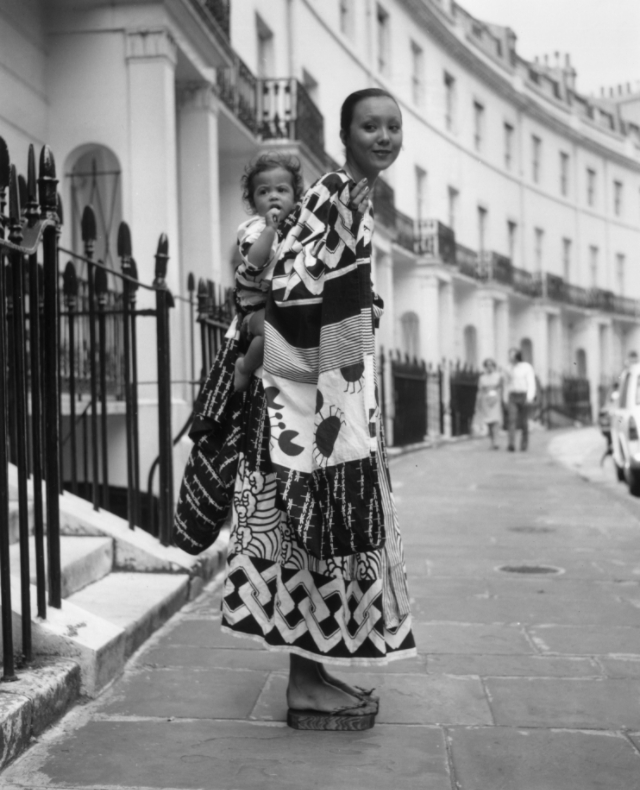
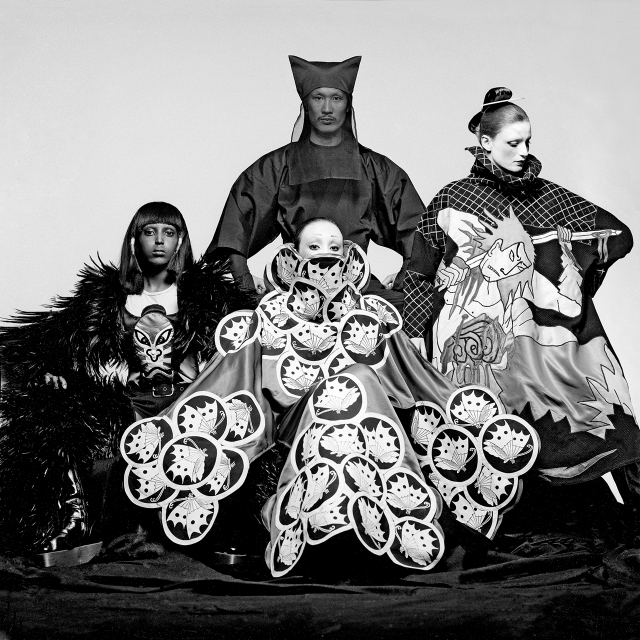
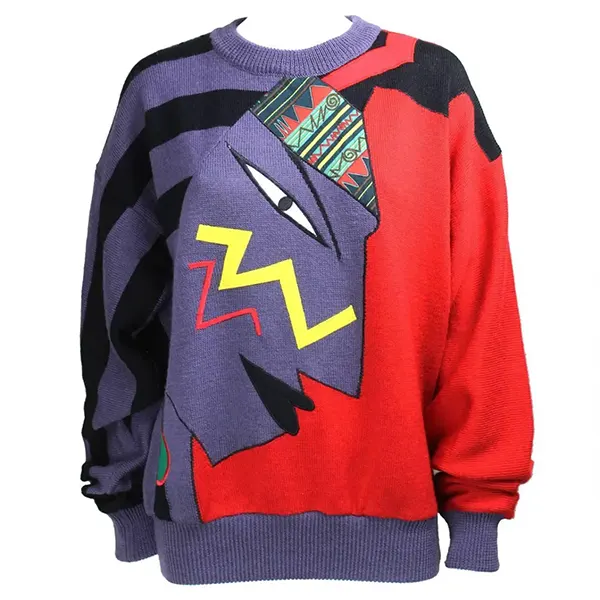
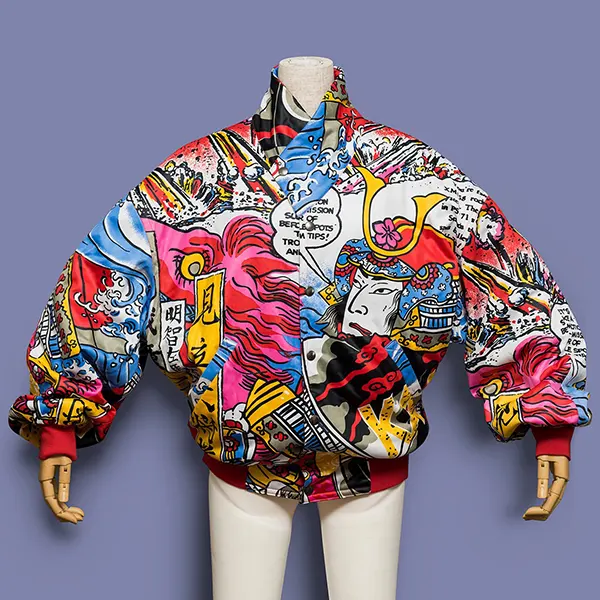
Photographs Show Relationship Between Designer Kansai Yamamoto and David Bowie in the 1970s
(Photo credit: Flickr / Wikimedia Commons / Reddit).