
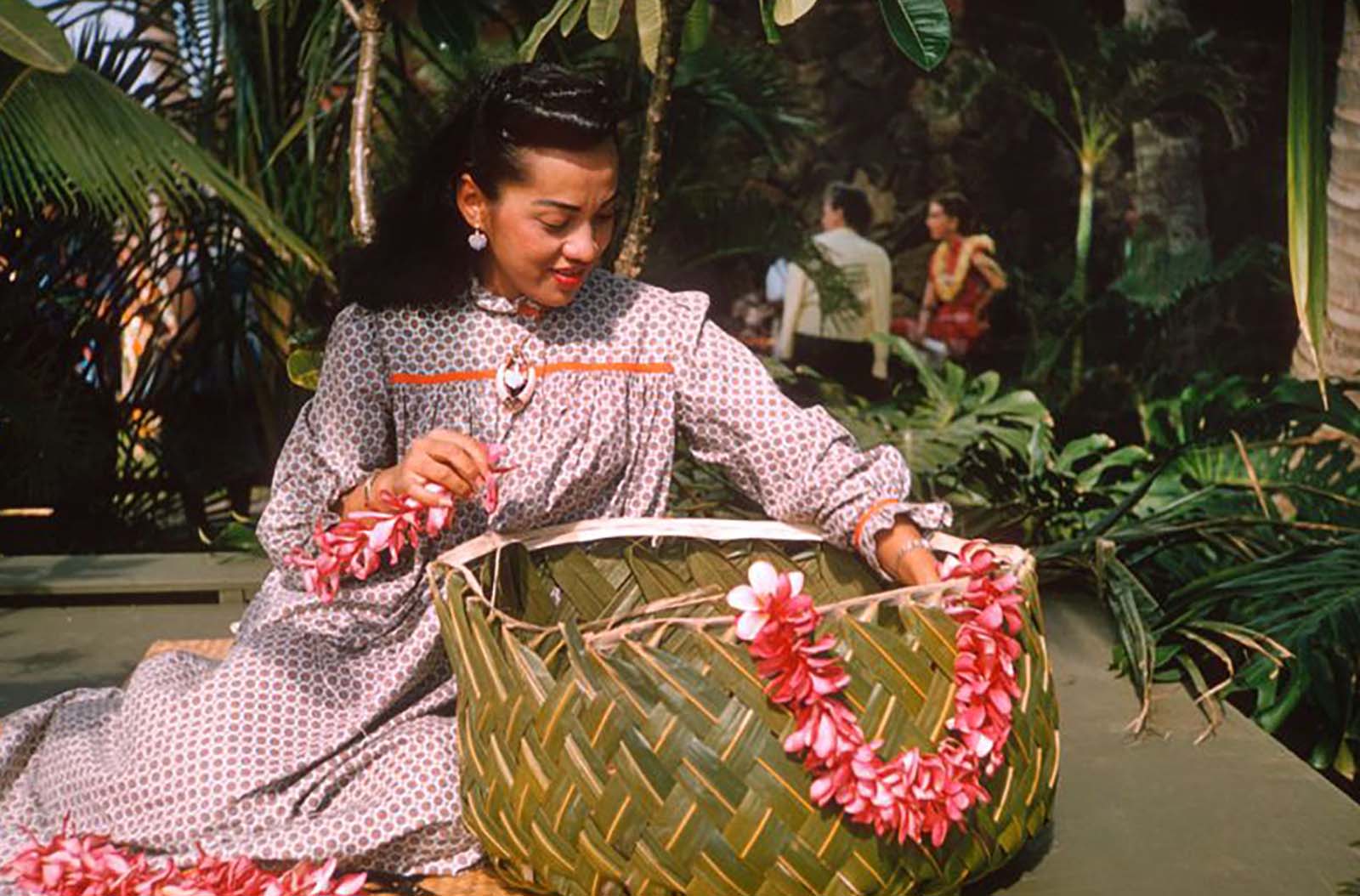
Before Hawaii became the 50th star on the American flag, it was already something close to paradise in the popular imagination.
The color photographs taken across the islands in the 1950s do something remarkable: they pull viewers into a world that feels both familiar and impossibly distant.
Sun-soaked beaches, swaying palms, locals going about their daily lives, and a cultural richness that no postcard could fully contain.
Shot at a time when color photography was still a novelty, these images carry a vividness that black-and-white simply could not deliver.
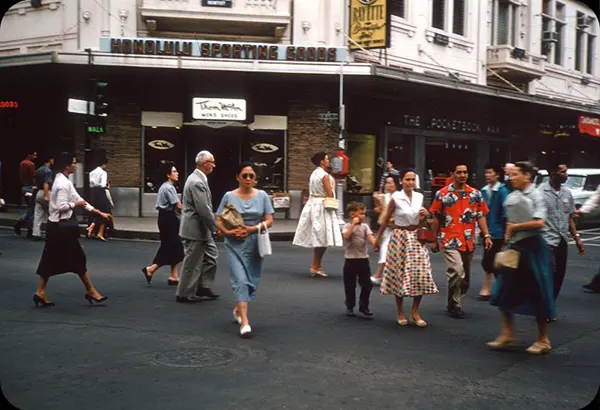
Honolulu Sporting Goods. (Photo by ElectroSpark).
Life in Hawaii during the 1950s was shaped by decades of plantation agriculture, where sugar and pineapple had long defined both the economy and the social order.
The islands held one of the most diverse populations anywhere under the American flag, Native Hawaiians, Japanese Americans, Filipino Americans, Chinese Americans, and haoles, as mainland whites were commonly known locally.
Each community brought its own traditions, foods, and languages, weaving together a cultural fabric unlike anything found on the mainland.
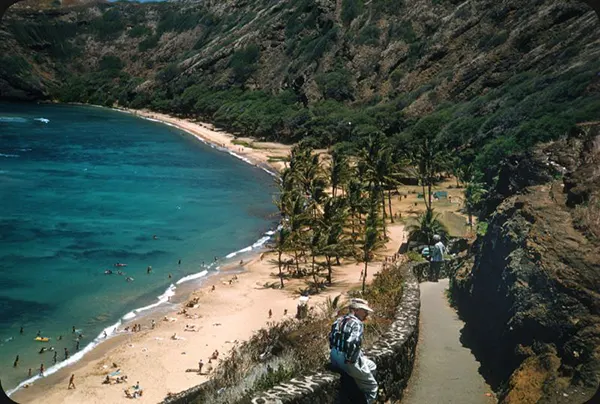
Downtown Honolulu. (Photo by ElectroSpark).
Tourism was beginning to stir in earnest during this period. Pan American Airways offered glamorous, if expensive, clipper flights to Honolulu, positioning Hawaii as the ultimate postwar escape for Americans with means and imagination.
Waikiki was slowly being reborn as a premier leisure destination, its modest beachfront hotels filling each season with travelers drawn by the promise of aloha.
Surf culture was gaining visibility, hula was performed nightly for enchanted audiences, and the notion of Hawaii as an exotic yet welcoming retreat was taking firm hold in the American consciousness.
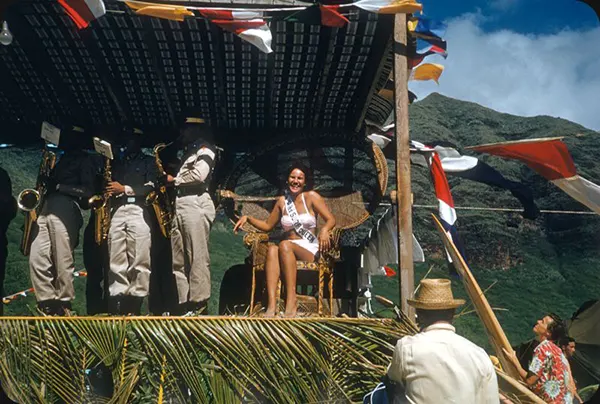
Miss Surf Queen. (Photo by ElectroSpark).
The tourism industry, still in its early stages compared to what it would later become, was already beginning to reshape how the islands presented themselves to the outside world.
Beneath that sun-drenched surface, however, the decade brought genuine political upheaval.
For generations, a small group of powerful families, often referred to as the Big Five, had controlled the plantation economy and exercised enormous influence over territorial governance.
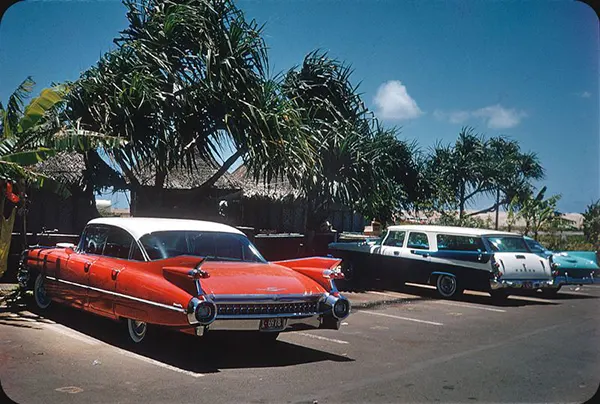
(Photo by ElectroSpark).
The Hawaii Republican Party had long served as their political vehicle. But the 1950s saw that grip begin to loosen in a meaningful way.
The children and grandchildren of immigrant laborers, born on Hawaiian soil and raised as American citizens, came of age and fundamentally reshaped the islands’ balance of power.
Having grown up under the plantation system, many harbored a deep sense of the inequalities it had produced.
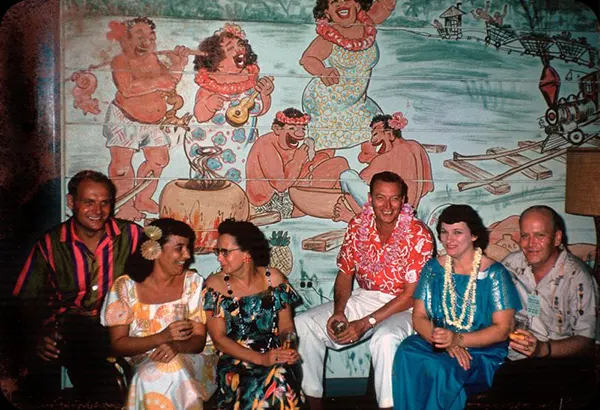
(Photo by ElectroSpark).
They voted in large numbers against the Republican establishment and aligned themselves with the Democratic Party of Hawaii instead. That shift proved durable.
The Democratic Party would go on to dominate territorial and then state politics for more than four decades, a remarkable run that grew directly from the grassroots energy of that postwar generation.
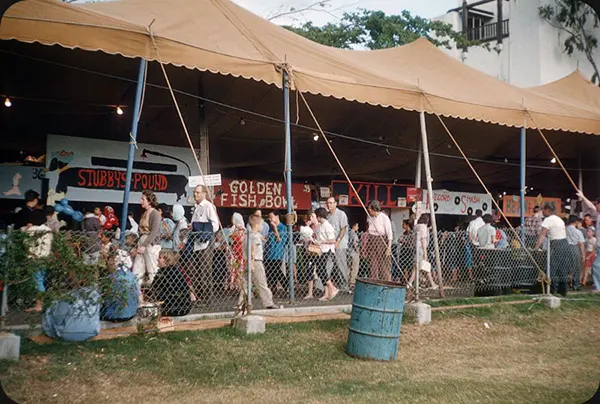
(Photo by ElectroSpark).
Statehood became a cause that united much of the population across ethnic and economic lines.
Residents campaigned actively for full representation in Congress and a meaningful voice in presidential elections, arguing that Hawaii’s loyalty, diversity, and strategic importance in the Pacific more than qualified it for equal standing within the union.
The push had actually been building since the 1930s, repeatedly stalled in Washington by a combination of racial bias, political maneuvering, and Cold War anxieties about the islands’ labor movement.
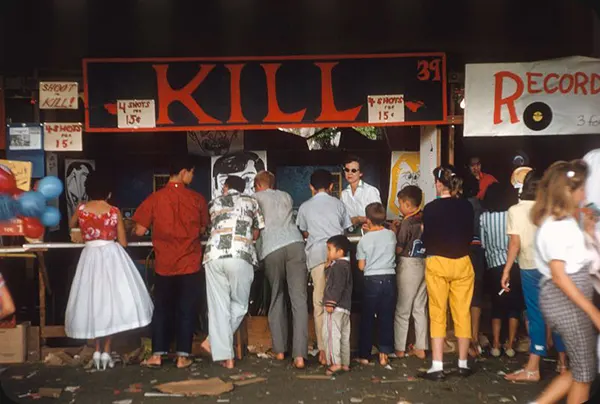
(Photo by ElectroSpark).
When the debate finally reached its resolution, the political calculus in Washington was careful and somewhat misguided.
Some legislators believed Hawaii would favor Republicans, so its admission to the union was paired with that of Alaska, which was assumed to lean Democratic and therefore balance the equation. History made short work of both predictions.
Hawaii has voted reliably Democratic in every presidential election since statehood, while Alaska moved decisively into the Republican column. The assumptions of 1959 aged poorly.
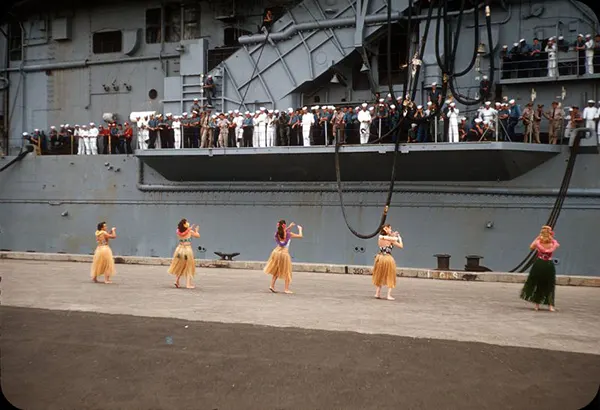
Welome Home Hula Dance on Ford Island, Honolulu. (Photo by ElectroSpark).
In August of that year, Hawaii officially became a state, and the islands stepped onto a larger stage. The photographs from that era now serve as something more than mere nostalgia.
They are a quiet record of the years just before mass tourism transformed Waikiki beyond recognition, before statehood accelerated economic development, and before the Hawaii most of the world would come to know had fully taken shape.
Looking at them today, what stands out is not just the beauty of the place, but the particular stillness of a moment suspended between one chapter and the next.
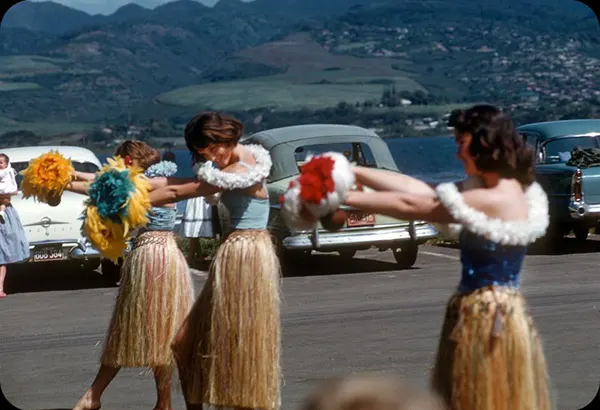
Hula Dancers at Ford Island. (Photo by ElectroSpark).
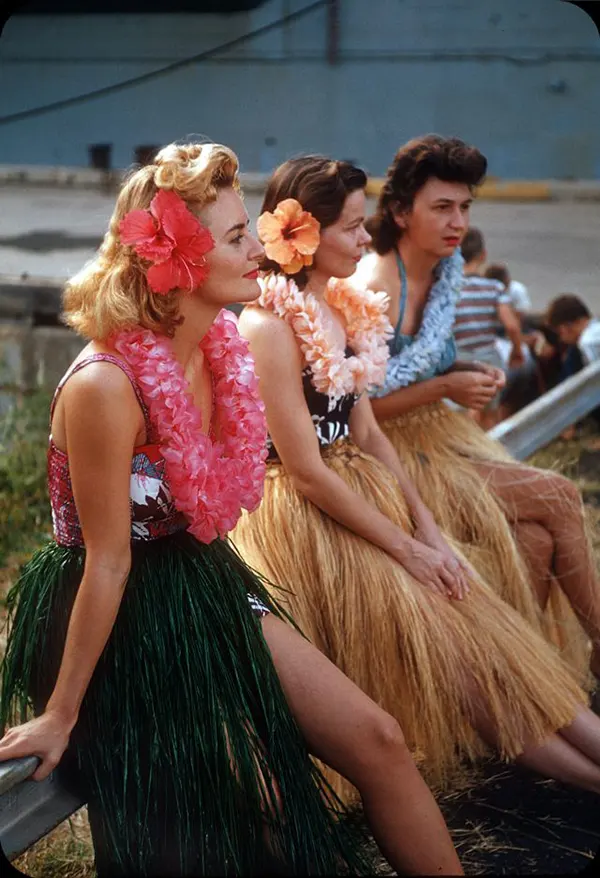
(Photo by ElectroSpark).
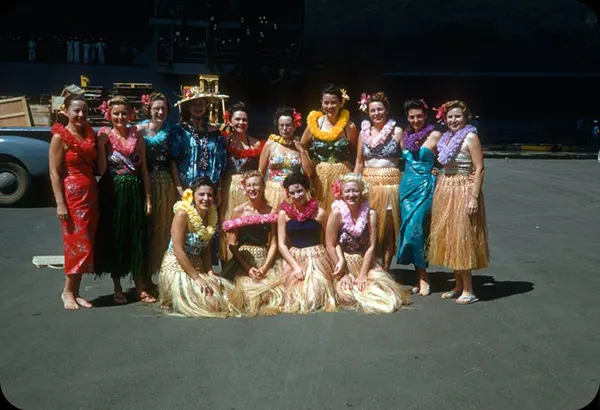
(Photo by ElectroSpark).
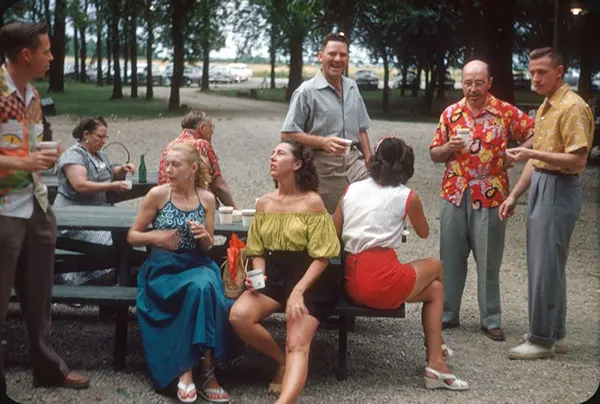
(Photo by ElectroSpark).
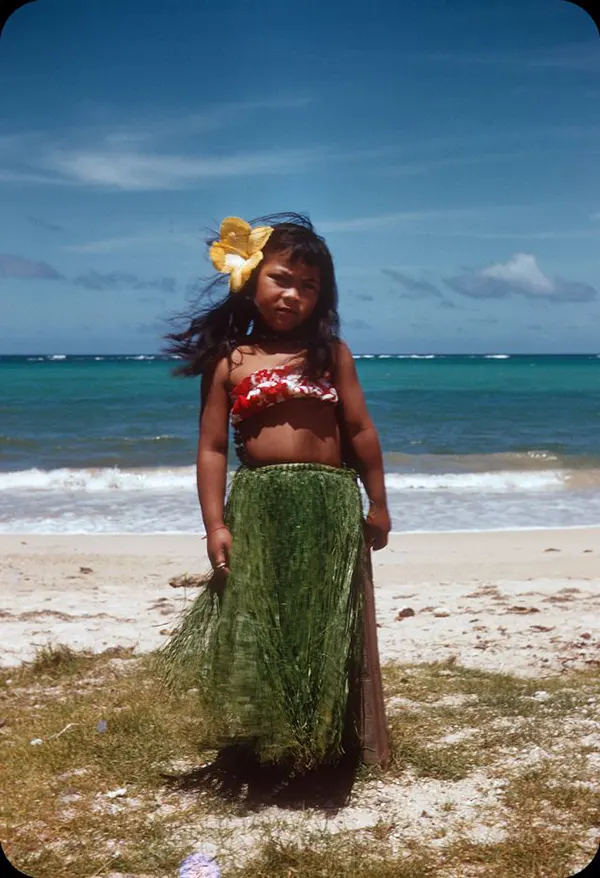
(Photo by ElectroSpark).
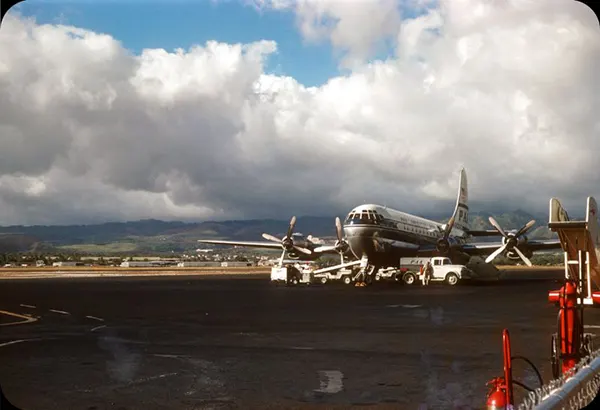
(Photo by ElectroSpark).
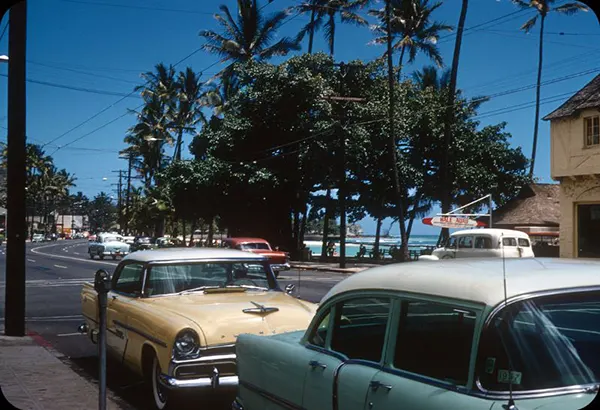
(Photo by ElectroSpark).
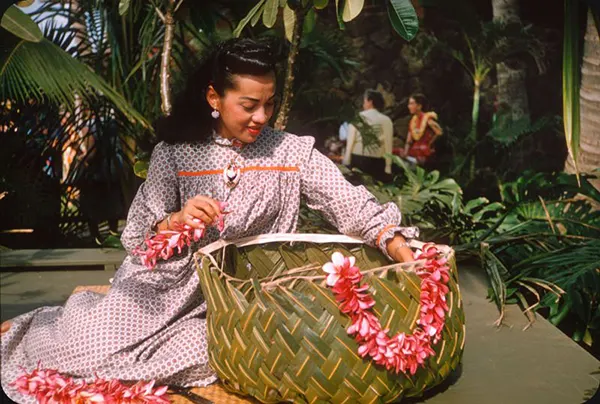
(Photo by ElectroSpark).
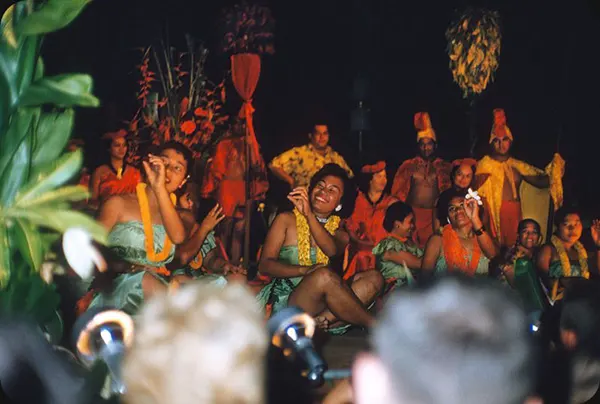
(Photo by ElectroSpark).
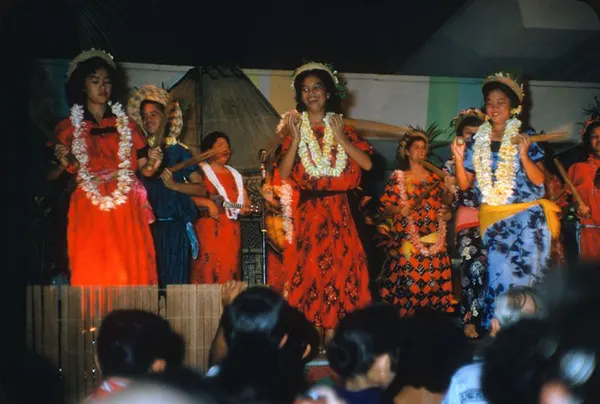
(Photo by ElectroSpark).
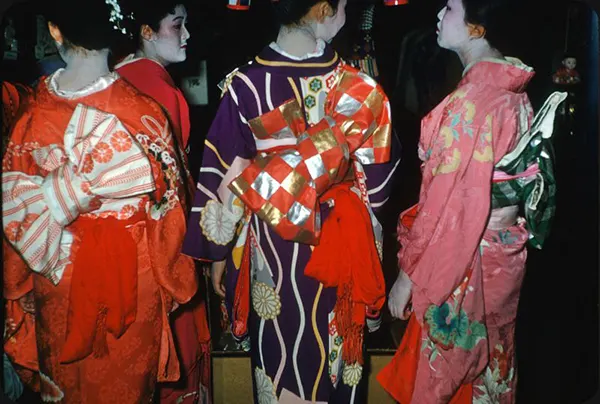
(Photo by ElectroSpark).
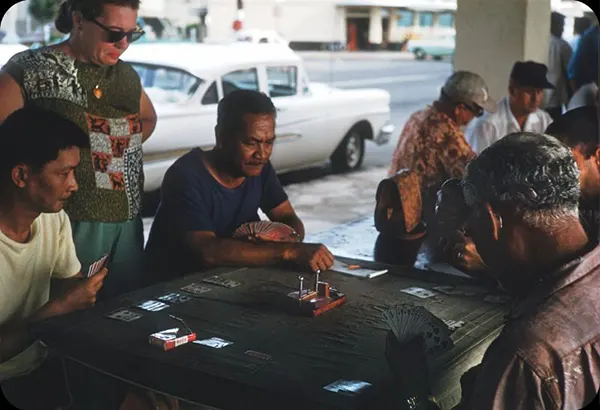
(Photo by ElectroSpark).
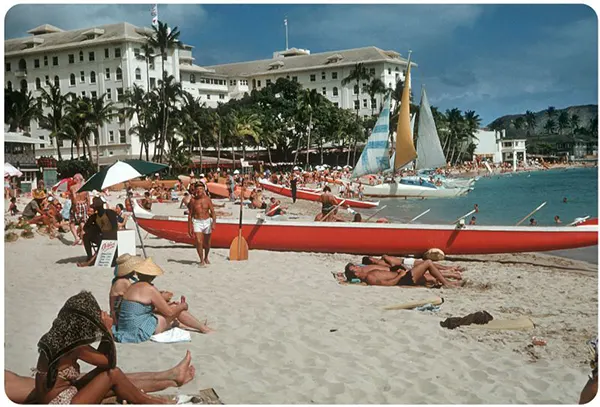
(Photo by ElectroSpark).
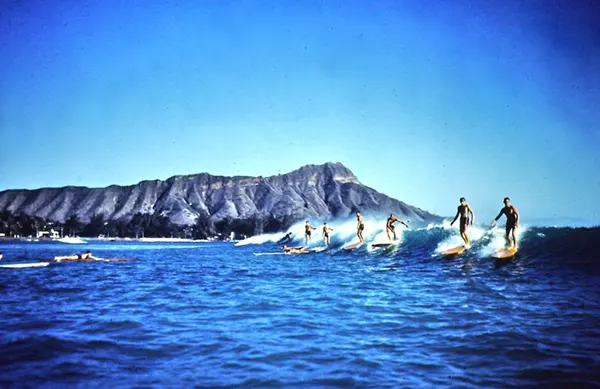
(Photo by Alexander J. Cappetto/Richard Cappetto).
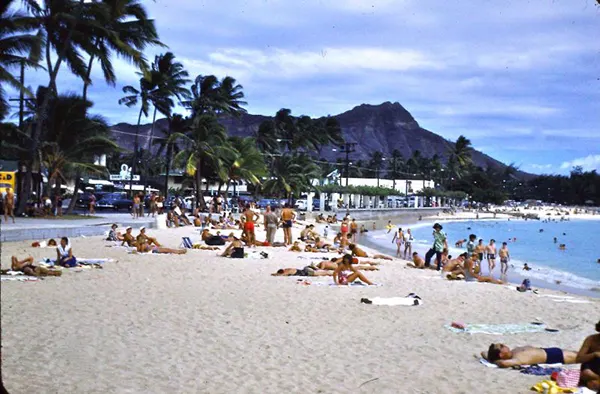
(Photo by Alexander J. Cappetto/Richard Cappetto).
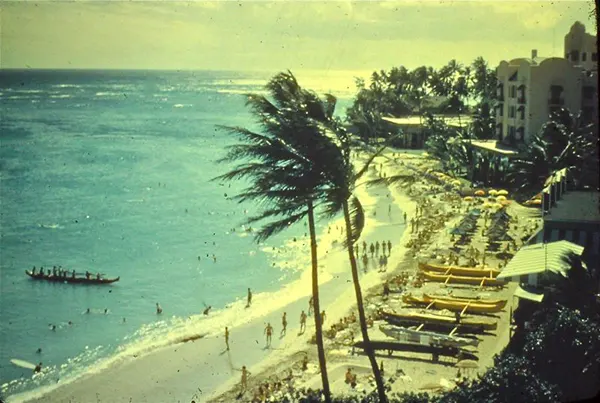
(Photo by Alexander J. Cappetto/Richard Cappetto).
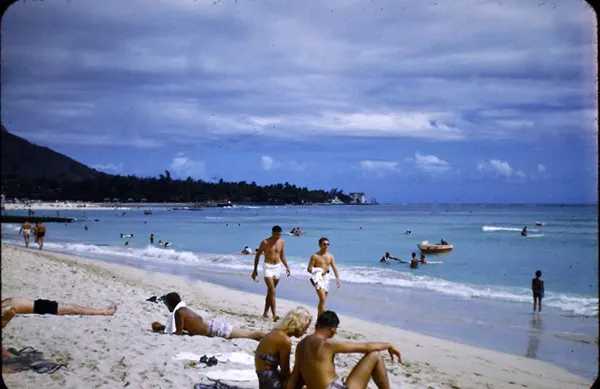
(Photo by Alexander J. Cappetto/Richard Cappetto).
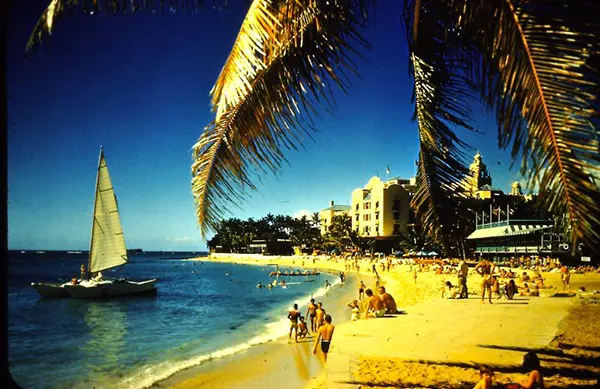
(Photo by Alexander J. Cappetto/Richard Cappetto).
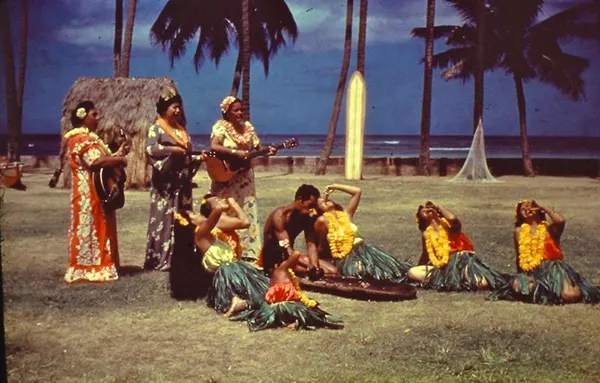
(Photo by Alexander J. Cappetto/Richard Cappetto).
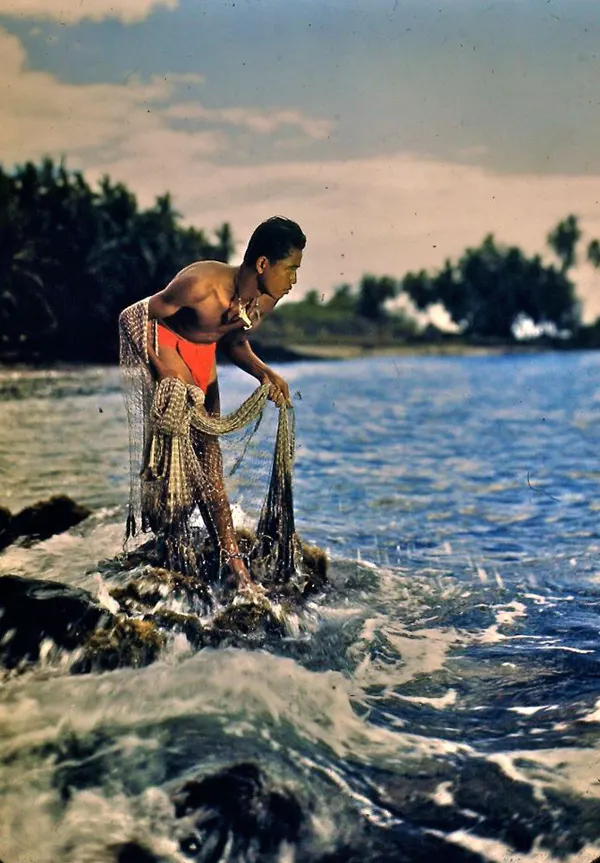
(Photo by Alexander J. Cappetto/Richard Cappetto).
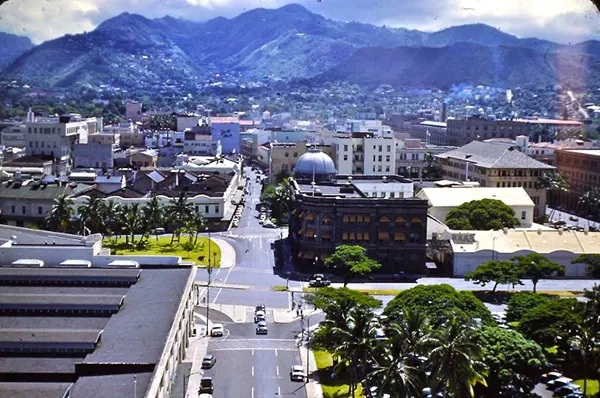
(Photo by Alexander J. Cappetto/Richard Cappetto).
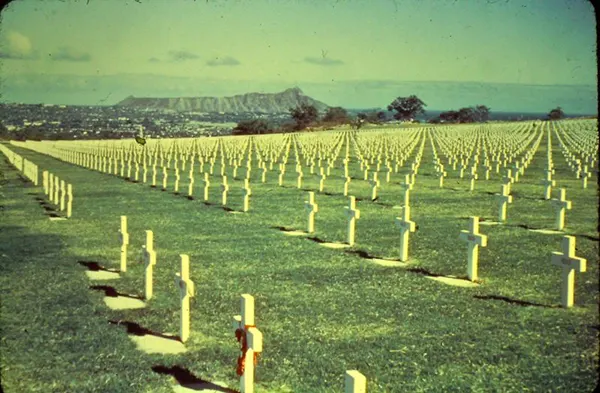
(Photo by Alexander J. Cappetto/Richard Cappetto).
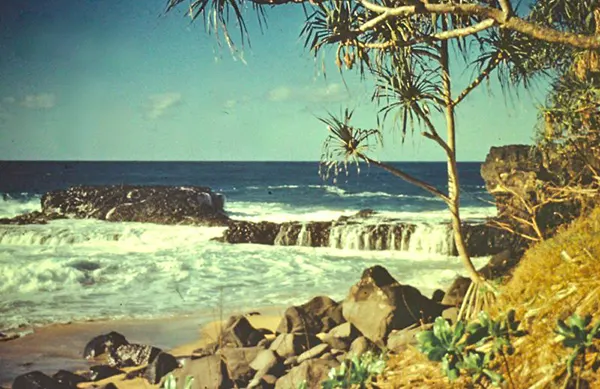
(Photo by Alexander J. Cappetto/Richard Cappetto).
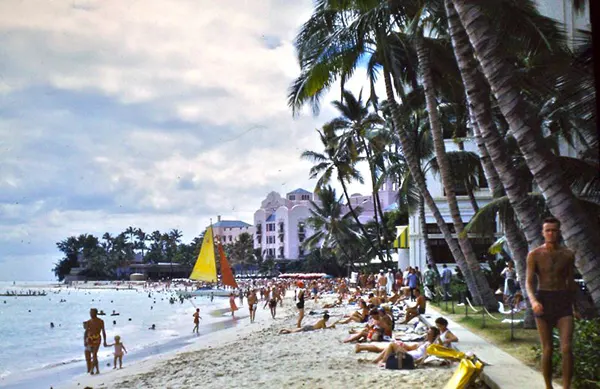
(Photo by Alexander J. Cappetto/Richard Cappetto).
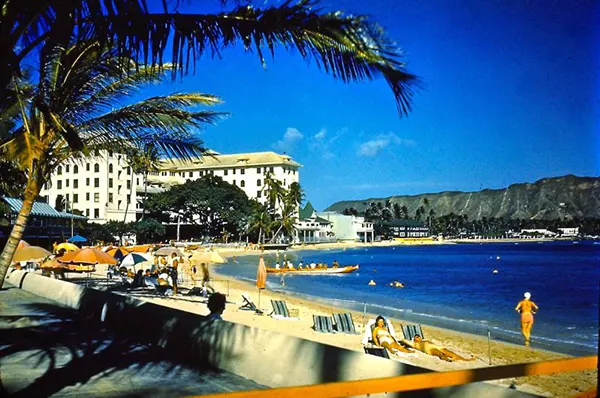
(Photo by Alexander J. Cappetto/Richard Cappetto).
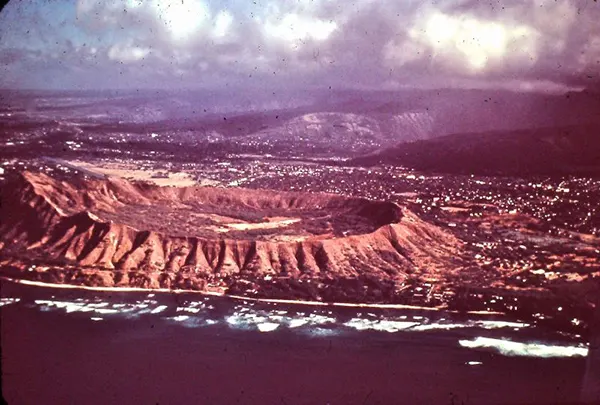
(Photo by Alexander J. Cappetto/Richard Cappetto).
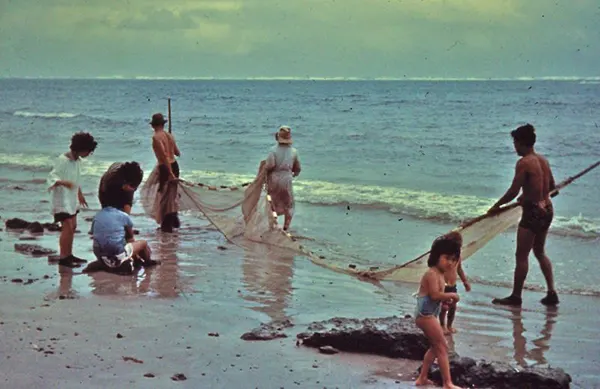
(Photo by Alexander J. Cappetto/Richard Cappetto).
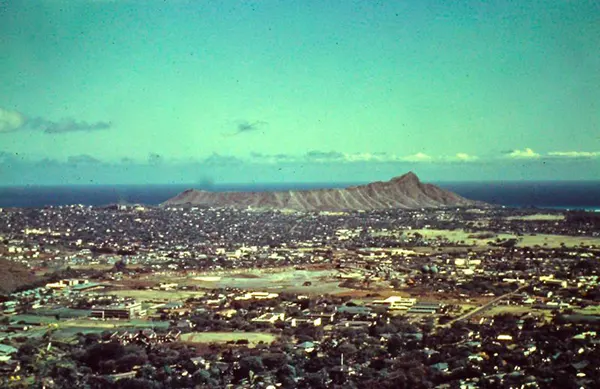
(Photo by Alexander J. Cappetto/Richard Cappetto).
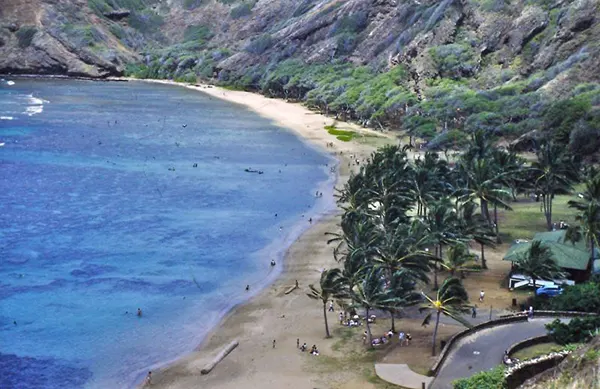
(Photo by Alexander J. Cappetto/Richard Cappetto).
(Photo credit: Alexander J. Cappetto, Richard Cappetto / ElectroSpark / via Flickr).