
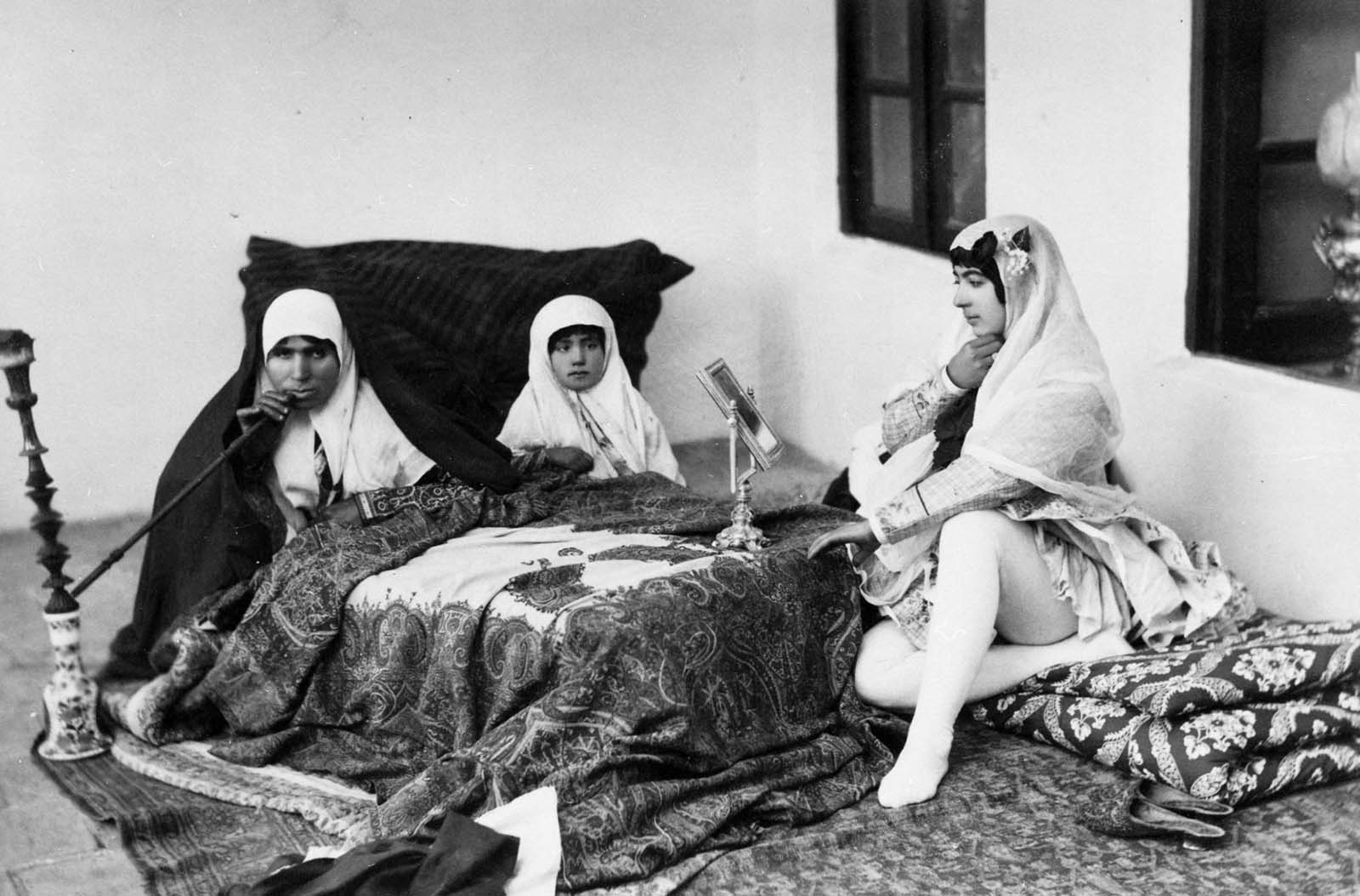
Few photographers have captured the soul of a civilization at the precise moment it began to change.
Antoin Sevruguin was one of them, an artist whose lens bore witness to the twilight of an ancient empire and the quiet upheaval of modernity pressing against its gates.
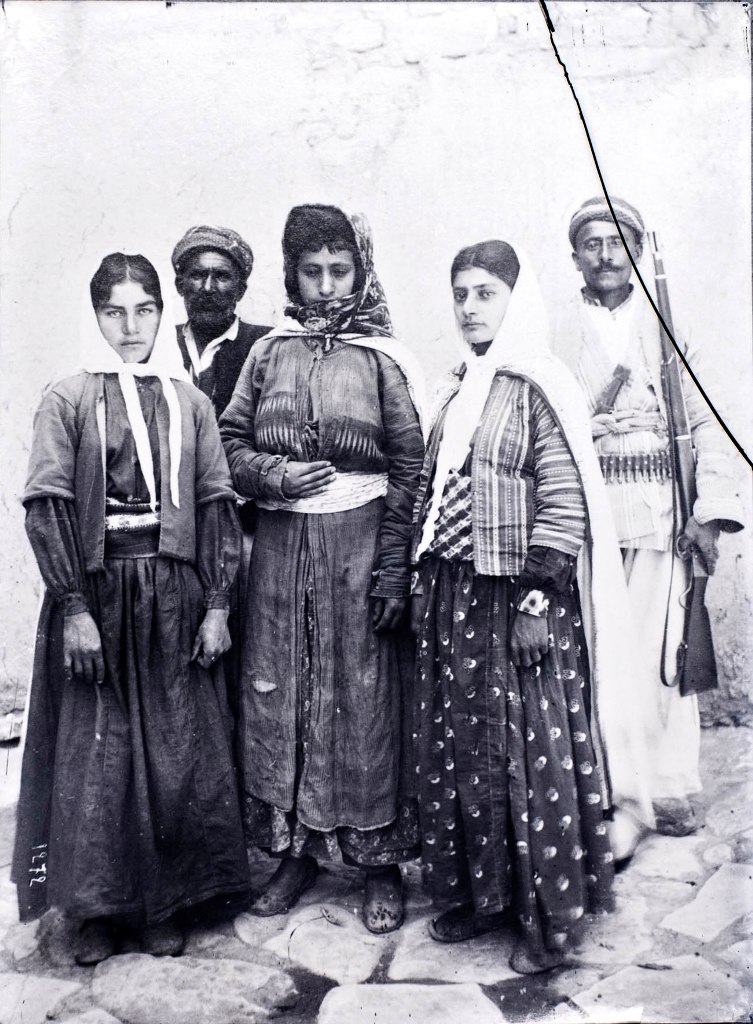
Born in 1830 into a diplomat family at the Russian embassy in Tehran, Sevruguin spent decades traversing Persia during the reign of the Qajar dynasty (1785–1925), building an extraordinary visual archive of Iranian life between 1870 and 1930.
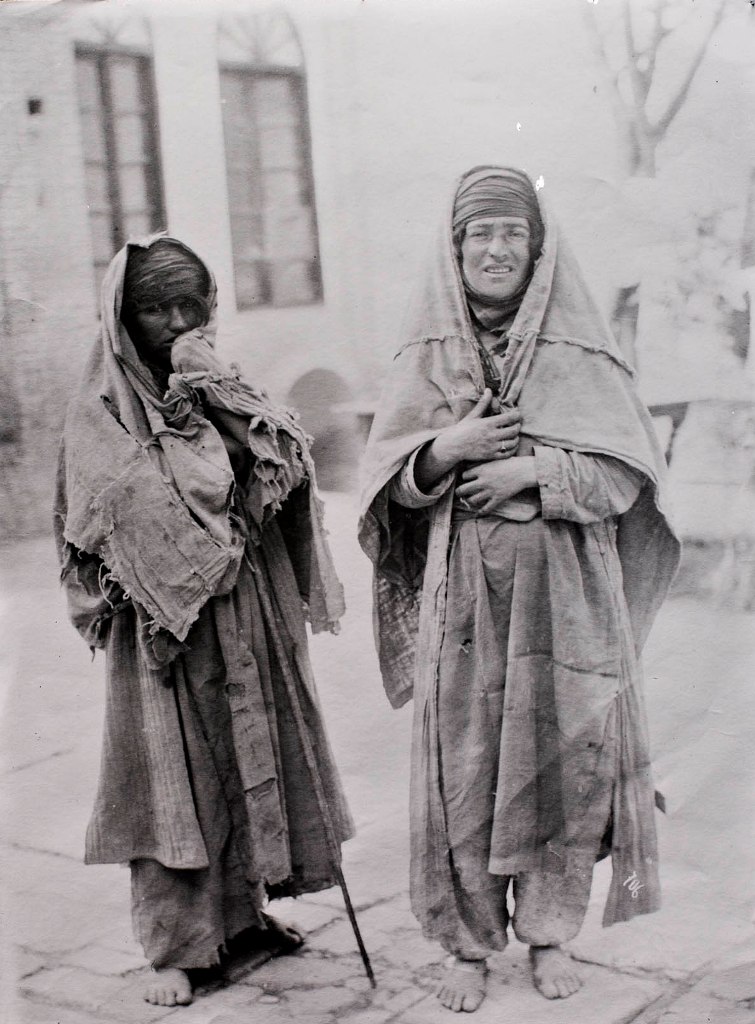
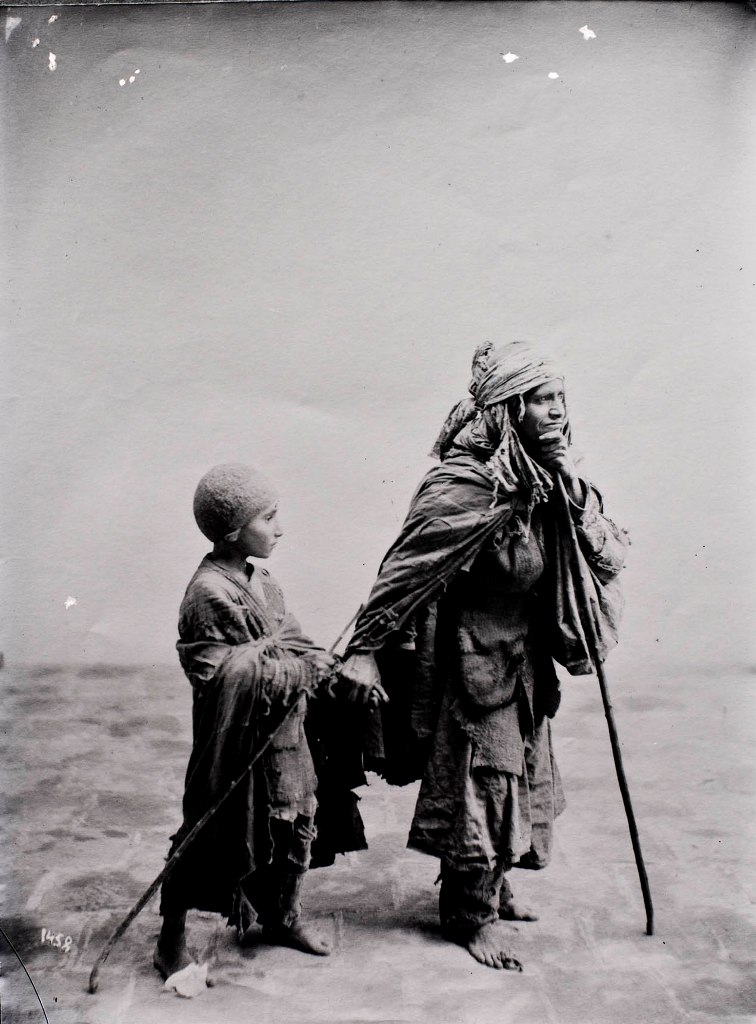
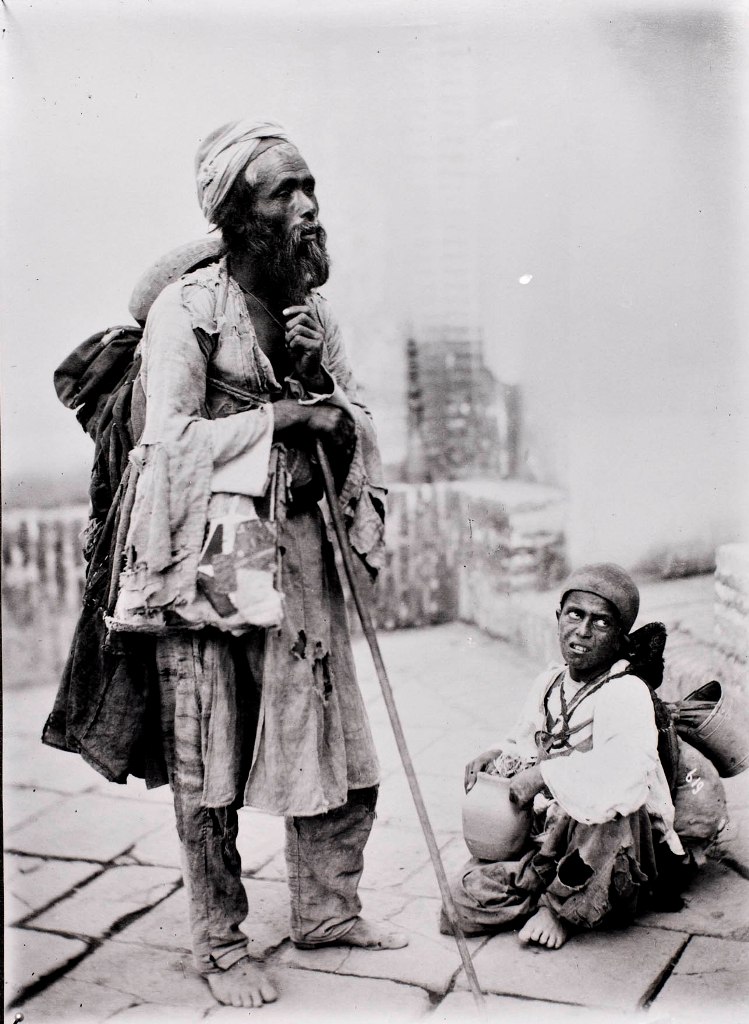
Two beggars from a nomadic tribe.
His portraits of merchants, tradespeople, nomads, and nobility alike formed a sweeping panorama of a society in flux, candid, unhurried, and deeply human in its gaze.
Sevruguin’s reputation grew quickly enough to attract royal attention. Nasser al-Din Shah appointed him as a court photographer, tasking him with documenting palace ceremonies, state events, monuments, and the sweeping landscapes of the Persian countryside.
Alongside this prestigious commission, Sevruguin established his own photography studio in Tehran, where he helped bring the then-novel practice of portraiture within reach of ordinary citizens, a cultural shift in itself.
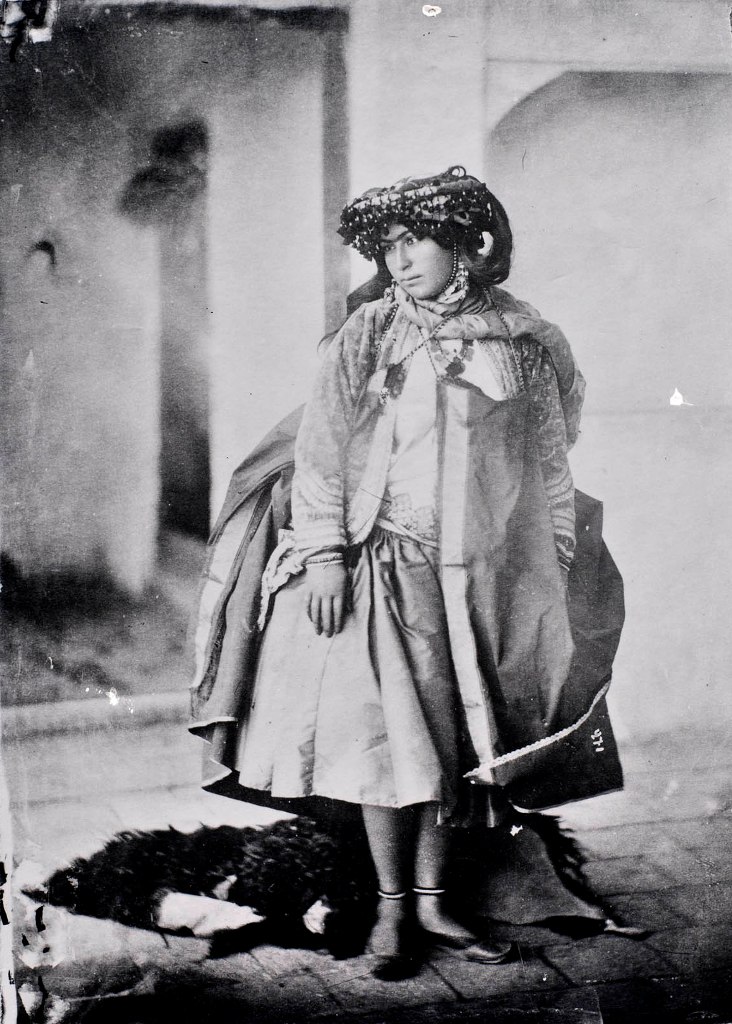
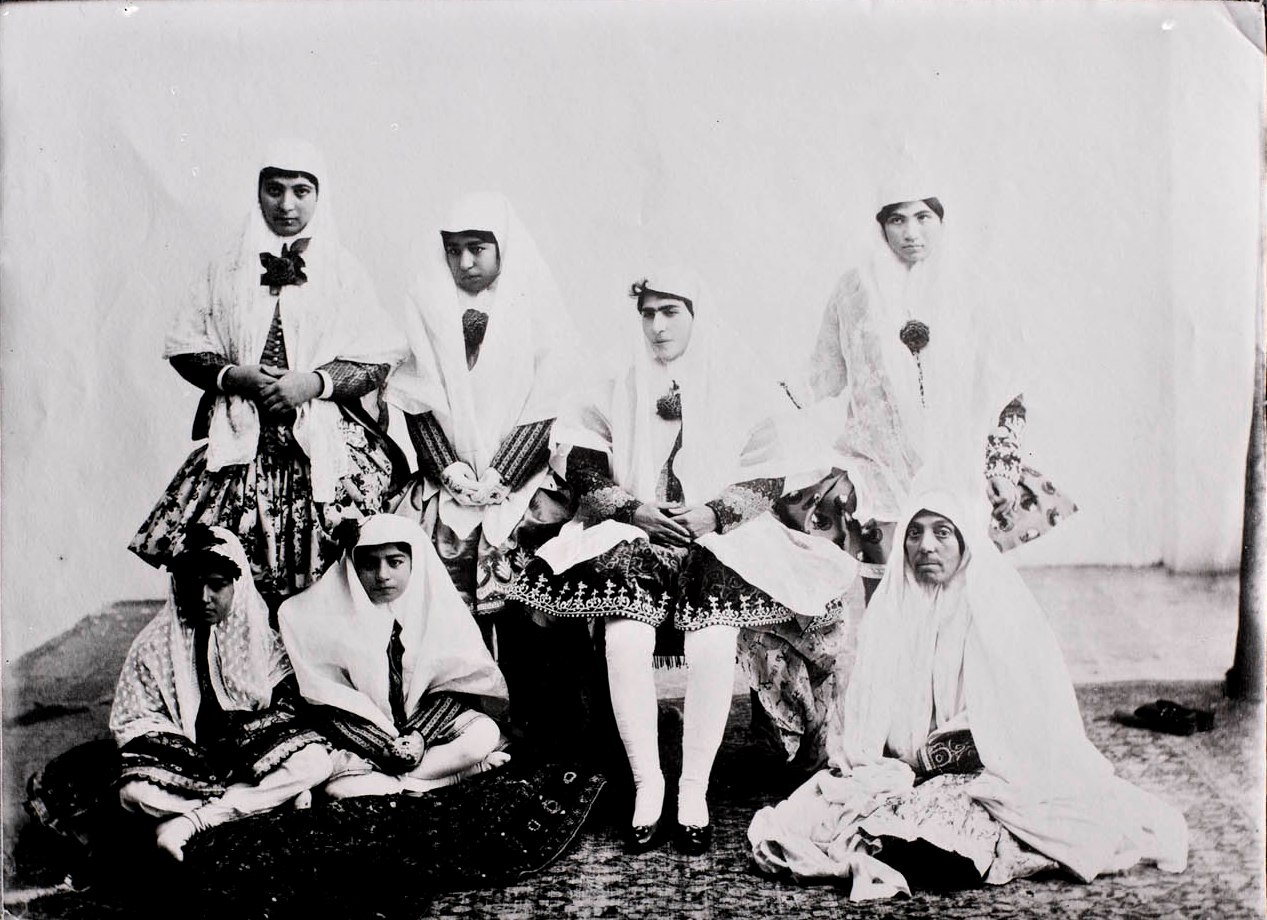
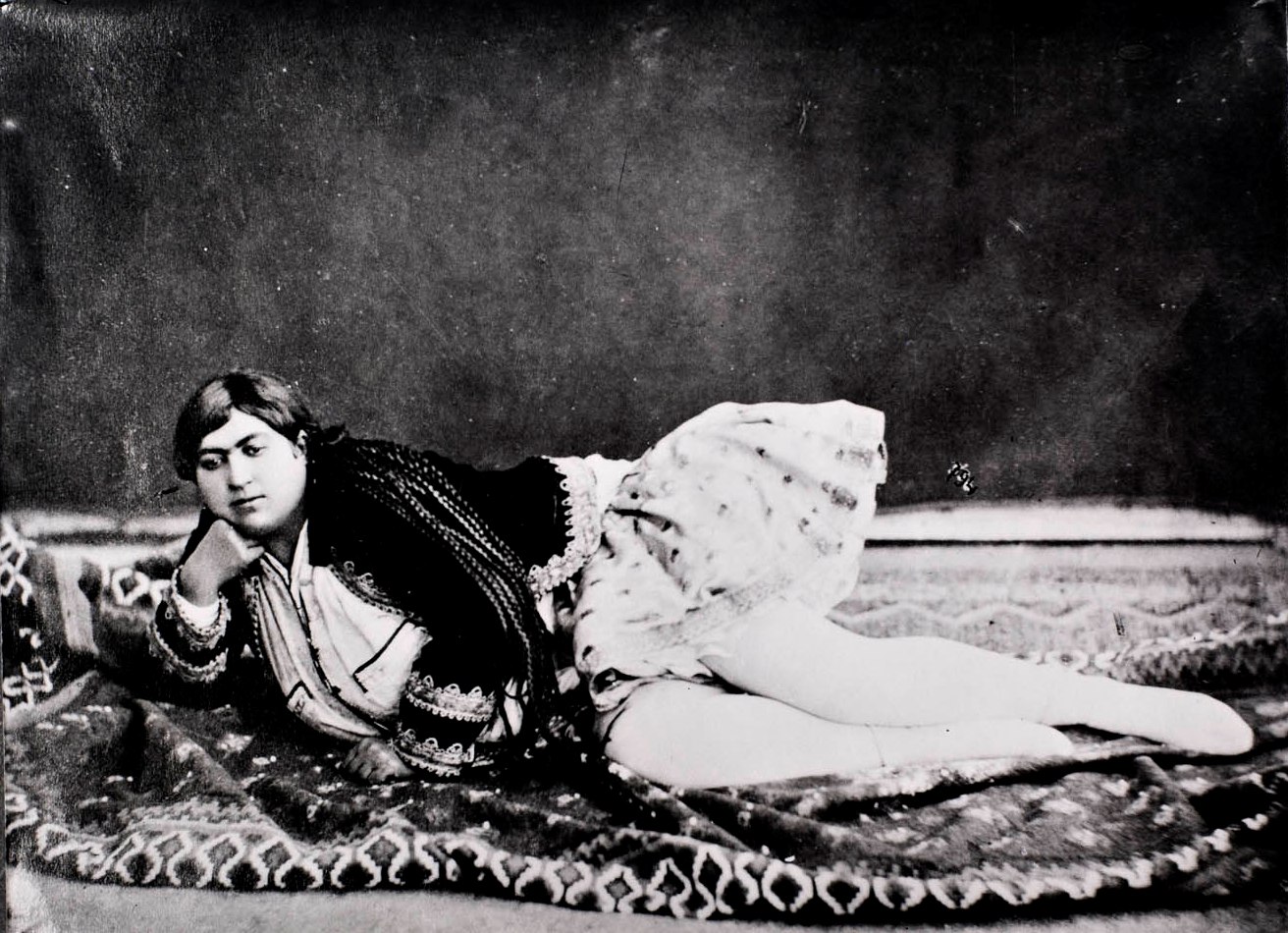
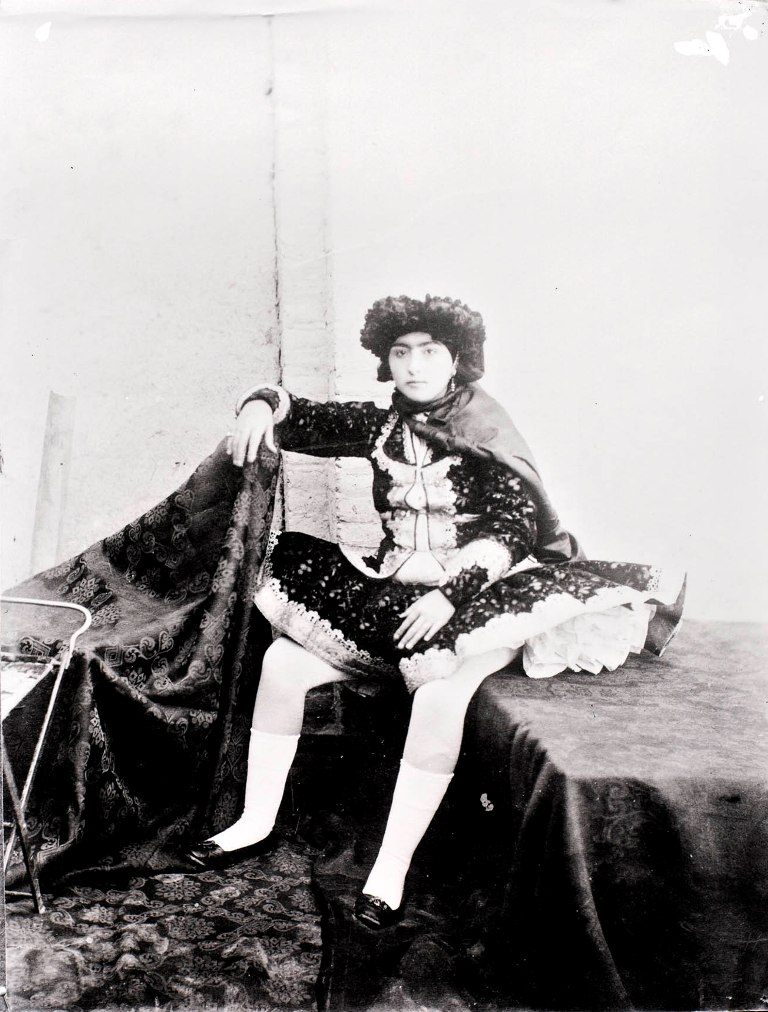
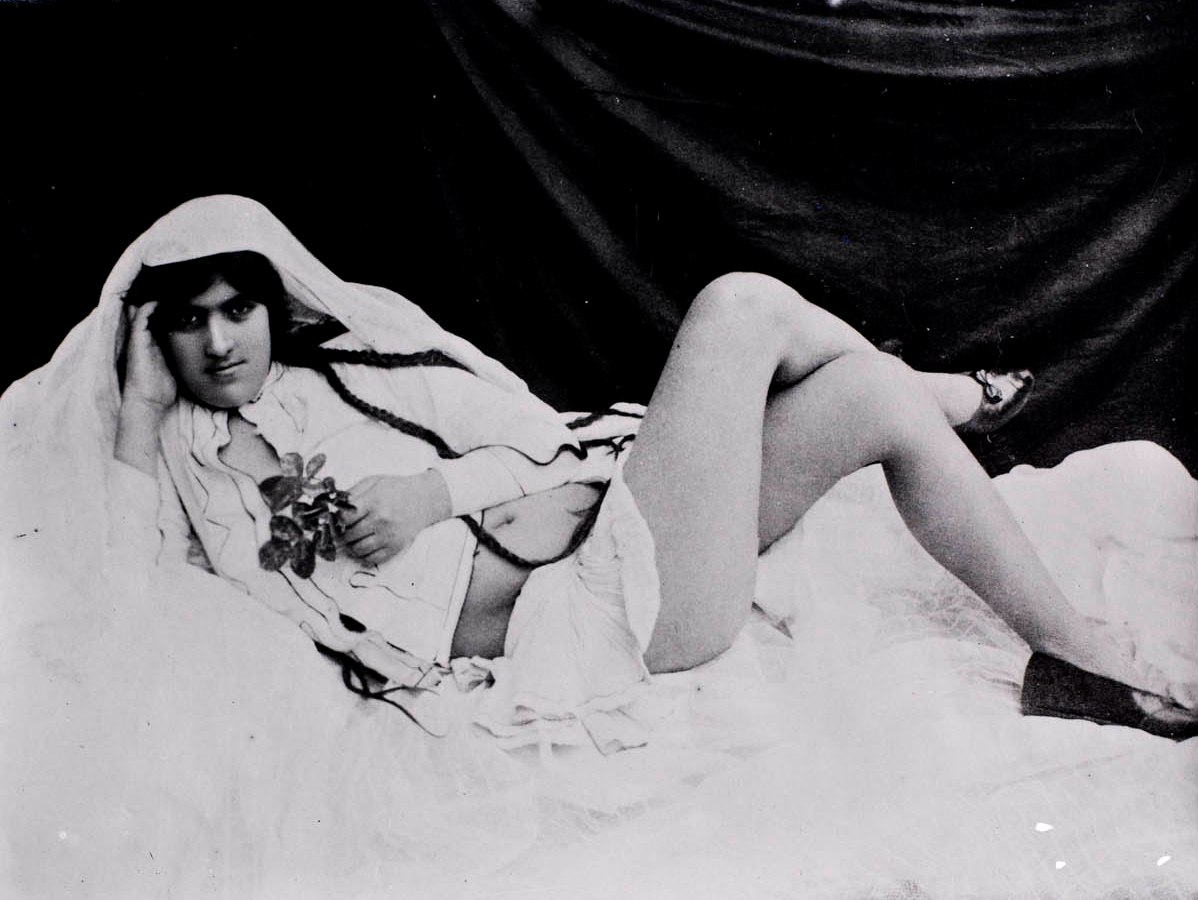
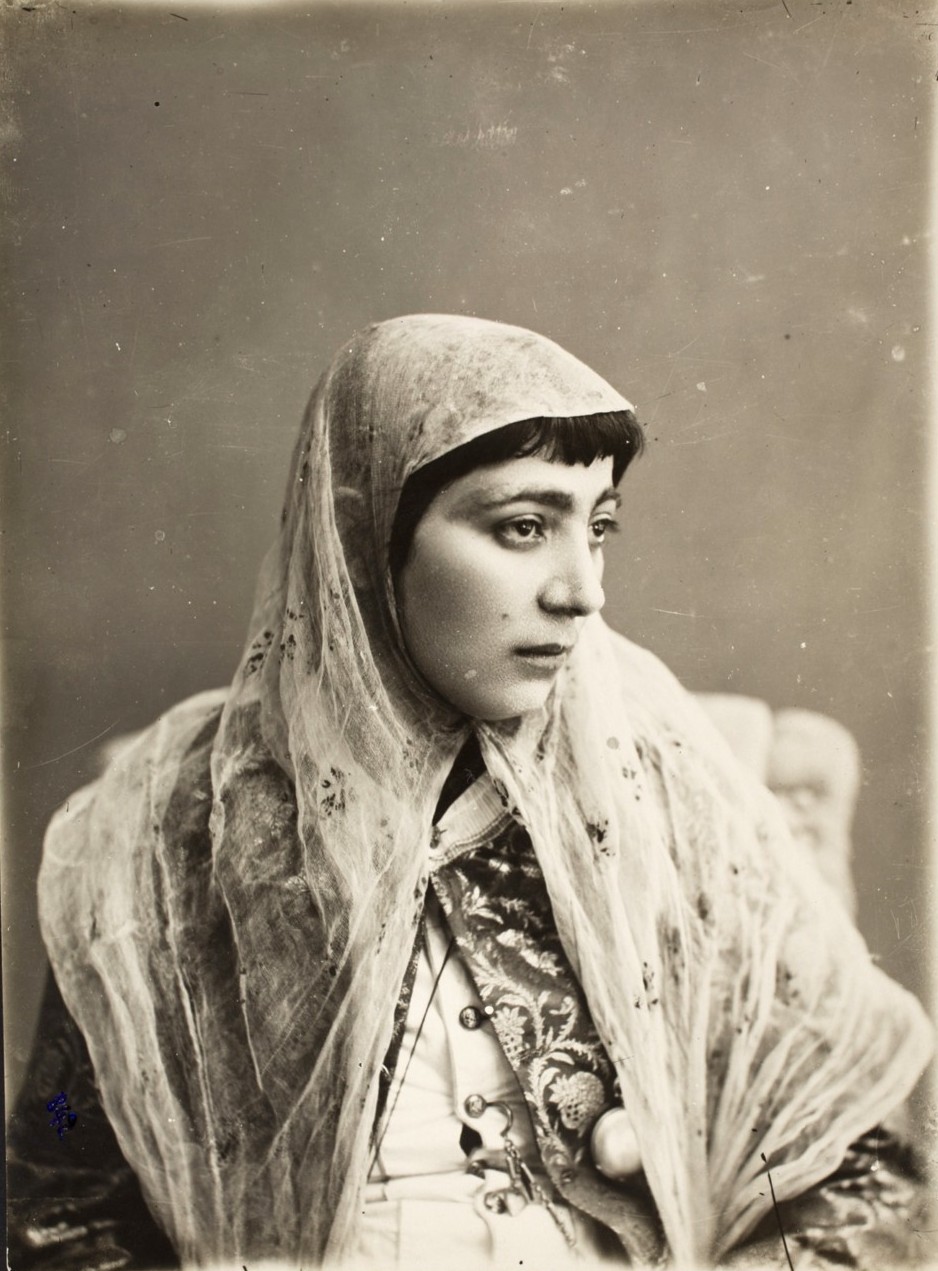
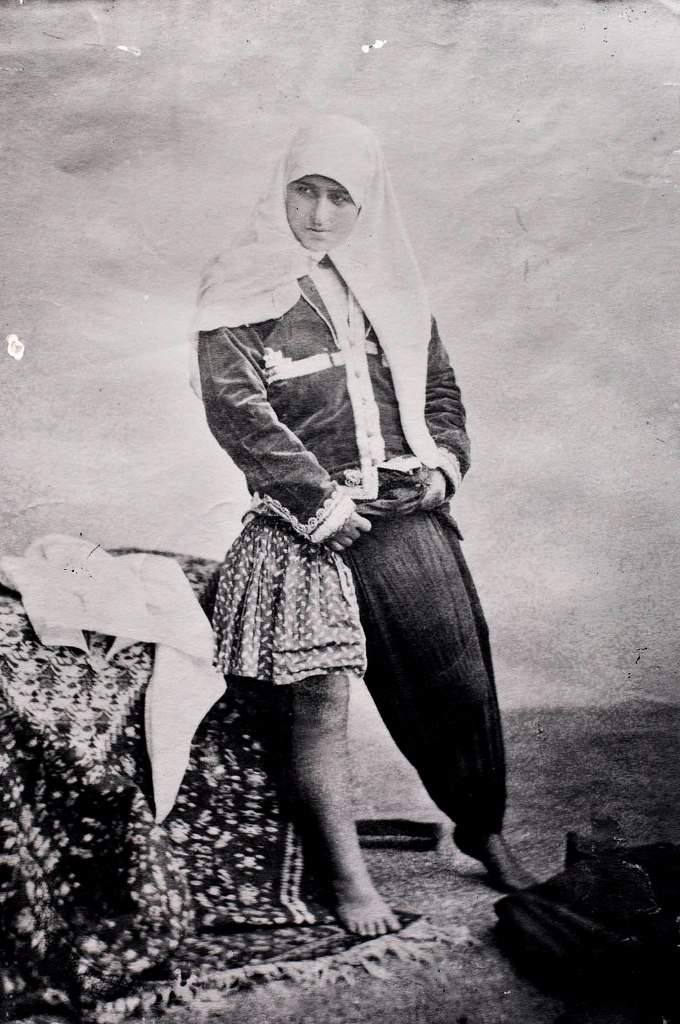 Among his most arresting photographs are those depicting Qajar-era women styled in semi-erotic poses drawn from European aesthetic conventions, a striking departure from the conservative norms that governed Persian society at the time.
Many of the women he photographed were consorts from the Shah’s own harem, lending these images an additional layer of complexity.
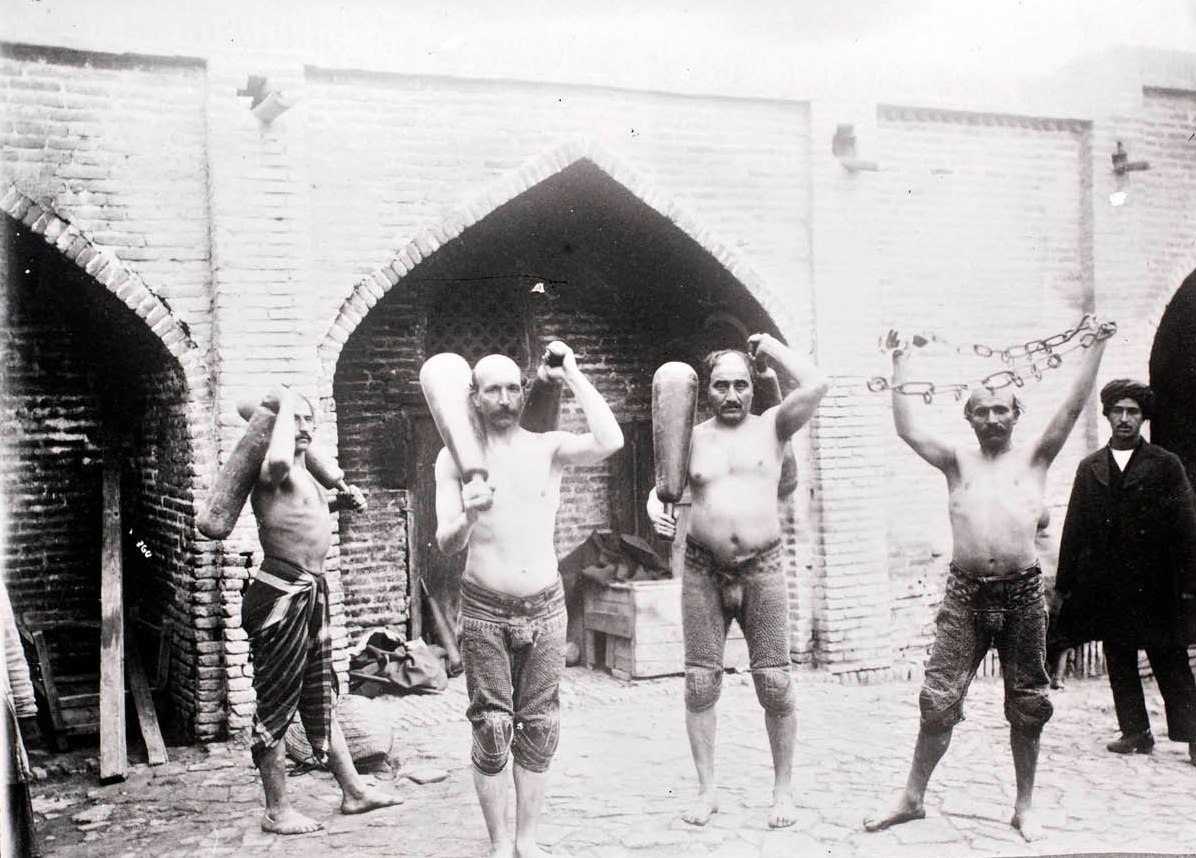
Pahlevani and zoorkhaneh rituals.
They are not simply portraits; they are records of tension between tradition and foreign influence, seclusion and display, power and its performance.
Taken together, Sevruguin’s body of work illuminates the contradictions of a society navigating the pressures of modernization while holding tightly to the structures of its past.
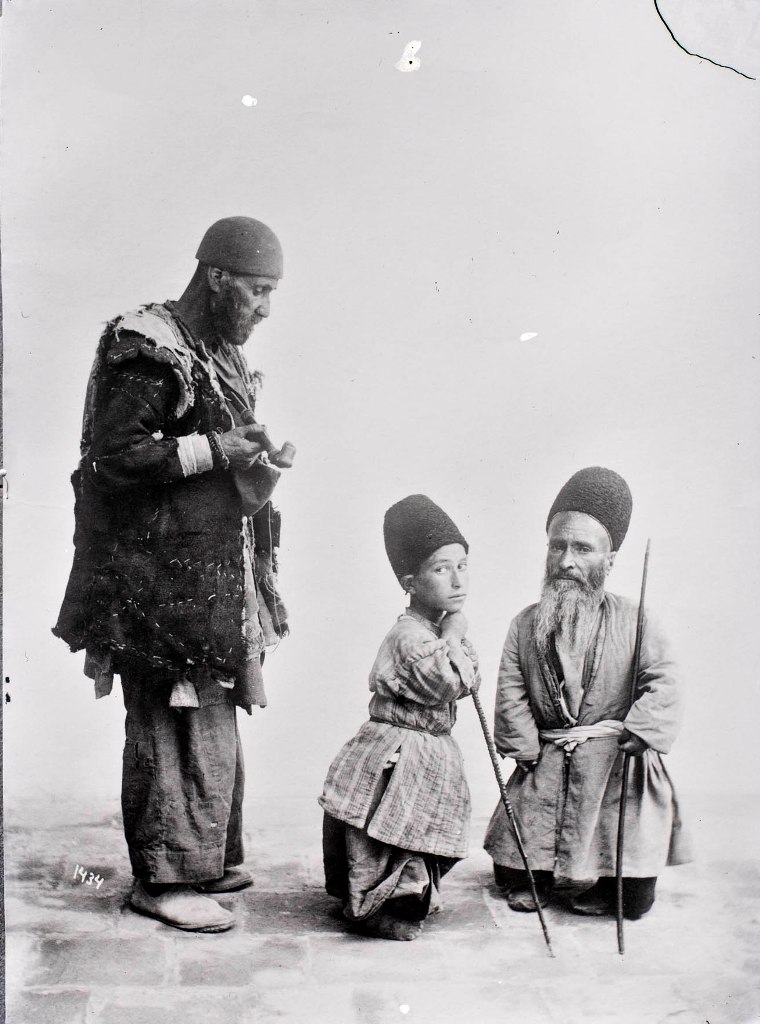
Portrait of a beggar with two dwarfs.
The Qajar dynasty, which held power from 1785 to 1925, ruled over a country caught between its imperial past and an encroaching outside world.
Iran became entangled in a web of superpower rivalry between Britain and Russia, suffering significant territorial losses in the Caucasus.
In response, a program of modernization brought an unprecedented influx of military, technological, and educational innovations from Europe.
 Yet the benefits of this transformation were felt unevenly. For the majority of the population, life remained shaped by agriculture, religious tradition, and the rhythms of local trade, while famine, inflation, and political instability threatened the social fabric from within.
As silver values slipped from the 1870s onward, inflation rose sharply, triggering bread riots and deepening the distrust between ordinary citizens, merchants, and the ruling class.
 The political situation grew increasingly volatile as the 19th century drew to a close. By the late 19th century, many Iranians believed that their country and rulers were largely beholden to foreign interests.
The Qajar dynasty had granted extensive concessions to foreign powers, particularly the British and Russian empires, in exchange for loans, technical expertise, and diplomatic support.
Public resentment eventually boiled over into the Persian Constitutional Revolution, which forced the ailing shah to grant a constitution in 1906, providing a framework for secular legislation, a new judicial code, and a free press.
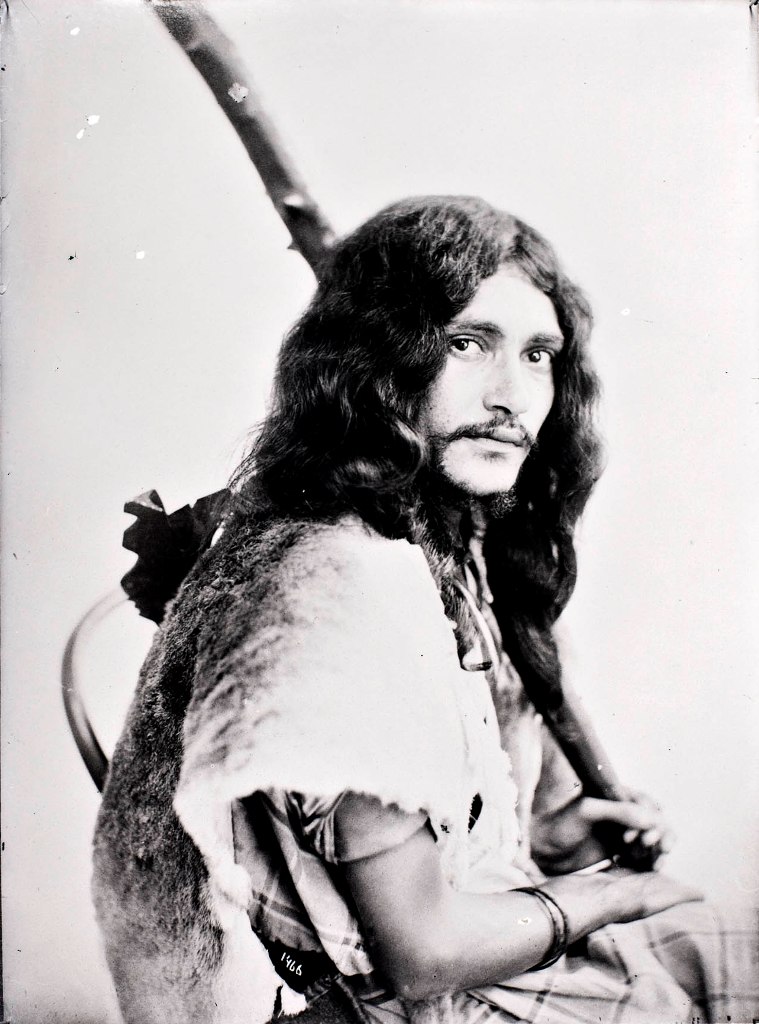
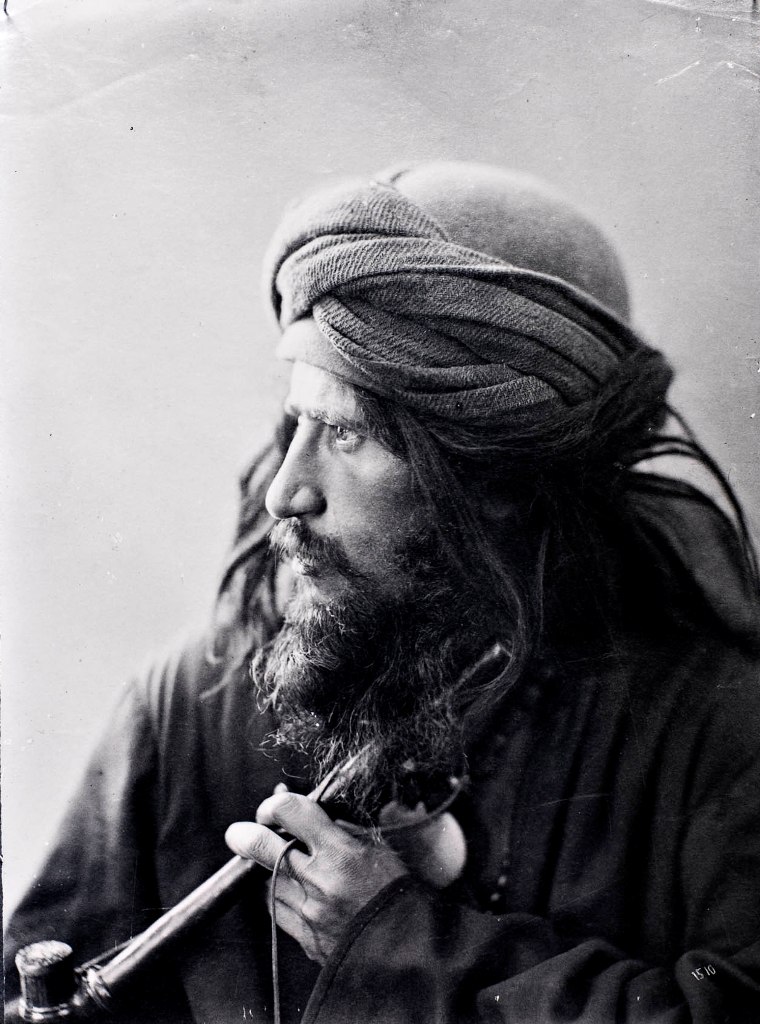
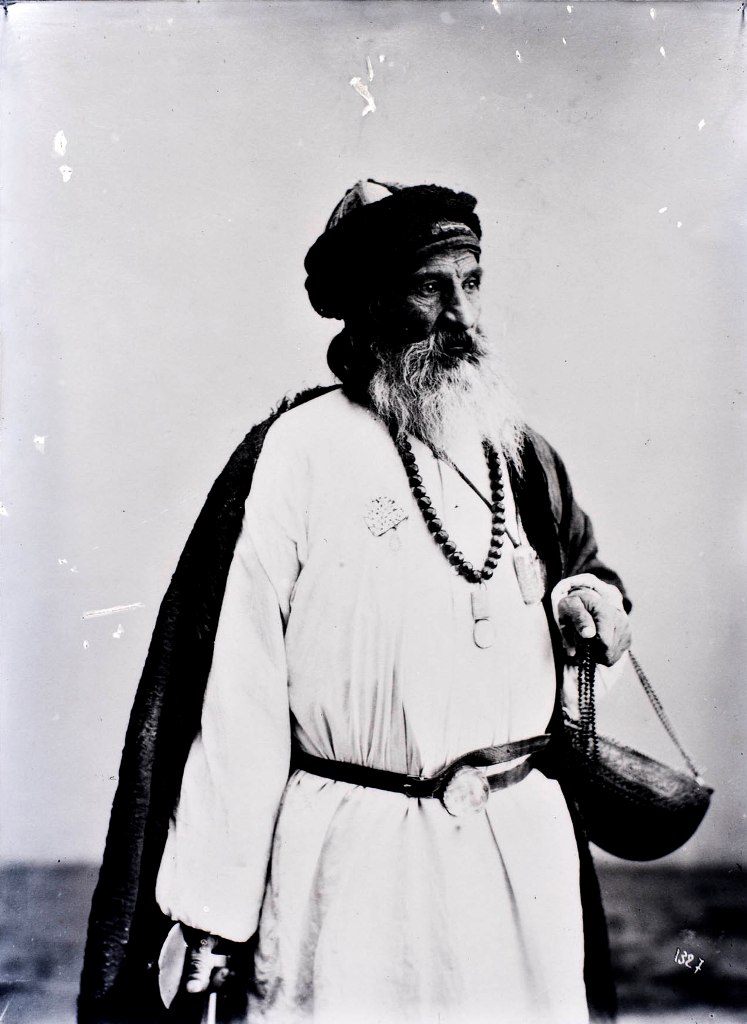
Dervish.
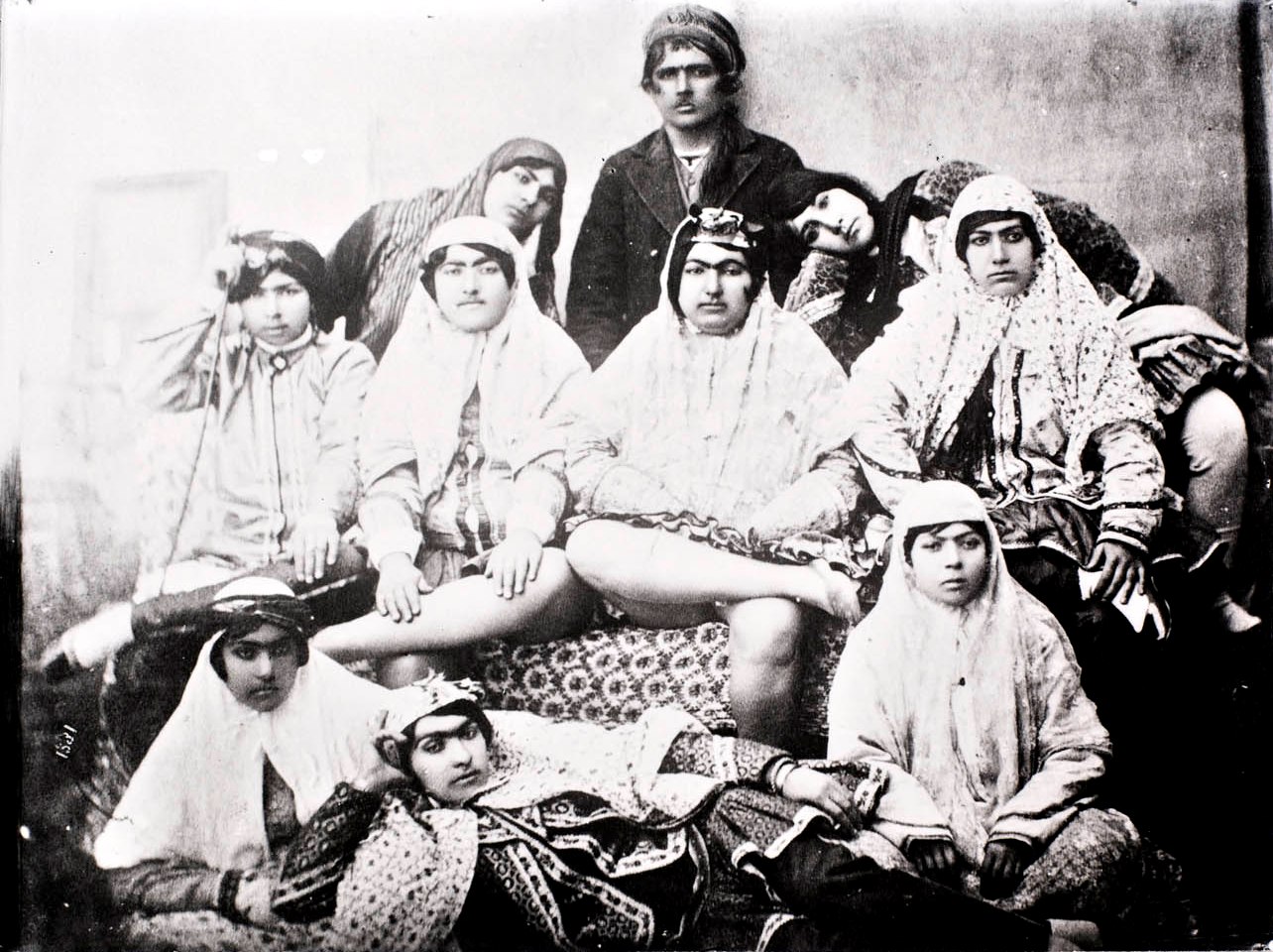
“Persian women and one man among them”.
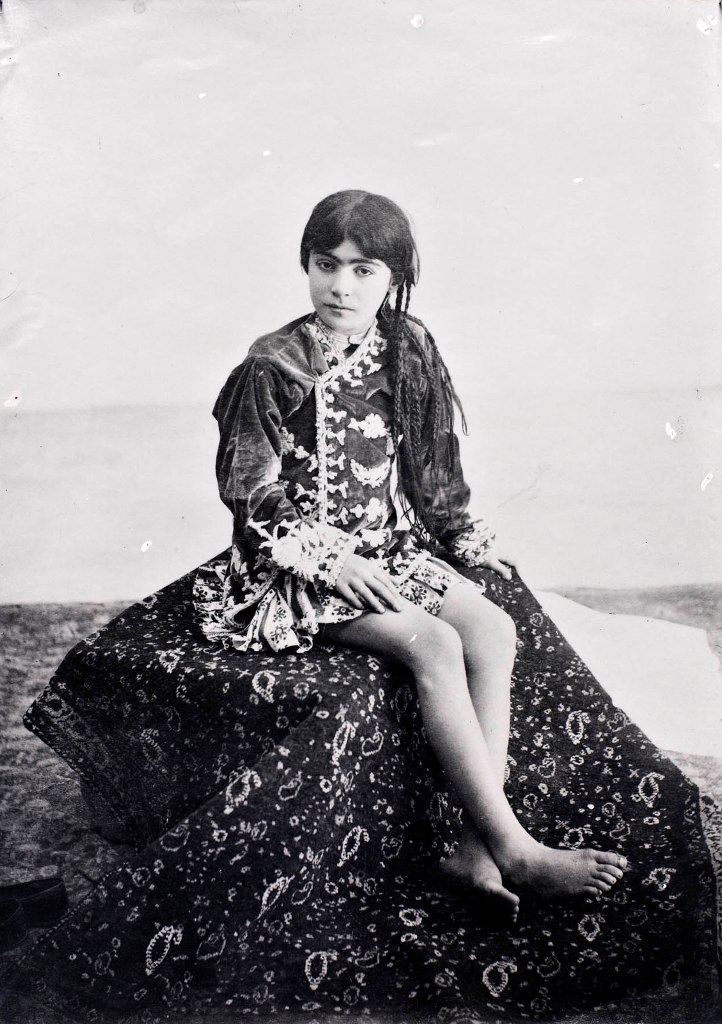
Persian girl.
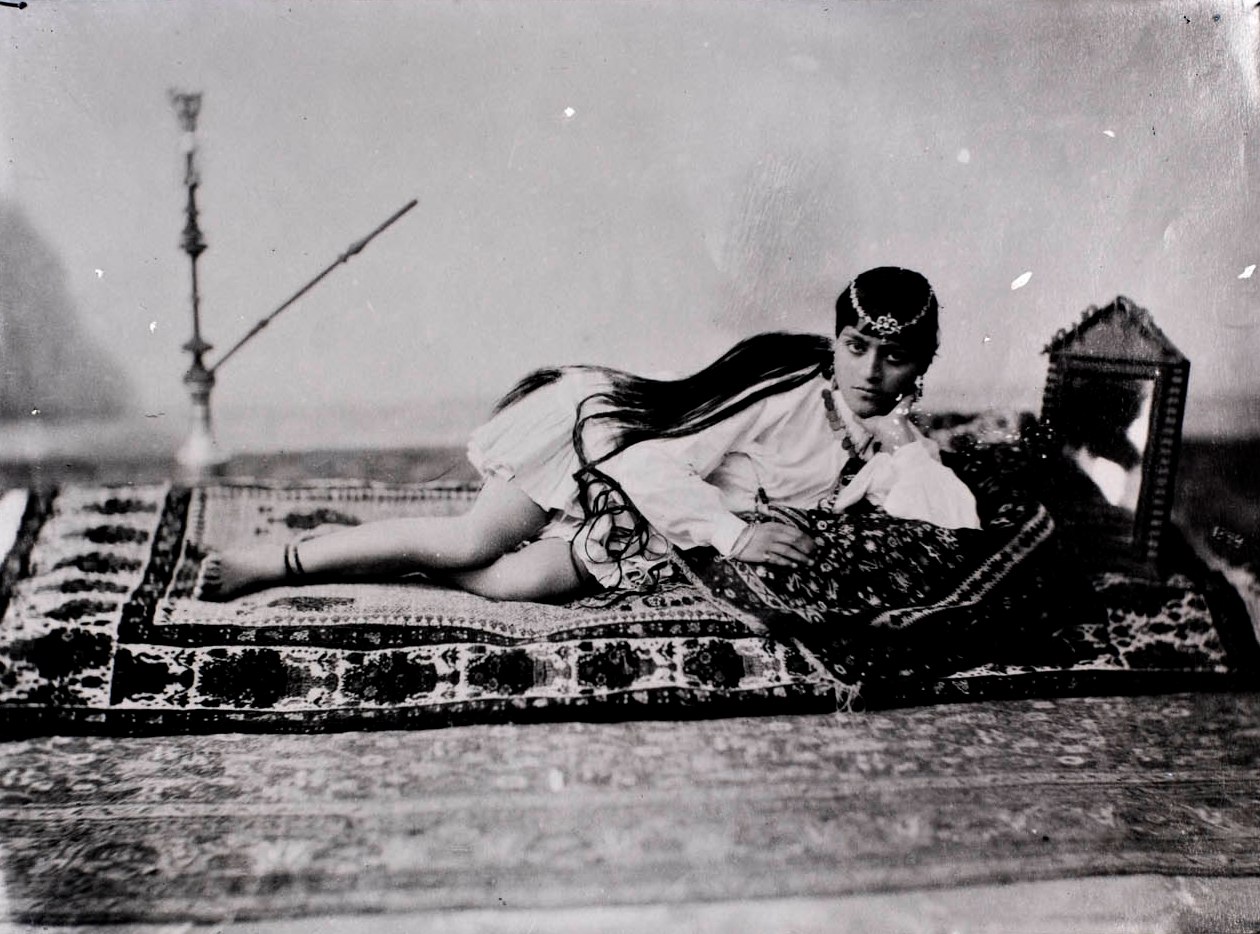
“Portrait of a reclining woman with hookah and Persian mirror, Iran”, 1901.
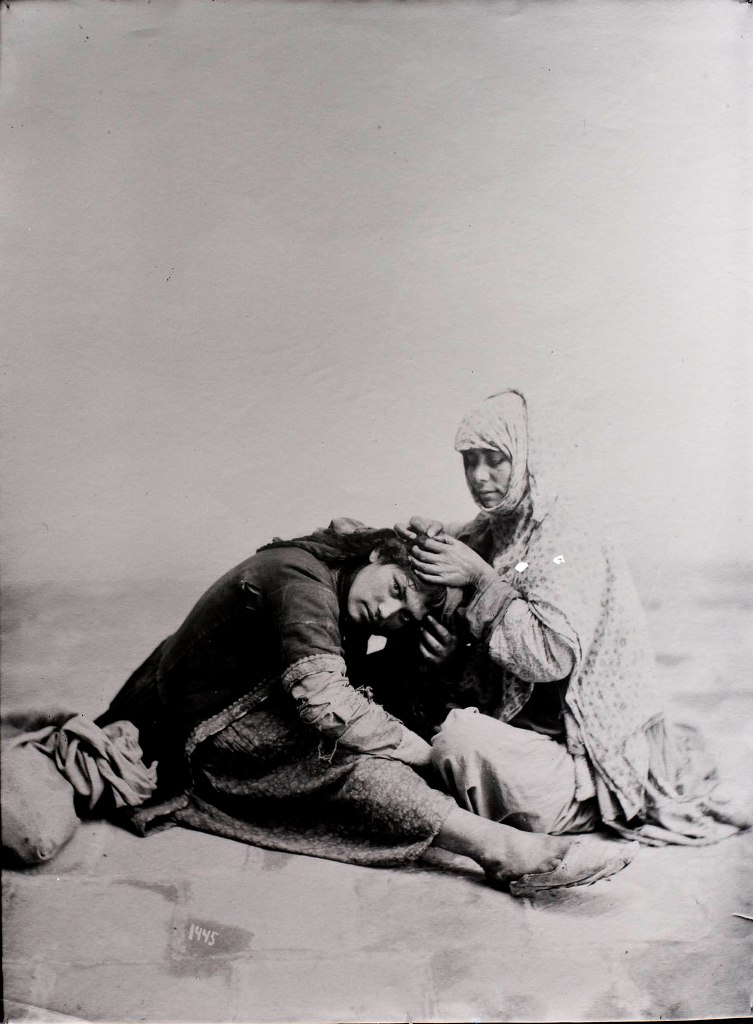
Persian women removing lice.
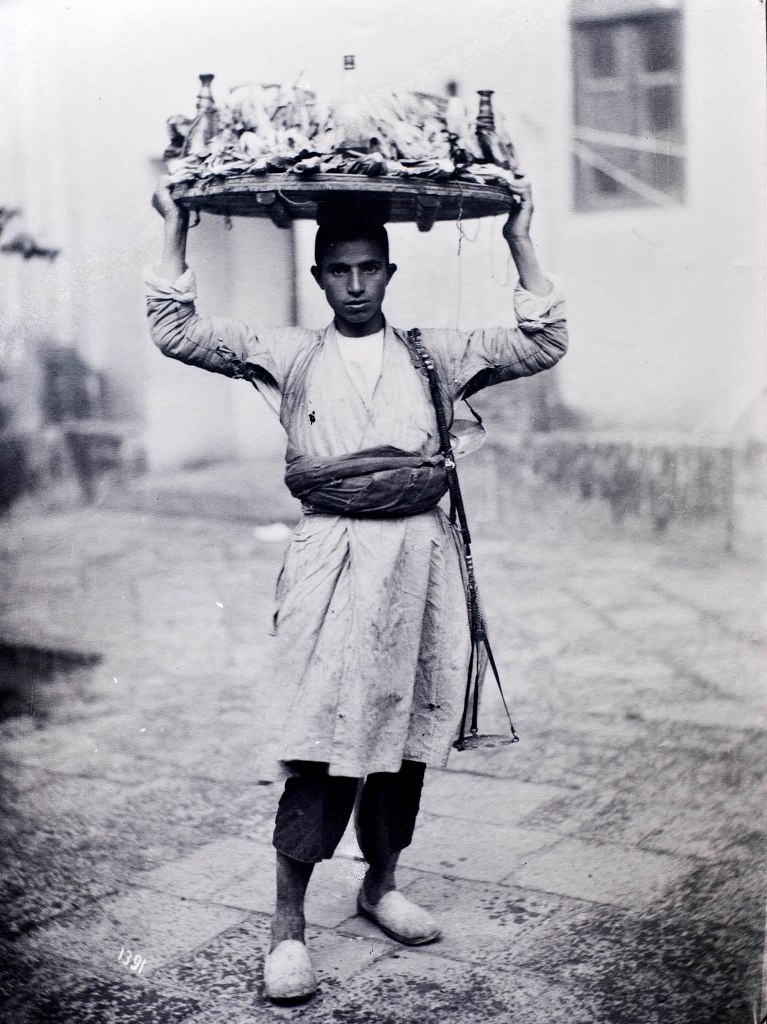
A merchant with a tray on his head.
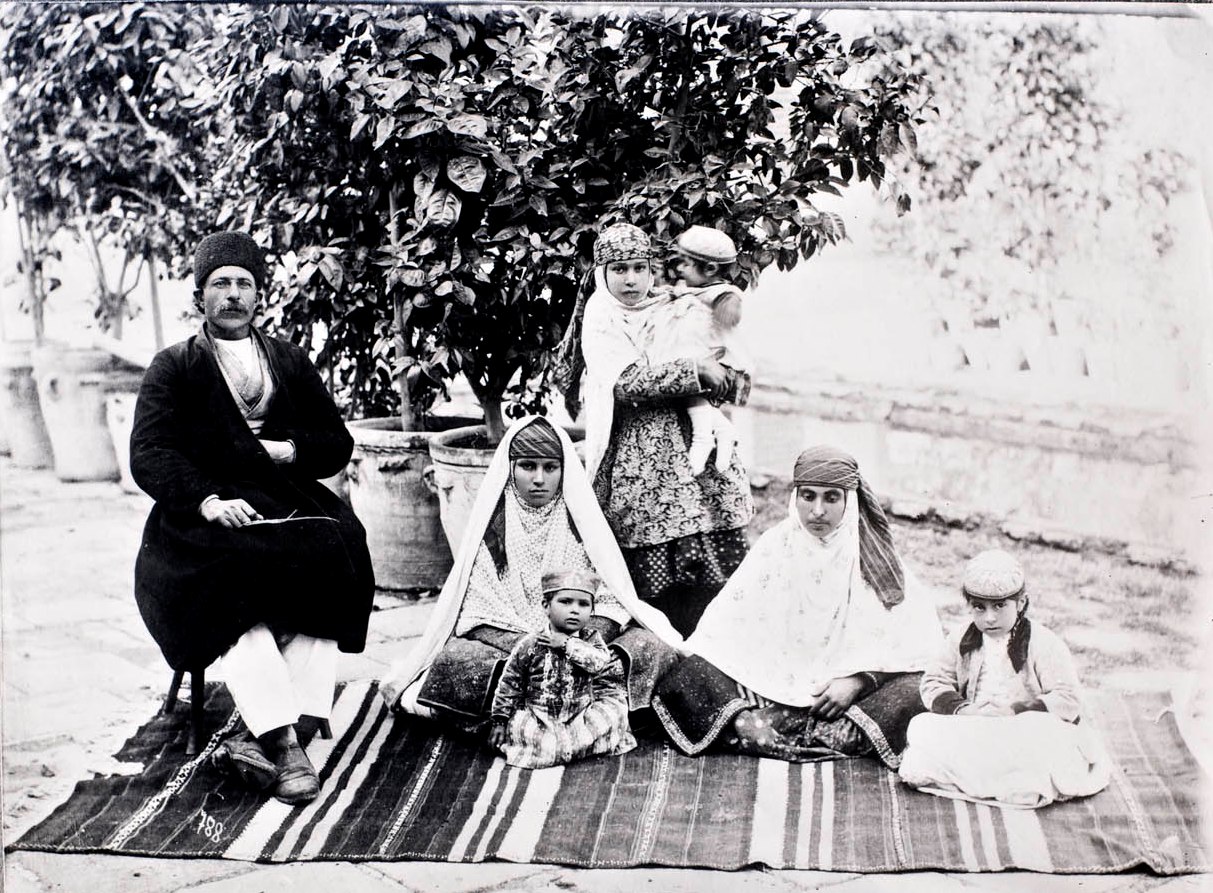
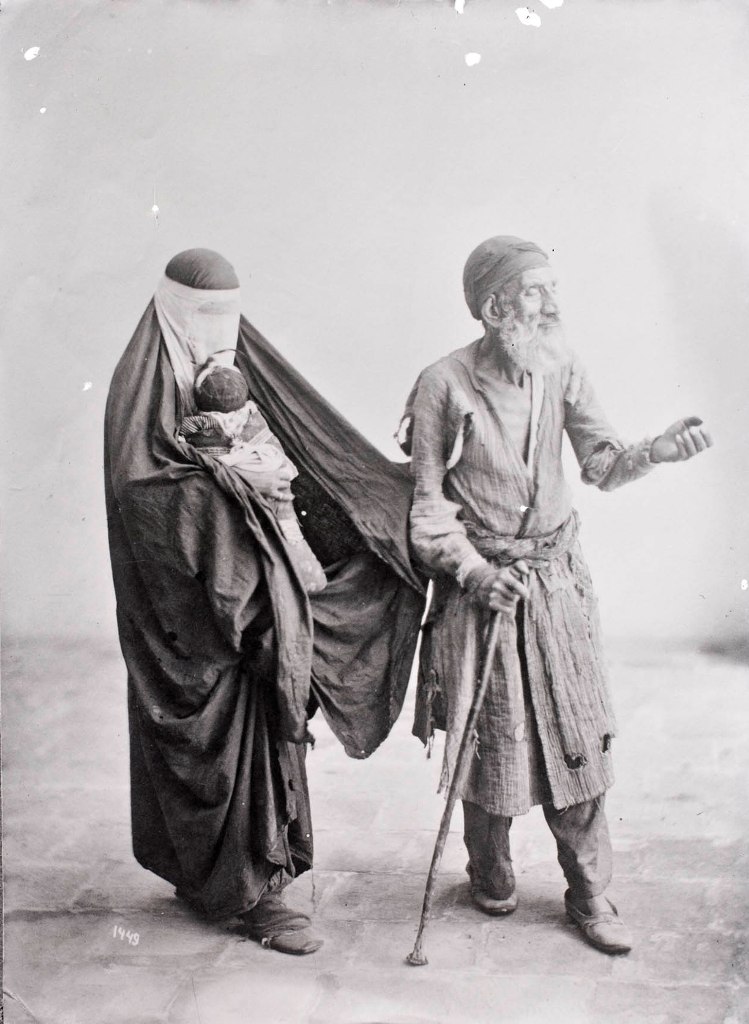
A blind beggar and a woman in a burqa with a child.
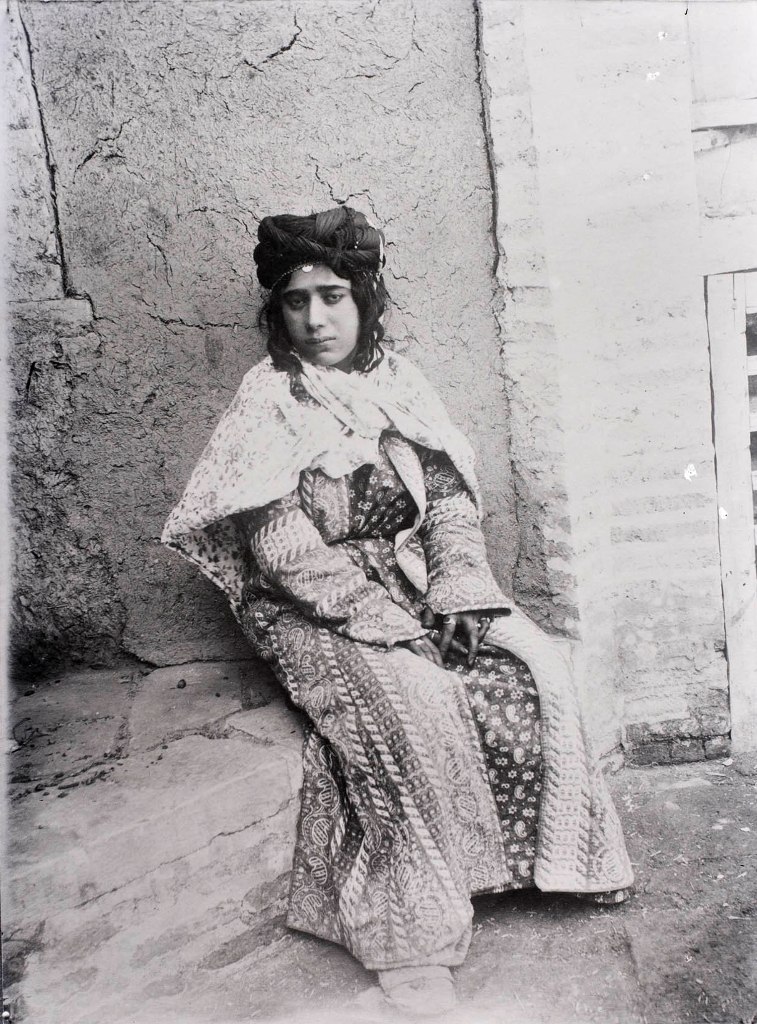
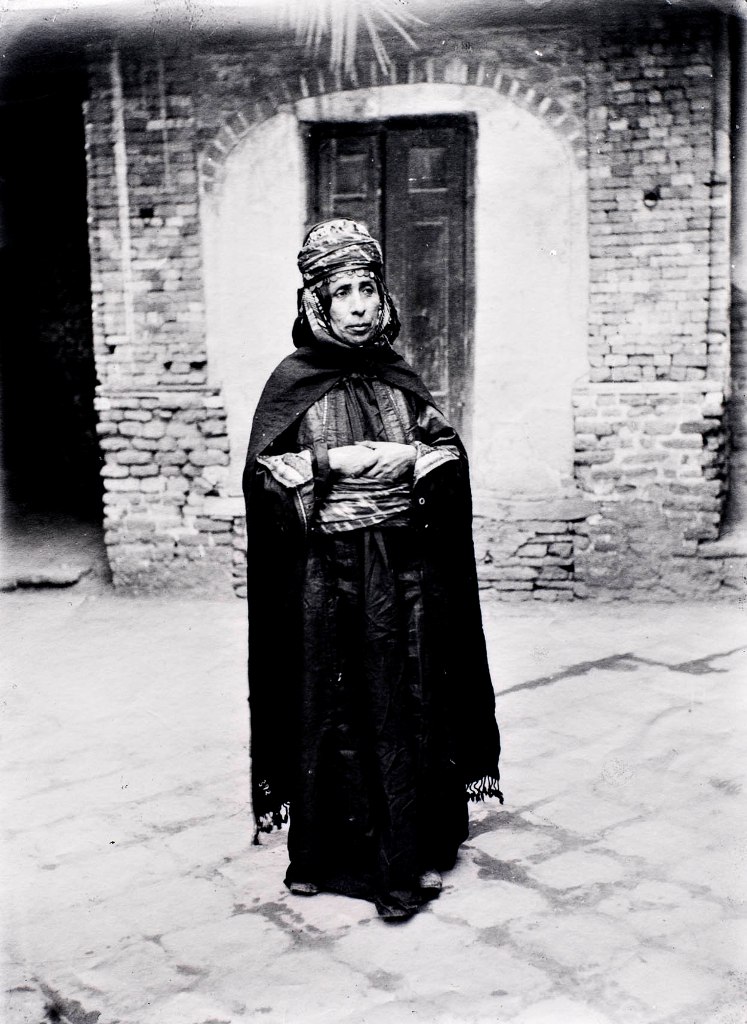
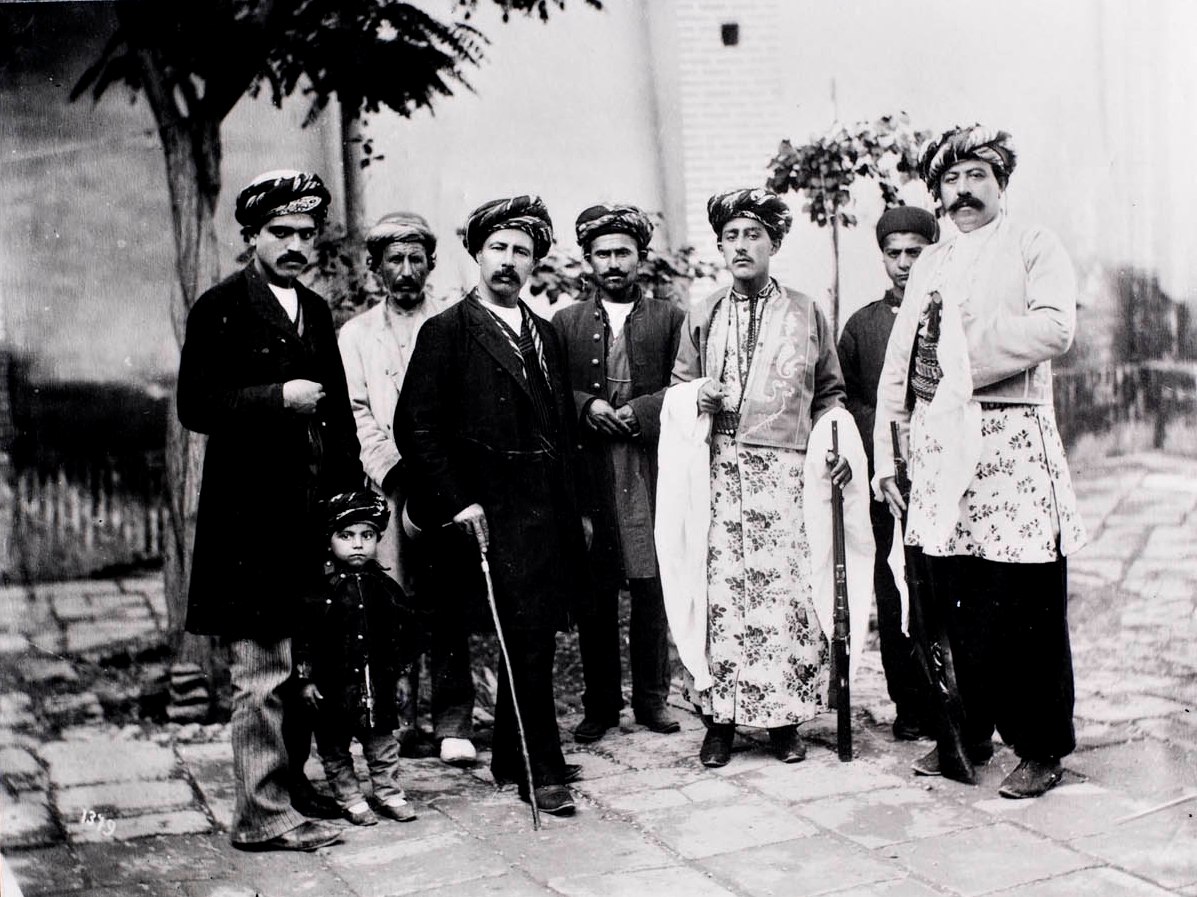
Group portrait of Kurds.
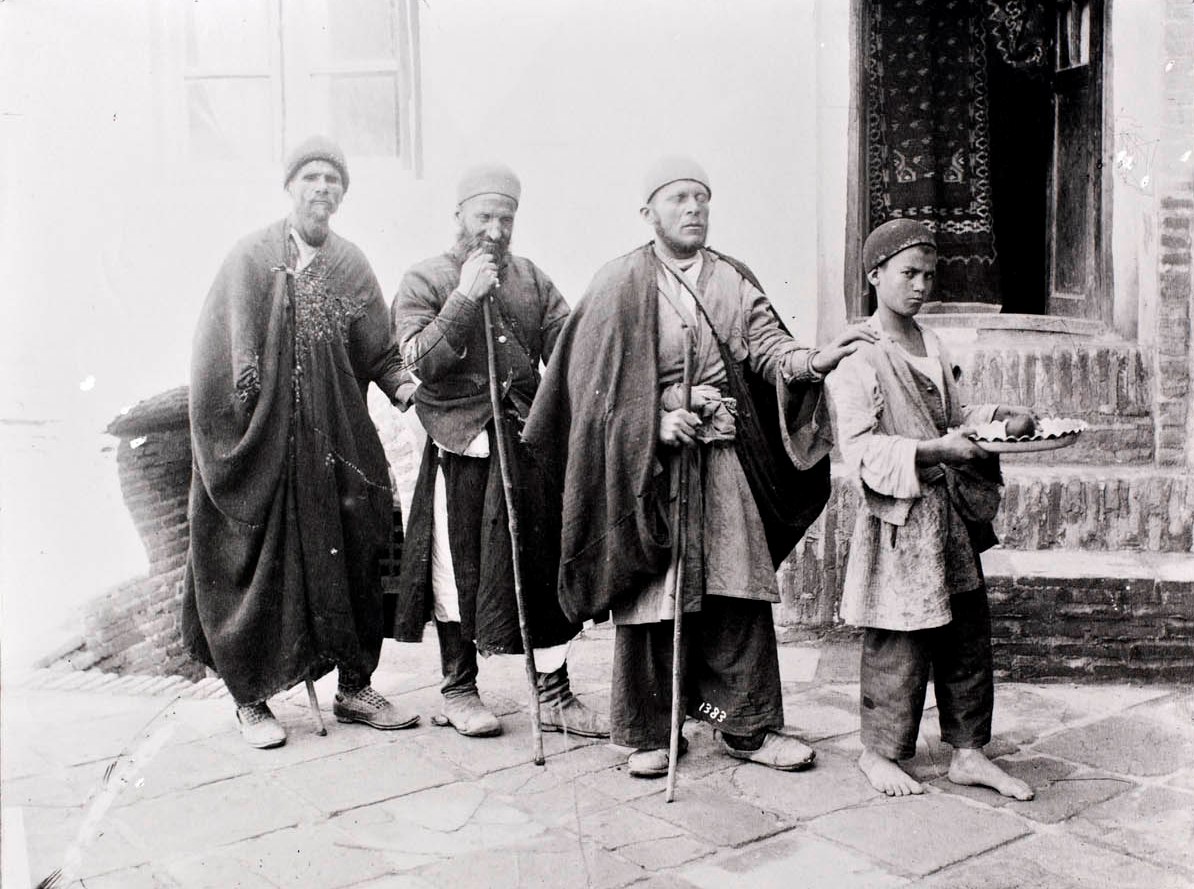
Three blind beggars and their guide.
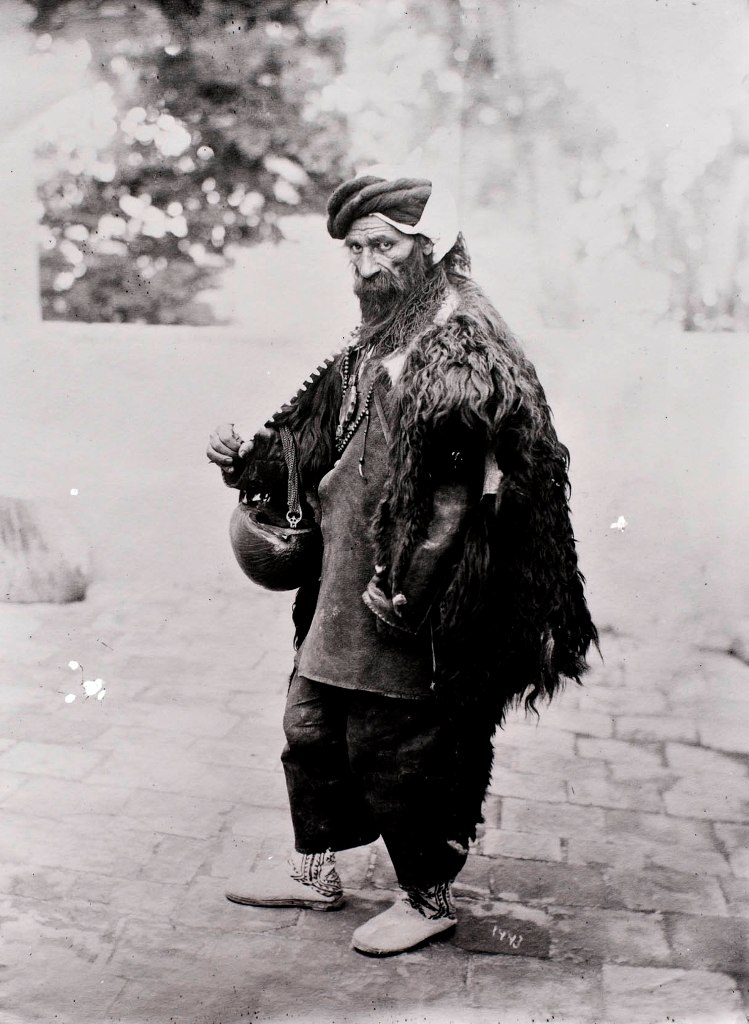
Dervish.
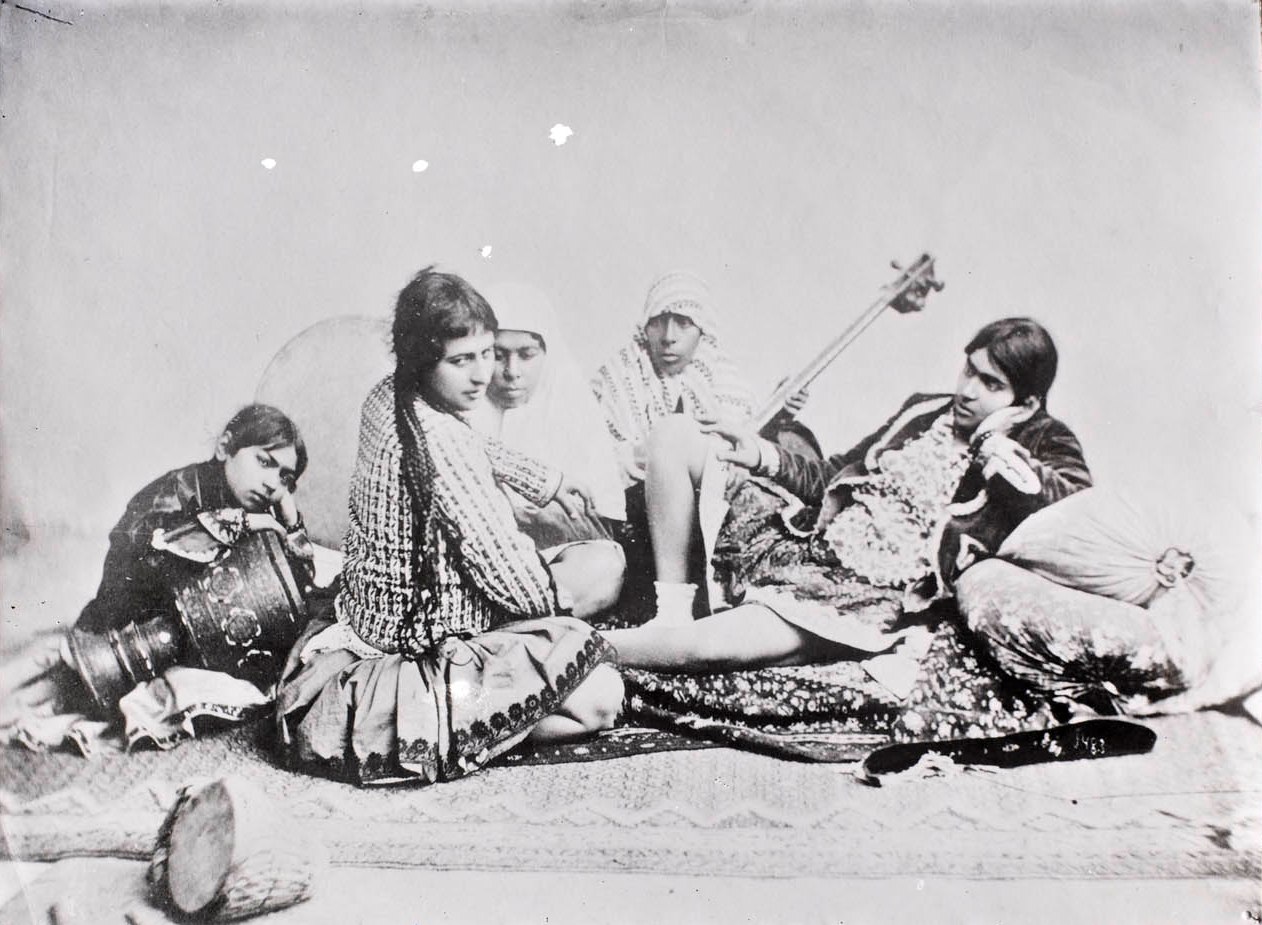
A group of female musicians.
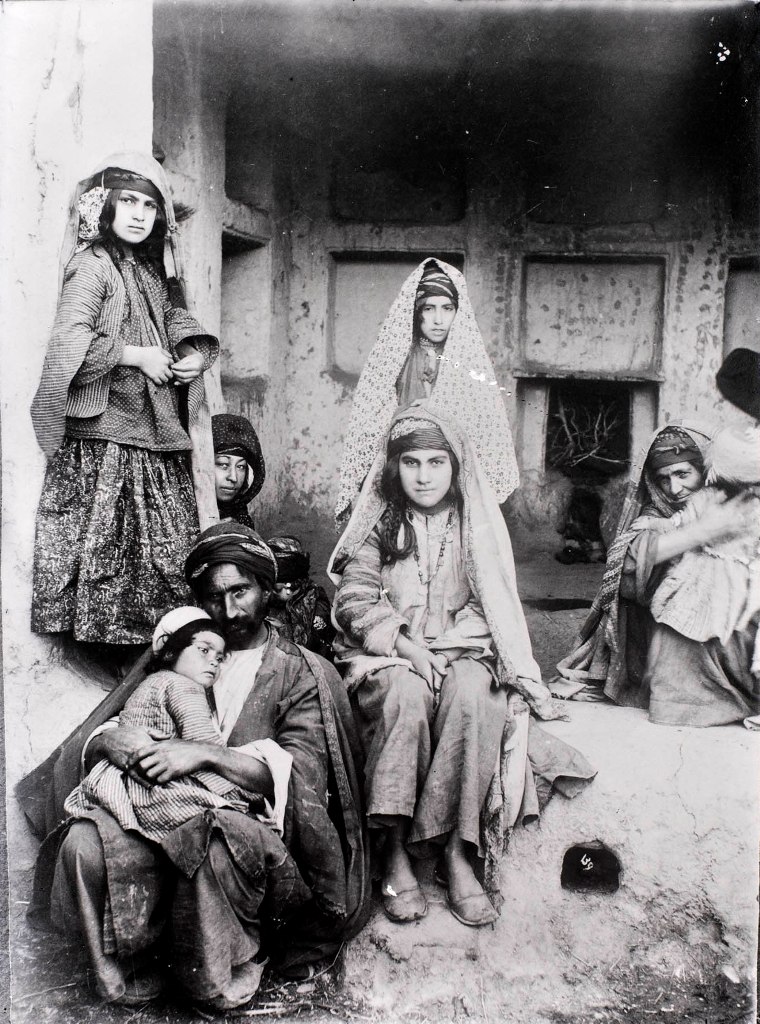
Group portrait of a Kurdish family.
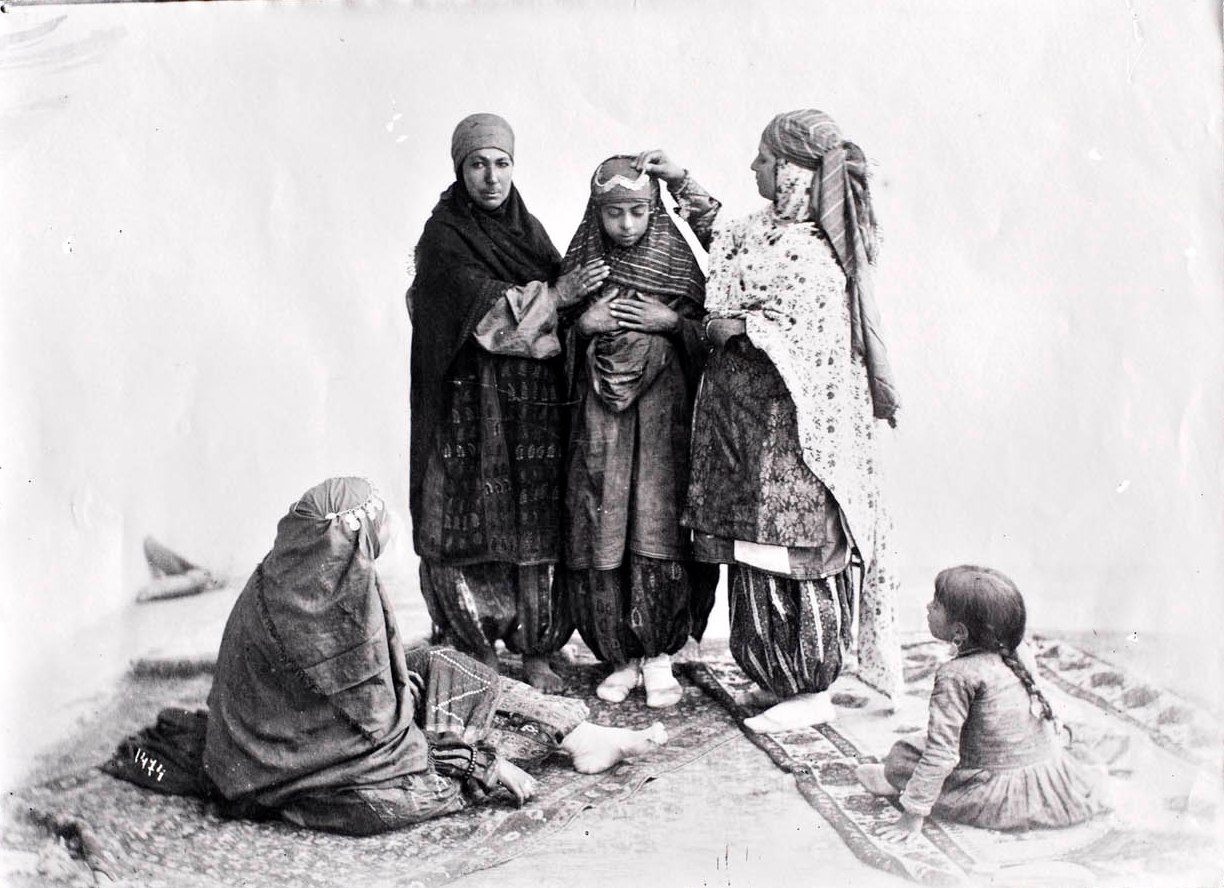
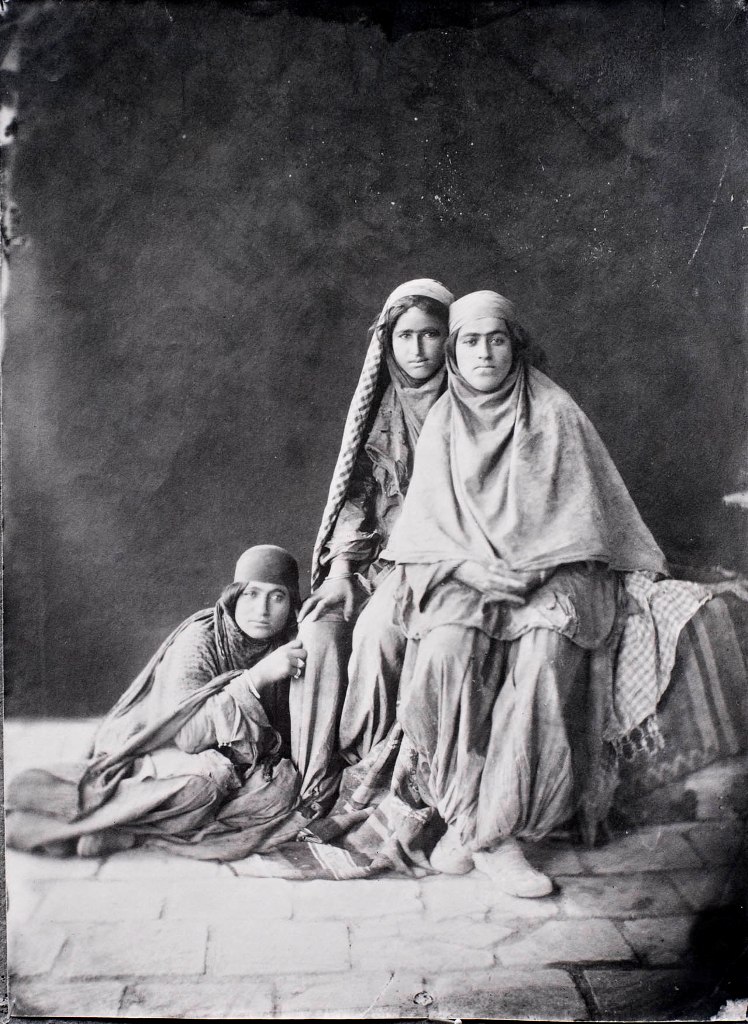
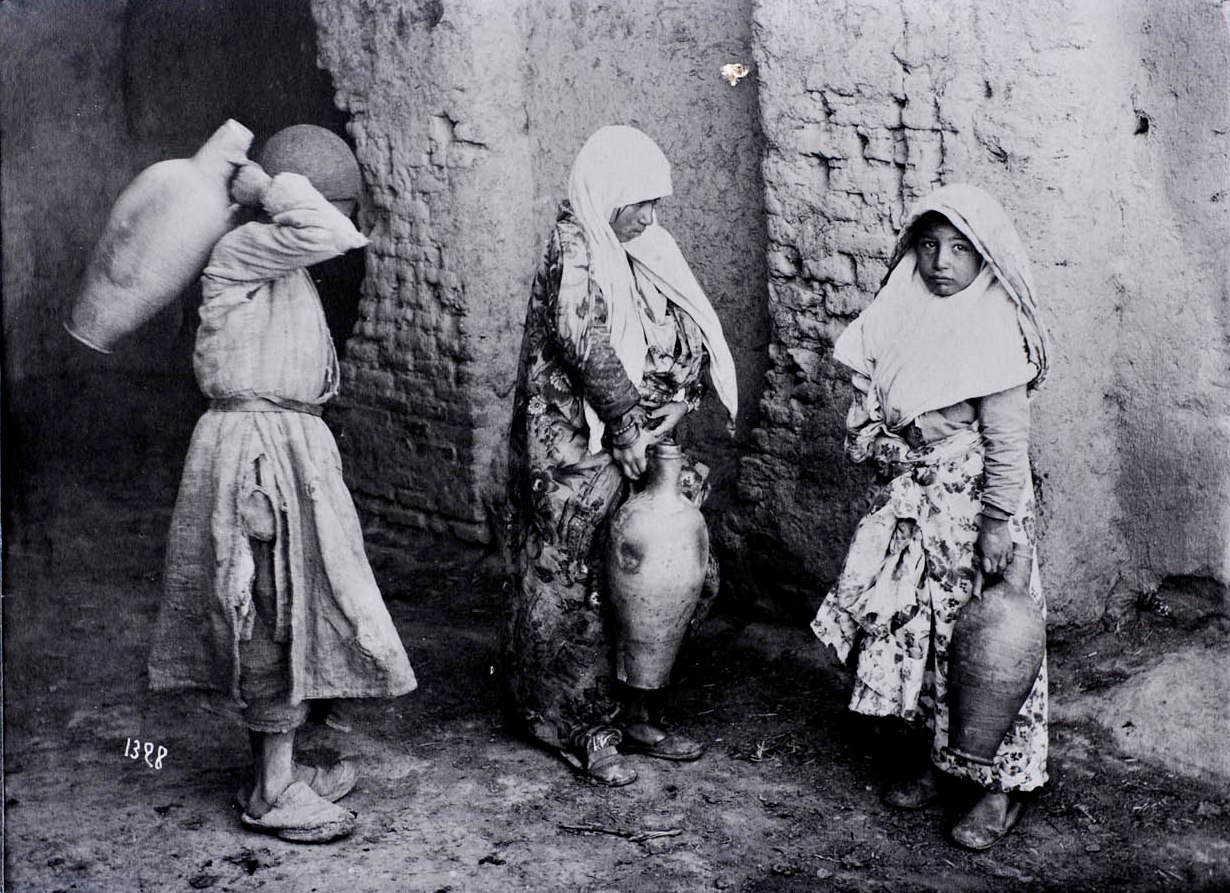
Girls in line for water.
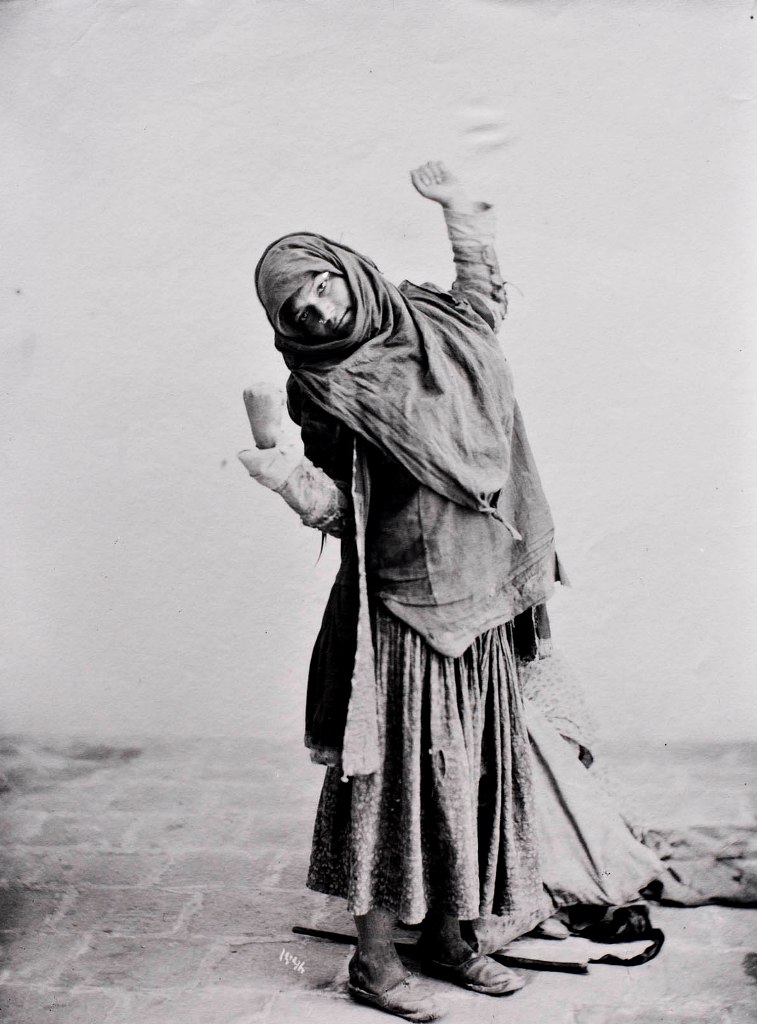
Kurdish girl.
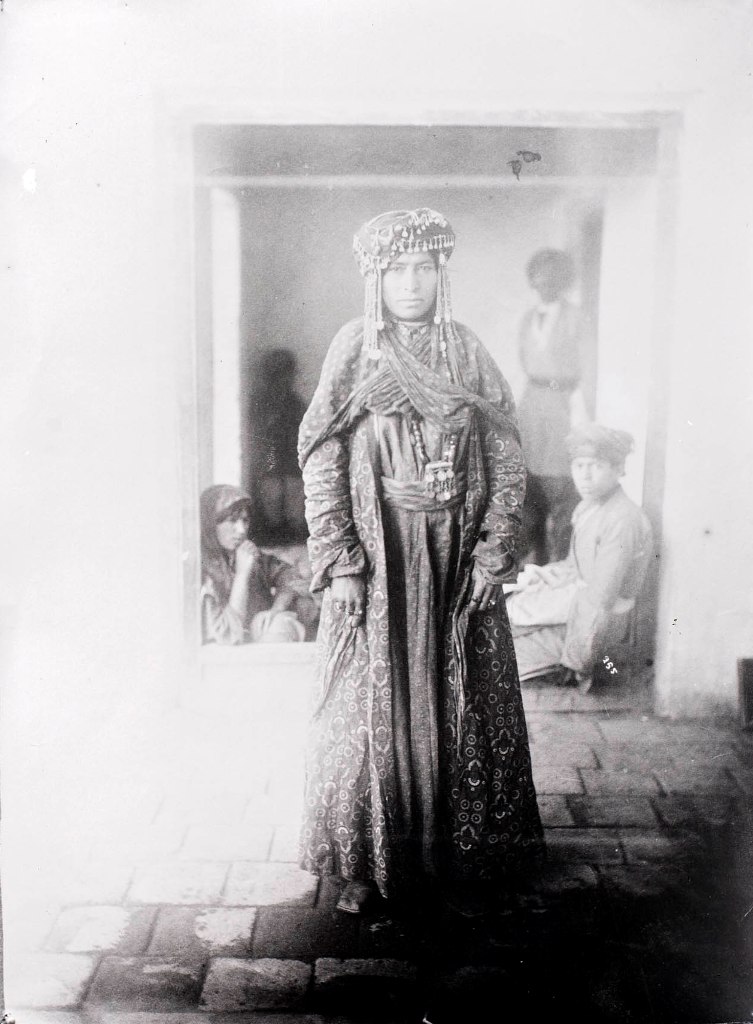
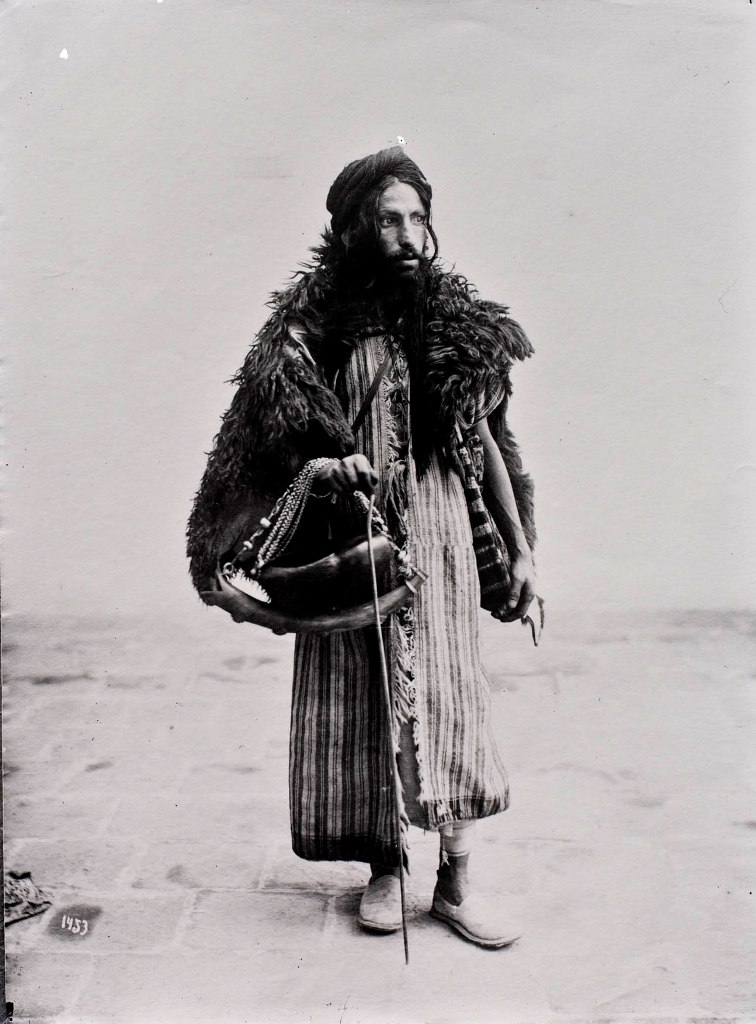
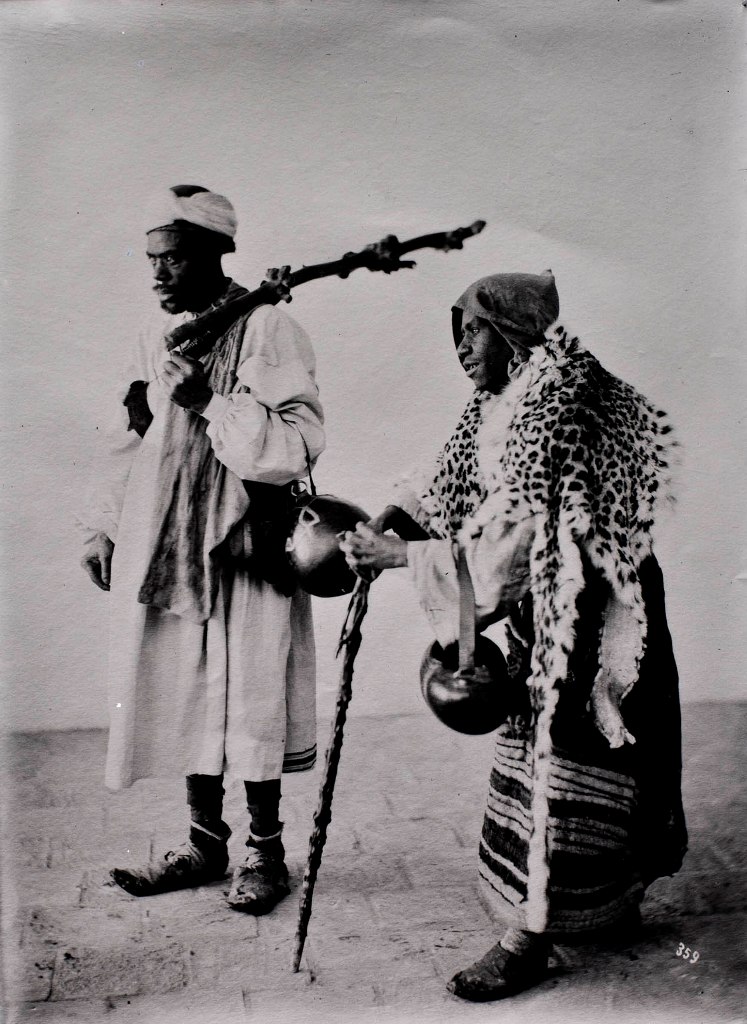
A dervish and his helper.
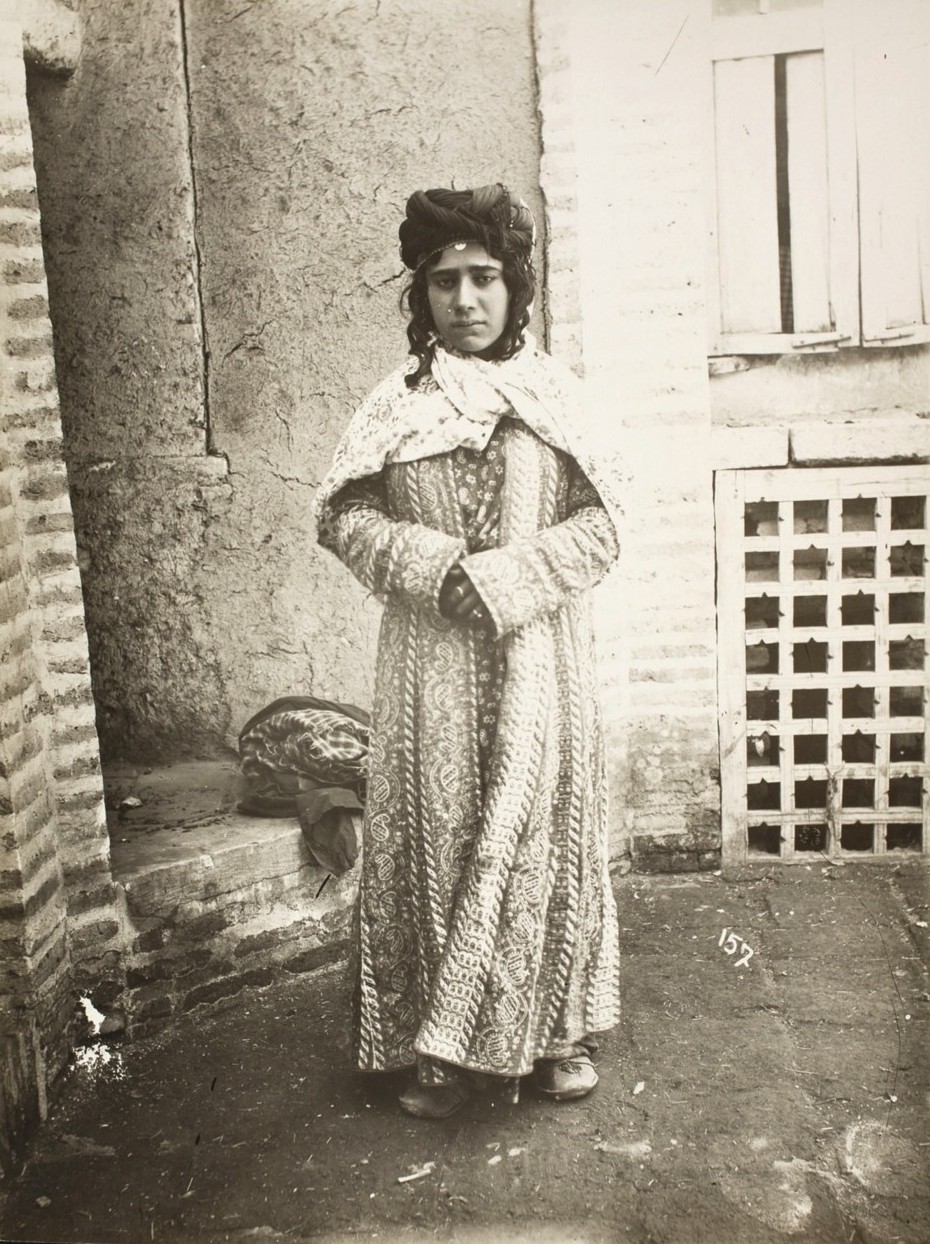
Chaldean girl.
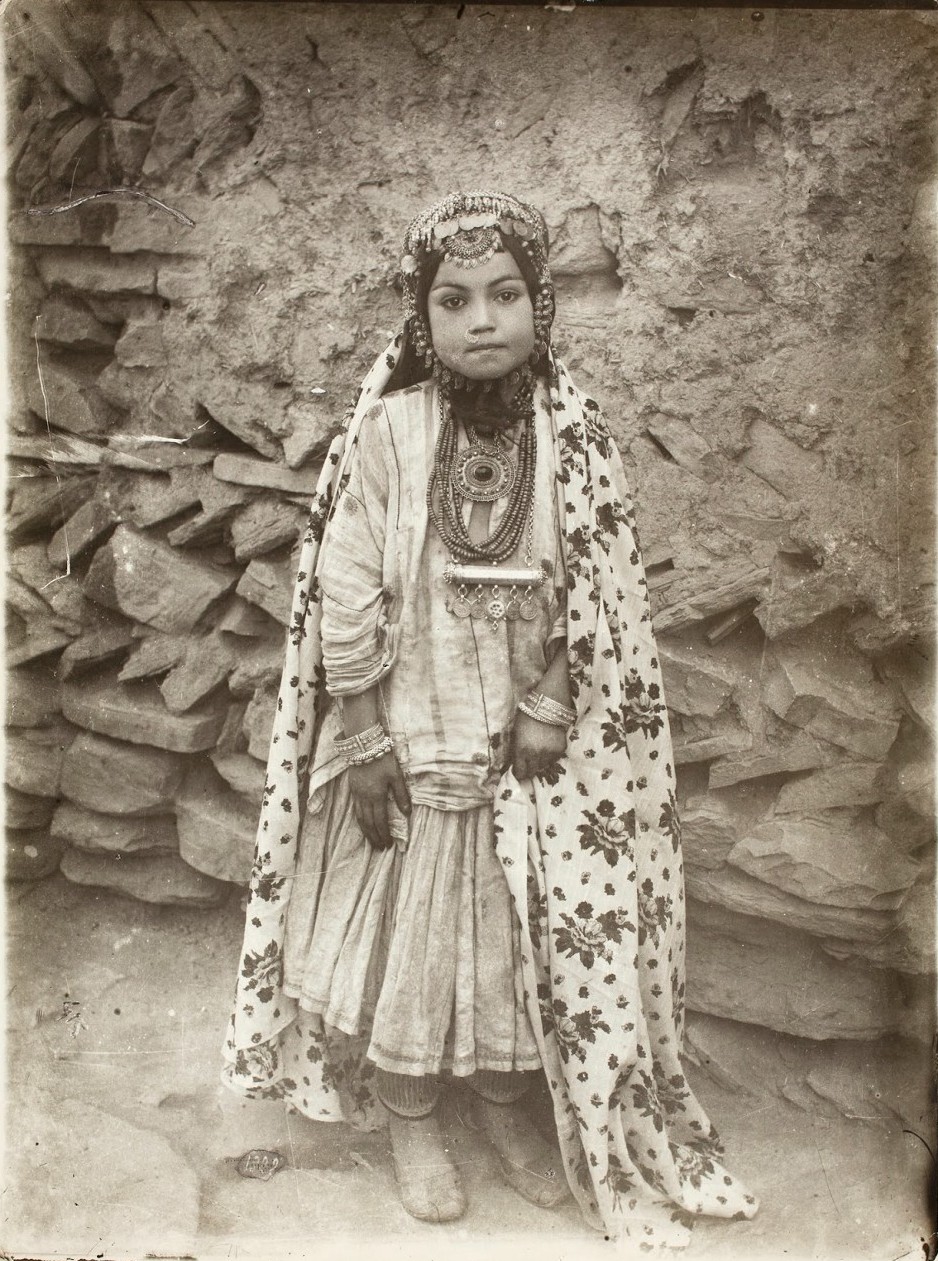
Girl Adorned in Silver Jewelry.
(Photo credit: Antoin Sevruguin / Wikimedia Commons).