
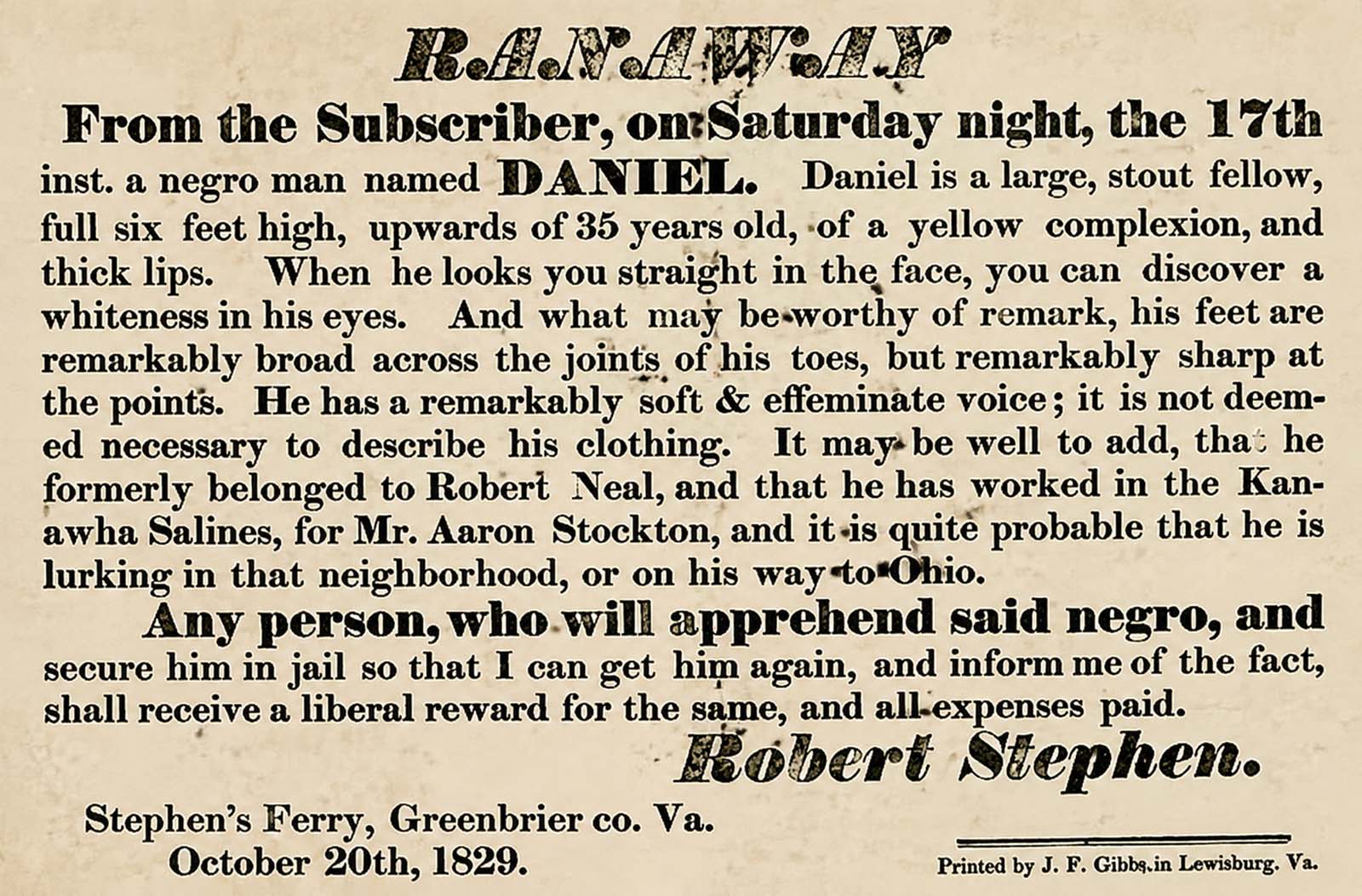

For over two centuries, enslaved people across North America risked everything to escape bondage, and slaveholders had a ready tool to try to stop them: the local newspaper.
As print publications spread through American towns and cities in the 18th and 19th centuries, enslavers turned to their pages to post detailed notices seeking the capture and return of those who had fled.
Historians estimate that somewhere between around 200,000 and roughly 100,000 of these notices were published across the country, making them one of the largest surviving records of enslaved life in America.
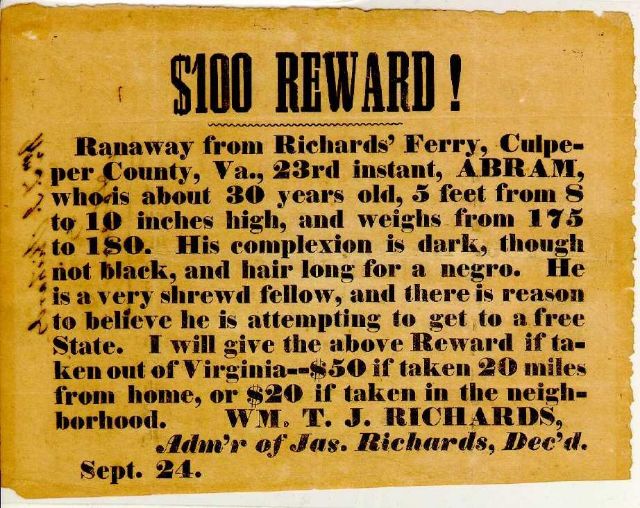
A $100 bounty for a runaway slave named Abram from Richards’ Ferry, Culpeper County, Virginia. September 24, 18-.
These runaway ads followed a familiar pattern. They typically listed a person’s name, age, height, and build, along with distinguishing features such as scars, burns, or brands, often the result of prior punishment.
Clothing worn at the time of escape was described in detail, as were speech patterns, accents, and whether the individual could read or write.
Some notices went further, speculating on where the person might be trying to reach, whether toward family members sold to a different plantation, a free state, or simply anywhere beyond their enslaver’s reach.
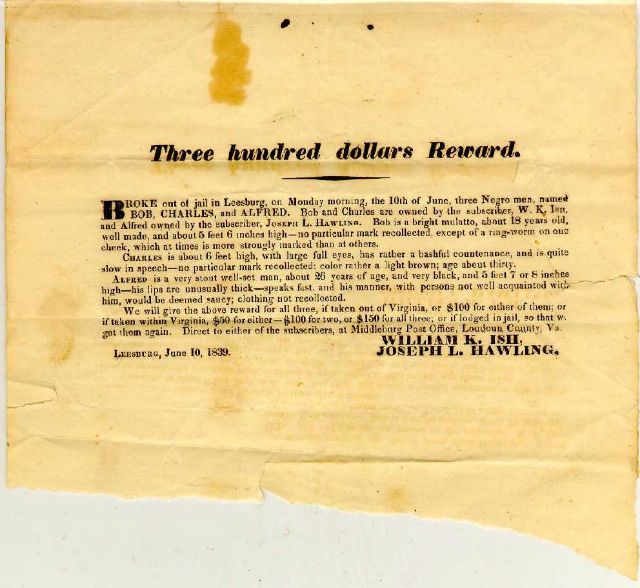
A $300 bounty for three escaped slaves named Bob, Charles, and Alfred from Leesburg, Virginia. Bob and Charles were owned by Ish, while Hawling was the owner of Charles. 10 June 1839.
A frequent trope in these notices was the claim that a mysterious white man had lured the enslaved person away, reflecting widespread beliefs among slaveholders about the supposed passivity of enslaved people rather than any real desire for freedom.
Rewards varied widely depending on the era, location, and perceived value of the enslaved person.
Some notices offered modest sums of five or ten dollars, while others promised hundreds, reflecting sums that would represent substantial fortunes today.
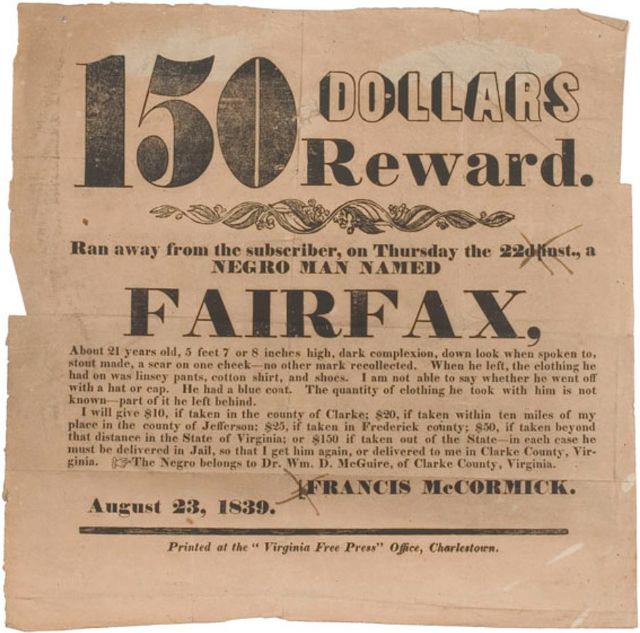
Runaway slave broadside from Fairfax, Virginia, 23 August 1839.
A few advertisements included disturbing extras: one notice placed by Andrew Jackson, years before he became president, offered additional payment for every set of lashes delivered to the captured man, up to three hundred.
Such details reveal not just the mechanics of slavery’s economy, but the calculated cruelty embedded within it.
Newspaper printers themselves profited directly from this trade, since revenue from these advertisements helped fund the same publications that also ran editorials celebrating liberty and freedom.
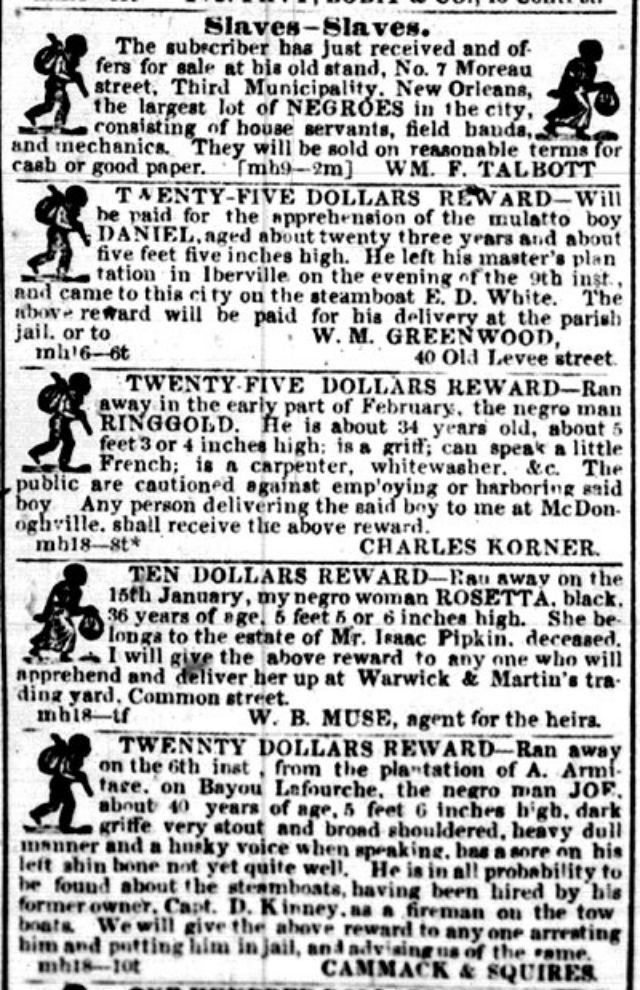
Block of advertisements announcing slave auction and rewards for run away slaves. The Daily Picayune newspaper, New Orleans, 20 March, 1852.
Despite the rewards offered, these ads rarely guaranteed success. Many enslaved people who fled were experienced in evading capture, drawing on knowledge of the land, assistance from free Black communities, and networks like the Underground Railroad.
Harriet Tubman herself was the subject of one such notice, published in 1849 alongside her two brothers, years before she became one of the most effective conductors helping others escape.
Other fugitives, including Oney Judge, who fled the household of George Washington, managed to evade recapture for the rest of their lives, even as their former owners pursued them relentlessly through printed appeals.
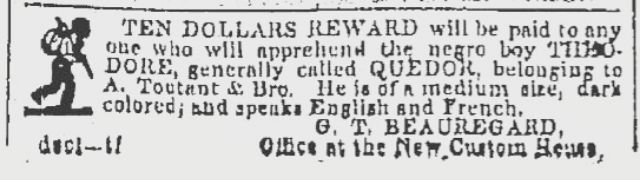
1853 advertisement offering reward for escaped slave boy, posted by P.G.T. Beauregard.
Notices like these continued to appear even during the Civil War, though they gradually lost their legal force as the Confiscation Acts and the Emancipation Proclamation stripped away federal backing for their enforcement within Confederate territory, until slavery was formally abolished with the ratification of the 13th Amendment in December 1865.
What makes these documents so valuable today isn’t just their historical detail, but what they inadvertently reveal about the people they targeted.
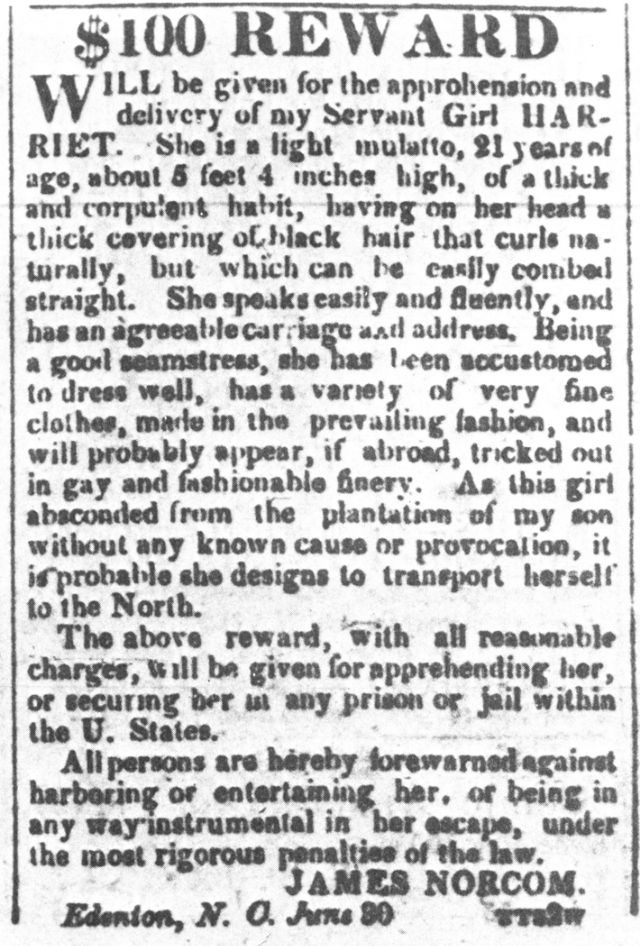
Copied from ‘Incidents in the Life of a Slave Girl’ by Harriett Jacobs, p.215. The book states that the ad ran in the Norfolk, VA, American Beacon newspaper on July 4, 1835. From General Negative Collection, North Carolina State Archives, Raleigh, NC.
Abolitionist writer Harriet Beecher Stowe once pointed out the grim irony of these notices appearing in newspapers whose own mottos championed resistance to tyranny, even as their pages reduced human beings to lists of scars and complexion.
Behind every clinical description was a person who had made a calculated decision to risk violence, capture, or death for the chance at freedom.
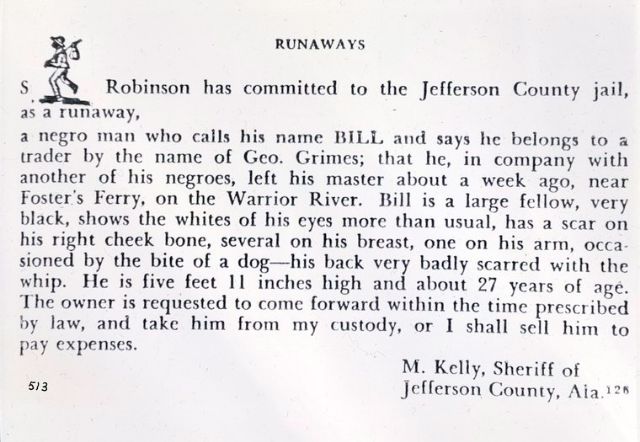
Advertisement in a newspaper for a runaway slave named Bill, who had been captured and turned over to the Jefferson County Jail.
Recognizing their historical value, researchers have spent years digitizing and cataloging these notices.
Cornell University’s “Freedom on the Move” project set out to compile these scattered advertisements into a single searchable database, giving scholars an unprecedented way to study the scope of slavery and its human toll.
Similar efforts, including the University of North Carolina Greensboro’s runaway notices project and the Library of Congress’s Chronicling America archive, have made thousands of these documents freely available online, complete with transcripts and contextual essays for researchers and the public alike.
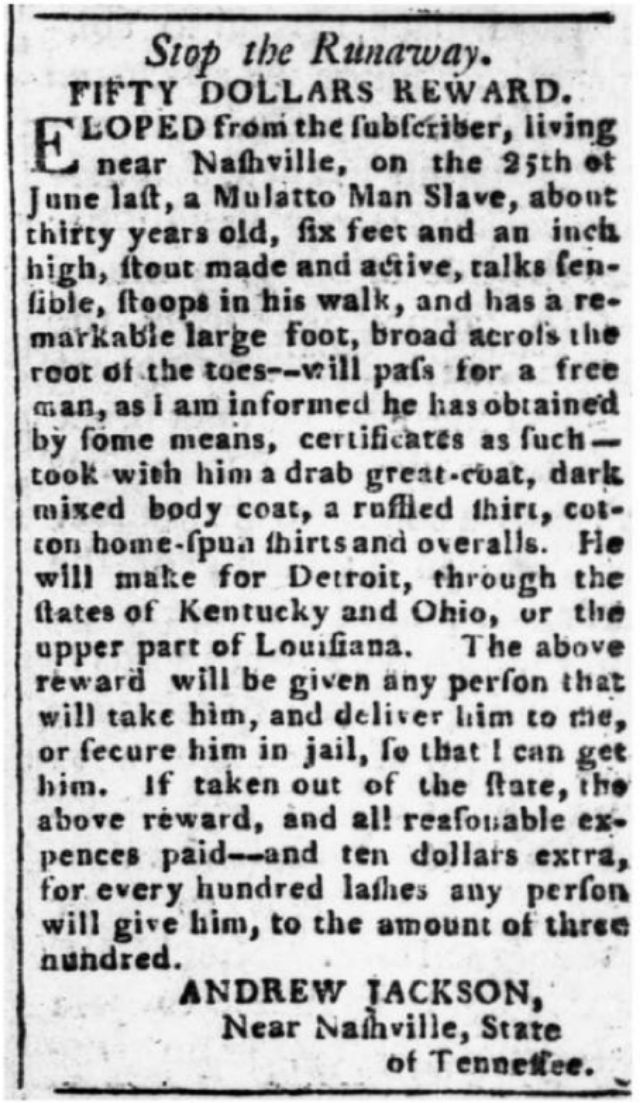
Notice published by future president Andrew Jackson offering a $50 reward, plus expenses, for the return of an enslaved mulatto man who escaped from Jackson’s plantation. In a move unusual for the time, the notice offers “ten dollars extra, for every hundred lashes any person will give him, to the amount of three hundred.” 3 October 1804.
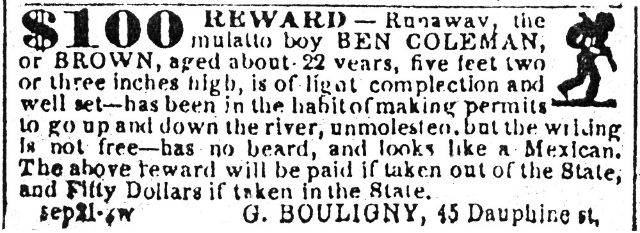
Advertisement announcing reward for run away slave. New Orleans Delta, Sept. 25, 1849.
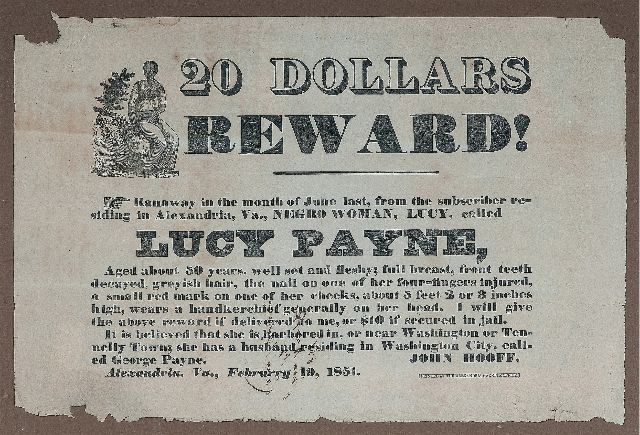
Female runaway slave, illustrated reward broadside, Alexandria, Virginia, 19 February 1851.
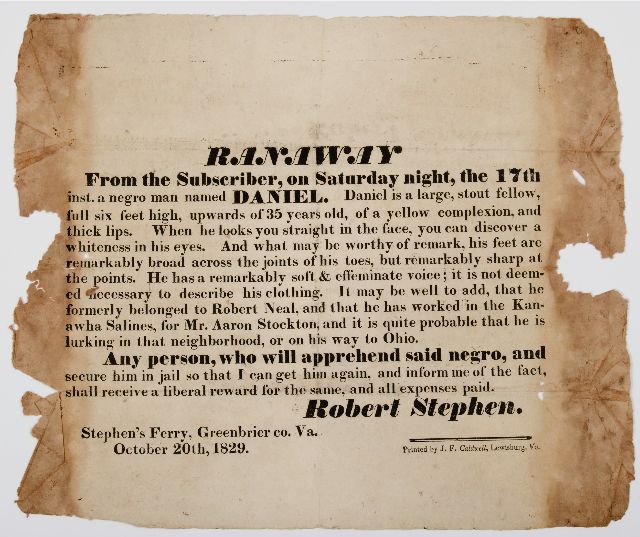
Fugitive slave broadside, Greenbrier County, 20 October 1829.
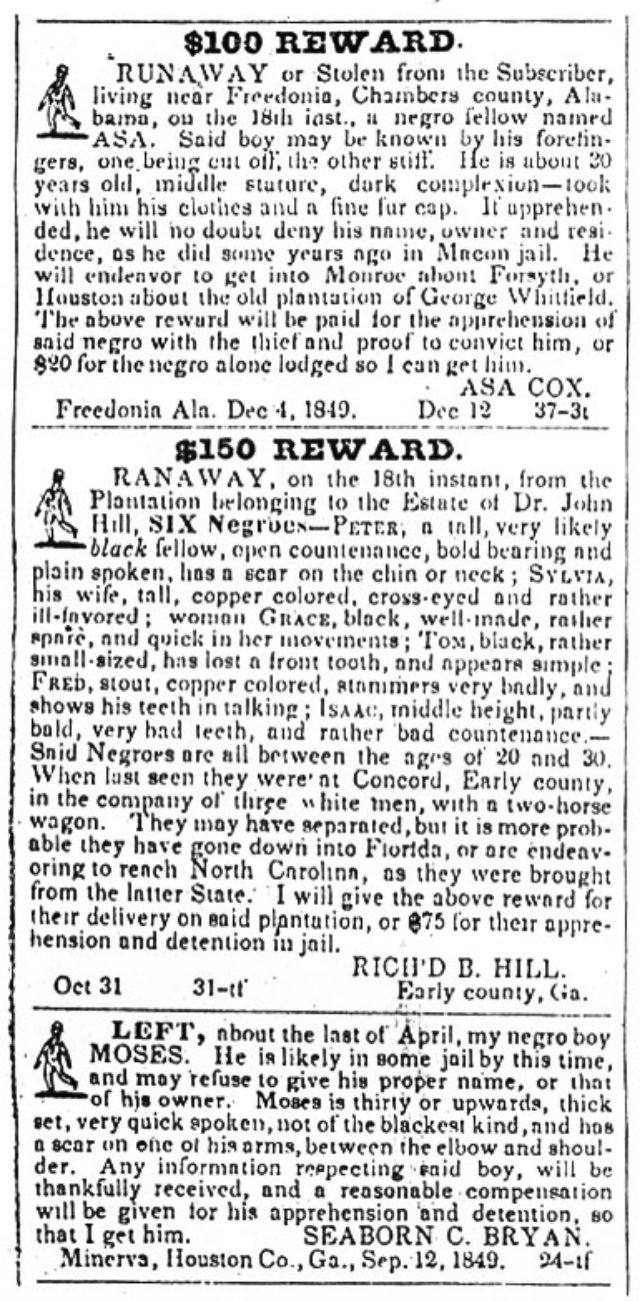
Three advertisements announcing rewards for run away slaves. Georgia Journal & Messenger, Dec. 19, 1849.
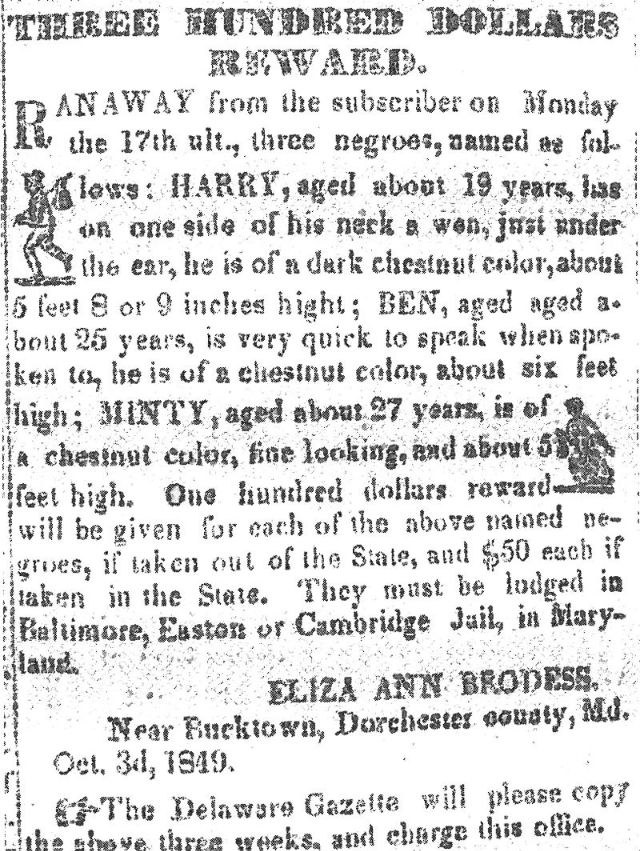
Notice published in the Cambridge Democrat (1849), offering a reward for the return of Harriet Tubman and her two brothers, 3 October 1849.
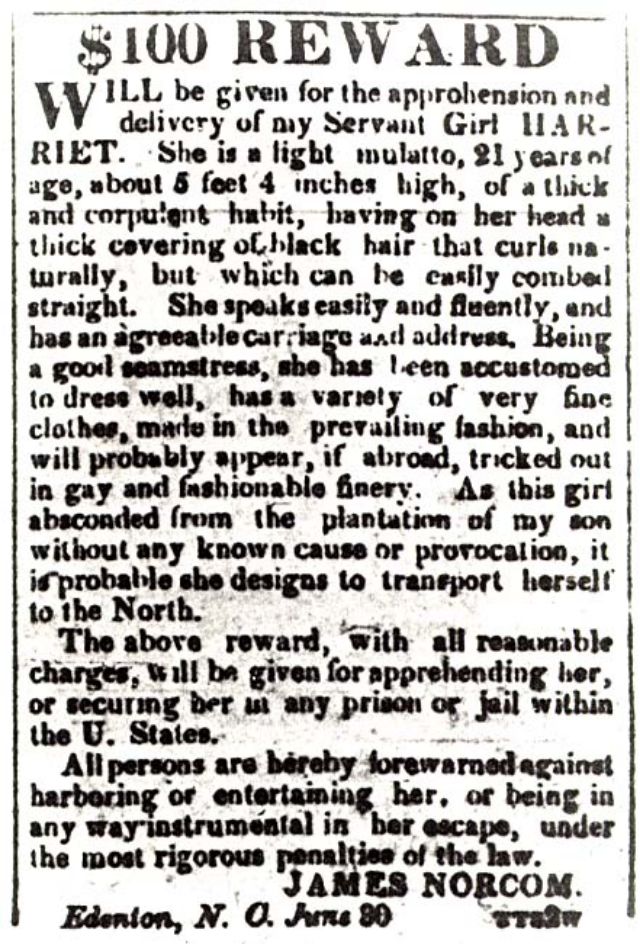
Harriet Jacobs Reward, 4 July 1835.
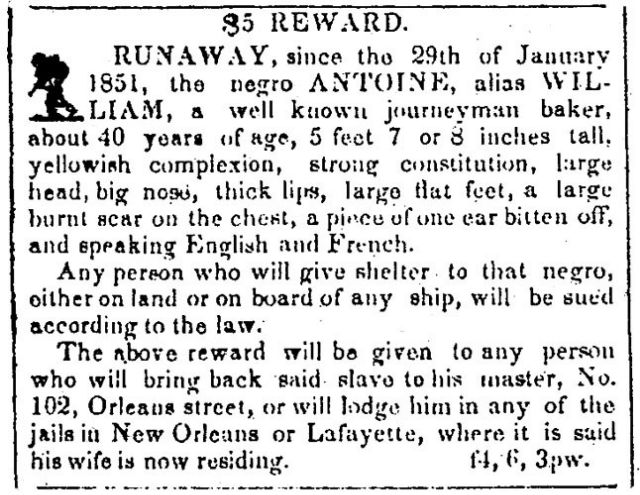
Advertisement announcing reward for run away slave. Louisiana Courier, Feb. 4, 1851. Note slave is listed as being a baker and bilingual; rather unusually low reward of $5 offered. 4 February 1851.
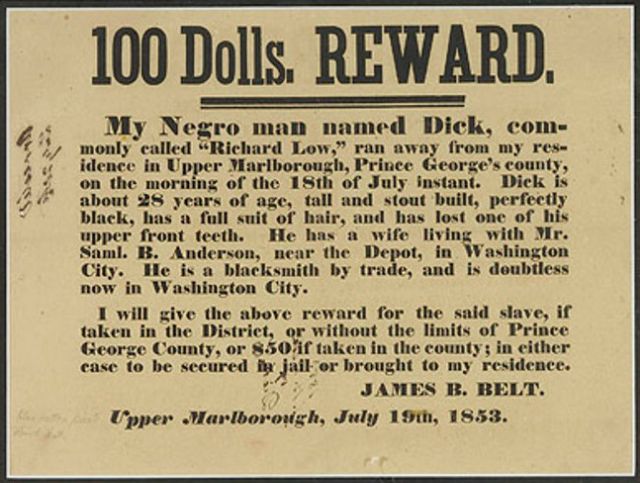
Maryland 1853 runaway slave reward broadside.
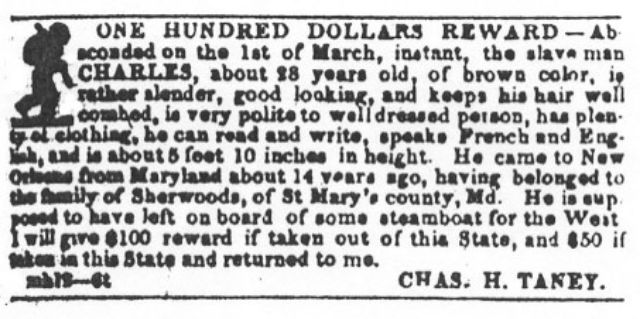
Advertisement announcing reward for run away slave. New Orleans Bee, March 12, 1851. Note slave is listed as being bilingual and literate. 12 March 1851.
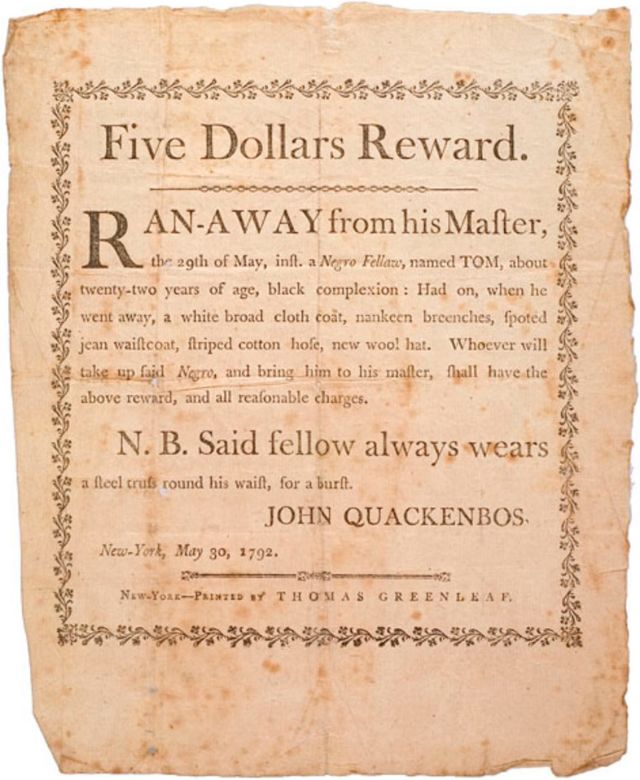
New York reward broadside for ran-away slave Tom, 1793.
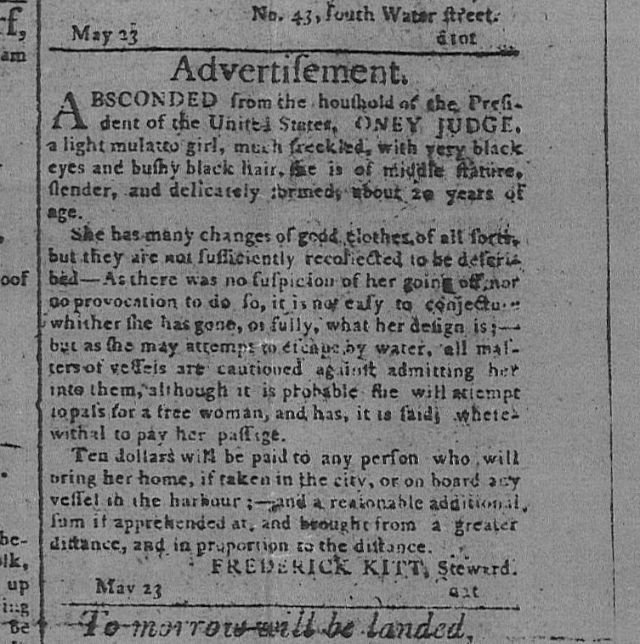
Runaway advertisement for Oney Judge, enslaved servant in George Washington’s presidential household. The Pennsylvania Gazette, Philadelphia, Pennsylvania, May 24, 1796.
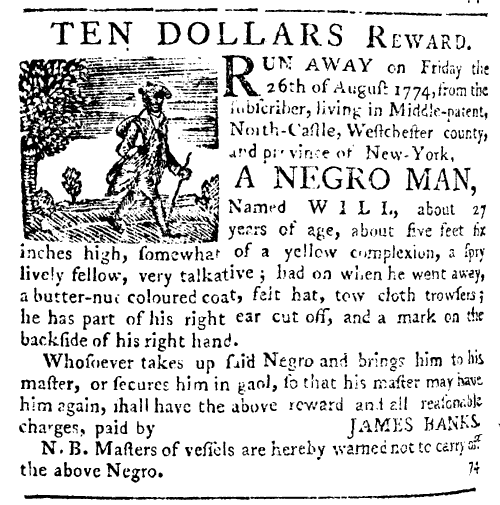
Runaway slave advertisement, 1774.
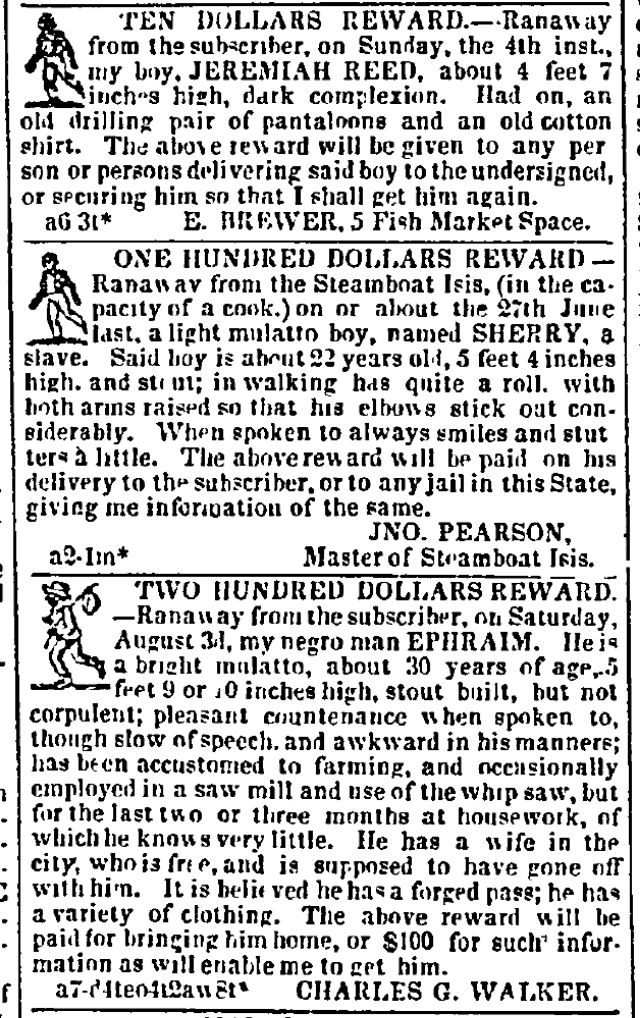
Rewards for runaway slaves published in The Baltimore Sun on 8 August 1839.
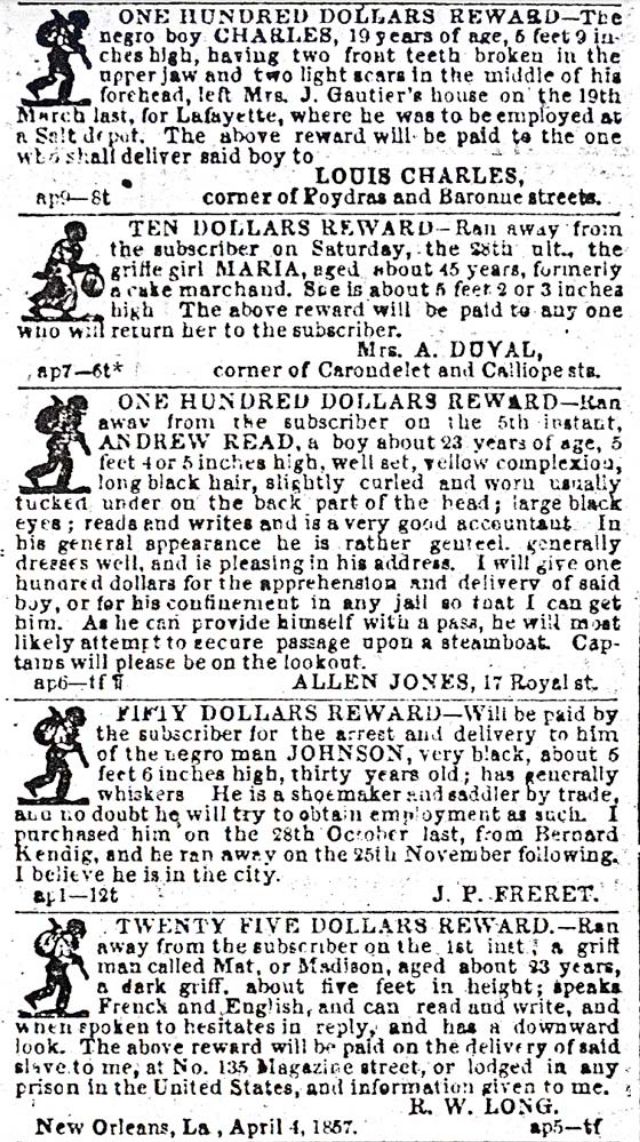
Advertisements offering reward for capture of runaway slaves, as published in The Daily Picayune, New Orleans, April 26, 1857.
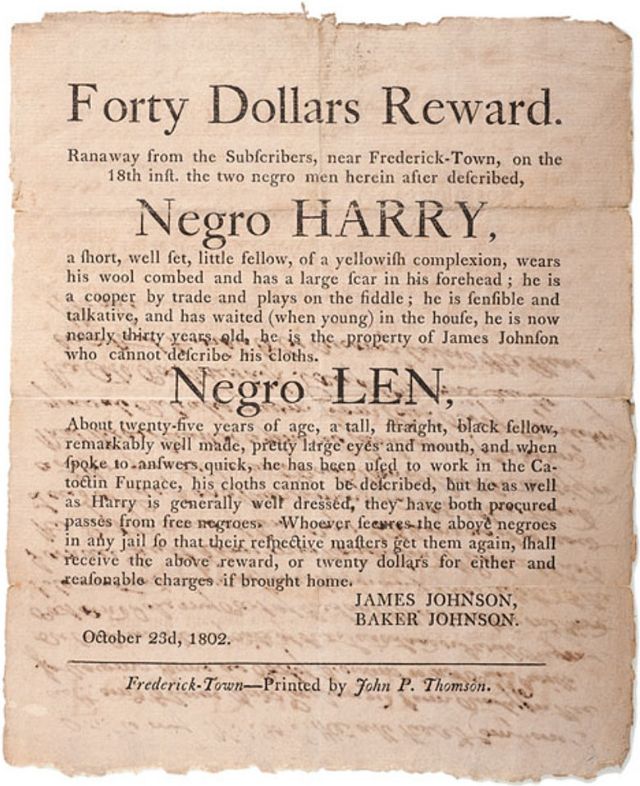
Printed broadside on laid paper, 7.25 x 9 in., headed Forty Dollars Reward…for capture of Negro Harry and Negro Len of Maryland, their physical appearances described in detail, issued by Harry and Len’s masters, James and Baker Johnson, dated October 23, 1802. Fredericktown, MD. Printed by John P. Thomson. With added manuscript on verso referring to a transfer of land deeds.
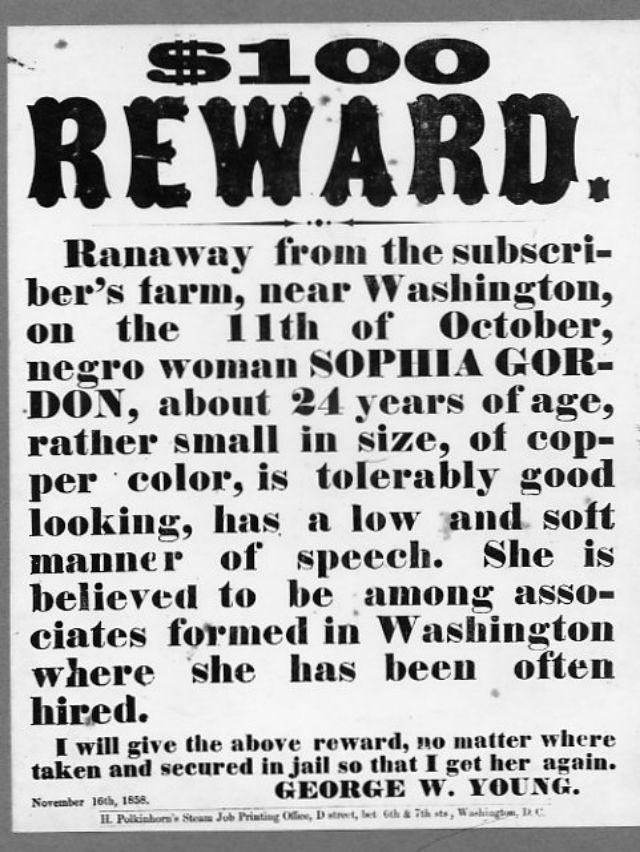
1858 poster advertising $100 reward for runaway slave, Washington D.C.
(Photo credit: Library of Congress).