
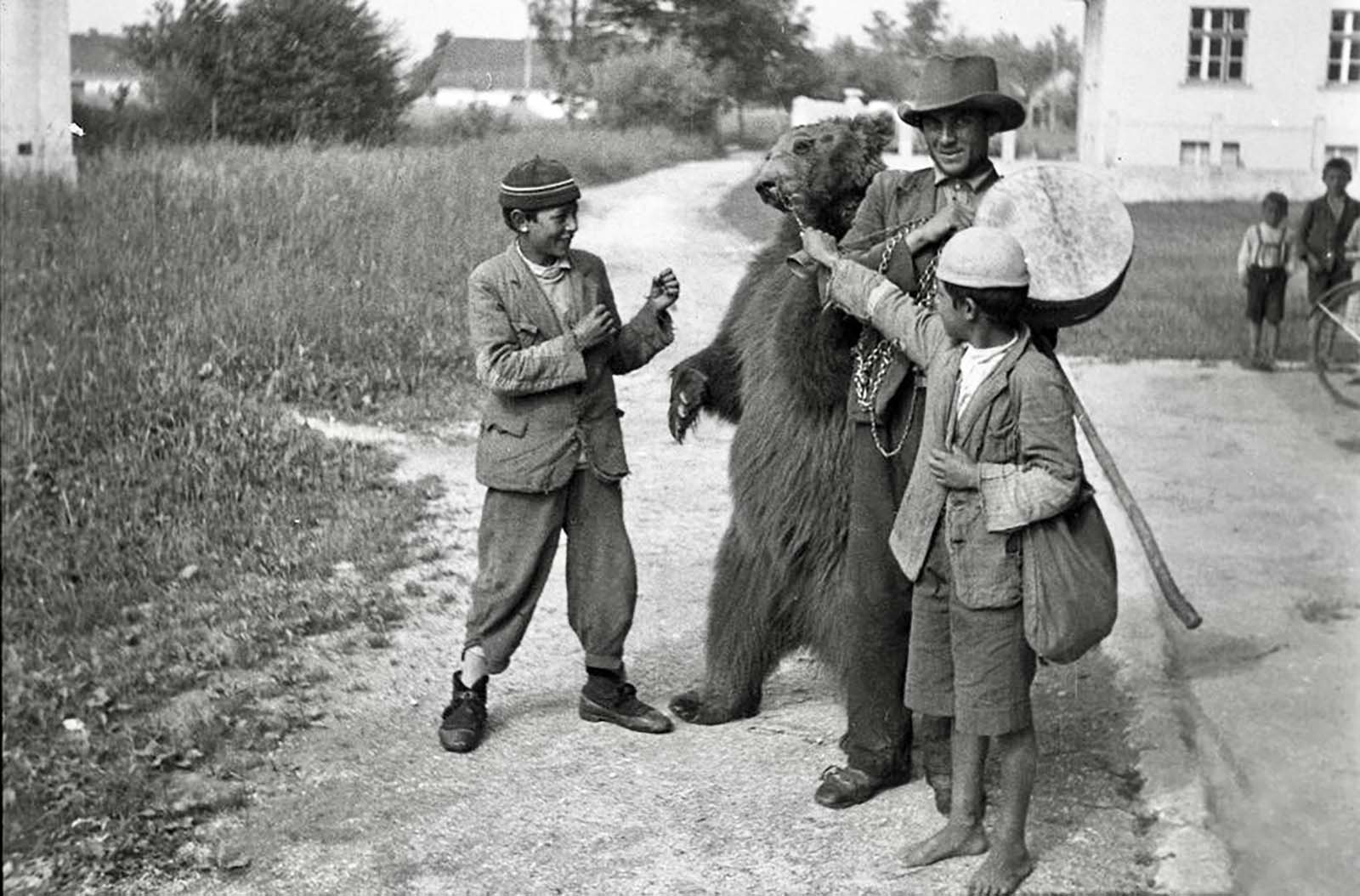
Moving through city streets, rural roads, and temporary encampments, the camera of Paul Almásy captured a side of Western Europe rarely acknowledged in mid-20th-century visual history.
Born in Budapest in 1906 and later based in Paris, Almásy devoted his career to documenting people across social boundaries, paying particular attention to communities living on the margins.
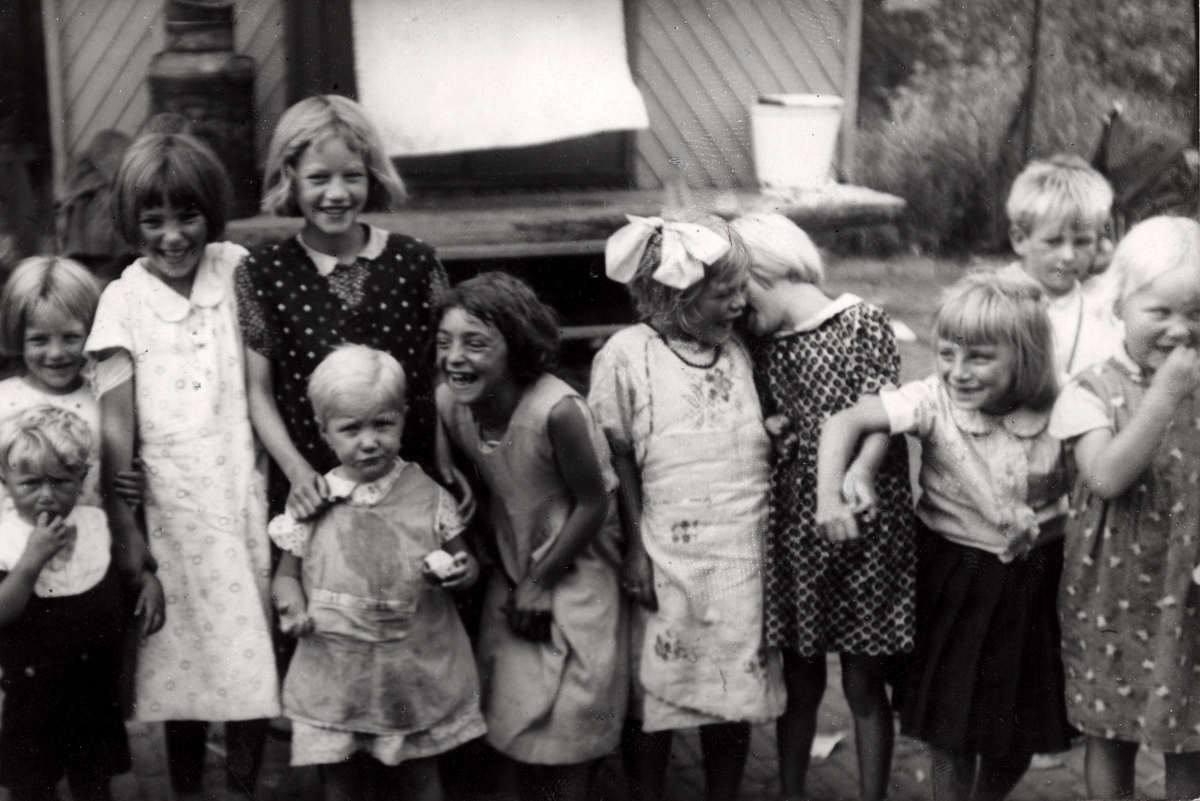
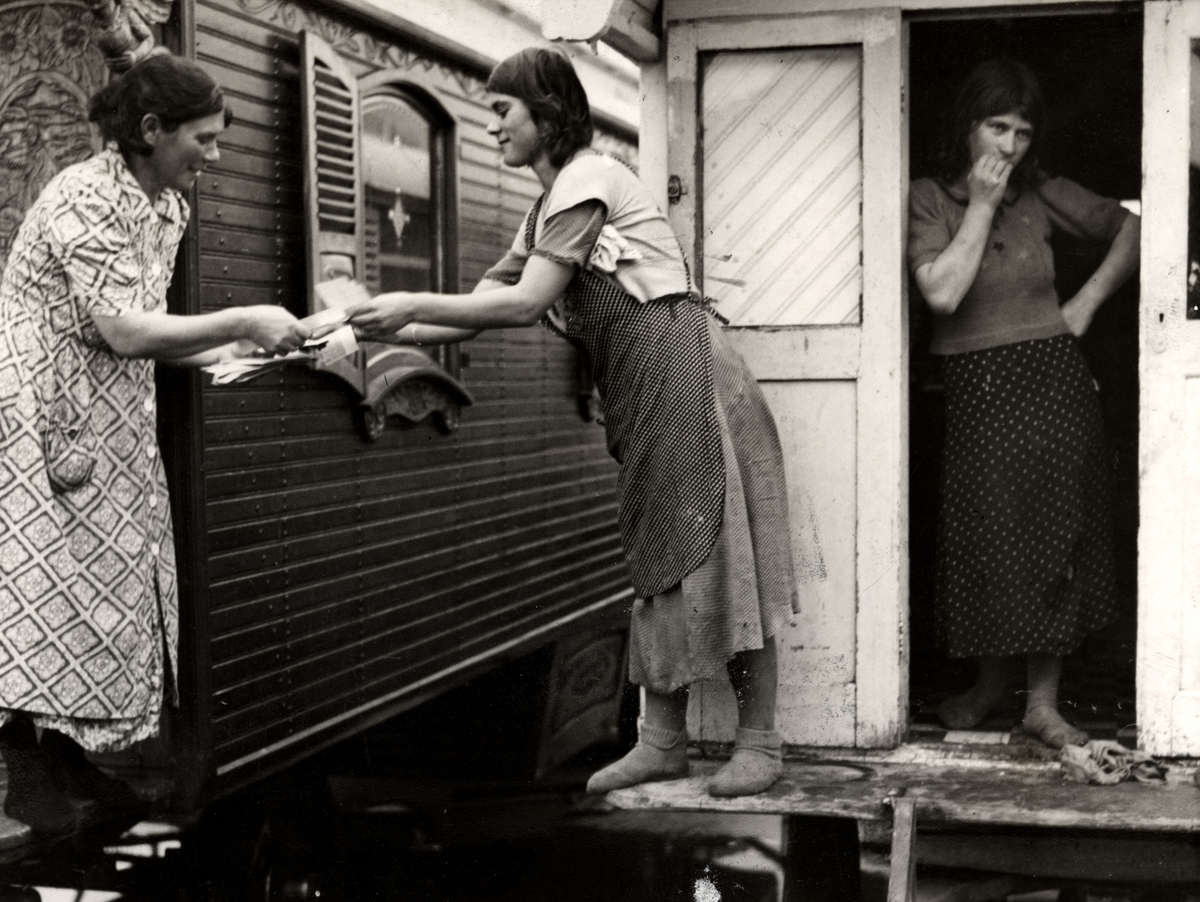
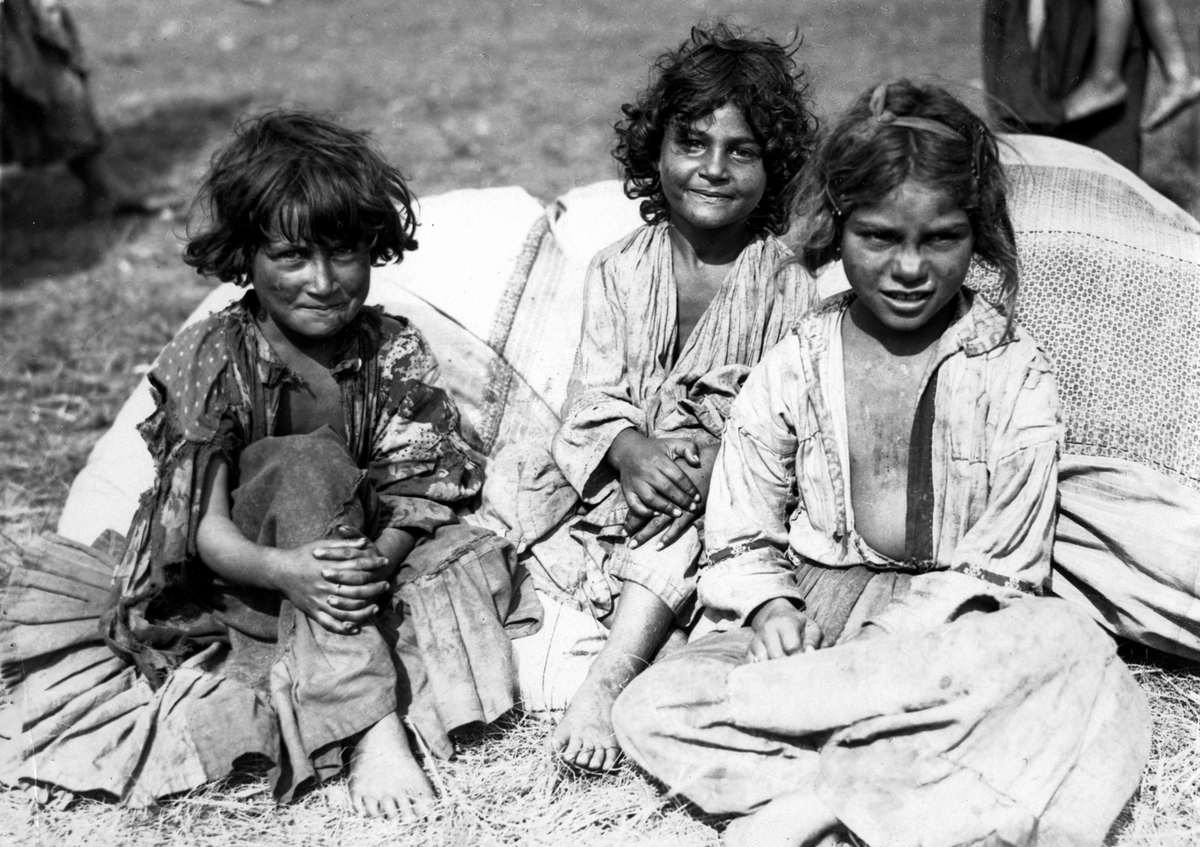
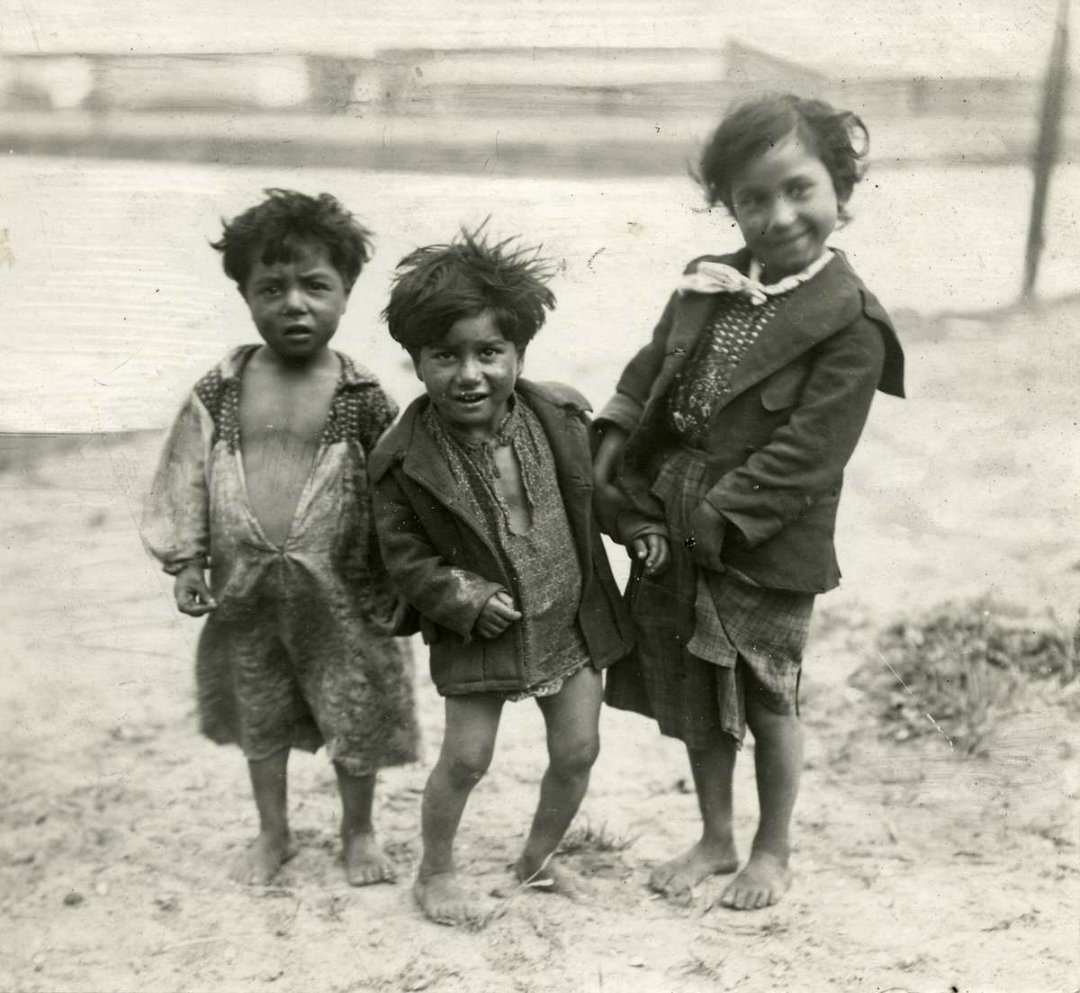
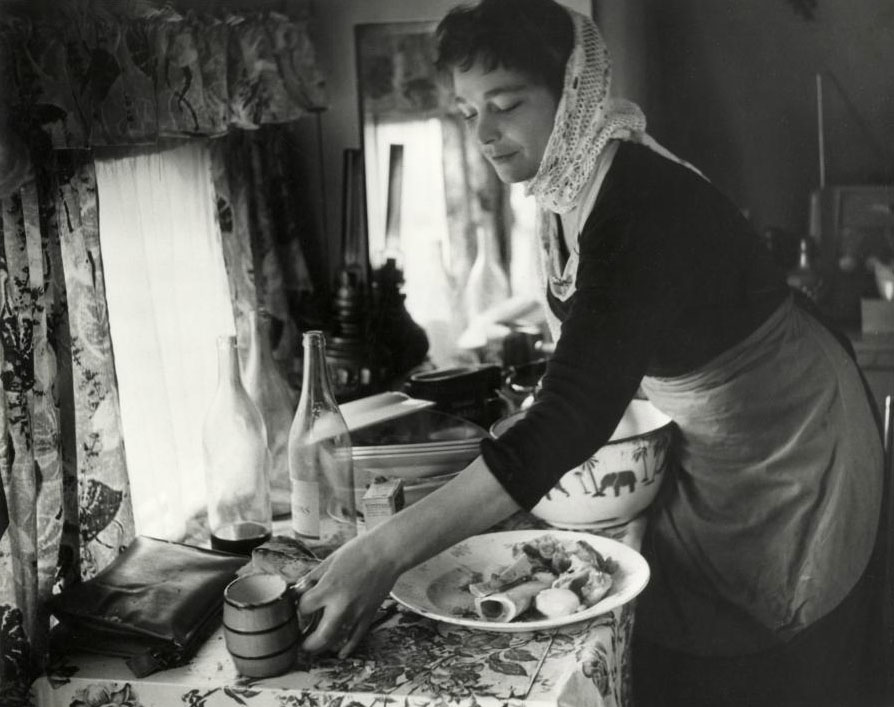
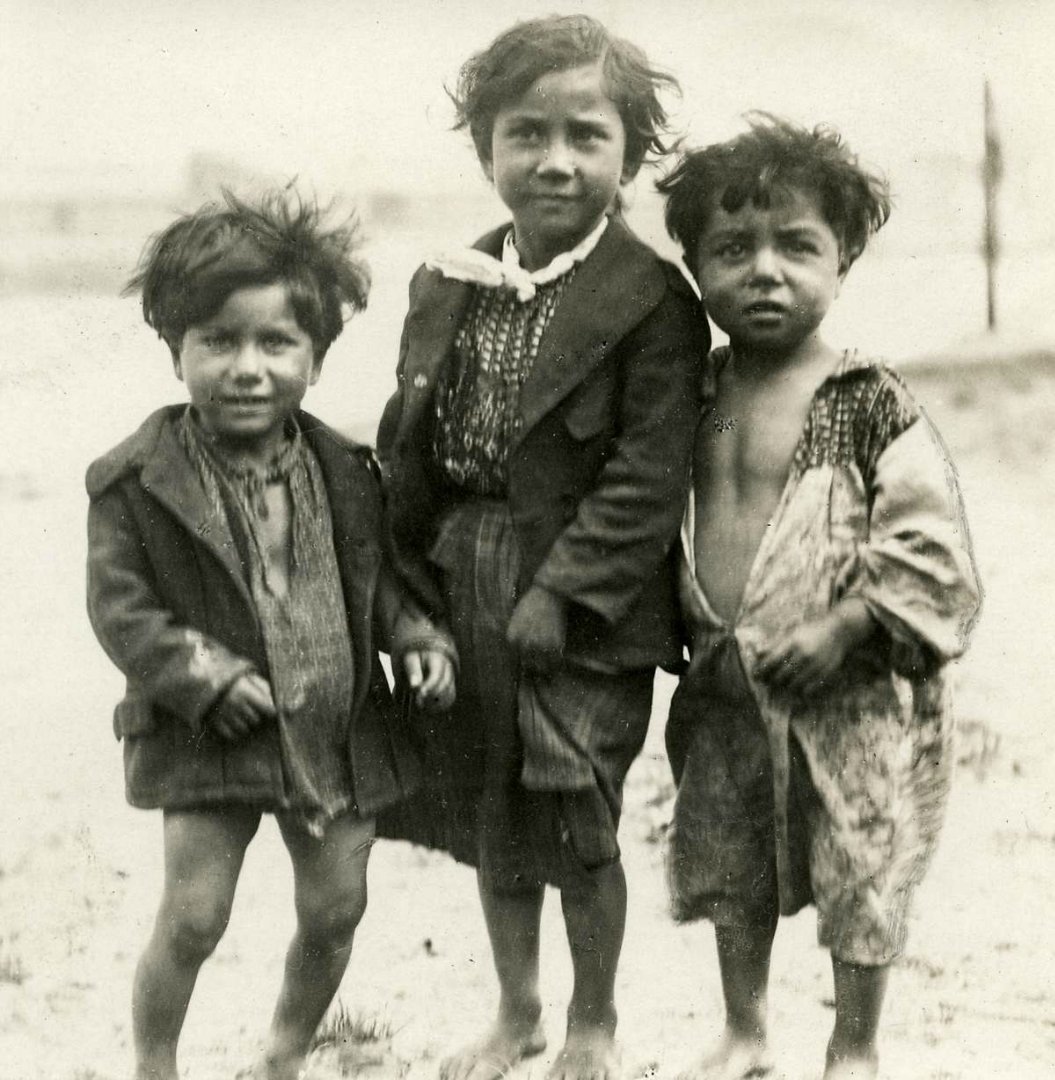
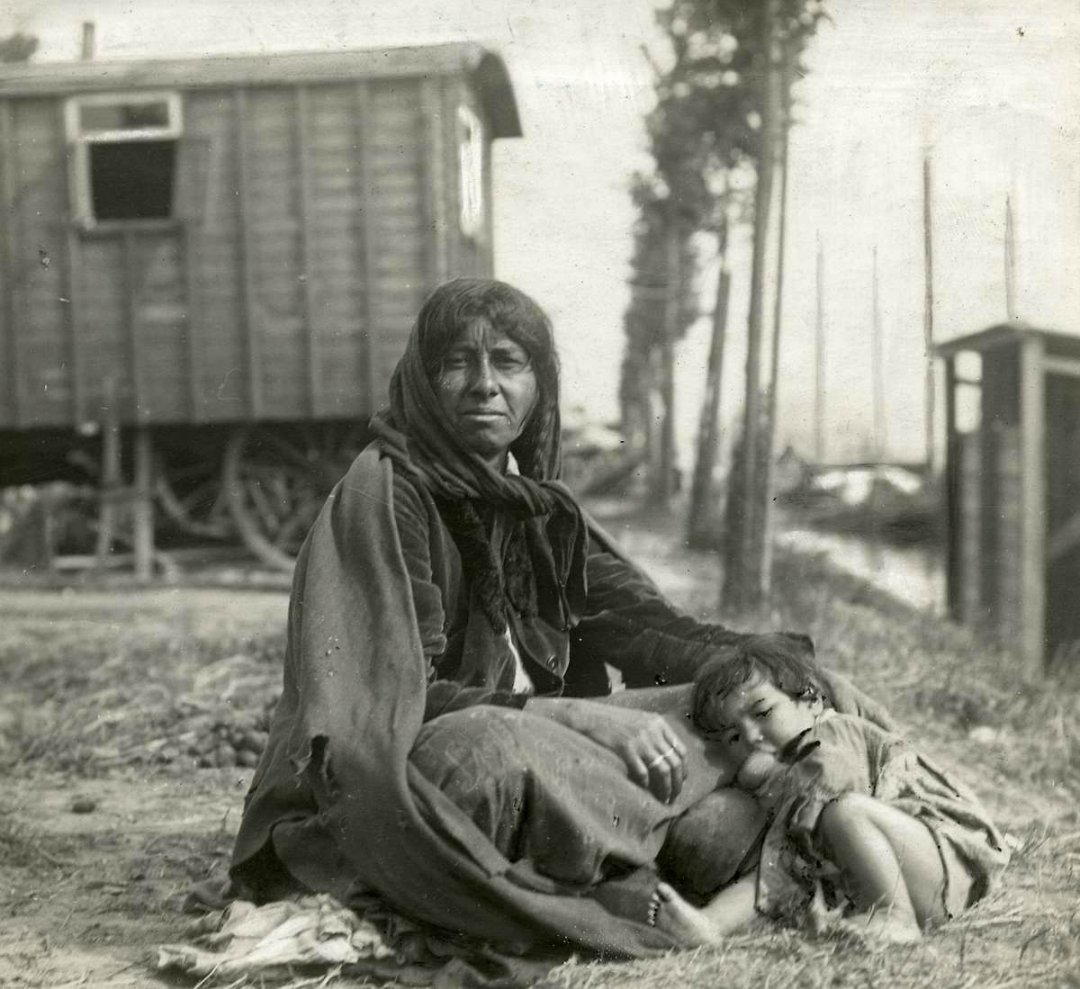
His photographs offer a quiet but powerful record of Romani life in countries such as France, the Netherlands, and England from the 1930s to the 1960s, a reality often associated only with Eastern Europe.
These images reveal daily routines, family bonds, and survival under conditions shaped as much by exclusion as by tradition.
 The Romani are an Indo-Aryan ethnic group whose roots trace back to the Indian subcontinent, most likely the region of present-day Rajasthan.
Linguistic and genetic research suggests that their westward migration began around the 11th century, eventually passing through the Persian and Byzantine empires before reaching Europe in the late Middle Ages.
By the 13th and 14th centuries, Romani groups had established a presence across the continent.
 While dispersed geographically, their largest populations historically developed in central, eastern, and southern Europe, with smaller but longstanding communities in Western Europe and parts of western Asia.
In English, Romani people have long been referred to by the exonym “Gypsies,” a term rooted in the medieval belief that they originated in Egypt.
Derived from the Greek Aigyptioi and later adopted into Latin and Middle English, the word became widespread across Europe, with related forms such as Gitan in French and Gitano in Spanish.
 Over time, the term acquired negative associations and was frequently used as a racial slur, leading many Romani to reject it.
While some groups in the United Kingdom still use it in specific legal or cultural contexts, “Romani” is now widely preferred as a respectful and accurate designation.
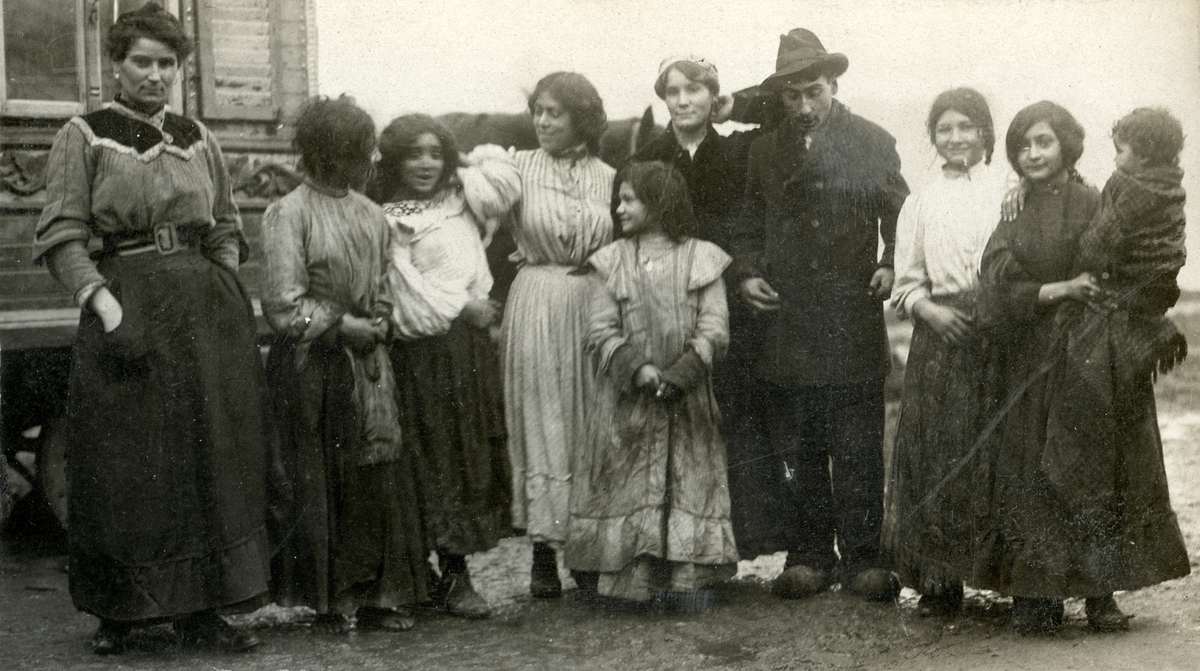
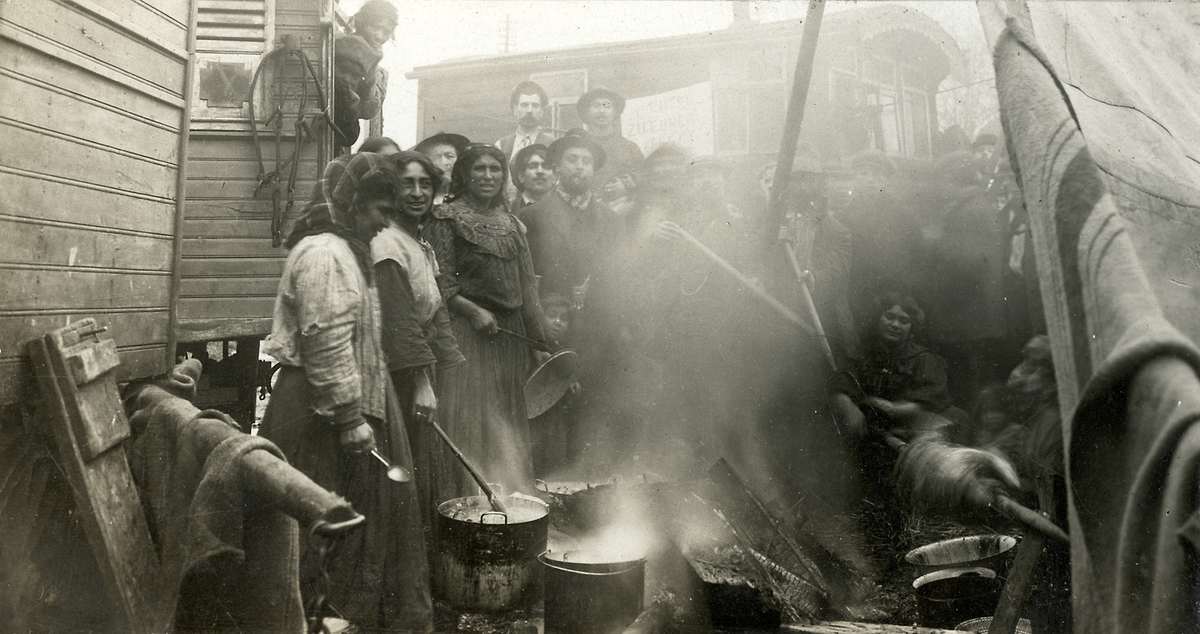 Family life has traditionally played a central role in Romani communities, with strong emphasis placed on extended kinship networks.
Marriage often occurred at a young age, and household structures were typically patriarchal, with authority resting in the hands of older men.
Women usually joined their husband’s family after marriage and were responsible for managing domestic life and caring for children and elders. 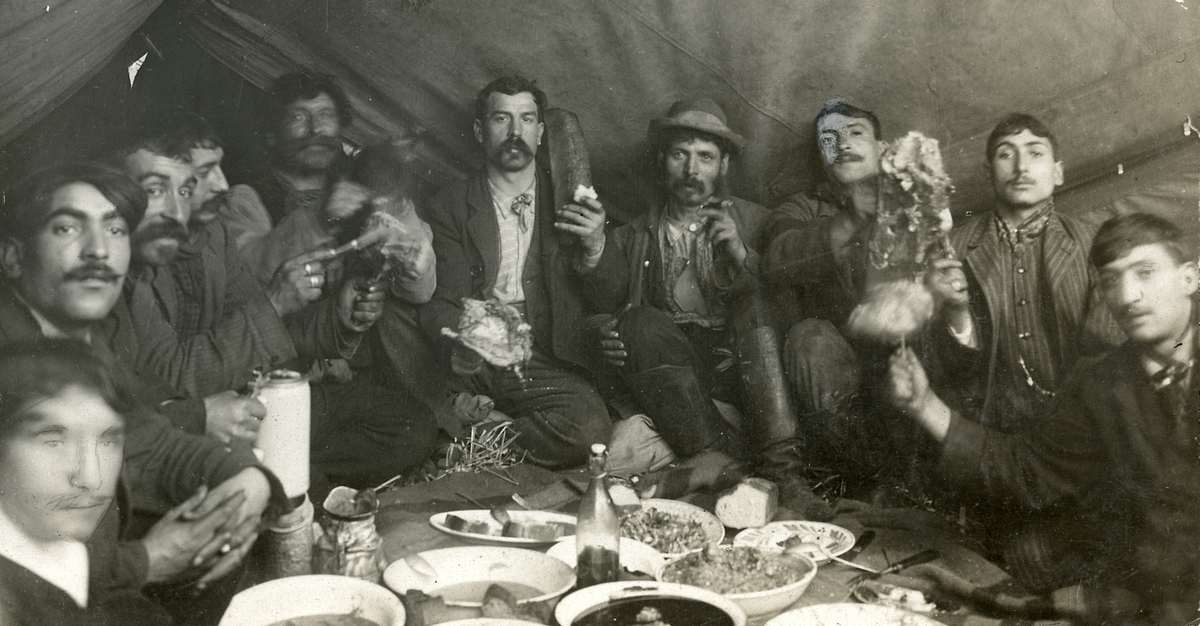
Status and influence for women tended to increase with age and motherhood, reflecting a social hierarchy shaped by experience and responsibility rather than formal roles.
Cultural identity was also expressed through appearance and daily practices. Historical photographs and artwork frequently show Romani men wearing shoulder-length hair, mustaches, and earrings, styles that carried social meaning within the community.
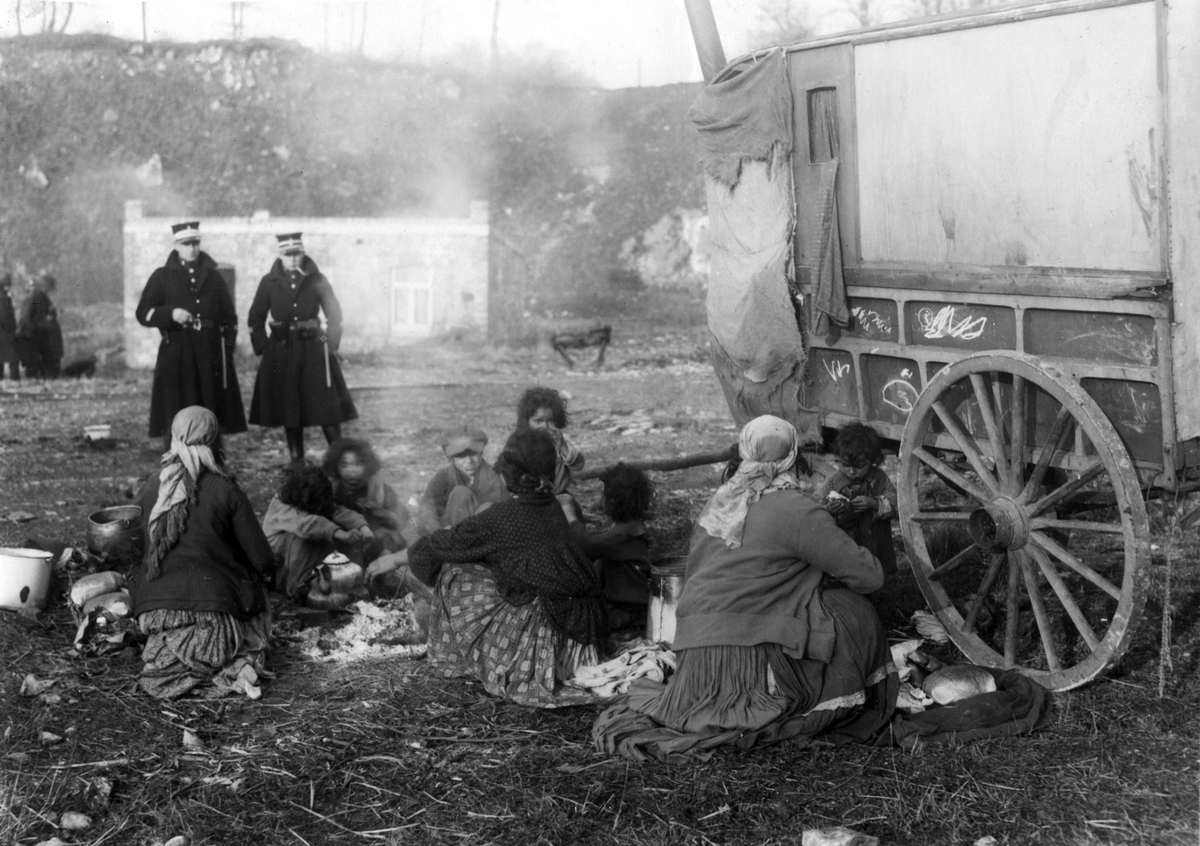
Many Romani groups sought to live in close connection with the natural environment, with cooking often done outdoors over open fires using hunted, foraged, or locally sourced ingredients.
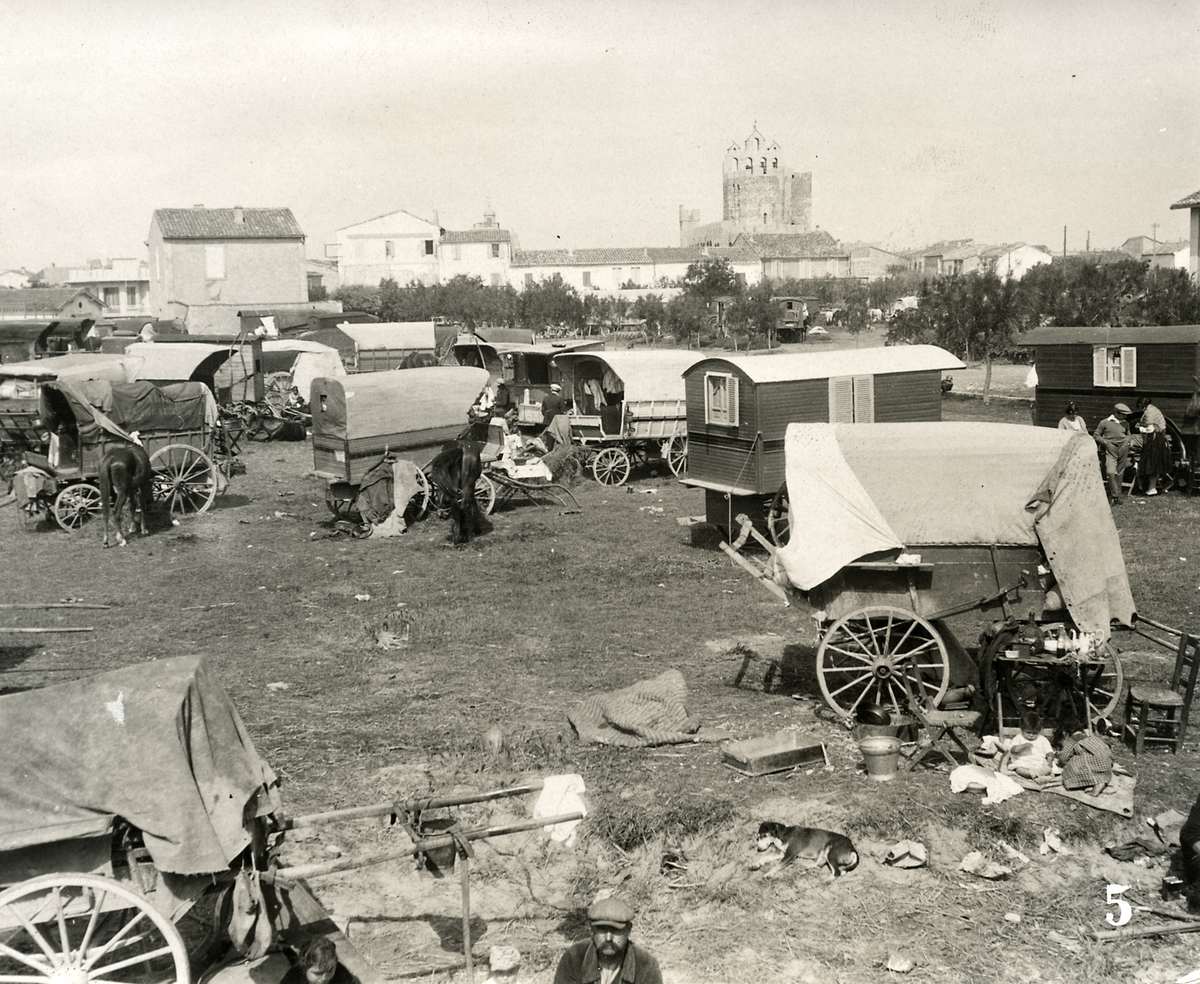
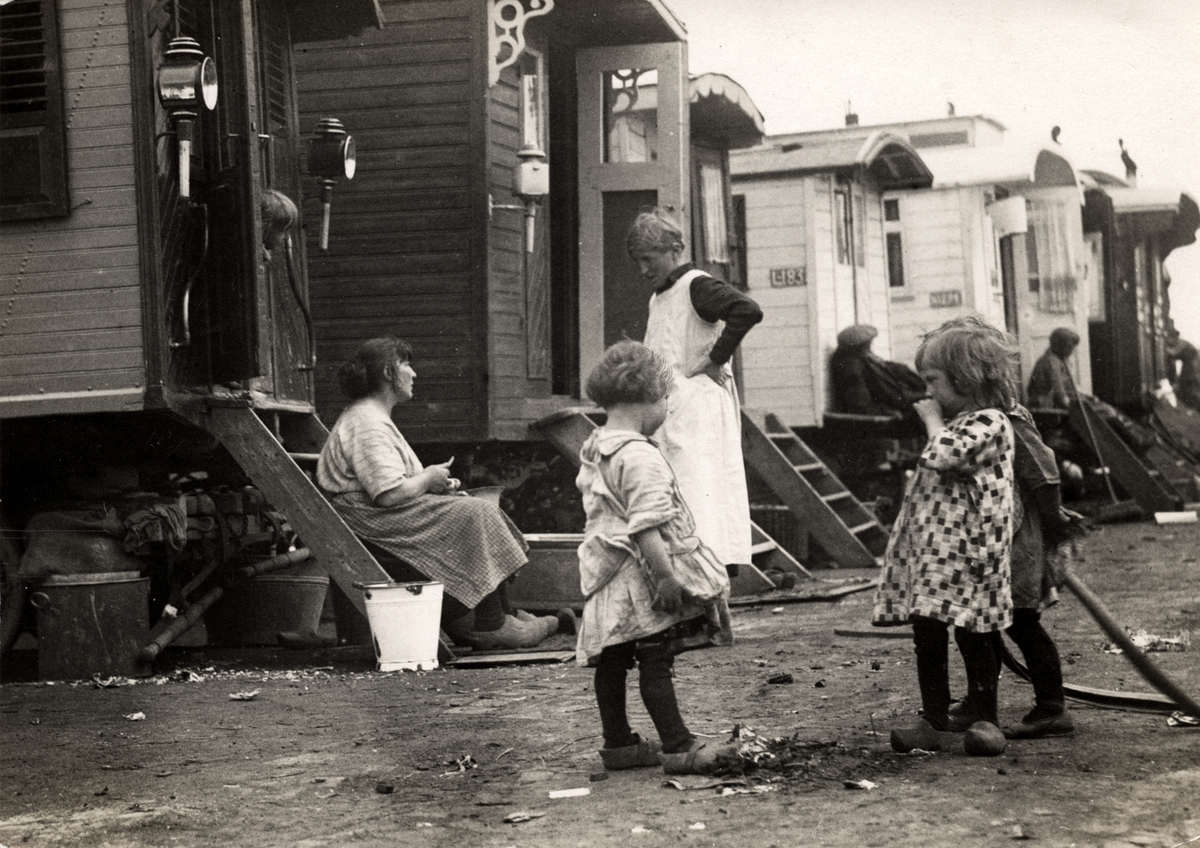
In Britain, some families traveled the countryside in horse-drawn vardos, while others settled permanently in towns and cities, adapting their way of life to changing economic realities.
Certain occupations became closely associated with Romani survival over the centuries.
Horse trading, metalworking, music, dancing, animal training, and seasonal labor provided income in societies that often excluded Romani people from stable employment. 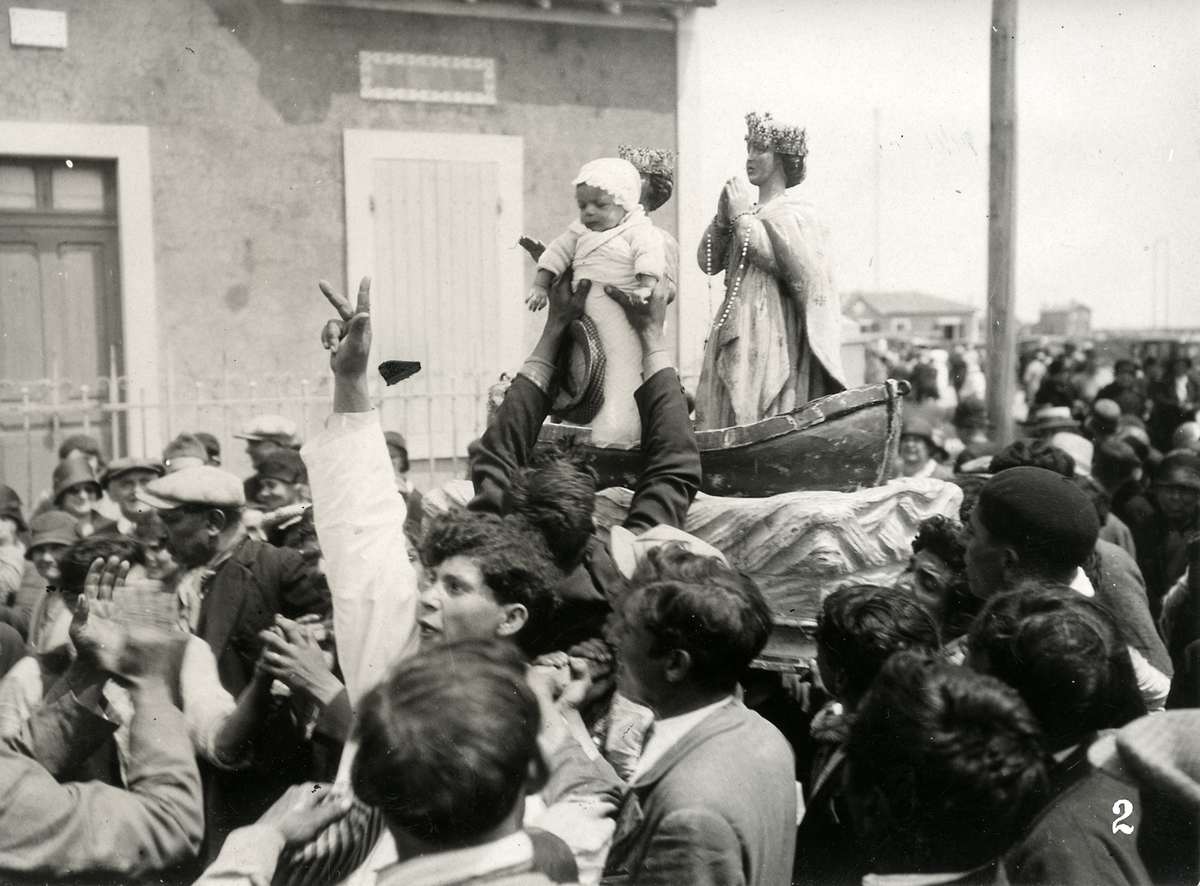 Fortune-telling, including palm reading, was practiced primarily as a service for non-Romani clients and passed down through generations of women, though it was frequently restricted or outlawed, as in Britain during the 18th and 19th centuries.
While such practices contributed to enduring stereotypes, they also reflect how Romani communities navigated legal barriers and social prejudice. 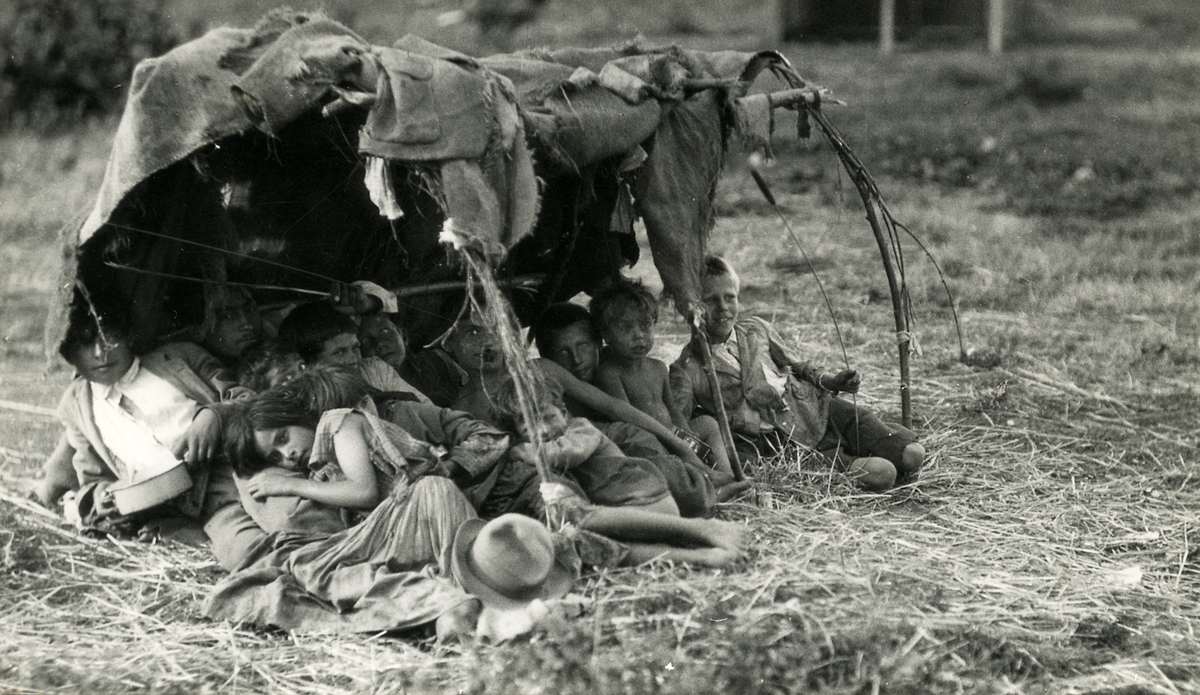
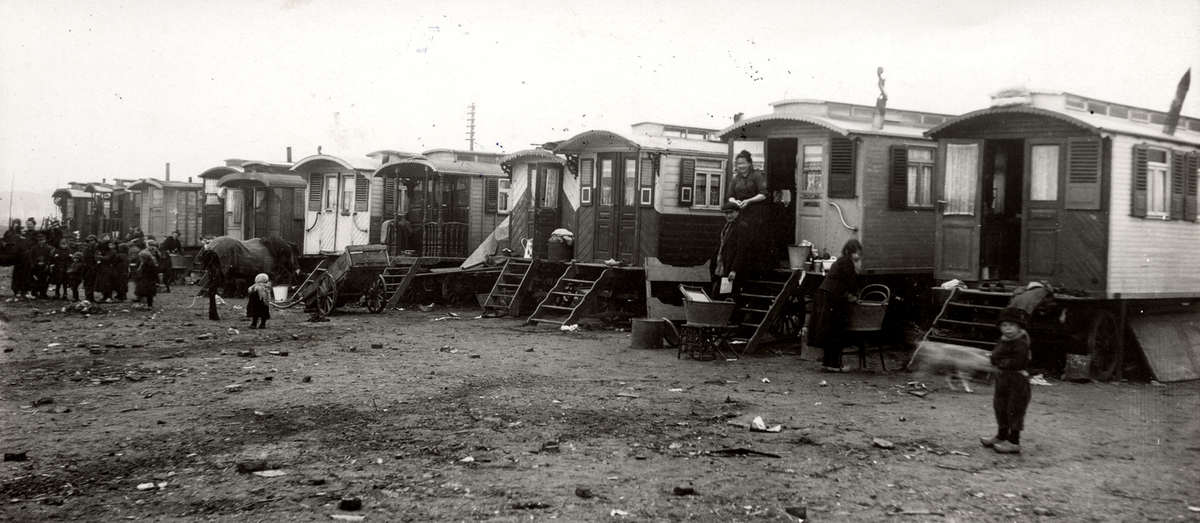
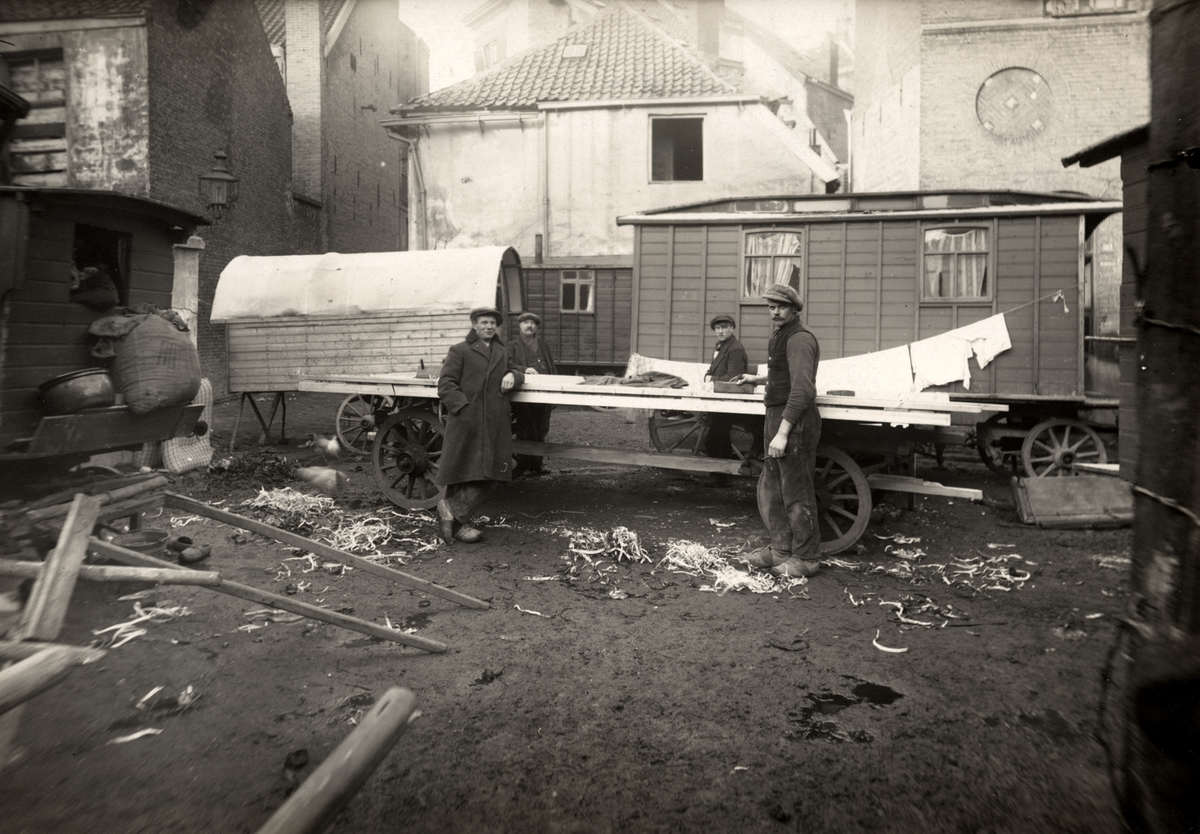
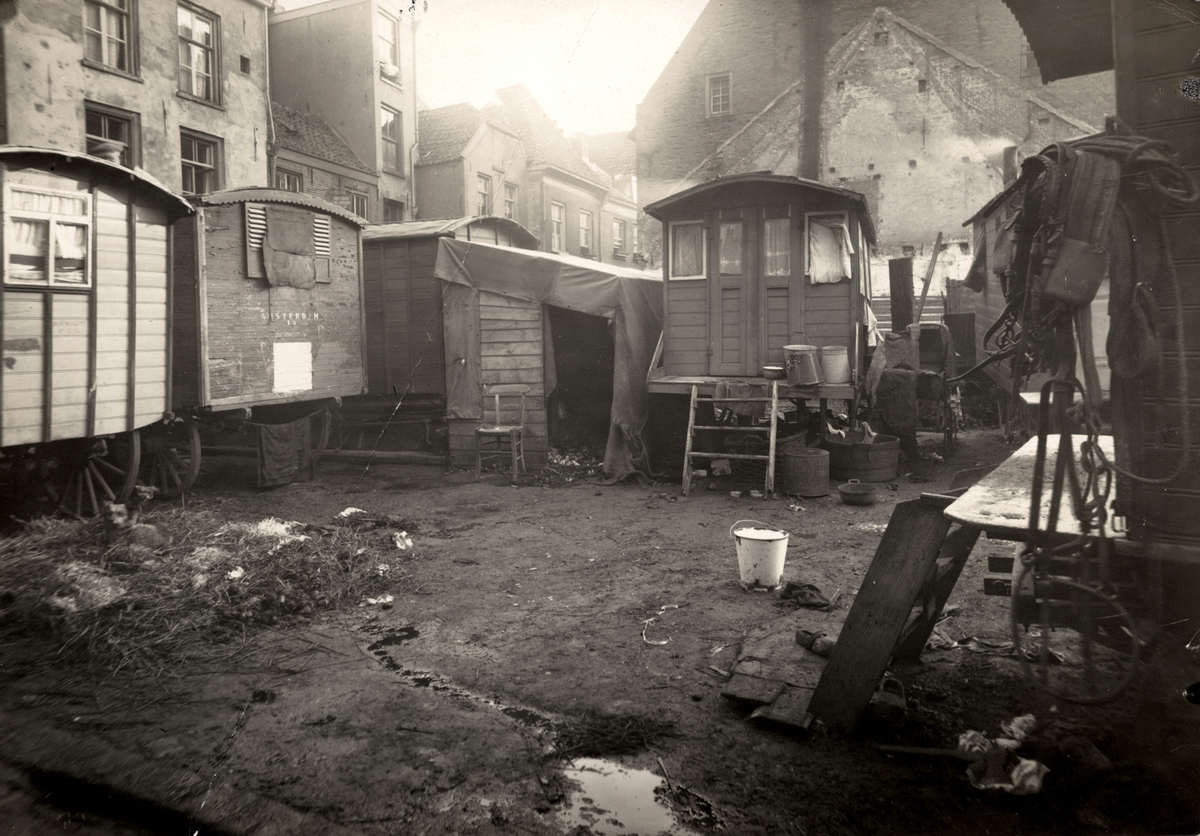
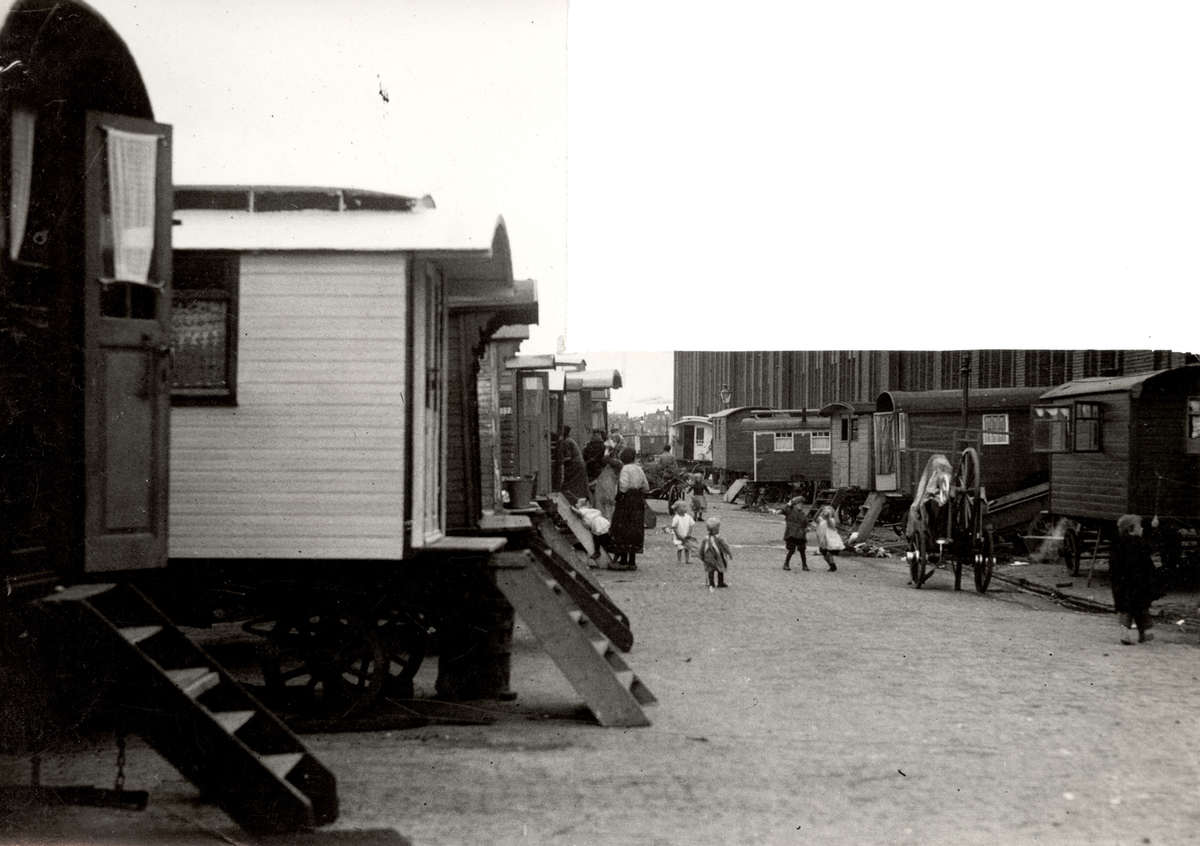
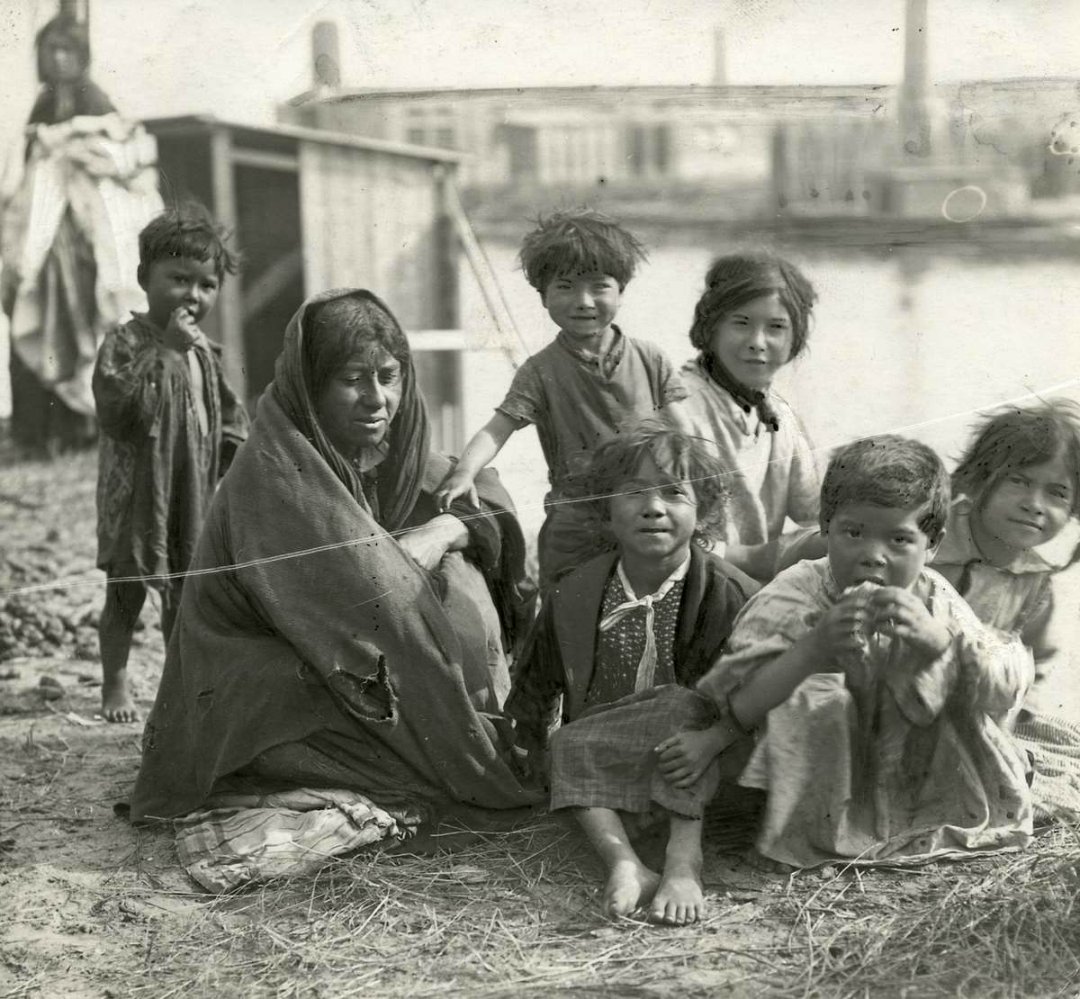
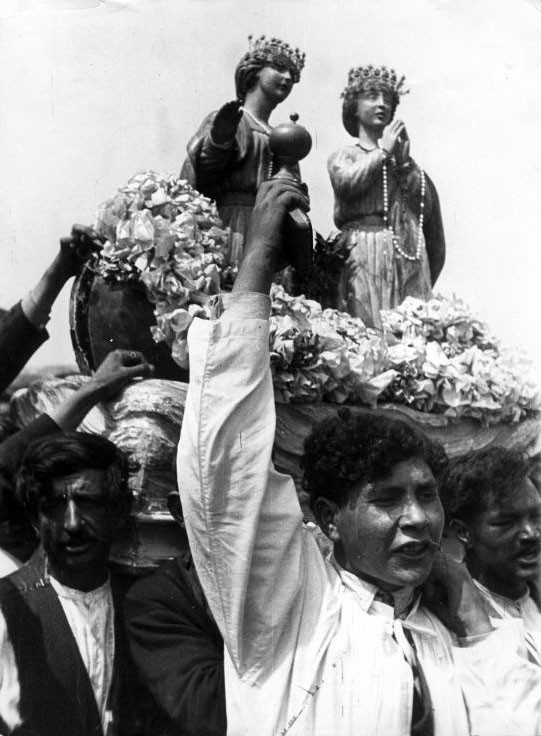
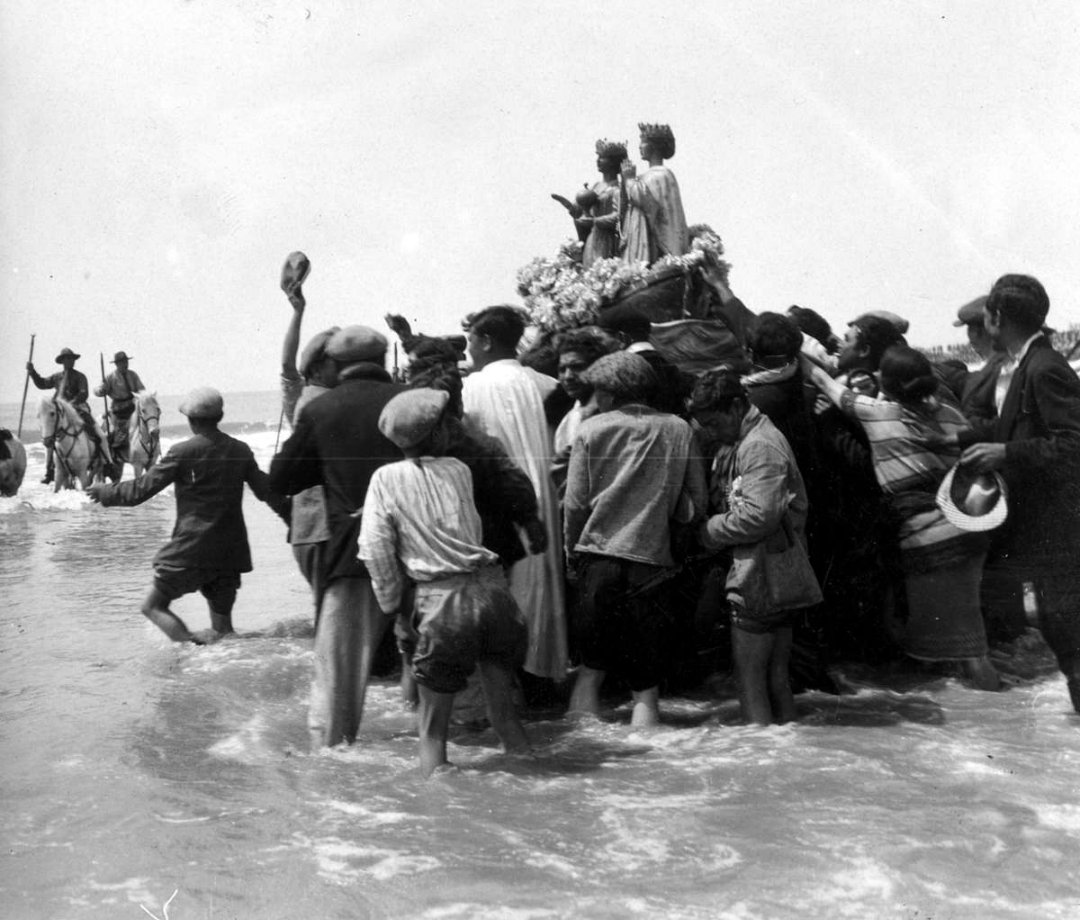
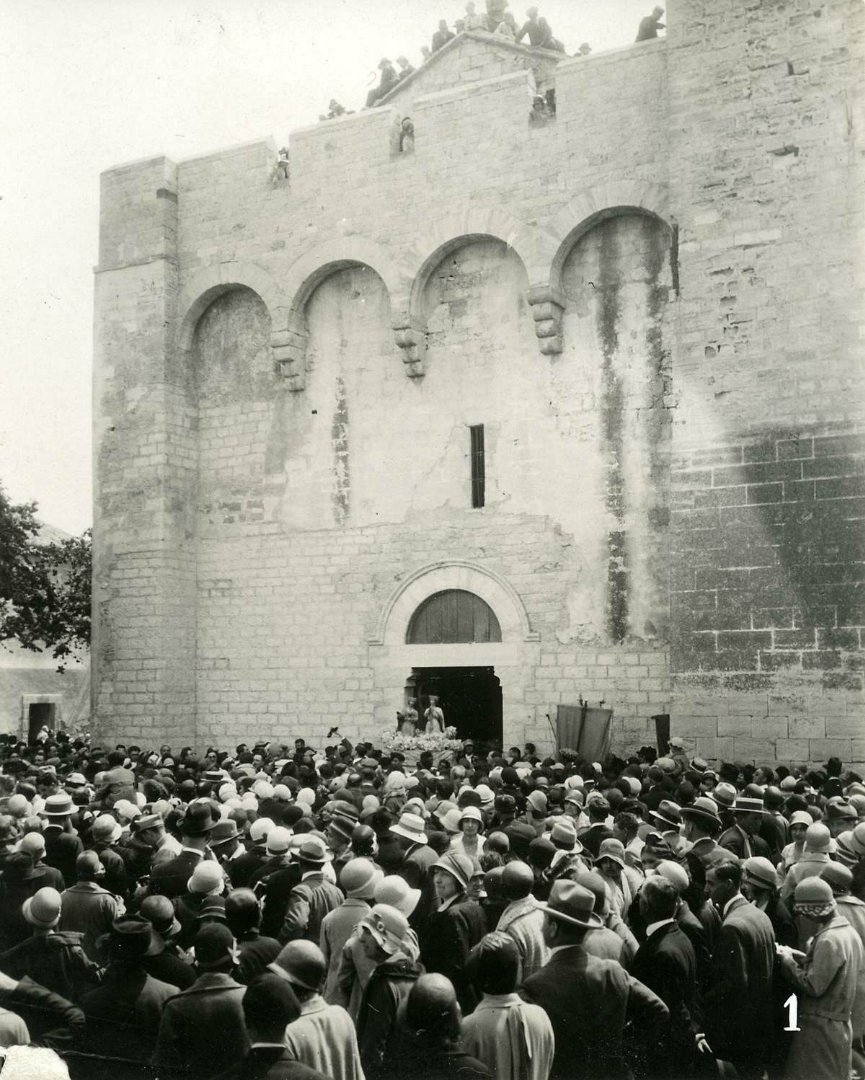
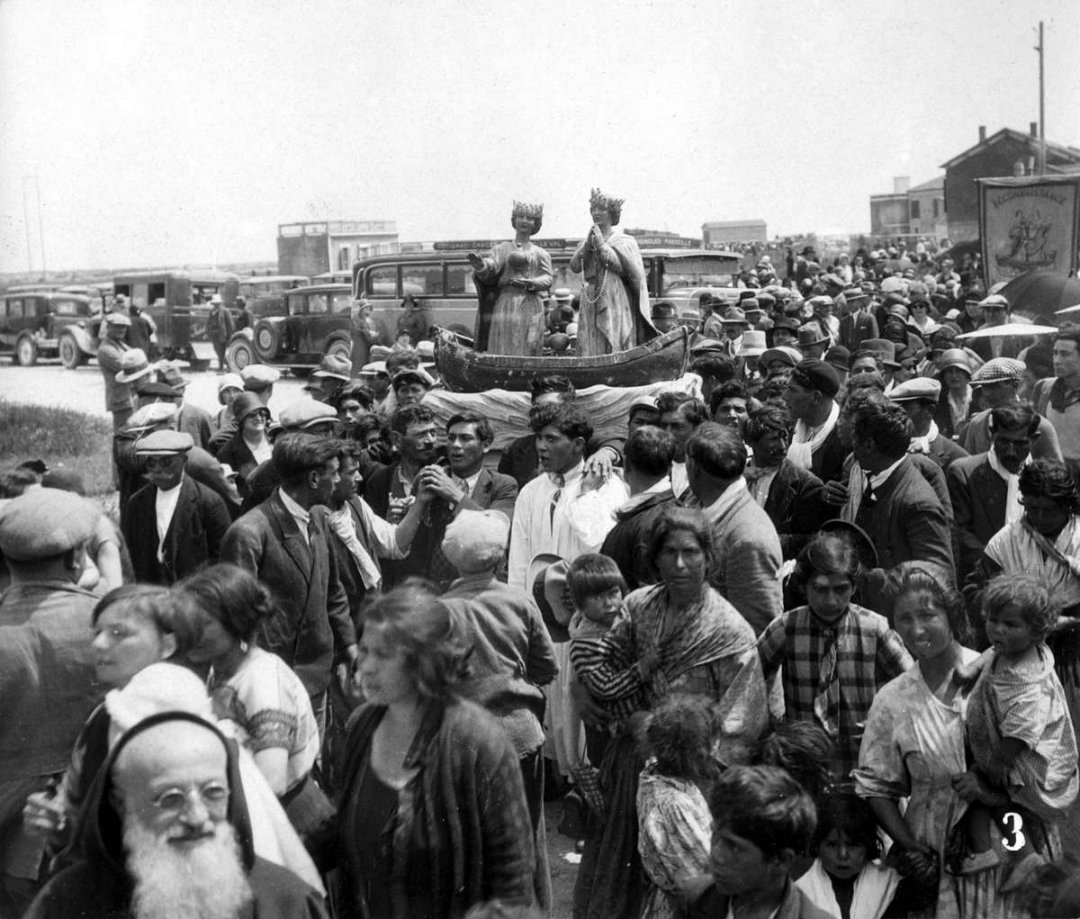
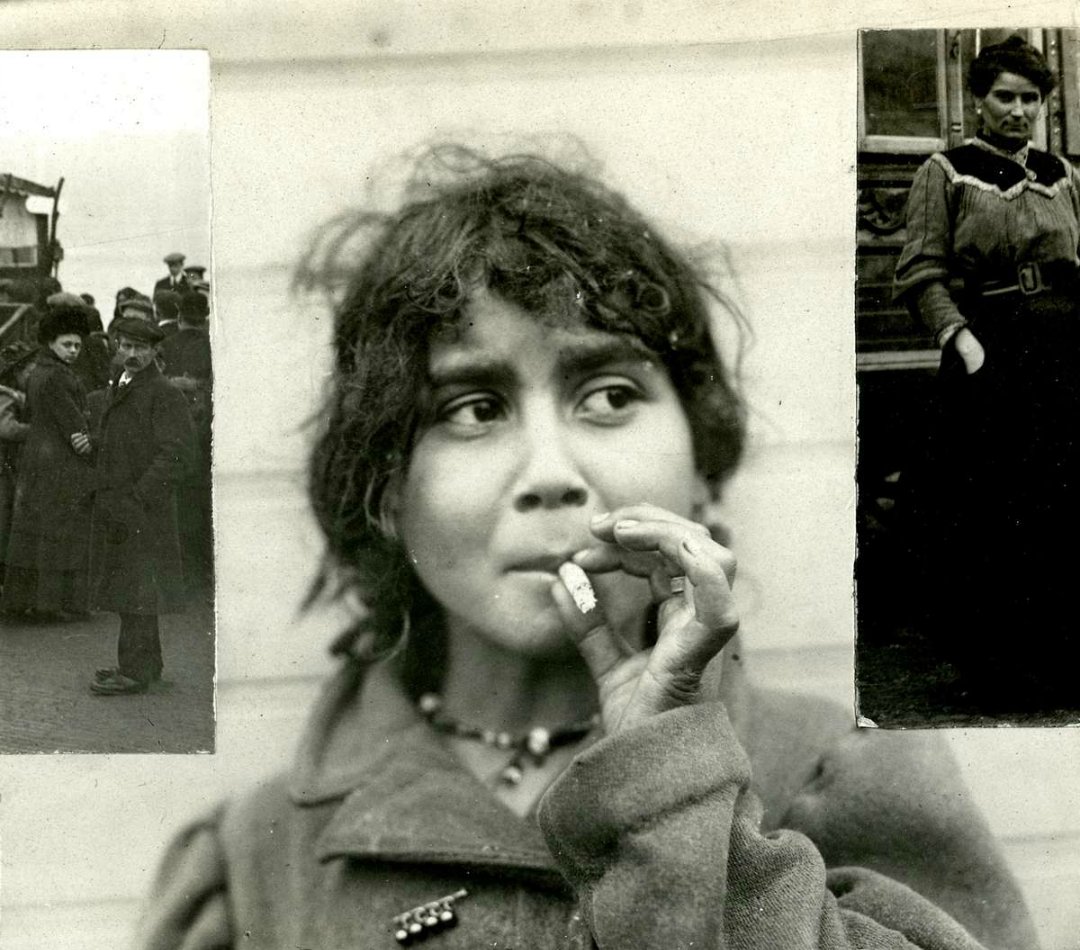
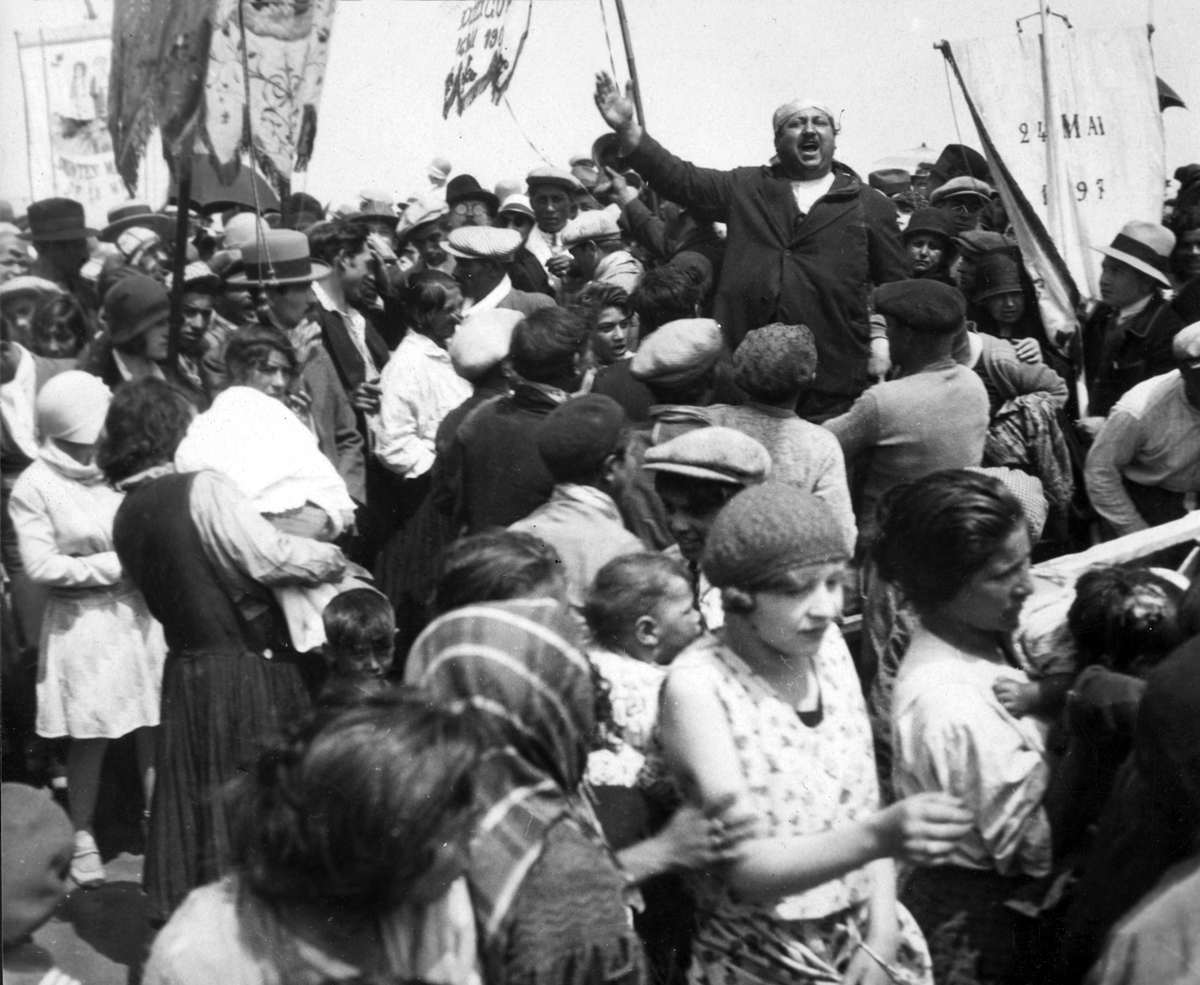
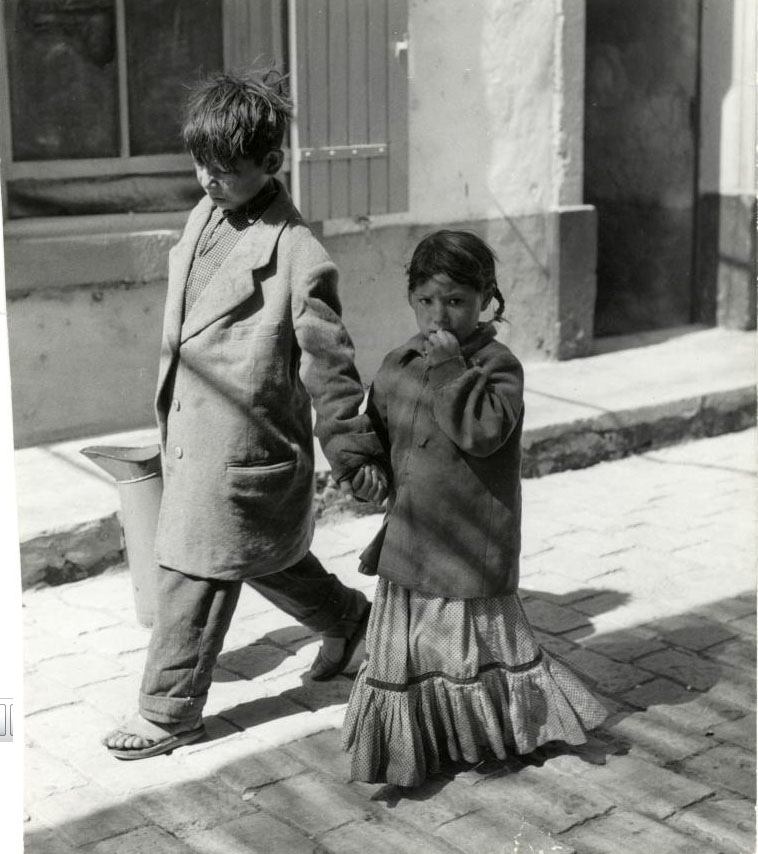
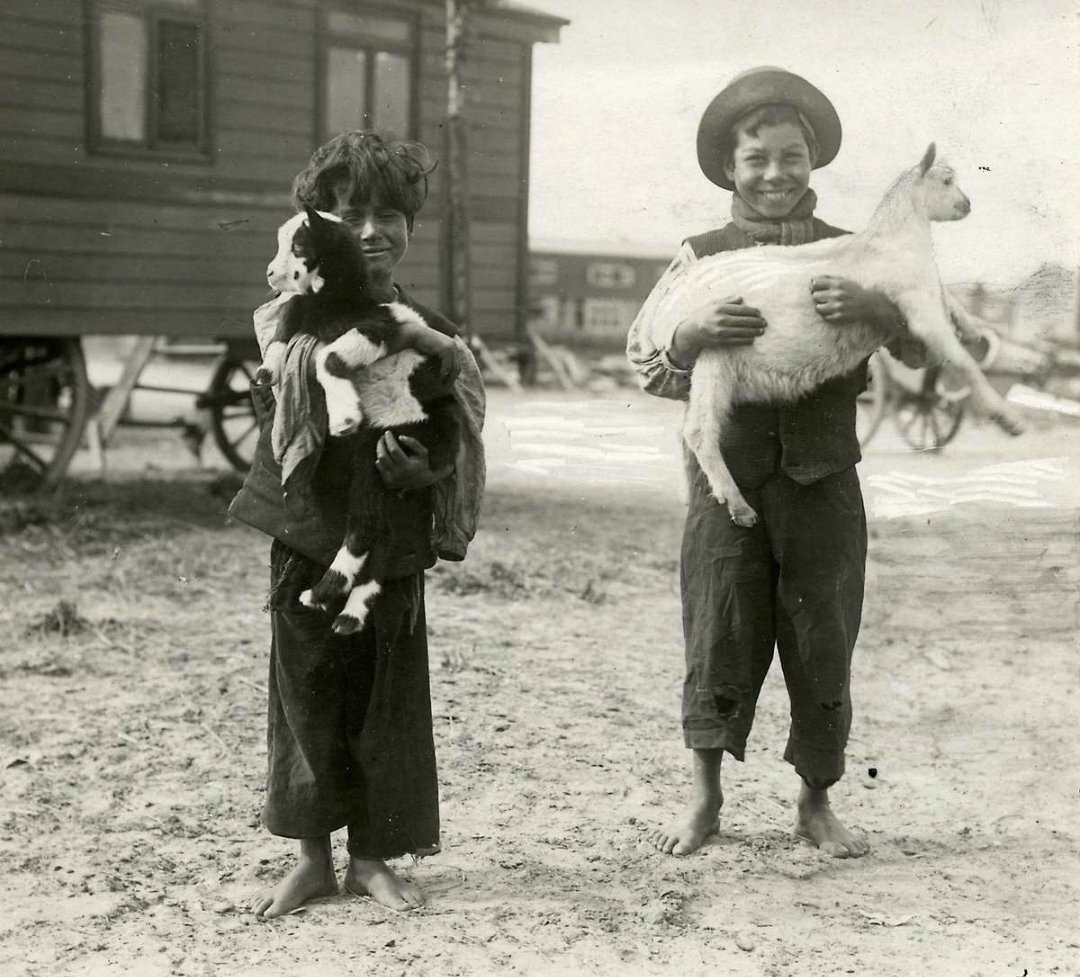
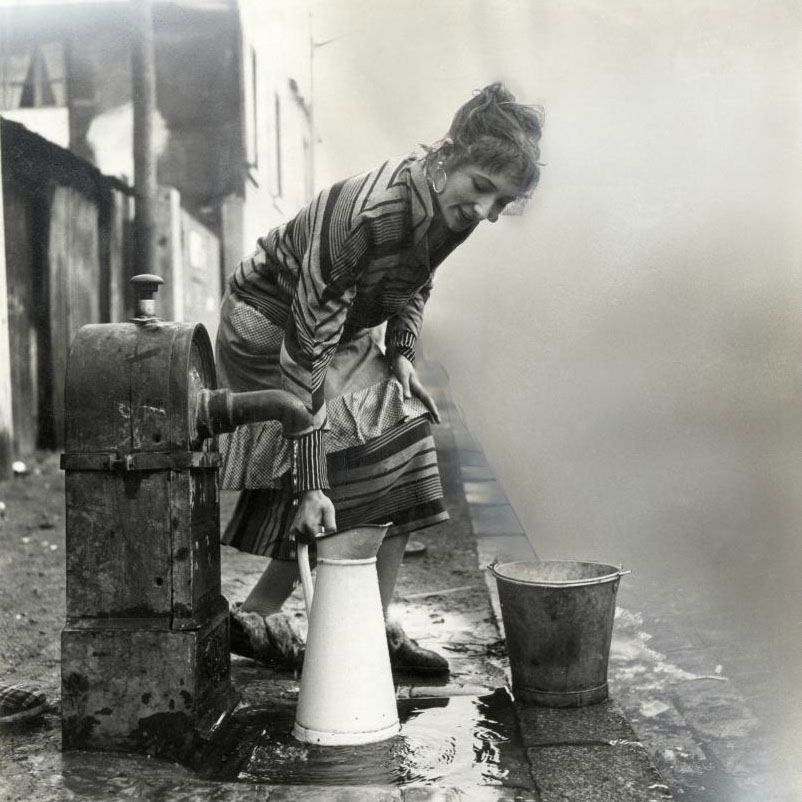
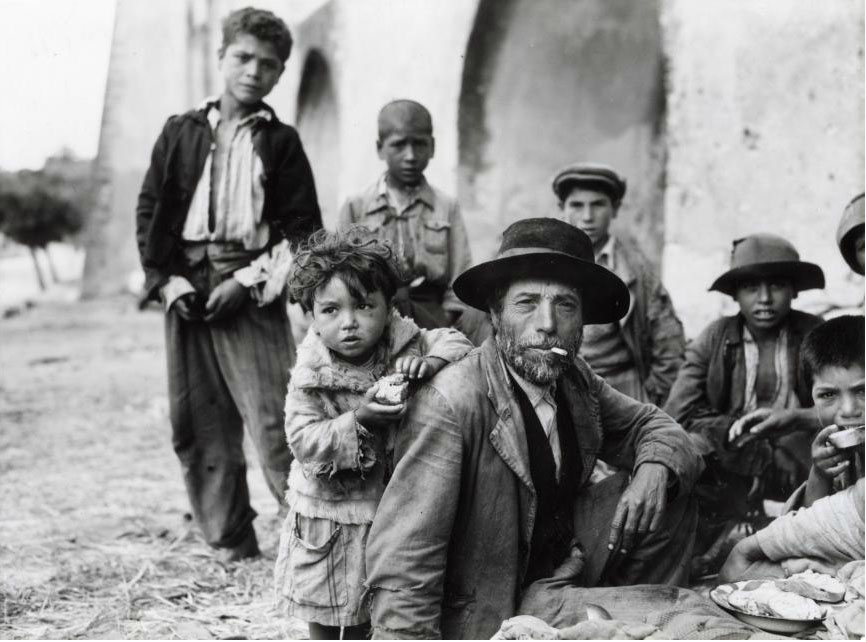
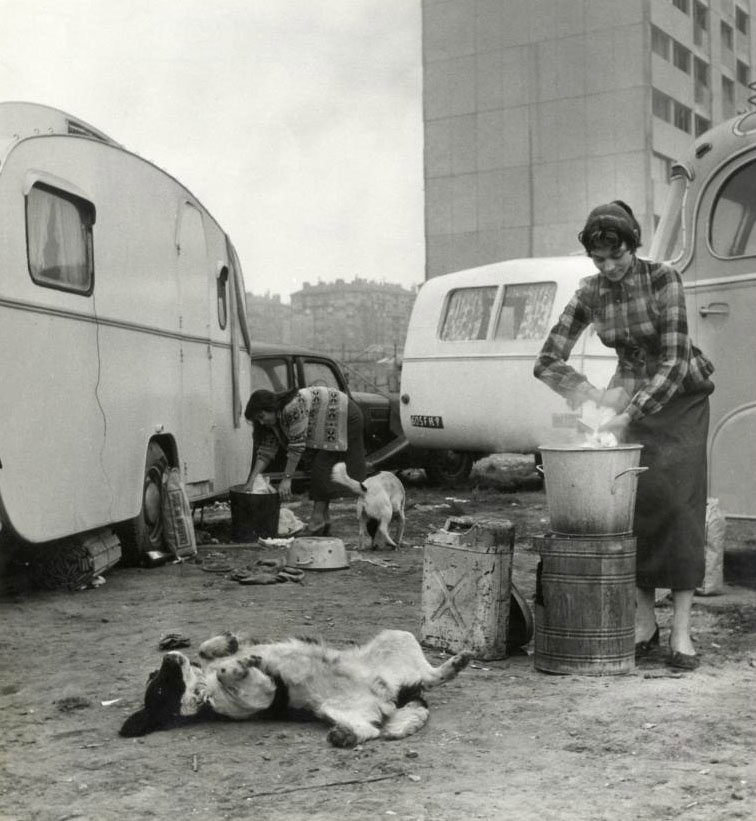
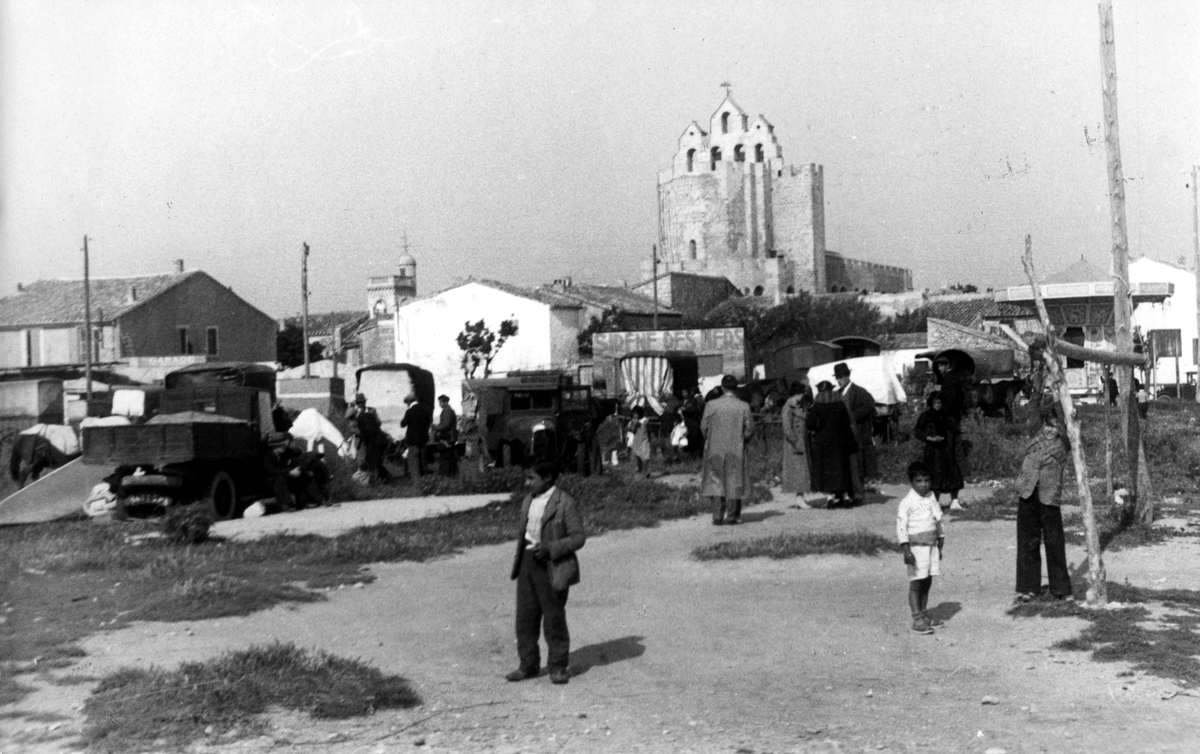
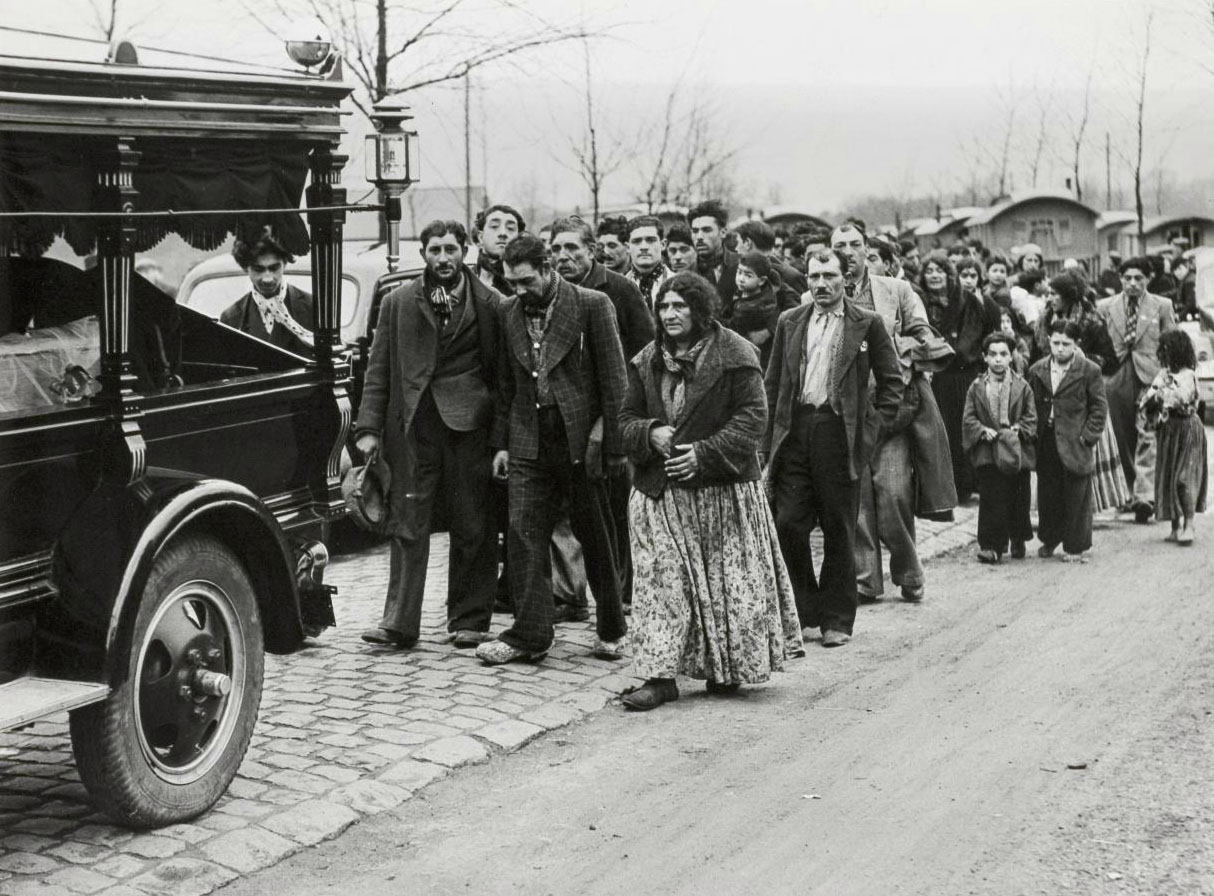
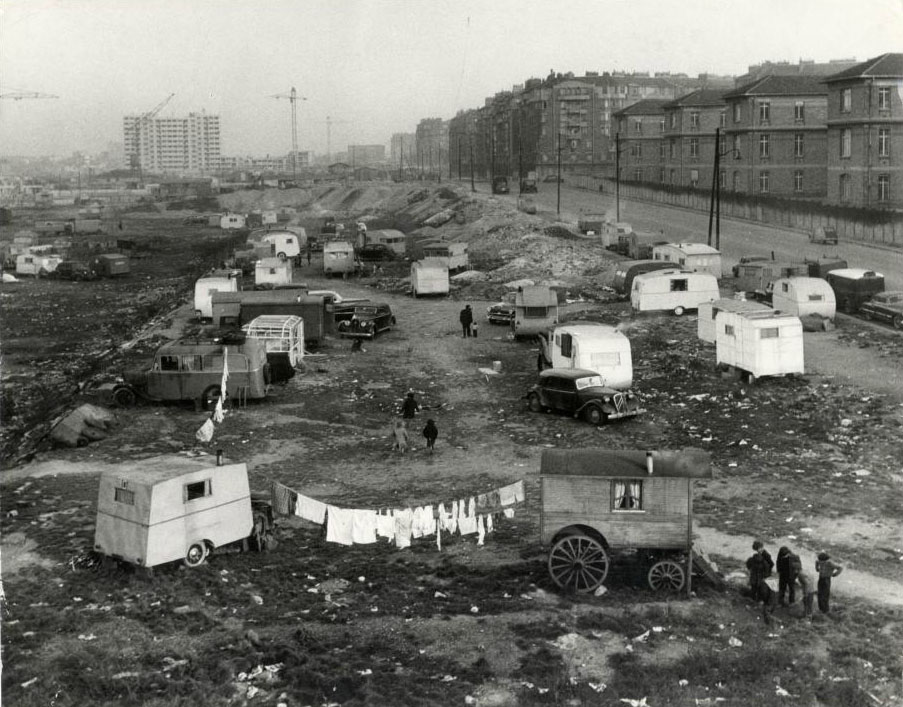
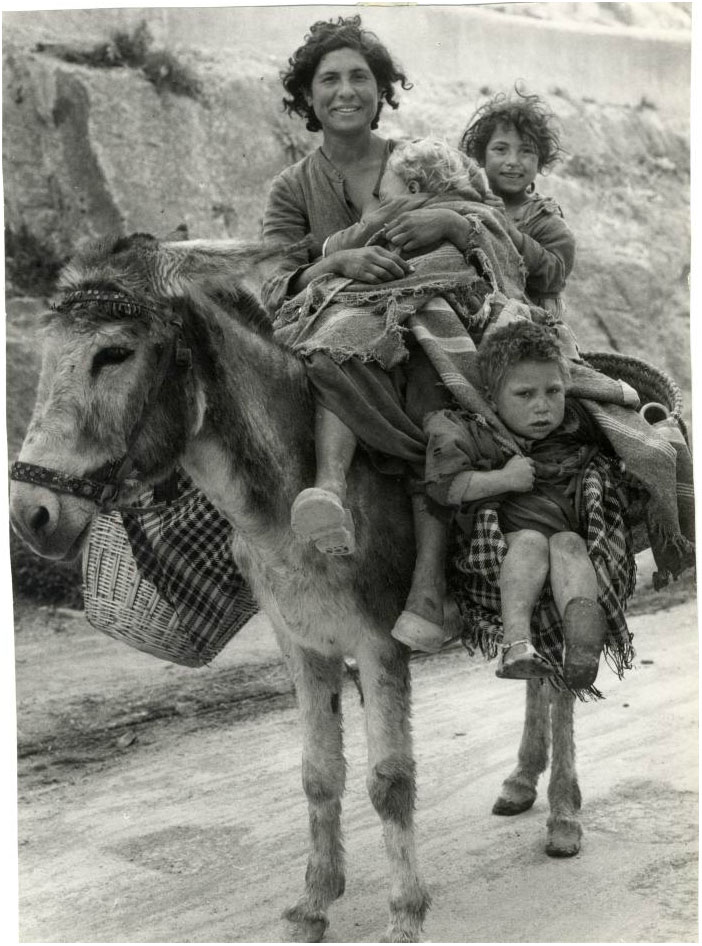
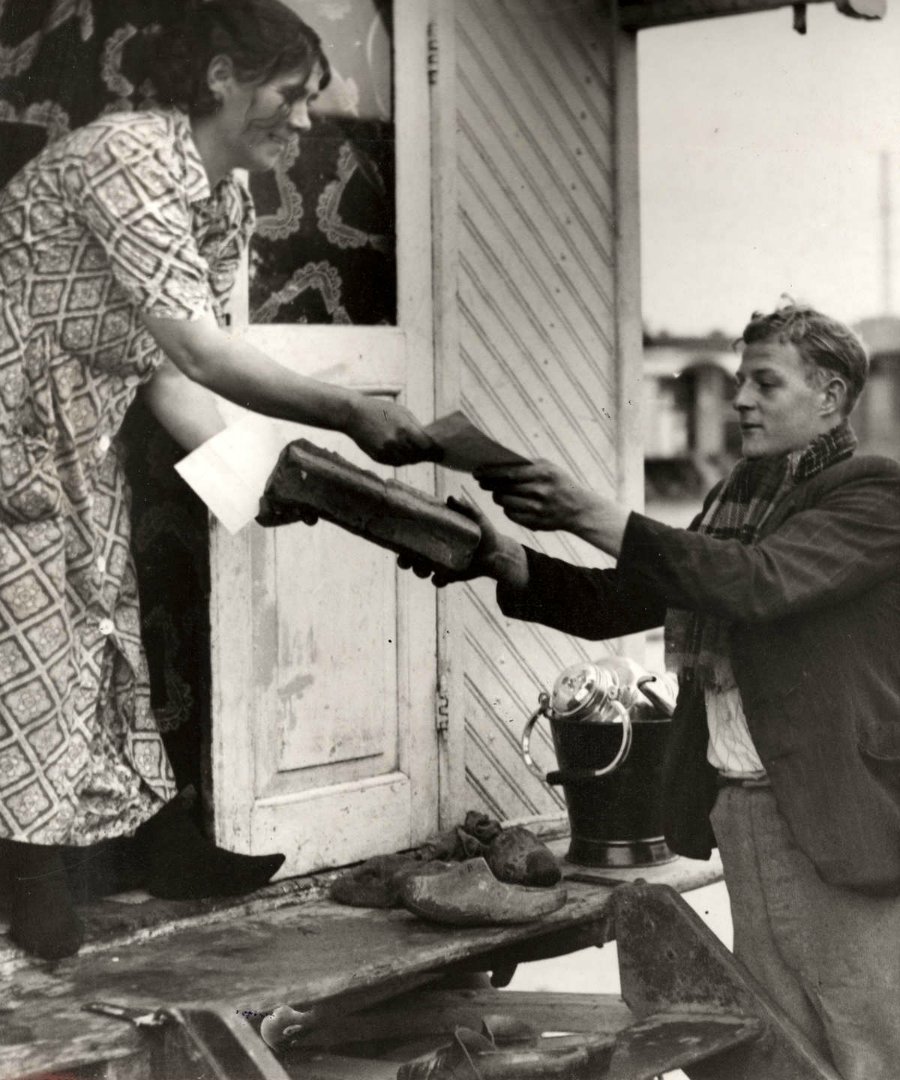
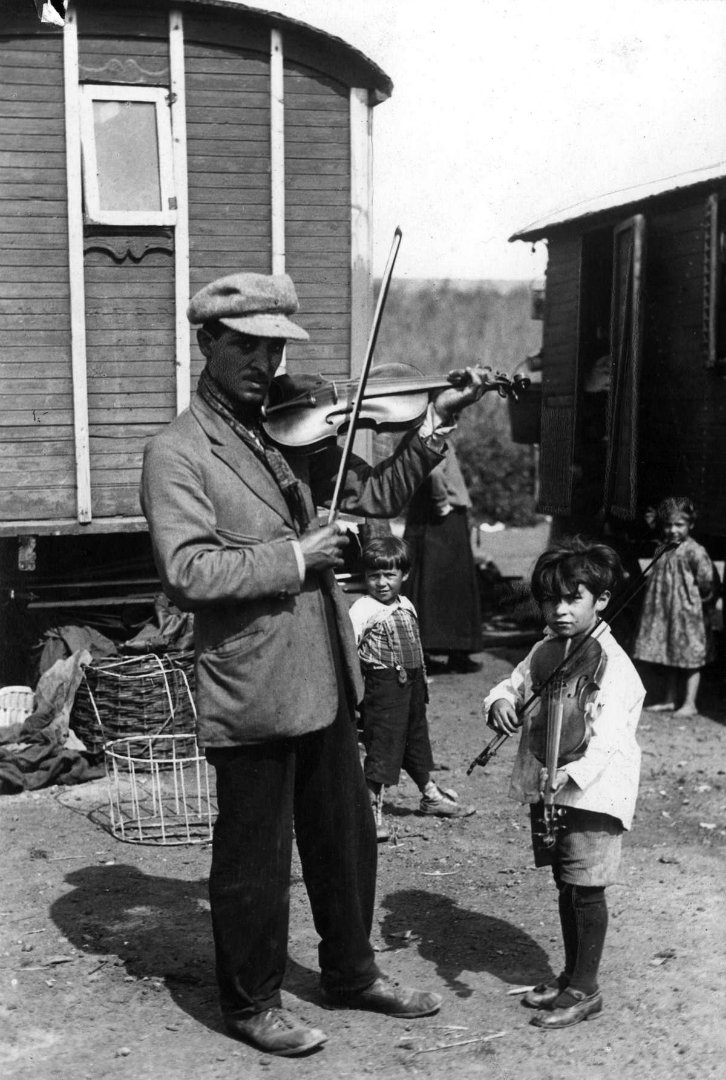
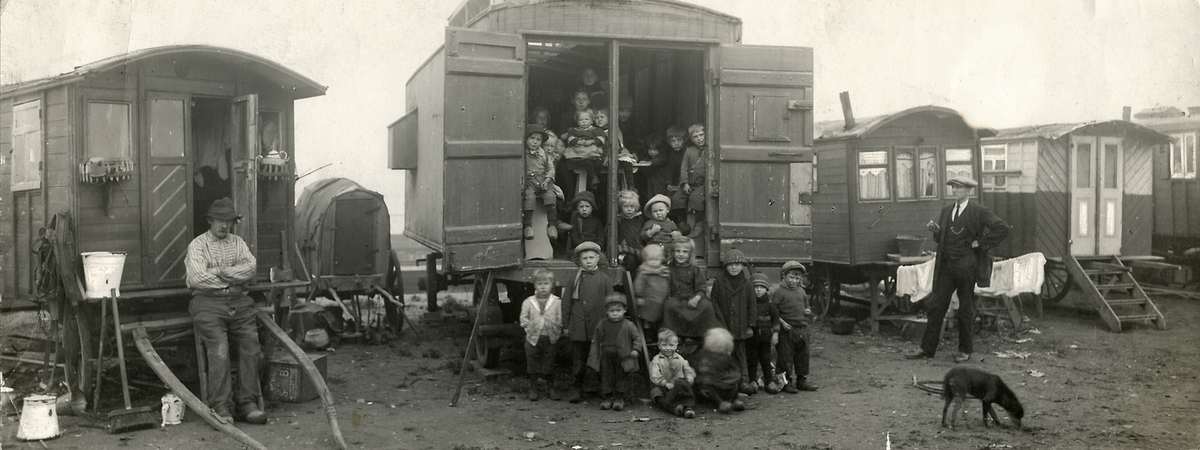
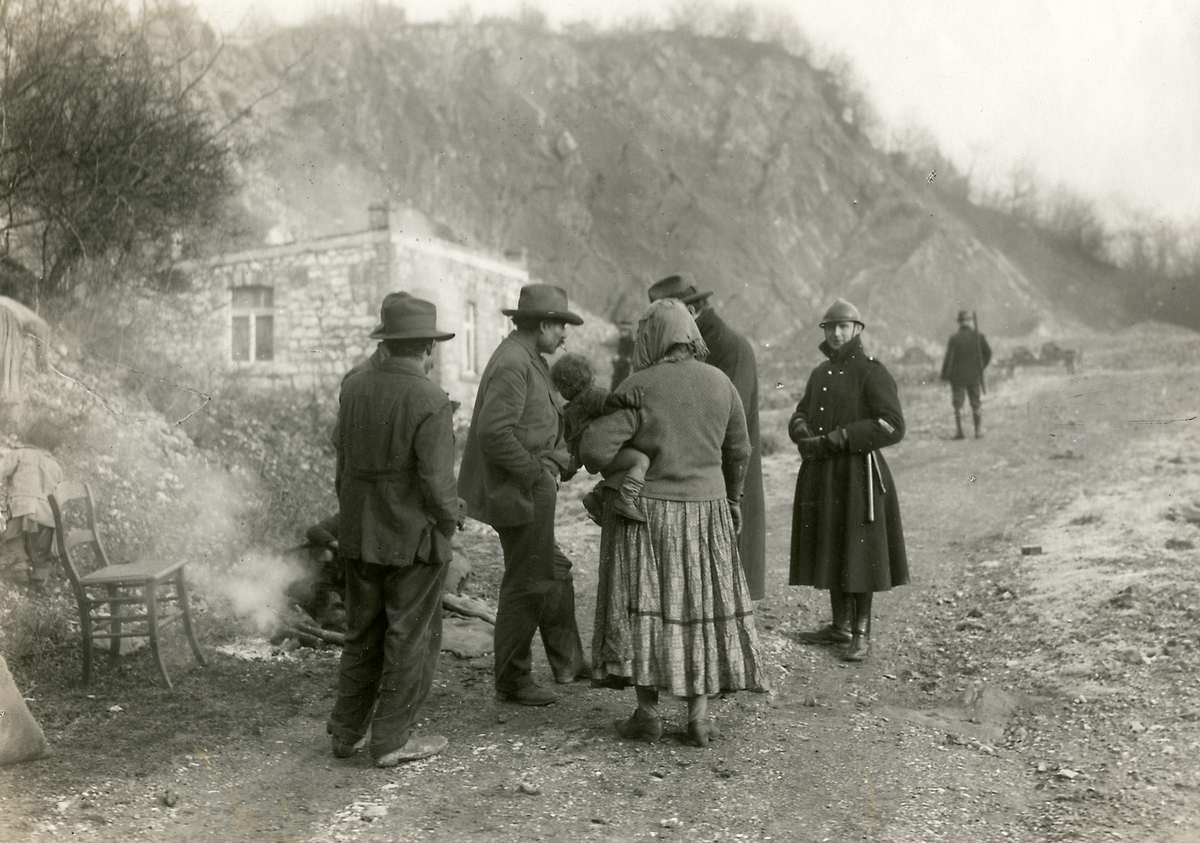
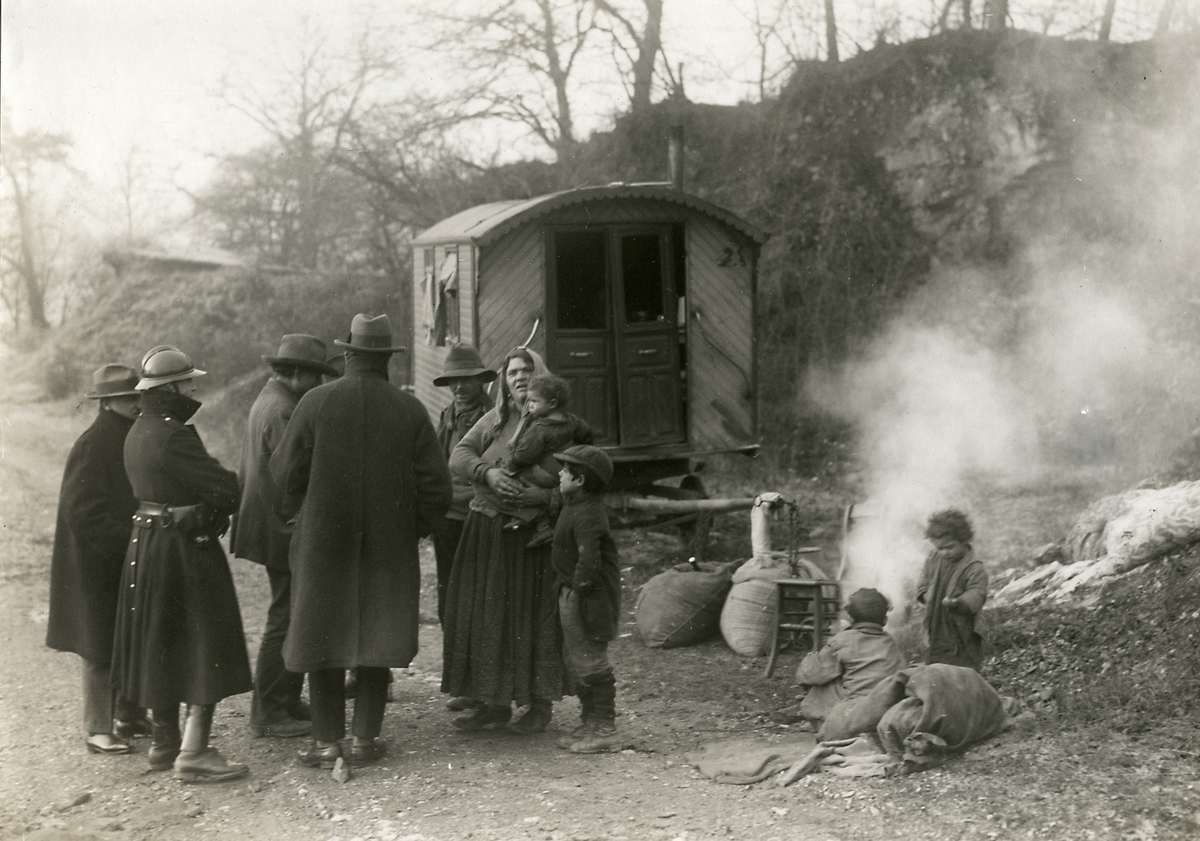
(Photo credit: Wikimedia Commons / Romani Life and Portraits via Flickr).