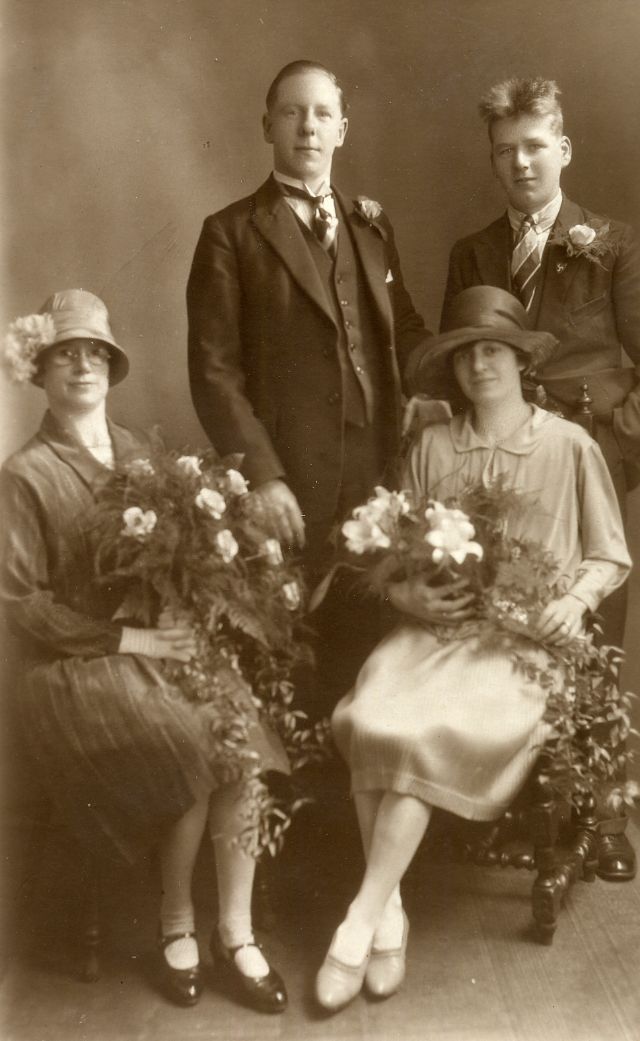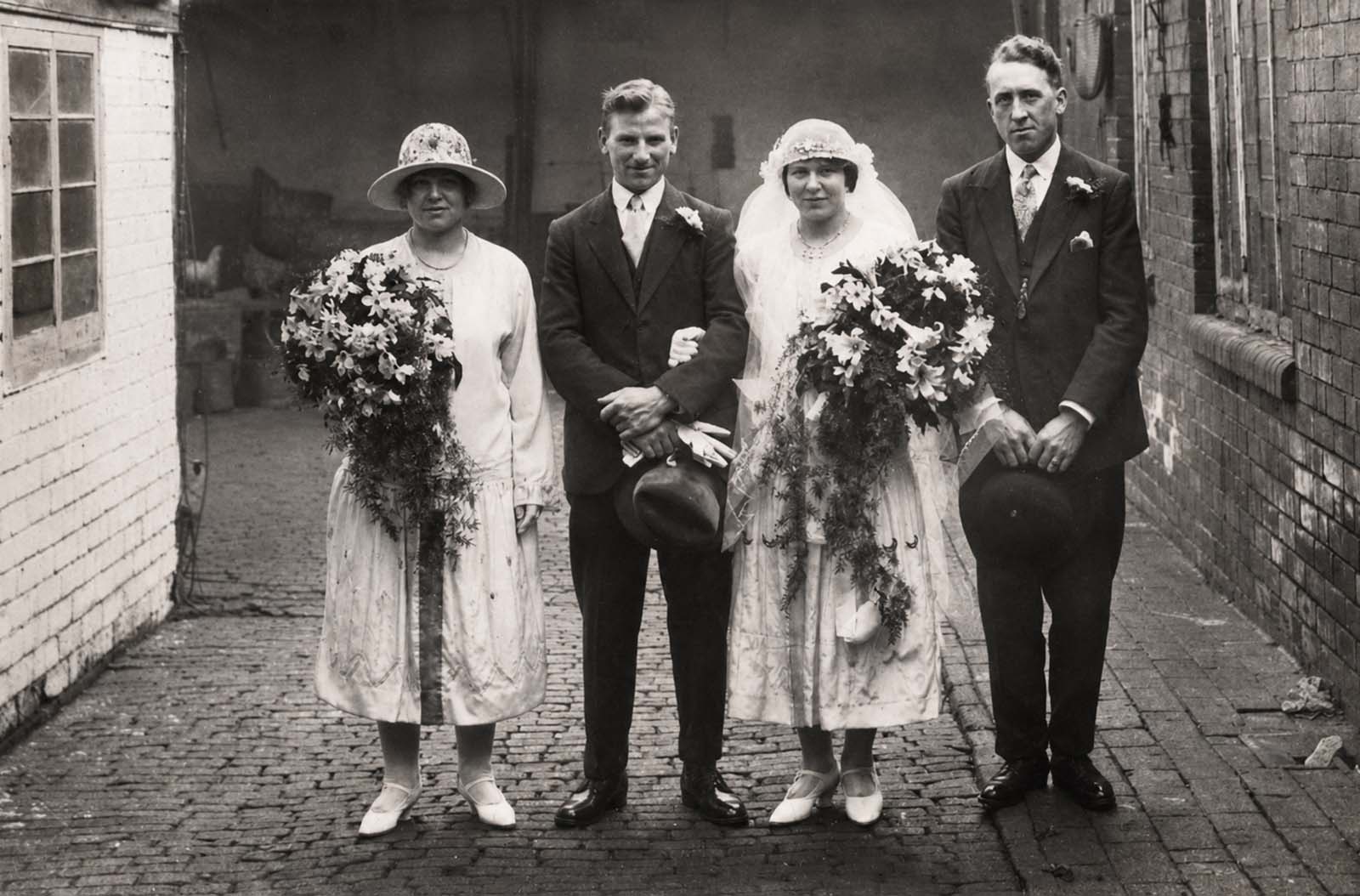

The 1930s brought the worst economic collapse in American history.
Banks failed, unemployment soared past 20 percent, and most households operated on tight, uncertain budgets. Yet wedding photographs from this decade tell an unexpected story.
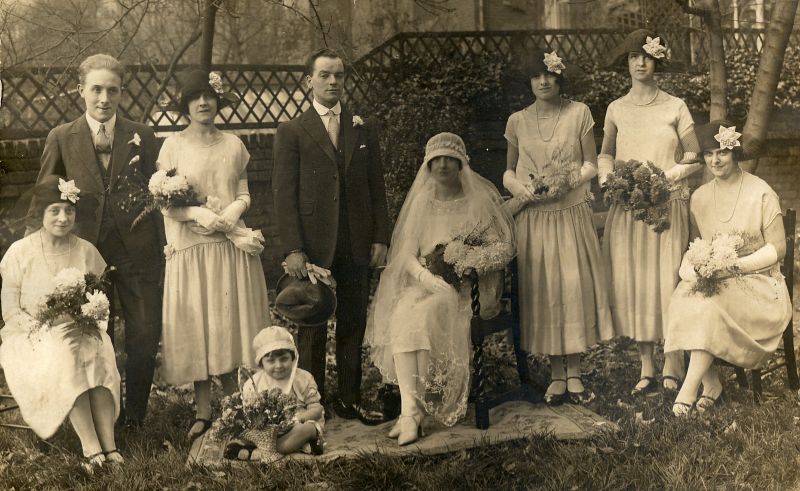
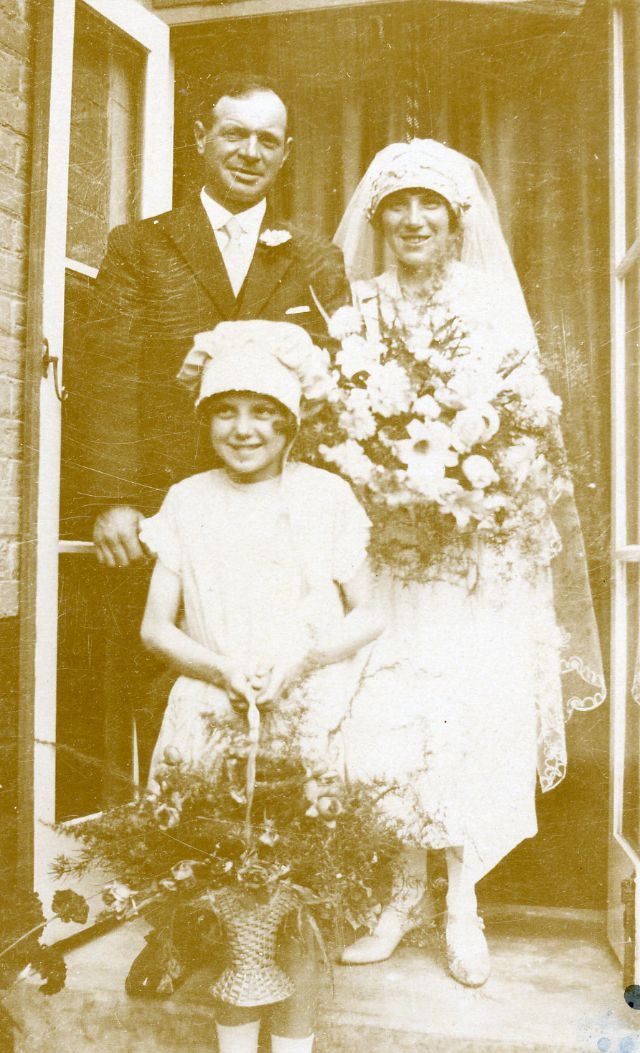
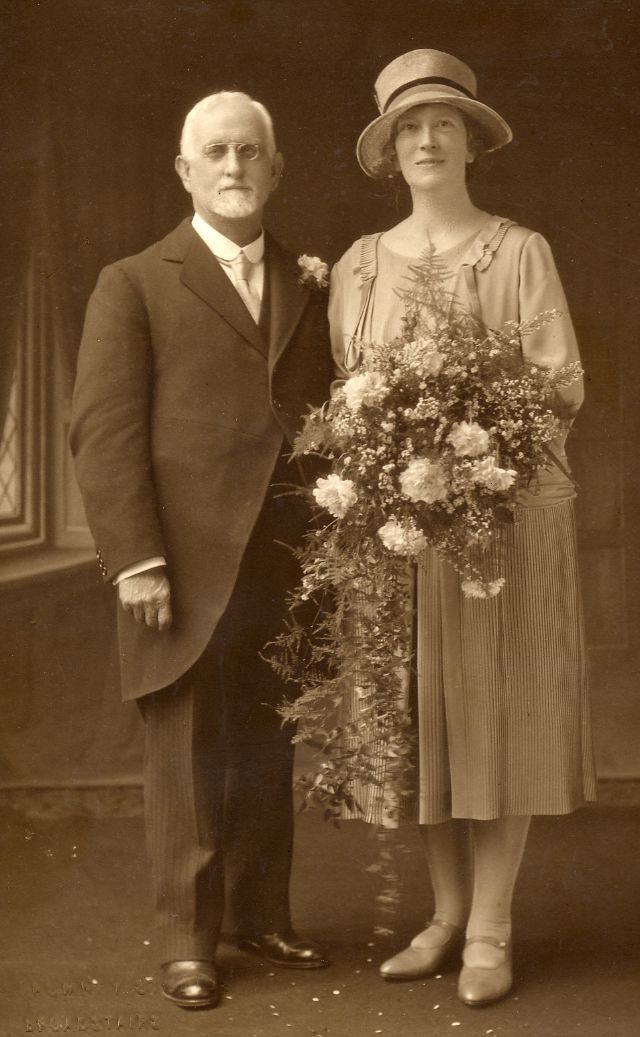
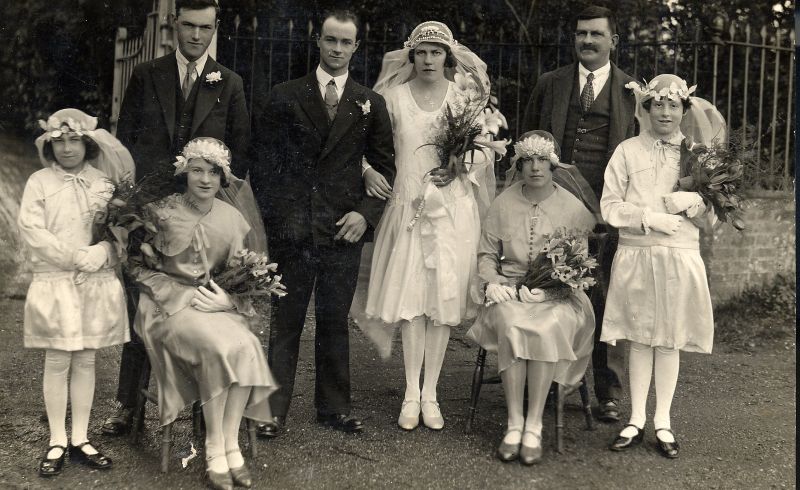
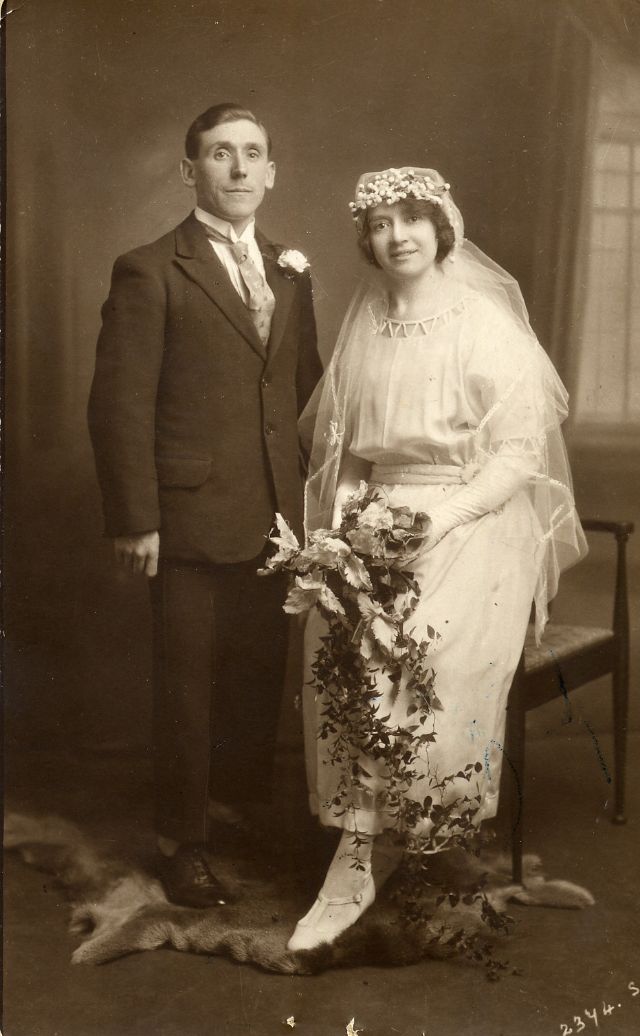
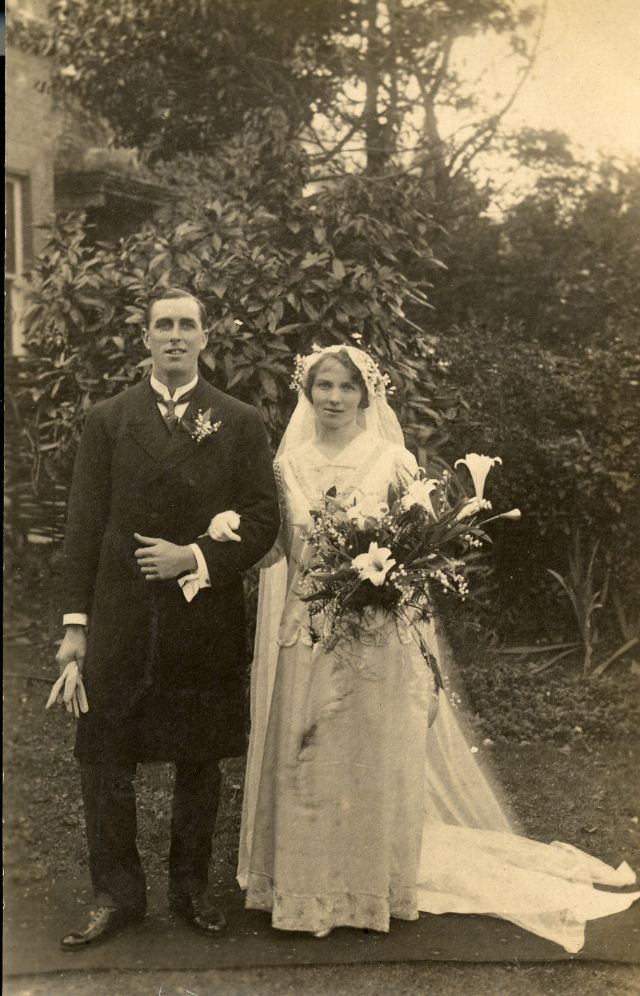
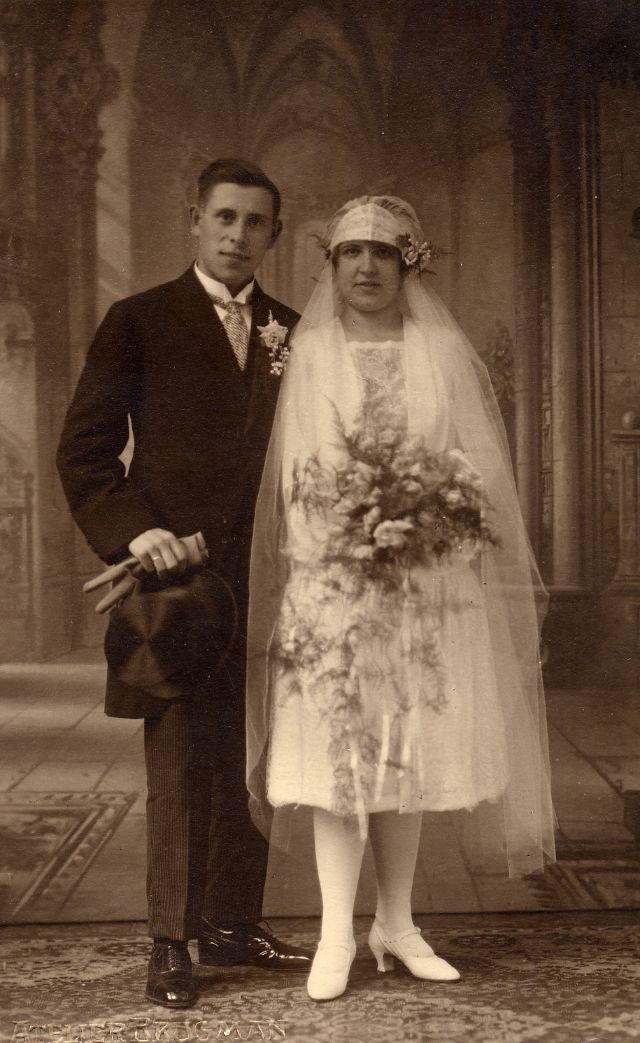
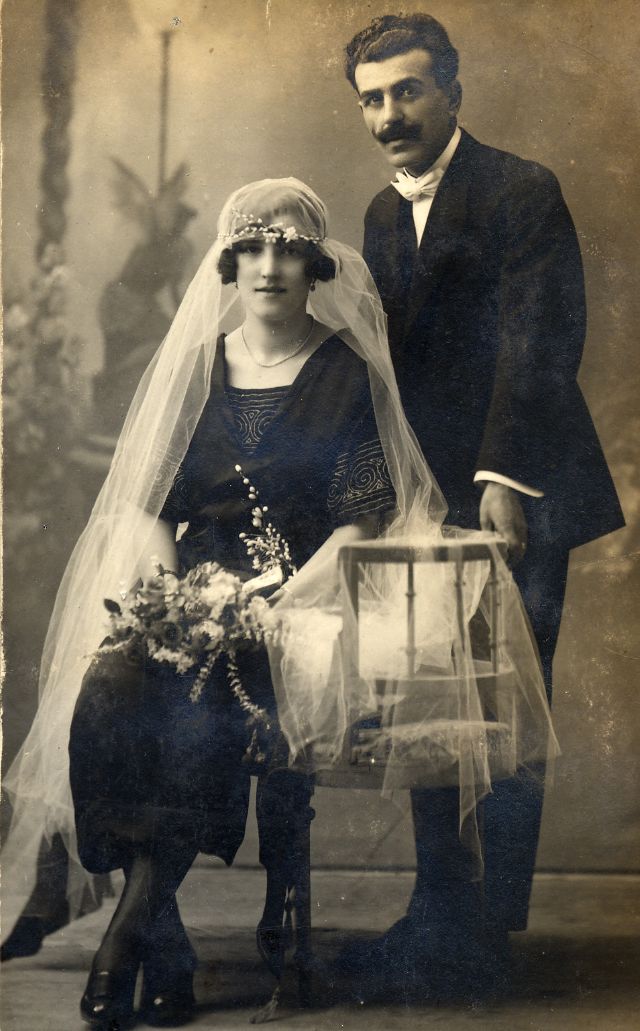
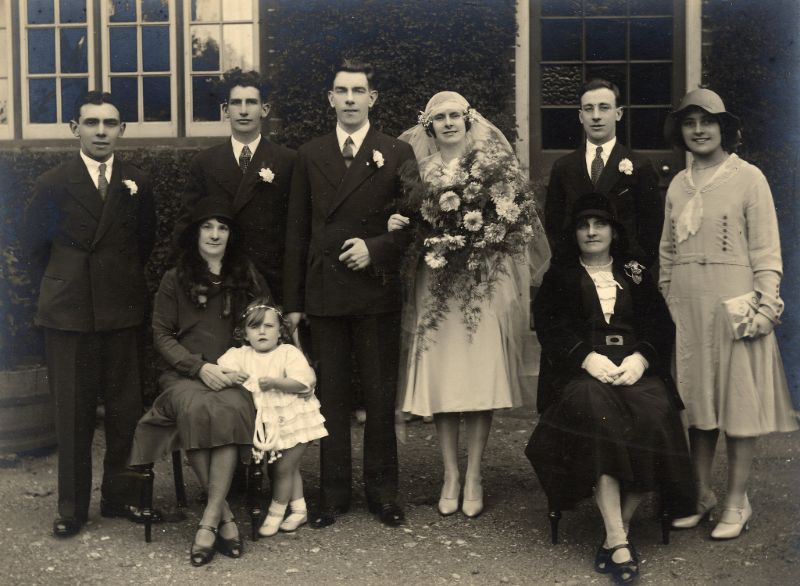
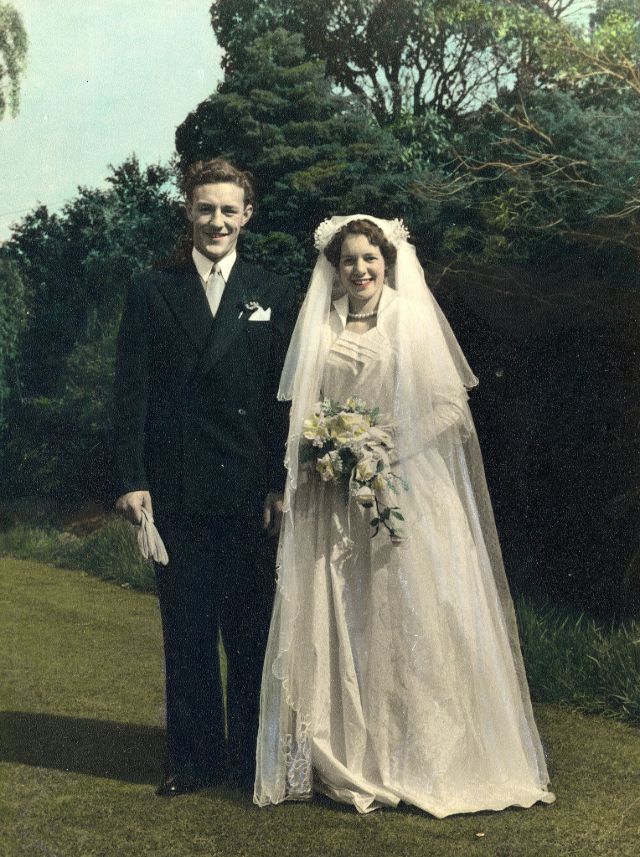
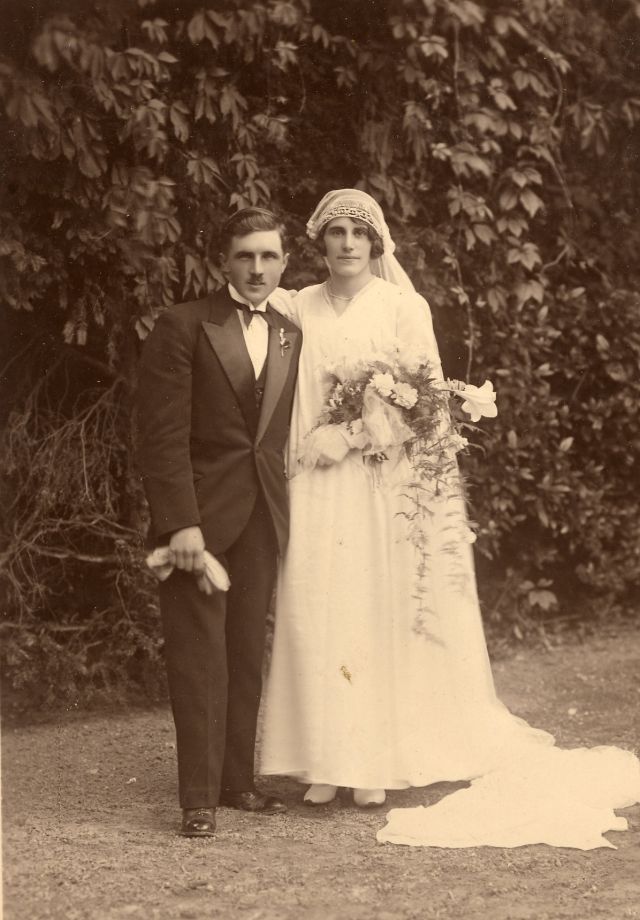
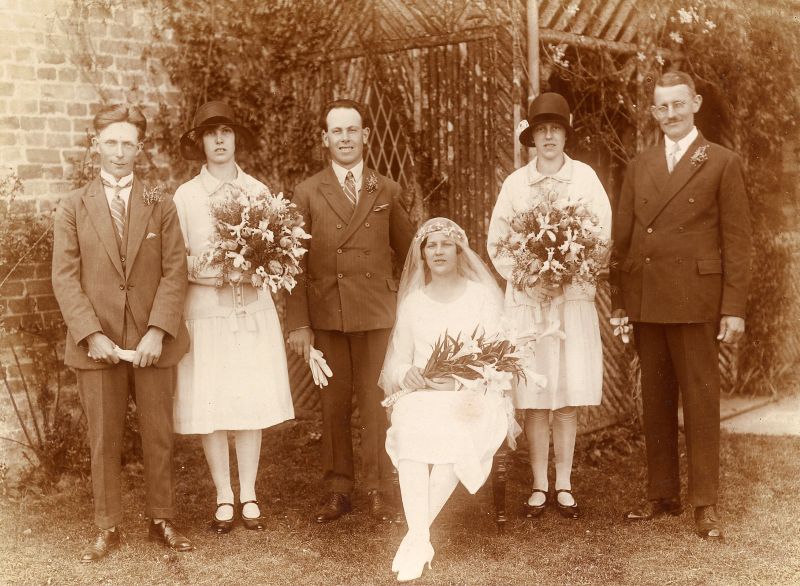
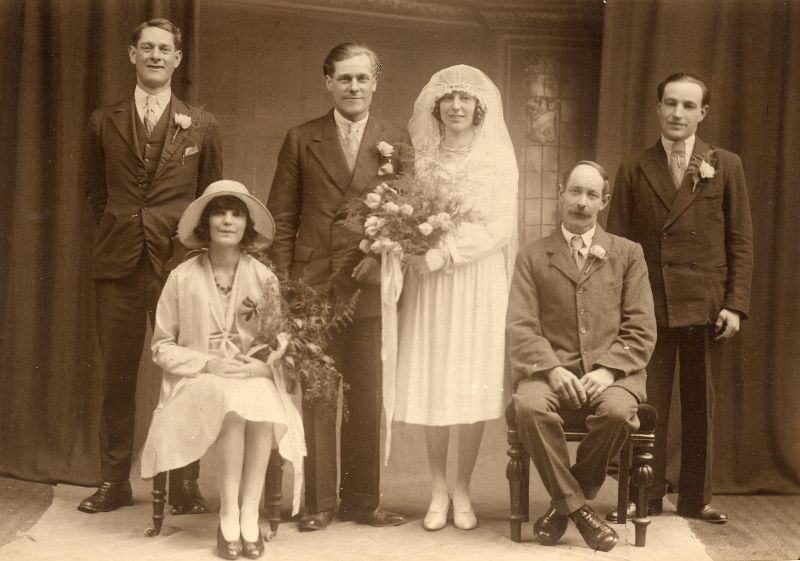
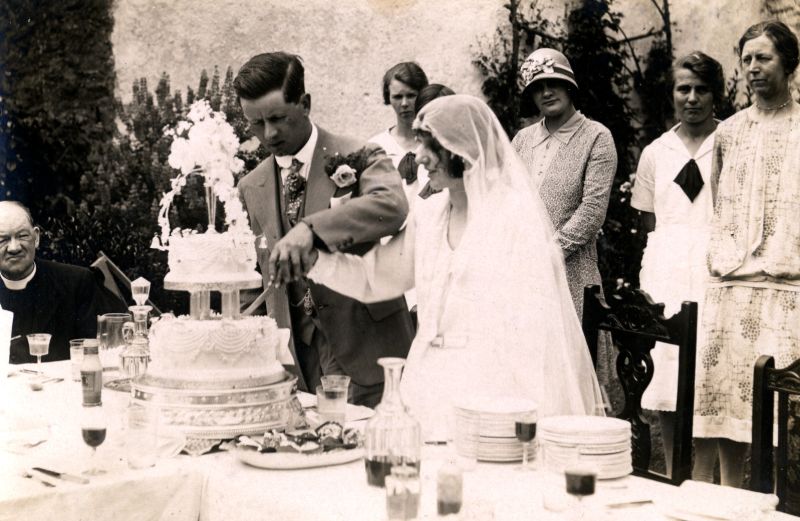
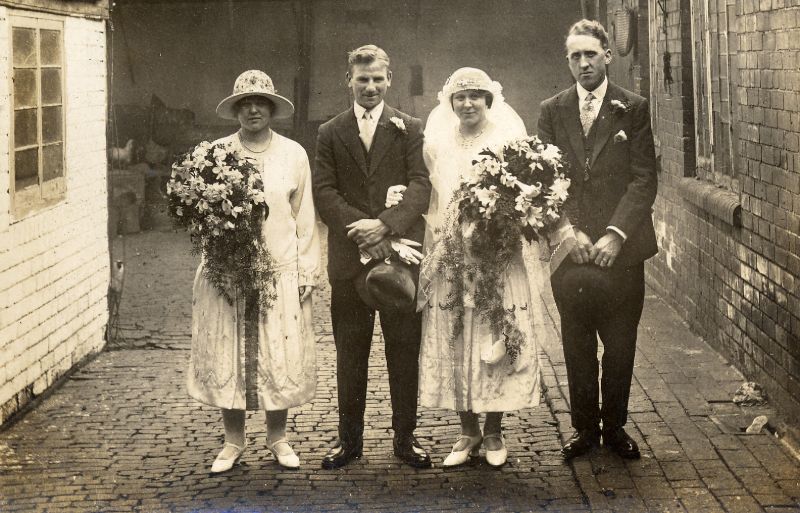
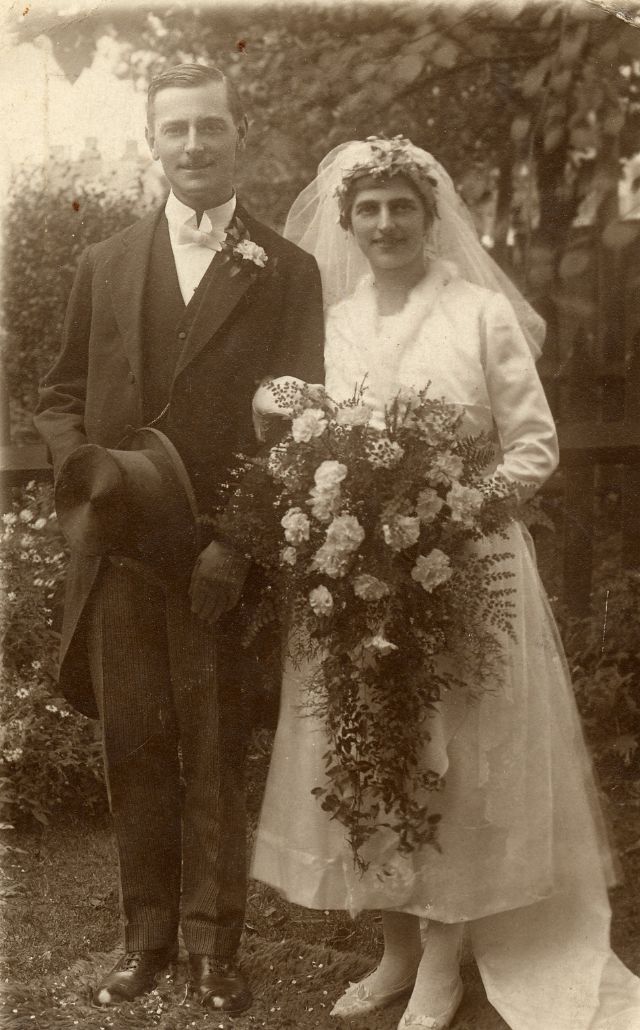
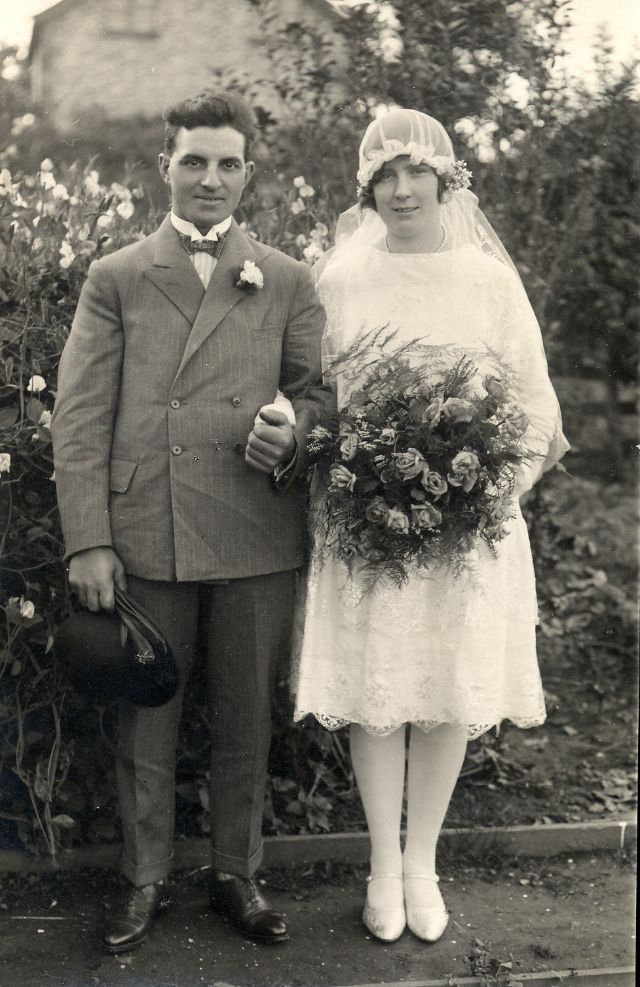
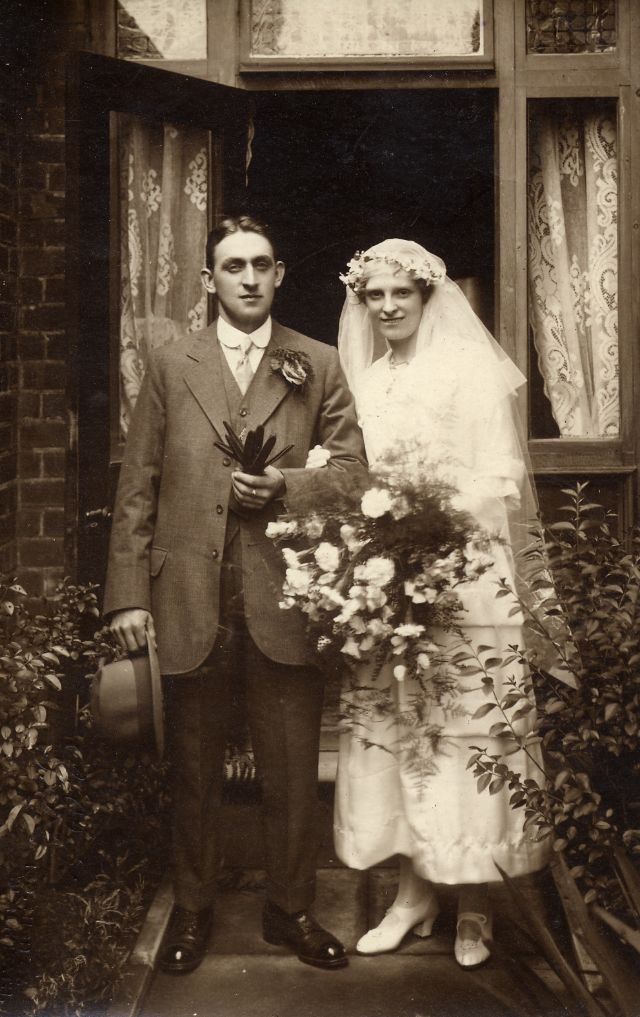
Brides and grooms frequently appeared in attire of striking sophistication, sculpted gowns, tailored suits, and carefully chosen accessories that seem at odds with the economic hardship surrounding them.
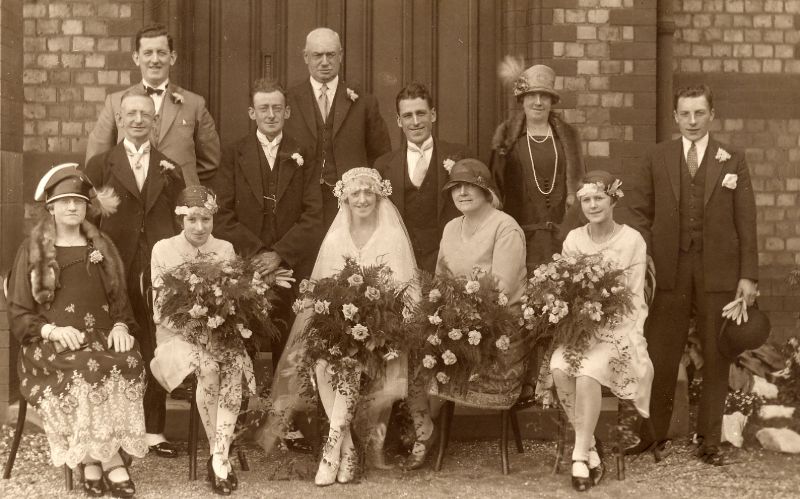
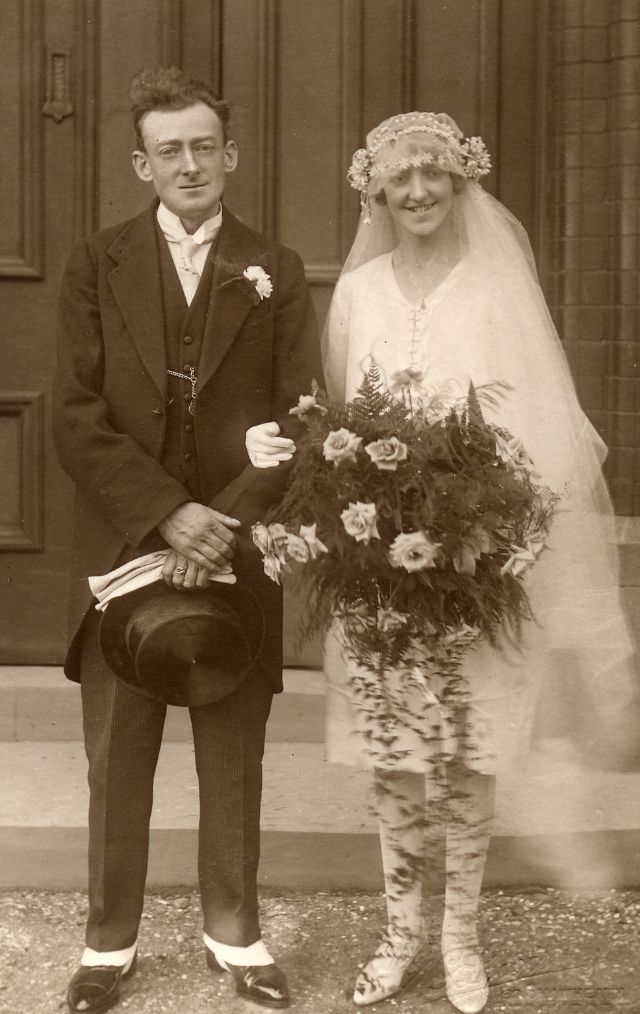
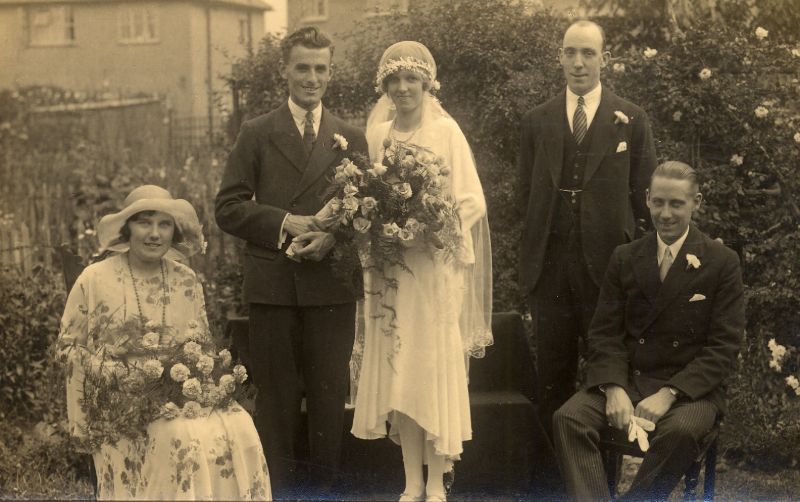
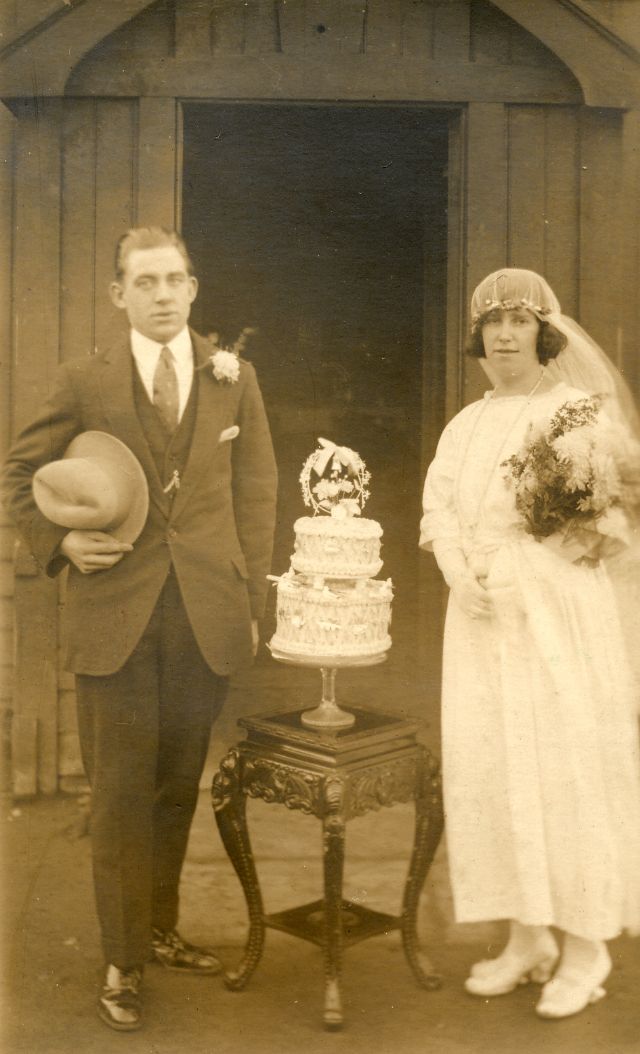
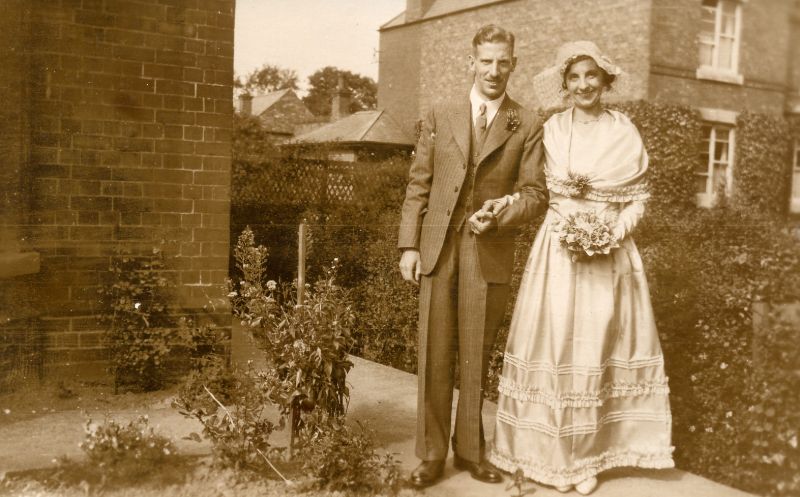
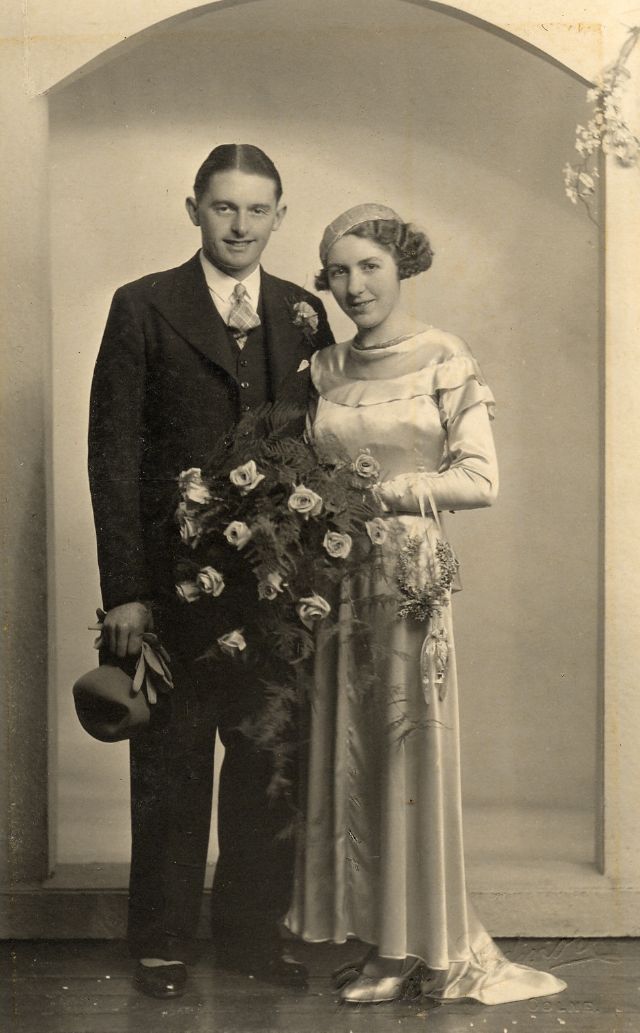
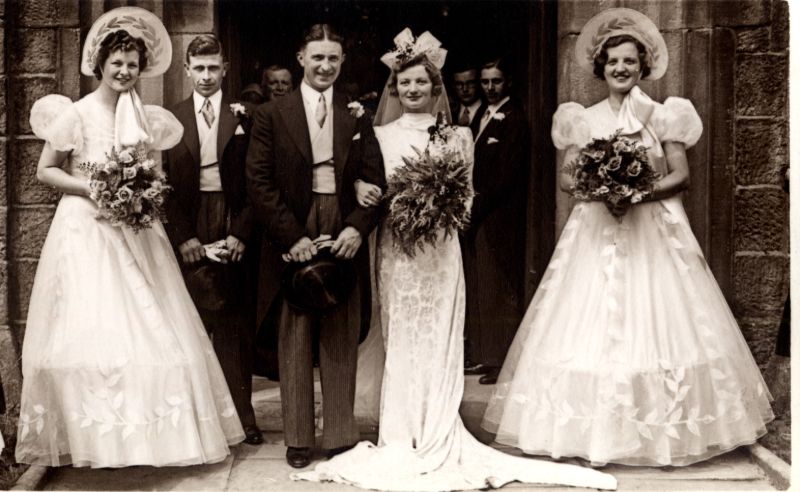
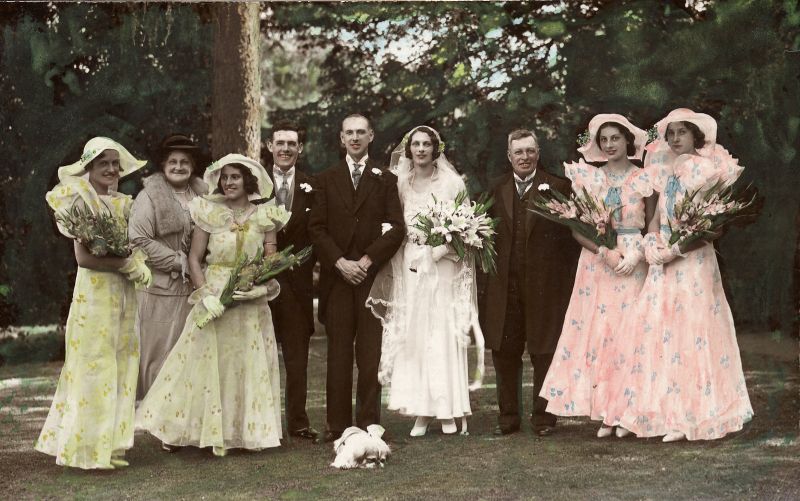 Wedding gowns of the era were rarely simple. Many featured fitted, molded bodices that gave the dress a sculpted, body-conscious shape, paired with long, sweeping skirts that added formality and drama.
This silhouette marked a clear departure from the looser, drop-waisted styles of the 1920s. The shift closely tracked changes happening in Hollywood, where film stars were setting new standards for glamour on screen.
Bridal fashion absorbed this influence directly, trading flapper-era simplicity for a more structured, tailored elegance.
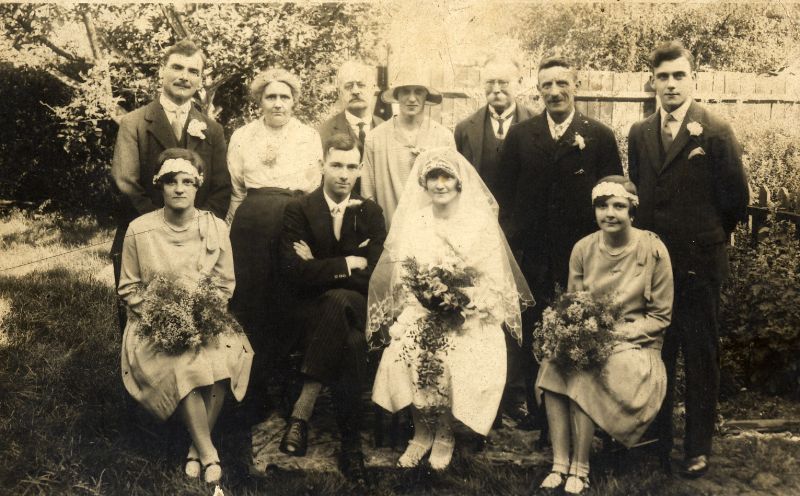 Vogue captured this shift in 1930, describing the ideal bride as wearing a fitted, molded gown with long, flowing lines, a description that matches countless surviving wedding photographs.
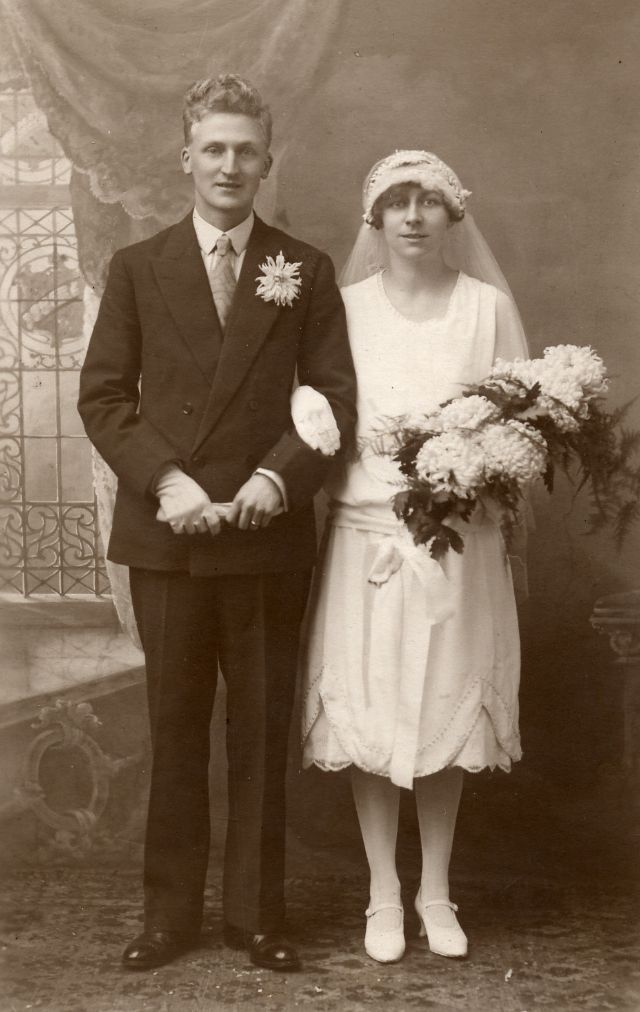
Necklines were often high and detailed, sleeves extended to the wrist, and finishing touches like lace trim, beadwork, and fine stitching added texture and richness to the overall look.
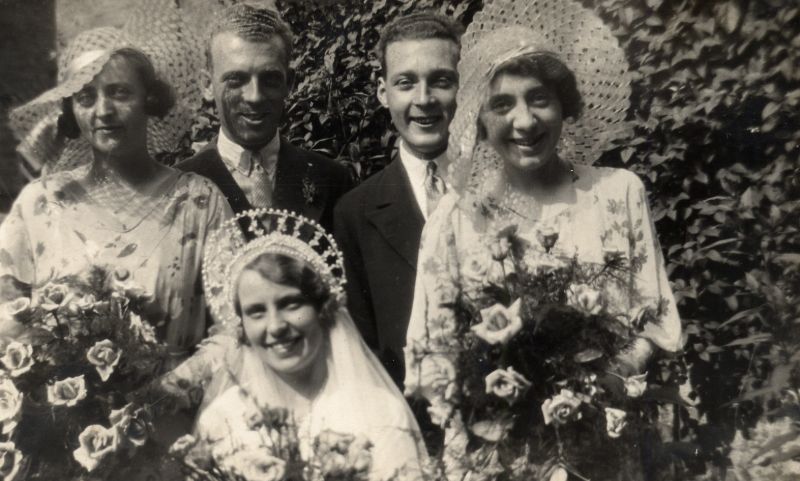
Veils were elaborate, jewelry was chosen with care, and every element of the ensemble worked together to create a polished, formal presentation.
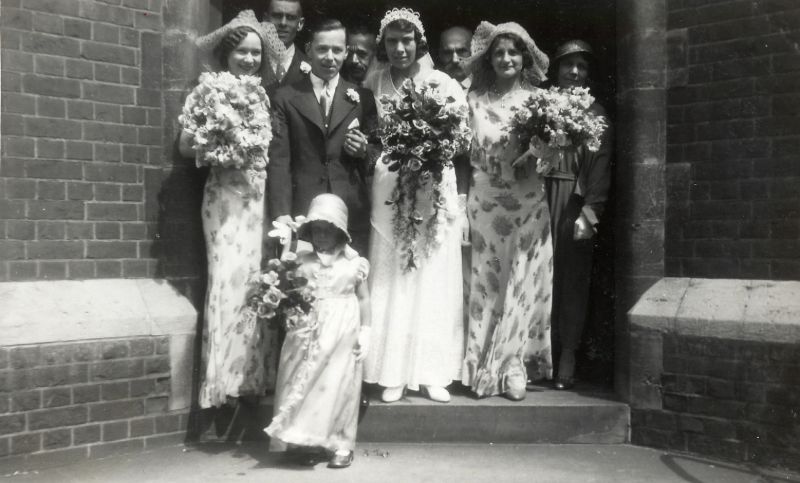 This attention to detail is notable given the financial constraints most families faced. Disposable income was scarce, and many households prioritized necessities over luxury.
Still, wedding photographs from the period show gowns with real complexity and craftsmanship. Several factors likely explain this.
First, weddings held cultural weight that justified exceptional spending, even for families with little to spare elsewhere.
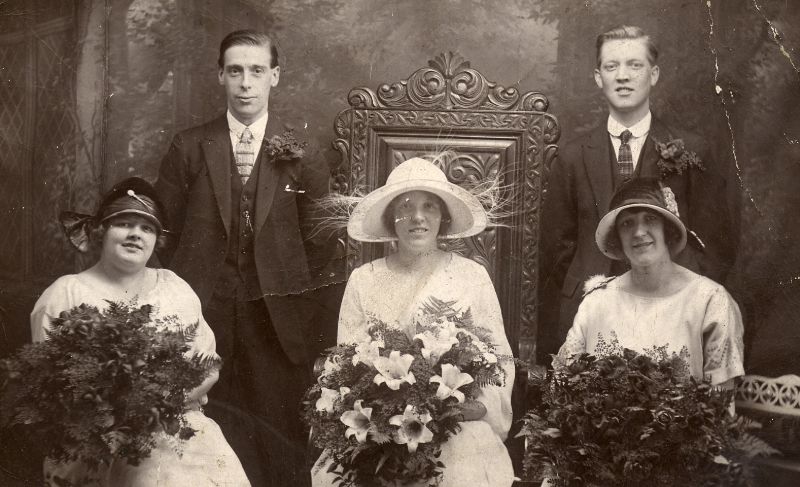 A gown might represent the single largest clothing purchase of a woman’s life, and couples often treated it as an investment worth making despite broader austerity.
Second, skilled dressmaking remained widely accessible during this period. Home sewing and local seamstresses allowed brides to replicate high-fashion silhouettes seen in magazines and films without paying couture prices.
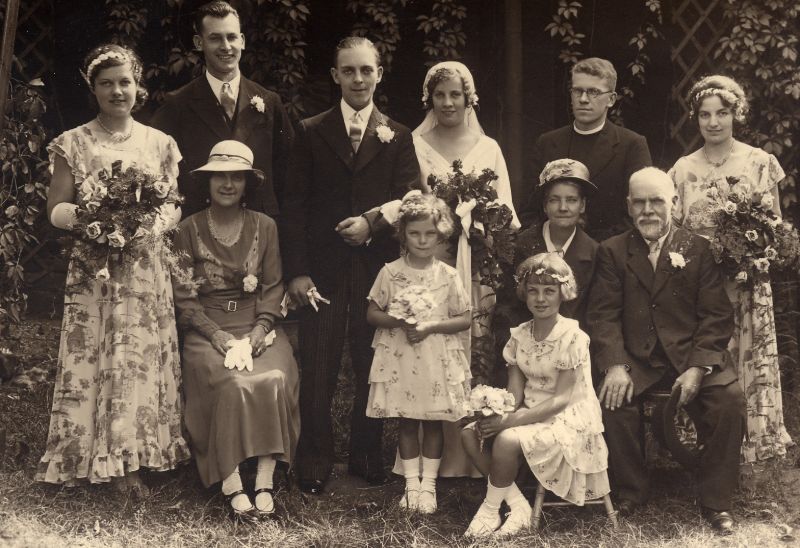 A talented dressmaker could reproduce a molded bodice or an elaborate neckline using more affordable fabrics, letting brides achieve a fashionable look while working within a modest budget.
This practice of adapting high-fashion styles for practical execution was common throughout the Depression, extending to everyday clothing as well as bridal wear.
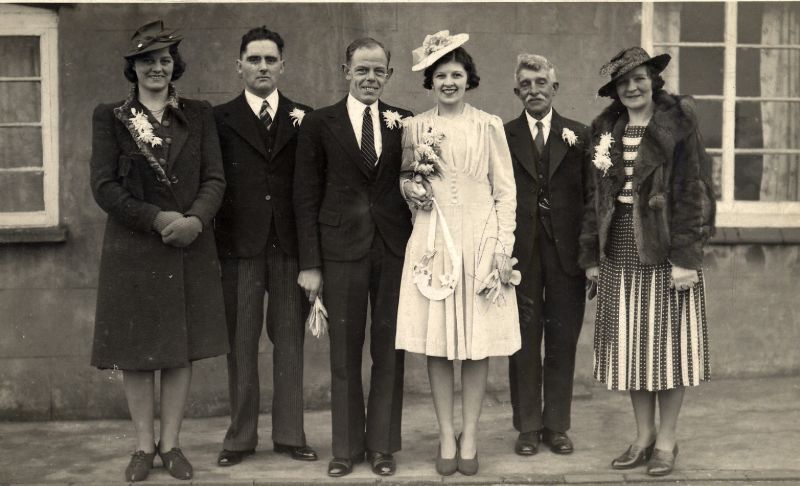
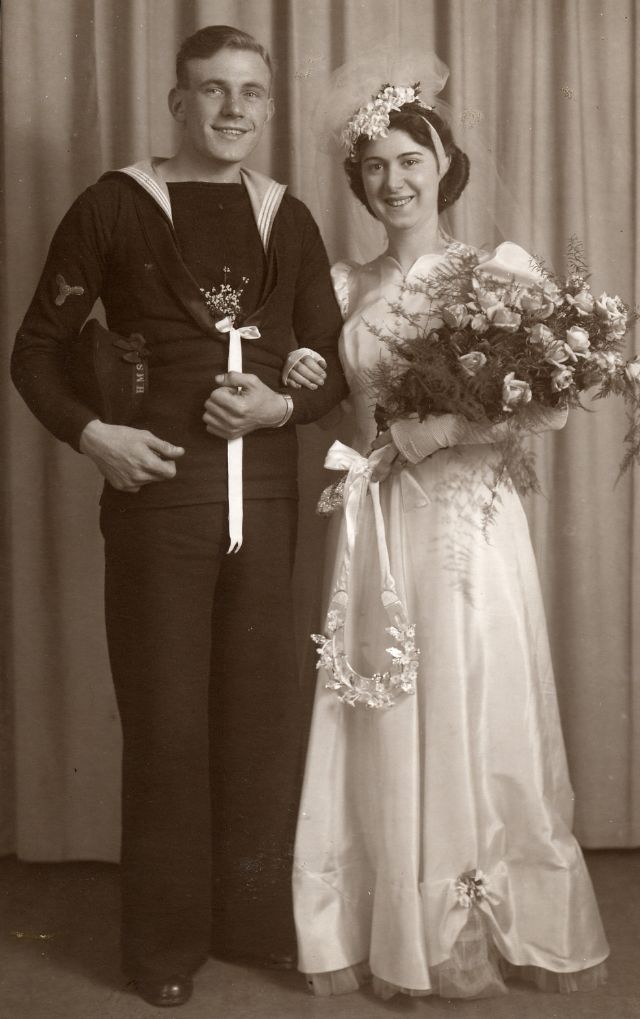 Grooms dressed with similar intention. Tailored suits, often in dark, formal cuts, matched the polish of their partners’ gowns, reflecting the same commitment to presenting a composed, dignified image on the wedding day.
These choices suggest that couples viewed their wedding as a distinct occasion, separate from the daily realities of economic hardship, one where appearance carried extra significance.