
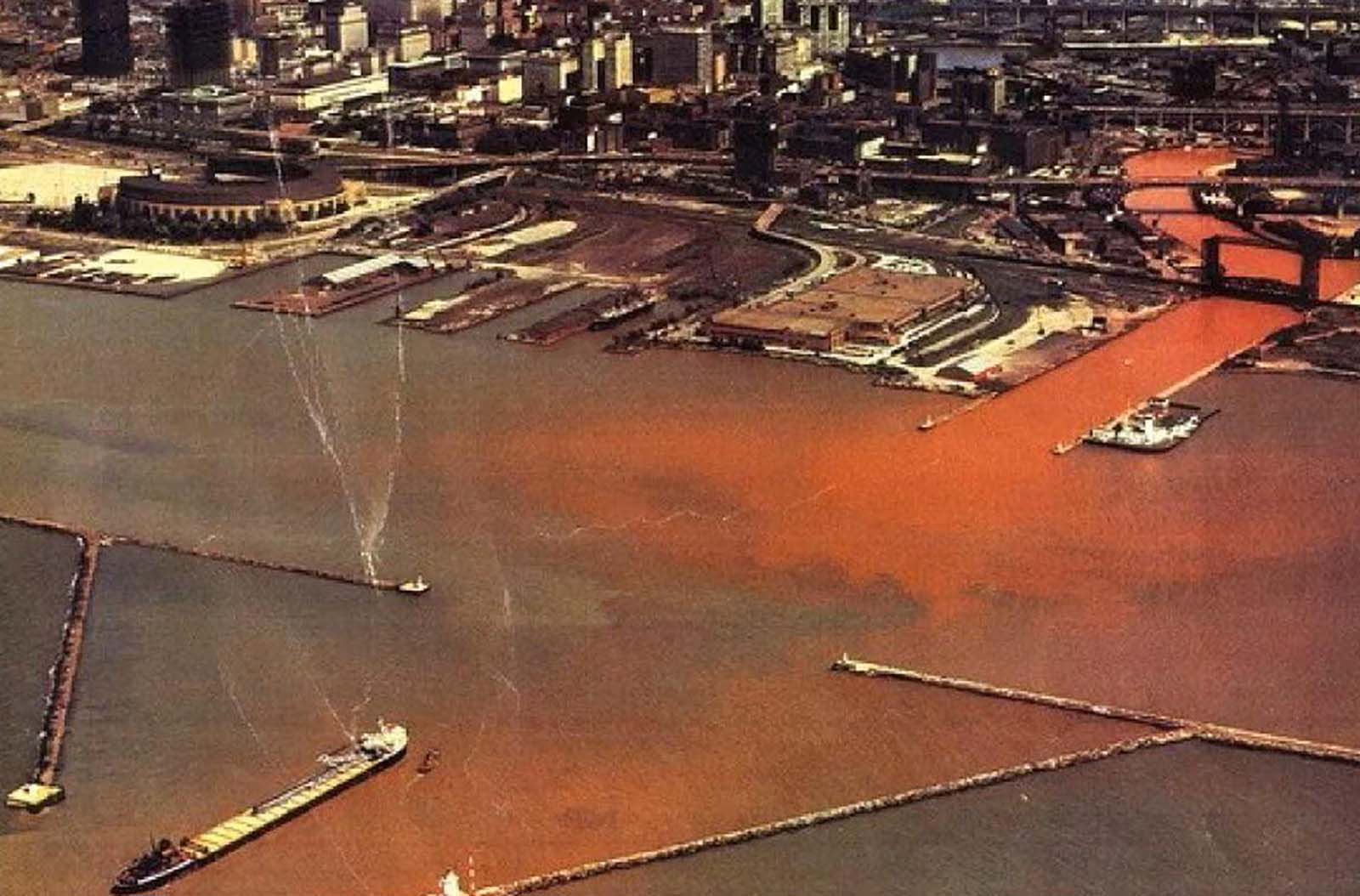

In the early 1970s, the Ohio River was both a vital economic artery and a stark reminder of the environmental costs of industrial growth.
Barges carried coal, steel, chemicals, and other goods through the heart of the Midwest, while millions of people depended on the river for drinking water, recreation, and livelihoods.
At the same time, factories, power plants, municipalities, and mines released enormous amounts of waste into the water, creating scenes that were as troubling as they were unforgettable.
The color photographs taken during this period capture a river caught between prosperity and pollution.
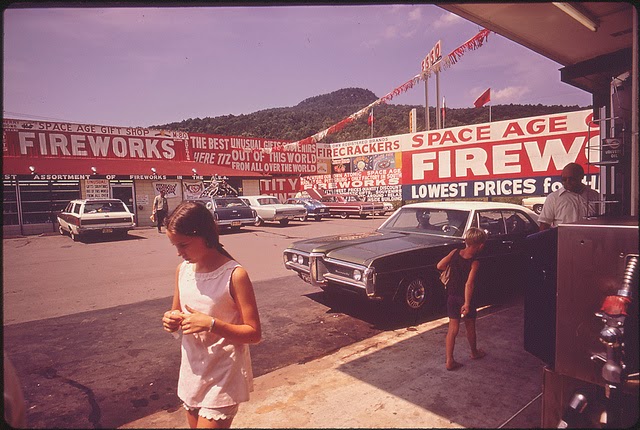
Visual Pollution, September 1972
Many of these remarkable images were taken by photographer William Strode III as part of the Environmental Protection Agency’s Documerica project, an ambitious initiative launched in 1971 to document environmental conditions across the United States.
Rather than focusing only on pollution, the project recorded the relationship between Americans and the landscapes they depended on, creating an invaluable visual archive of a nation confronting the consequences of decades of rapid industrial and urban growth.
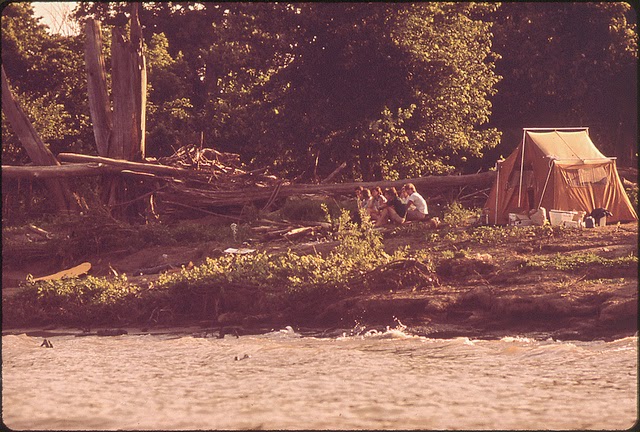
Camping Along The Ohio River, June 1972
William Strode III (1937-2006) was an accomplished photojournalist whose work appeared in publications including National Geographic, Time, Life, Sports Illustrated, Esquire, The New York Times, and The Washington Post.
He began his career at The Courier-Journal in Louisville after working there during two summer internships while studying at Western Kentucky University in the late 1950s.
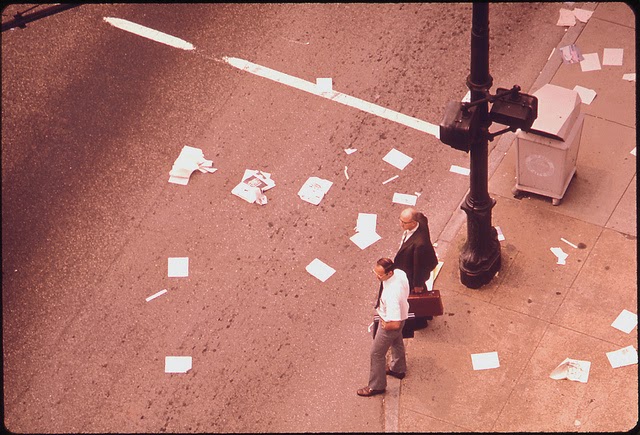
Magazines And Newspapers Litter The Intersection Of Sixth & Broadway After Debris Was Spilled From A Passing Truck, September 1972
Joining the newspaper full-time in 1960, he rose to assistant director of photography by 1967 before later editing the newspaper’s Sunday Magazine.
During an era widely regarded as a golden age of newspaper photojournalism, Strode helped build one of the country’s most respected photography departments.
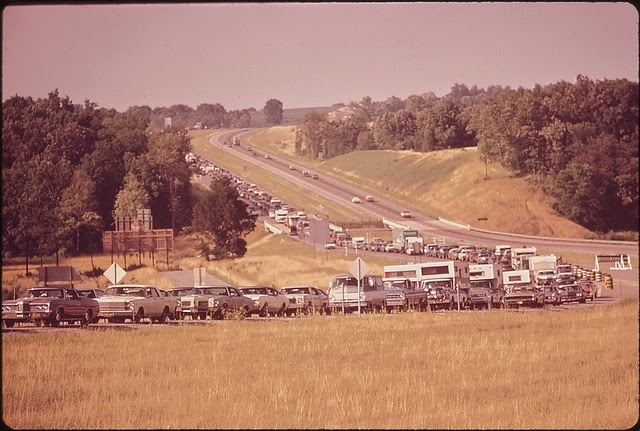
Traffic On Highway 25 Exit Off Of Interstate 65, September 1972
When Strode photographed the Ohio River, pollution had become one of the region’s most pressing environmental concerns.
Stretching more than 980 miles from Pittsburgh, Pennsylvania, to its confluence with the Mississippi River at Cairo, Illinois, the Ohio River supplied drinking water to millions of people and served as one of America’s busiest commercial waterways.
Its banks were lined with steel mills, power plants, chemical factories, oil refineries, manufacturing centers, and growing cities, all of which relied heavily on the river while also contributing to its declining condition.
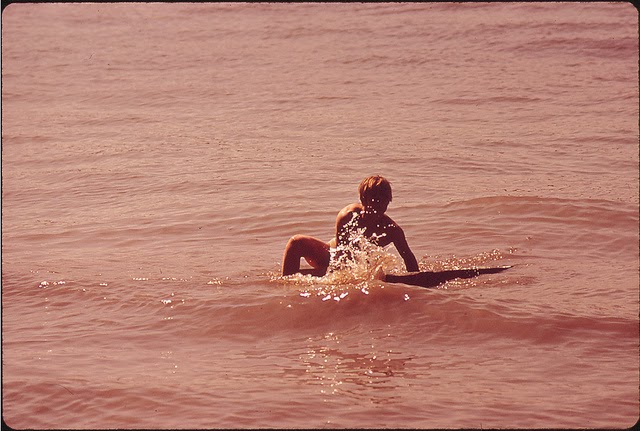
Kentucky – Near Louisville, June 1972
For decades, untreated or partially treated sewage flowed into the river from municipalities, while industrial facilities discharged chemicals, petroleum products, heavy metals, and other pollutants with relatively little oversight.
Water quality deteriorated across many sections of the river, leading to frequent fish kills, contaminated sediments, foul odors, and growing concerns about public health.
Although the Ohio River never became as infamous as the Cuyahoga River, which famously caught fire in 1969, it faced many of the same environmental challenges affecting waterways throughout the industrial Midwest.
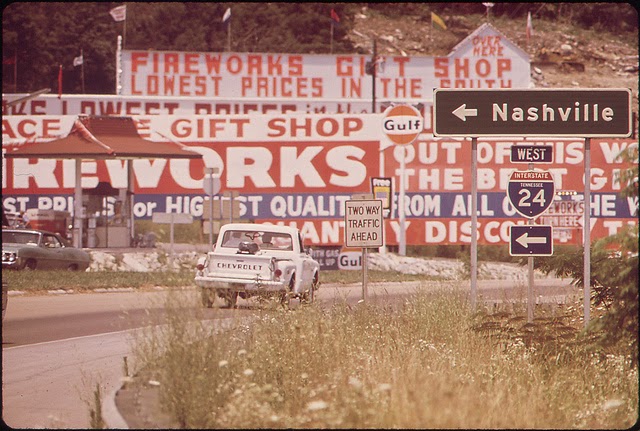
Visual Pollution Along Interstate 24, September 1972
Despite these problems, life along the river continued much as it always had. Towboats pushed long strings of barges carrying coal, grain, steel, and other commodities that fueled the nation’s economy.
River towns remained closely tied to the water through commerce, industry, fishing, and recreation.
Strode’s photographs reflect this contrast with remarkable honesty, documenting children playing near industrial facilities, workers loading barges, neighborhoods overlooking smokestacks, and landscapes where natural beauty existed alongside visible pollution.
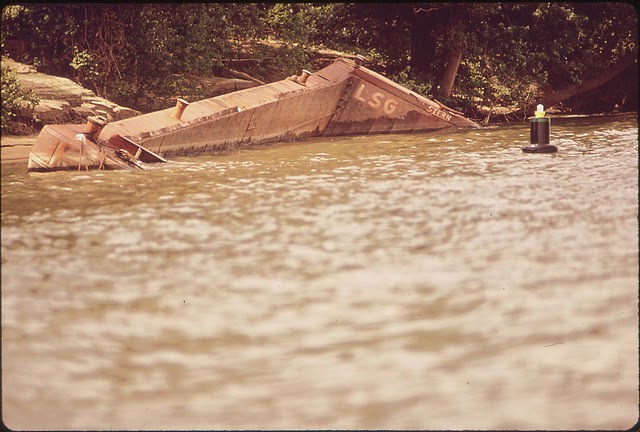
The Ohio River, June 1972
The growing environmental movement of the late 1960s helped bring national attention to rivers like the Ohio.
Public concern over polluted waterways, declining wildlife, and unsafe drinking water encouraged lawmakers to strengthen environmental protections.
The creation of the Environmental Protection Agency in 1970 marked an important turning point, followed two years later by the passage of the Clean Water Act, which established stricter pollution controls, expanded wastewater treatment programs, and required industries and municipalities to significantly reduce harmful discharges into American waterways.
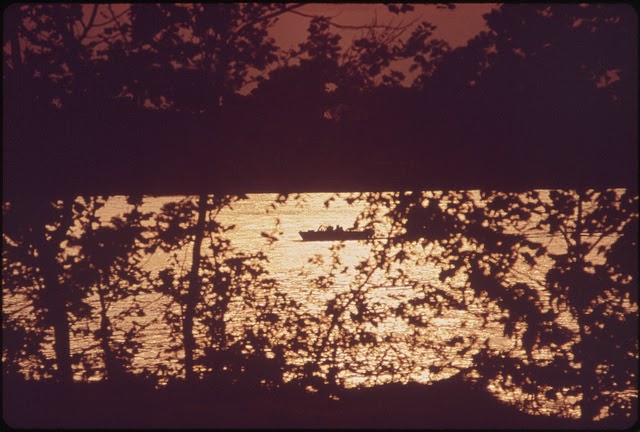
The Ohio River, June 1972
Cleaning up the Ohio River was neither simple nor immediate.
Federal and state agencies, industries, municipalities, and organizations within the Ohio River Valley gradually worked together to improve water quality through stricter regulations, upgraded sewage treatment facilities, continuous monitoring, and better pollution control practices.
Over time, many stretches of the river became noticeably cleaner. Fish populations recovered in numerous areas, recreational use increased, and water quality improved substantially compared to what Strode witnessed in the early 1970s.
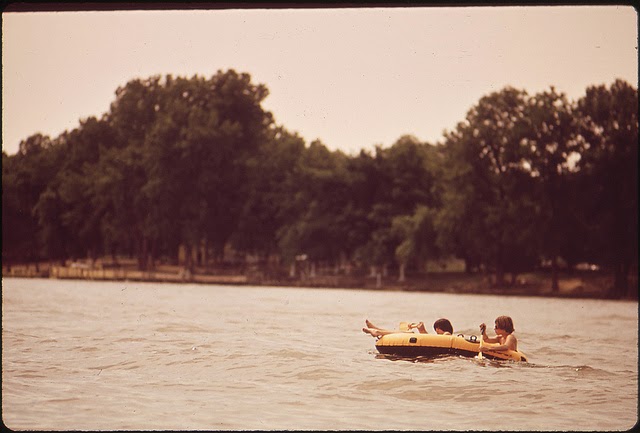
The Ohio River, June 1972
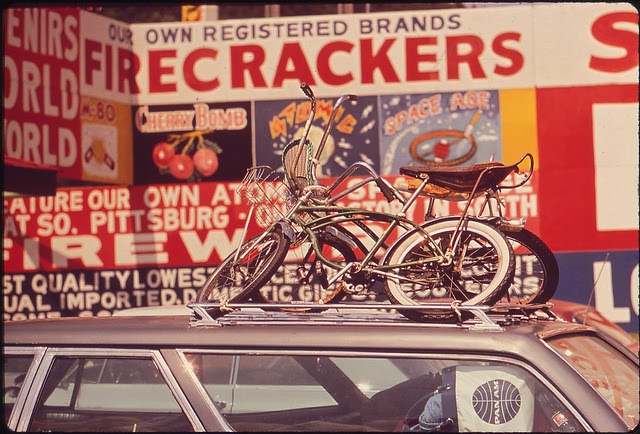
Visual Pollution Along Interstate 24, September 1972
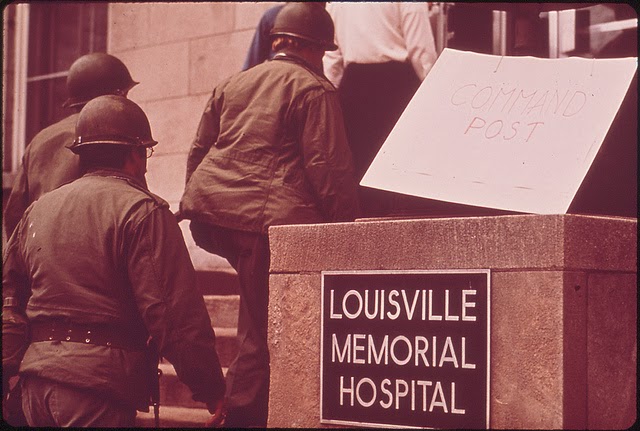
Police And National Guardsmen Maintain Law And Order During The Evacuation, June 1972
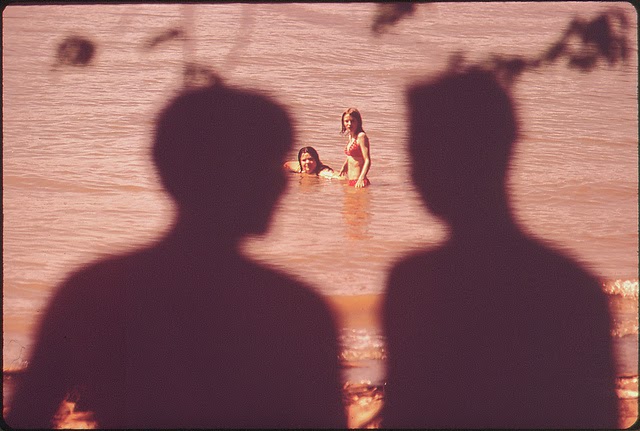
The Ohio River, June 1972
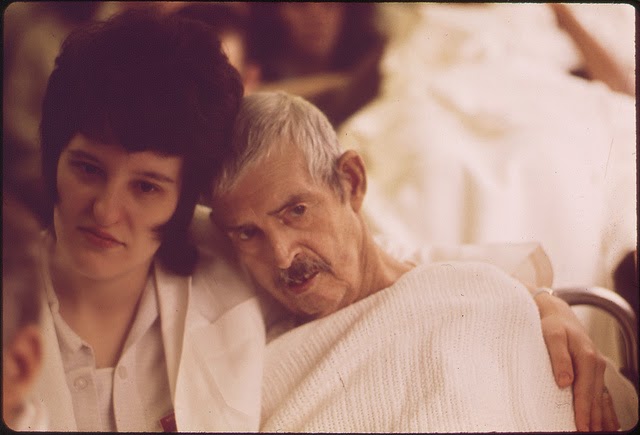
A Nurse Helps An Elderly Patient Leave Louisville Memorial Hospital, March 1972
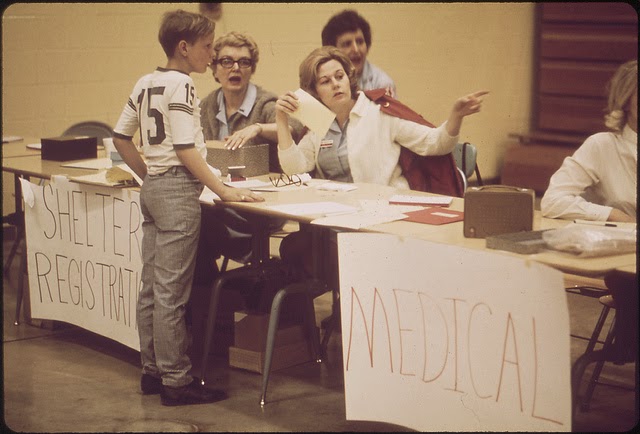
An Evacuation Center Set Up Outside The City Of Louisville To House Those Fleeing A Potential Disaster. A Liquid Chlorine Barge Threatened To Spill Enough Poison Gas To Devastate Much Of The City, June 1972
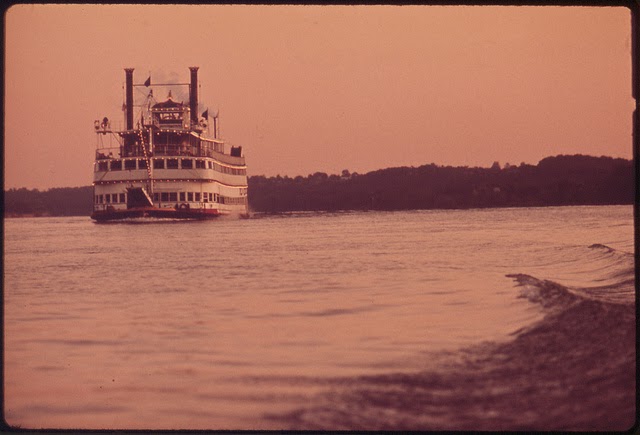
Paddlewheel Steamboat On The Ohio River, June 1972
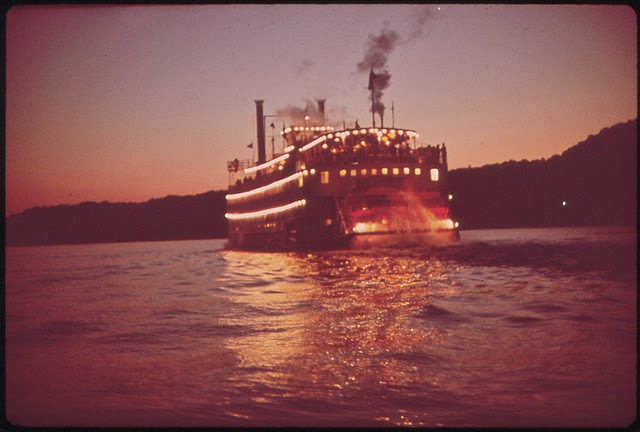
Paddlewheel Steamboat On The Ohio River, May 1972
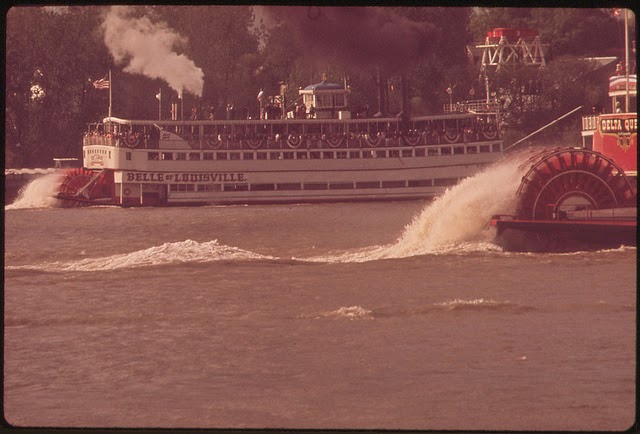
The “Belle Of Louisiana” On The Ohio River. The Paddlewheel Steamboat Is Owned By Louisville And Jefferson County, May 1972
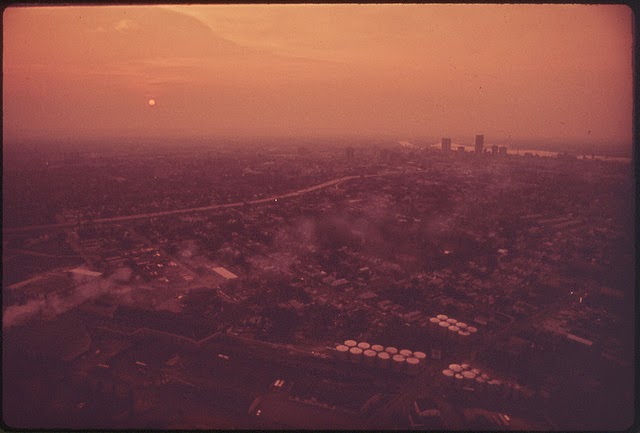
Smog, September 1972
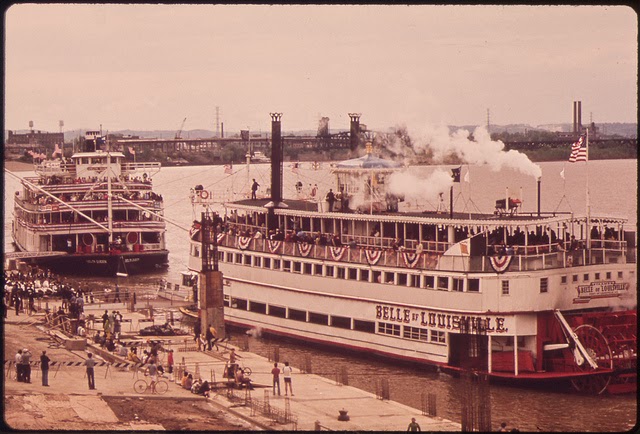
The “Belle Of Louisville” Docked At The “New” Louisville Waterfront On The Ohio River, May 1972
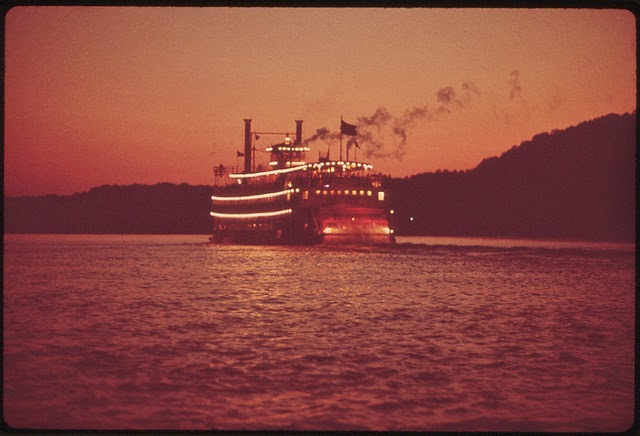
Paddlewheel Steamboat On The Ohio River, May 1972
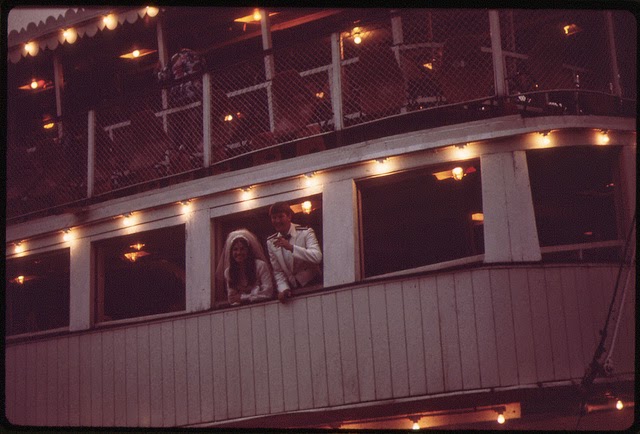
Bride And Groom At Wedding Reception On The “Belle Of Louisiana” Steamboat, May 1972
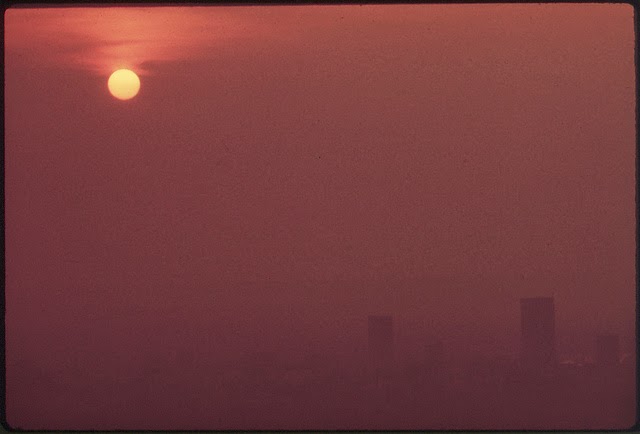
Smog Lingers Over Louisville Skyline, September 1972
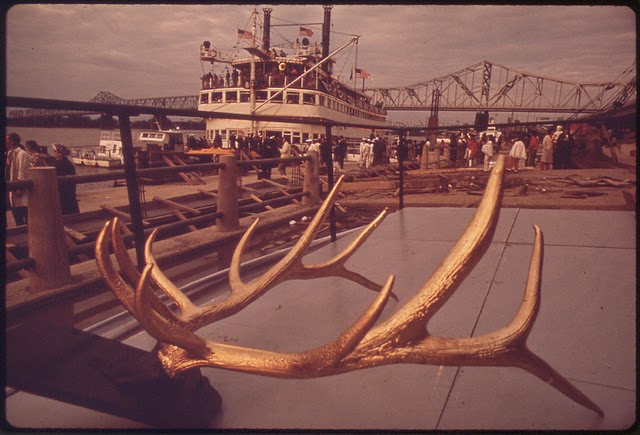
Belle Of Louisiana, A Paddlewheel Steamboat Owned By Louisville And Jefferson County, May 1972
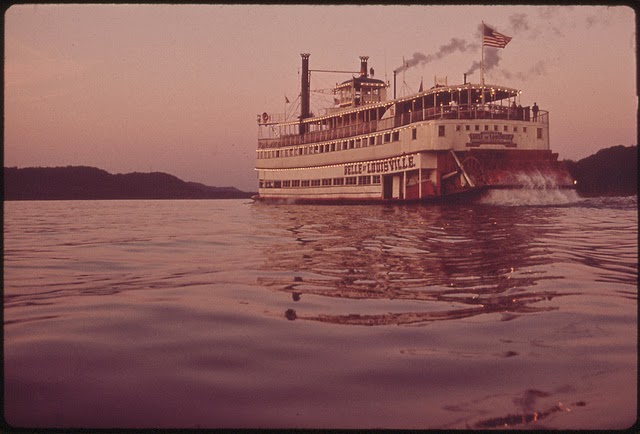
Steamboat On The Ohio River, June 1972
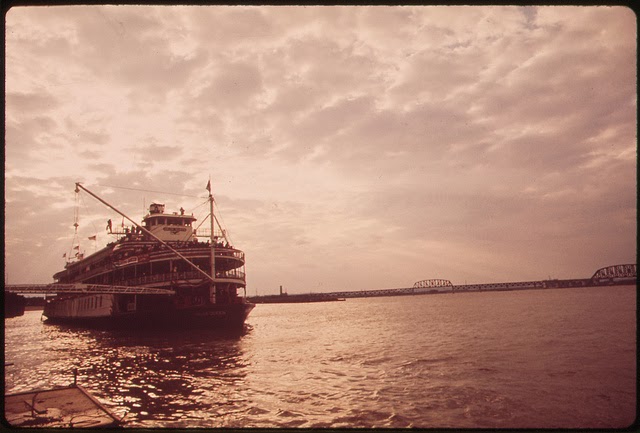
Steamboat On The Ohio River, May 1972
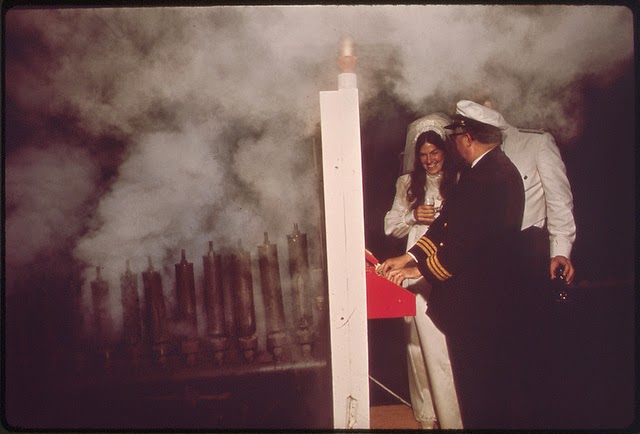
Wedding On The “Belle Of Louisiana.” Paddlewheel Steamboat Is Owned By The City Of Louisville And Jefferson County, March 1972
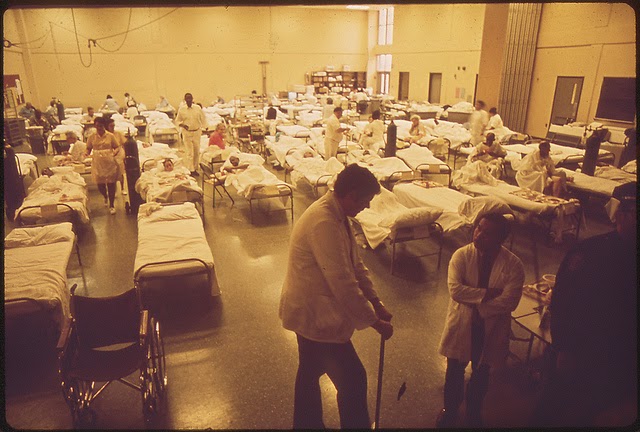
Louisville Mayor Frank Burke Ordered 4,800 Residents Of The Waterfront Area Known As Portland, To Evacuate, April 1972
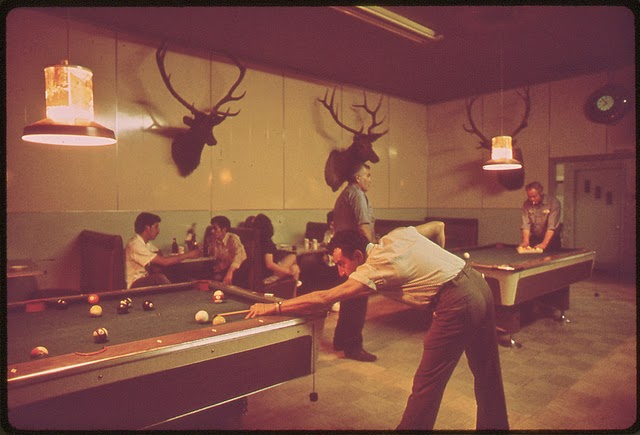
Pool Hall, April 1972
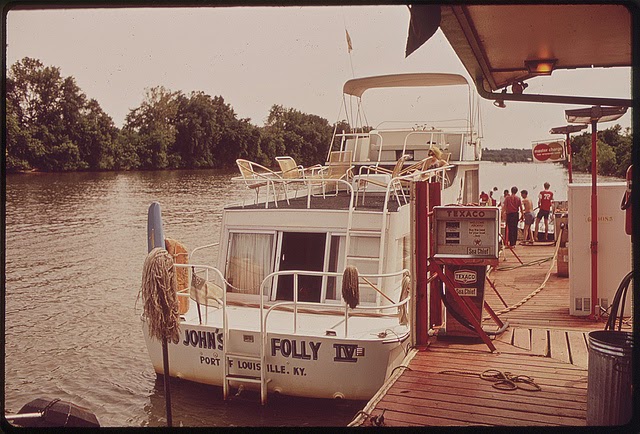
Yacht Is Refueled At Station On Ohio River, June 1972
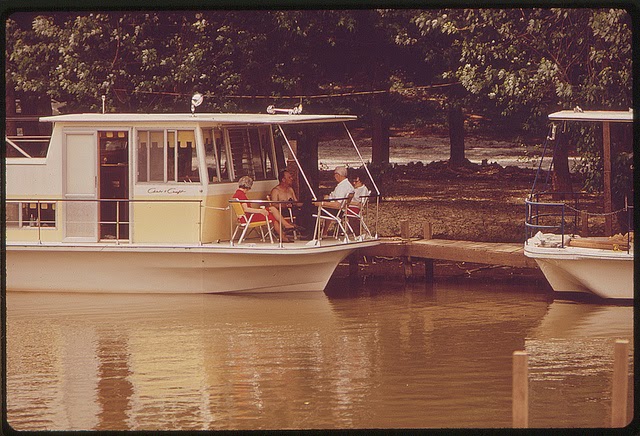
The Ohio River, June 1972
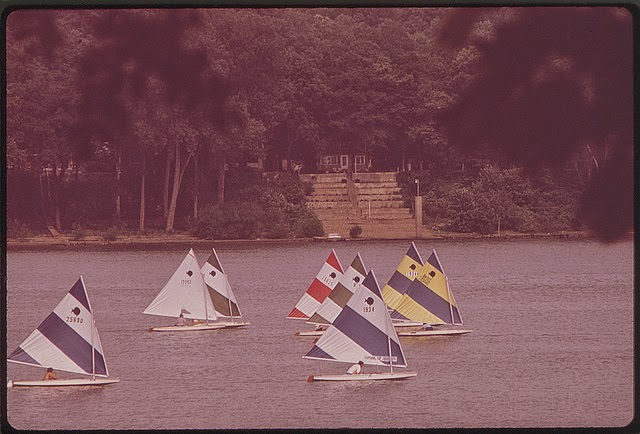
The Fourth Annual Spring Sunfish Regatta Of The Louisville Sailing Club, June 1972
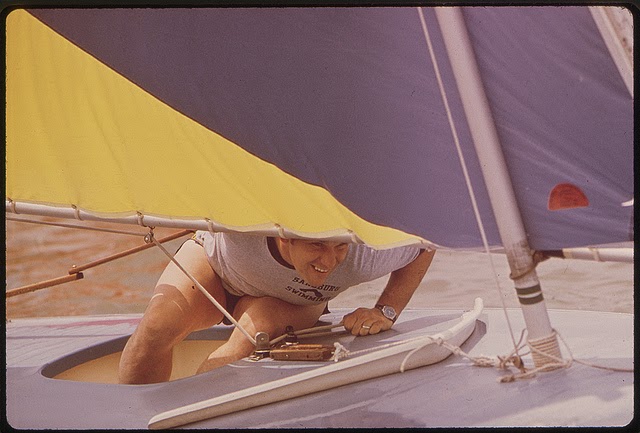
Participant In The Spring Sunfish Regatta Of The Louisville Sailing Club, September 1972
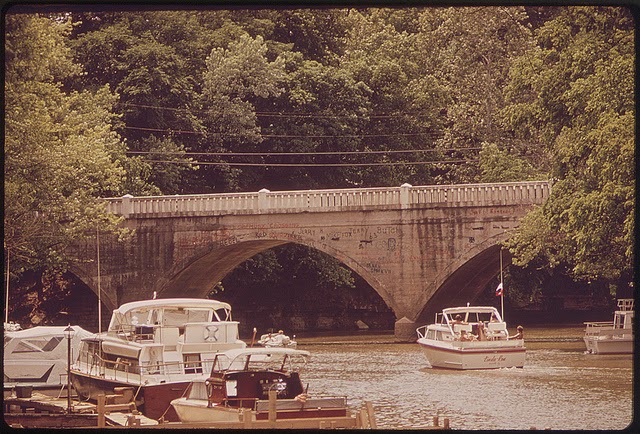
Boating On The Ohio River, June 1972
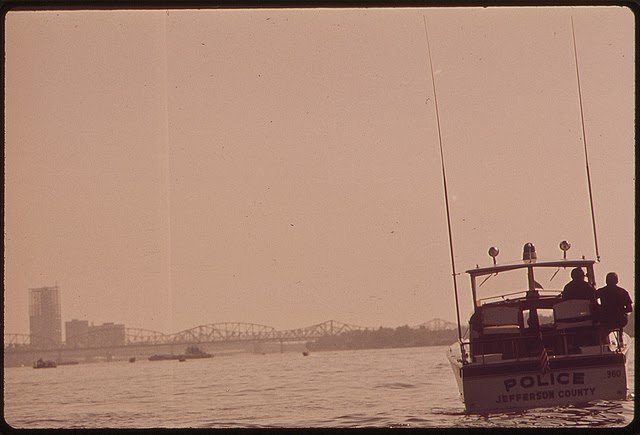
State And County Police Patrol The Ohio River, June 1972
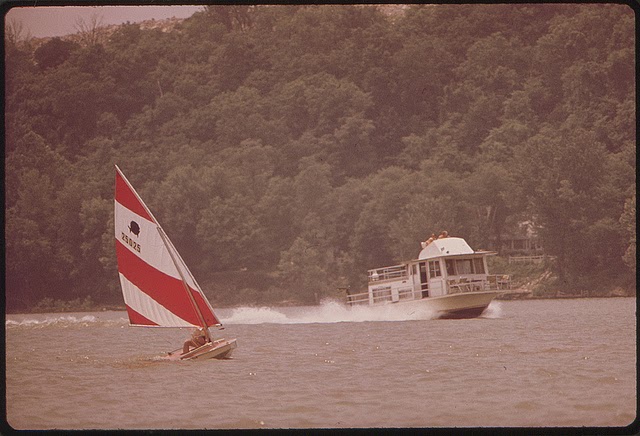
Boating On The Ohio River, June 1972
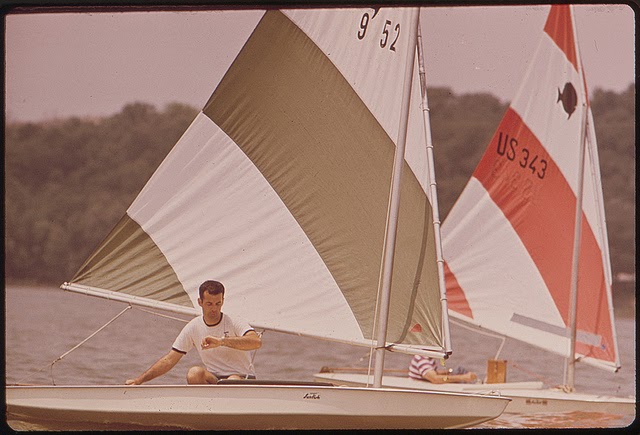
Participants In The Spring Regatta Of The Louisville Sailing Club, June 1972
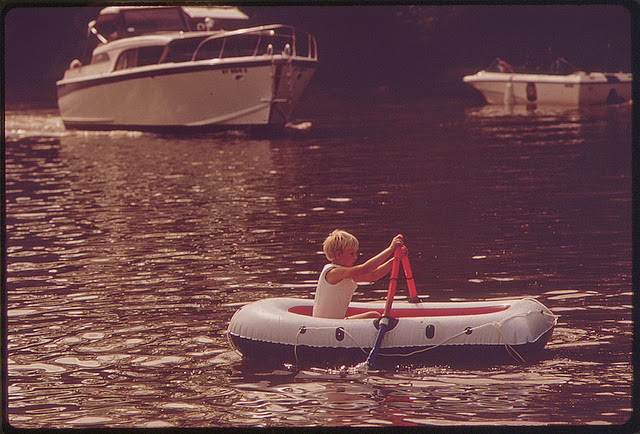
The Ohio River, June 1972
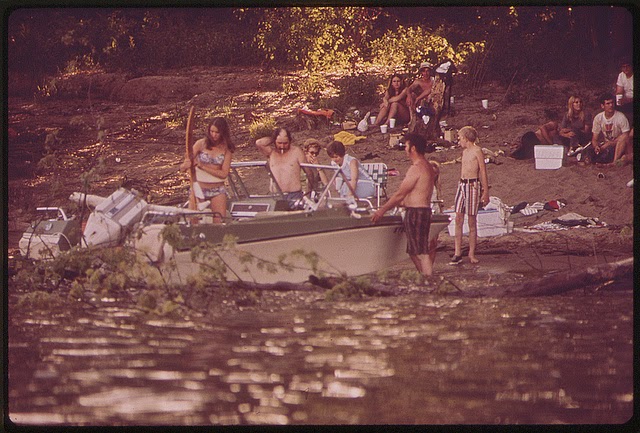
Camping Along The Banks Of The Ohio River, September 1972
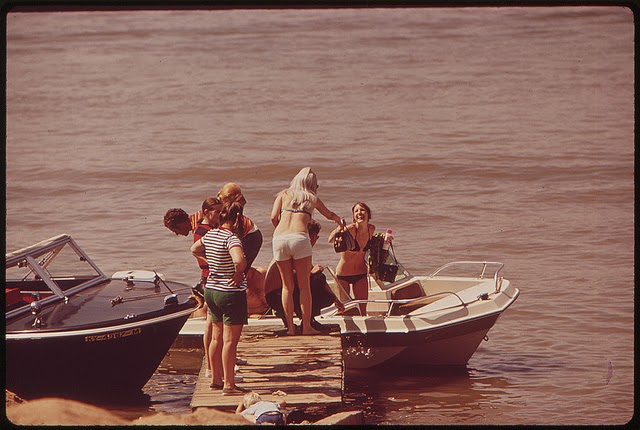
The Ohio River, June 1972
Participant In The Louisville Sailing Club Spring Regatta, June 1972
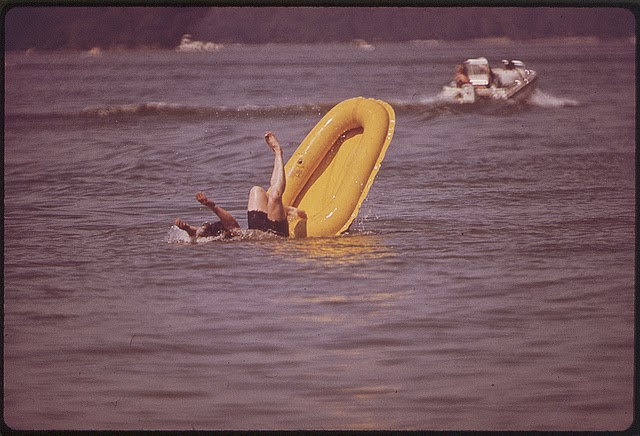
The Ohio River, June 1972
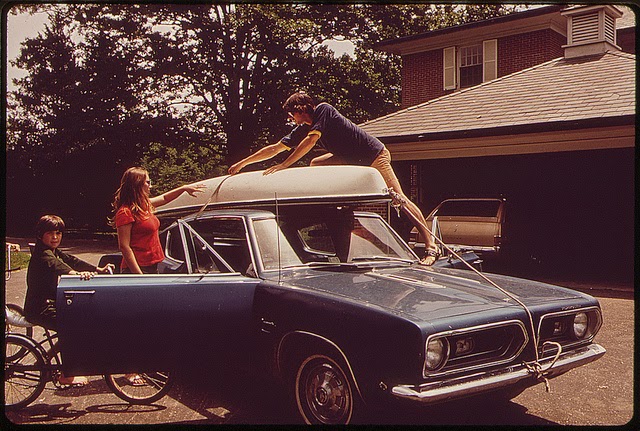
Boaters Unload Canoe Near The Ohio River, September 1972
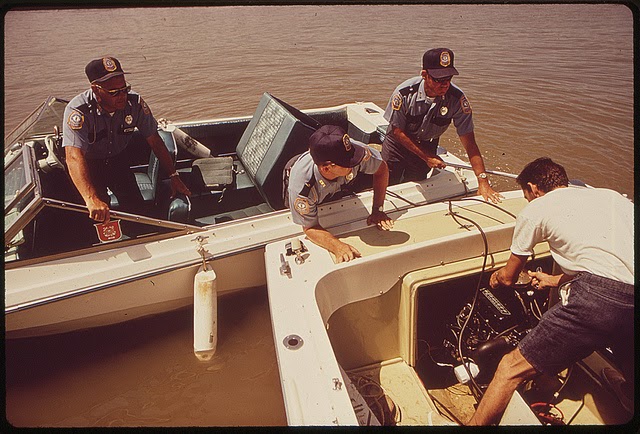
Ohio River Police Patrol Help A Man Start His Boat, June 1972
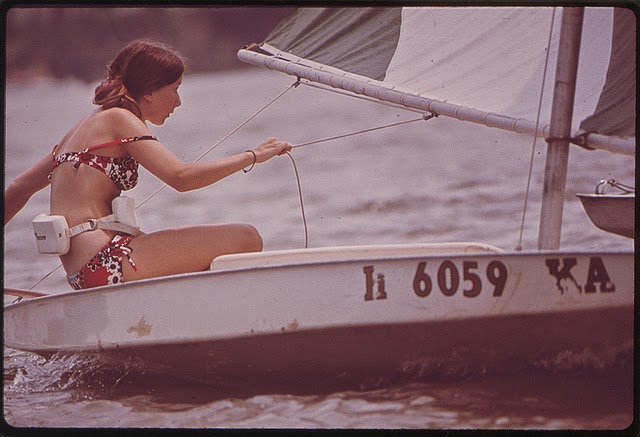
Participant In The Louisville Spring Regatta, June 1972
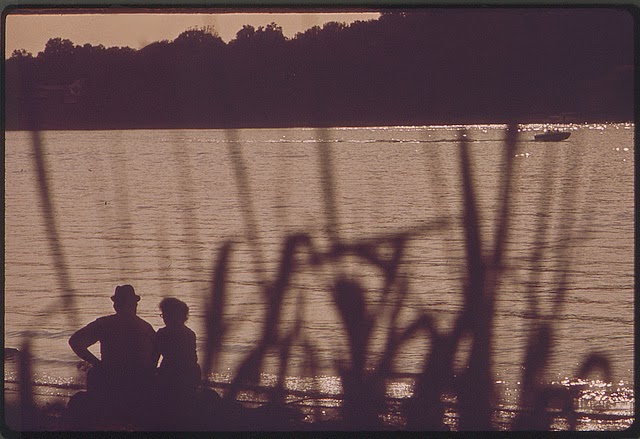
The Ohio River, June 1972
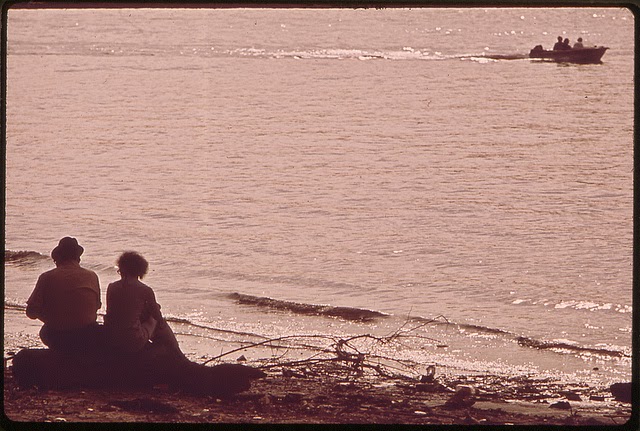
The Ohio River, September 1972
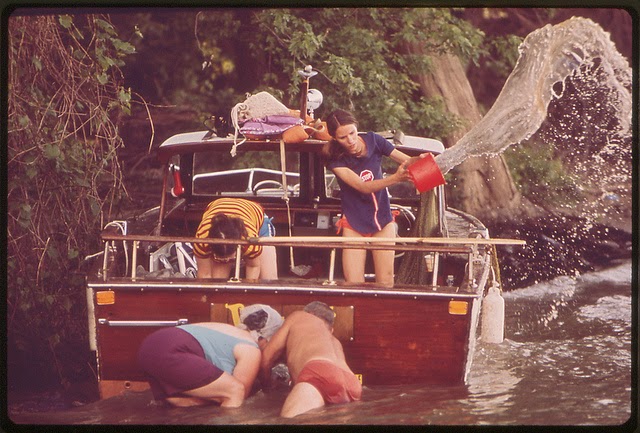
Small Pleasure Craft Goes Aground On Banks Of Ohio River, June 1972
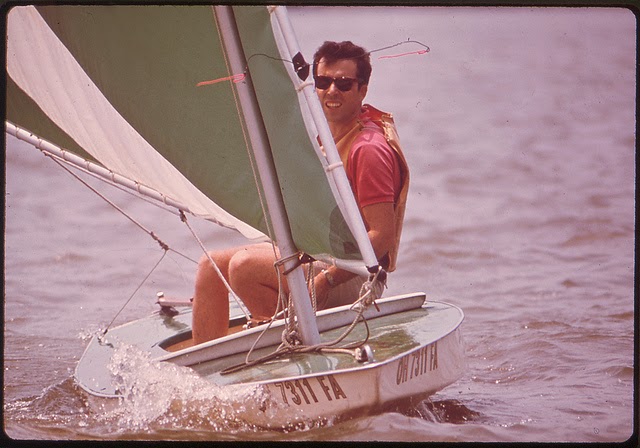
Participant In The Louisville Spring Regatta, September 1972
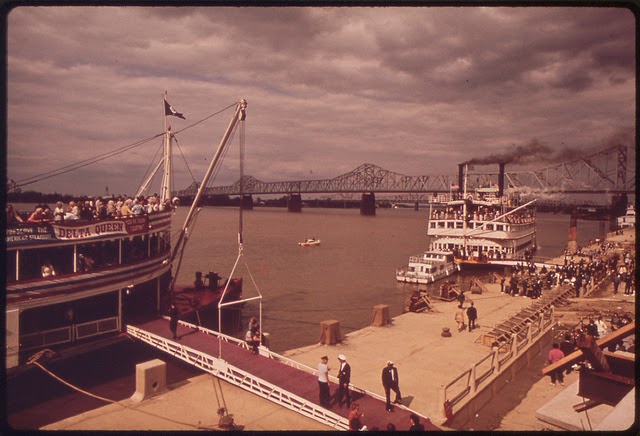
Paddle Wheel Steamboats, Docked At The New Louisville Waterfront On The Ohio River, May 1972
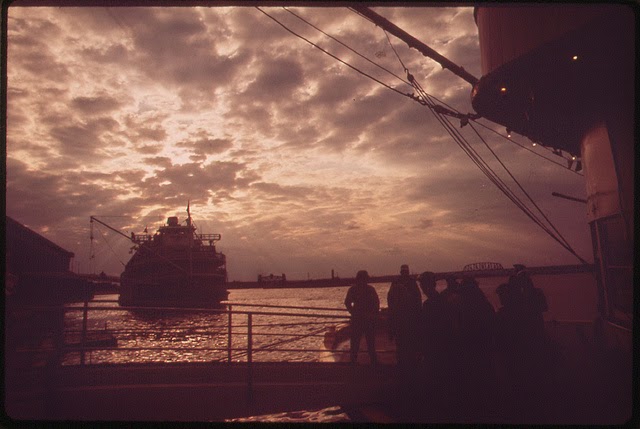
The Ohio River, May 1972
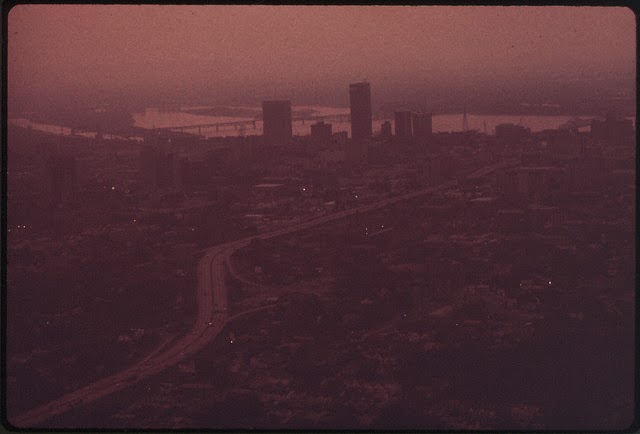
Smog Over Louisville And Ohio River, September 1972
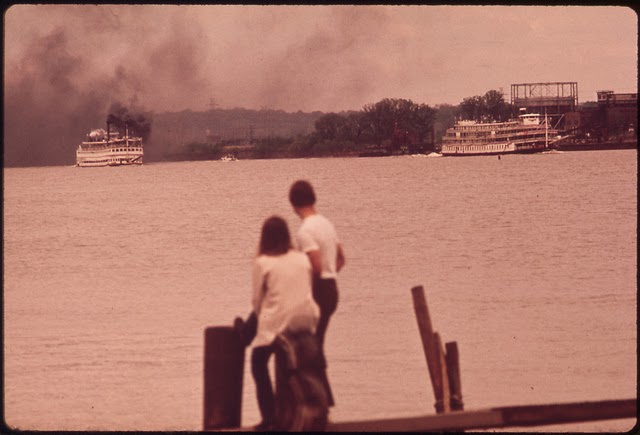
Paddlewheel Steamboats Seen From Banks Of Ohio River, May 1972
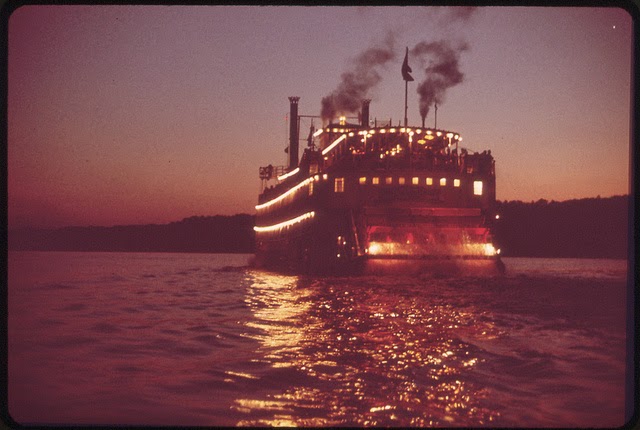
Paddlewheel Steamboat On Ohio River, May 1972
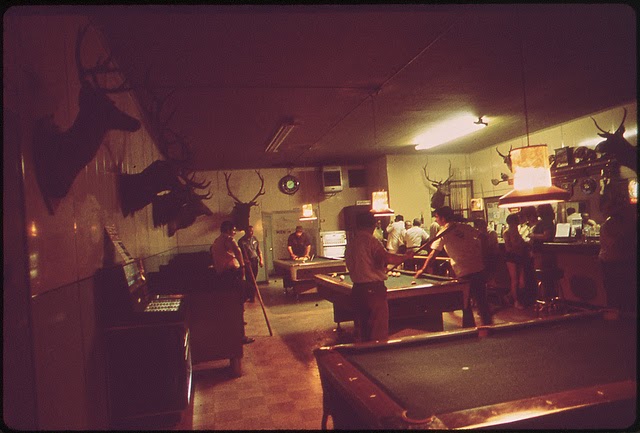
Pool Hall, June 1972
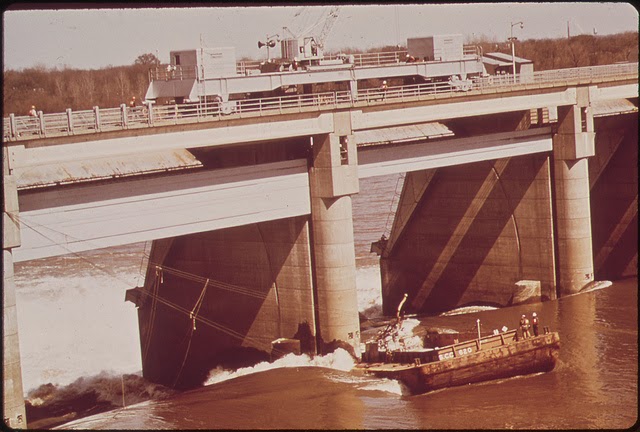
A Liquid Chlorine Barge, After Breaking Loose From Its Tug Became Lodged Against The Mcalpine Dam On The Ohio River And Could Not Be Set Free, March 1972
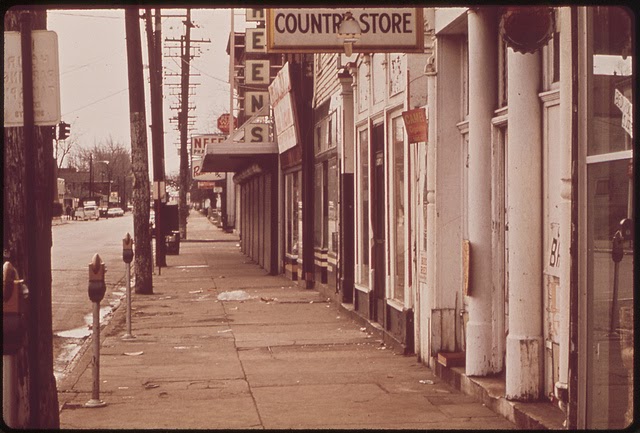
The Streets Of The Louisville Waterfront Area, Portland, Are Deserted Following Evacuation, March 1972
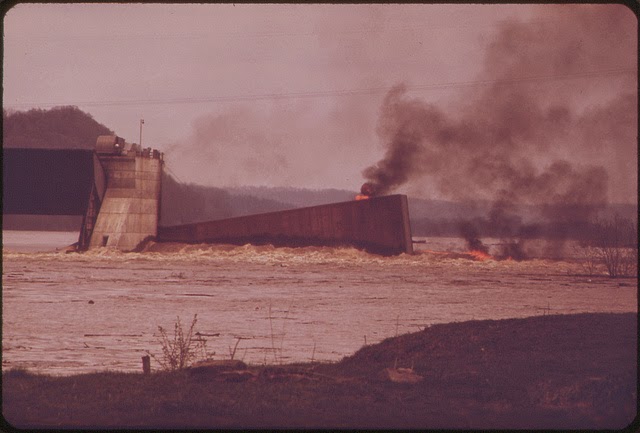
Burning Barge On The Ohio River, May 1972
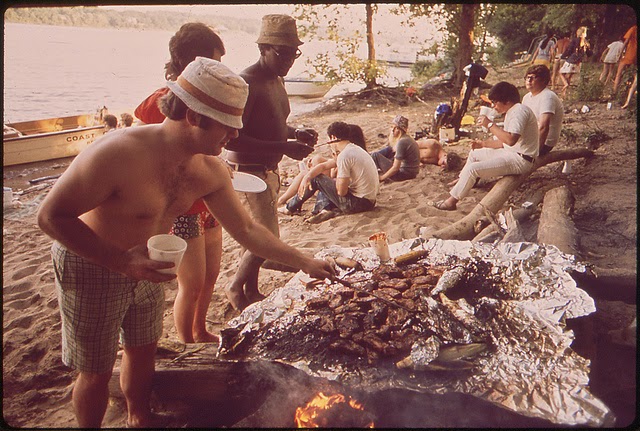
Picnic On The Banks Of The Ohio River, June 1972
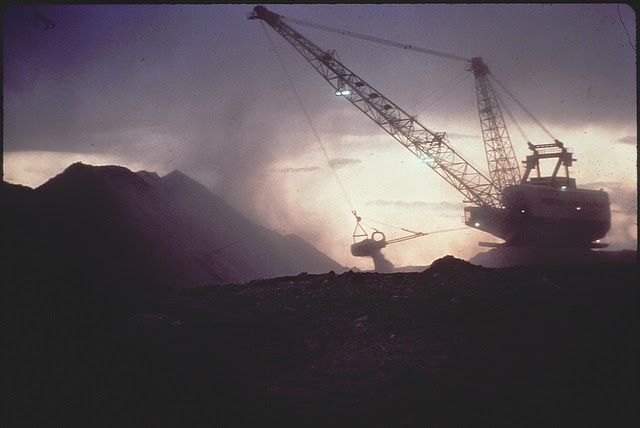
Strip Mining On Indian Burial Grounds By Peabody Coal Co, May 1972
(Photo credit: The U.S. National Archives).