
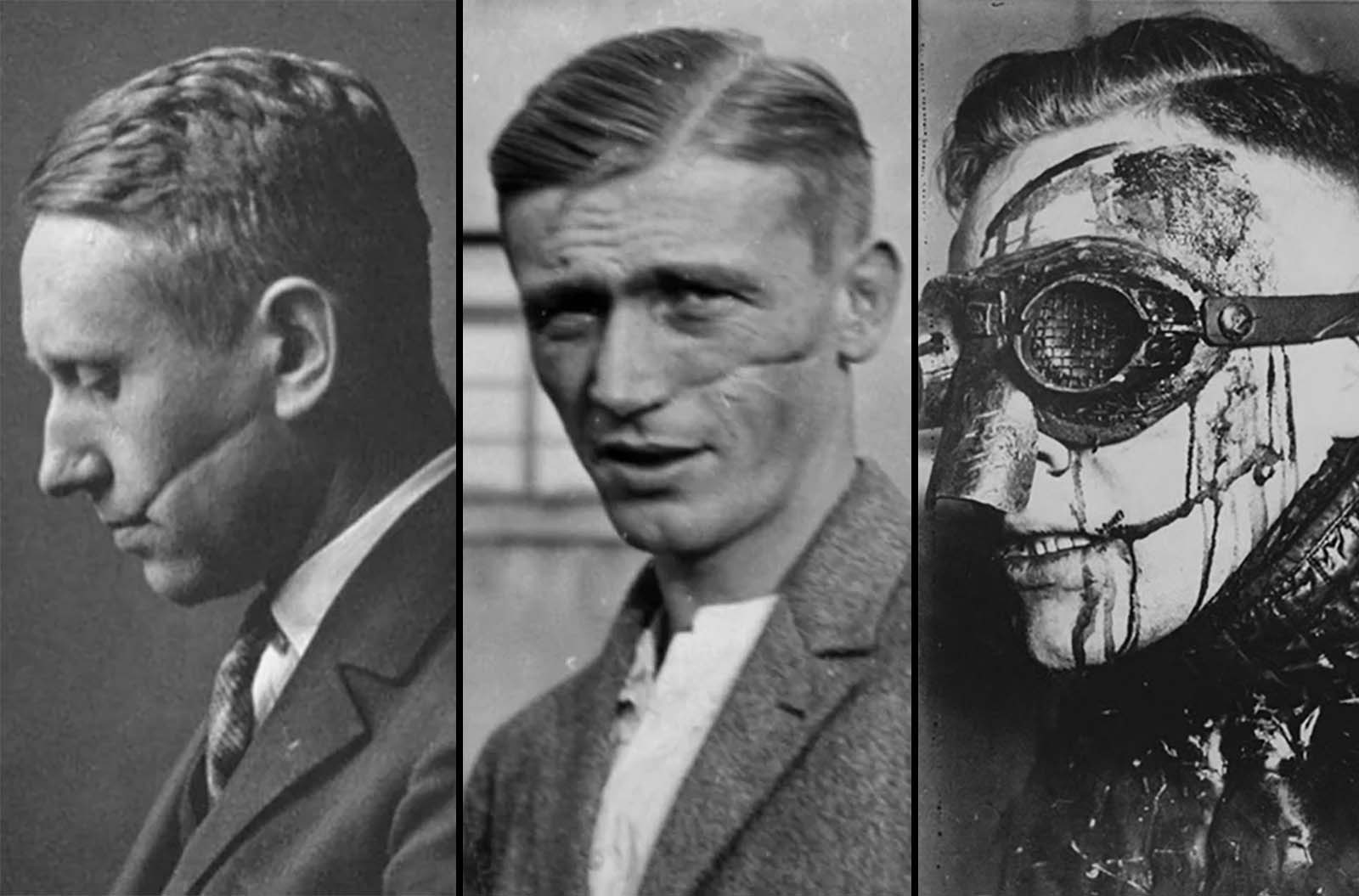
The image of the scarred German military officer has long been a Hollywood staple — cold-eyed, stern-jawed, and bearing a jagged mark across one cheek.
It turns out this trope was not entirely invented. Many high-ranking officers who served in both World War I and World War II had been members of elite student fraternities in their youth, and they carried the marks to prove it.
While some of those scars were undoubtedly earned on the battlefield, a surprising number came from a far more deliberate source: a centuries-old German academic fencing tradition known as the Mensur.
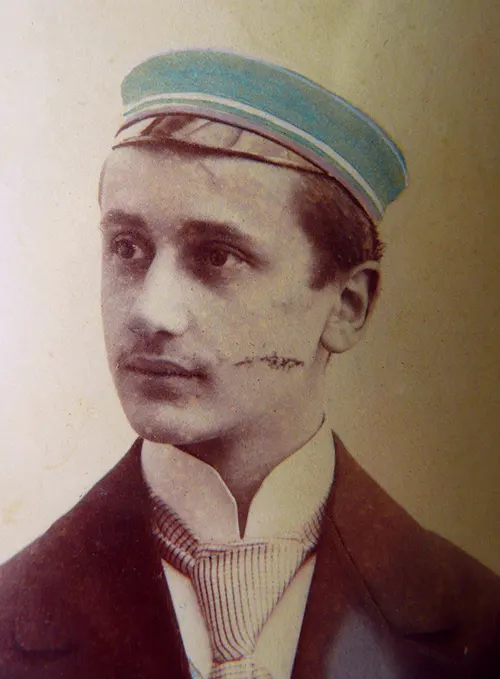
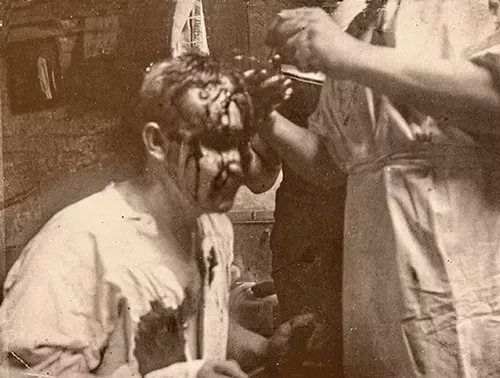
An 1896 picture of Adolf Hoffmann-Heyden, a German Corpsstudent, showing an extensive fresh fencing scar and some minor old ones.
Foreign tourists visiting Germany in the late 19th century were often taken aback by the sight of university students — particularly those affiliated with the Studentcorps at prestigious institutions like Heidelberg, Bonn, and Jena — sporting facial scars in varying stages of healing.
Some were old and faded, others freshly stitched, and some still wrapped in bandages. For outsiders, it was a strange and unsettling sight. For the students themselves, it was a point of pride.
Practiced in Germany, Austria, Switzerland, Latvia, Estonia, and to a lesser extent in Belgium, Lithuania, and Poland, the Mensur is a strictly regulated saber fight between two male members of opposing fraternities.
 The word itself derives from the Latin term for “measure” or “a certain quantity,” a nod to the precise, methodical nature of the bout.
Unlike a conventional duel, the Mensur is not about victory or defeat — there is no winner and no loser. And unlike sport fencing, it is not about speed or evasion. It is, at its core, a test of character.
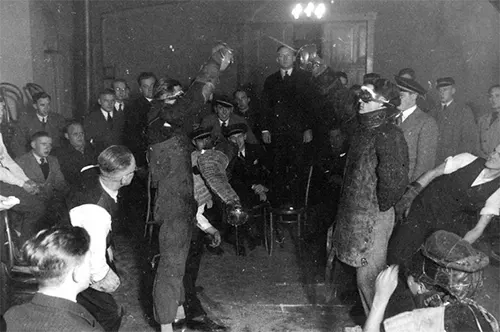
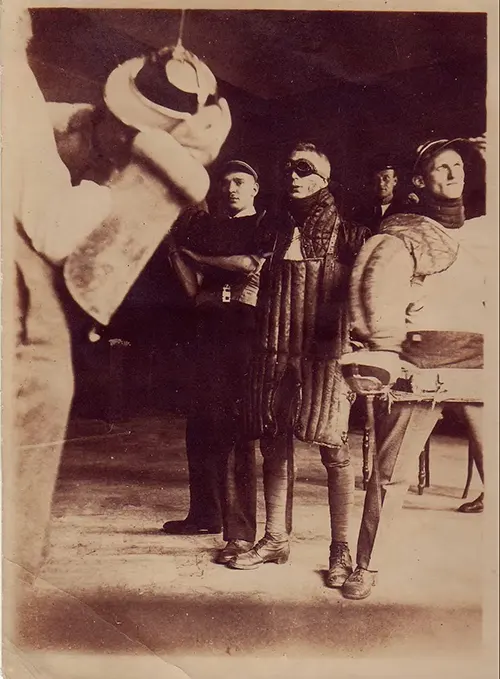
Participants stand at a fixed distance, arm’s length apart, and are forbidden from flinching or dodging.
The objective is not to avoid being struck, but to endure the blow without reacting — a display of stoicism considered central to the tradition’s educational purpose.
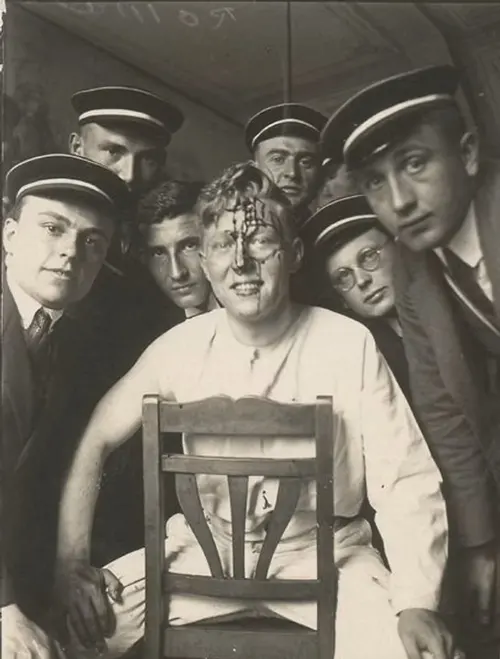 The unprotected areas of the face and head are the only legitimate targets, and two physicians are present throughout each bout, one assigned to each combatant, ready to tend to injuries and halt the fight if the wounds become too severe.
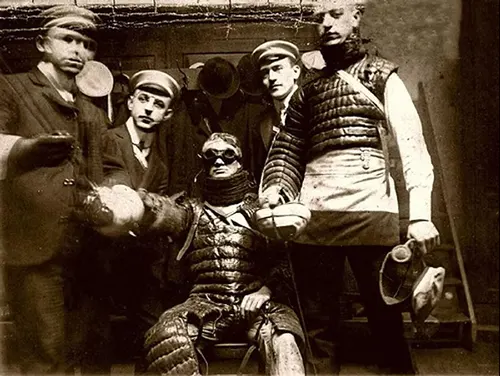
The weapons used are purpose-built for the ritual. Known as Mensurschläger or simply Schläger, they come in two forms.
The more common variant is the Korbschläger, which features a basket-style guard to protect the hand. Some universities favor the Glockenschläger — literally the “bell hitter” — distinguished by its bell-shaped guard.
 Both weapons are designed to cut rather than thrust, ensuring that the resulting injuries are facial lacerations rather than deeper, more dangerous wounds.
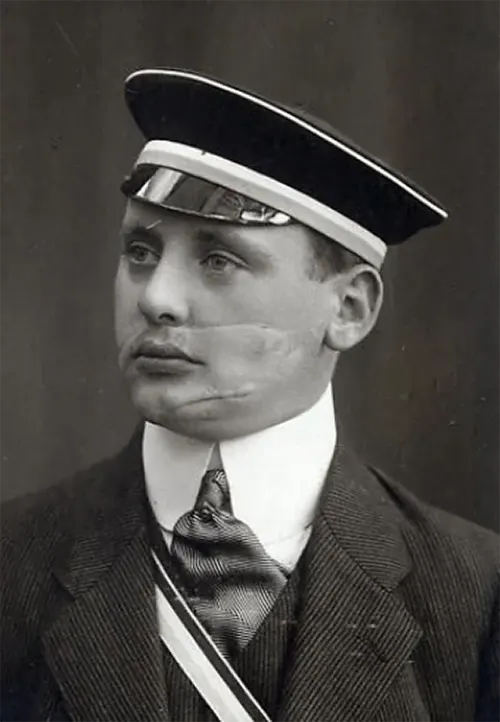
Those lacerations, once healed, became known as a Schmiss — a word sometimes translated as “smite” — and they were worn as a badge of honor, particularly during the latter half of the 19th century and the first half of the 20th.
In a society where dueling culture carried enormous prestige within German and Austrian universities, the scars signaled that a man had courage, class, and standing. They were visible proof that he had faced pain without retreating.
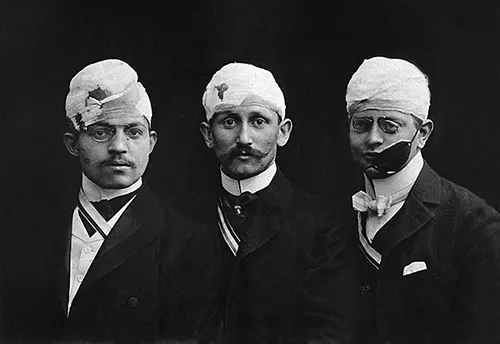
Duelists in Heidelberg (1906).
Otto von Bismarck himself reportedly judged men’s bravery by the number of scars on their cheeks, and the marks were even considered a social asset — a sign of what was approvingly called “good husband material.”
Because the Mensur sword is wielded with one hand and the majority of fencers are right-handed, the cuts typically landed on the left side of the face, leaving the right profile largely unmarked.
Experienced fencers who had competed in many bouts could accumulate a considerable collection of scars.
 One duelist who died in 1877 was recorded as having fought no fewer than thirteen duels, yet bore 137 scars across his head, face, and neck — a testament to just how frequently the tradition was practiced.
The wounds themselves, however, were rarely as dramatic as they looked. Contemporary accounts described them as generally causing only temporary discomfort and leaving behind scars that served as a “perpetual witness of a fight well fought.”
Injuries to the nose, lip, or ear tended to be more painful, but most cuts healed without serious complication.
 Heavy drinking during recovery, it was noted, caused the wounds to swell and redden, which could worsen the scarring — a detail that apparently required mentioning.
Inevitably, the prestige attached to these marks inspired imitation among those who had never stepped onto the fencing floor.
Some students who had not participated in the Mensur reportedly scarred themselves with razors, while others deliberately reopened healing wounds to make the scars more pronounced — a practice that was widely frowned upon.
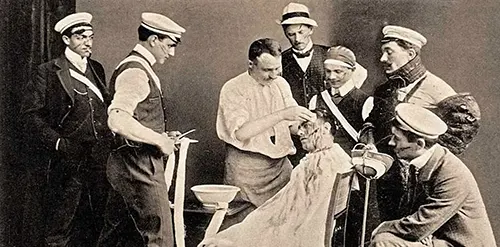 There were even those who paid physicians to slice their cheeks. Over time, as the cultural weight attached to dueling scars began to fade, the extremity of the marks diminished as well.
The custom largely died out in the aftermath of the Second World War, and in modern Germany, the tradition exists only at the fringes — a relic of an era when a scar on the cheek meant something that no classroom could teach.
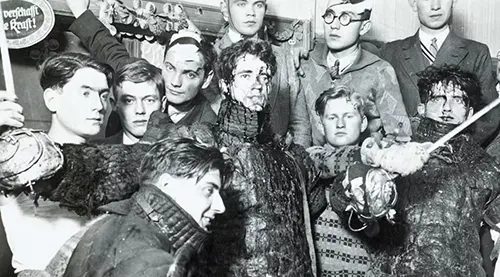
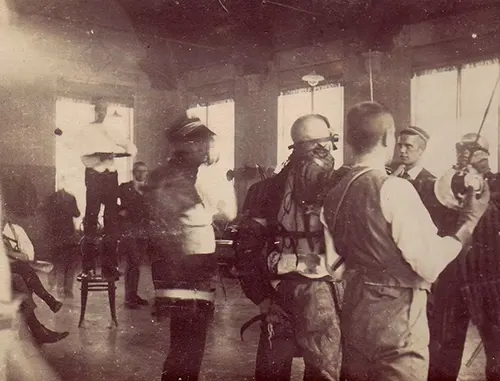
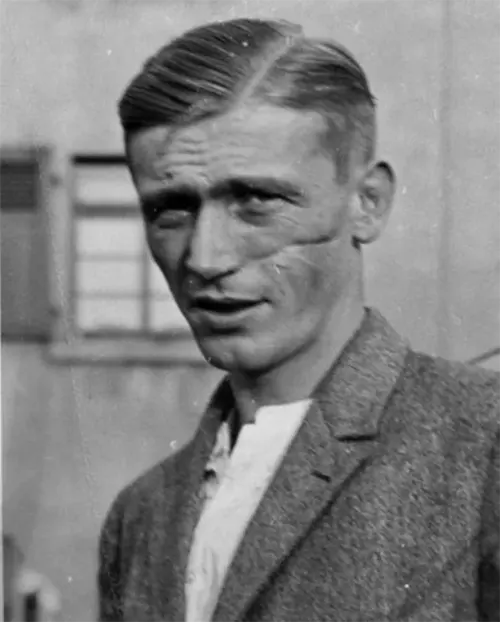
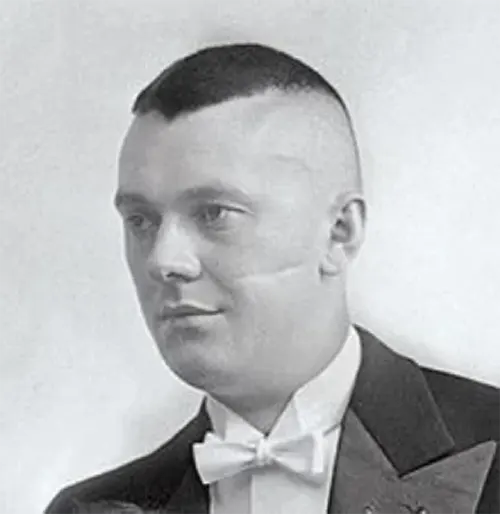
Franz Burda, 9 July 1931. In the nineteenth and early twentieth centuries, dueling scars were seen as a badge of honor in Germany and Austria, making their owners “good husband material”.
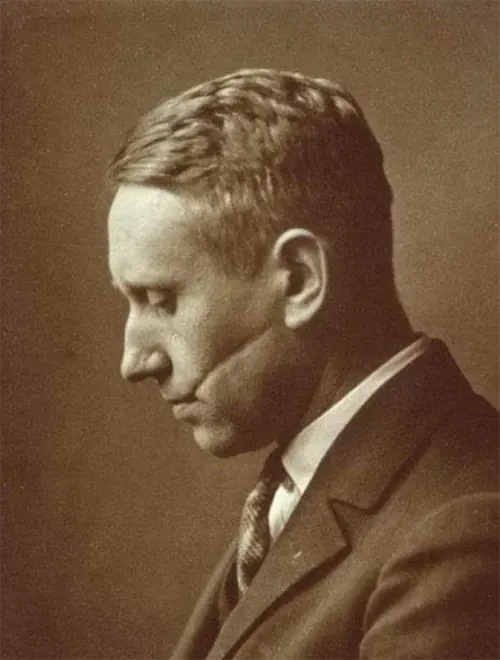
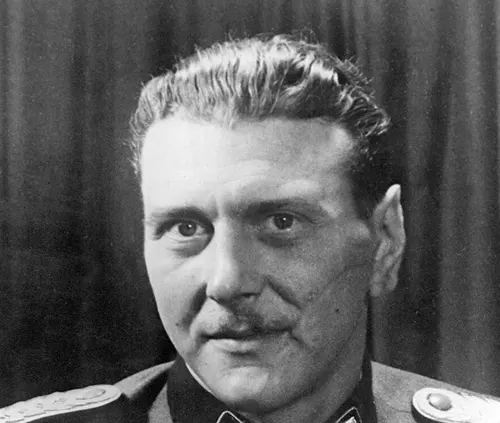
A classic and well-known example is Otto Skorzeny, the famous SS commando leader, who proudly displayed a prominent cheek Schmiss from his student dueling days.
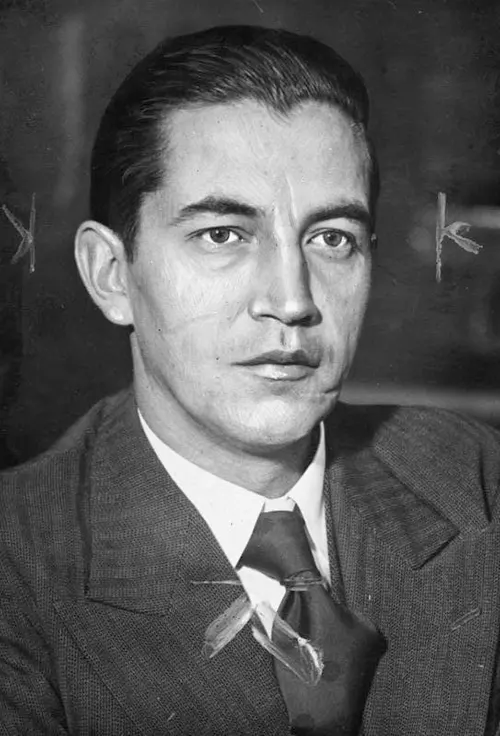
Rudolf Diels, co-founder and head of the Gestapo from 1933 to 1934.

Kurt Heinrich Debus (November 29, 1908 – October 10, 1983) was a German-American rocket engineer and NASA director. Note the face scar.
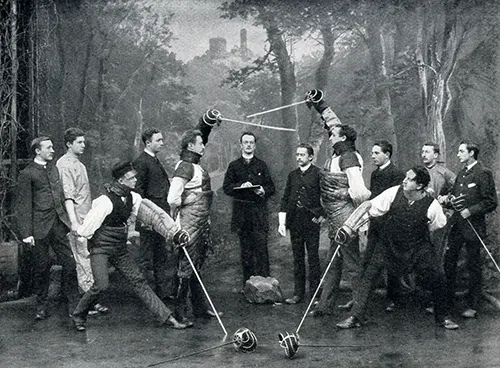
Göttingen Winter Semester 1888/89: Holzminda vs. Frisia.
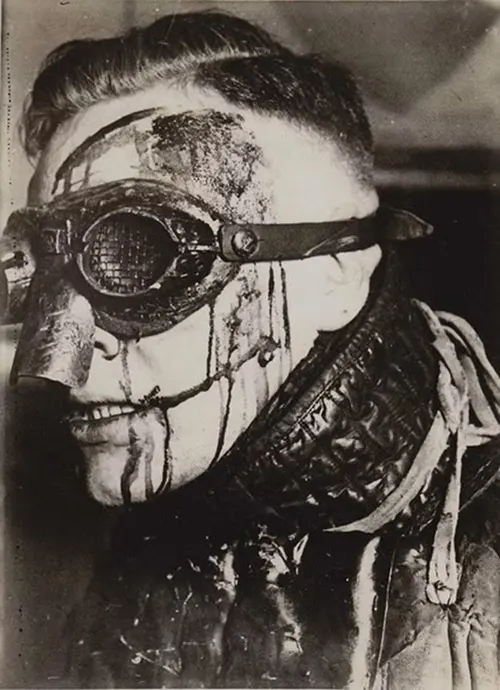
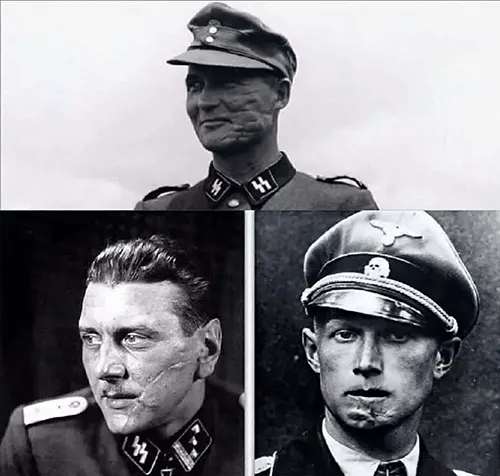
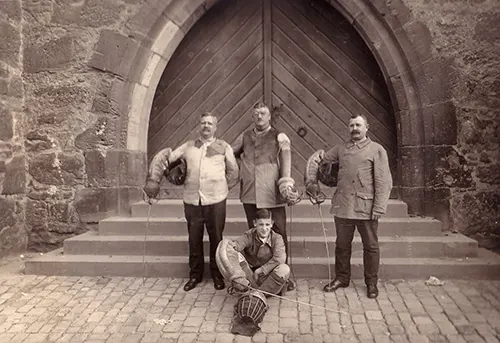
Fencing master of the University of Heidelberg, around 1910.
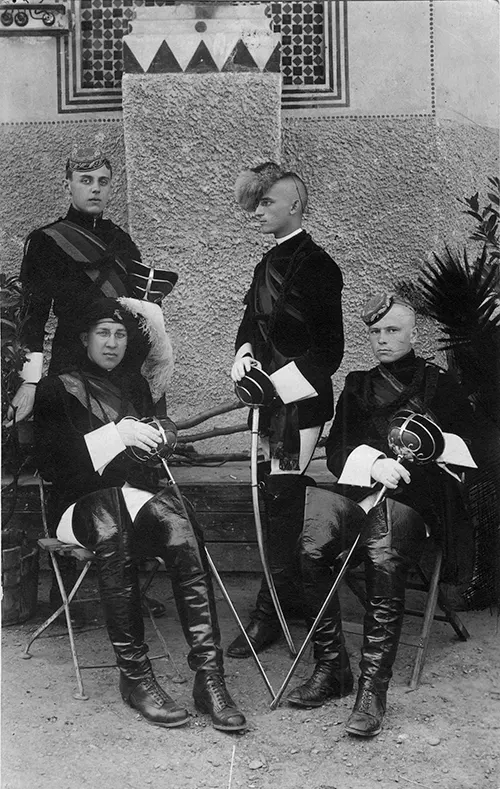
Members of a student corps with Mensur swords (Czernowitz, c. 1890).
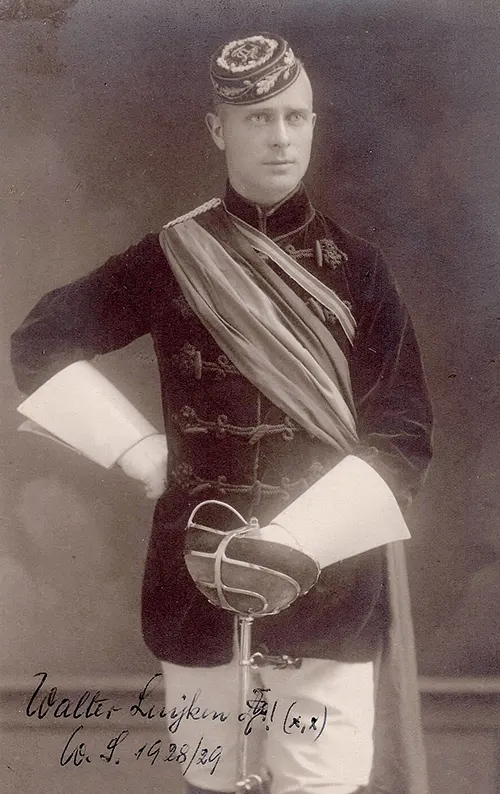
Corporate student of the “Agronomia” in Bonn 1928/1929.
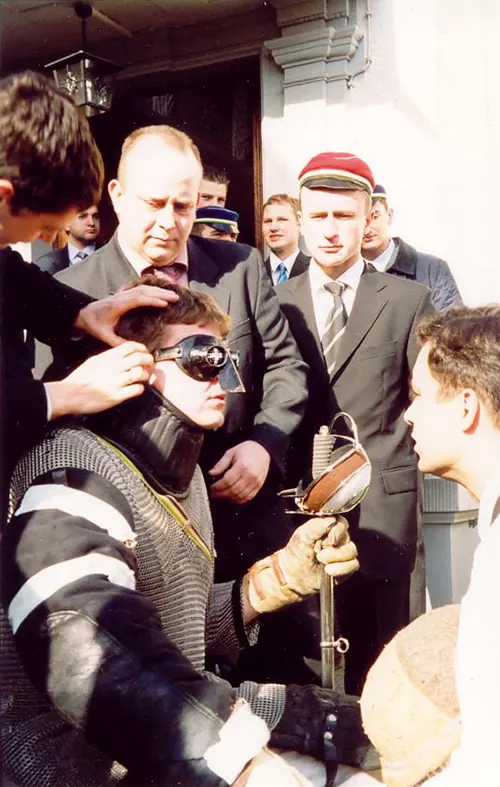
Preparations for a Mensur; here between members of a Polish Corporation Sarmatia and a German fraternity (Freiburg im Breisgau, 2004).

(Photo credit: Wikimedia / Upscaled and enhanced by RHP / Flickr).