
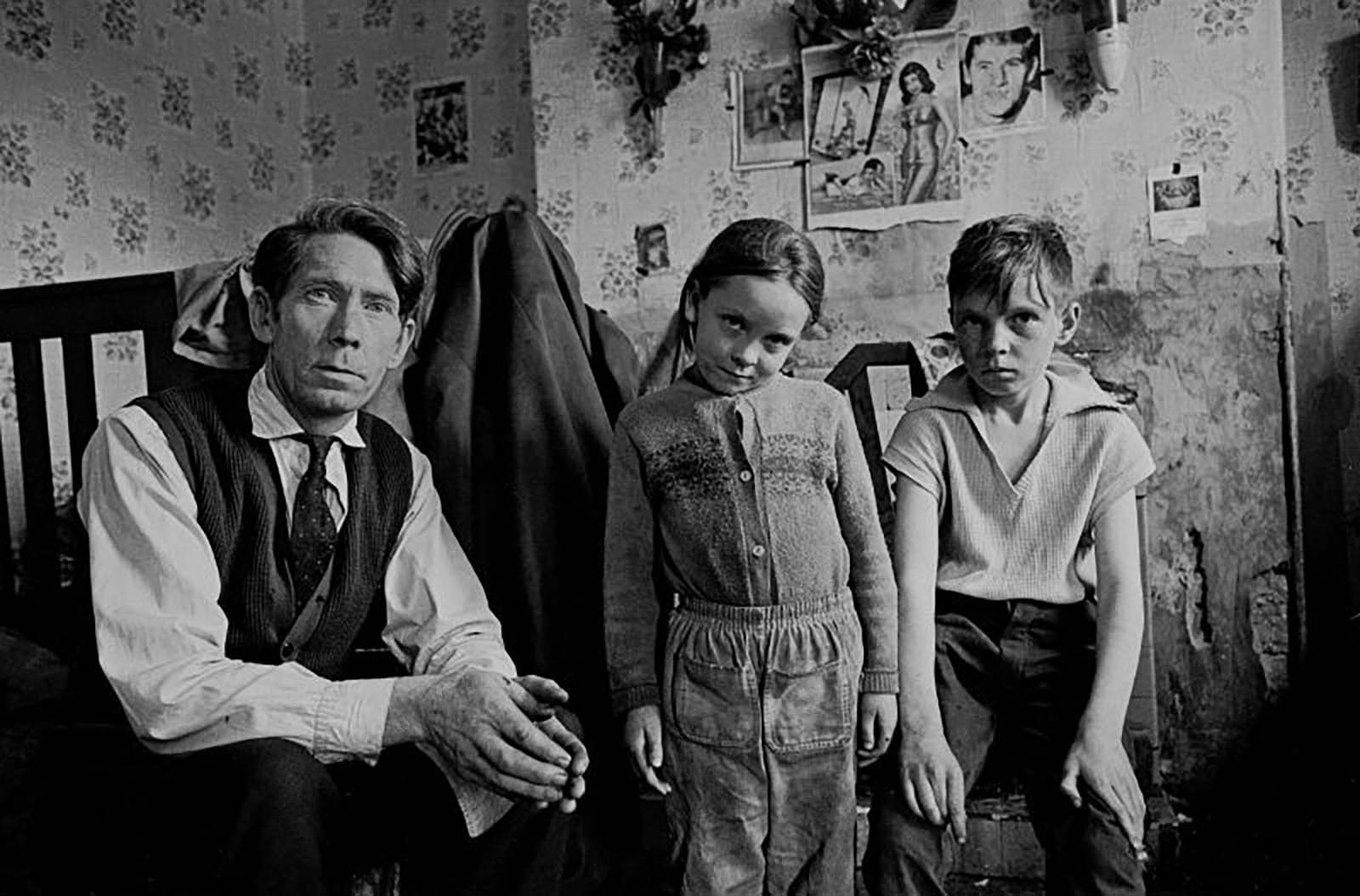

Britain in the 1960s liked to think of itself as a country moving forward. The postwar recovery was well underway, consumer culture was beginning to bloom, and cities across the country were being promoted as symbols of a new, modern age.
Behind that image, in the back streets of Manchester, families were living in conditions that belonged to a different century entirely.
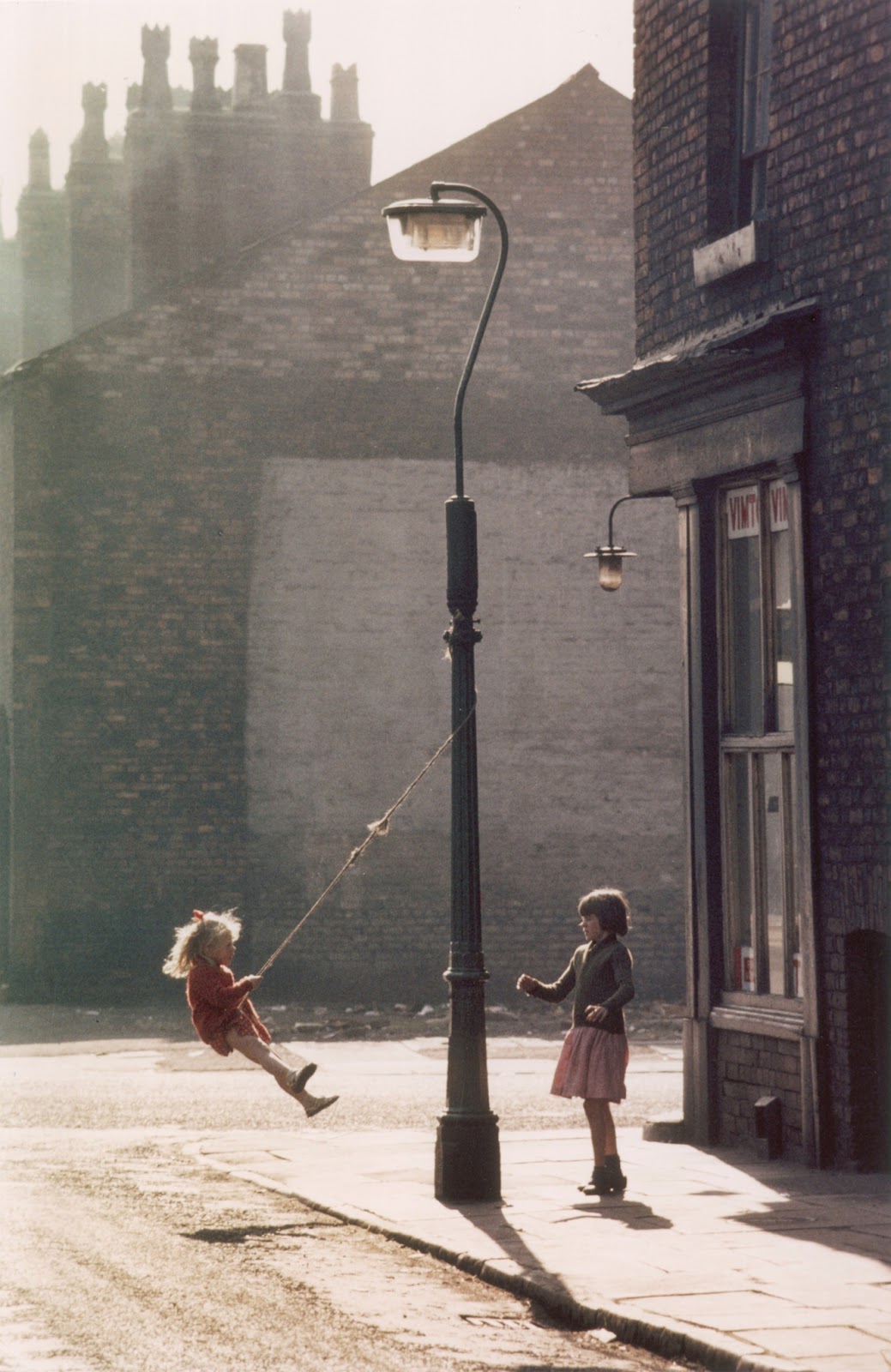
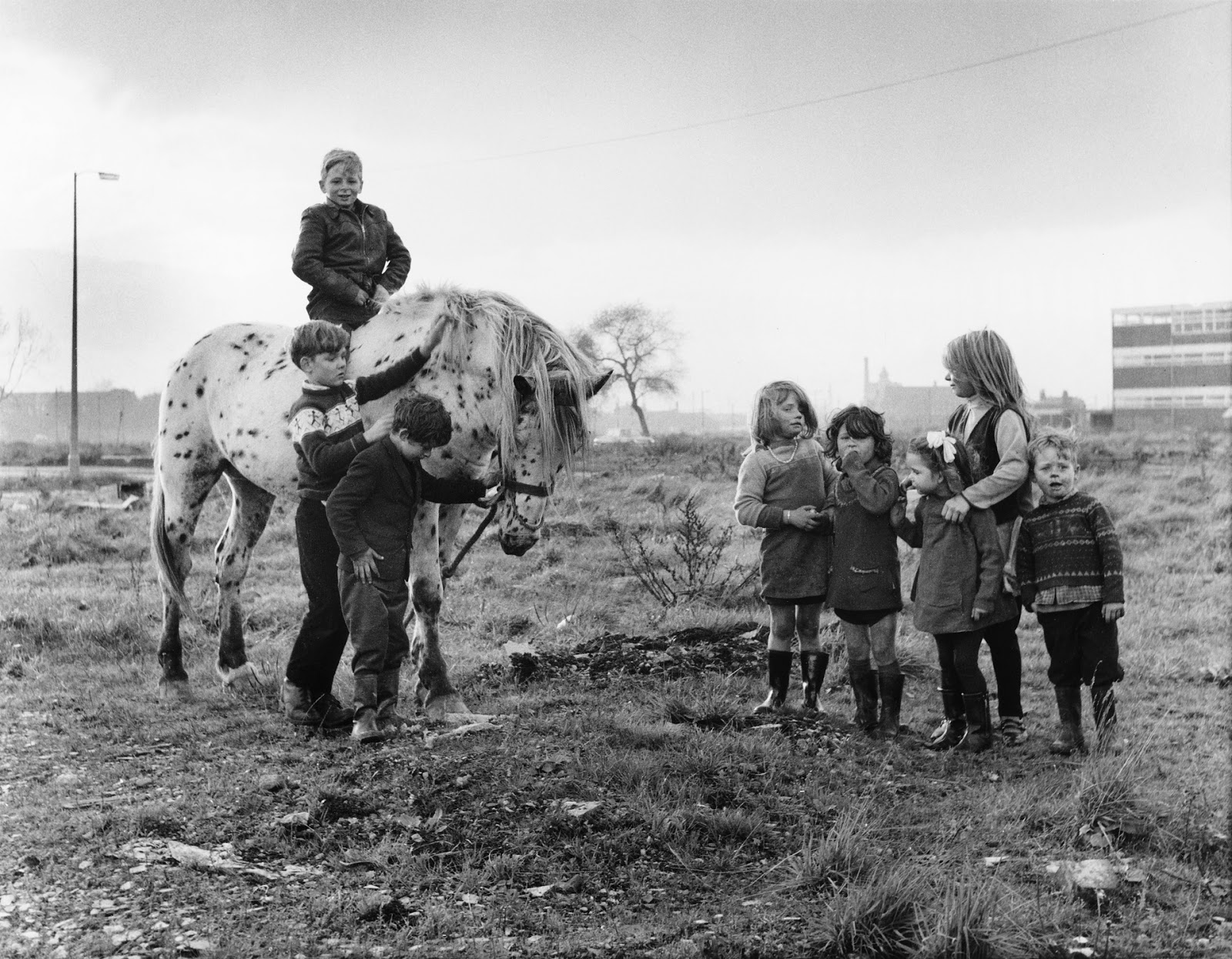
Rows of crumbling brick terraces lined smoke-filled streets. Children played on wasteland beside condemned buildings.
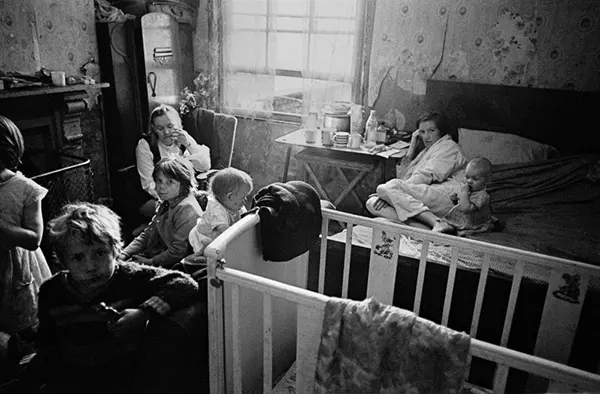
Family living in a single room, Moss Side, 1969.
Entire households shared single rooms with no heating, no running water, and walls so damp that plaster fell from them in sheets.
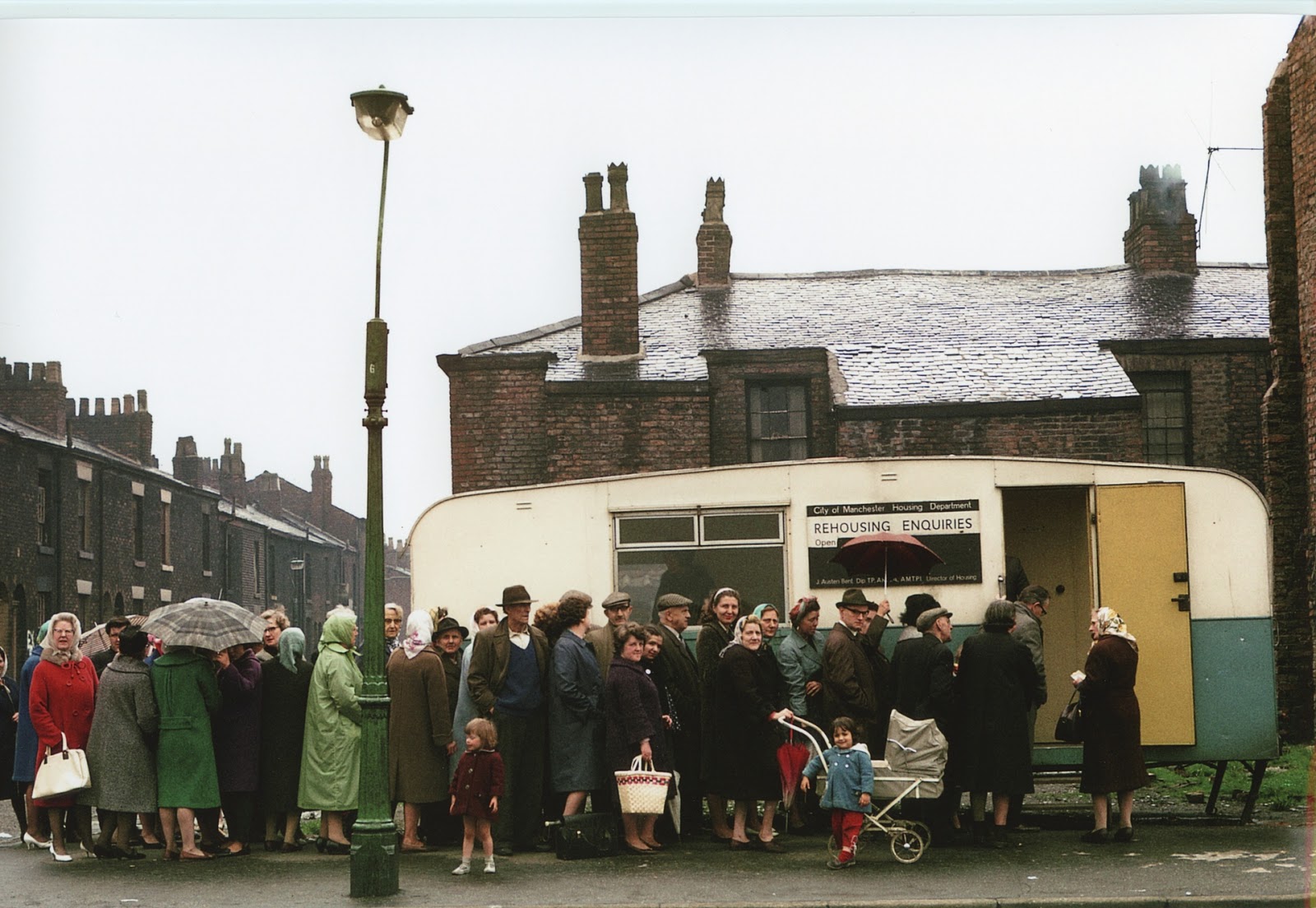
The photographs taken during this period pulled back the curtain on a side of British urban life that most people preferred not to see, and they forced a reckoning that would shape housing policy for decades to come.
The crisis had deep roots. By the mid-1960s, an estimated 54,700 dwellings in Manchester, representing more than 27 percent of the city’s total housing stock, were considered unfit for human habitation.
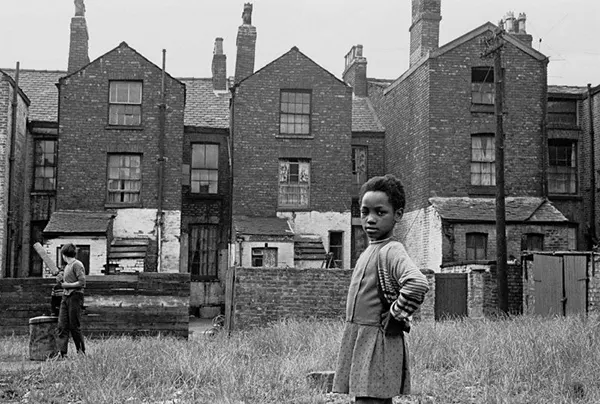
Children playing on wasteground, 1969.
The people living in these homes were overwhelmingly working-class families: mill workers, factory hands, and labourers whose lives had been built around Manchester’s industrial economy for generations.
As that economy contracted, the neighbourhoods that supported it were left to decay.
In Hulme, one of the city’s most densely populated inner-city districts, Victorian back-to-back houses were plagued by damp, failed sanitation systems, and chronic overcrowding.
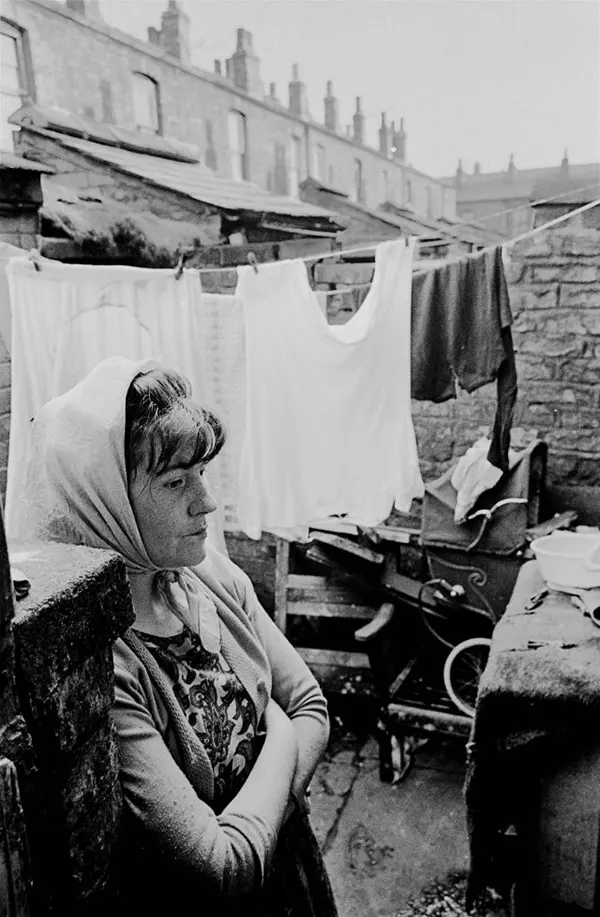
Housewife in the backyard of a terraced house, 1969.
Multiple families crowded into single-room dwellings. Roofs leaked. Walls crumbled. For the children growing up on these streets, it was simply the world as they knew it.
The moment that brought the national conversation to a head came in 1966, when Ken Loach’s BBC docudrama Cathy Come Home aired to a stunned public.
The film followed a young family’s descent into homelessness and put a human face on a crisis that three million people across the UK were quietly living through.
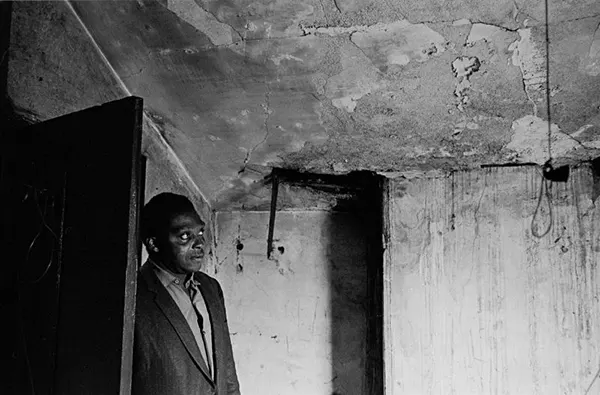
Bedroom ceiling, Moss Side, 1969.
It became one of the most discussed pieces of television in British history and directly led to the founding of Shelter, the housing and homelessness charity, later that same year.
Two years later, Shelter commissioned a young photographer named Nick Hedges to document what was really happening inside Britain’s slum communities.
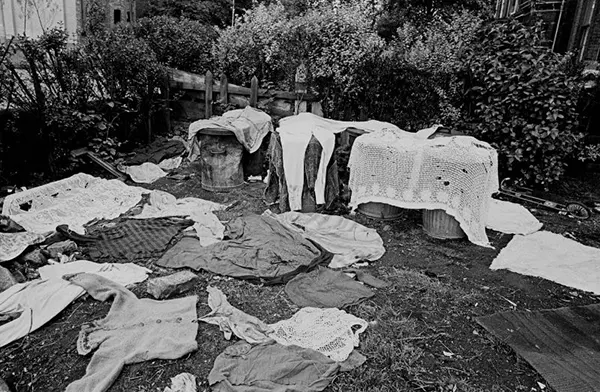
Clothes drying in the garden of Moss Side multi-let, 1969.
Hedges had come to the work through his studies at Birmingham College of Art, where his final project focused on housing conditions in that city.
A chance meeting with Shelter’s co-founder brought him into the organisation, and from 1968 he spent four years travelling to the worst-affected areas of the country, including Manchester, Glasgow, Liverpool, Newcastle, and Bradford.
He worked quietly and without intrusion, often crouching in corners to make himself as small as possible.
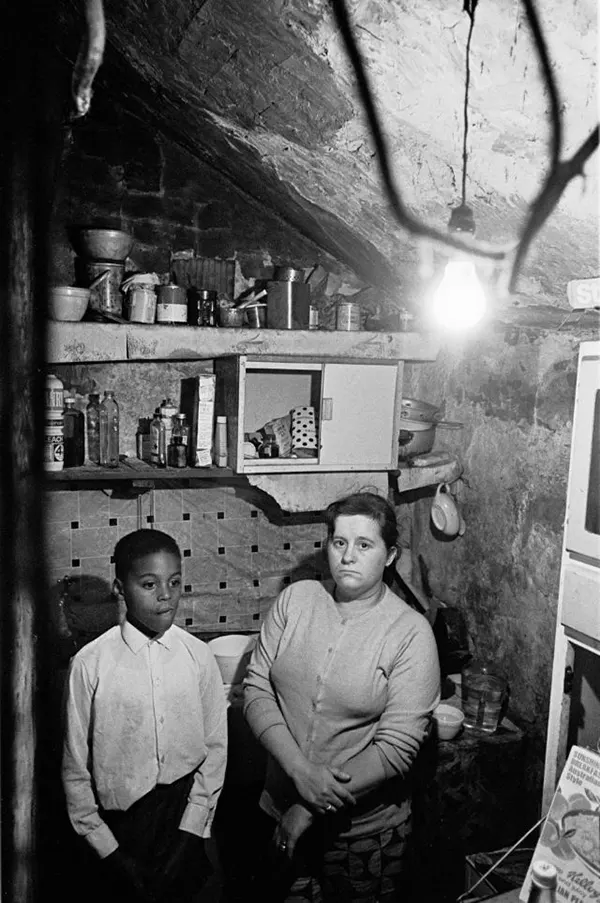
Mother and son in the kitchen, 1969.
The trust that earned him gave his photographs an intimacy that was rare in documentary work of the era.
He found families huddled in cellars lit by a single bulb, children playing in rags on desolate patches of ground, and households surviving without electricity, proper sewage, or ventilation of any kind.
The images he brought back helped shift the political mood. Public pressure mounted, and Manchester City Council moved to tear down large sections of its worst-affected districts.
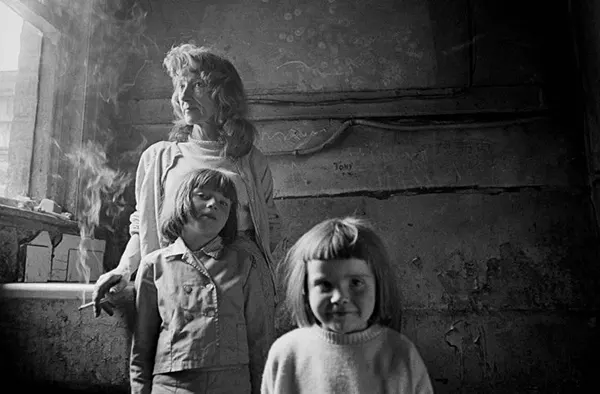
Mother and her daughters living in a substandard property in Manchester, 1969.
Hulme became the focus of an ambitious redevelopment plan, carried out between 1965 and 1972, which replaced its Victorian terraces with a sweeping modernist housing complex known as the Hulme Crescents.
The intention was to build something better. The reality was a project that became one of the most widely criticised failures in British social housing history.
By the early 1980s, the estate had one of the highest crime rates in the country, and the council eventually stopped charging rent while abandoning any effort to maintain the rapidly deteriorating buildings.
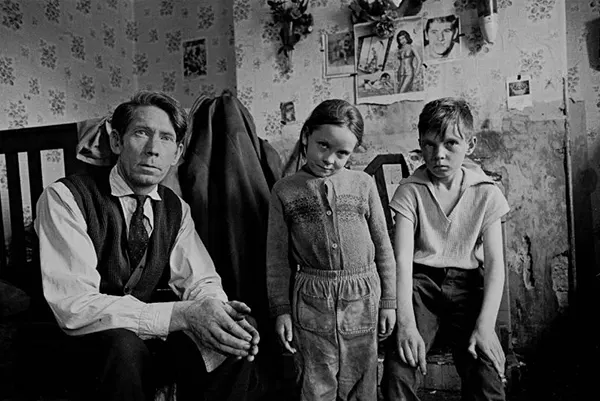
Irish immigrants recently moved to Moss Side, 1969.
By the end of the 20th century, much of the Manchester that Hedges photographed had disappeared entirely.
Former industrial districts were cleared, rebuilt, and in many cases transformed beyond recognition. Living conditions improved significantly for most residents.
What was also lost, and what these photographs quietly preserve, were the communities themselves: tight-knit, resilient, and deeply rooted in streets that no longer exist.
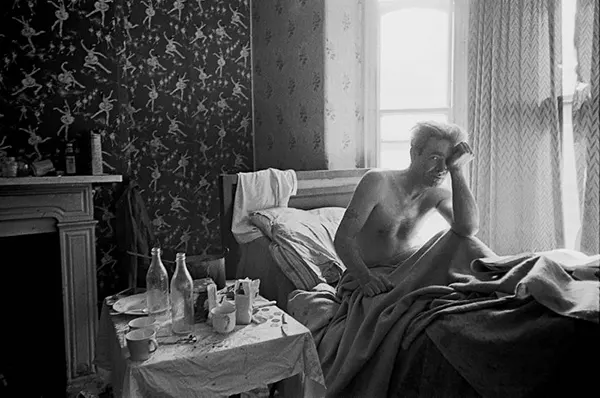
Single man living in one room of multi-let house, Moss Side, 1969.
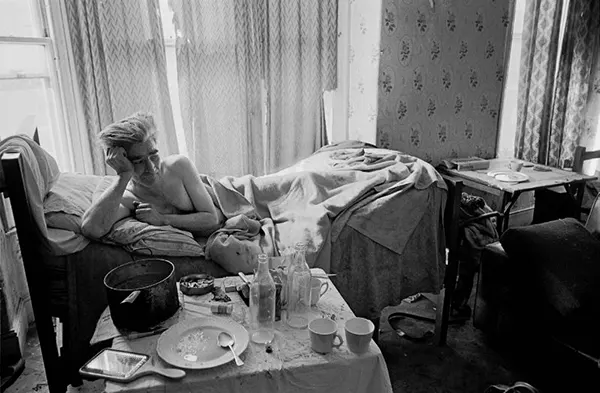
Single man living in one room of multi-let house, Moss Side, 1969.
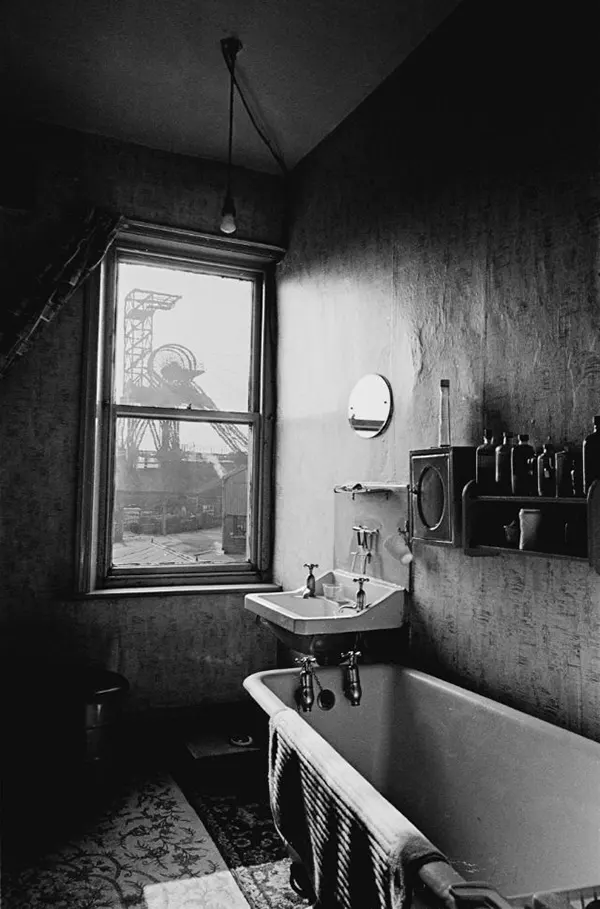
Colliery viewed through bathroom window, Burnley, 1969.
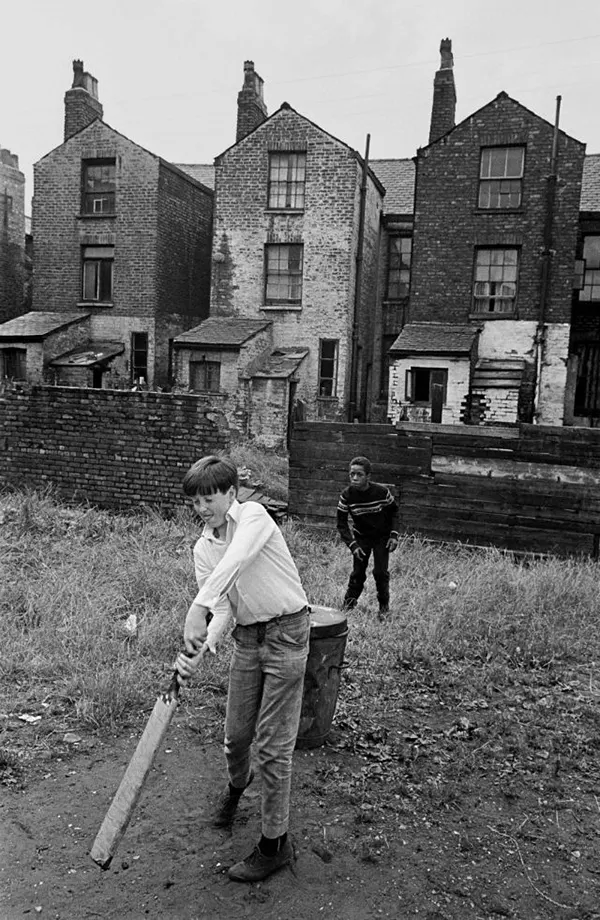
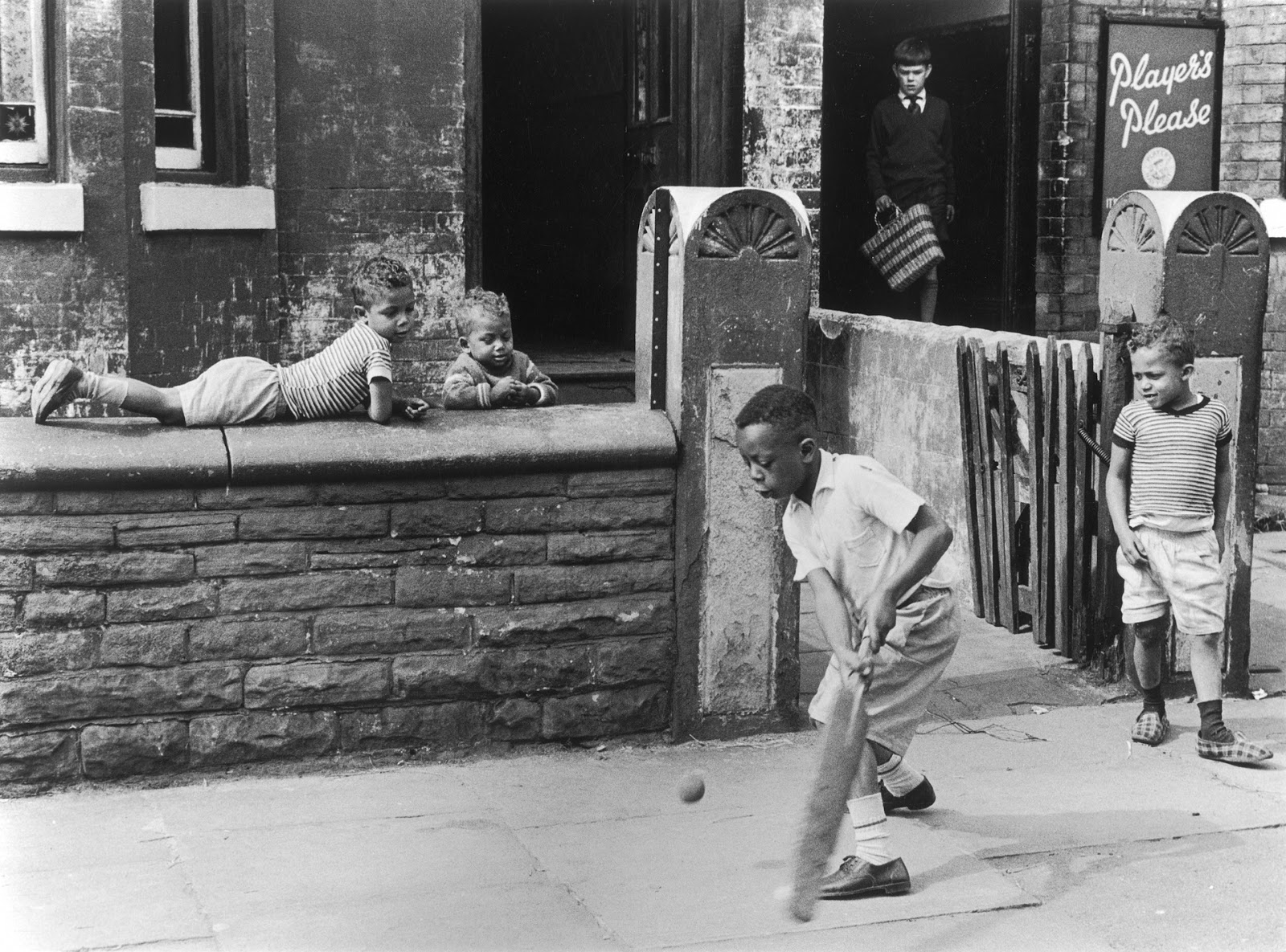
Game of cricket on wasteground, Moss Side, 1969.
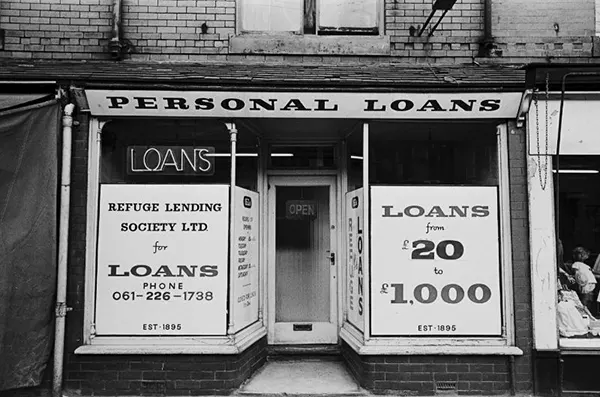
Personal Loans shop, 1970.
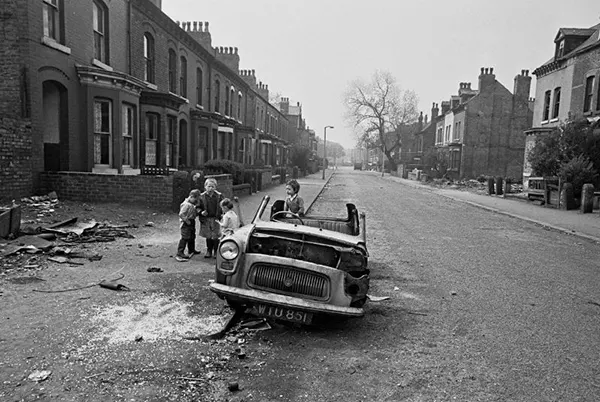
Street scene, 1970.
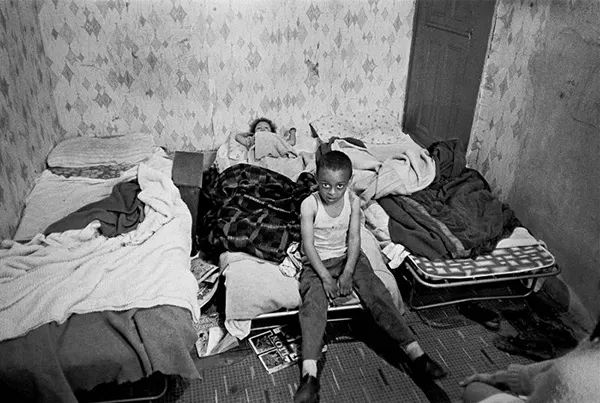
Children in their bedroom, 1971.
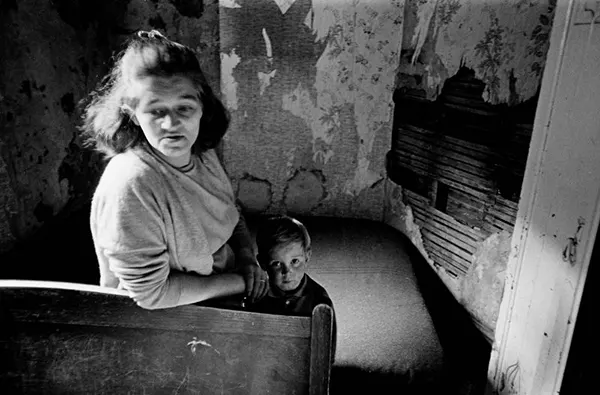
Mother and son in slum housing, 1971.
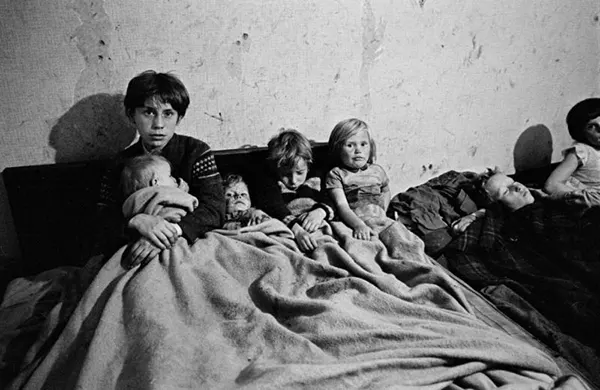
Children’s bedroom, 1971.
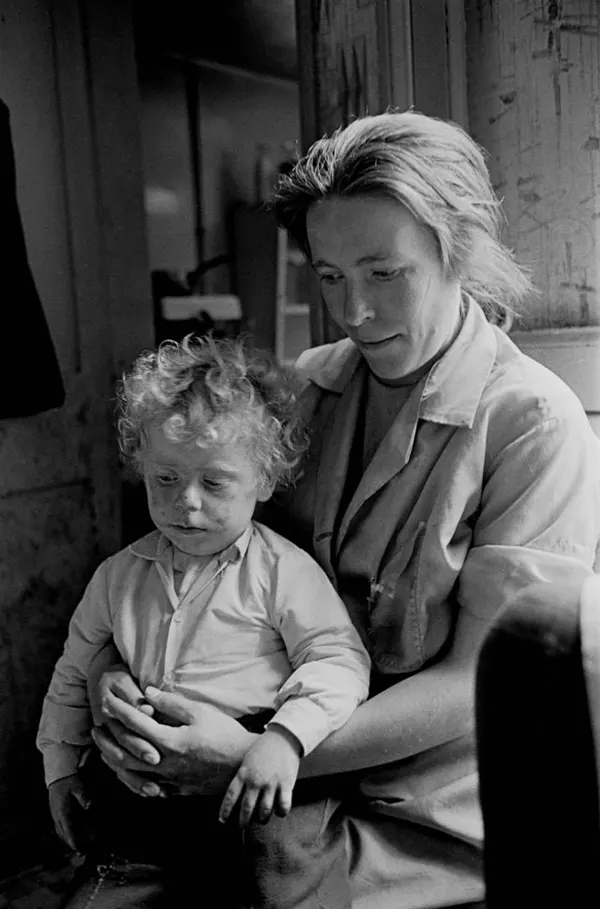
Mother and toddler in slum housing, 1971.
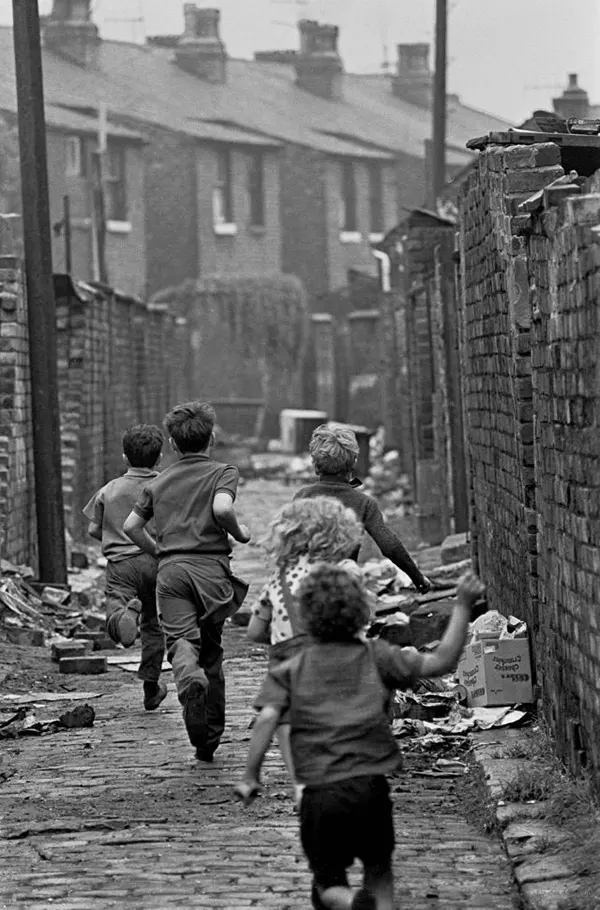
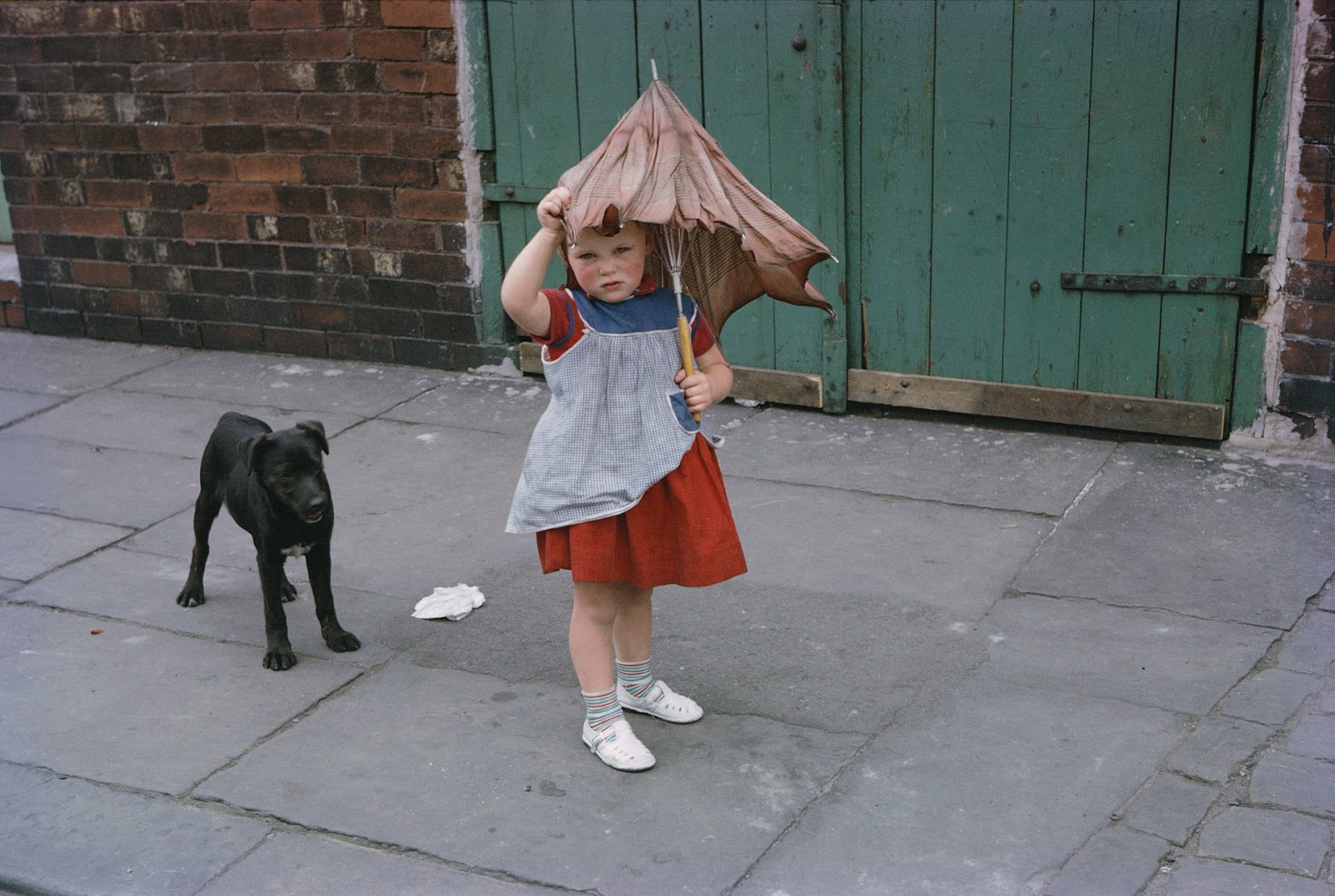
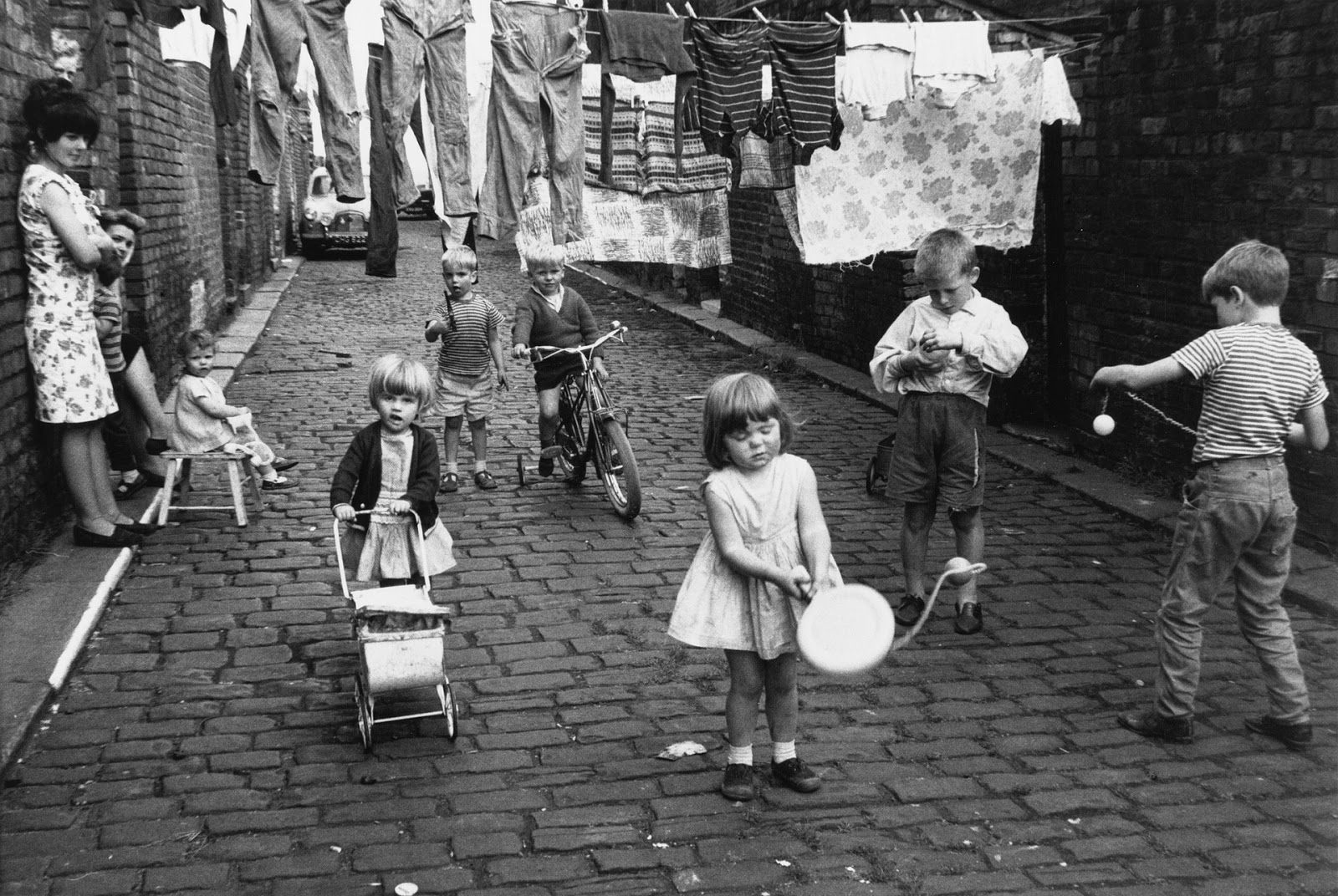
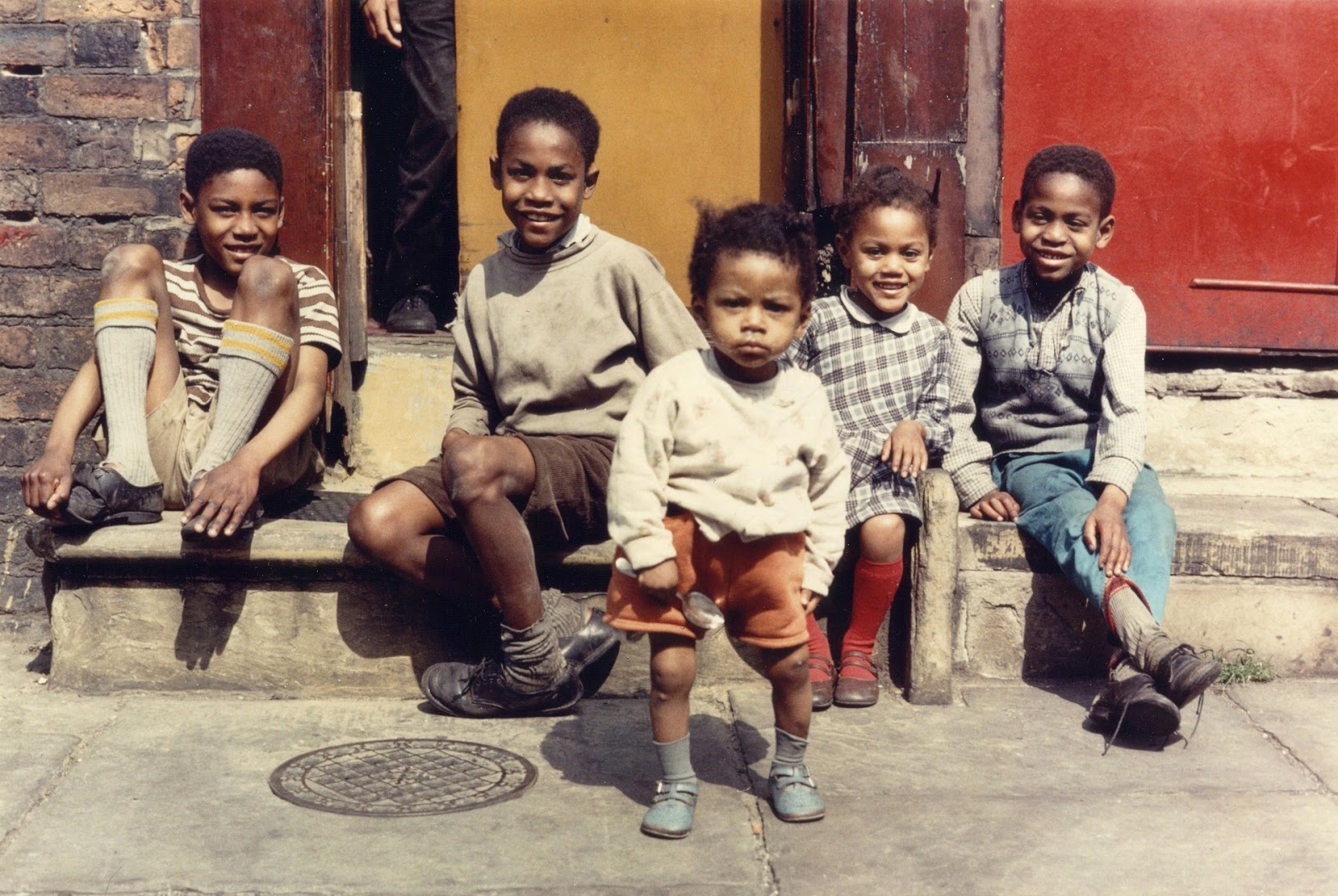
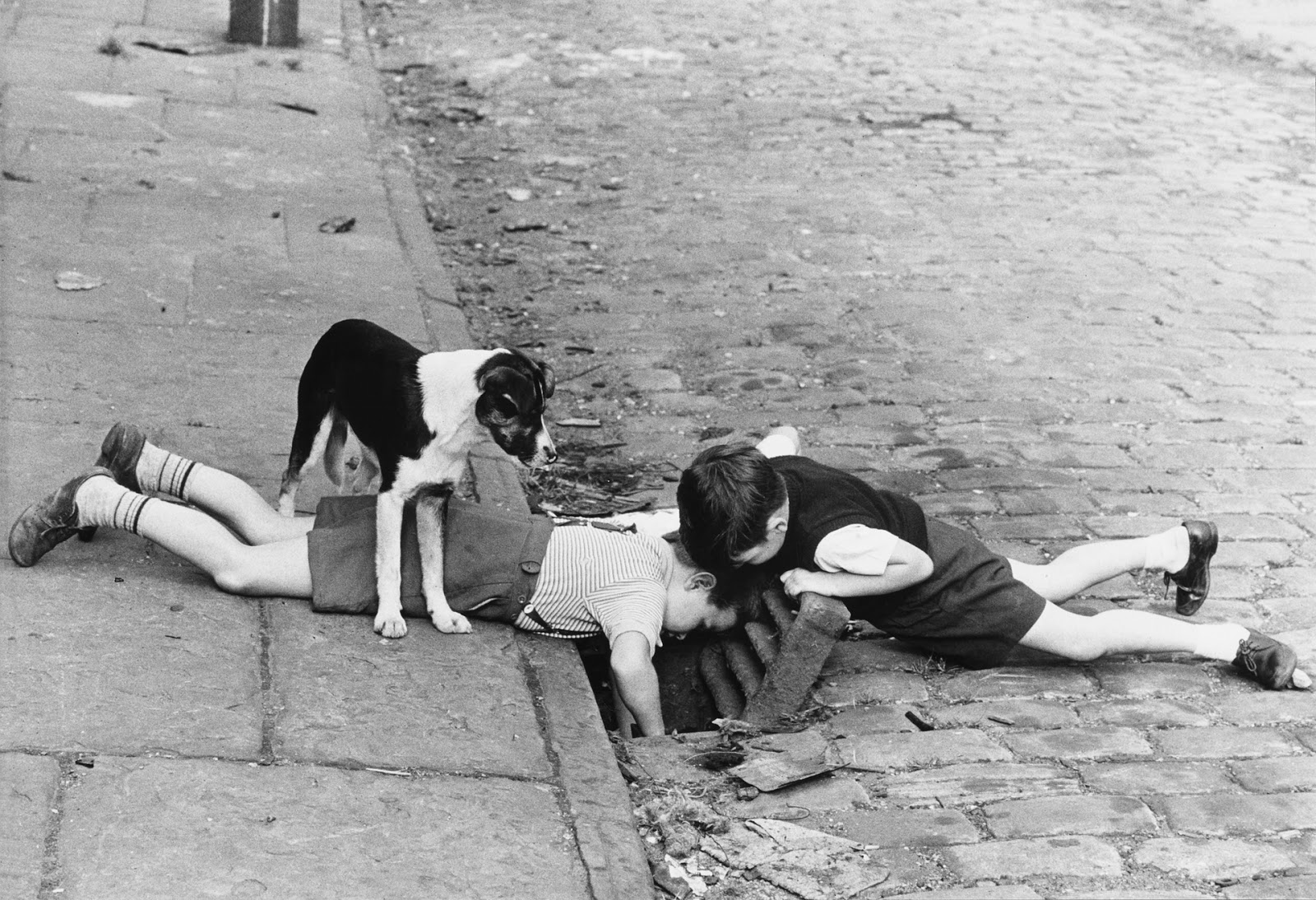
Children playing, 1971.
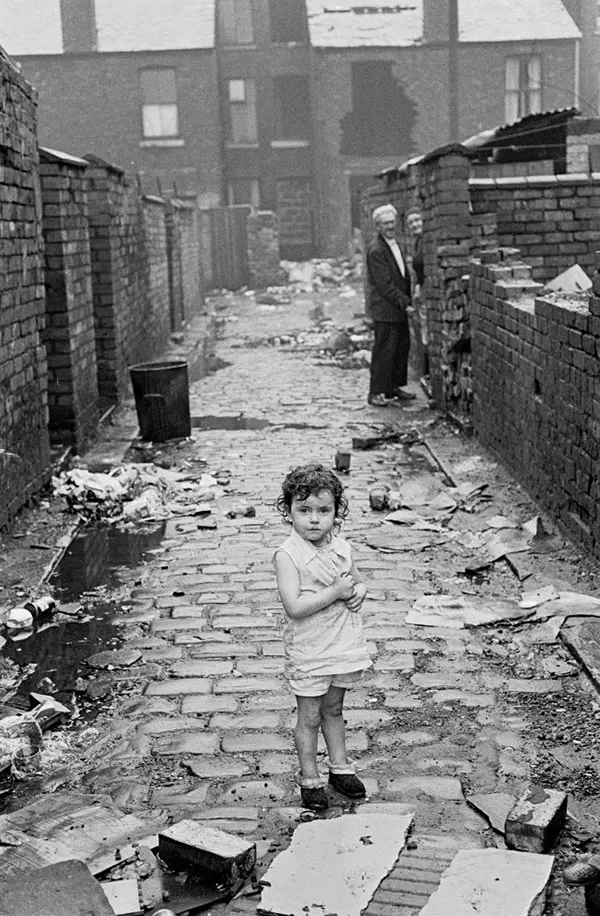
A child at the end of an alleyway, 1972.
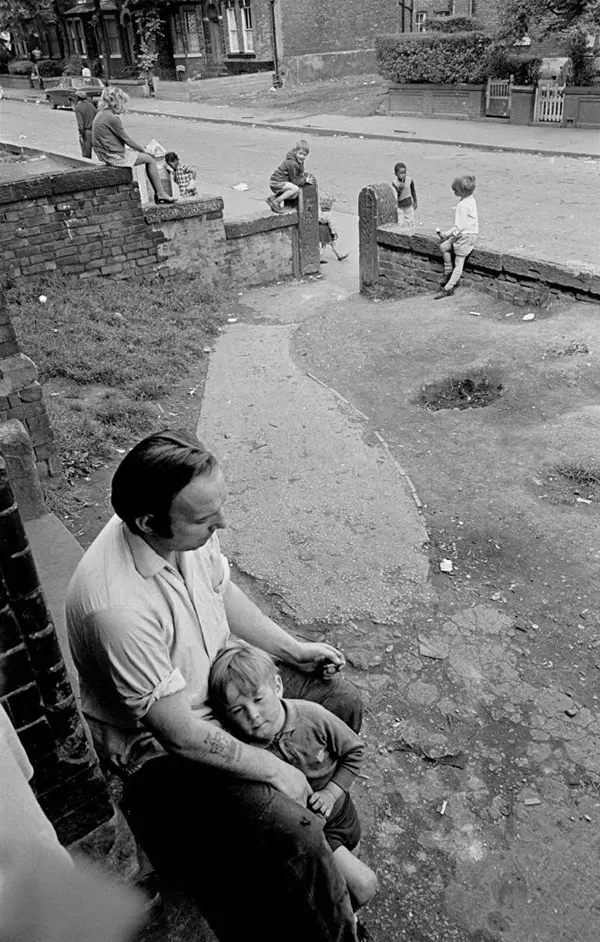
Father and son on the front porch of multi-let, 1972.
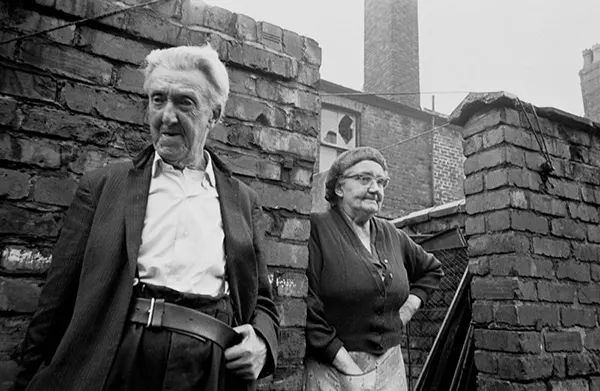
Elderly couple left in semi-derelict property, 1972.
The Last Days of the Slums: 20 Amazing Vintage Photographs Capture Life on the Streets in Manchester in the 1960s
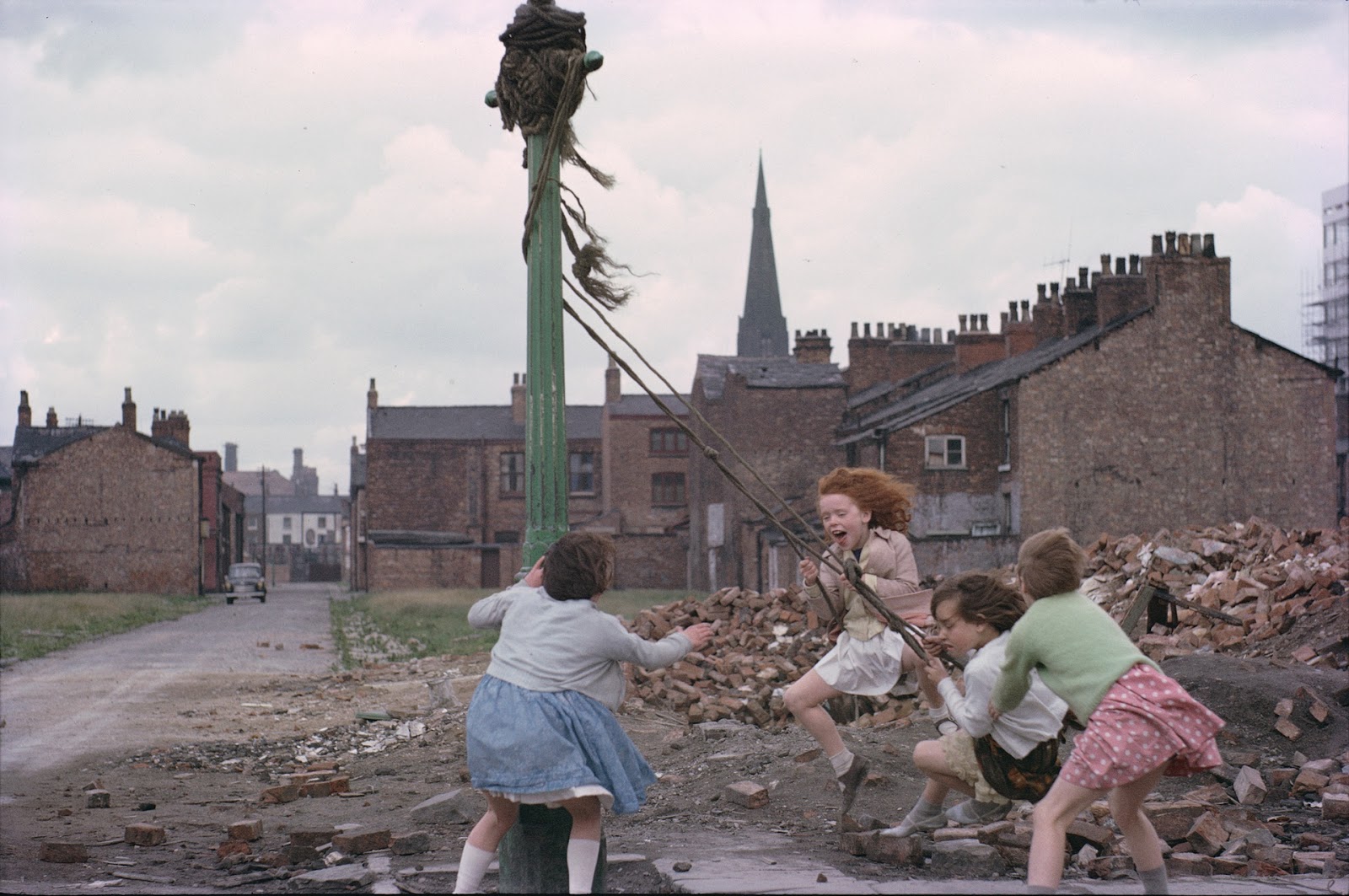
Shirley Baker/courtesy the Shirley Baker Estate, via The Guardian
Shirley Baker/courtesy the Shirley Baker Estate, via The Guardian
Shirley Baker/courtesy the Shirley Baker Estate, via The Guardian
Shirley Baker/courtesy the Shirley Baker Estate, via The Guardian
Shirley Baker/courtesy the Shirley Baker Estate, via The Guardian
Shirley Baker/courtesy the Shirley Baker Estate, via The Guardian
Shirley Baker/courtesy the Shirley Baker Estate, via The Guardian
Shirley Baker/courtesy the Shirley Baker Estate, via The Guardian
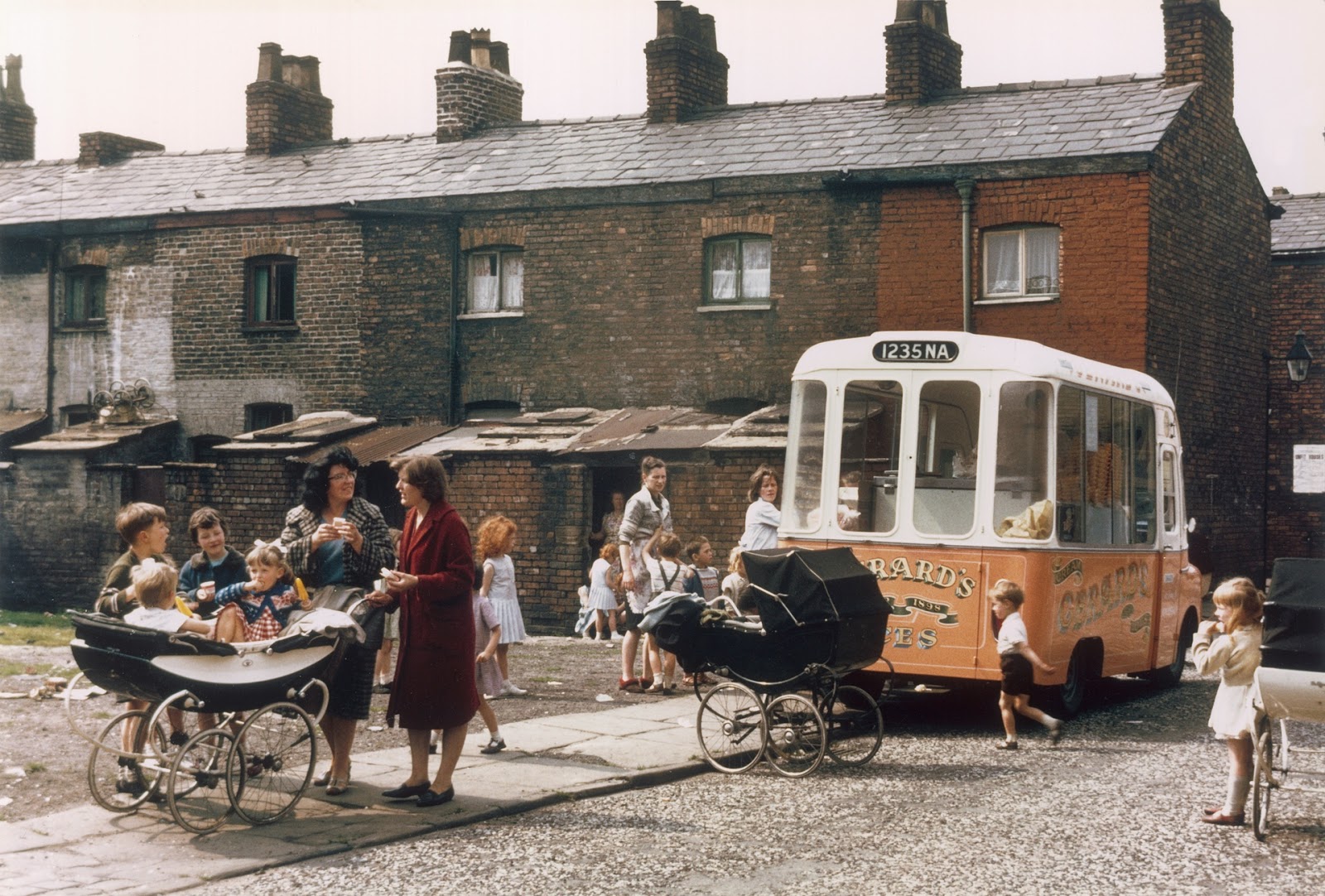
Shirley Baker/courtesy the Shirley Baker Estate, via The Guardian
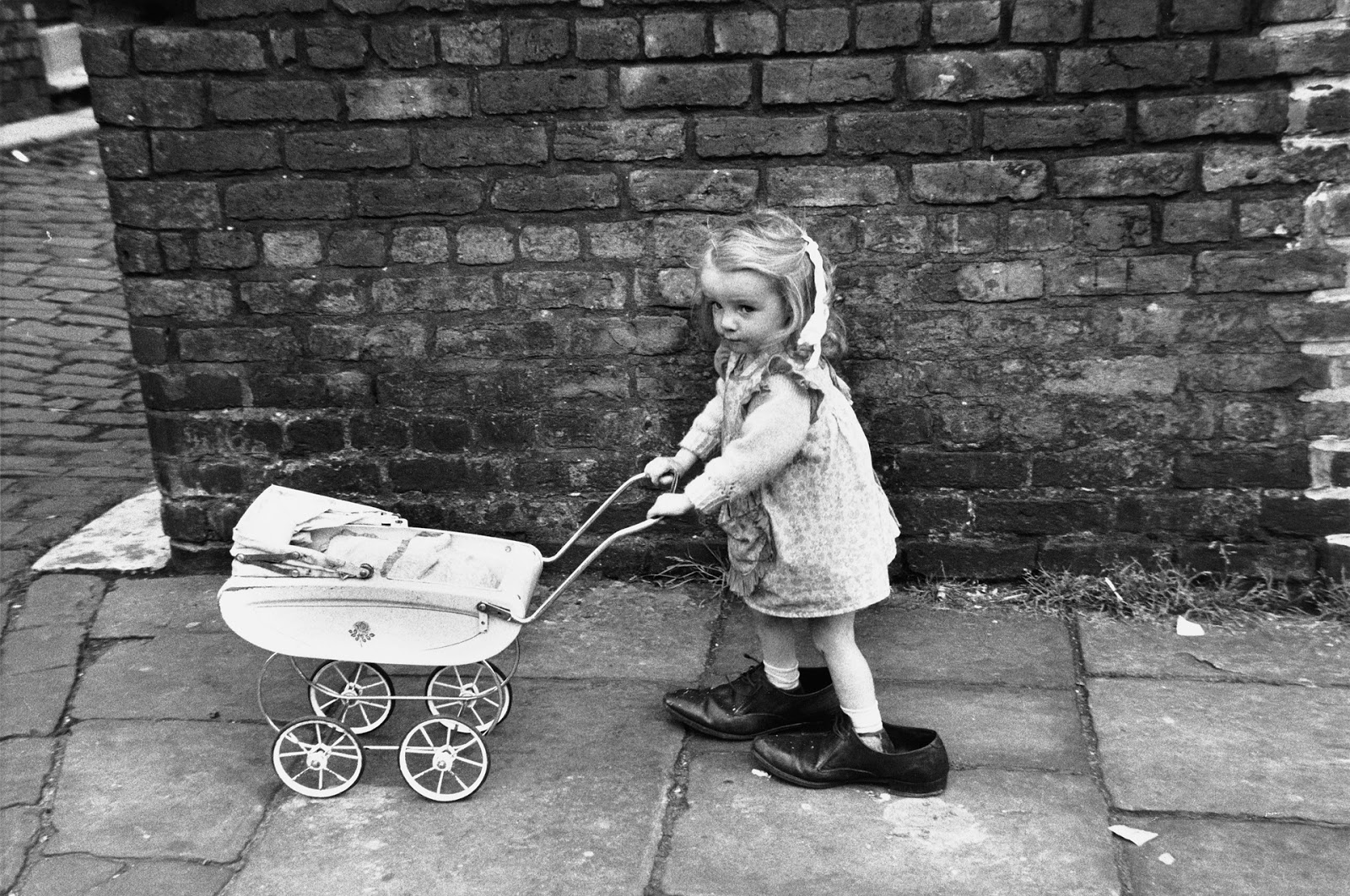
Shirley Baker/courtesy the Shirley Baker Estate, via The Guardian
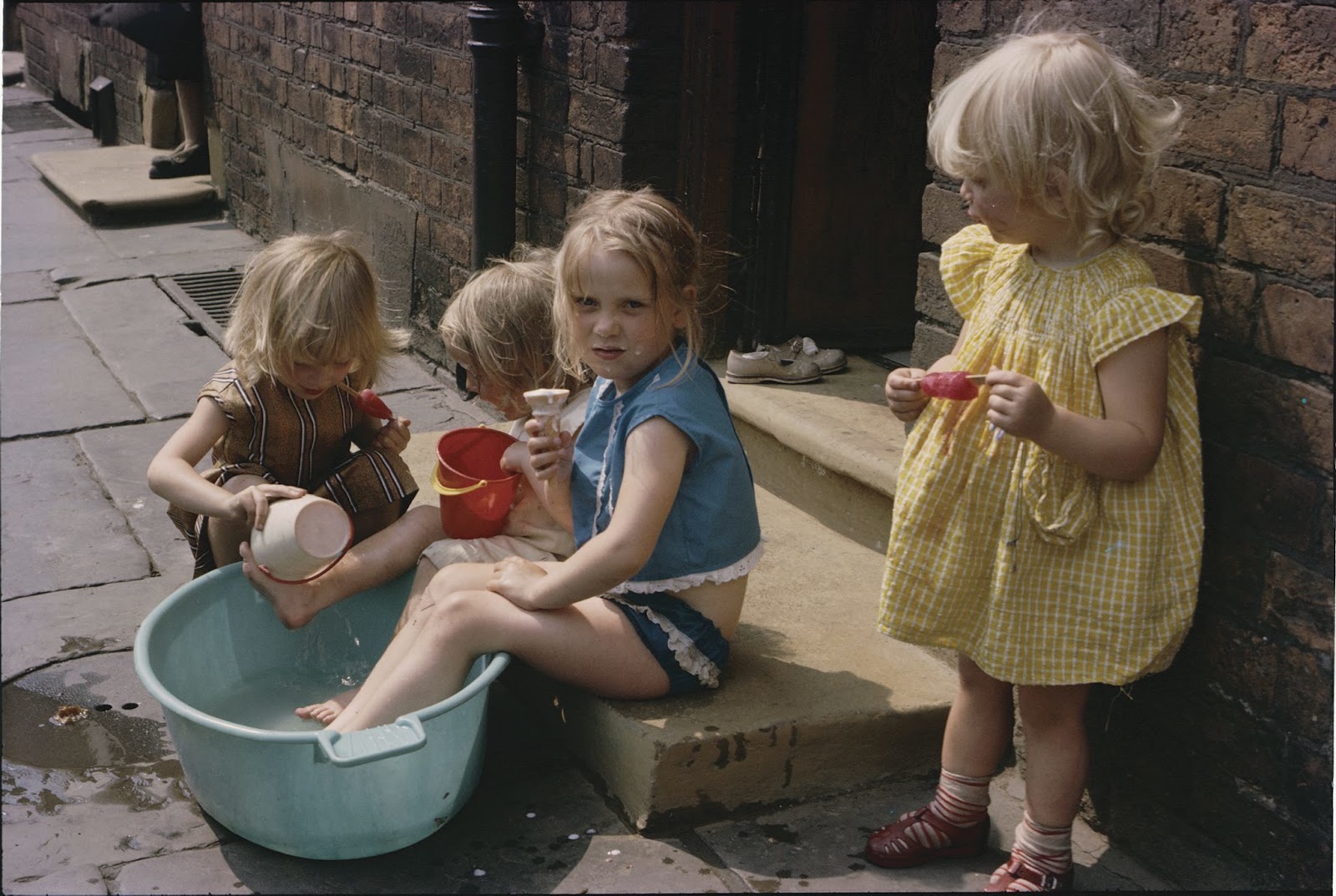
Shirley Baker/courtesy the Shirley Baker Estate, via The Guardian
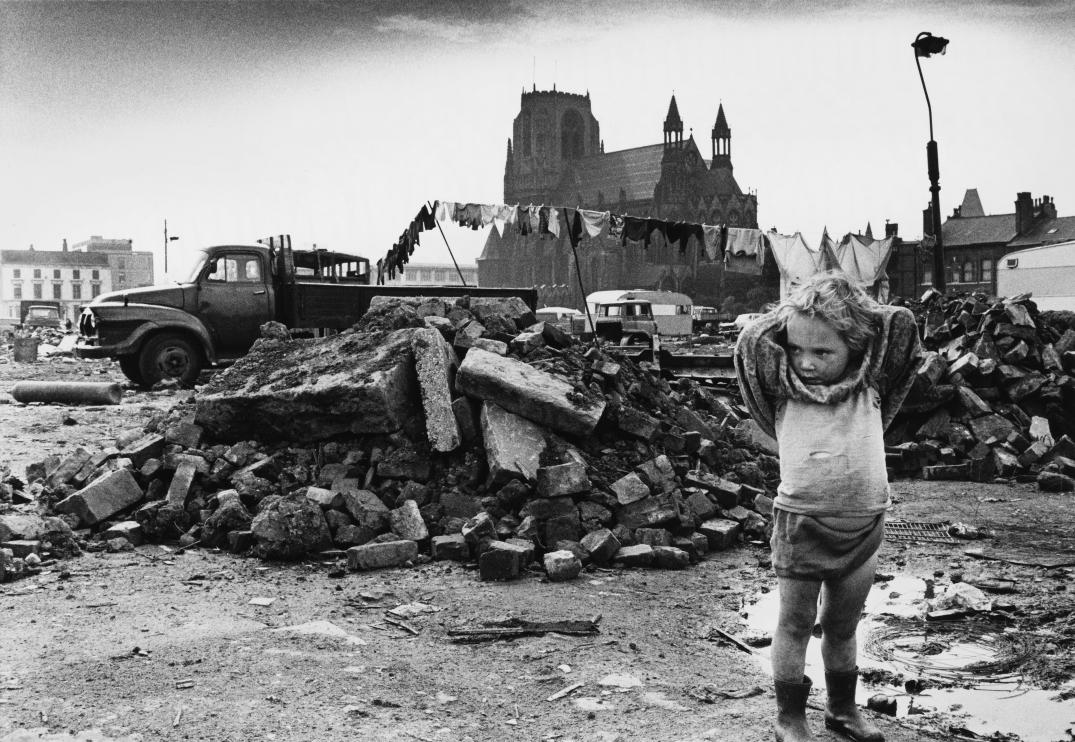
Shirley Baker/courtesy the Shirley Baker Estate, via The Guardian
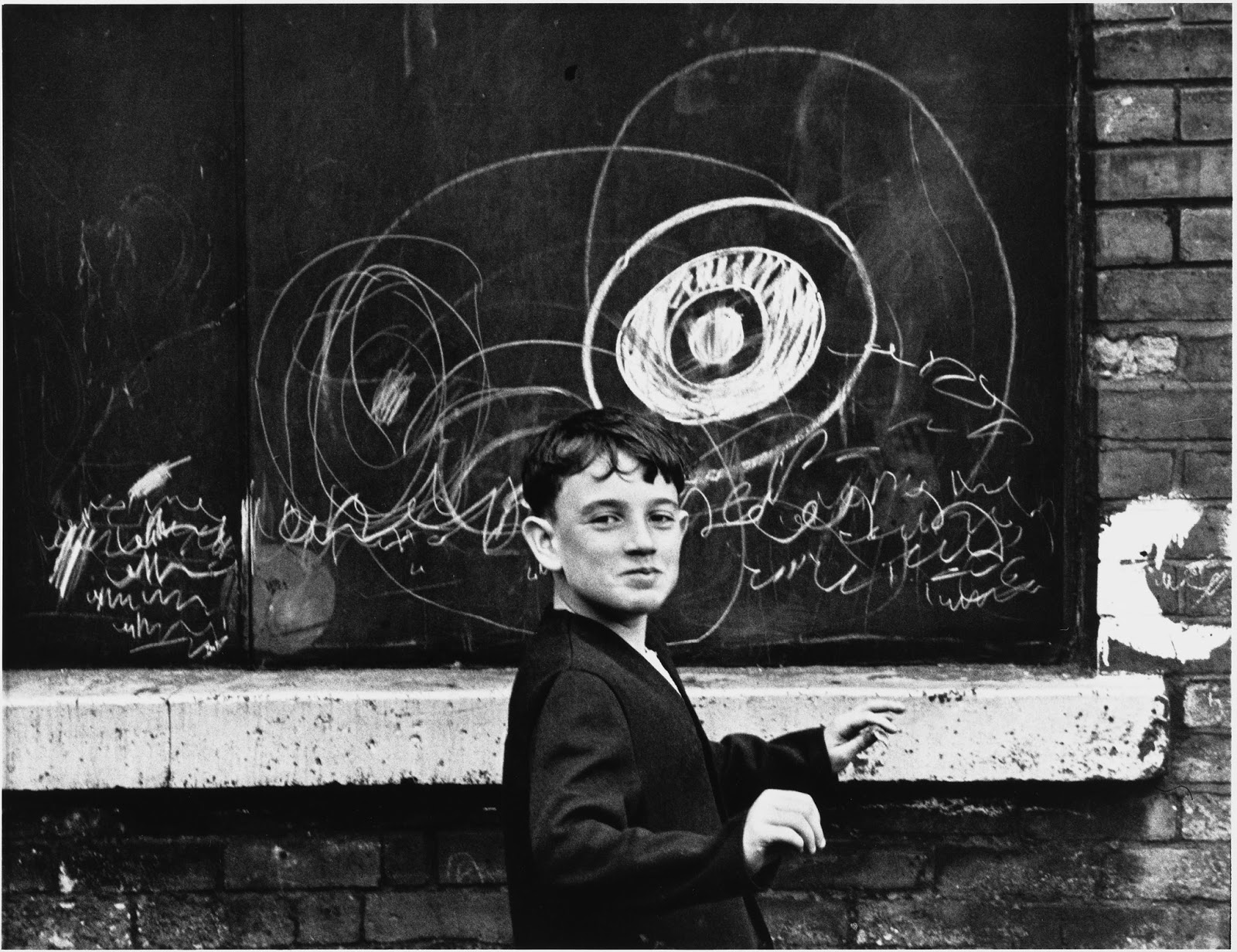
Shirley Baker/courtesy the Shirley Baker Estate, via The Guardian
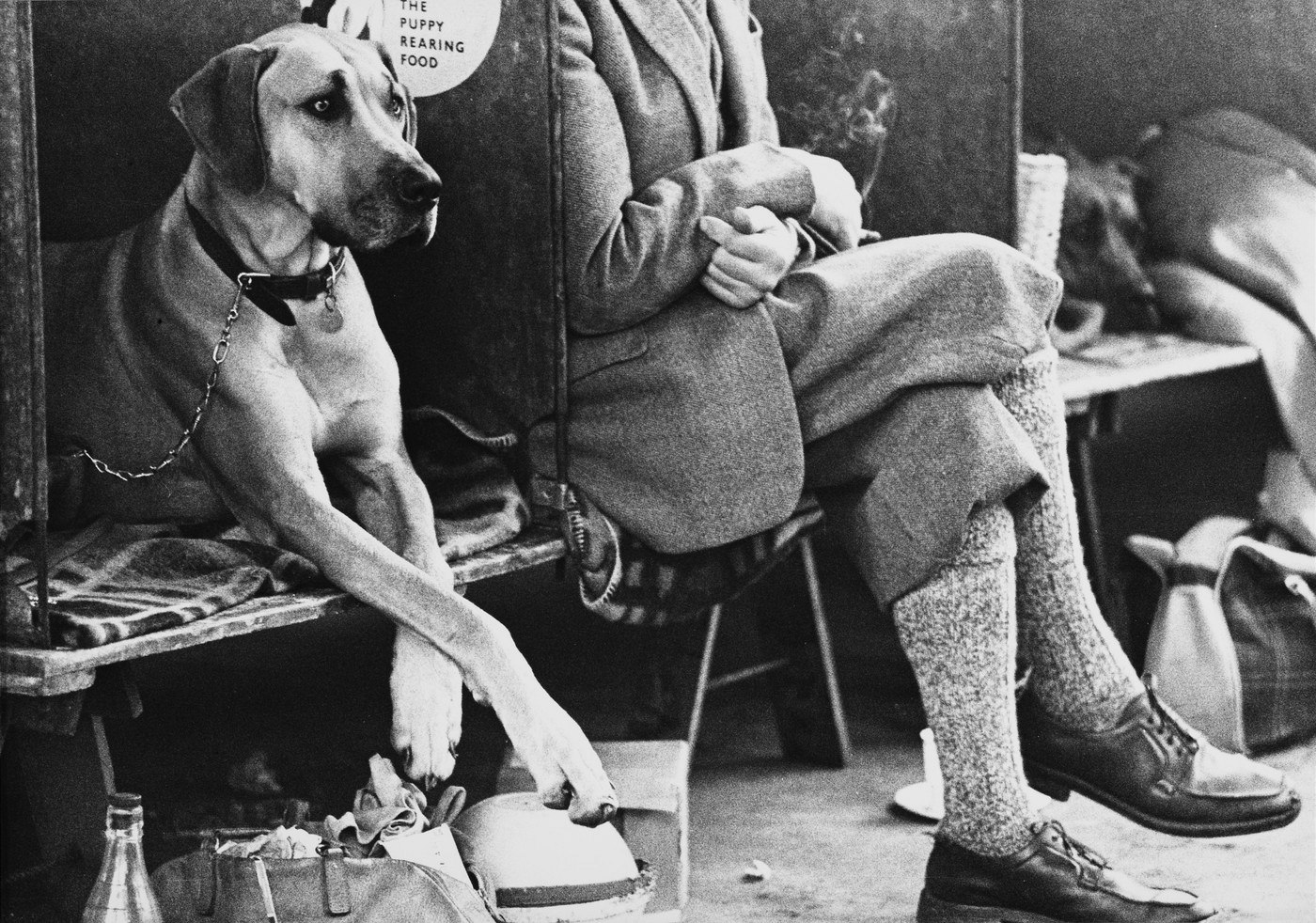
Shirley Baker/courtesy the Shirley Baker Estate, via The Guardian
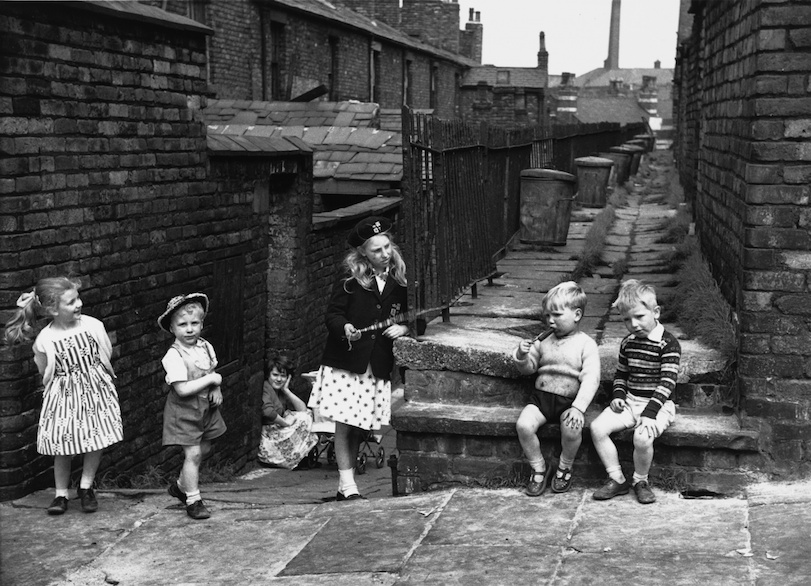
Shirley Baker/courtesy the Shirley Baker Estate, via The Guardian

Shirley Baker/courtesy the Shirley Baker Estate, via The Guardian
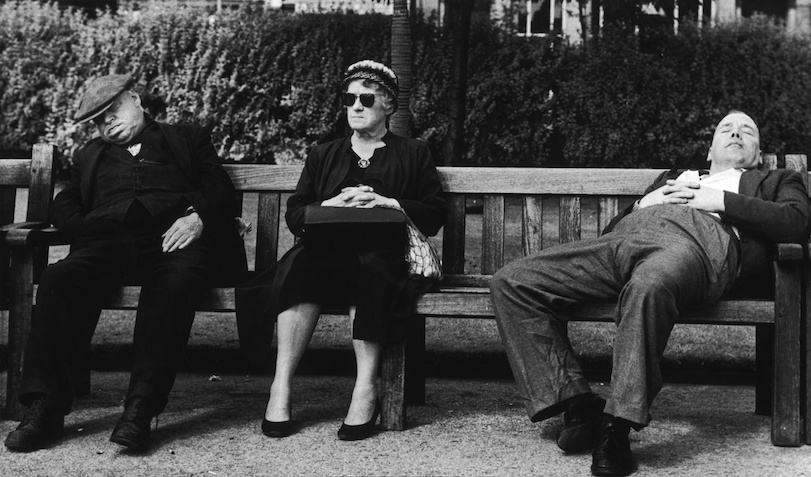
Shirley Baker/courtesy the Shirley Baker Estate, via The Guardian
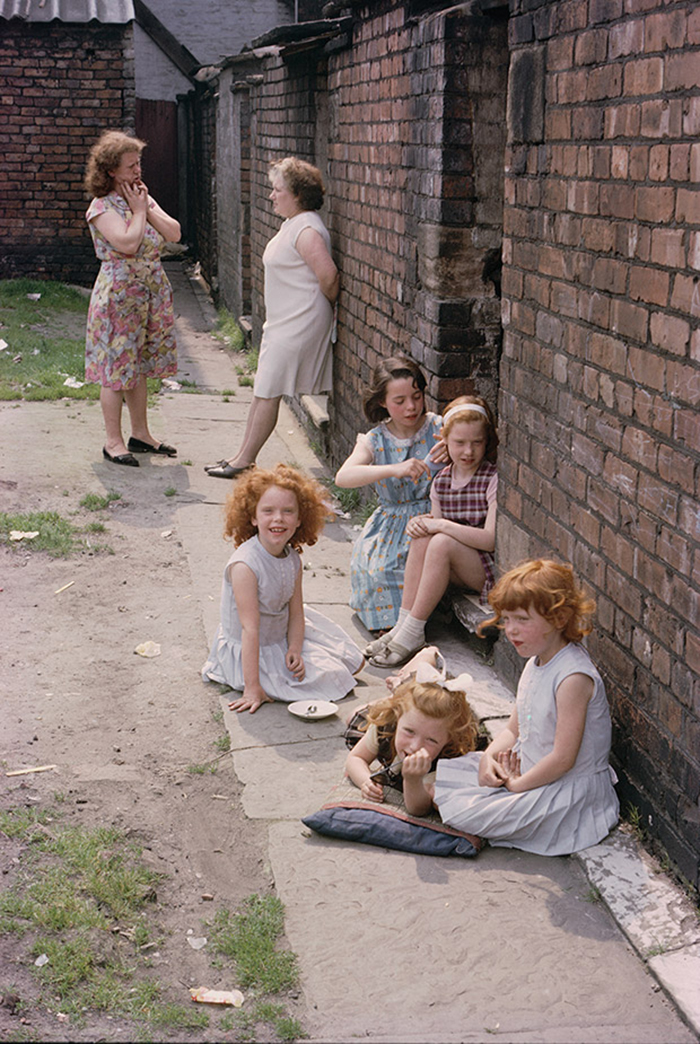
Shirley Baker/courtesy the Shirley Baker Estate, via The Guardian
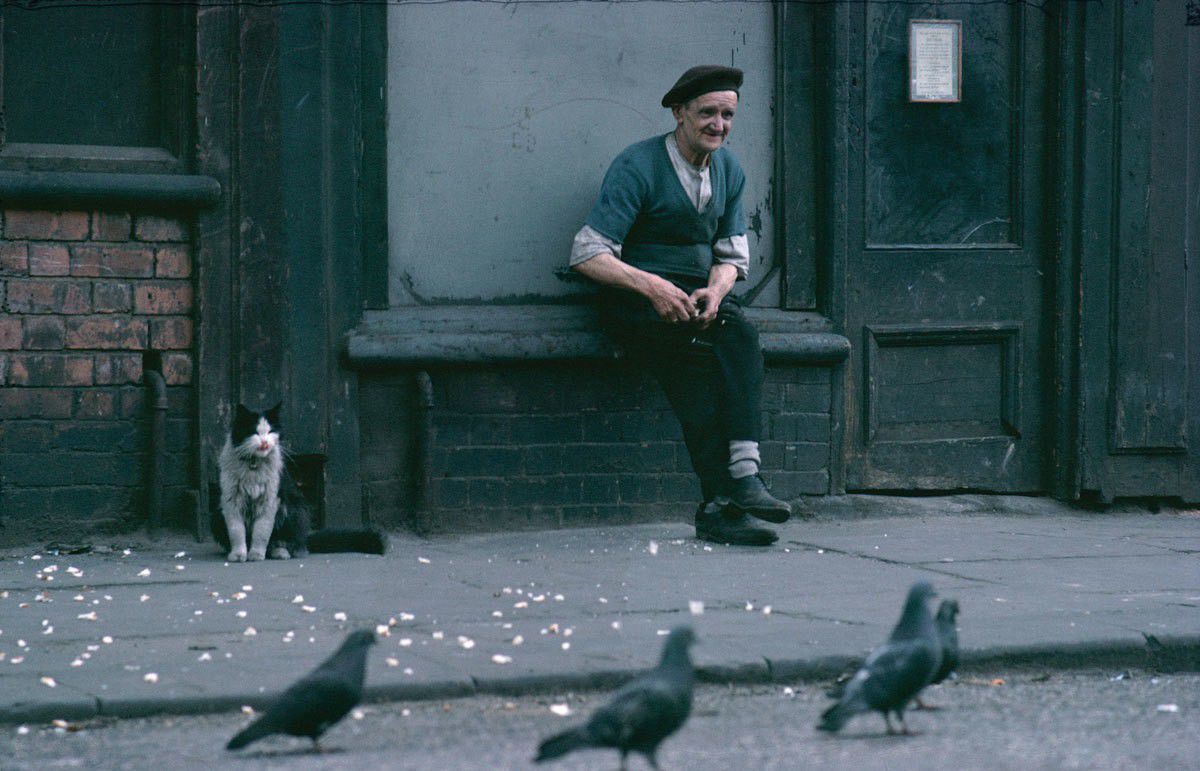
Shirley Baker/courtesy the Shirley Baker Estate, via The Guardian
(Photo credit: Nick Hedge / Shirley Baker, Courtesy the Shirley Baker Estate, via The Guardian).