
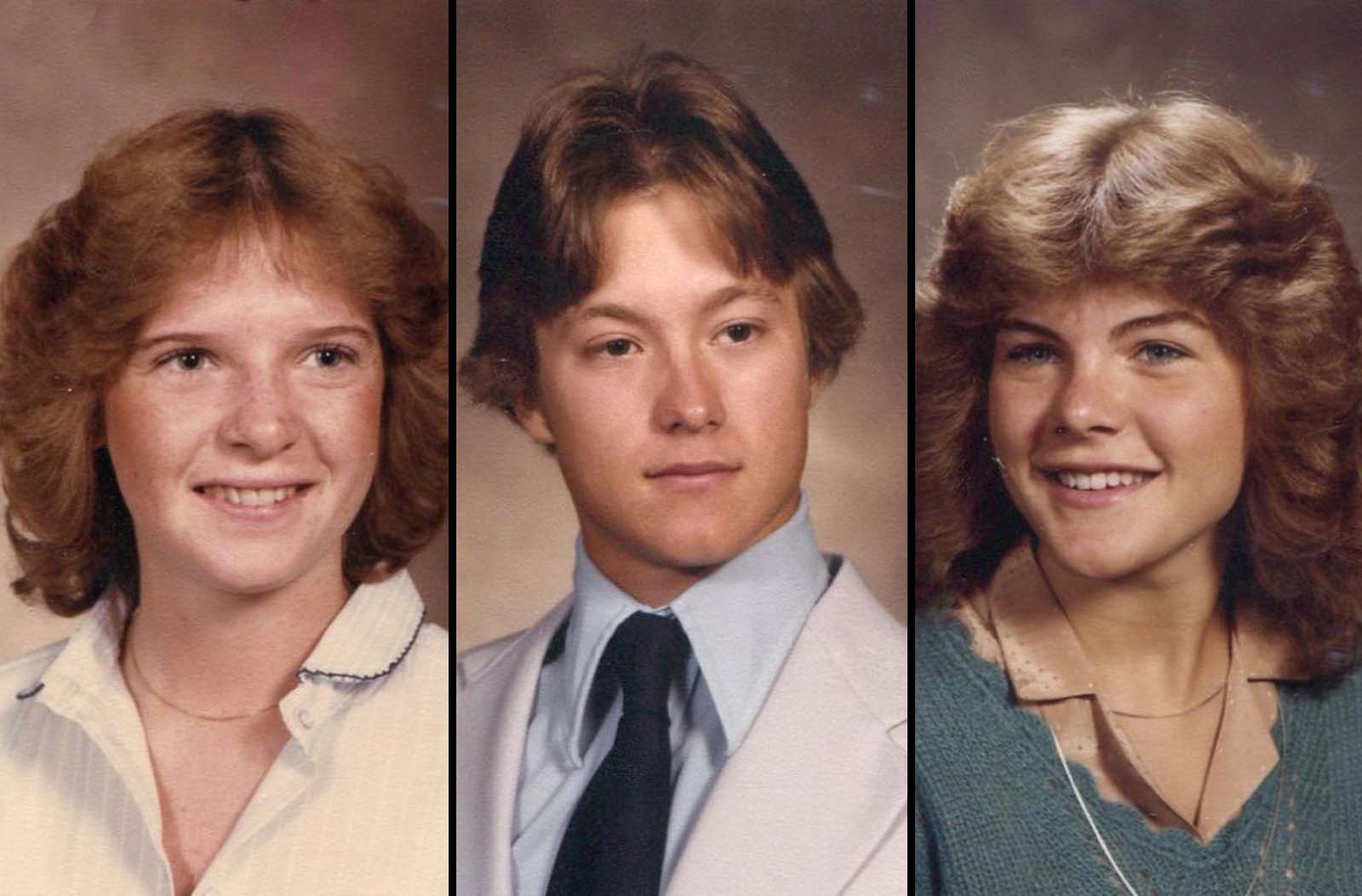
A set of senior portraits can reveal more about an era than most fashion magazines ever could, capturing everyday style with an honesty that trends often miss.
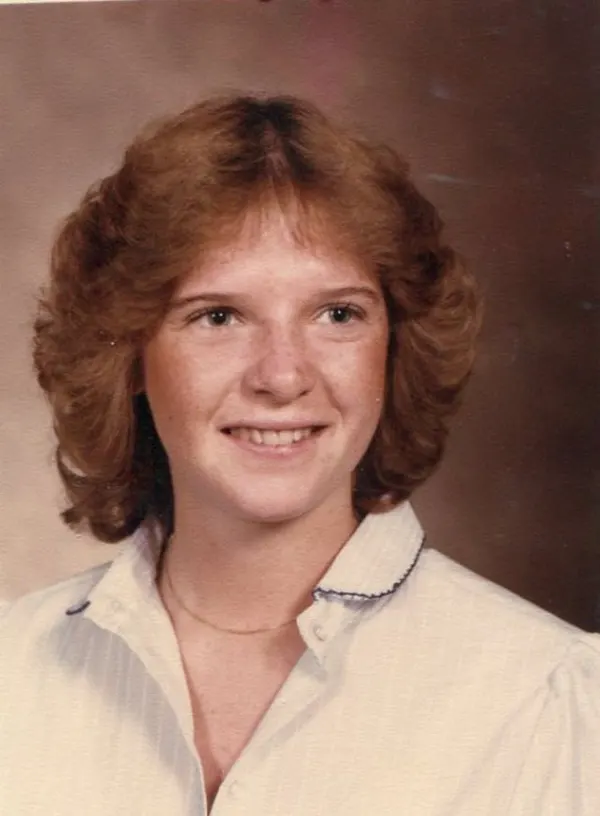
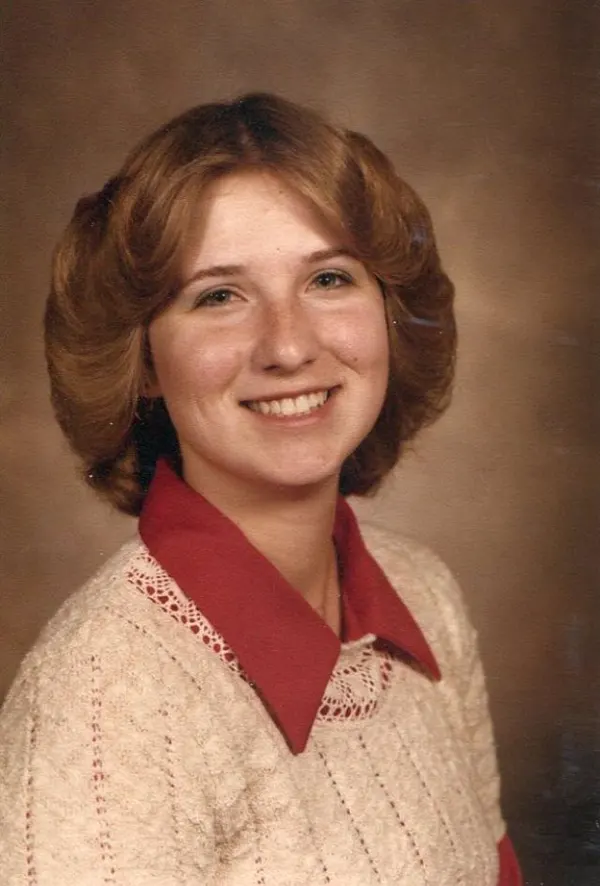
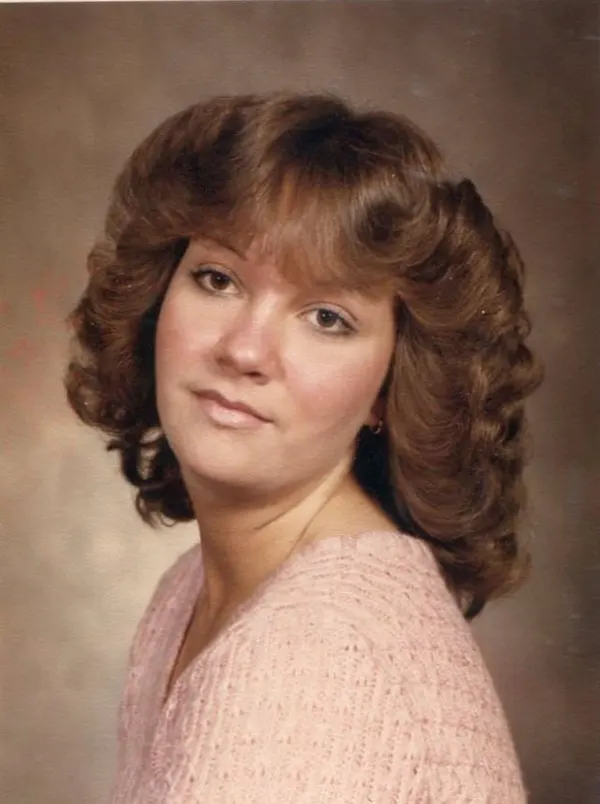
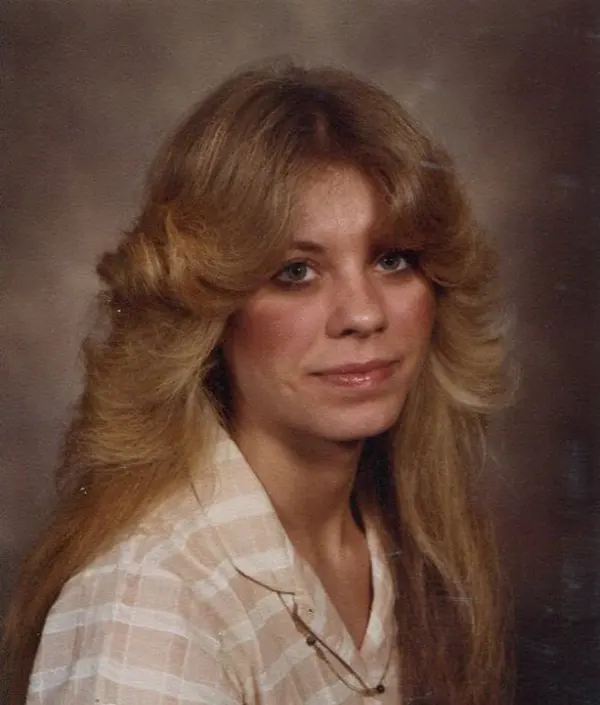
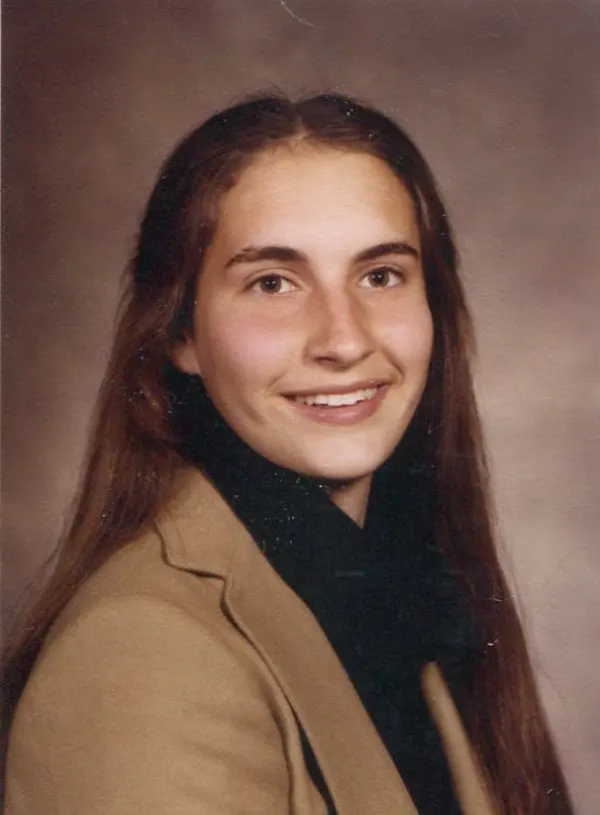
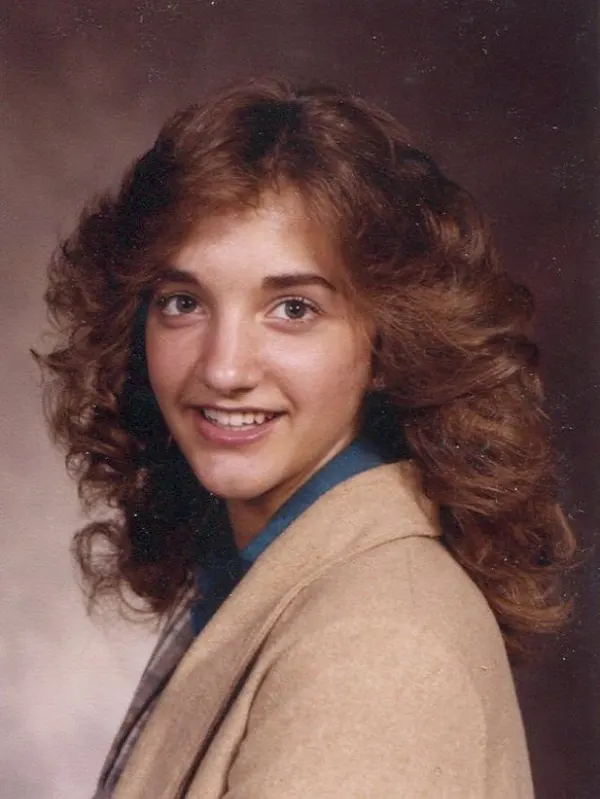
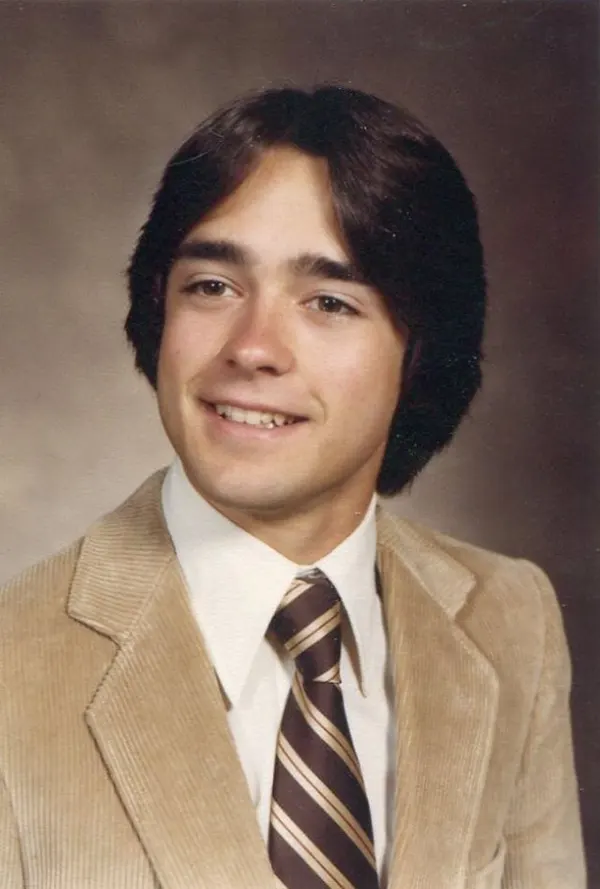
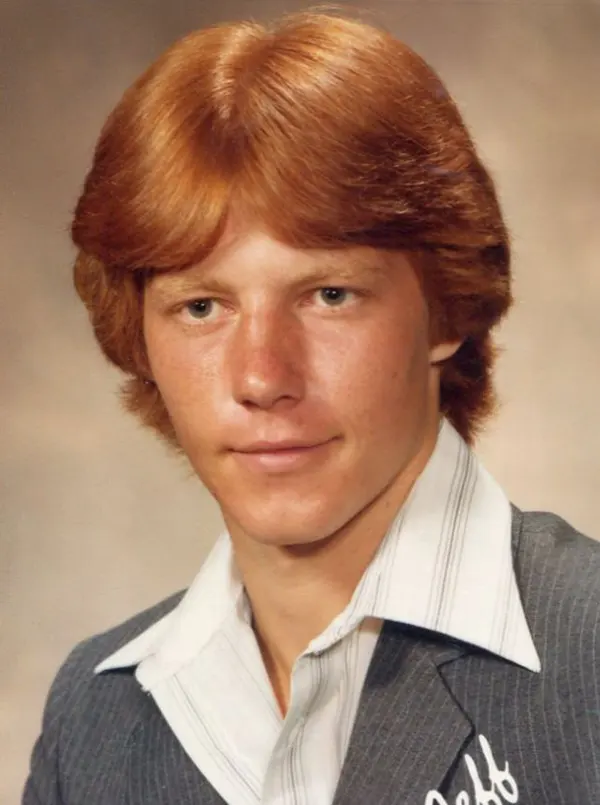
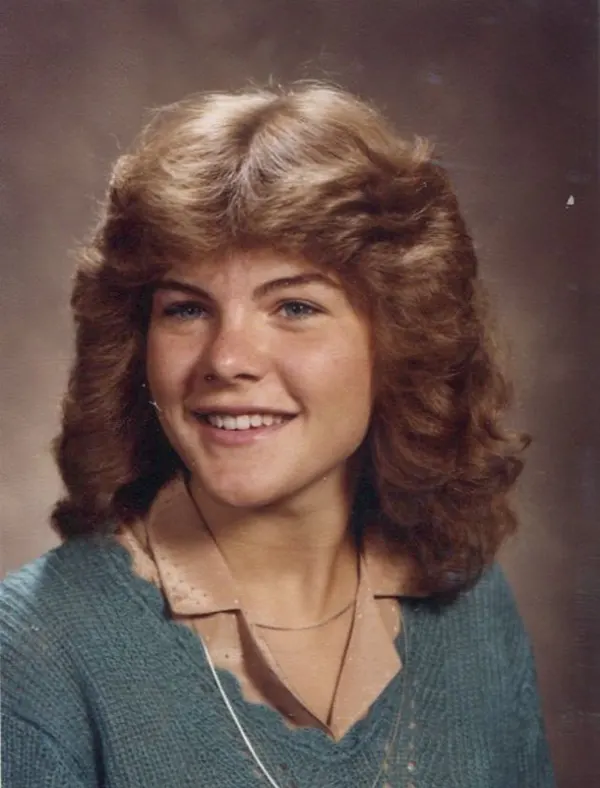
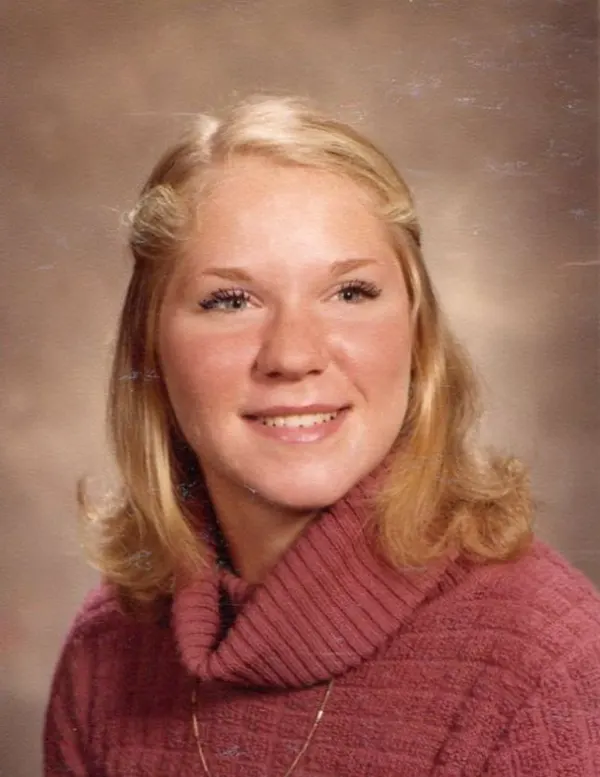
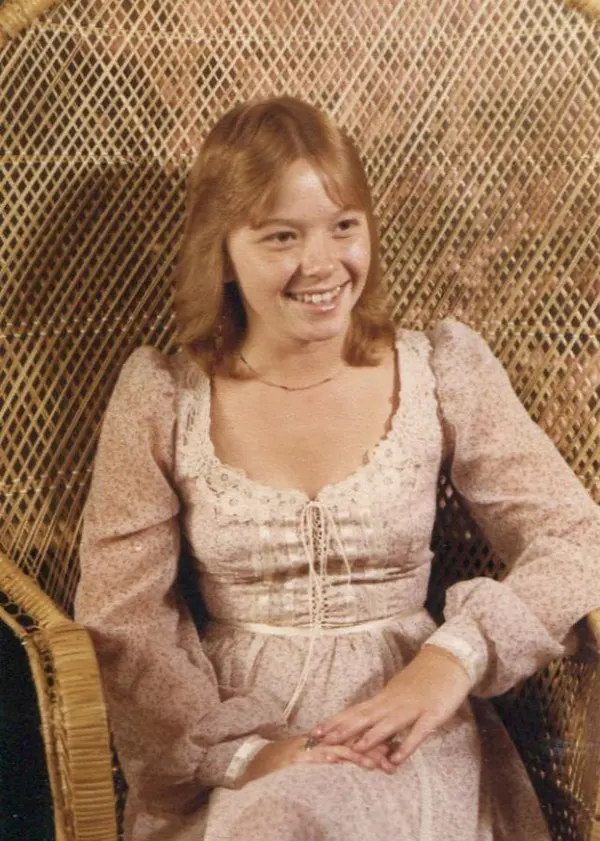
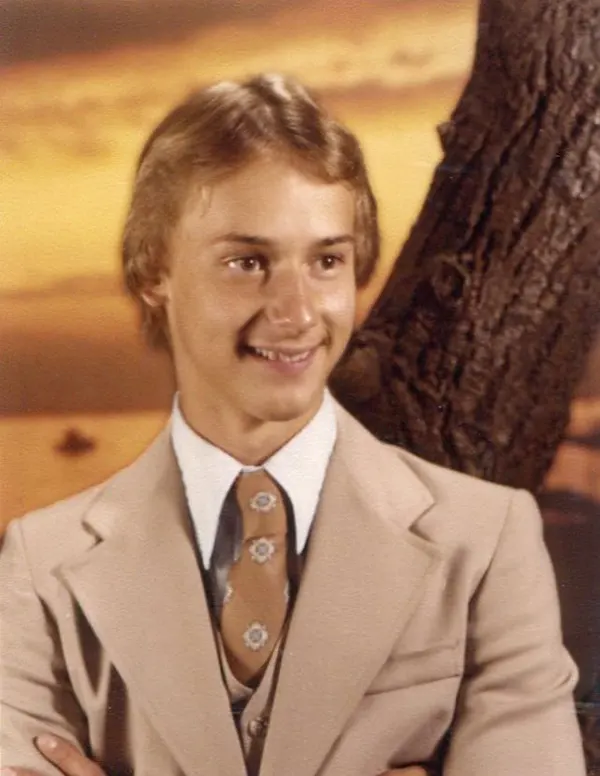
The photographs from Brookville High School’s Class of 1982 in Campbell County offer a clear example, showing teenagers framed by simple studio lighting and plain backdrops.
The poses may feel stiff and the settings minimal, but the hairstyles stand out immediately, reflecting a generation that approached personal style with intention and confidence.
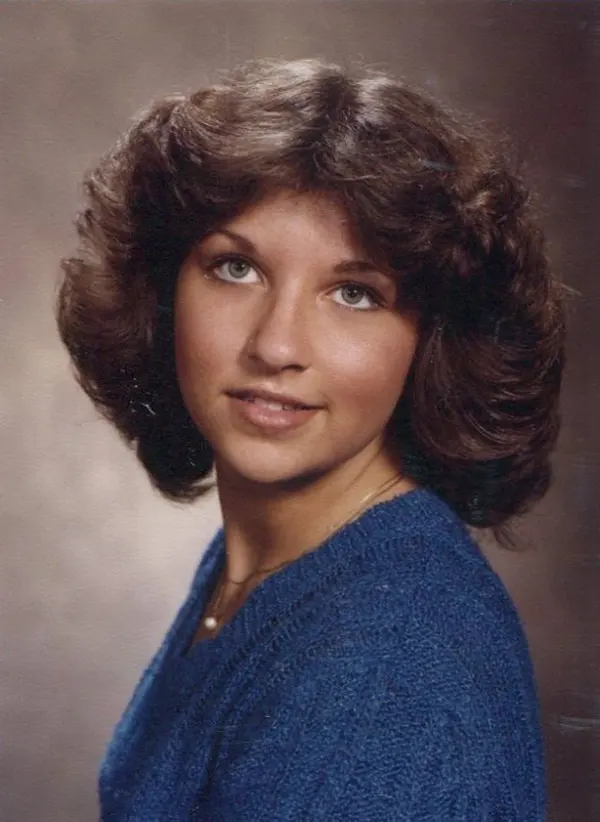 Hairstyles in the early 1980s leaned heavily into volume and shape. For many boys, cuts like the mullet, flattop, and early hi-top fade became defining choices.
The mullet offered a contrast that felt modern at the time, with shorter hair in the front and length left in the back. Flattops, cut with precision and often styled to stand upright, gave a clean yet striking appearance.
In a city like New York, where hip-hop culture was beginning to influence everyday fashion, these styles carried a sense of identity that extended beyond school walls.
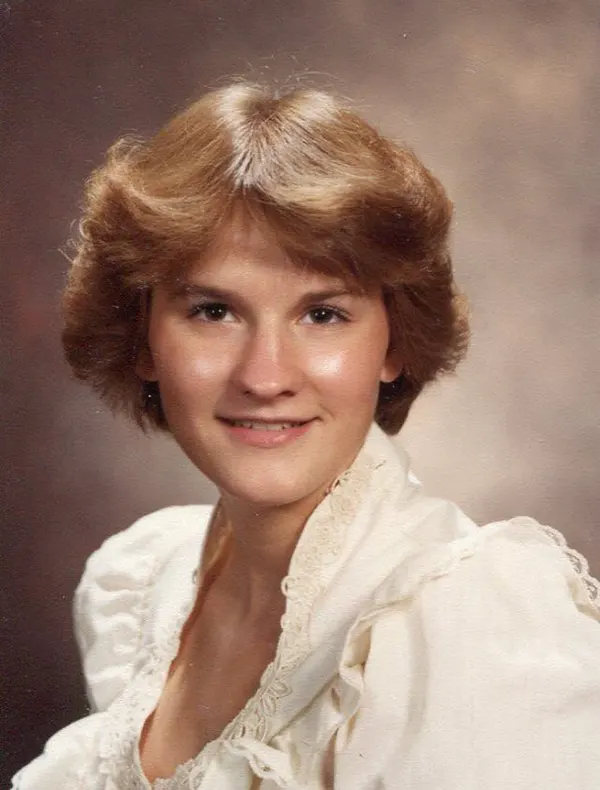 Some teenagers pushed the boundaries further. Subtle variations of the mohawk appeared here and there, though most students balanced personal expression with the expectations of formal school portraits.
Even the more conservative cuts often included a touch of volume or texture, achieved with blow drying and styling products that were becoming more common in households. These details, though small, made each portrait feel distinct.
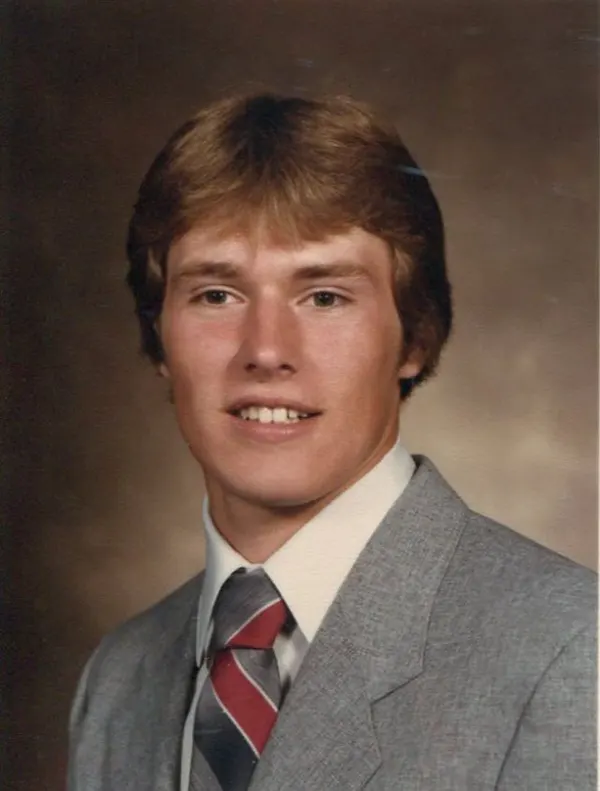 For girls, hair was often the centerpiece of the entire look. Full, layered styles dominated, with volume built through perms, teasing, and careful styling.
Bangs were shaped and set into place, sometimes rising slightly above the forehead, while the rest of the hair framed the face in soft waves or structured layers.
The goal was not just neatness but presence, creating a look that felt polished and expressive at the same time.
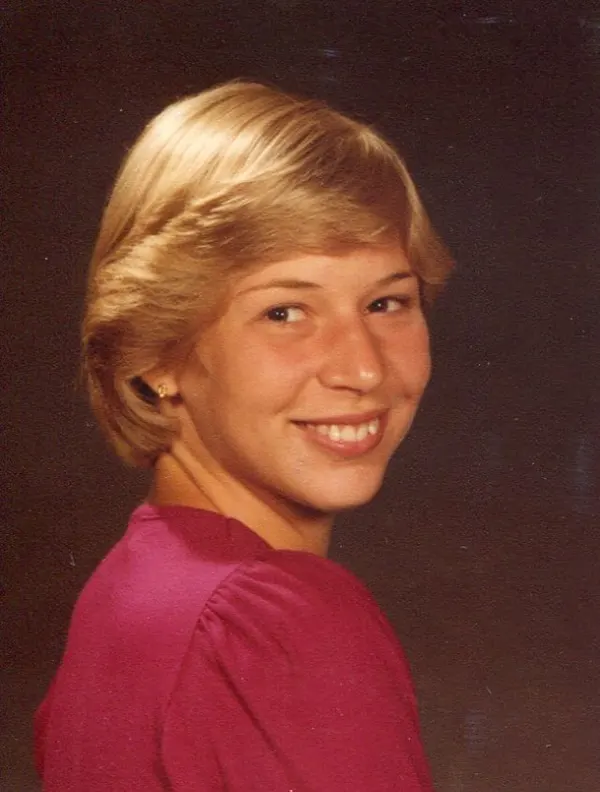 Pop culture played a clear role in shaping these choices. Television shows like Dynasty presented an image of glamour that filtered down into everyday style, influencing how young women approached their hair.
At the same time, music scenes, especially glam metal, encouraged bigger, more dramatic looks for both men and women.
Teenagers did not simply copy these influences. They adapted them, blending trends with their own preferences and the realities of school life.
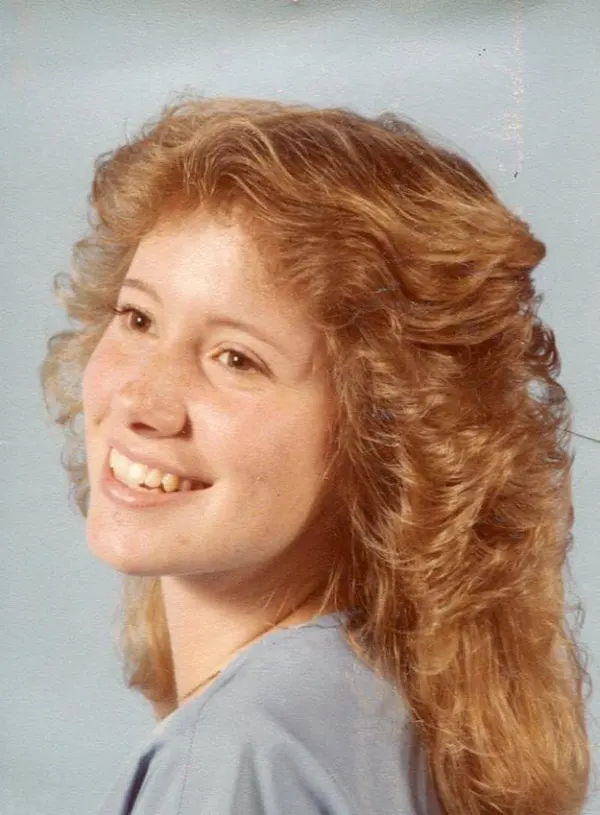 Life in American high schools during the early 1980s followed a familiar rhythm, shaped by structured routines and a growing youth culture.
Students moved between classes, lockers, and after-school activities, with sports teams, music, and social circles playing a central role in daily life.
It was a time before digital communication, so much of teenage identity was formed face-to-face, in hallways, cafeterias, and weekend gatherings.
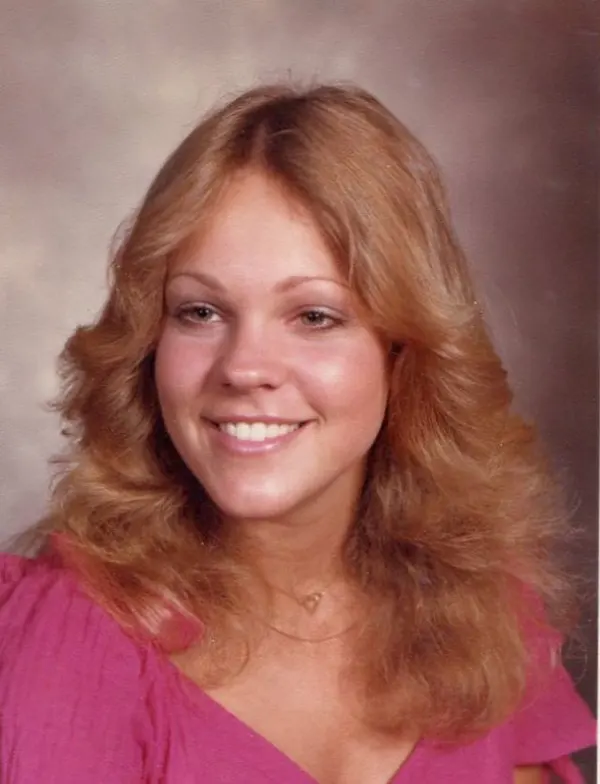 Senior portraits held particular importance as a milestone marking the transition out of high school.
Unlike today’s quick digital photos, these images were usually taken in professional studios or by photographers who set up temporary studio spaces at school.
Students often dressed carefully for the occasion, choosing outfits and hairstyles that reflected how they wanted to be remembered.
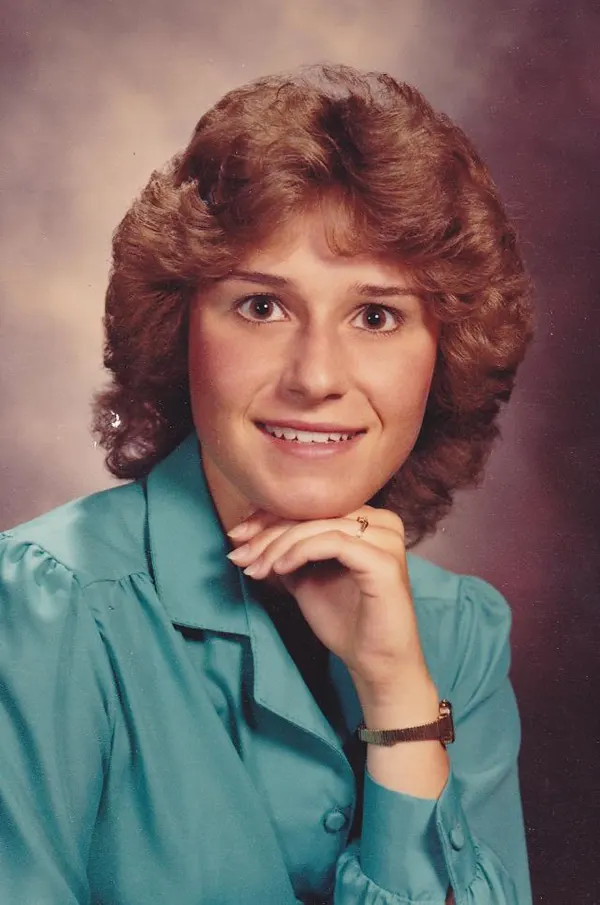 The process involved posed shots under bright lights, with photographers guiding posture and expression to achieve a polished result.
These portraits were later printed in yearbooks and sometimes purchased as individual packages for family members, making them both a personal keepsake and a public snapshot of identity.
For many seniors, this was one of the few formal photographs they would take at that stage of life, which is why the effort put into appearance, especially hairstyles, was so noticeable.
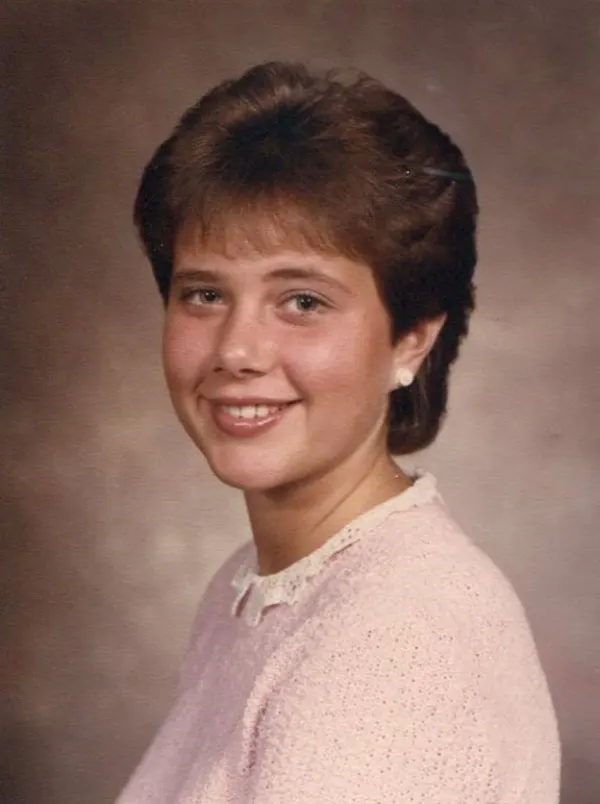
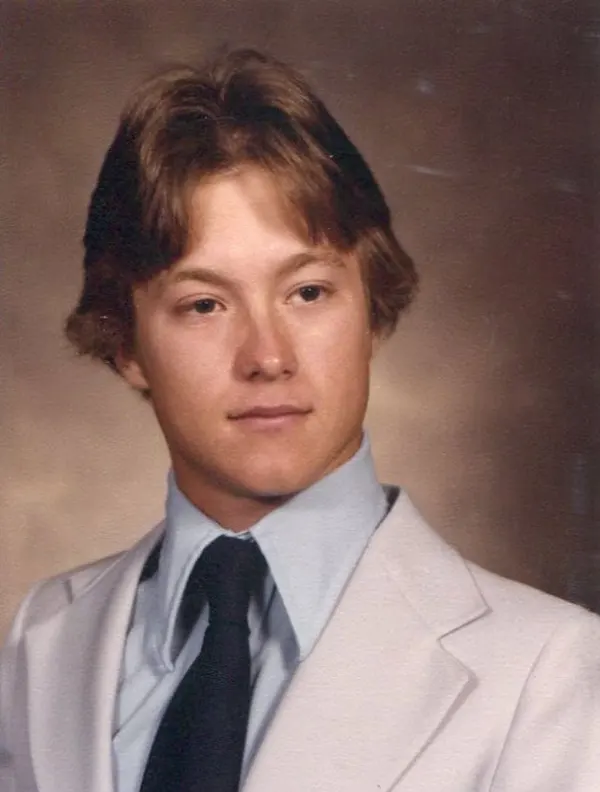
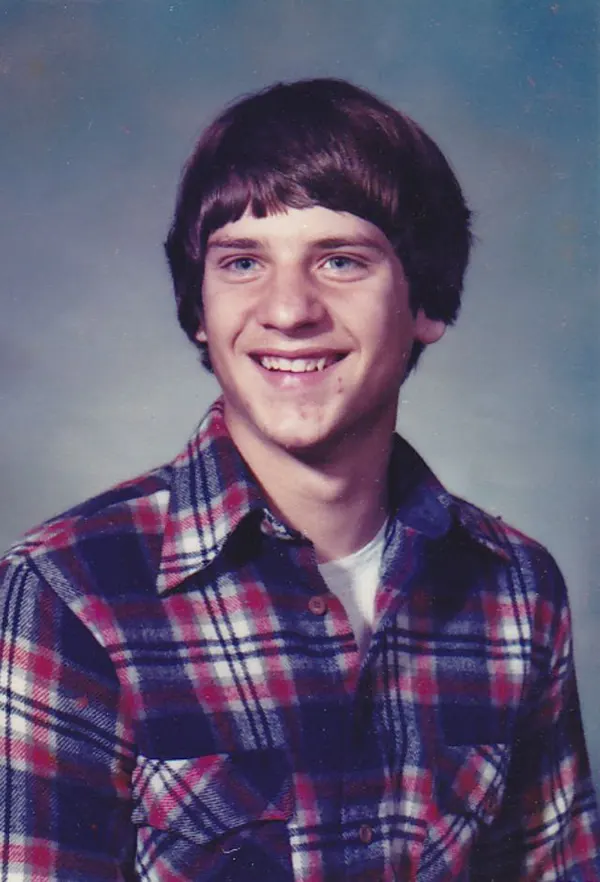
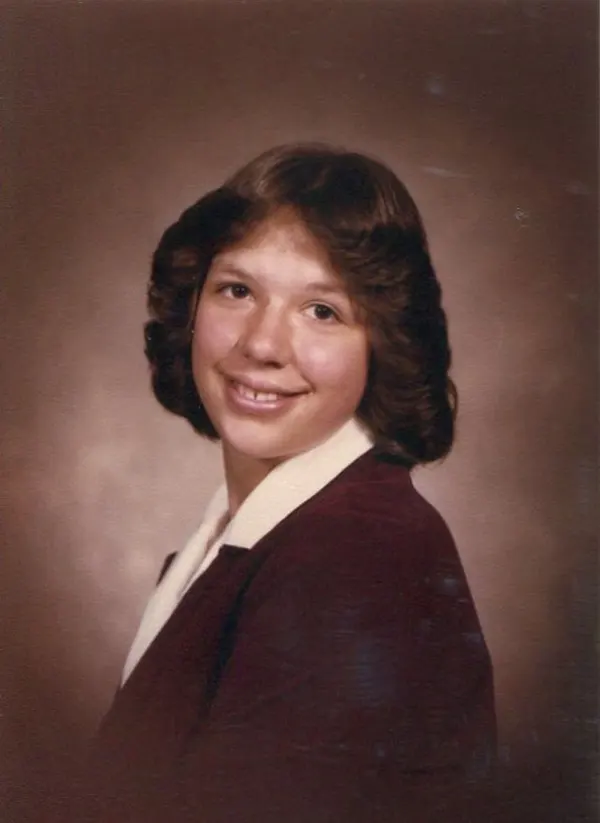
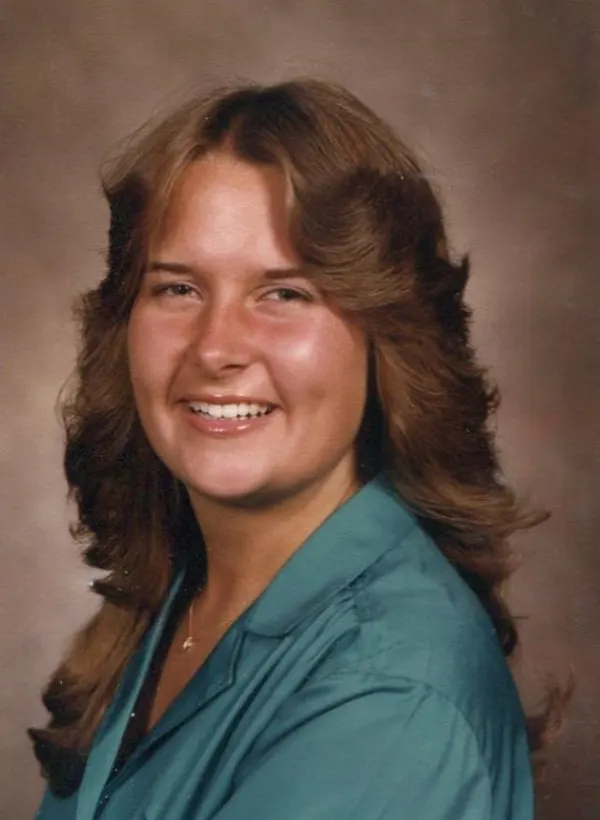
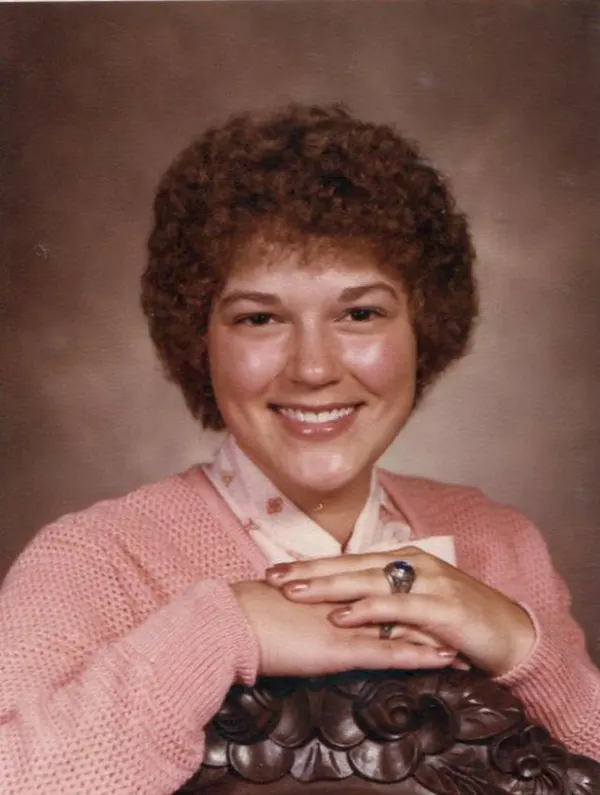
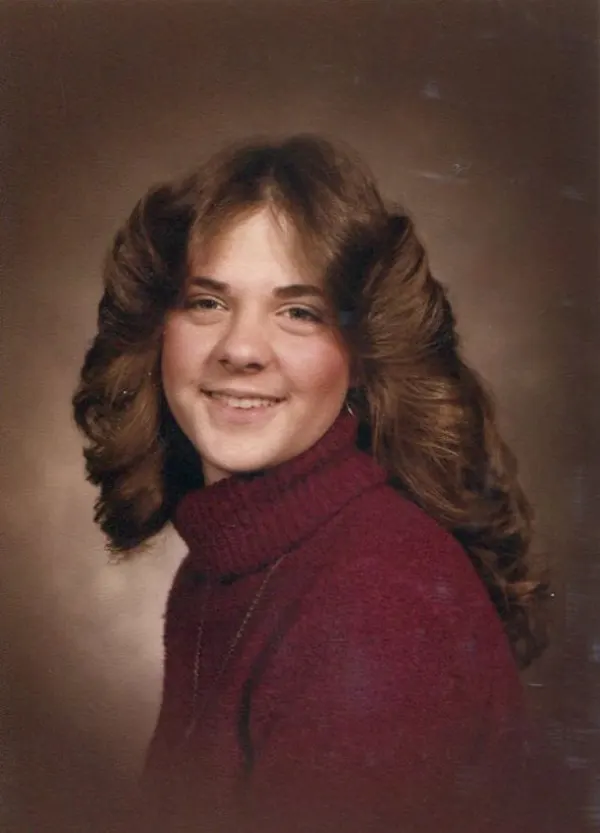
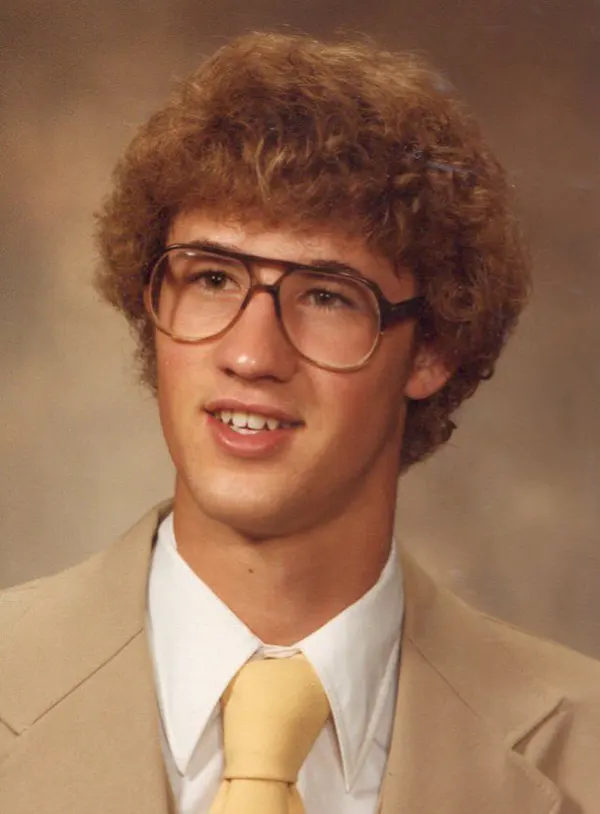
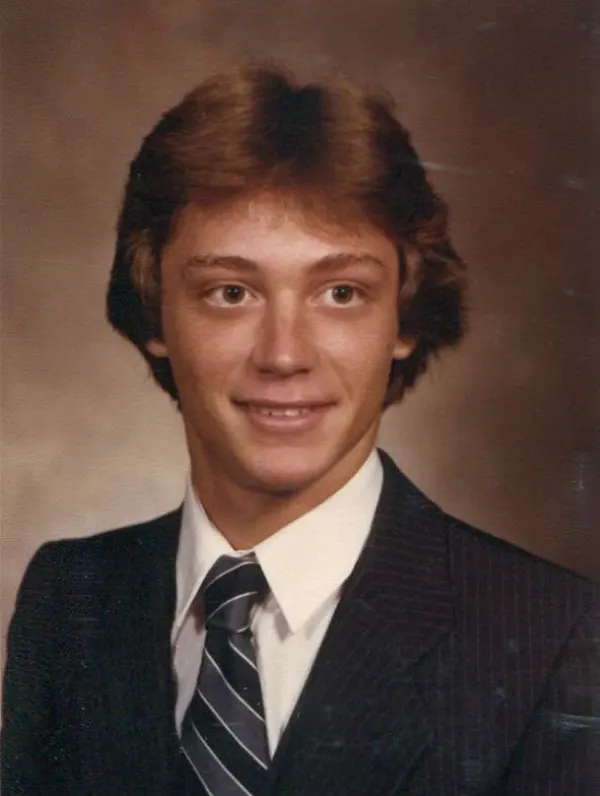
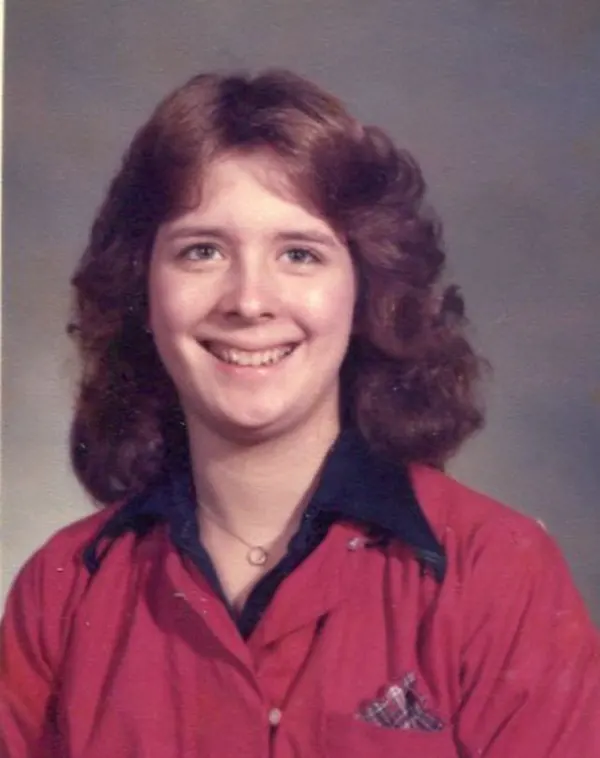
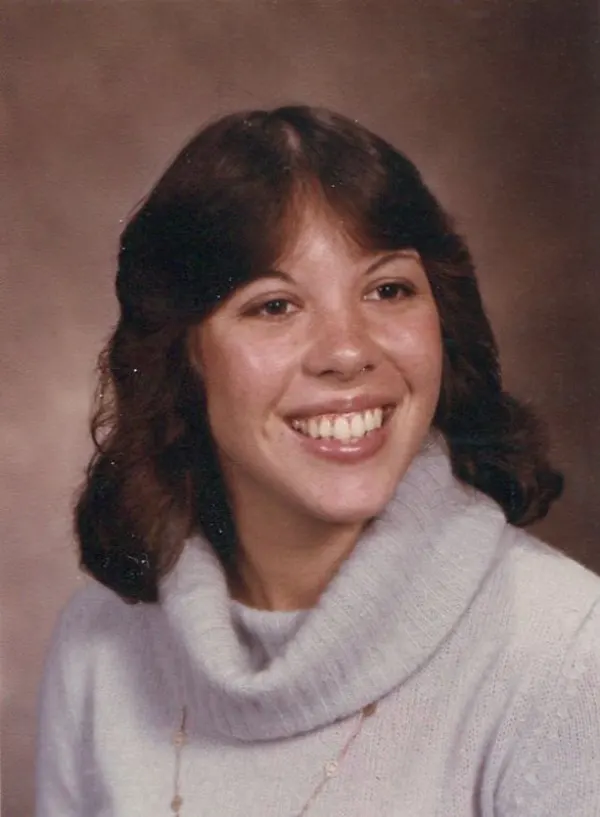
(Photo credit: Flickr / tshiverd via flickr.com/photos/tshiverd).