
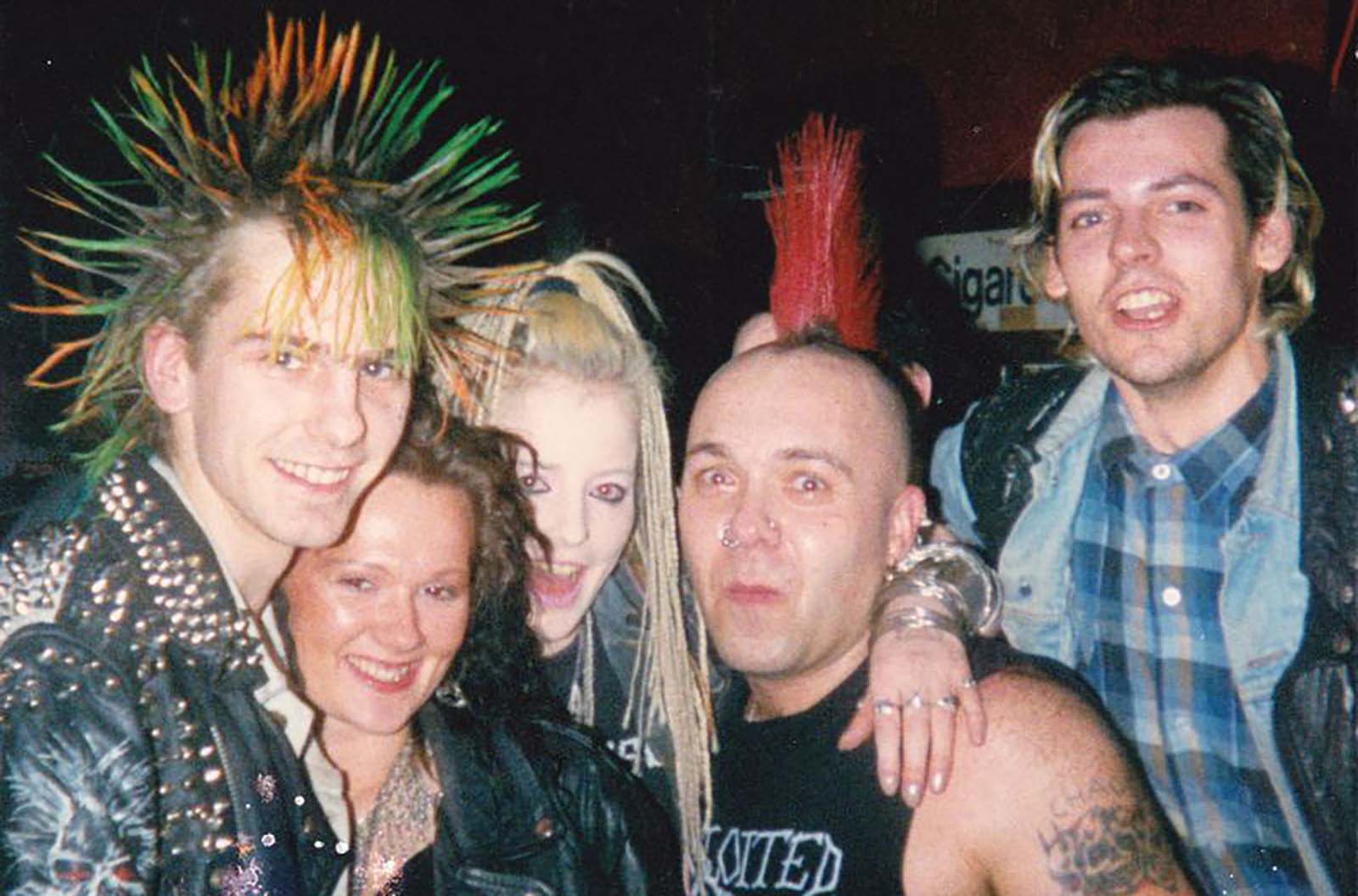
Photographs have a way of collapsing time, and the ones taken inside the 1980s punk scene do exactly that, pulling you into smoky venues, street corners, and basement shows where a subculture was busy defining itself in real time.
These images do not show a trend or a passing moment in fashion history. They show a movement fully alive in its prime, dressed with intention, built on defiance, and completely indifferent to what the rest of the world thought of it.
What survives in these rare photos is not nostalgia, but proof that punk at its peak was something that had to be seen to be understood.
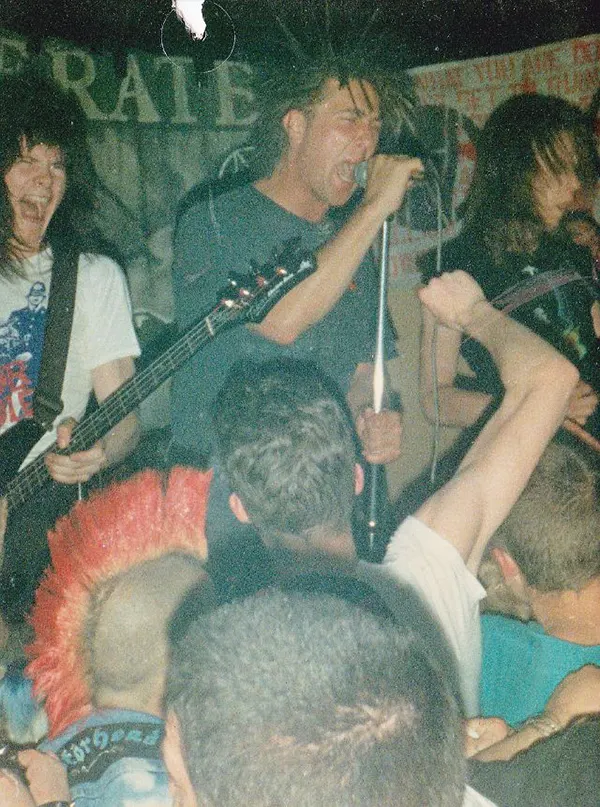
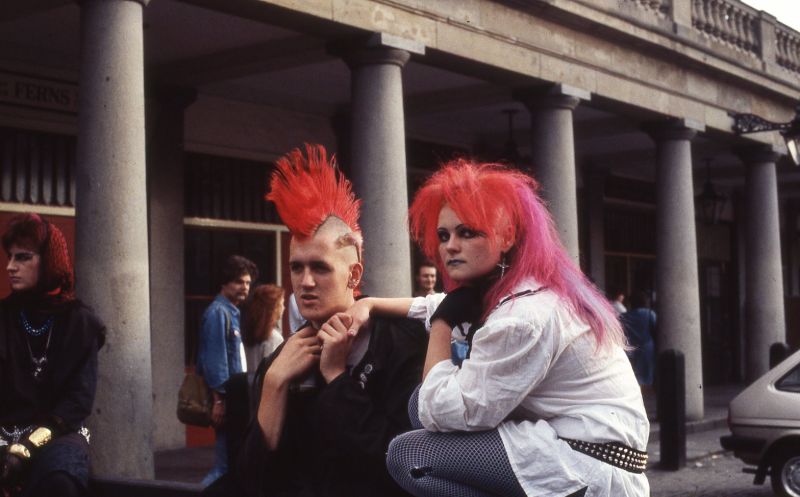 The 1980s saw two distinct but equally powerful punk movements rise almost simultaneously. In the United Kingdom, the scene experienced a raw renaissance driven by Oi! and street punk, later developing into the harder-edged UK82 sound.
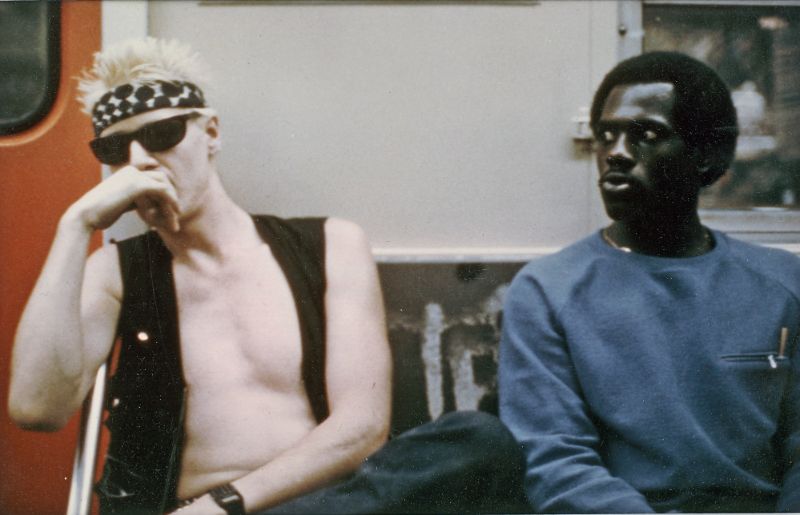
Across the ocean, American punk was being redefined by hardcore bands like Black Flag, Minor Threat, and Fear, who stripped the genre down to something blunt, urgent, and unapologetically stripped of glamour.
Both scenes developed their own visual identities, though certain elements crossed borders and became universal markers of punk culture worldwide.
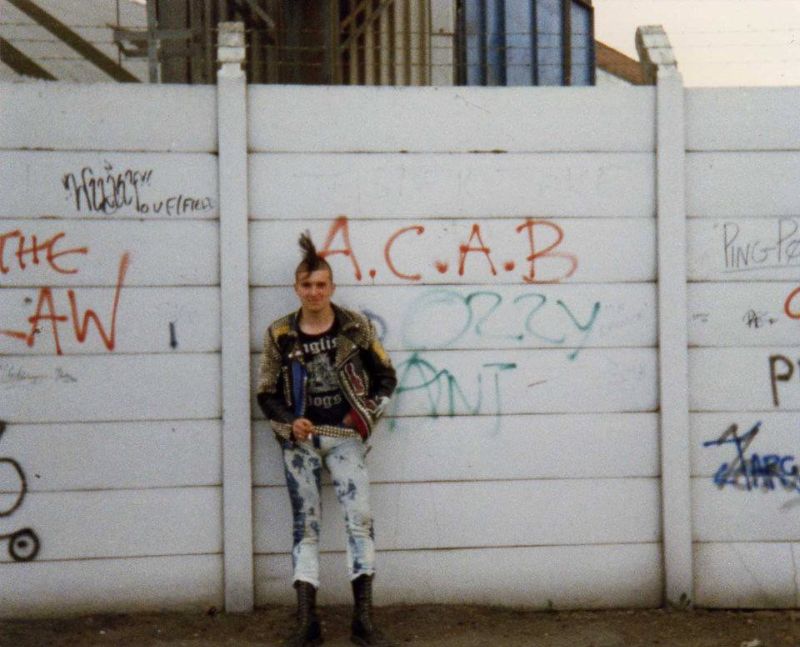
 Footwear was one of those shared markers. Dr. Martens boots, motorcycle boots, and combat boots were all staples of the 1980s punk wardrobe, often customized with chains, bandanas, or studded leather bands wrapped around the ankle.
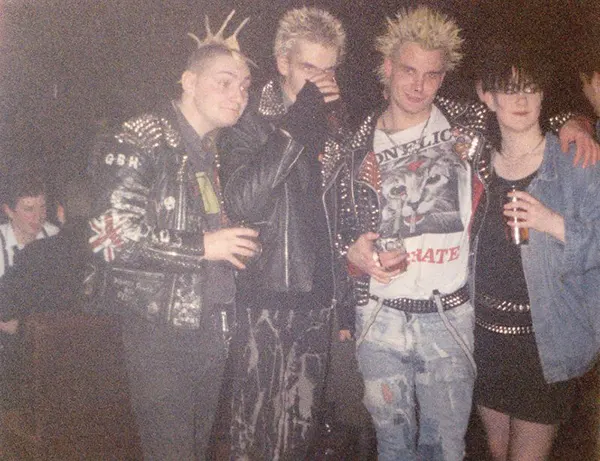
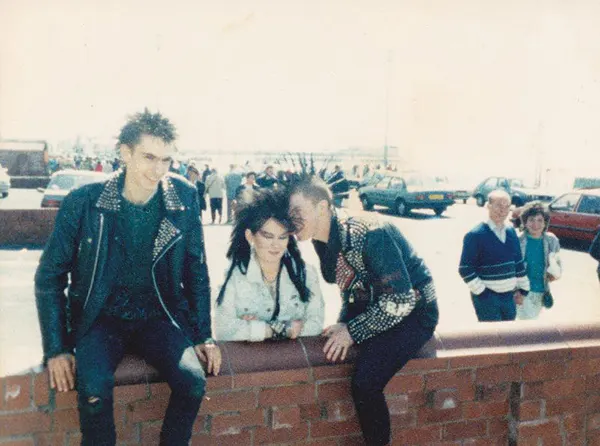
Jeans were worn deliberately roughed up, torn, bleached, or otherwise destroyed, while tartan kilts and skirts made a striking visual counterpoint on both men and women.
Leather skirts became particularly popular among female punks, offering a harder edge to the look.
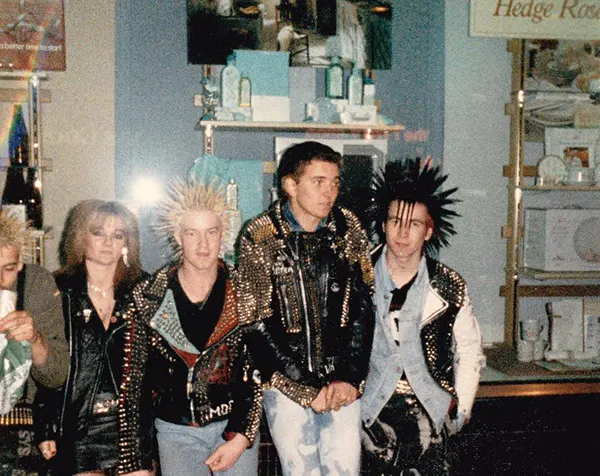
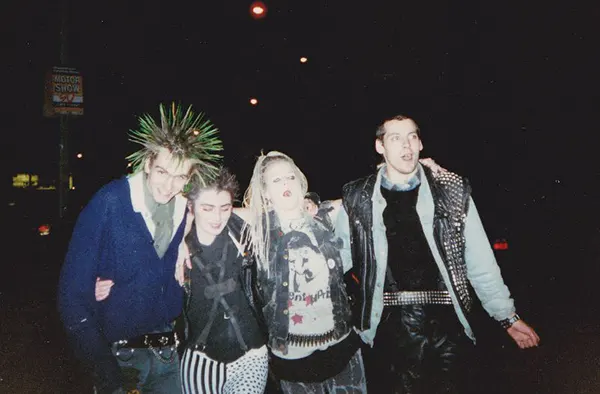
 Belts were worn as statements rather than accessories, with bullet belts, heavily studded belts, and thick chains layered together, sometimes two or three at once, around the waist.
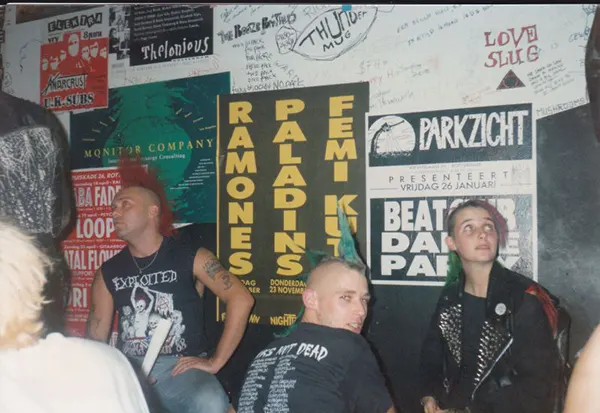
T-shirts and plaid flannel shirts served as wearable manifestos. Punks wrote band names, political slogans, and defiant phrases directly onto them with marker pens, turning everyday clothing into something confrontational.
This DIY approach to fashion was central to the ethos of the scene, rejecting consumer culture by making something personal and charged out of something ordinary.
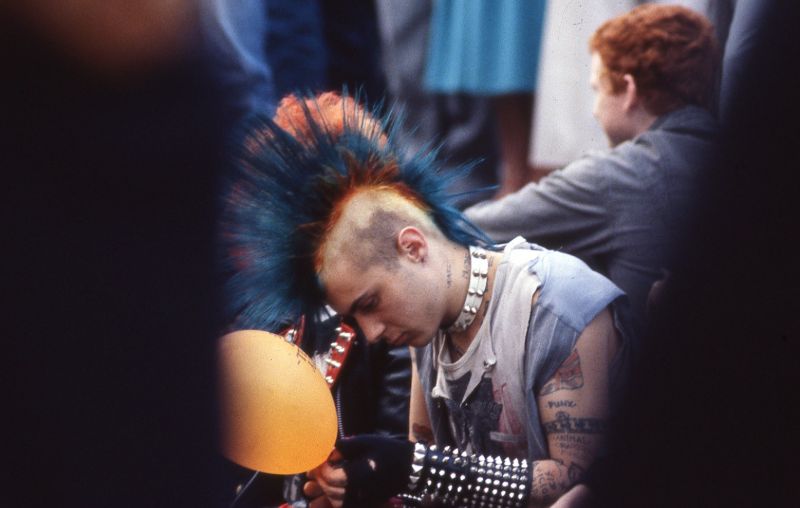
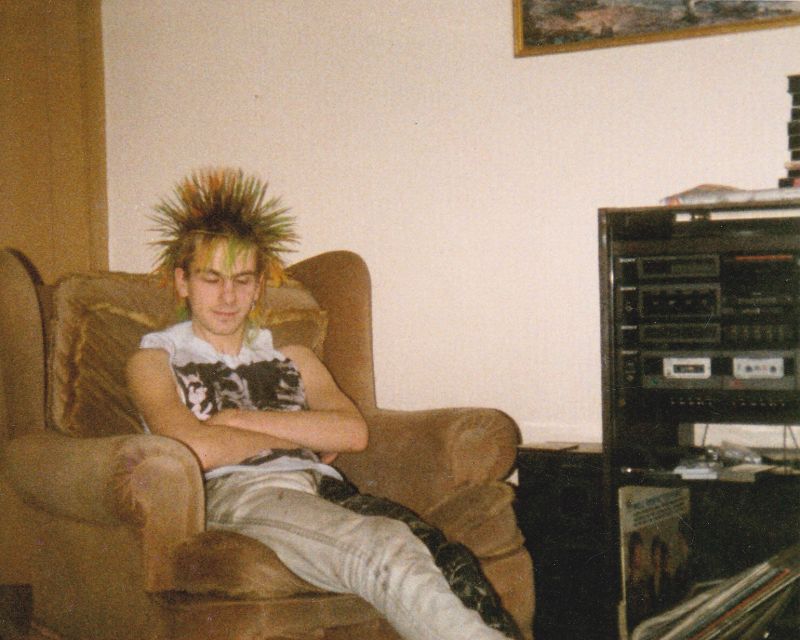
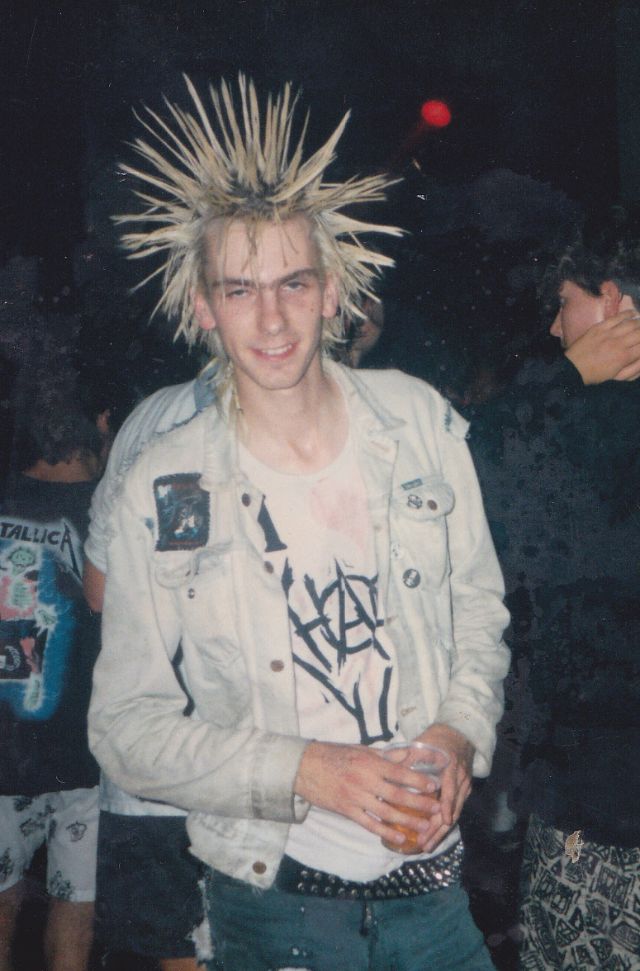
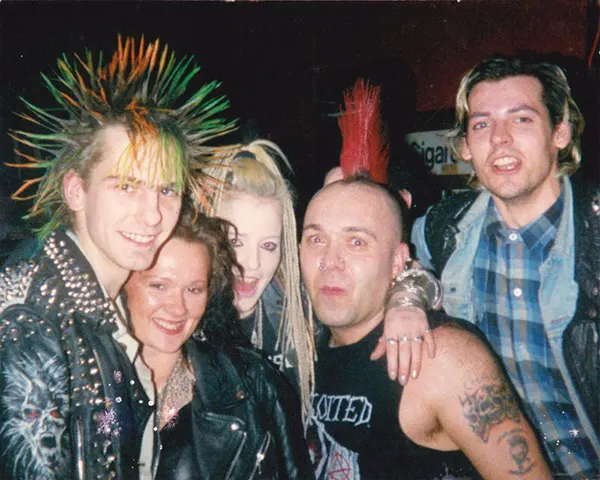
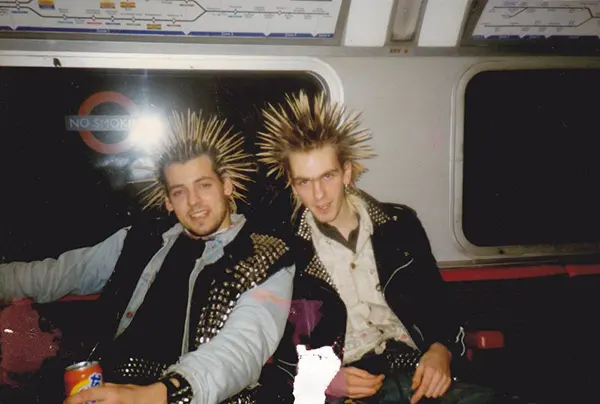
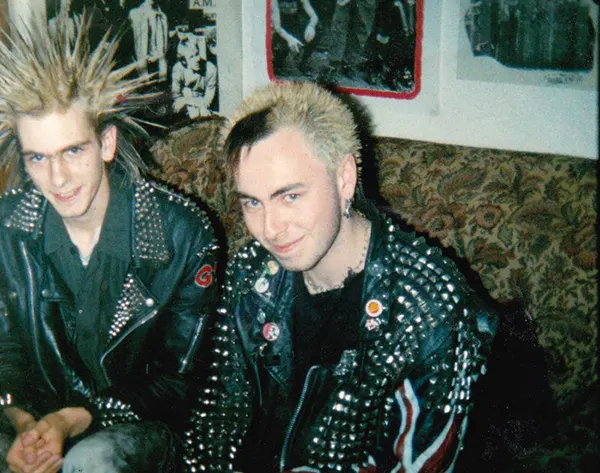
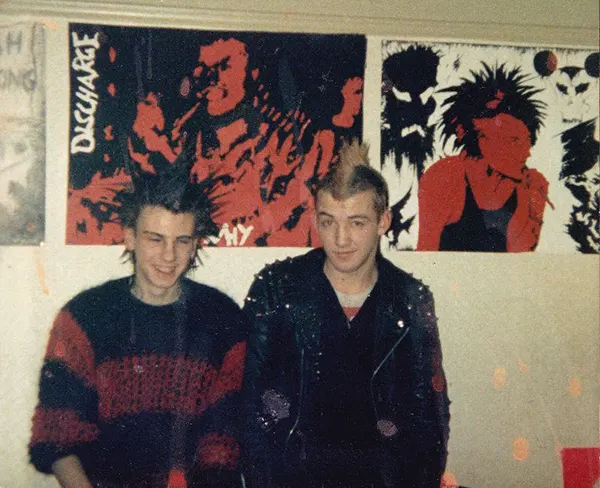
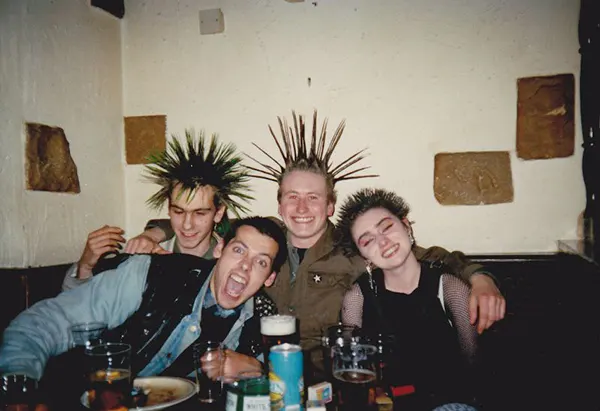
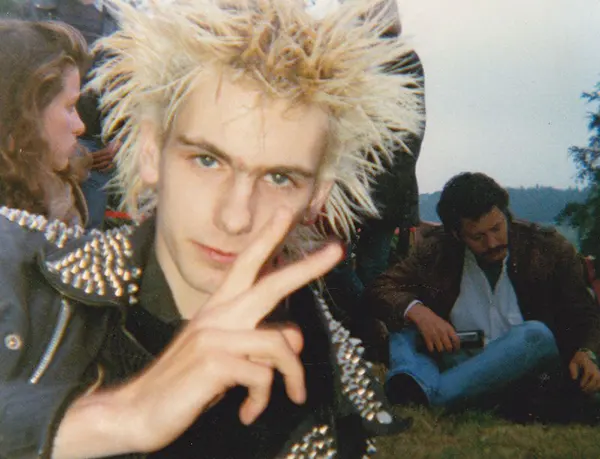
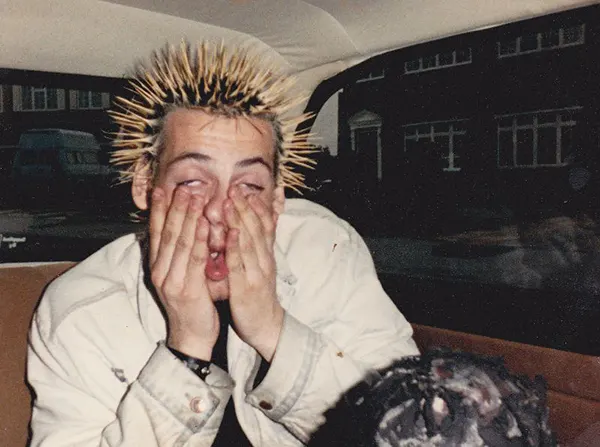
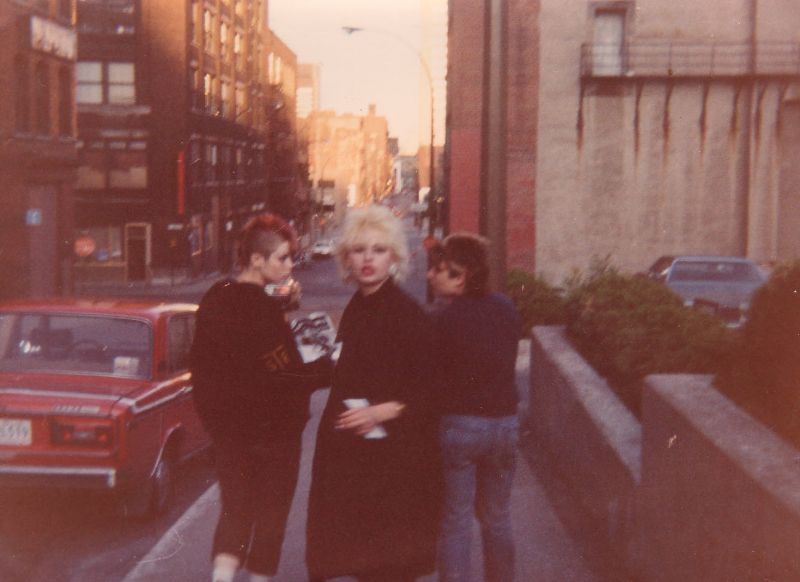 Hair was perhaps the most dramatic canvas of all. Mohawks grew taller and more extreme than anything seen in the 1970s, often bleached white or dyed in vivid, unnatural colors.
A variation known as charged hair, where all of the hair stands upright without being formed into distinct spikes, also gained popularity during this period.
Another distinctive style drew inspiration from the Misfits’ iconic devilocks, where a mohawk was cut but a longer tuft of hair was left hanging at the front of the head. That particular look took root in the horror punk scene and has never entirely disappeared.
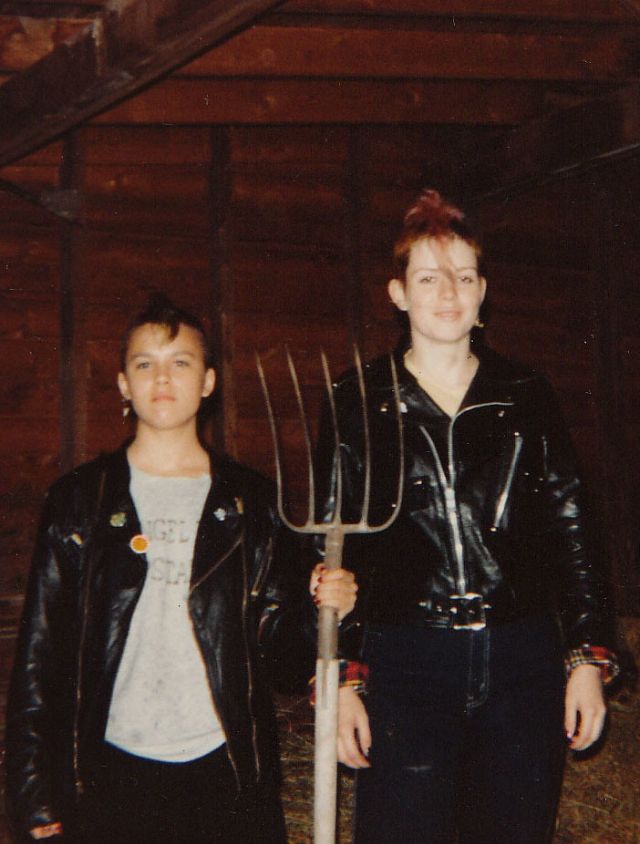 Body piercings and tattoos became far more visible and widespread during the 1980s punk era than they had been in the decade prior.
Studded chokers and spike bands completed a look that was designed to feel threatening, powerful, and entirely outside the mainstream.
Some women in the scene consciously rejected the more flirtatious aesthetic that had occasionally appeared in 1970s punk, instead embracing a deliberately androgynous style that made no concessions to conventional femininity.
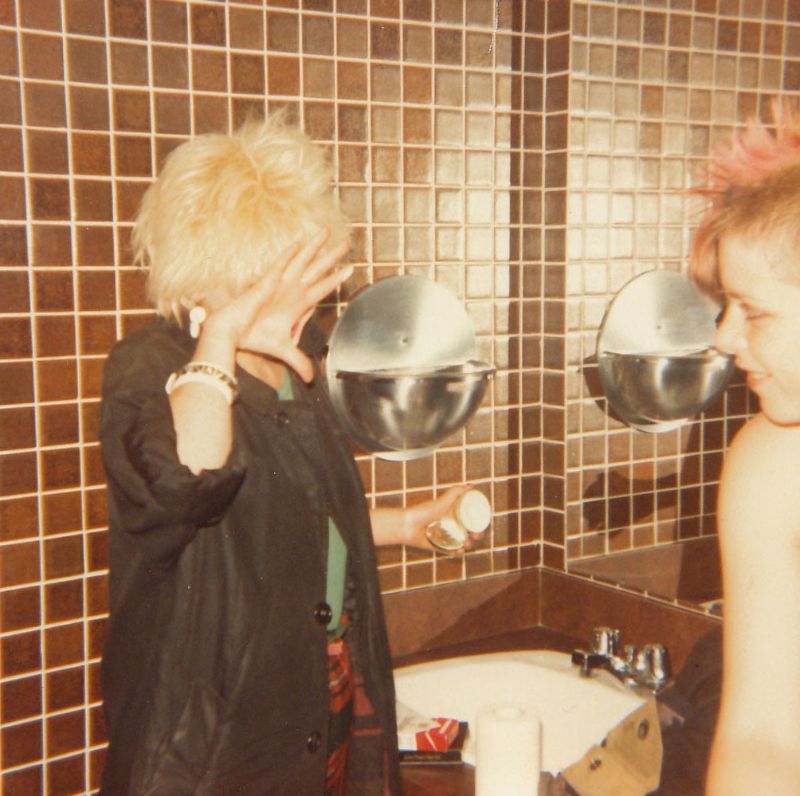 The American hardcore scene, in particular, developed a stripped-back, utilitarian look that reflected the music itself.
T-shirts, plain jeans, sneakers or combat boots, and close-cropped crewcuts became the uniform of hardcore fans who viewed excess as a contradiction of the genre’s anti-establishment values.
Women in the hardcore community gravitated toward army pants, band shirts, and hooded sweatshirts, a look that was as practical as it was pointed.
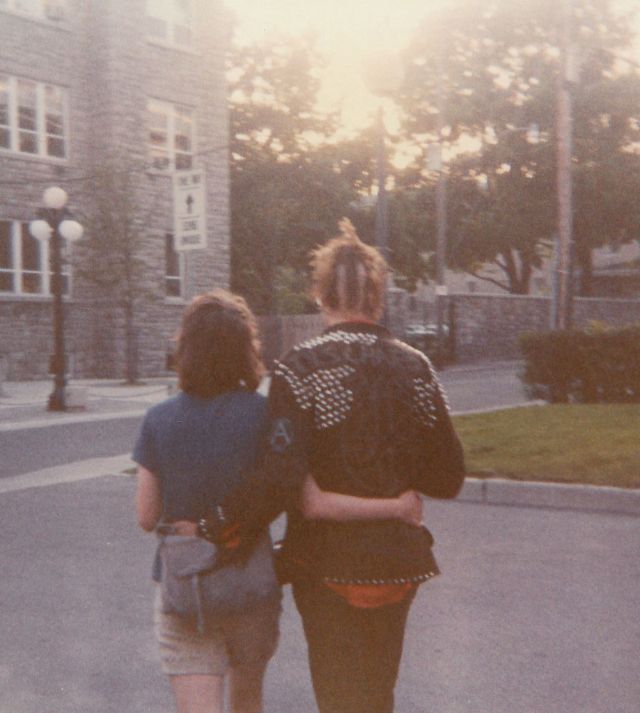 Across both scenes, the fashion was never accidental. Every ripped seam, every hand-drawn slogan, every piercing and patch carried meaning.
What the photographs from this era capture is not simply how people dressed, but why they dressed that way.
Punk style in the 1980s was a refusal to blend in, a deliberate and physical rejection of the world outside the scene.
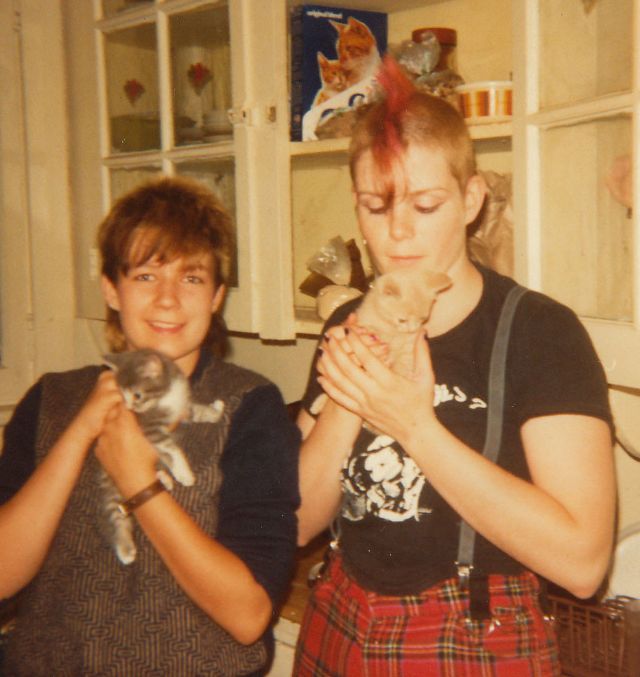 The fashion of 1980s punk culture was as diverse as its music, yet both were deeply intertwined.
It was a time when style became not just about what was worn but about making a statement, one of rebellion, defiance, and an unwavering commitment to authenticity.
To see these images now is to understand that the look was never about shock value alone. It was about belonging to something real, something loud, and something that left a mark far beyond the decade that shaped it.
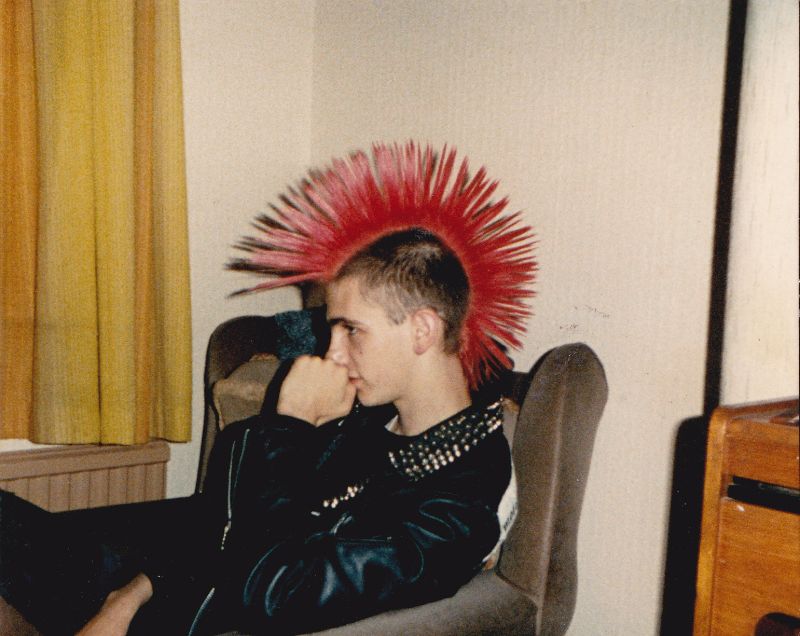
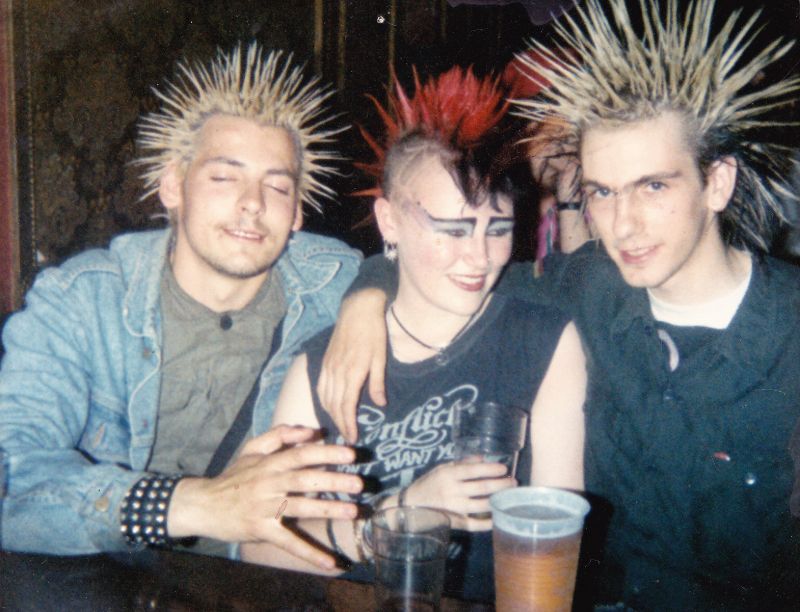
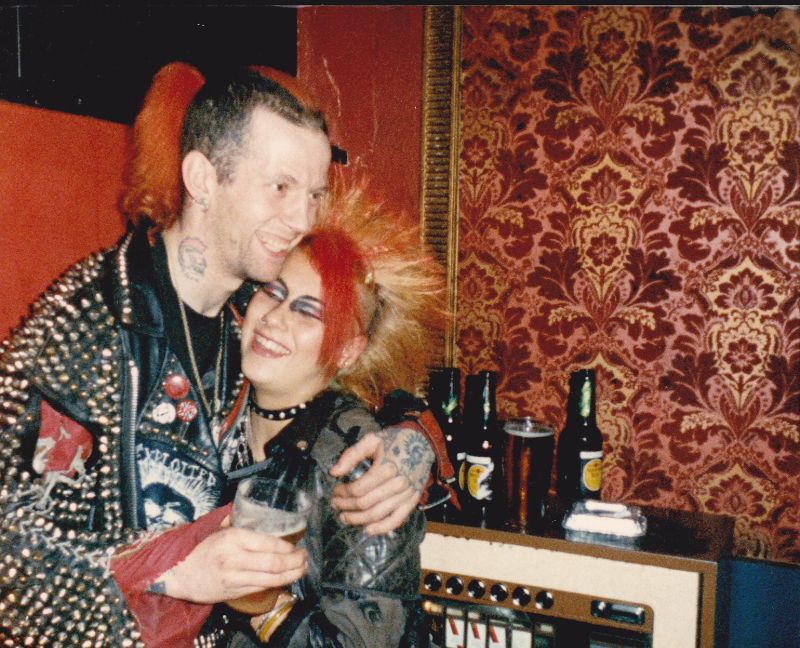
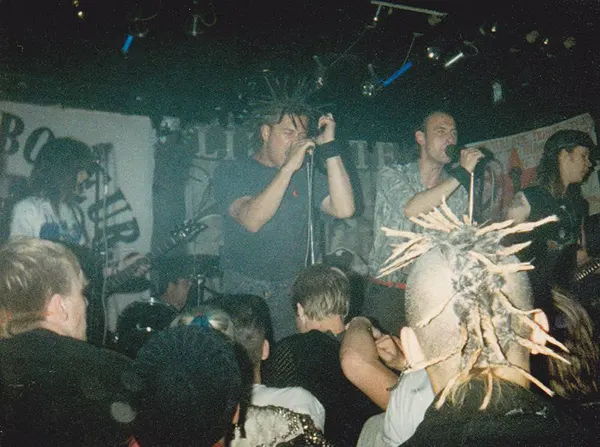
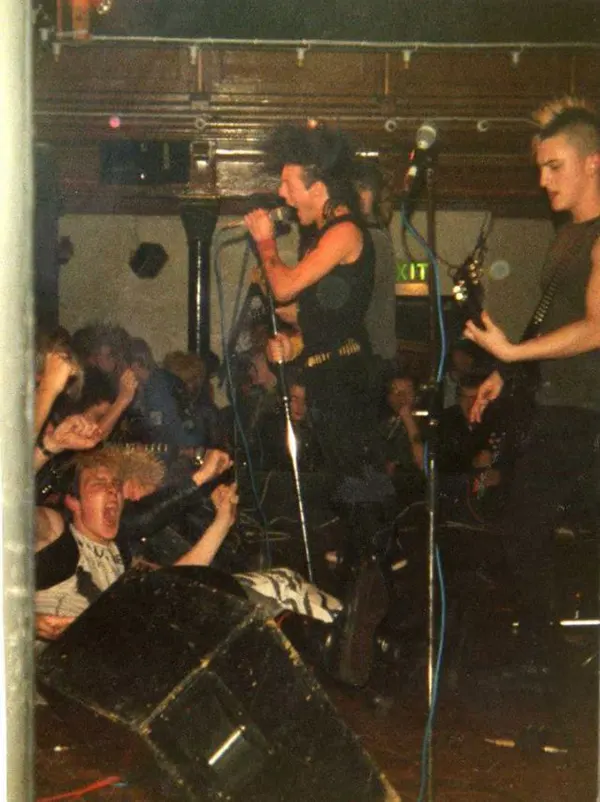
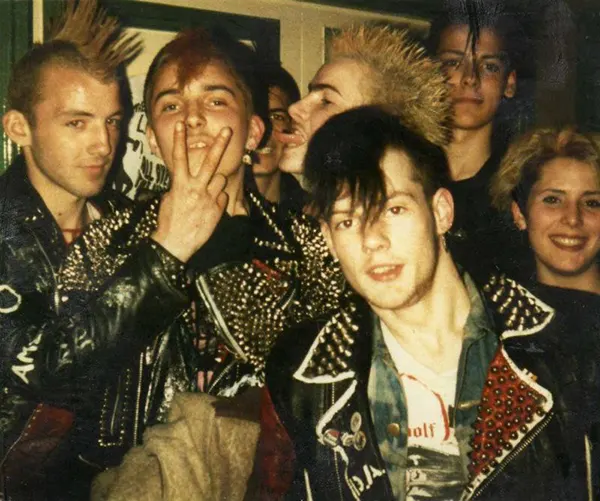
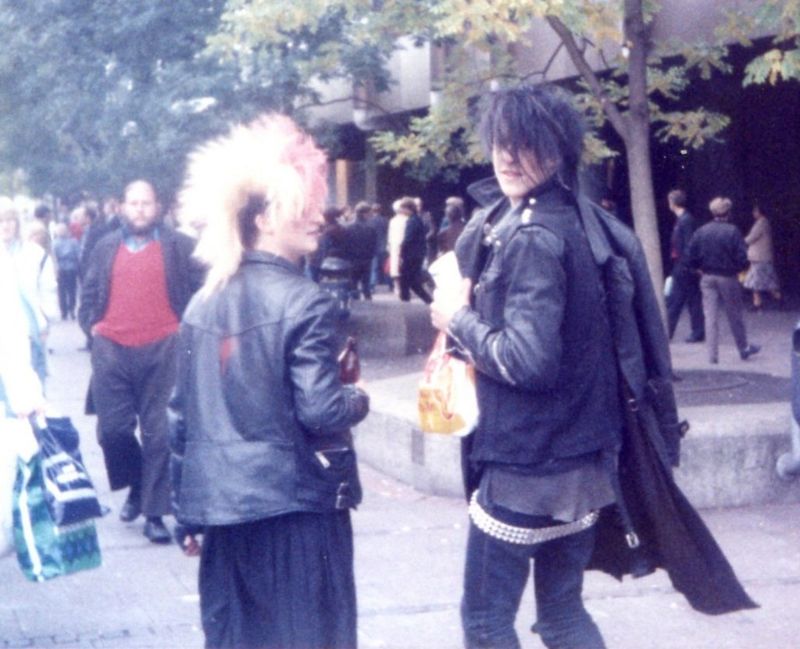
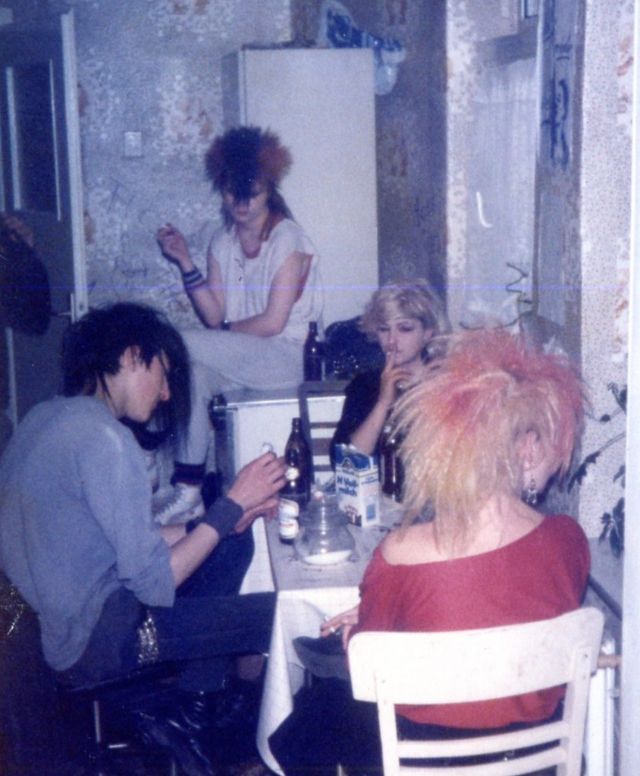
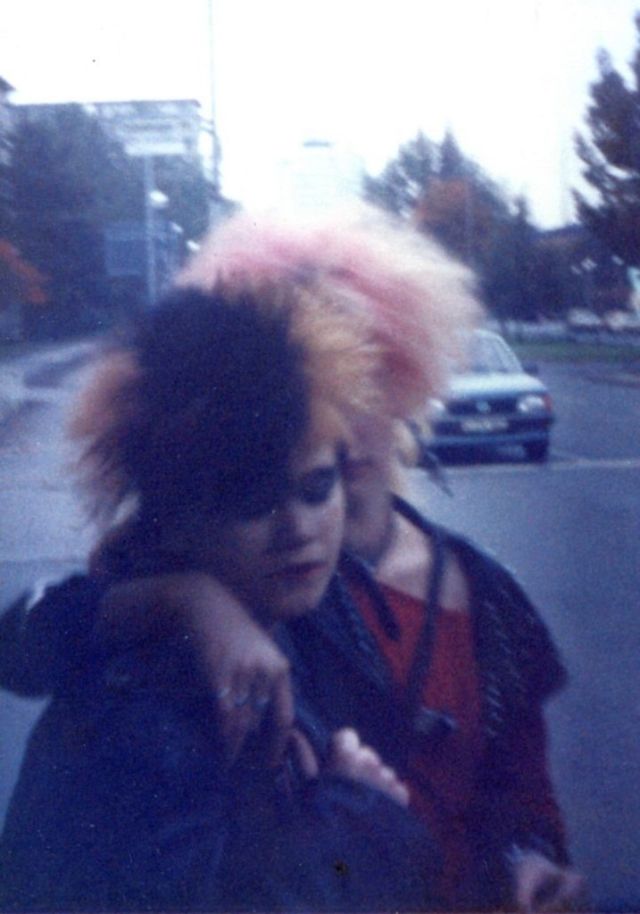
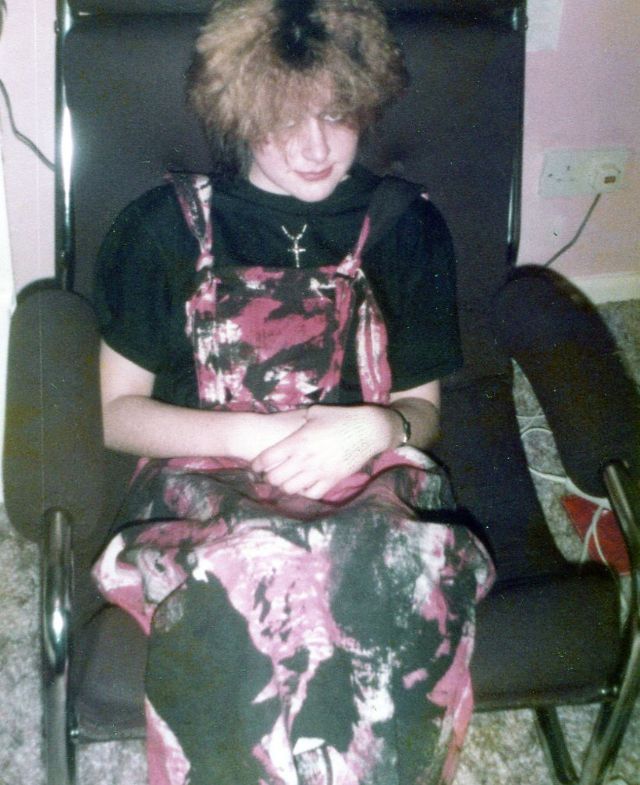
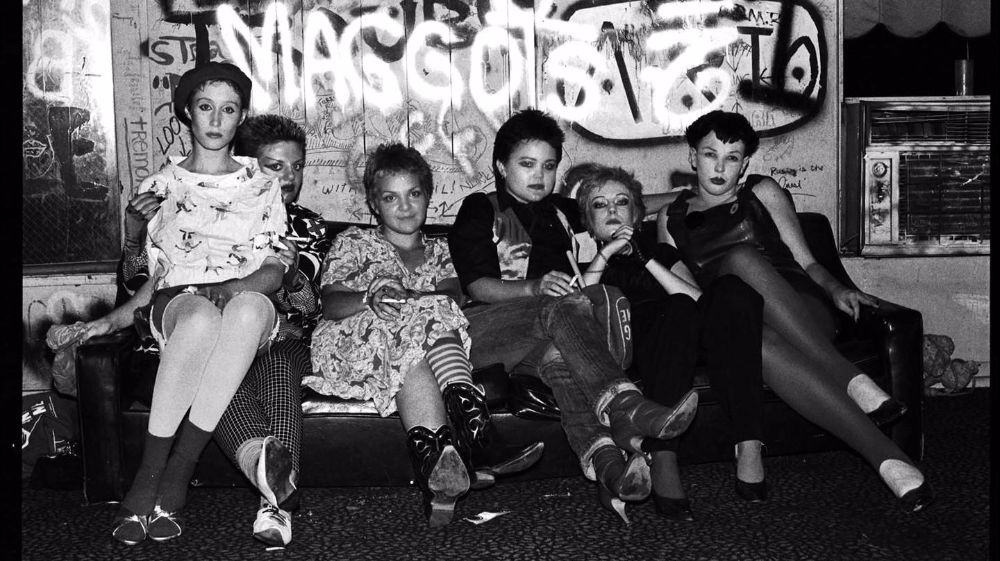
Punk girls with Belinda Carlisle from the Go-Go’s in the center. Los Angeles, 1978. Photo by Mike Murphy.
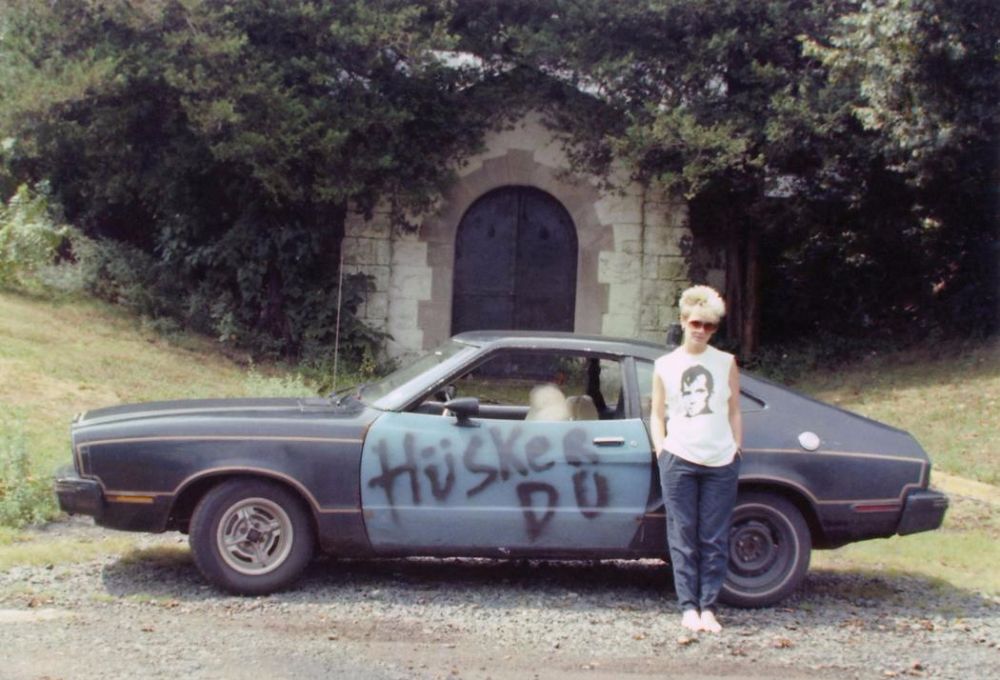
Hüsker Dü fan. Somewhere in New Jersey, 1984. Photo by David McKenzie.
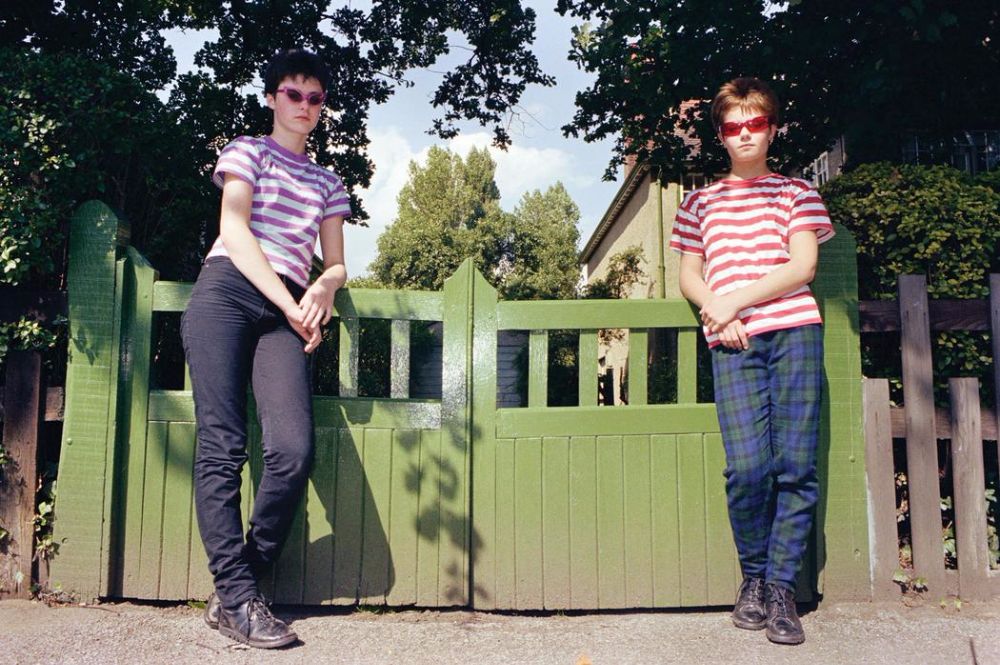
Two post-punk fans pose. Wimbledon, London, 1980. Photo by Anita Corbin.
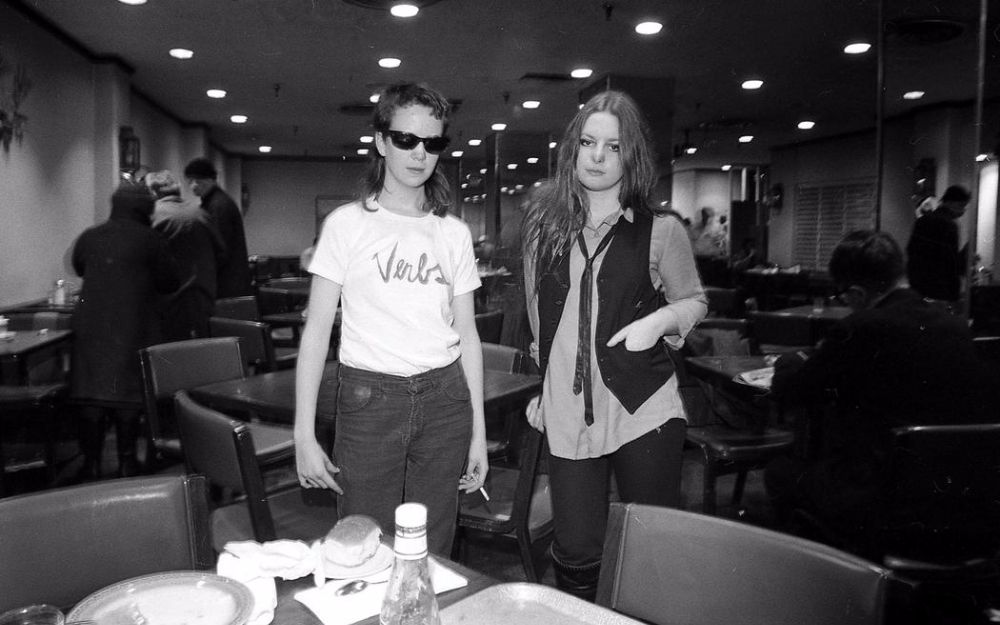
Clare Kearney and Liz Gutekunst of the Cancer Girls. Washington, DC, 1979. Photo by Peter Muise.
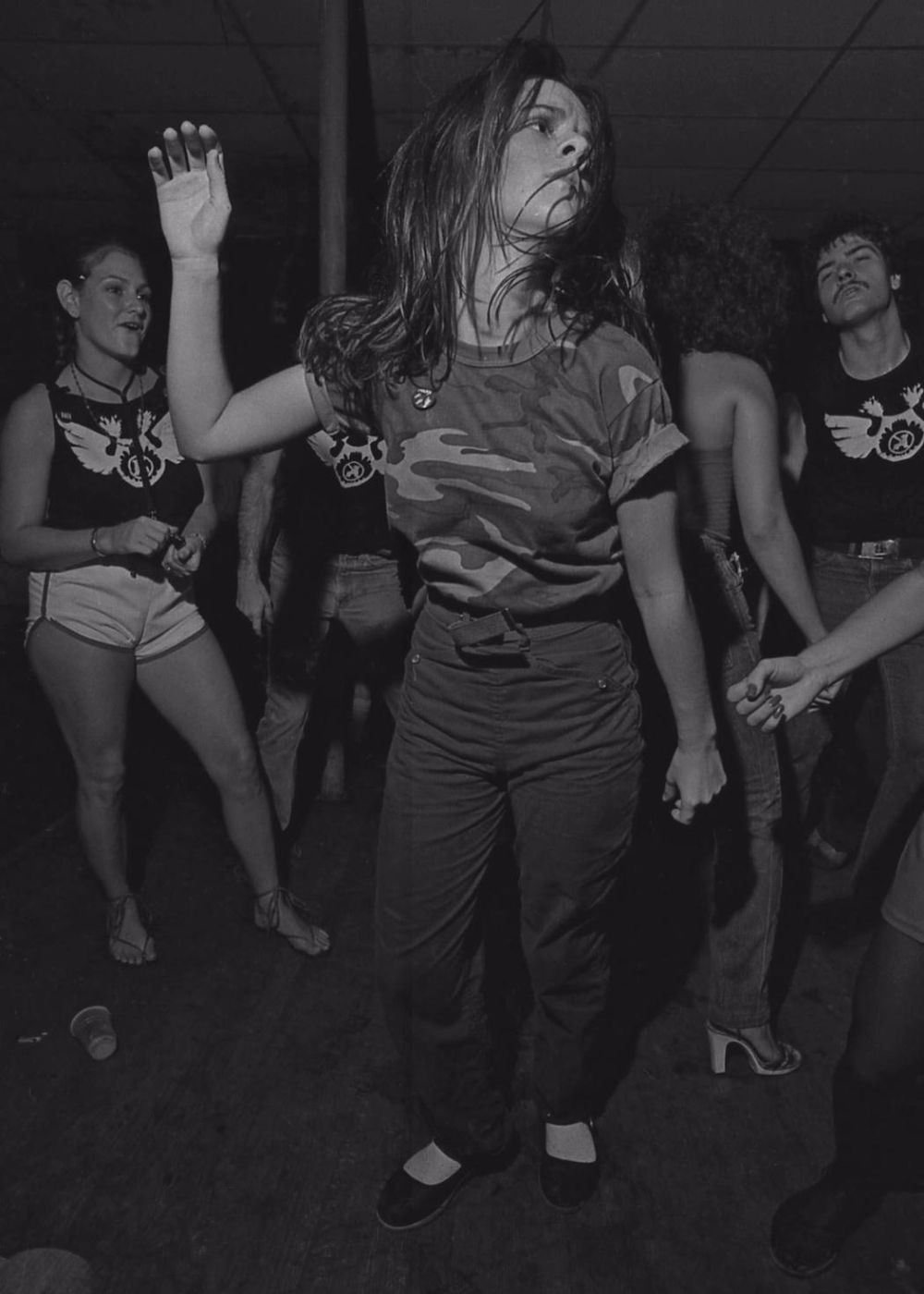
Dancing to the Big Boys. Houston, 1980. Photo by Ben Tecumseh DeSoto.
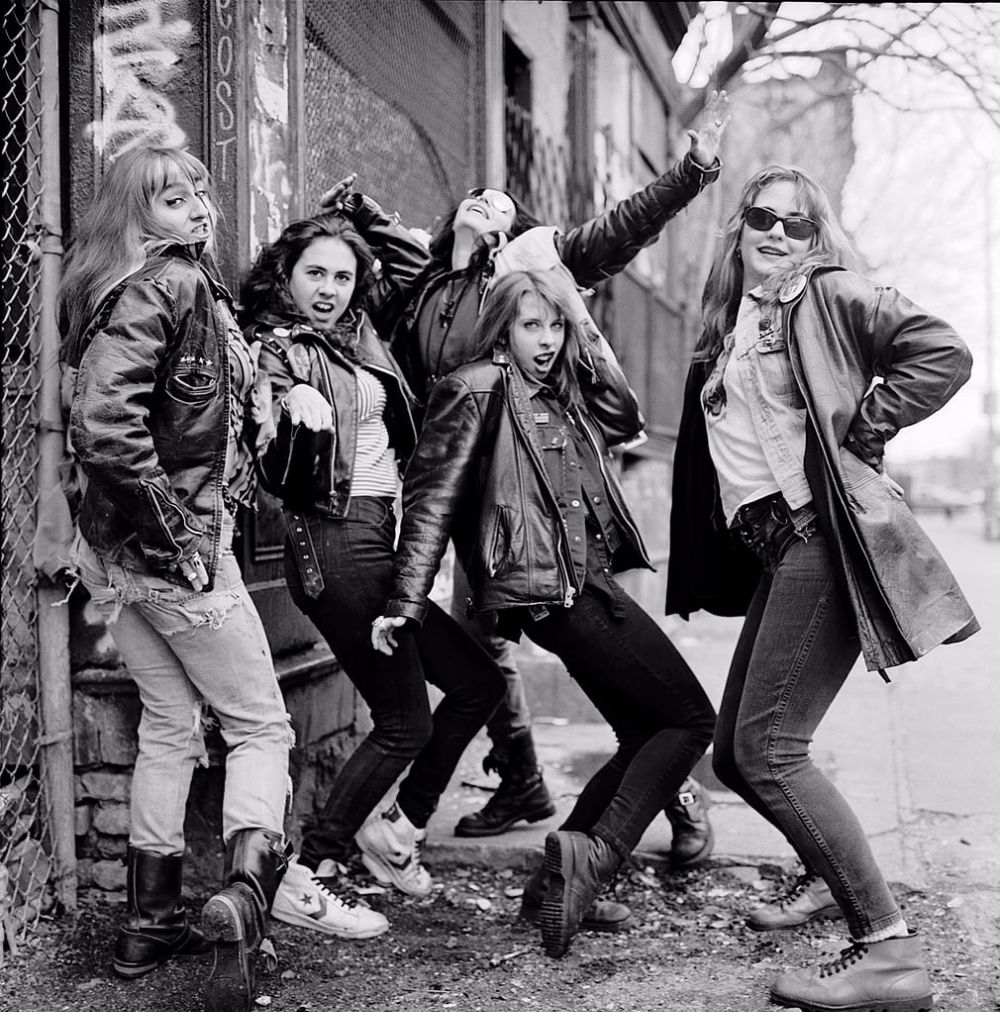
Lunachicks, 1989. Photo by Joe Dilworth.
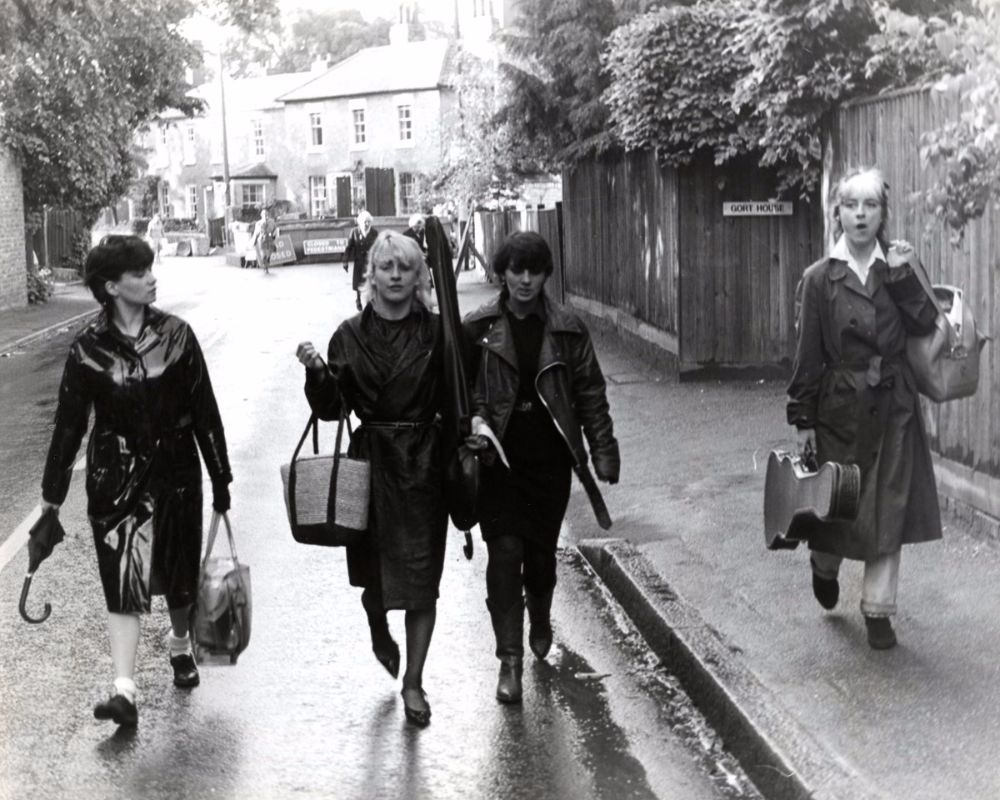
Modettes, 1980. Courtesy of Neil Anderson.
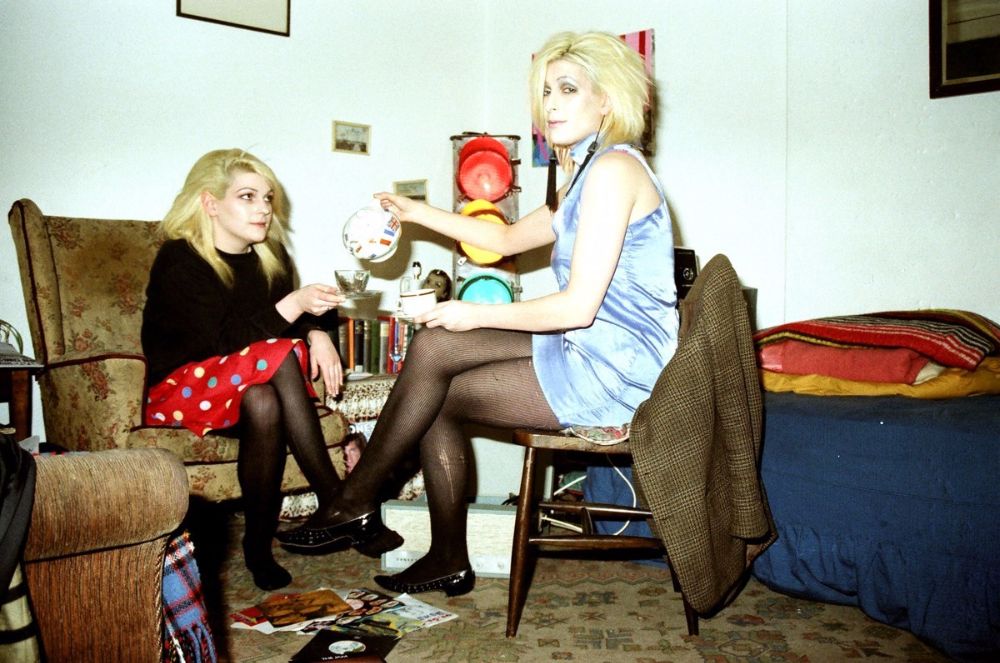
Rachel and Gaye Bell – The Twinsets, 1981. Photo by Simon C.
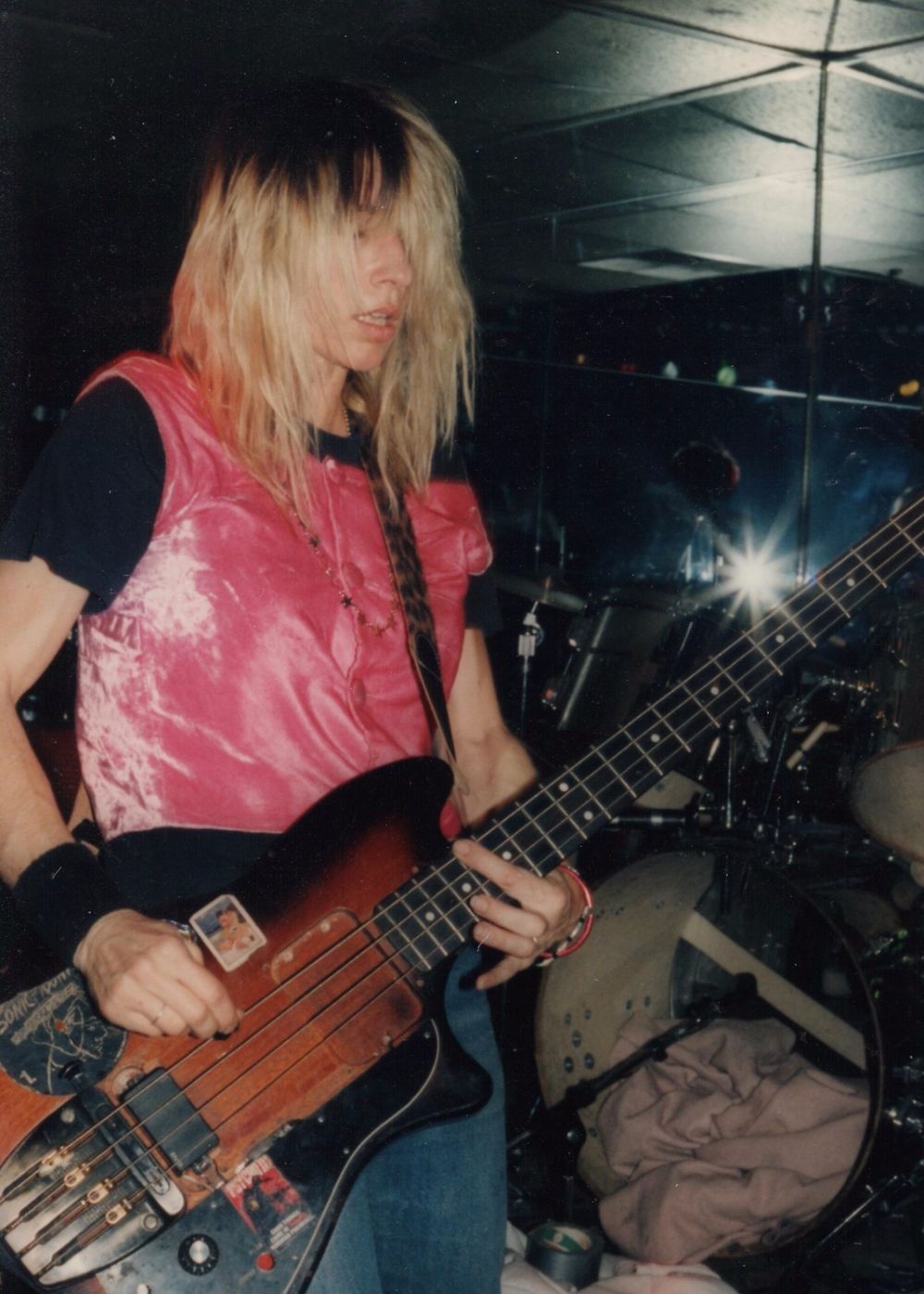
Sonic Youth, 1987. Photo by Scott Munroe.
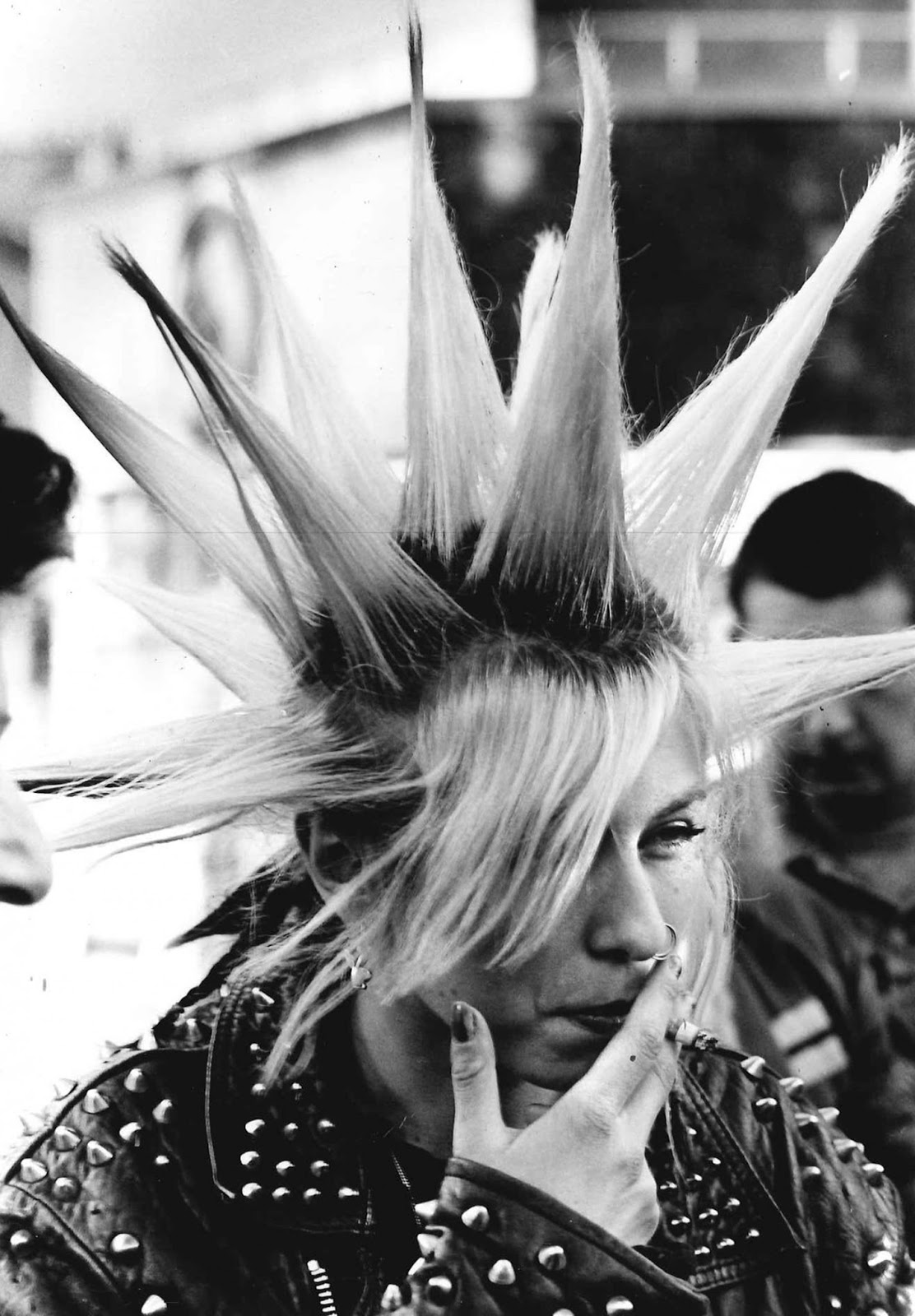
A woman named Marena, whose spiked hair and studded leather biker jacket were key signifiers of members of the punk subculture. (Robin Laurance for The Washington Post)
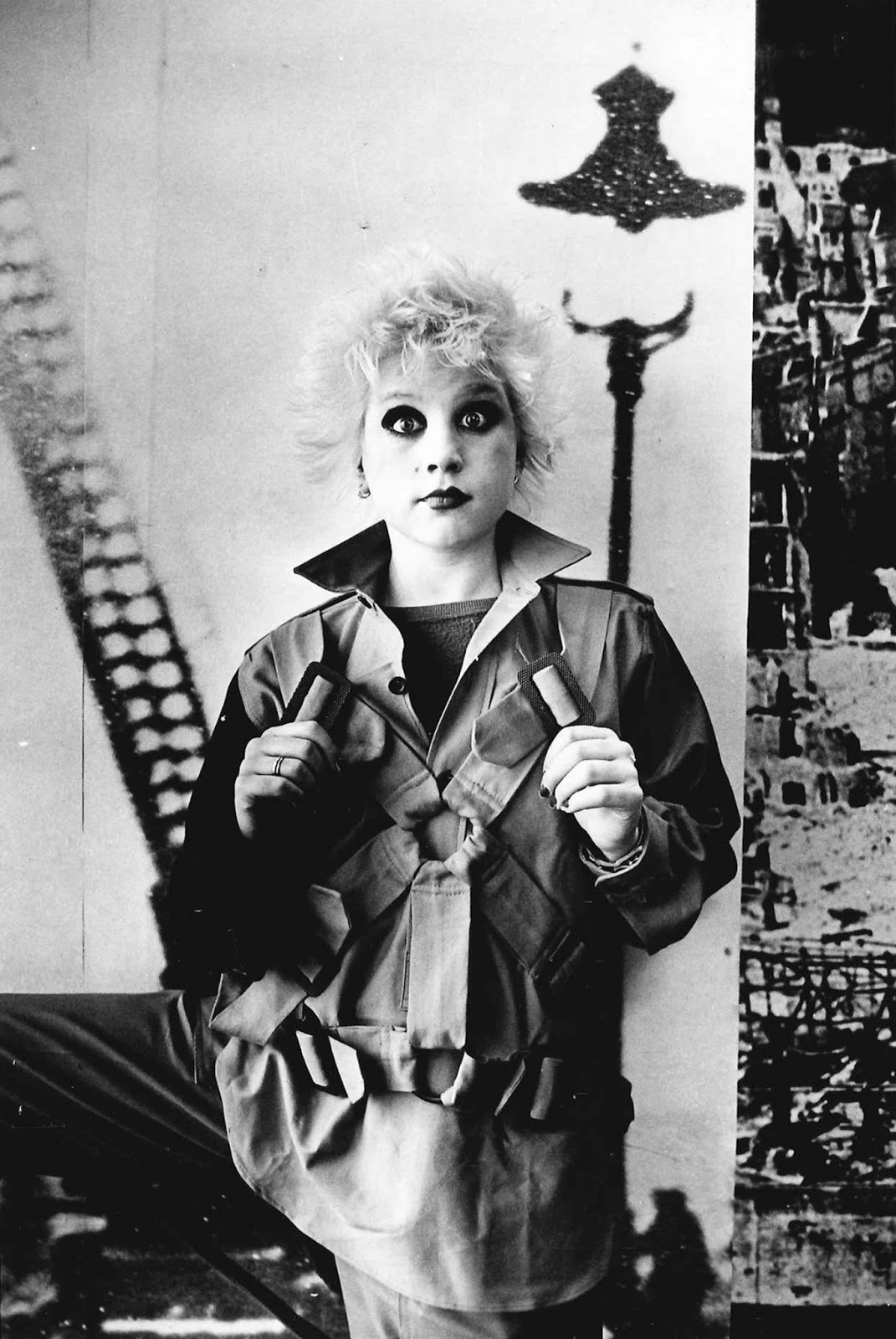
Debbie, at 16, who worked in Vivienne Westwood’s Seditionaries clothing store, wears urban guerilla garb (Robin Laurance for The Washington Post)
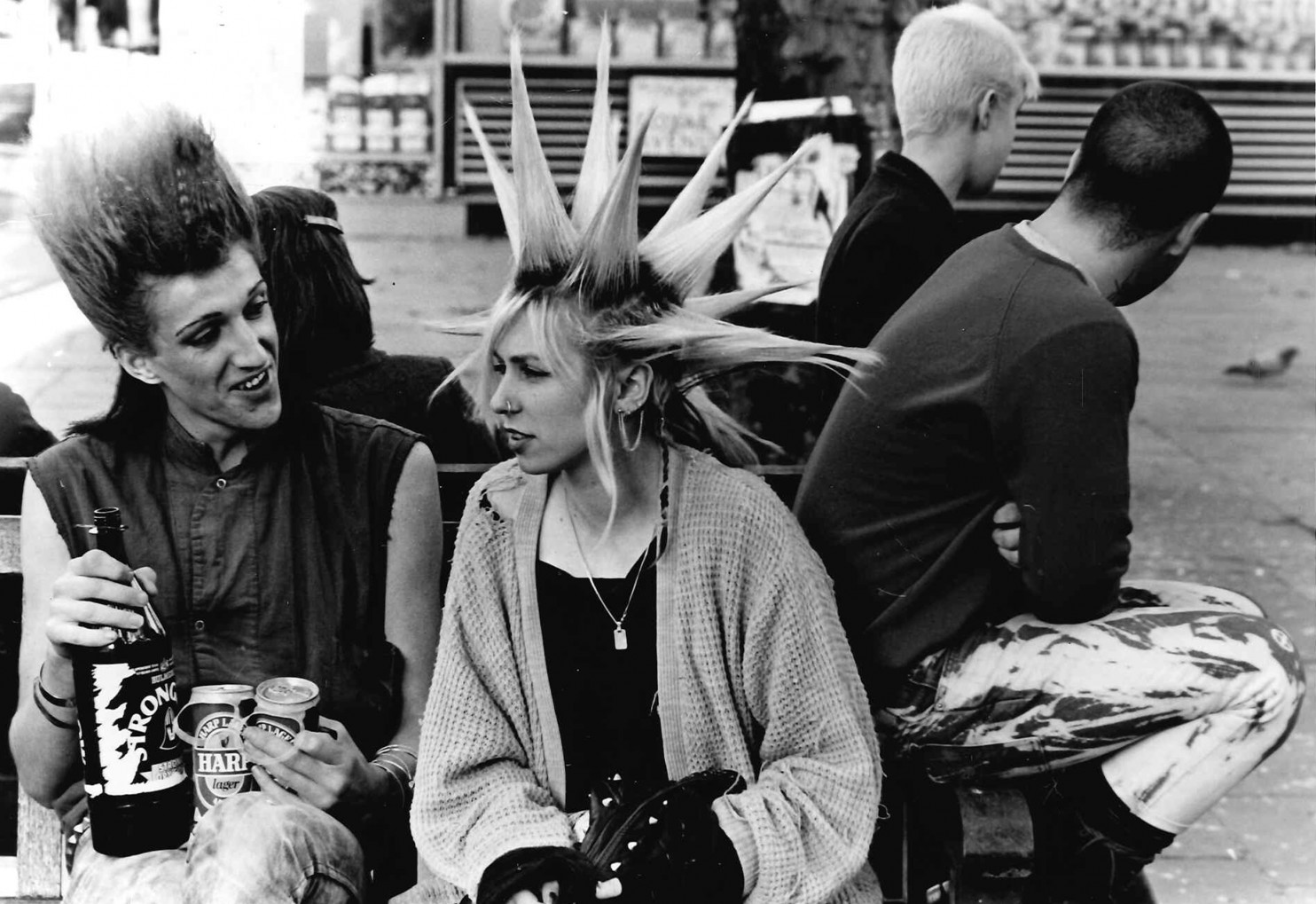
Punks Nick Hughes and Marina (Robin Laurance for The Washington Post).
(Photo credit: Wikimedia Commons / Flickr via flickr.com/photos/74495375@N07 / Pinterest).