
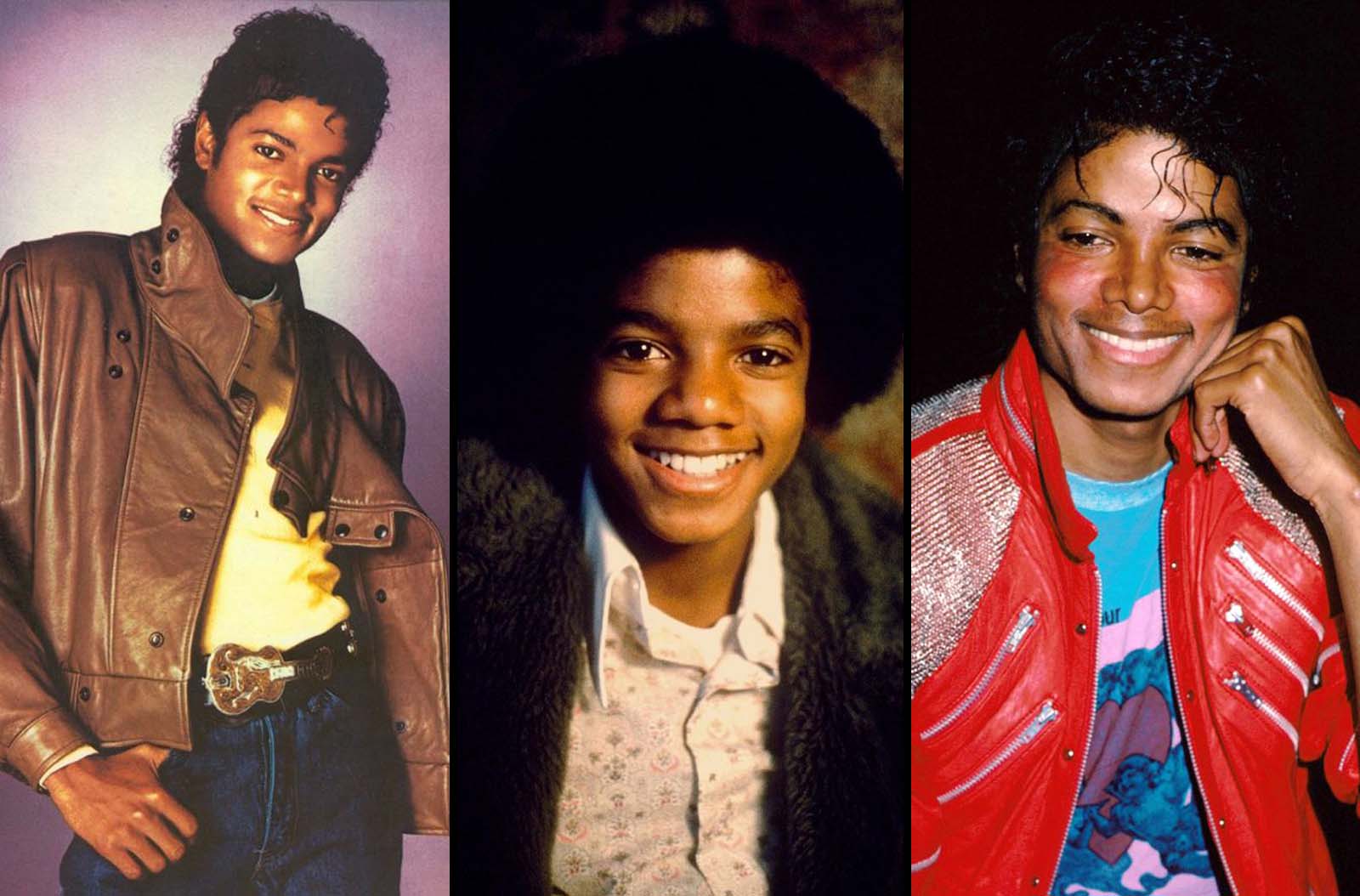
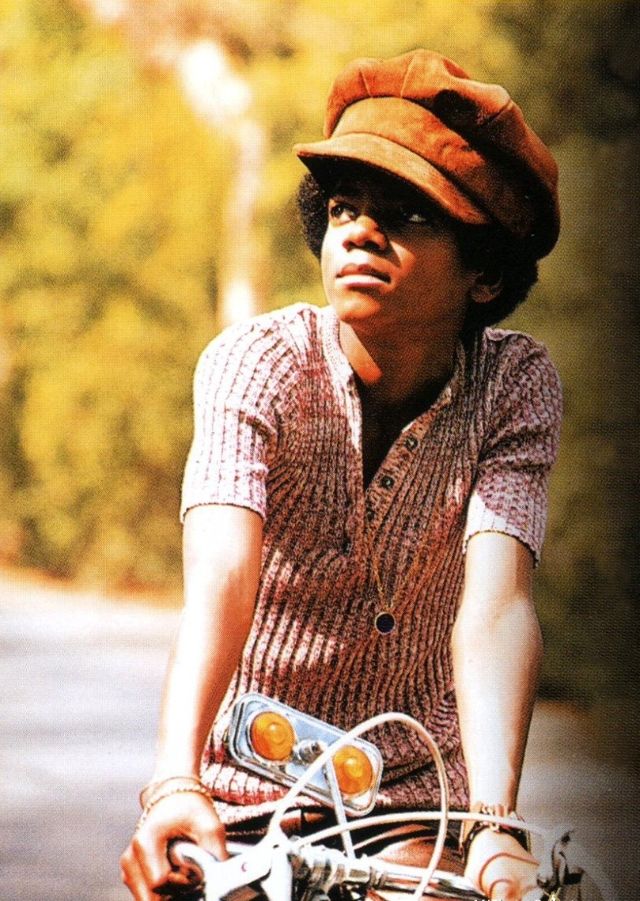
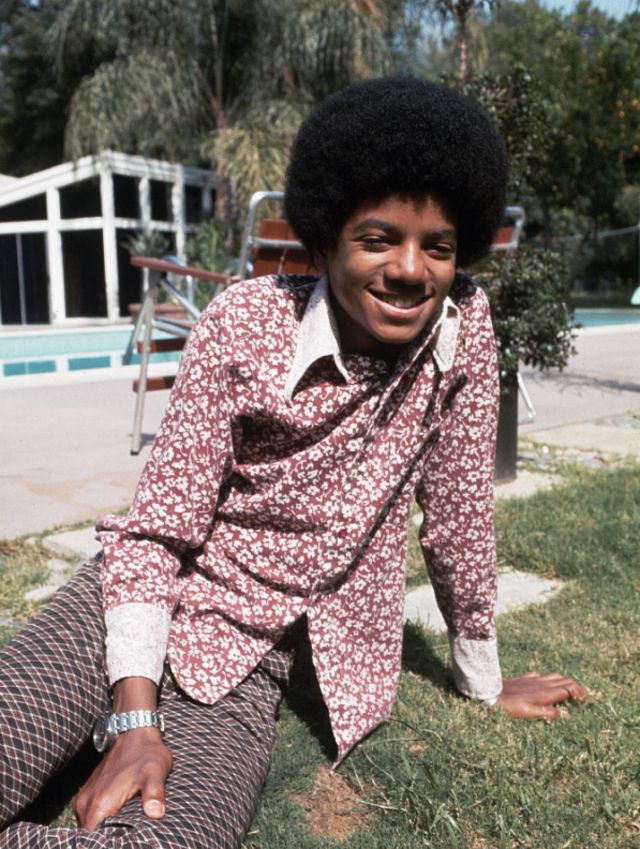
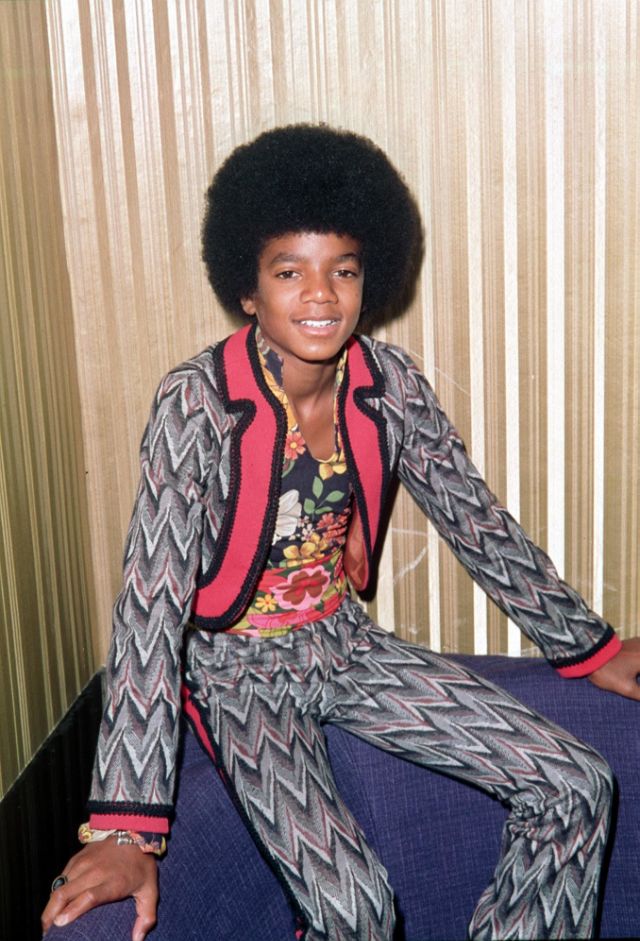
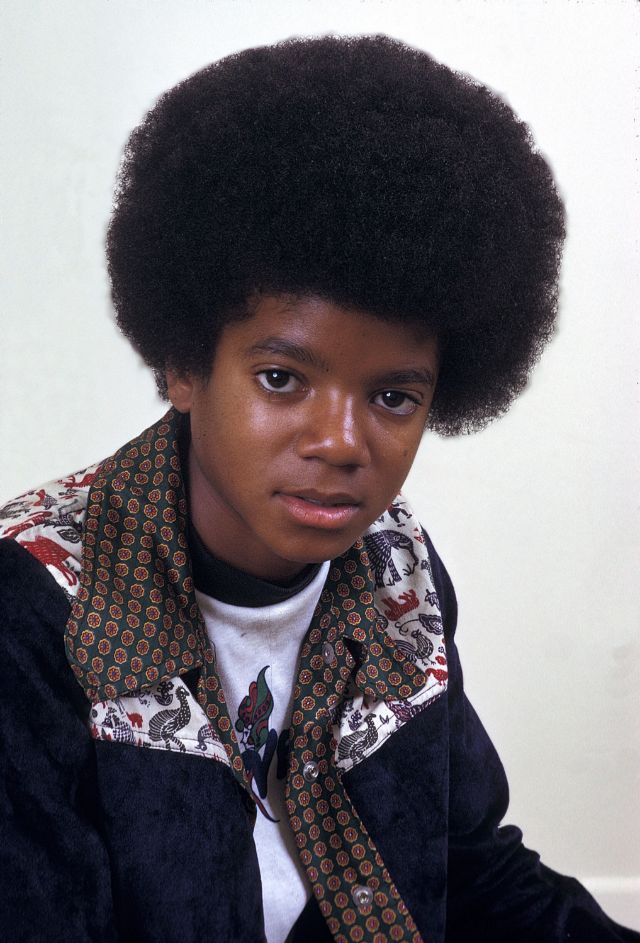
Before the surgeries, before the controversies, before his complexion became the subject of global speculation, Michael Jackson had the face of an ordinary kid from the American Midwest.
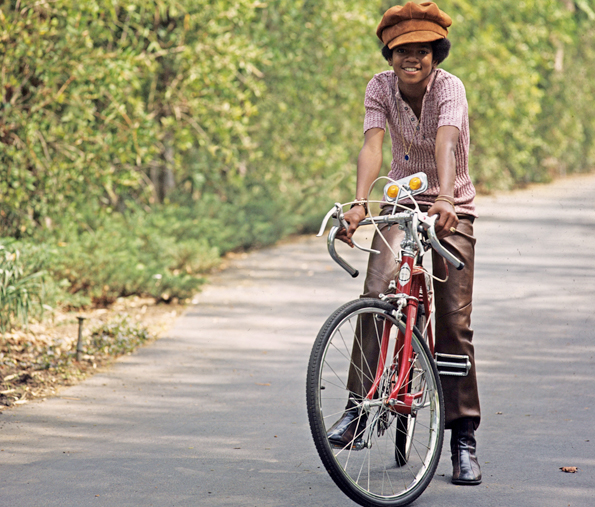
Large dark eyes, a broad nose, warm brown skin, and a smile that took up most of his face.
Looking back at the earliest photographs now, what strikes most people is how unguarded he appears, a child with no apparent awareness that his face would one day become one of the most transformed in the history of celebrity.
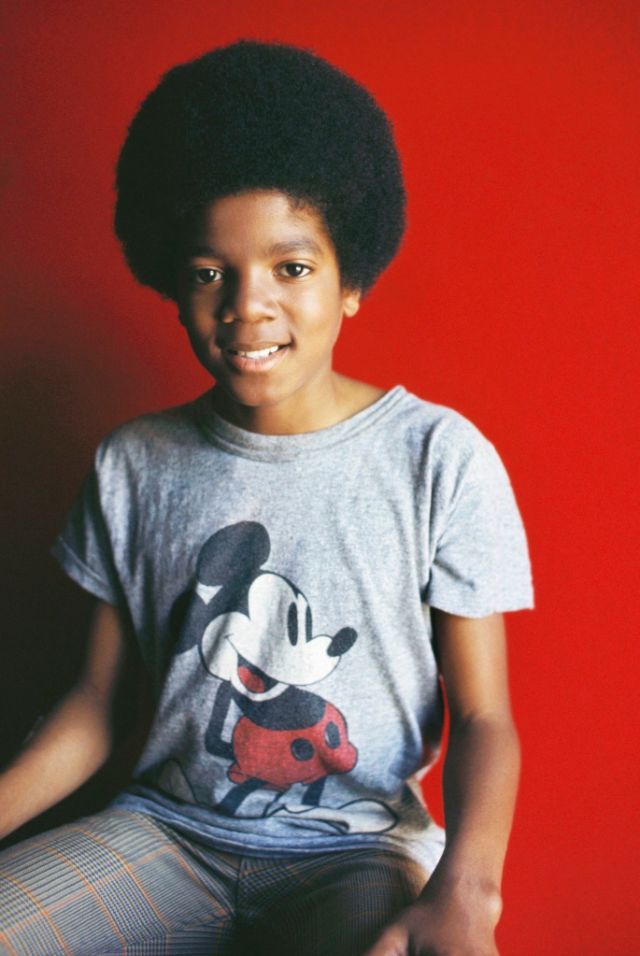
The family home at 2300 Jackson Street in Gary, Indiana, was modest to the point of being cramped, two bedrooms shared among eleven people.
It was inside those walls that the Jackson brothers, Jackie, Tito, Jermaine, Marlon, and the youngest, Michael, rehearsed endlessly under their father’s demanding eye.
Joe Jackson was a crane operator who moonlighted as a guitarist, and he recognized early on that several of his sons had unusual talent.
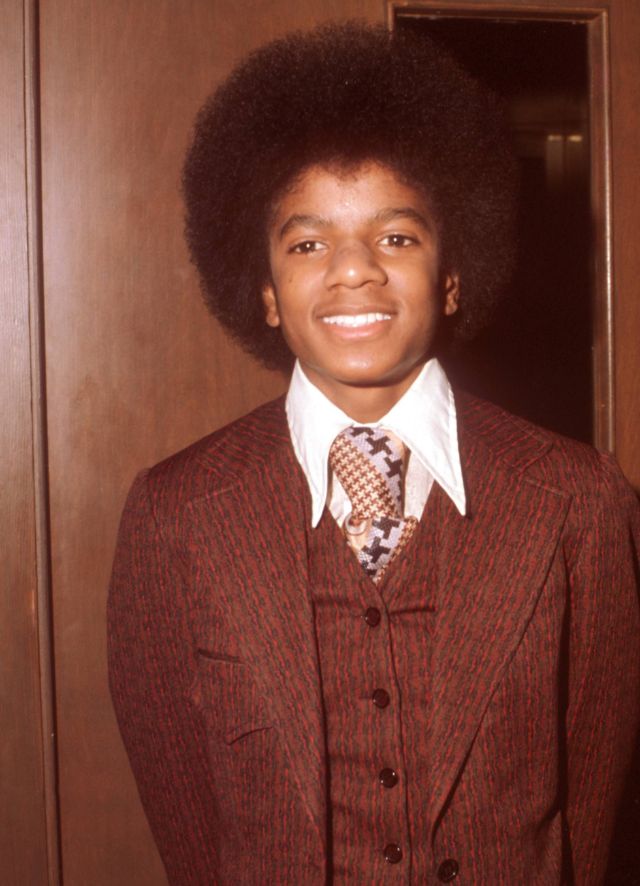 What followed was less a childhood than a training ground: intense rehearsals after school, performances at local clubs on weekends, and a domestic environment where excellence was not optional.
Michael was not the oldest, but he was undeniably the most gifted. By the age of five he was already mimicking adult choreography with an accuracy that stopped people in their tracks.
He absorbed James Brown’s footwork, Jackie Wilson’s stage presence, and the vocal phrasing of Motown artists without formal instruction. It was instinct shaped by obsession.
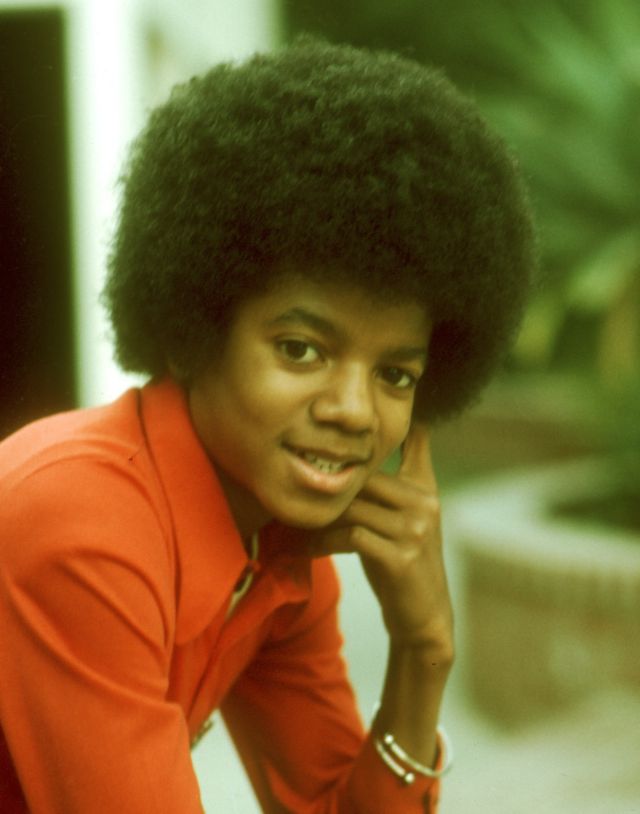 The Jackson 5 began performing publicly around 1964 and won a talent competition at Roosevelt High School in Gary in 1965 when Michael was only six years old.
Local gigs led to regional ones, and regional success led them to Motown Records, which signed the group in 1969.
The label’s founder, Berry Gordy, promoted the Jackson 5 as a phenomenon of youthful energy, and the marketing was not an exaggeration.
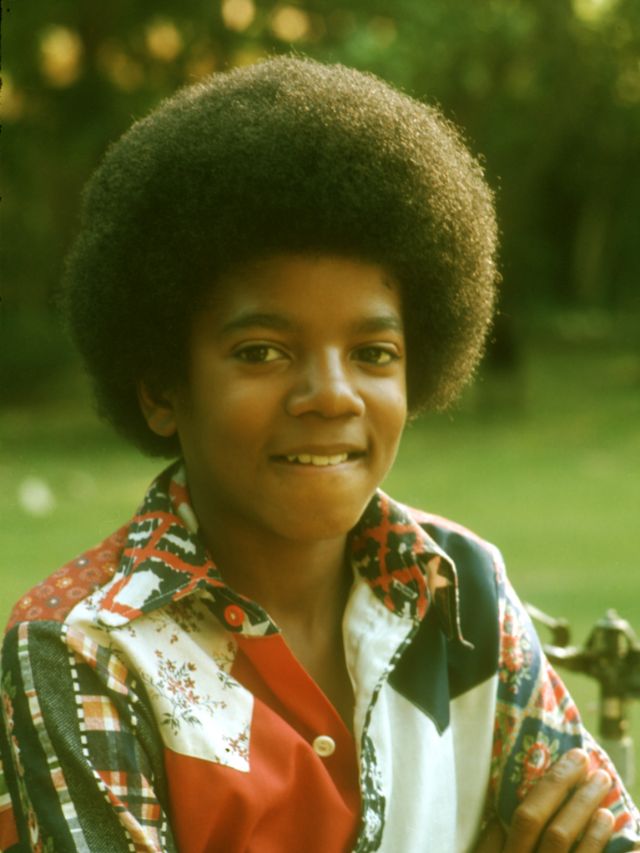 Their debut single, “I Want You Back,” reached number one on the Billboard Hot 100 in January 1970.
Michael, then eleven years old, delivered the lead vocals with a confidence and emotional depth that belied his age entirely.
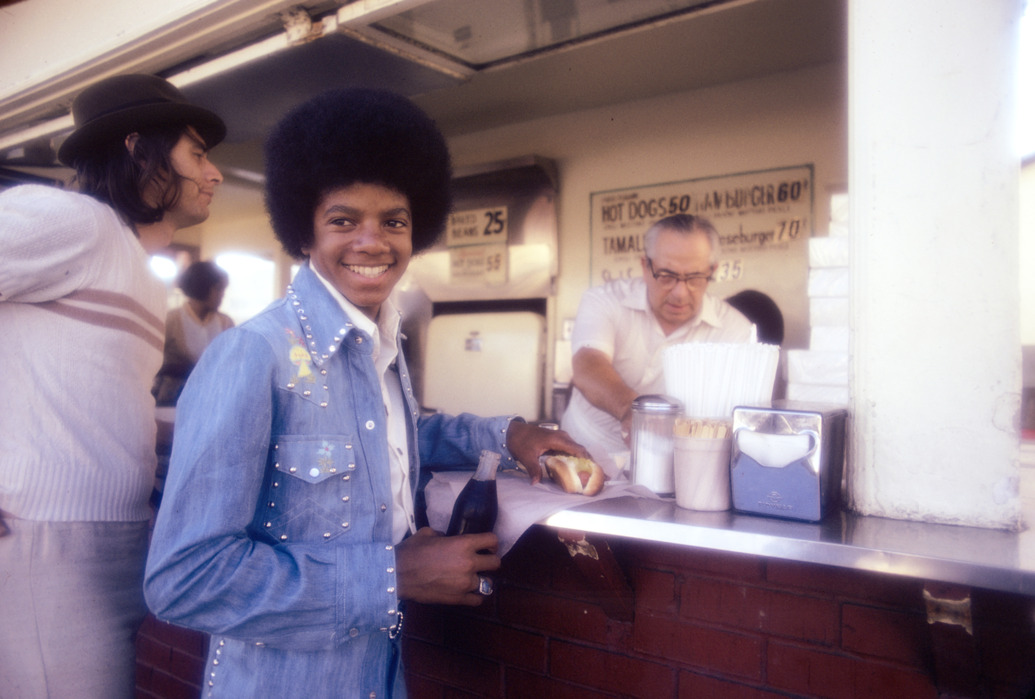
Fan magazines of the early 1970s ran features on his favorite foods, his love of animals, and his shyness off stage.
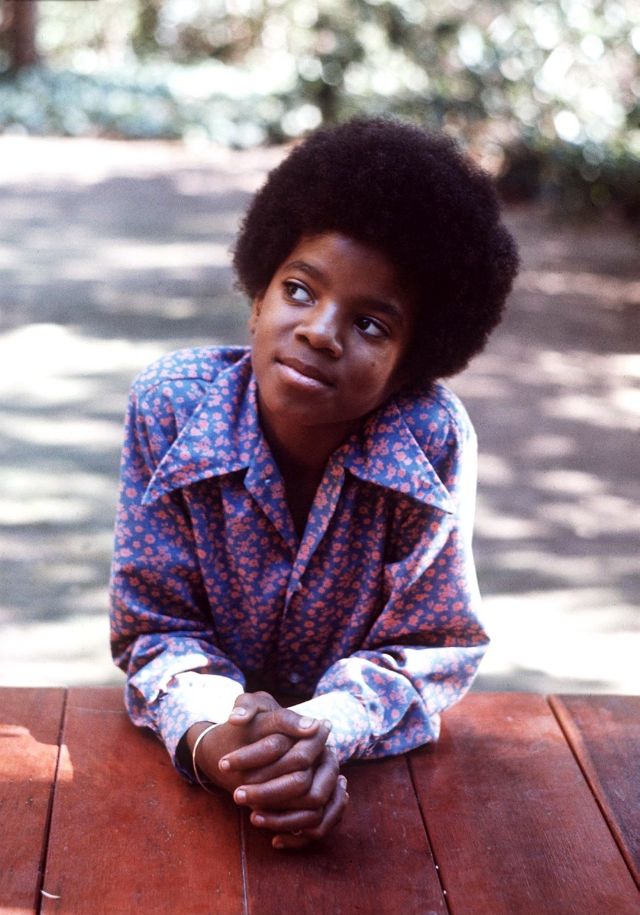 The contrast between his private quietness and his explosive stage presence was a recurring theme from the very beginning.
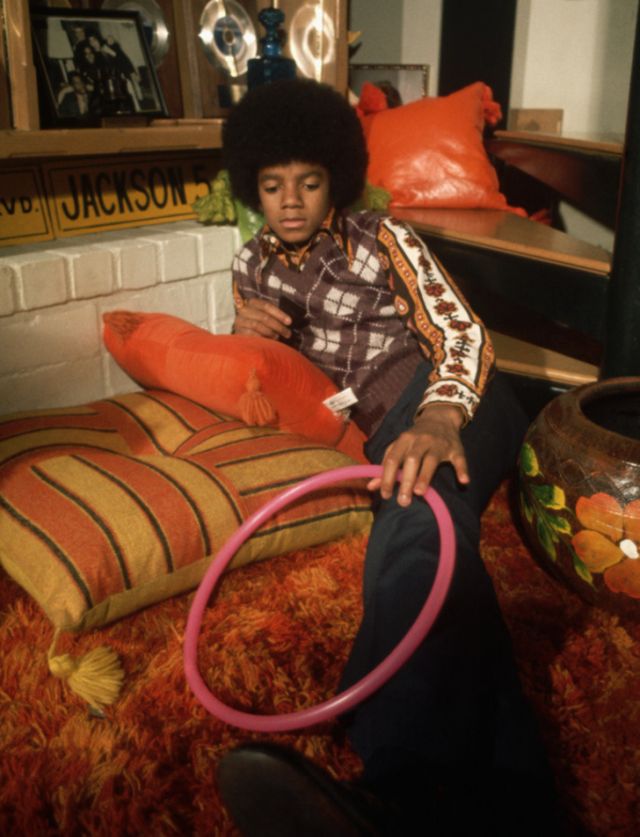
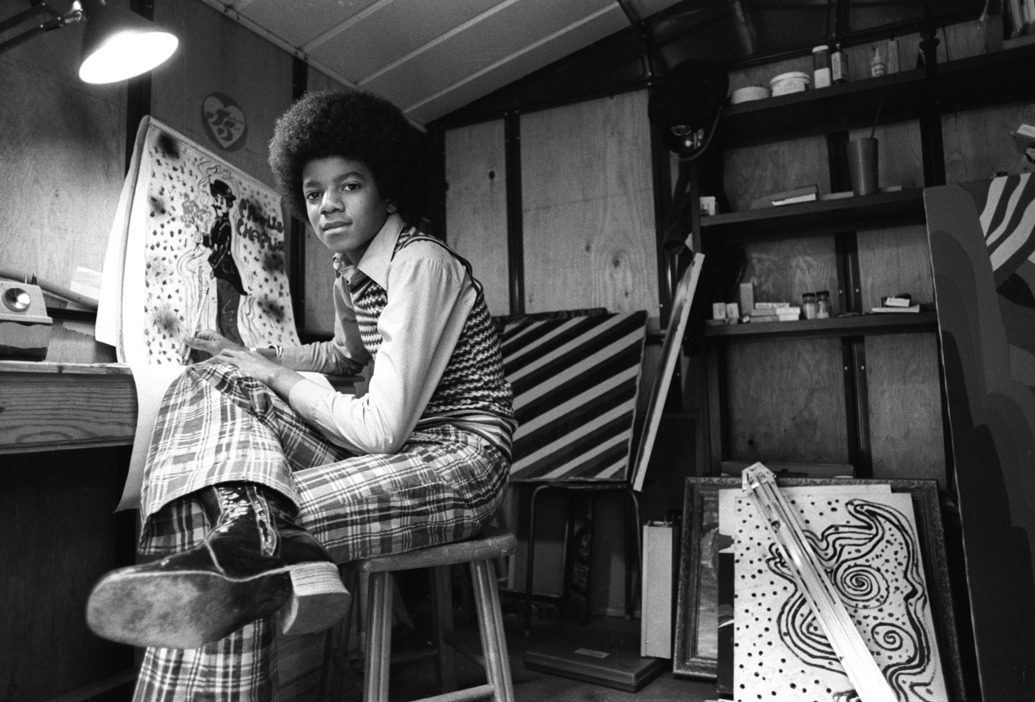
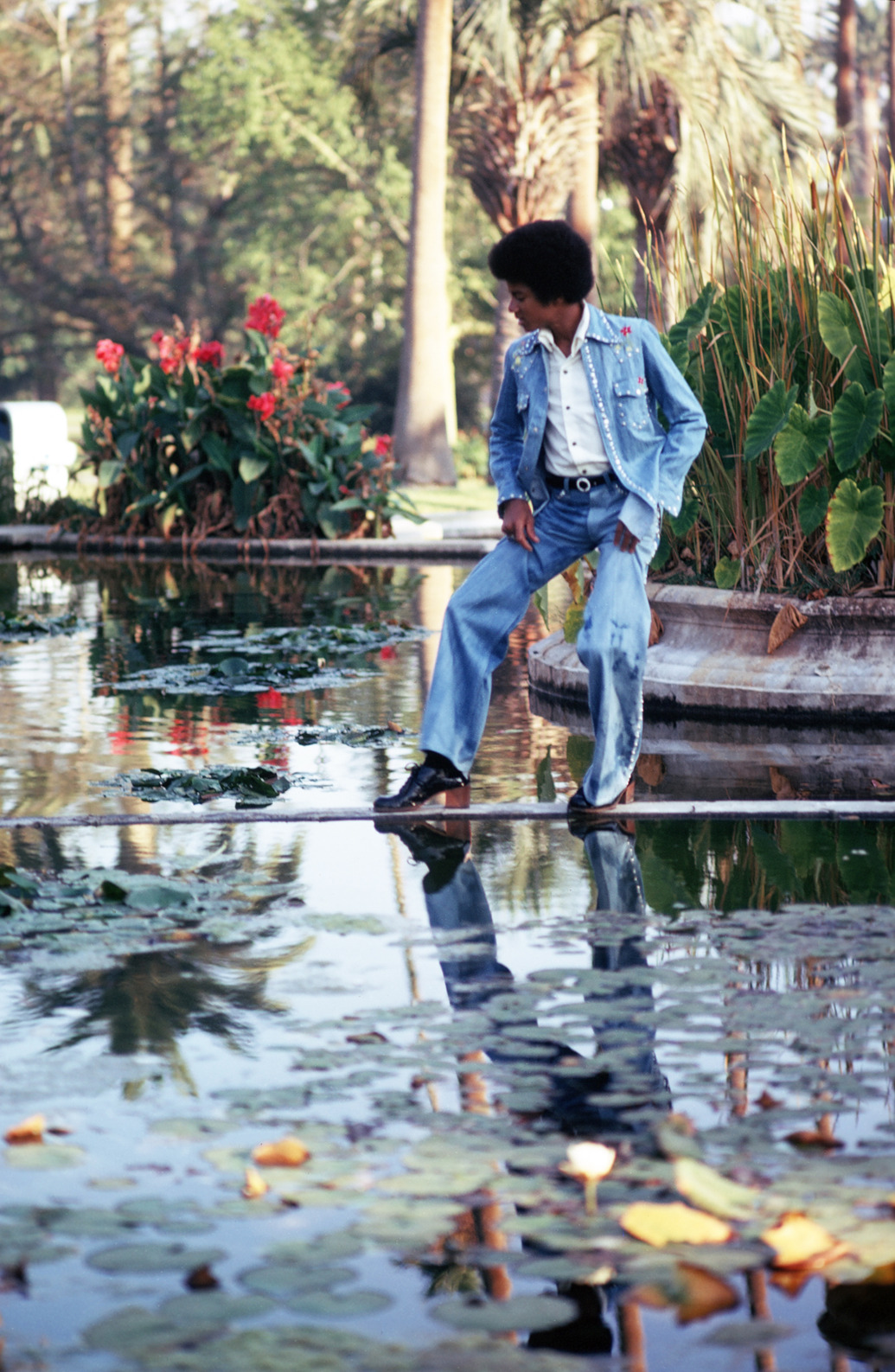
In photographs from this period he looks exactly like what he was: a bright, expressive kid with a natural magnetism that the camera had no trouble finding.
The family relocated to Encino, California, after the Motown deal, and the shift from Gary’s industrial grit to suburban Los Angeles was enormous.
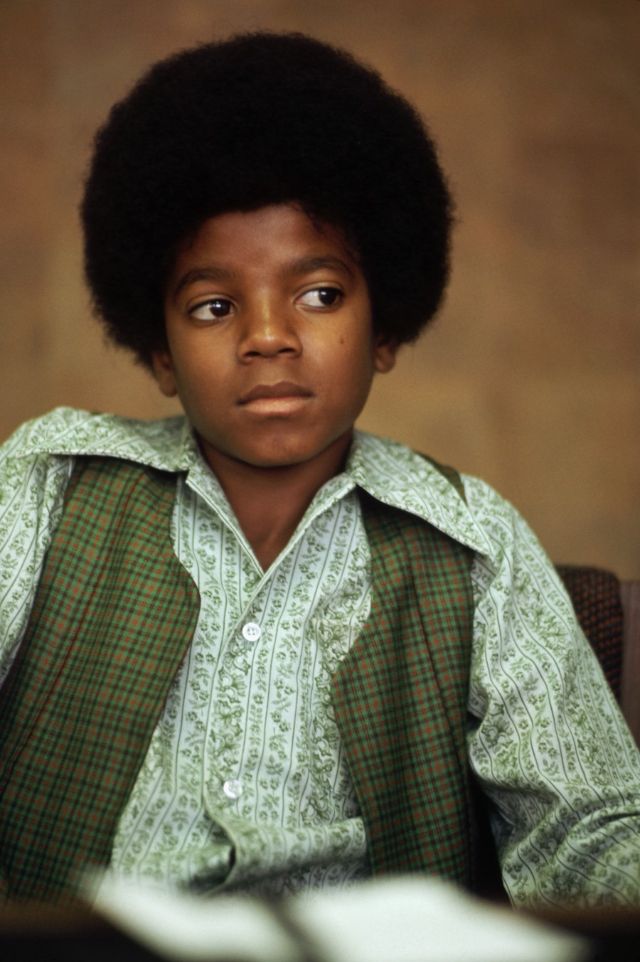 By the mid-1970s, Michael was navigating adolescence under conditions no teenager should face: constant public attention, an overbearing management structure, and the psychological weight of being the primary breadwinner for a large family before he was old enough to drive.
Like many teenagers, he struggled with acne, but unlike most teenagers, he was processing those insecurities entirely in public.
Interviews from the period suggest he was deeply self-conscious about his skin and his nose, and that his father’s offhand critical remarks about his appearance had left a mark.
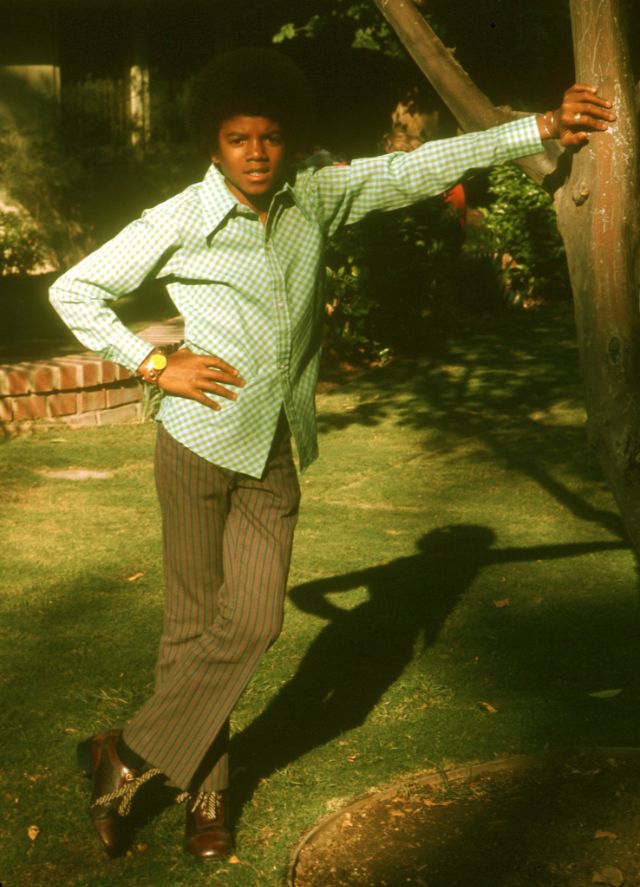 The Jackson 5 eventually left Motown for CBS Records in 1975, rebranding as The Jacksons, and Michael continued to develop as both a vocalist and a performer.
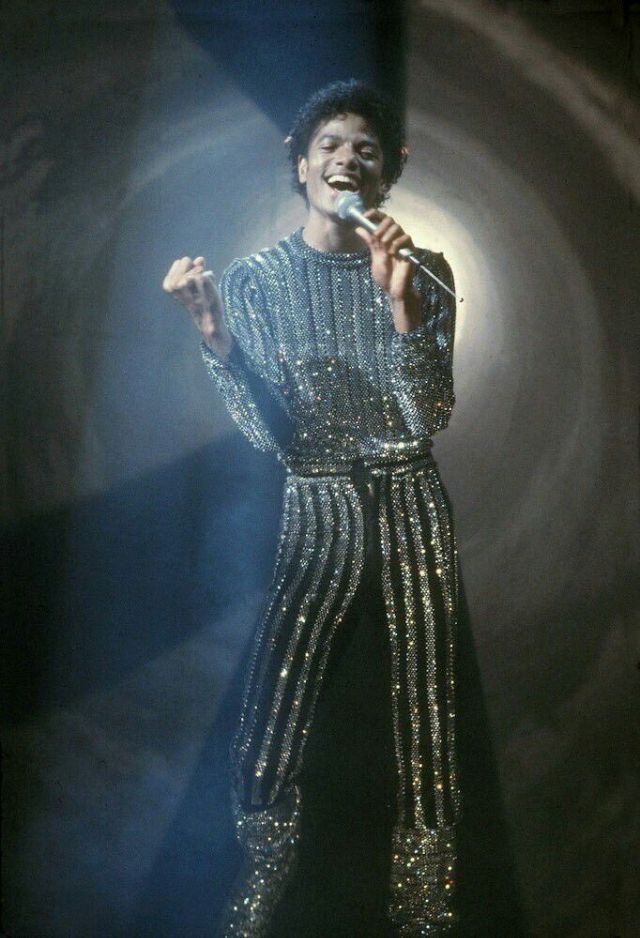
His 1979 solo album Off the Wall, produced by Quincy Jones, was the turning point that separated Michael the child star from Michael the adult artist.
At twenty years old, he was charting in an entirely new register, sophisticated, funky, and emotionally complex. But it was also around this period that the first visible changes to his appearance began to draw attention.
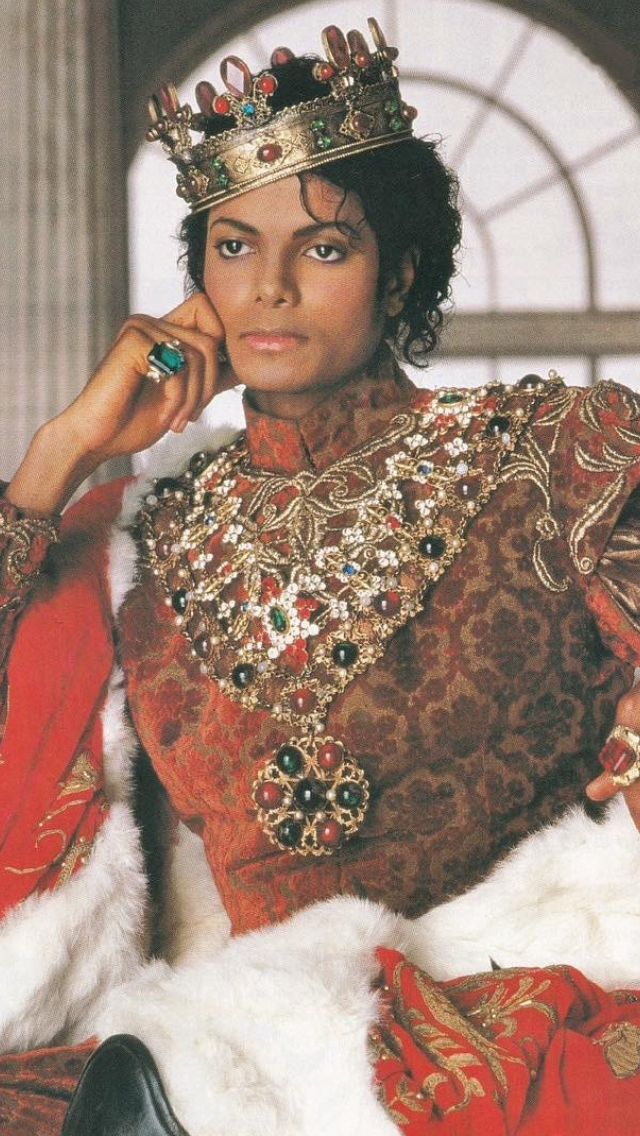
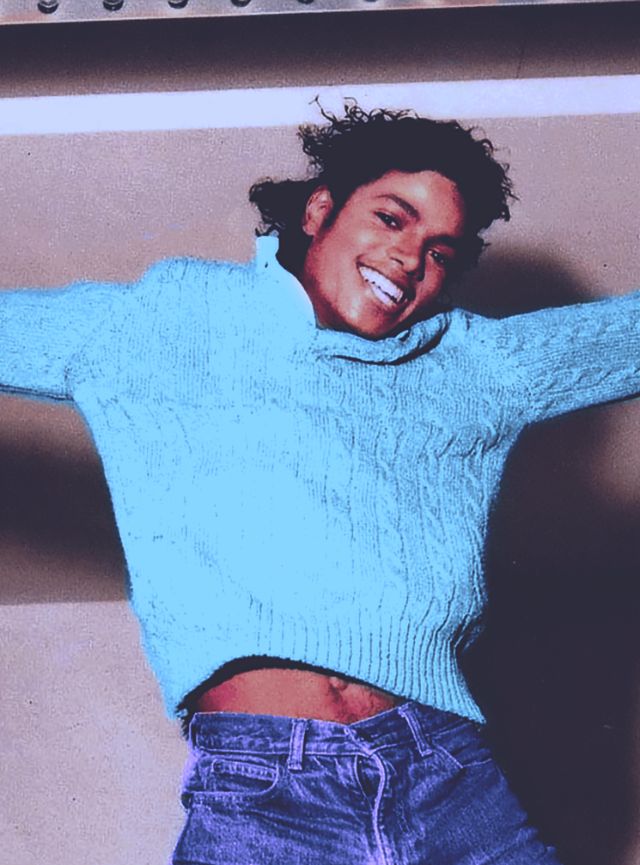
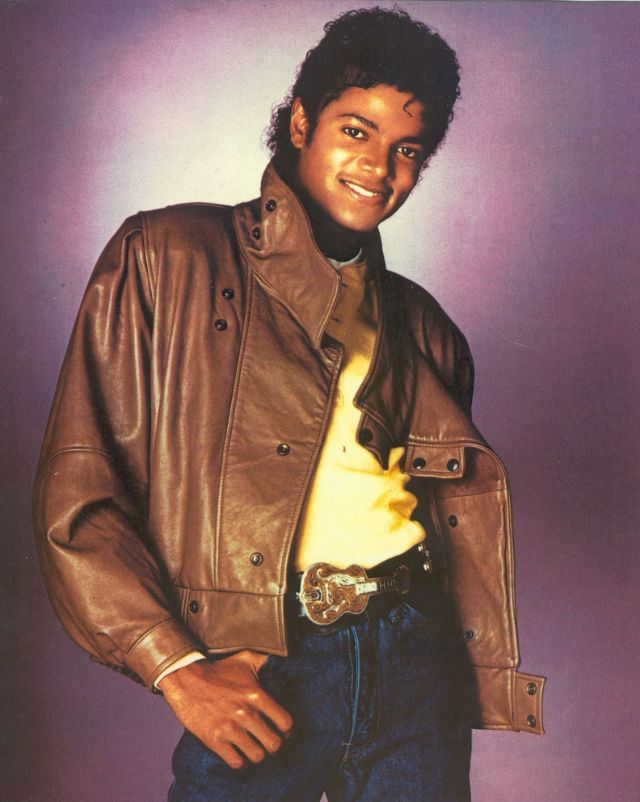
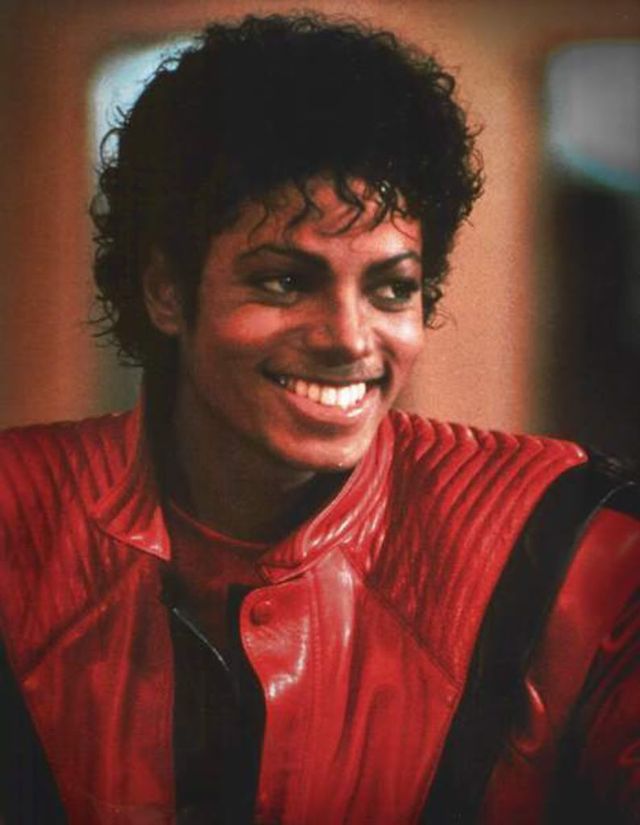
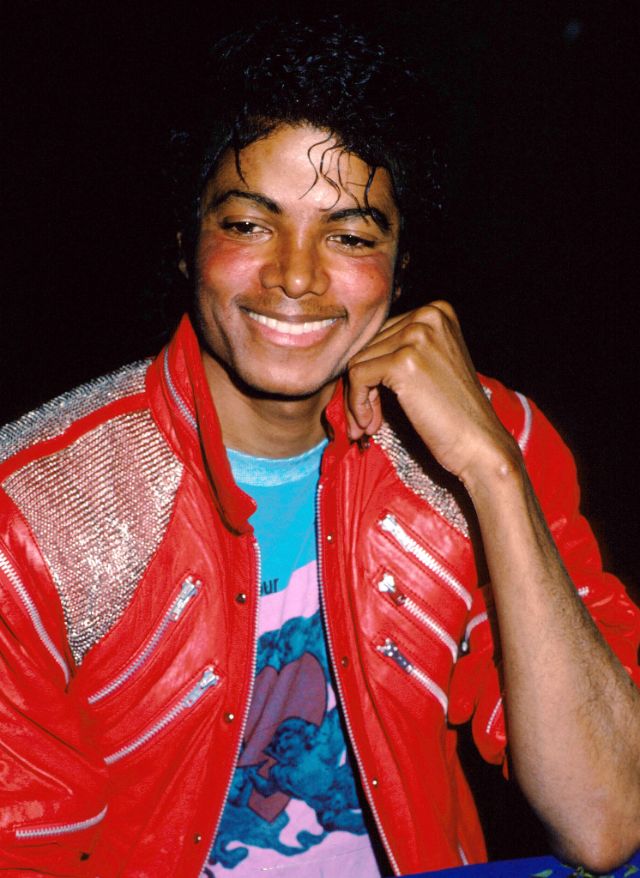
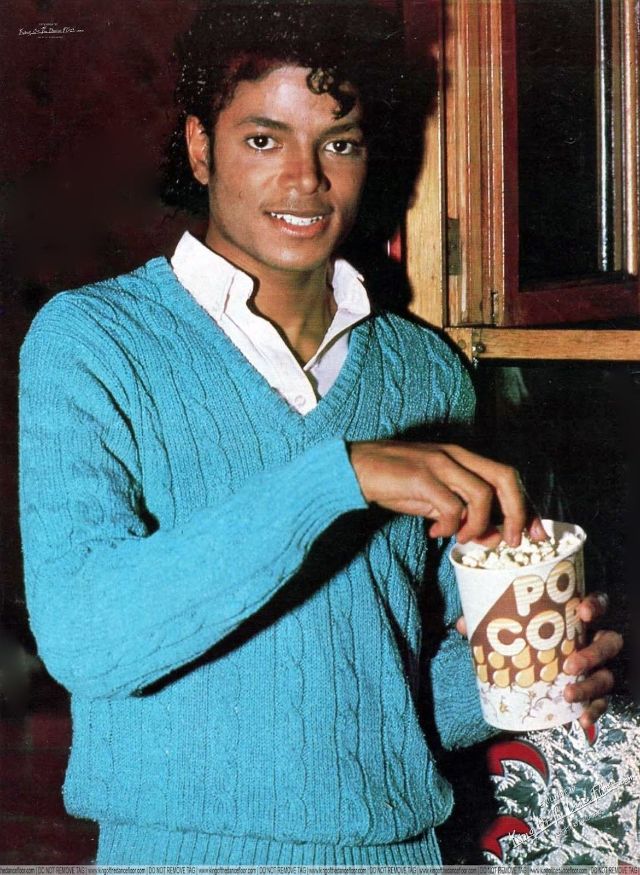
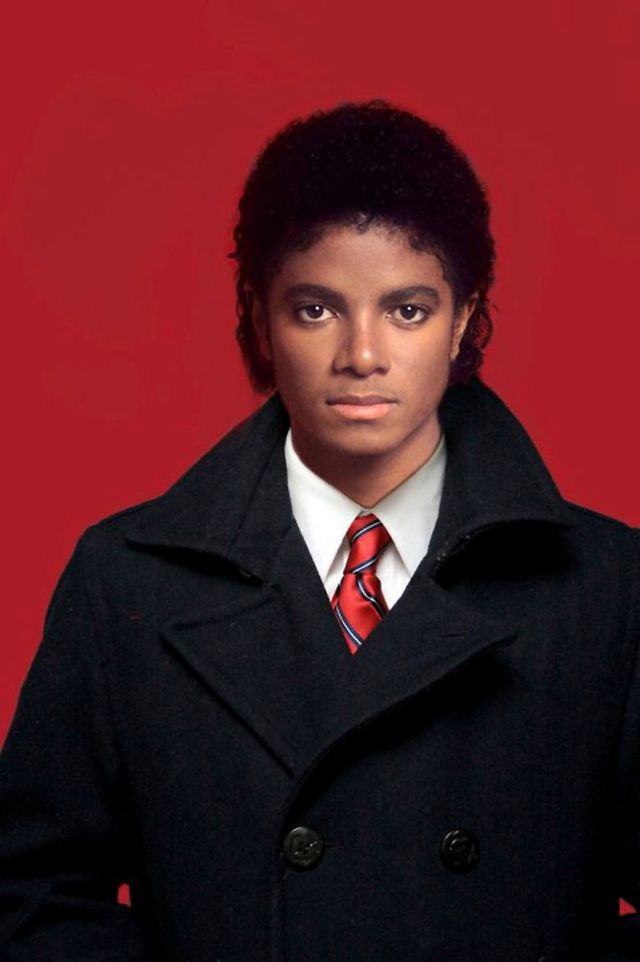
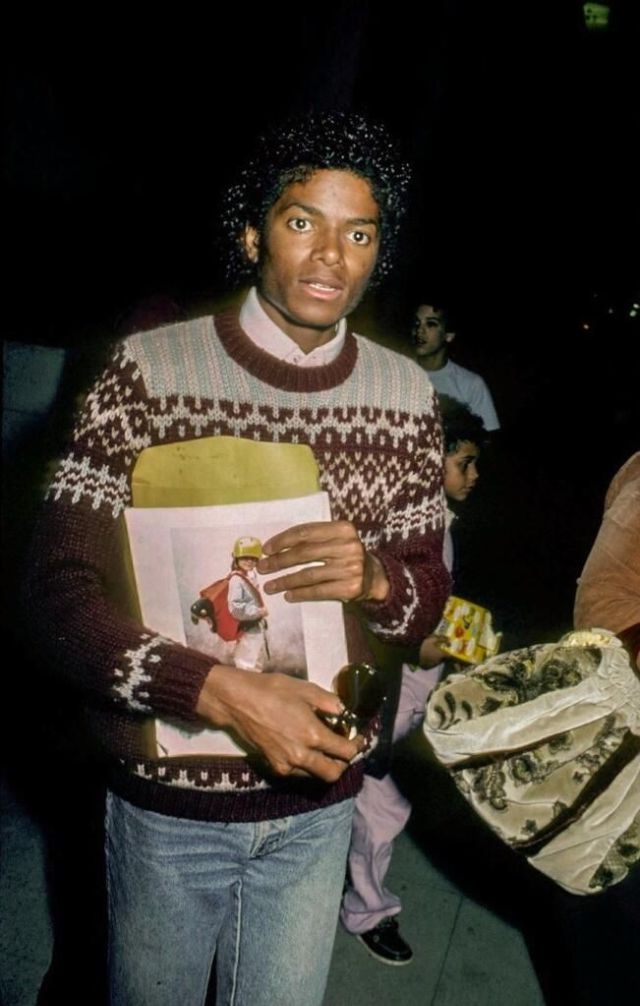
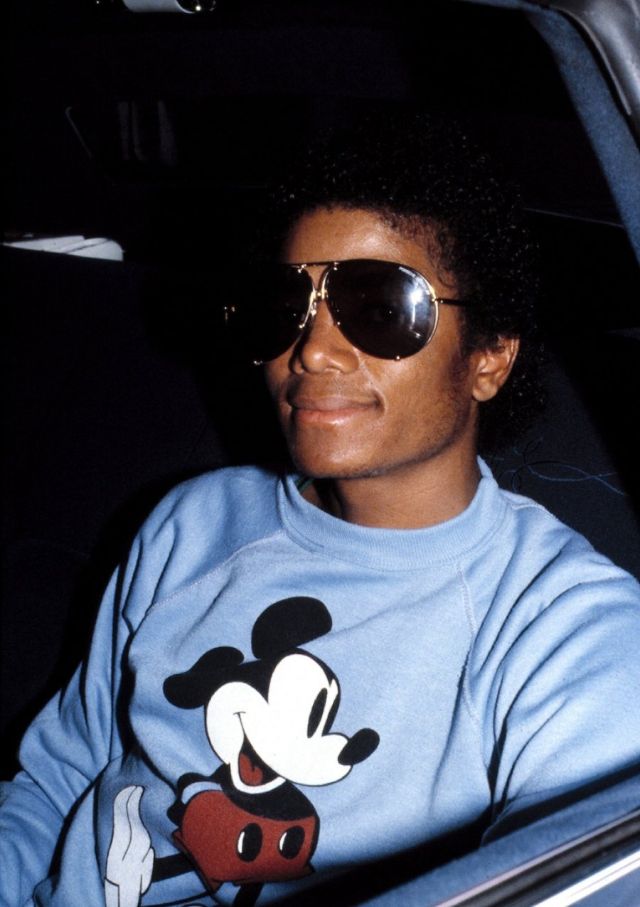
 Photographs from the early 1980s show a subtly but unmistakably different face. His nose had been refined, the result of rhinoplasty that he later acknowledged having, initially describing it as a medical necessity after breaking his nose during a dance rehearsal.
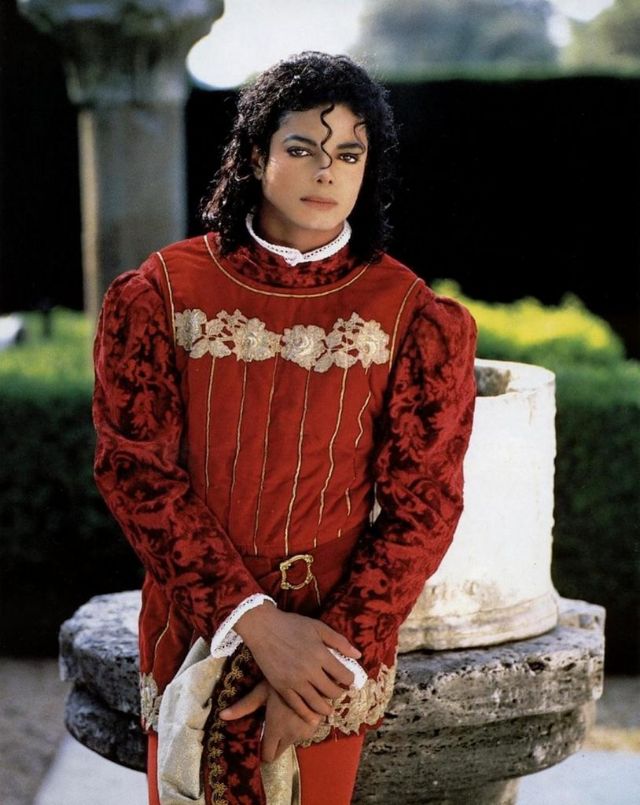
Further procedures followed over the years, reshaping the nose progressively into the narrow, sharply defined form that became familiar worldwide. The changes extended beyond surgery.
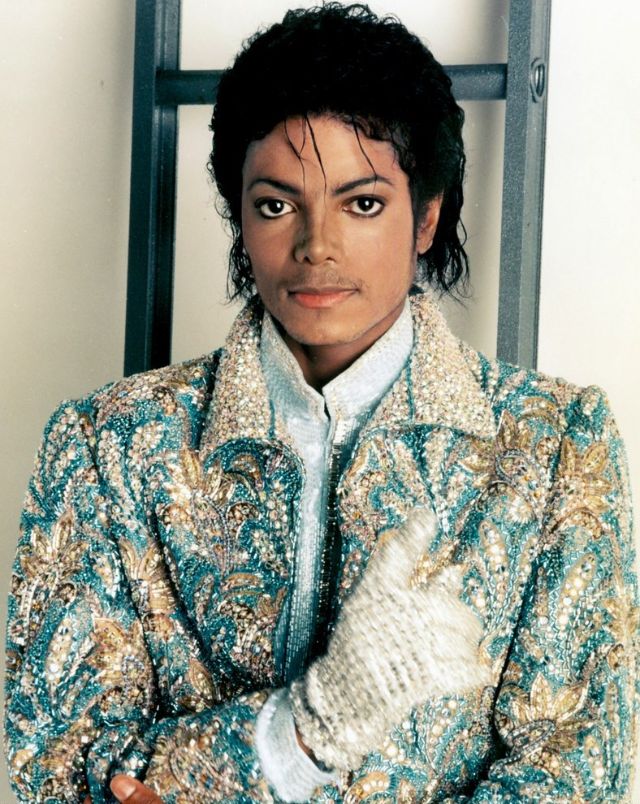
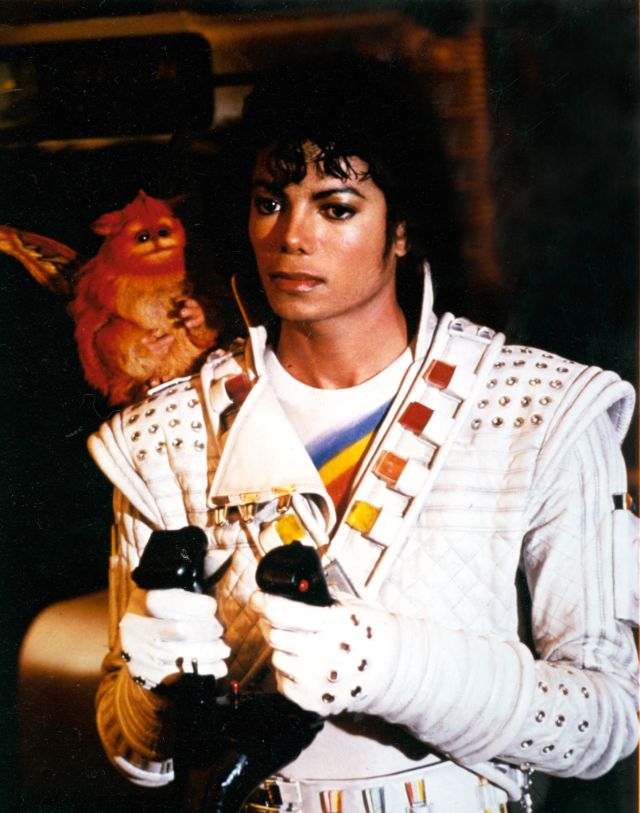
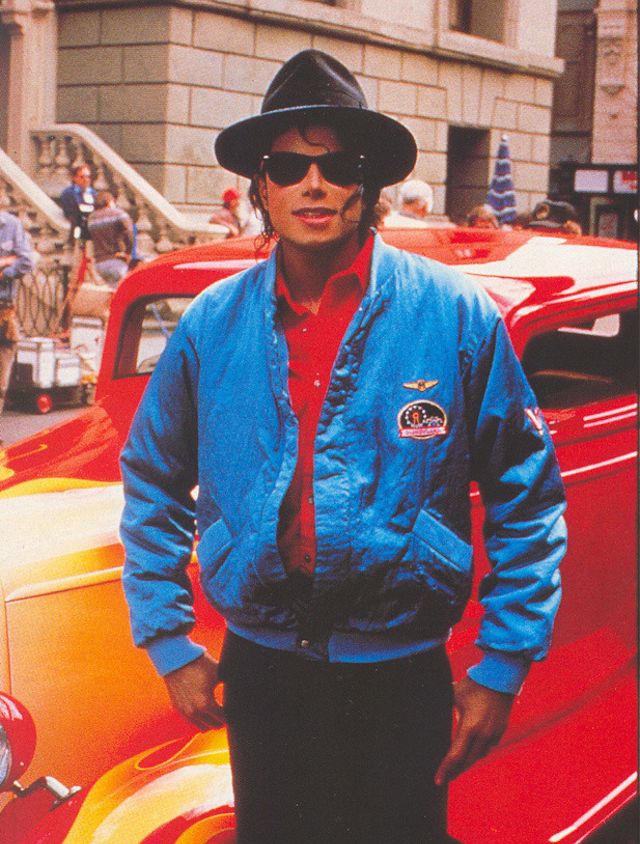
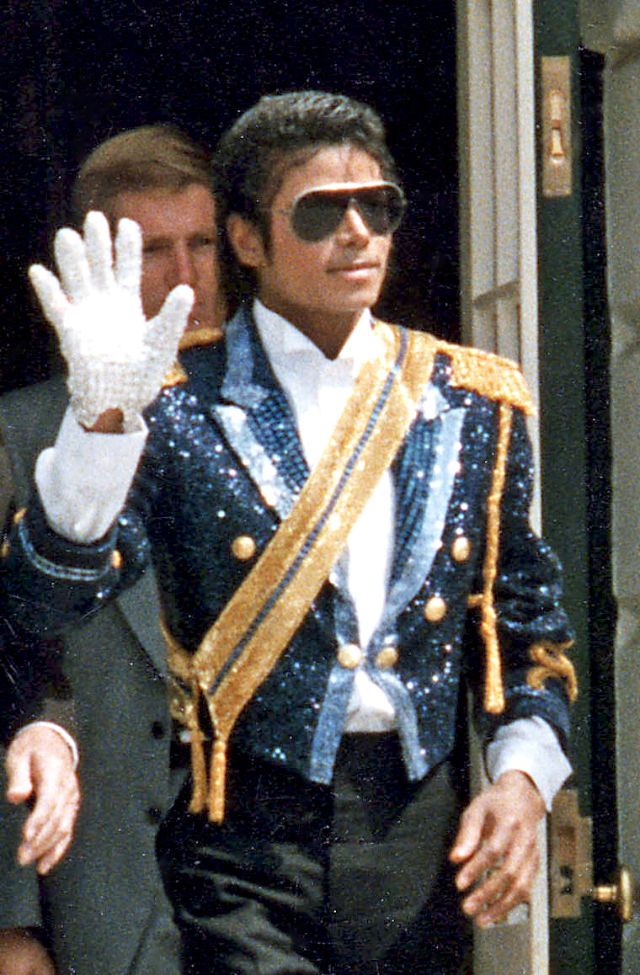
By the mid-1980s, his skin tone had begun to lighten noticeably, a transformation he attributed to vitiligo, a medical condition that causes patches of skin to lose their pigmentation.
 Dermatologists who have commented on his case have noted that vitiligo can indeed produce dramatic depigmentation, and that individuals with the condition sometimes use bleaching creams to even out their skin tone.
Jackson confirmed the diagnosis publicly in a 1993 interview with Oprah Winfrey.
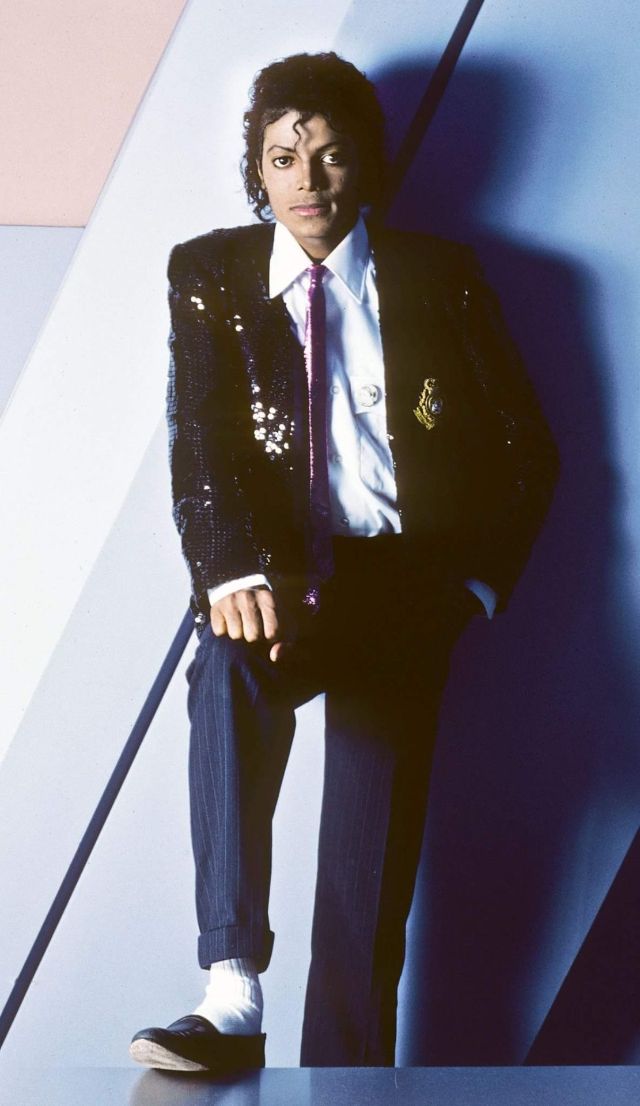
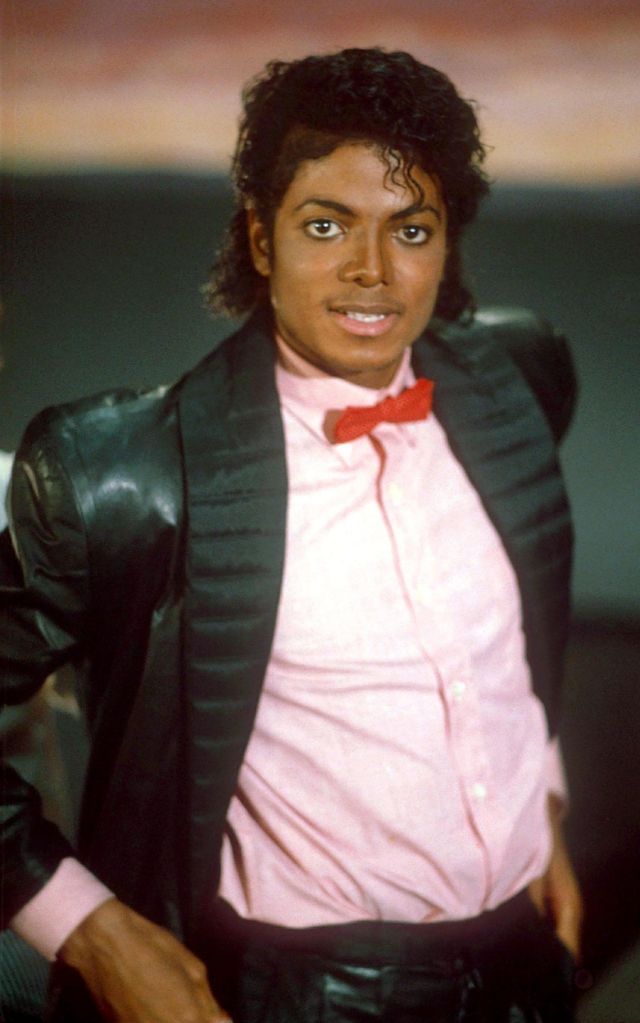
 The physical transformation was gradual across the decade but unmistakable in aggregate.
By the time Thriller became the best-selling album in history in 1983, the face on the album cover already looked noticeably different from the boy who had sung “ABC” thirteen years earlier.
Whether driven by medical condition, personal choice, or a complex response to years of public scrutiny, the changes reflected a private struggle playing out in front of a global audience.
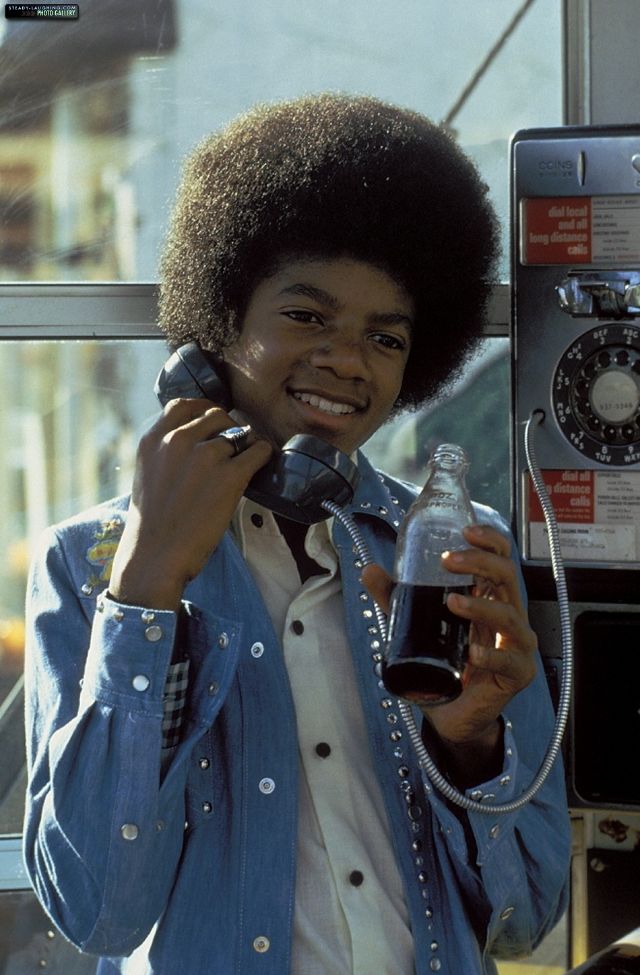 What the vintage photographs of young Michael Jackson preserve is something the later years often obscured: a remarkably talented, deeply sensitive child who carried enormous responsibility with apparent grace.
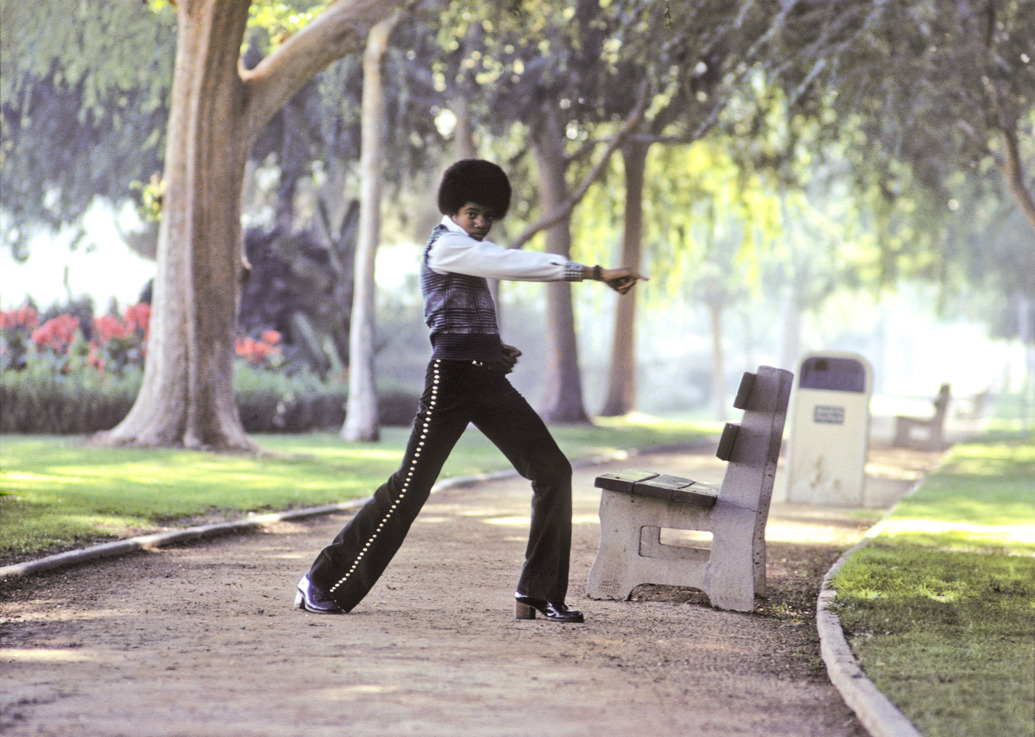
Before the mythology took over, there was simply a kid from Gary with a wide smile and restless feet, who had no idea how much of the world would one day be watching.



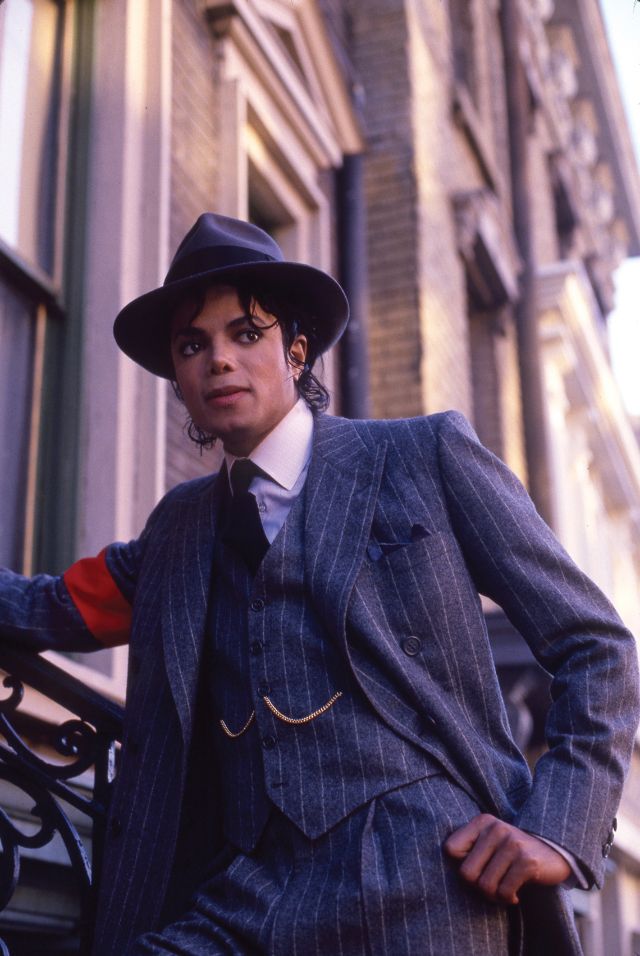
(Photo credit: Wikimedia Commons / Flickr).