
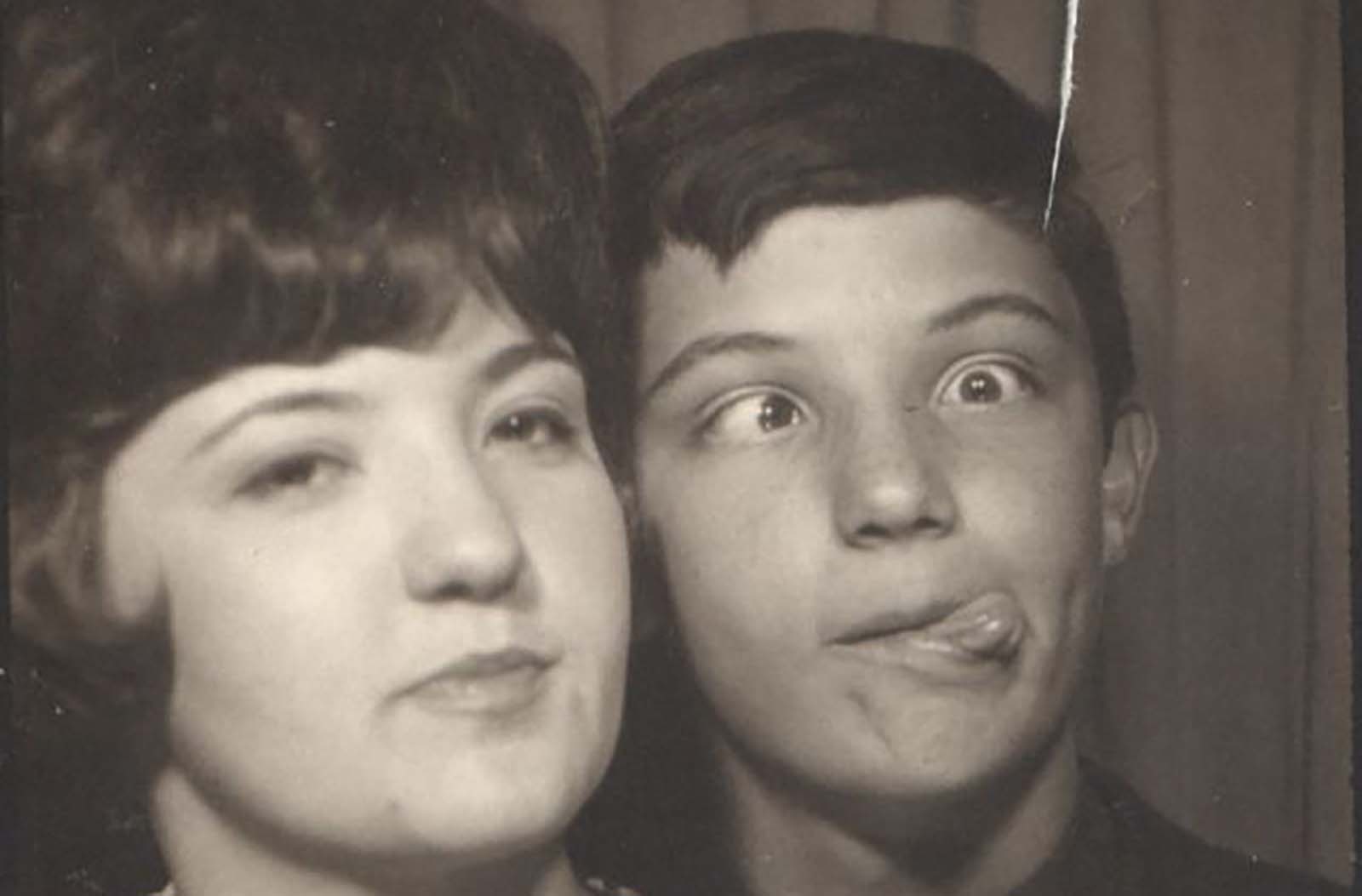
Vintage Photobooth Portraits Capture Intimate Moments Between 1950s Couples
Tucked into train stations, arcades, and neighborhood drugstores, the photobooth offered something rare in mid-20th-century America: a brief moment of privacy in the middle of a busy public space.
Behind a small curtain and within the tight frame of a simple camera, couples found a place where affection could unfold naturally.
The resulting photo strips, produced in a matter of minutes, captured quiet gestures and playful expressions that rarely appeared in formal portraits.
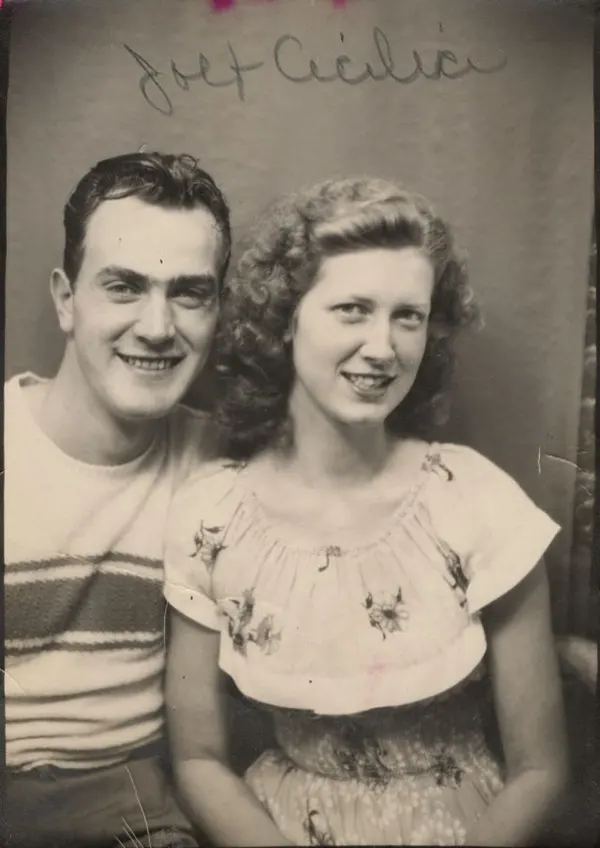
Today, these modest images provide a glimpse into the romance and everyday emotions of young couples in the 1940s, 1950s, and early 1960s.
Coin-operated photobooths became widely popular during this period, transforming photography from a carefully arranged event into something spontaneous and accessible.
For just a few coins, anyone could step inside the booth, sit on a narrow bench, and watch as the camera flashed several times in quick succession.
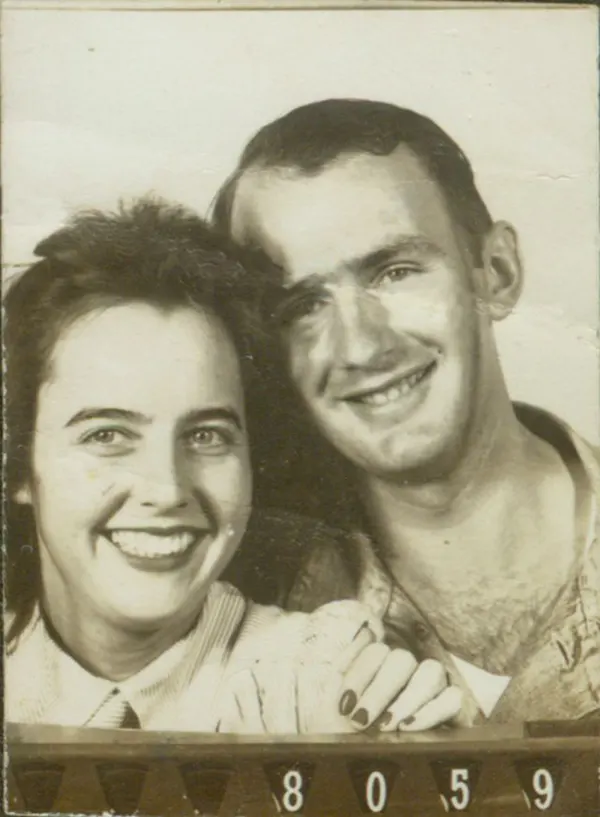 Each session produced a strip of small black-and-white photographs that documented a sequence of moments rather than a single posed image.
This simple format encouraged experimentation, laughter, and intimacy, allowing couples to interact freely while the camera quietly recorded each expression.
The charm of these portraits lies in their honesty. Unlike traditional studio photography, which often involved stiff poses, controlled lighting, and the presence of a professional photographer, the photobooth placed the entire experience in the hands of the subjects themselves.
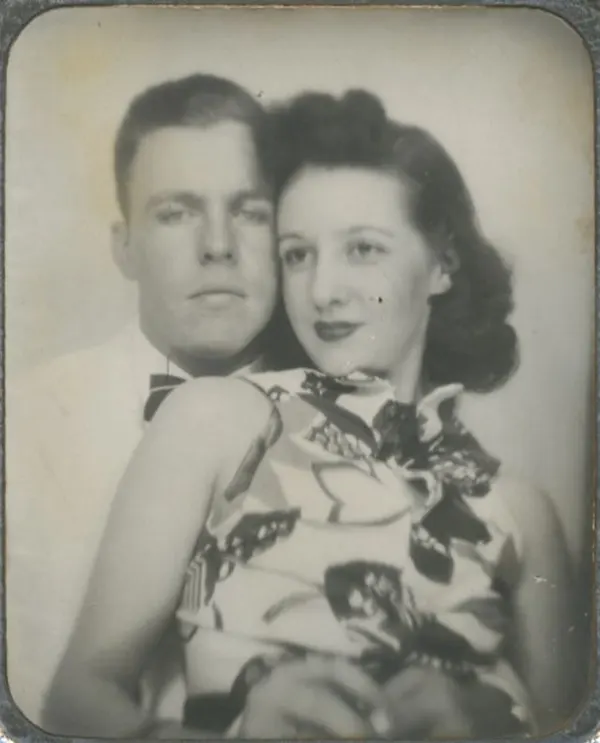 Couples could lean closer, exchange a quick kiss, or pull a playful face without feeling observed.
The camera captured the rhythm of their interaction frame by frame, preserving subtle changes in expression that revealed genuine emotion.
For many young people of the era, the photobooth became closely tied to dating culture. A visit to an amusement park, a night at the movies, or an afternoon spent wandering downtown often ended with a quick stop inside the booth.
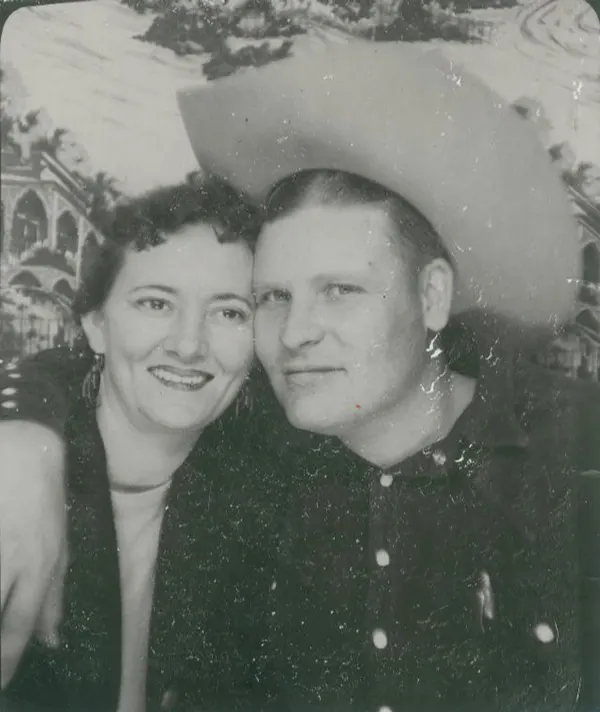 The resulting photo strip served as a small but meaningful souvenir of time spent together. Some were tucked into wallets or handbags, others slipped into letters or scrapbooks.
Over time, these tiny images became treasured reminders of relationships, first loves, and the excitement of youth.
The context of the era made these private moments even more significant. Public displays of affection were often restrained by social expectations, especially in smaller towns or conservative communities.
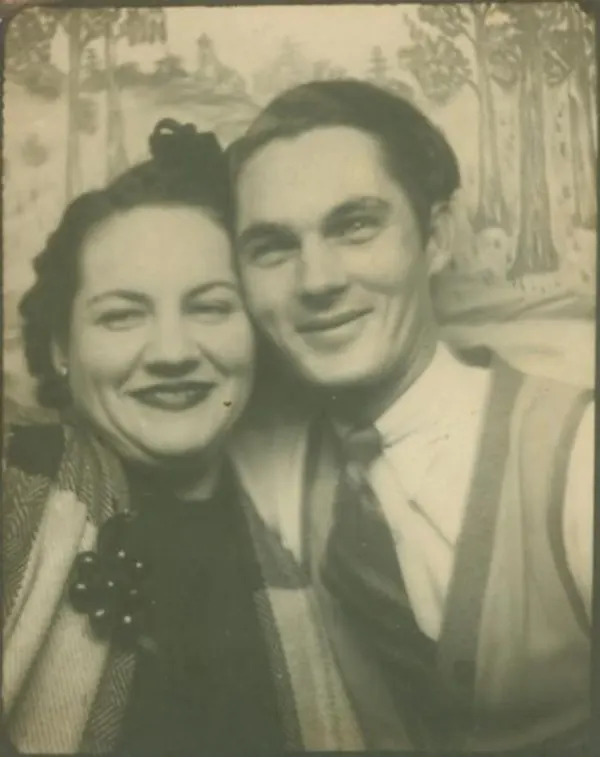 The curtained photobooth offered a rare space where couples could relax and express themselves freely without attracting attention.
In just a few seconds, the camera documented gestures that might otherwise have gone unseen—hands intertwined, heads leaning together, or a shy smile turning into laughter.
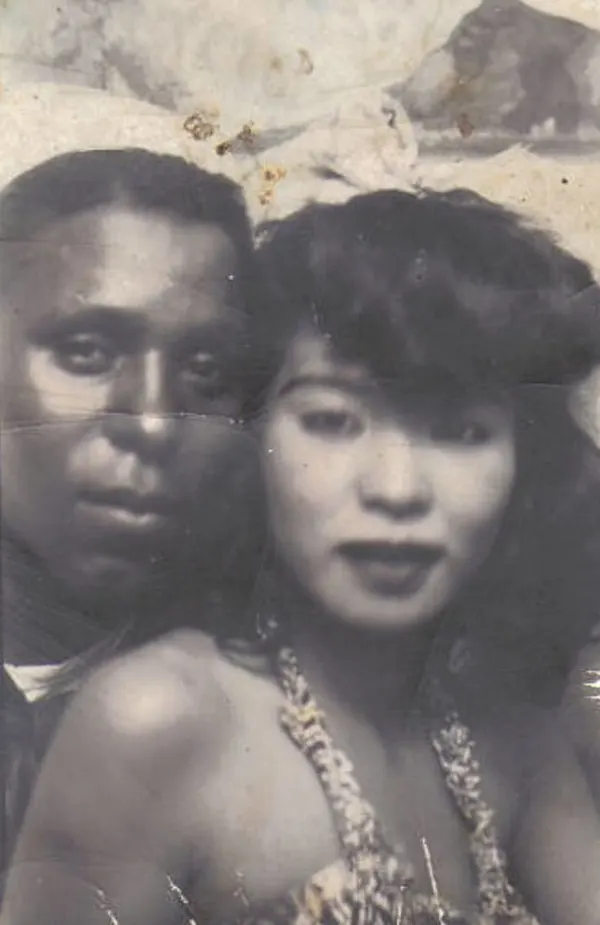 Today, surviving photobooth strips offer historians and collectors a small but revealing window into everyday life during the mid-20th century.
Unlike carefully staged photographs preserved in albums or archives, these images were created casually and often kept in pockets, drawers, or letters.
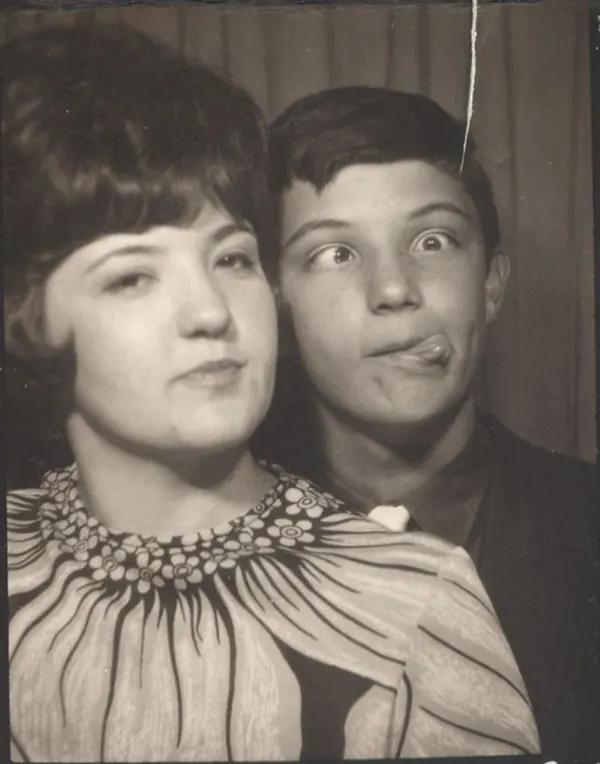 Their survival provides an unfiltered look at the clothing, hairstyles, gestures, and social dynamics of young couples during a period when photography was becoming increasingly accessible to the public.
As decades pass, many of these fragile strips continue to surface in flea markets, family collections, and historical archives, each carrying fragments of stories that are rarely recorded elsewhere.
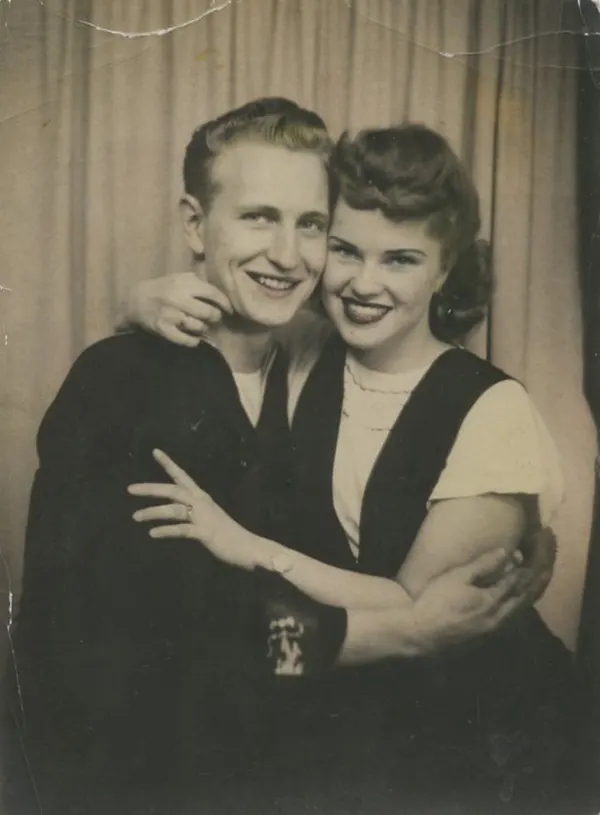
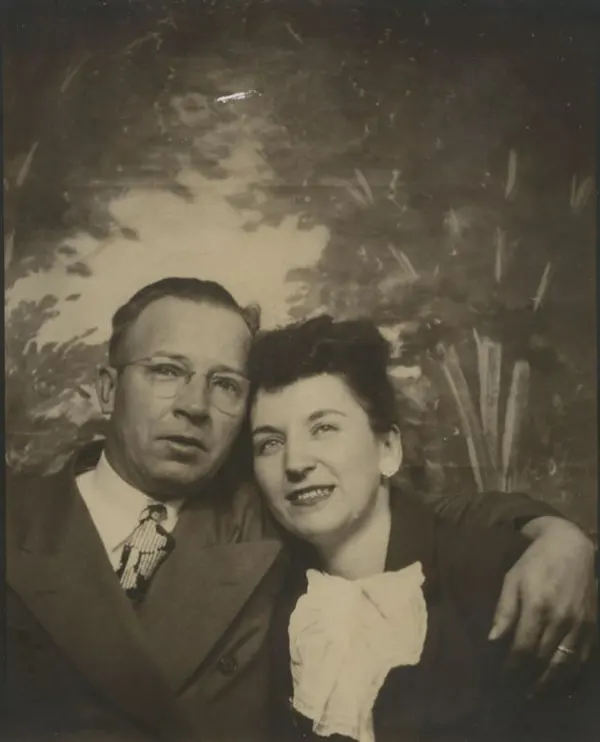
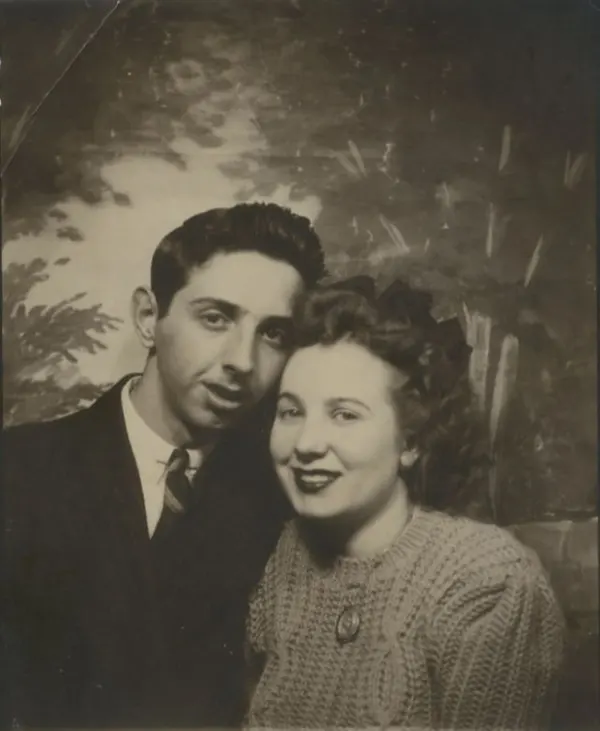
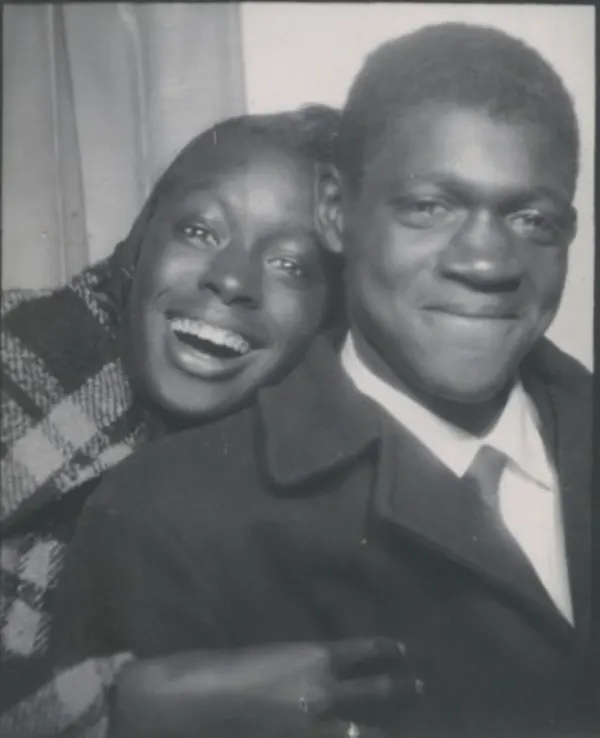
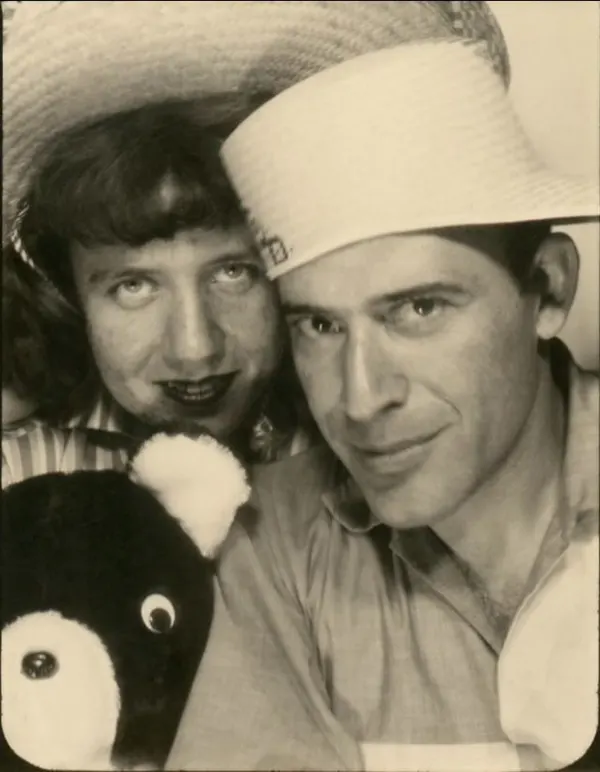
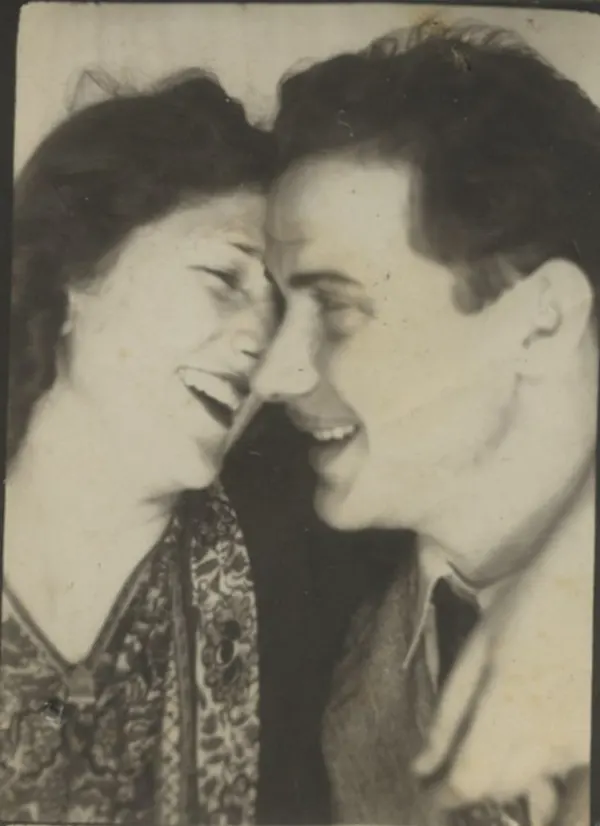


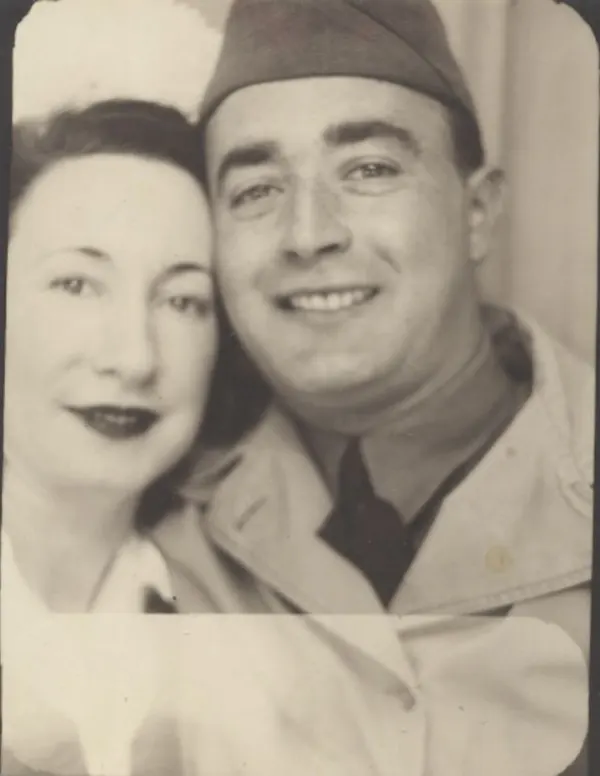
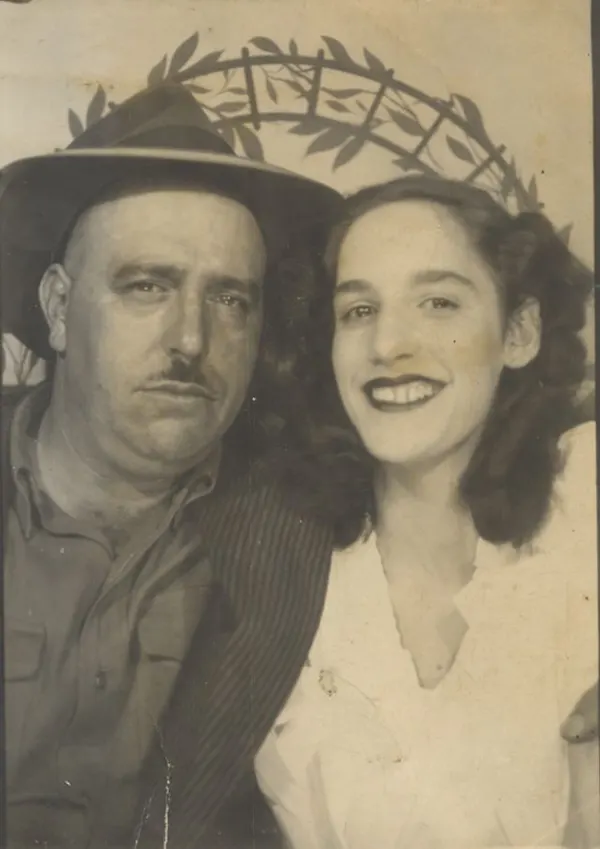
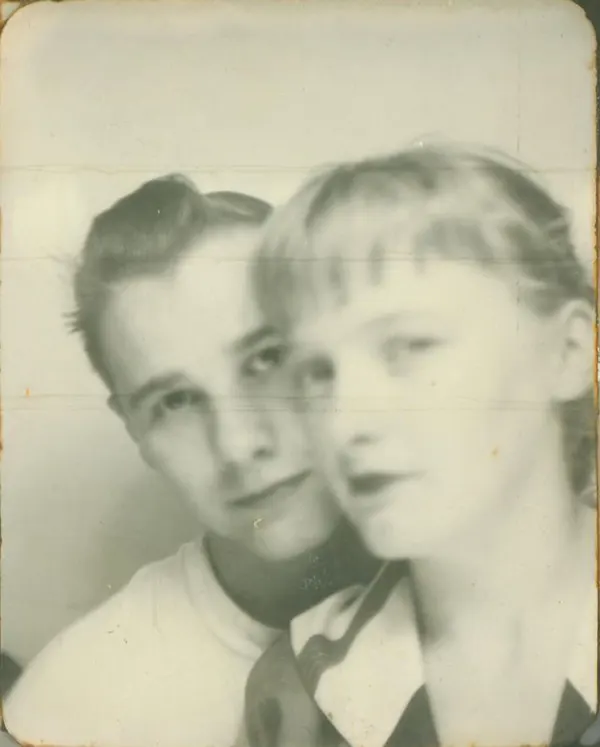
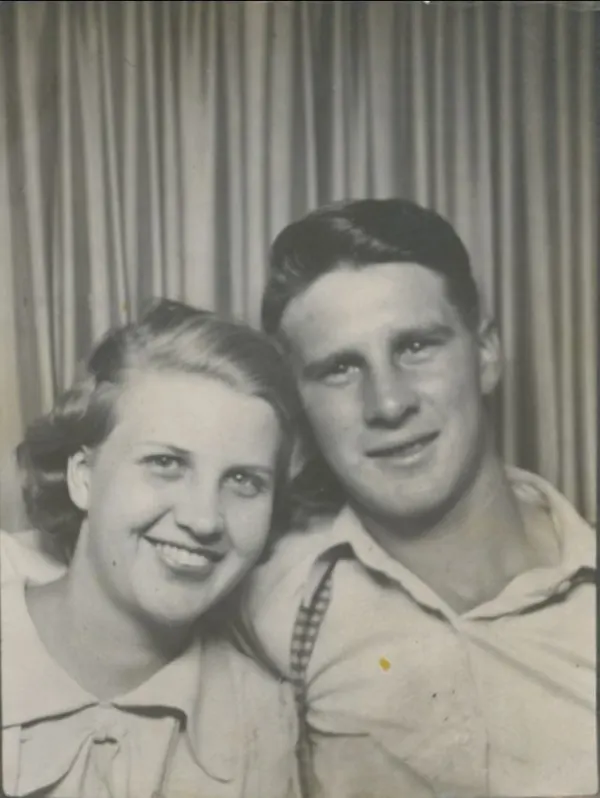
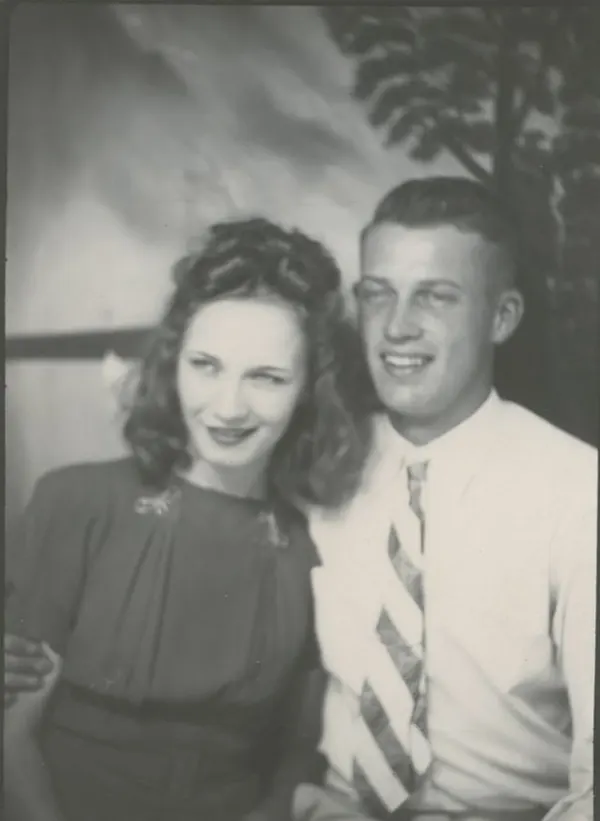
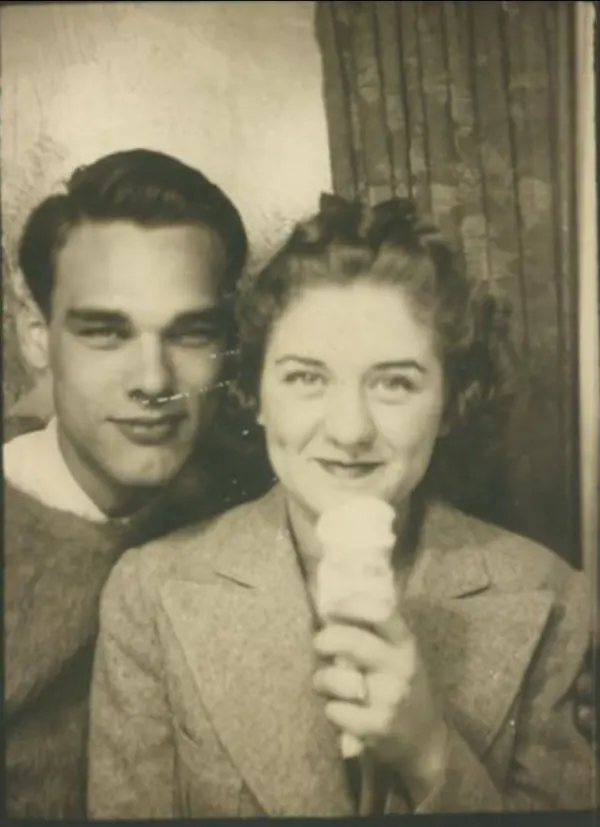
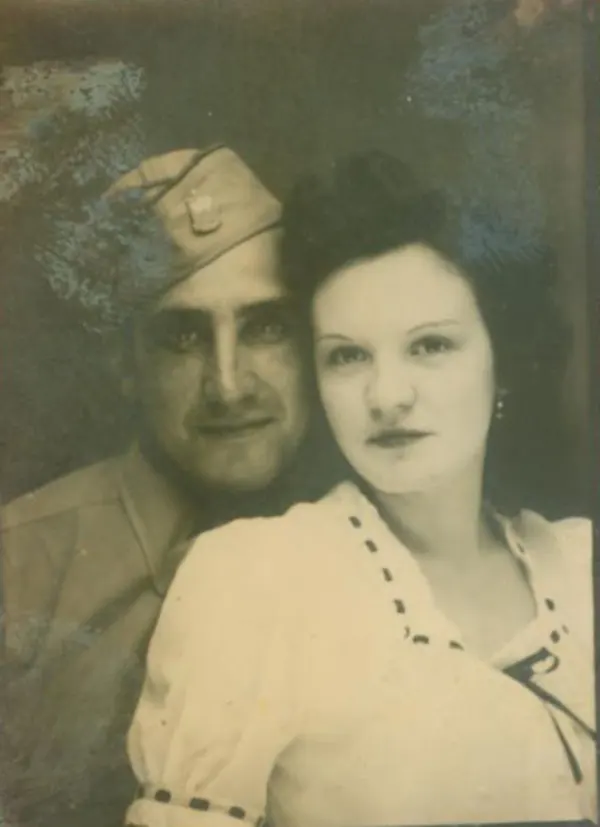
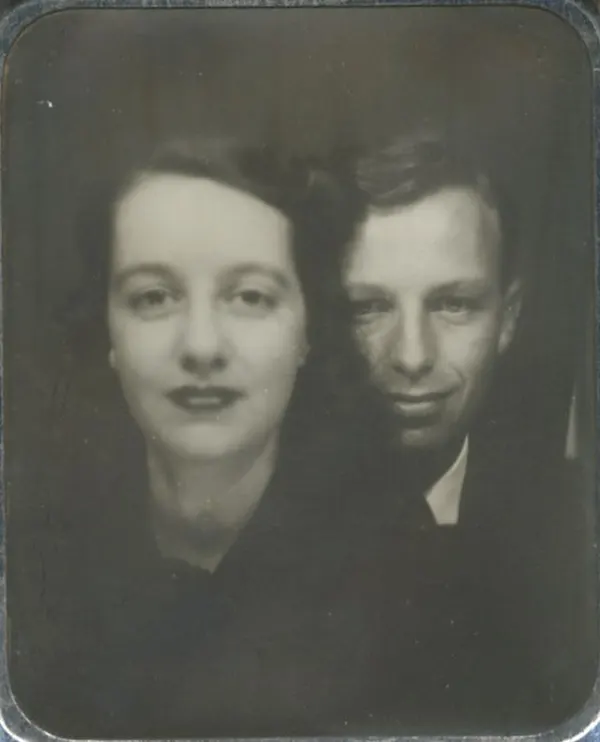
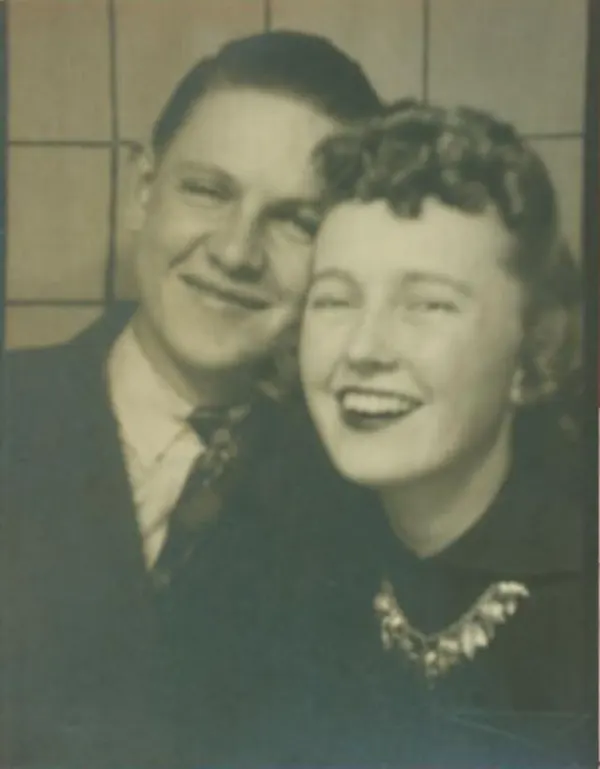
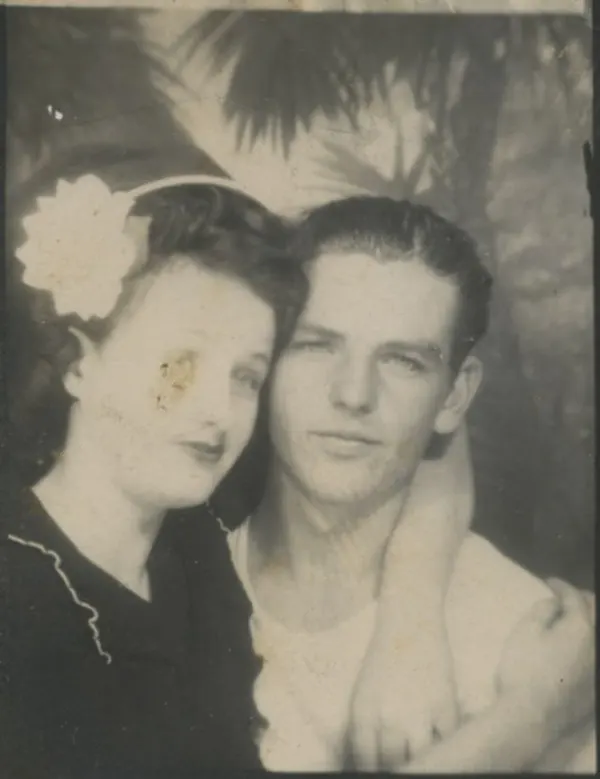
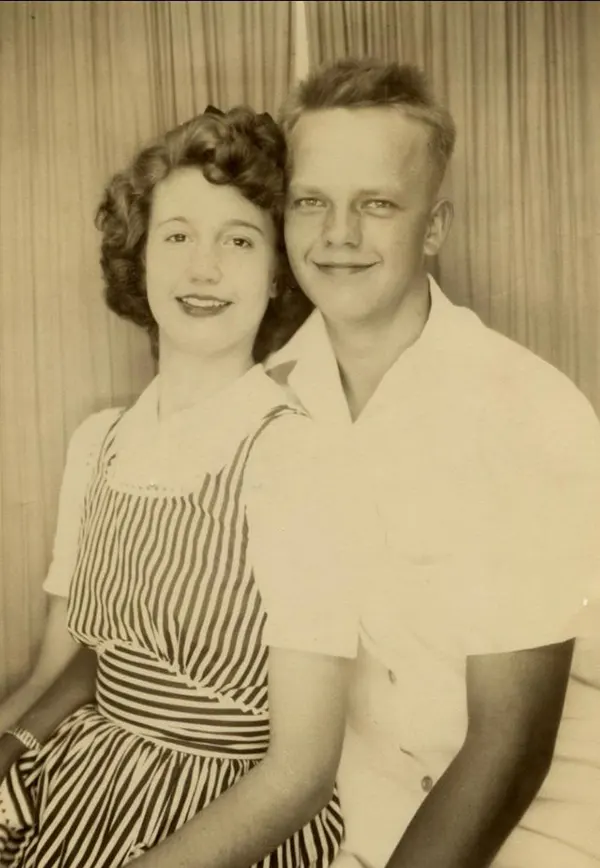
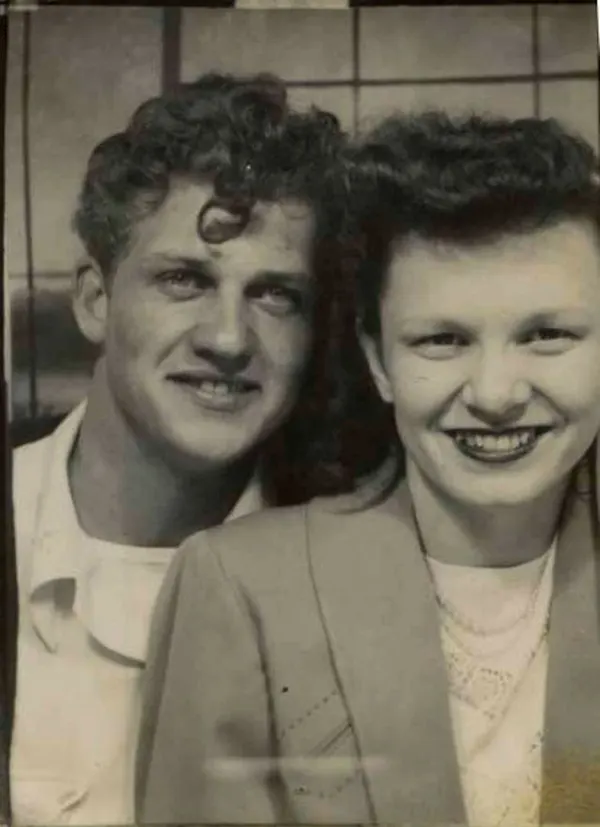
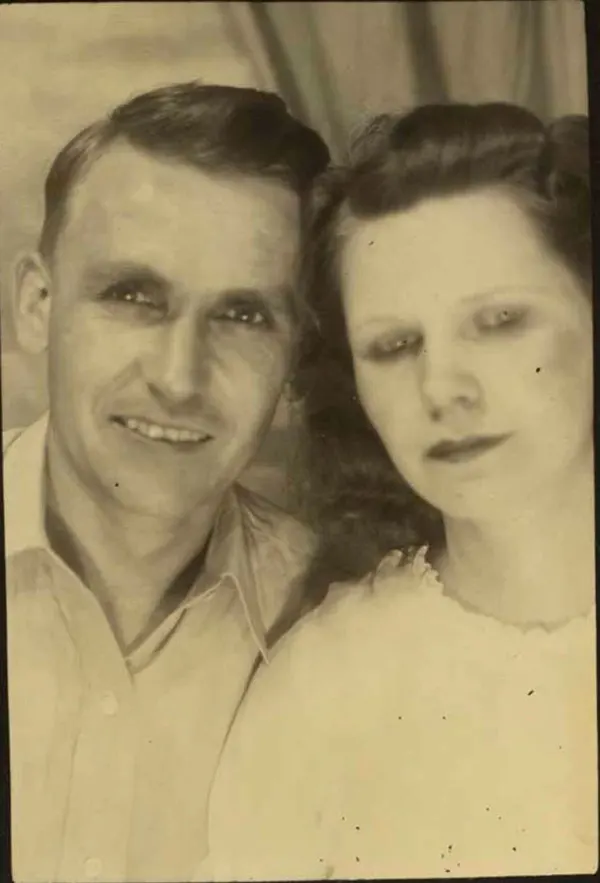
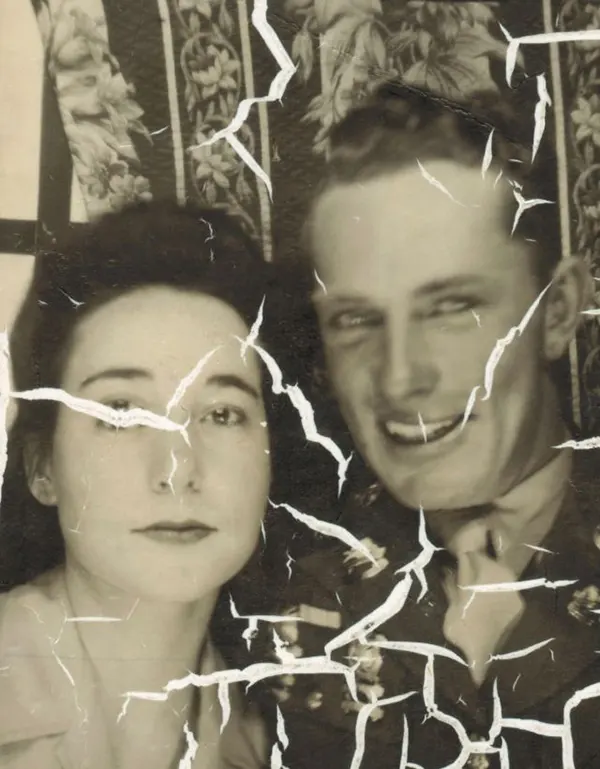
(Photo credit: Vintage Life Collection via Flickr).