
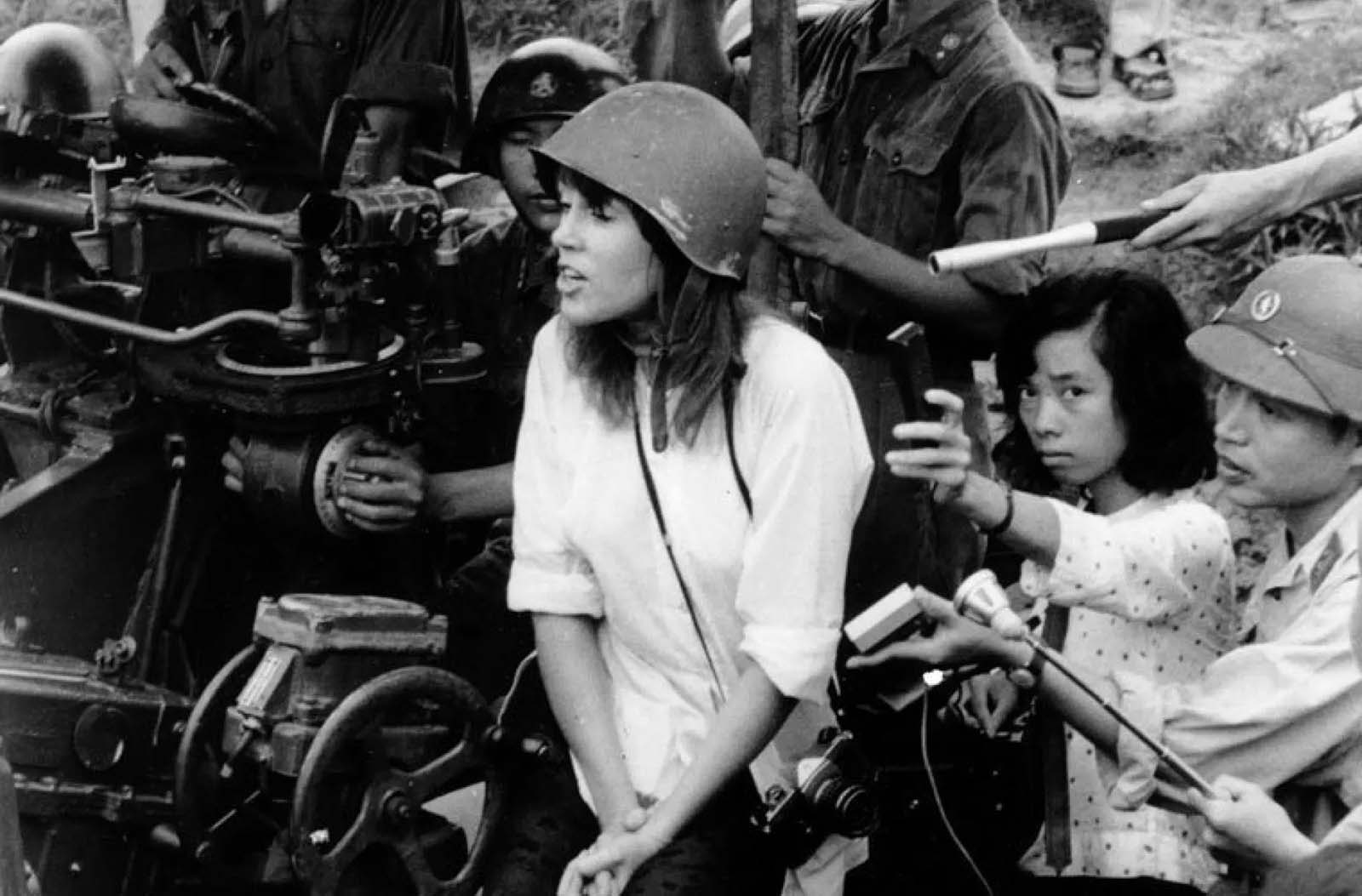
Few episodes in the history of American celebrity activism stirred as much fury or as much debate as Jane Fonda’s trip to North Vietnam in the summer of 1972.
An outspoken critic of the war for years, Fonda had already made herself a divisive figure at home through protests, public statements, and her vocal support for veterans who opposed the conflict.
Nothing she had done before, however, would define her legacy quite like the two weeks she spent in Hanoi, a visit that left her permanently branded with one of the most charged nicknames in modern American history.
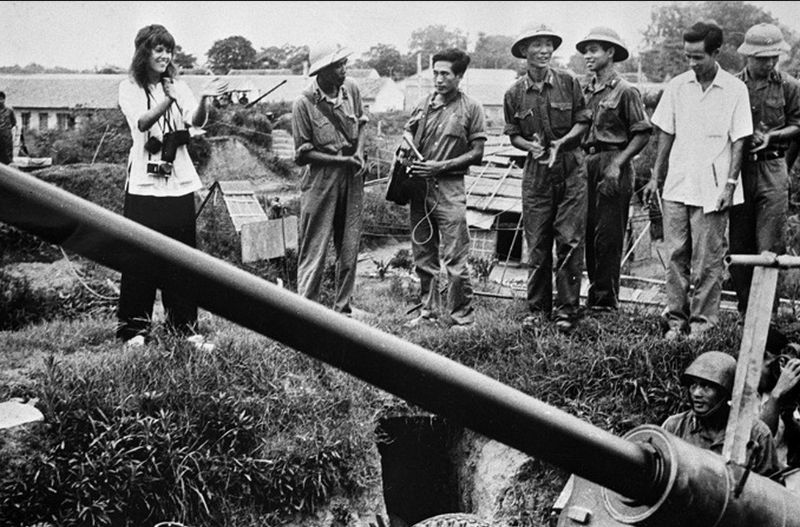
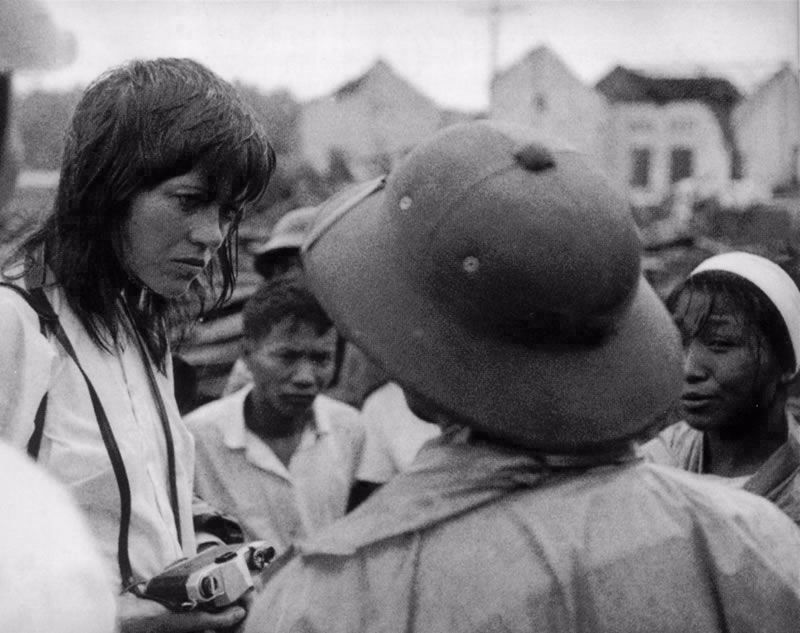
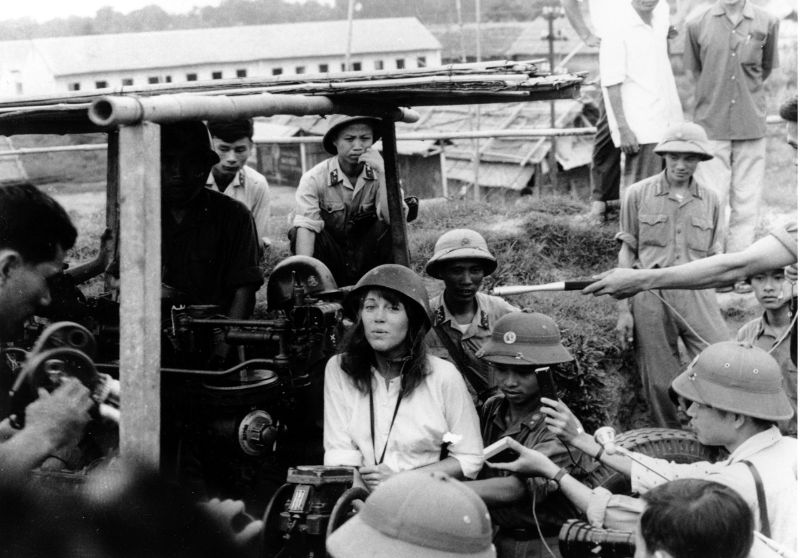 Fonda arrived in Vietnam in July 1972, traveling to Hanoi to observe what North Vietnamese officials described as deliberate bombing of the country’s dike systems.
After touring and photographing the dikes along the Red River, she publicly asserted that the United States had been intentionally targeting this critical infrastructure.
Sweden’s ambassador to Vietnam described the bomb damage as “methodic,” lending weight to that characterization. Not everyone agreed.
 Columnist Joseph Kraft, who was touring North Vietnam at the same time, argued that the damage was incidental and being exploited as propaganda by Hanoi.
A secret report later commissioned by the Central Intelligence Agency concluded that there was “no concerted and intentional bombing of North Vietnam’s vital dike system.”
By that point, more than 60,000 American soldiers had lost their lives in the conflict, and Vietnamese casualties were approaching one million.
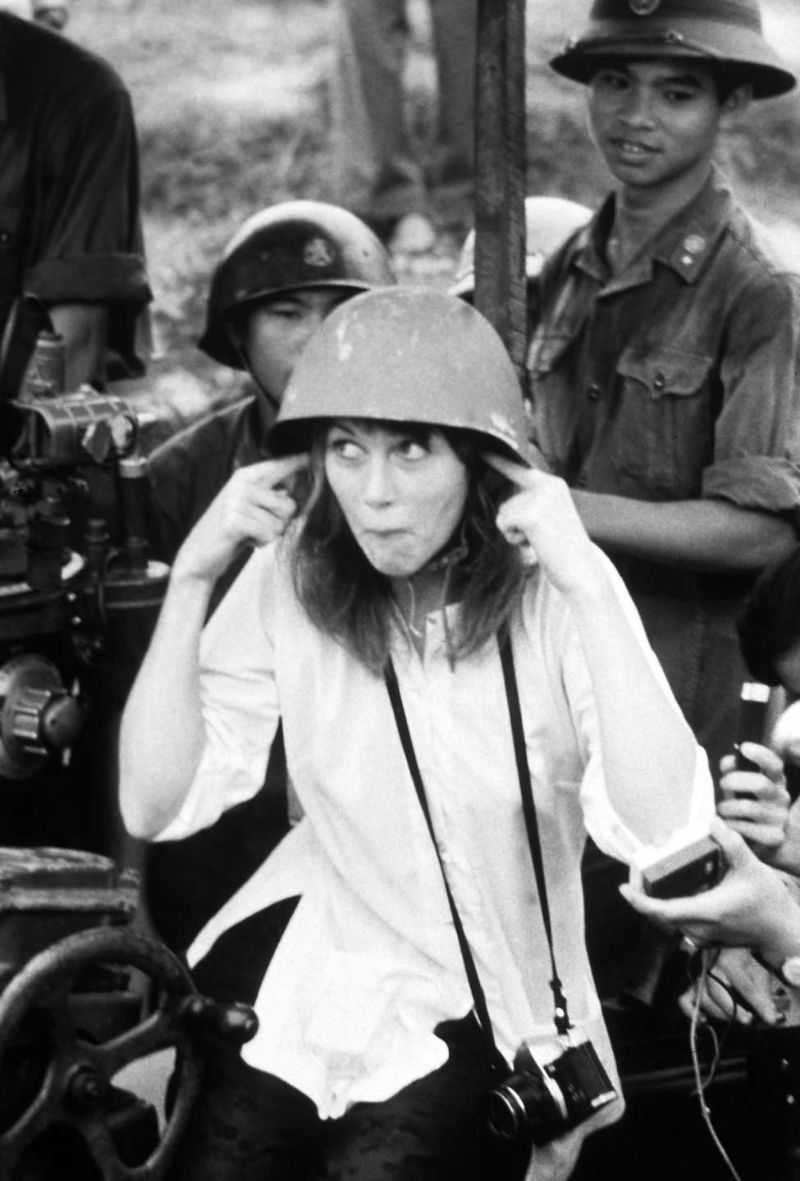
 It was a single photograph, however, that would prove far more consequential than any statement Fonda made.
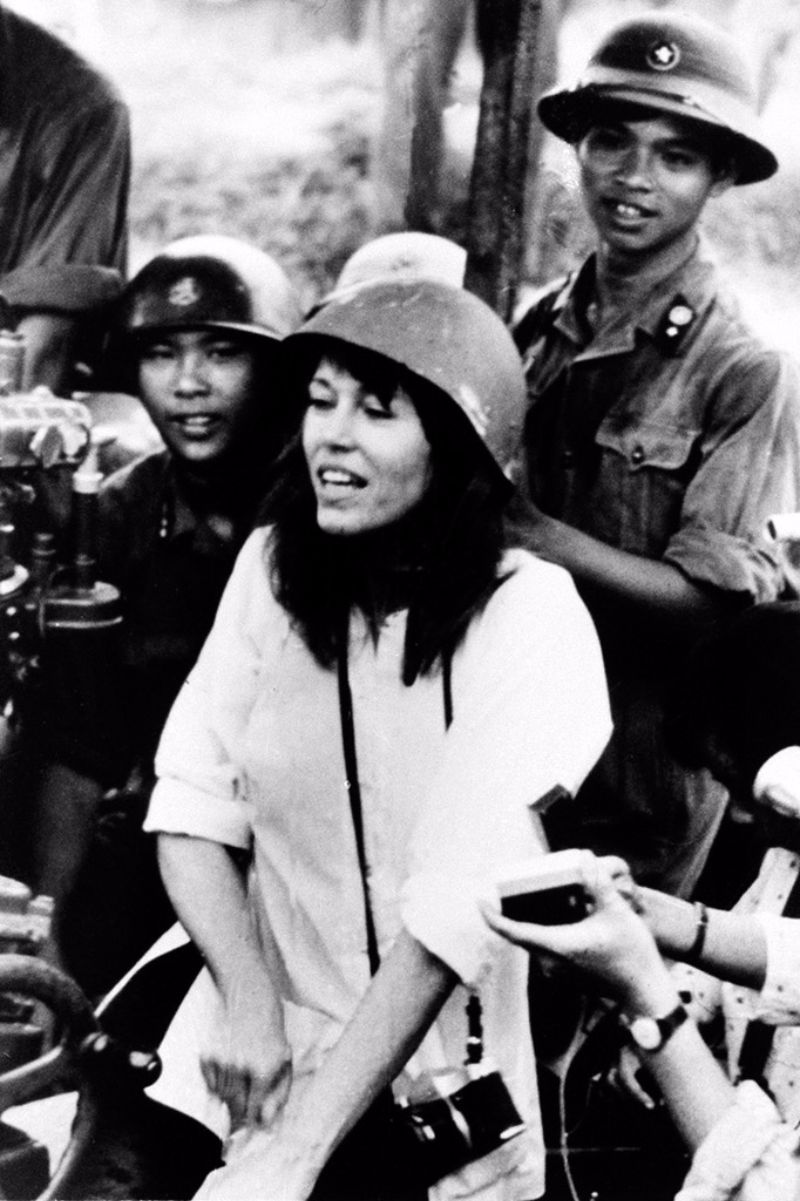
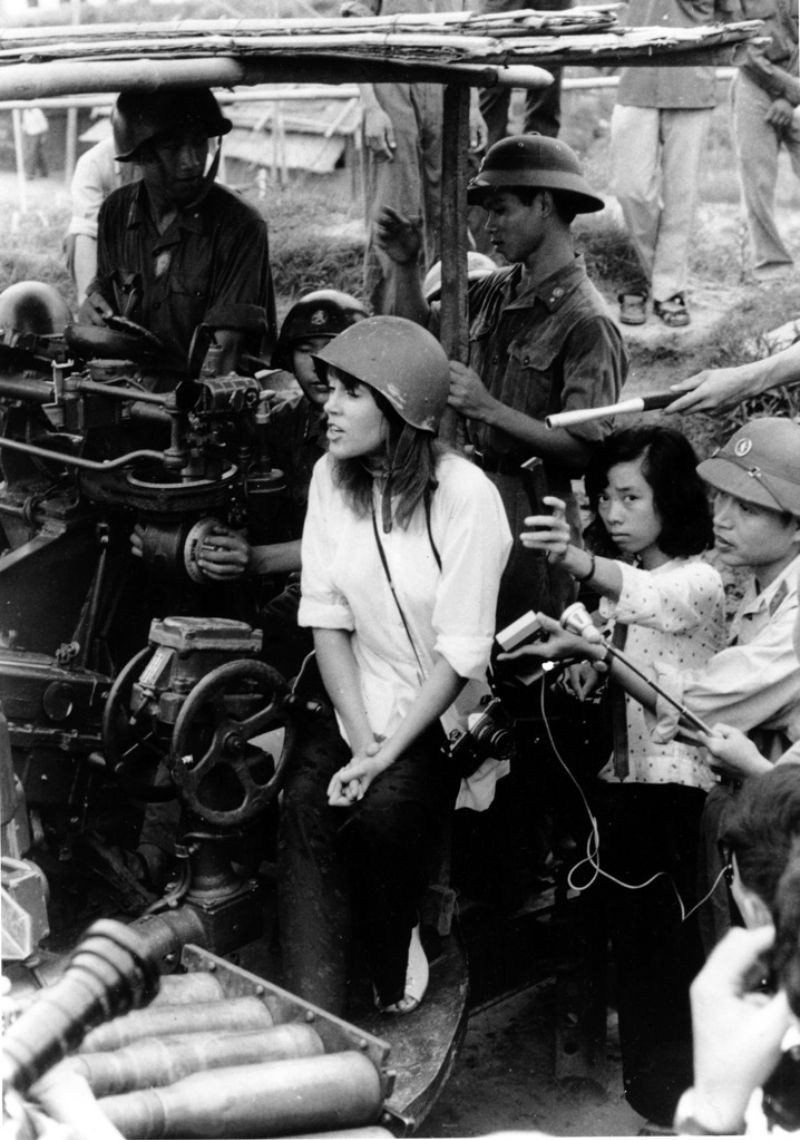
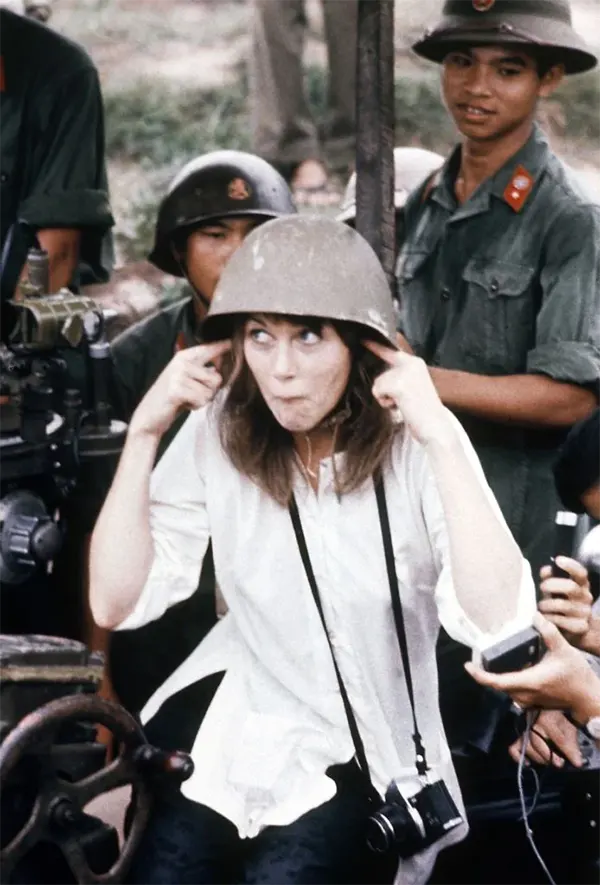
During her visit, she was photographed seated on a North Vietnamese anti-aircraft gun, an image that outraged millions of Americans and earned her the nickname “Hanoi Jane.”
In her 2005 autobiography, she wrote that she had been manipulated into sitting on the weapon and was horrified once she grasped the implications of the photographs.
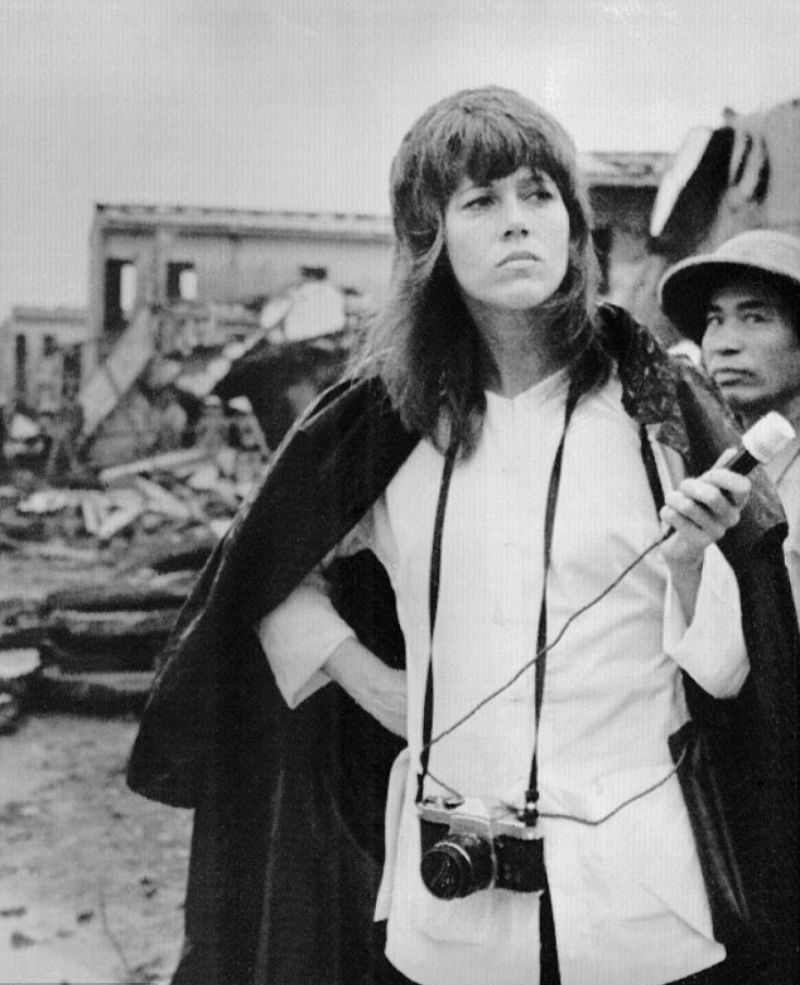 Beyond the photograph, Fonda made a series of radio broadcasts on Hanoi Radio throughout her two-week stay, describing visits to villages, hospitals, schools, and factories that had allegedly been bombed, and denouncing U.S. military policy.
She also visited American prisoners of war and carried messages from them back to their families.
When accounts of POW torture began circulating after the war, publicized in part by the Nixon administration, Fonda pushed back forcefully, calling those making such claims “hypocrites and liars and pawns” and insisting of the prisoners she had met: “These were not men who had been tortured. These were not men who had been starved. These were not men who had been brainwashed.”
 In a 1973 interview with The New York Times, she added: “I’m quite sure that there were incidents of torture … but the pilots who were saying it was the policy of the Vietnamese and that it was systematic, I believe that’s a lie.”
Her visits to the POW camp gave rise to persistent rumors that prisoners had been coerced into meeting with her through torture, stories that circulated widely for decades and continued to find new audiences on the internet long after the war had ended.
The weight of the episode stayed with Fonda for the rest of her public life. In a 1988 interview with Barbara Walters, she offered an extended apology:
“I would like to say something, not just to Vietnam veterans in New England, but to men who were in Vietnam, who I hurt, or whose pain I caused to deepen because of things that I said or did.
I was trying to help end the killing and the war, but there were times when I was thoughtless and careless about it and I’m very sorry that I hurt them.
And I want to apologize to them and their families. … I will go to my grave regretting the photograph of me in an anti-aircraft gun, which looks like I was trying to shoot at American planes.
It hurt so many soldiers. It galvanized such hostility. It was the most horrible thing I could possibly have done. It was just thoughtless.”
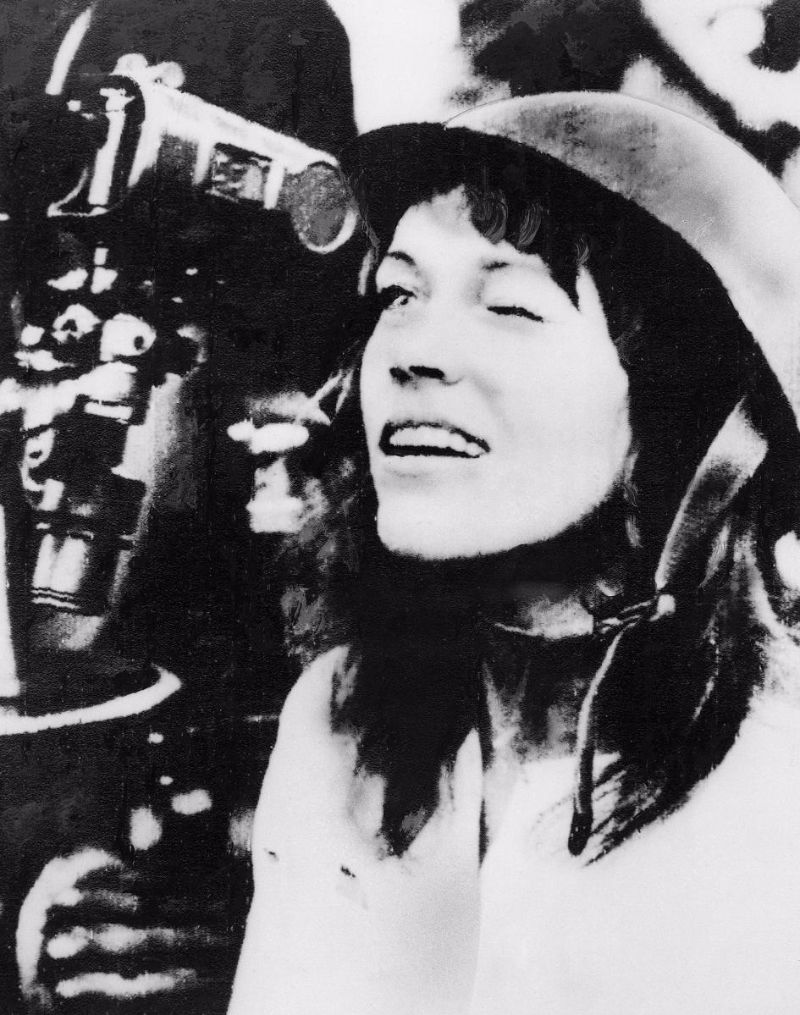
Fonda returned to the subject in a 60 Minutes interview on March 31, 2005, reiterating that she had no regrets about the trip itself, only about the anti-aircraft gun photograph.
She called that moment a “betrayal” of American forces and of the “country that gave me privilege,” stating: “The image of Jane Fonda, Barbarella, Henry Fonda’s daughter … sitting on an enemy aircraft gun was a betrayal … the largest lapse of judgment that I can even imagine.”
At the same time, she drew a careful line between the propaganda use of that image and the activism she stood behind: “There are hundreds of American delegations that had met with the POWs. Both sides were using the POWs for propaganda … It’s not something that I will apologize for.”
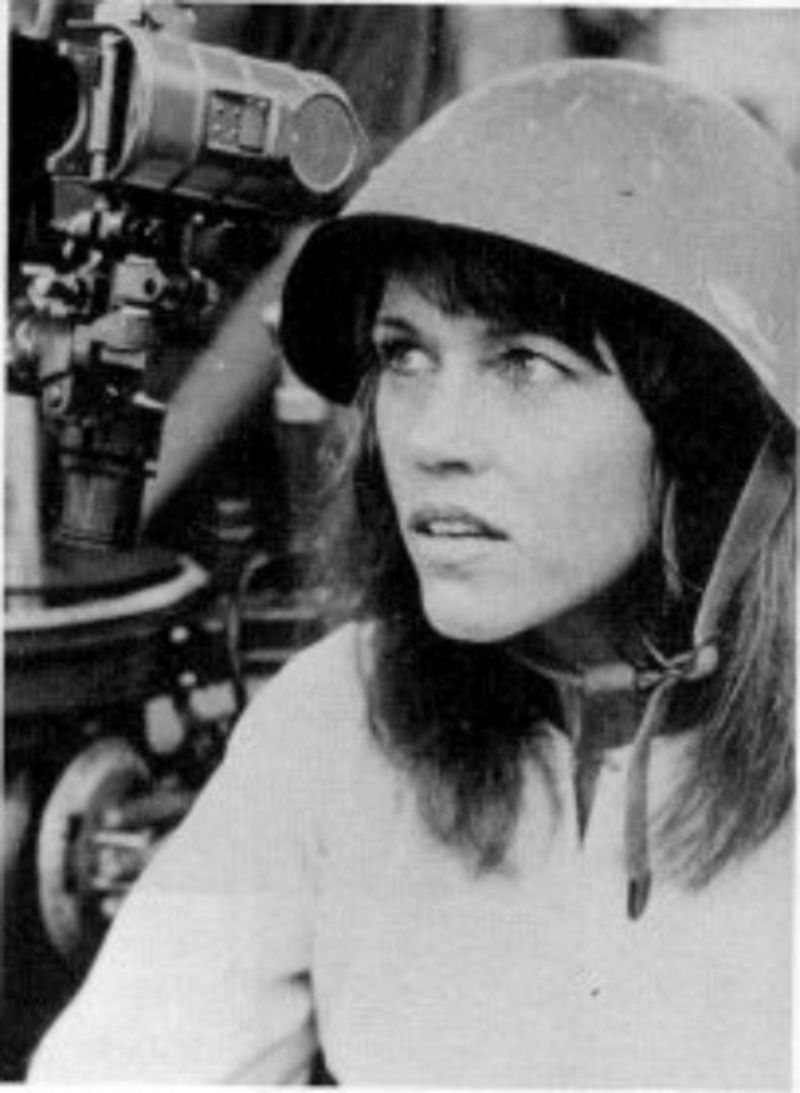
In 2011, Fonda offered a fuller account of how the photograph came to be. Writing on her website, she described being moved by a group of Vietnamese soldiers who serenaded her with a Communist folk song.
“I heard these words: ‘All men are created equal; they are given certain rights; among these are life, liberty and happiness,’” she recalled.
Someone then led her to the weapon, which had reportedly shot down numerous American aircraft, and flashbulbs went off. “It is possible it was a setup,” she wrote. “I will never know.”
 The controversy surrounding Fonda’s activism did not end with the war itself.
In 2013, it was revealed that she had been among roughly 1,600 Americans whose communications were monitored between 1967 and 1973 by the National Security Agency under Project MINARET, a secret surveillance effort that tracked individuals considered politically sensitive during the era.
The program, later criticized by some officials as “disreputable if not downright illegal,” underscored how deeply the Vietnam War had shaped political tensions within the United States.
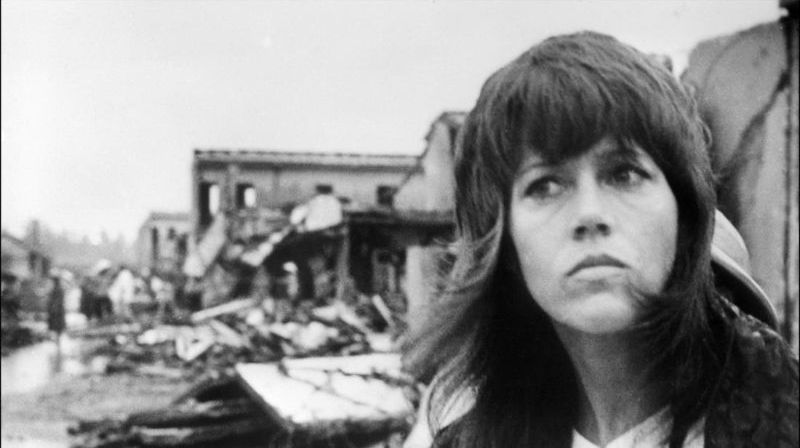 Fonda’s 1972 trip to Hanoi remains one of the most controversial episodes involving an American celebrity during wartime.
The photographs from that visit captured a moment when Hollywood fame, political activism, and a bitter international conflict collided, leaving an image that continues to spark debate more than half a century later.
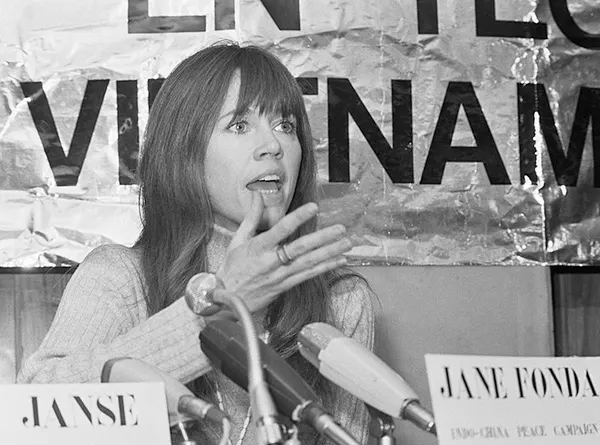
Fonda at an anti-Vietnam War conference in The Hague in January 1975.
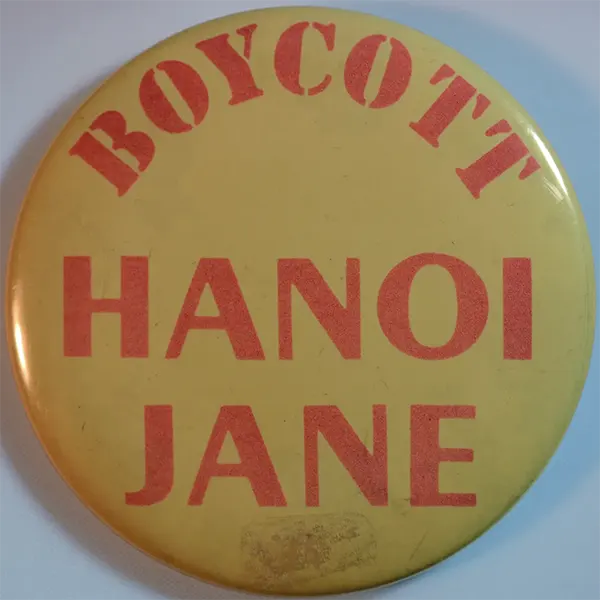
A pin widely used in the 1970s.
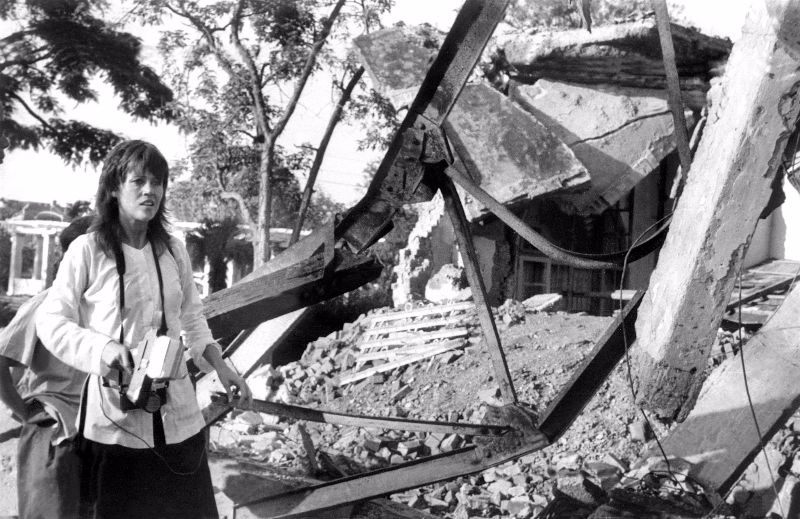
Iconic Mug Shots of Jane Fonda Taken at the Cuyahoga County Sheriff’s Department in November 1970
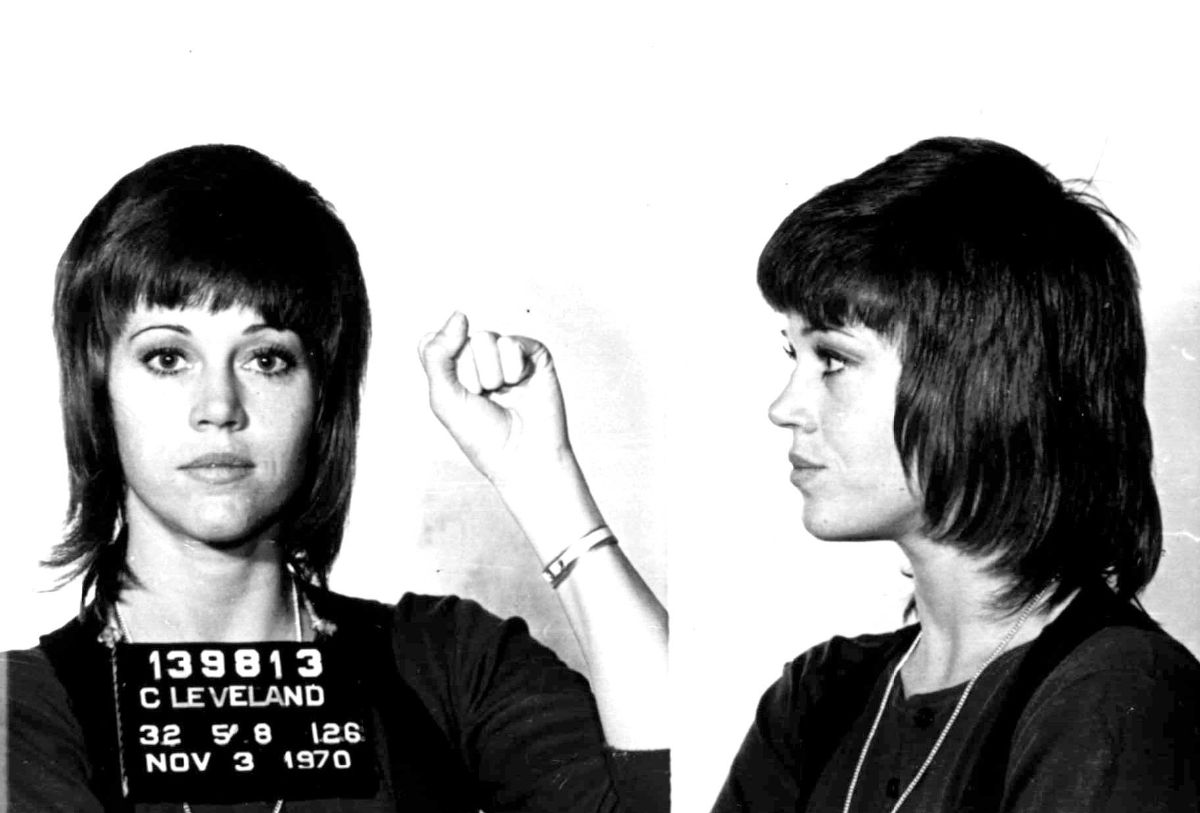
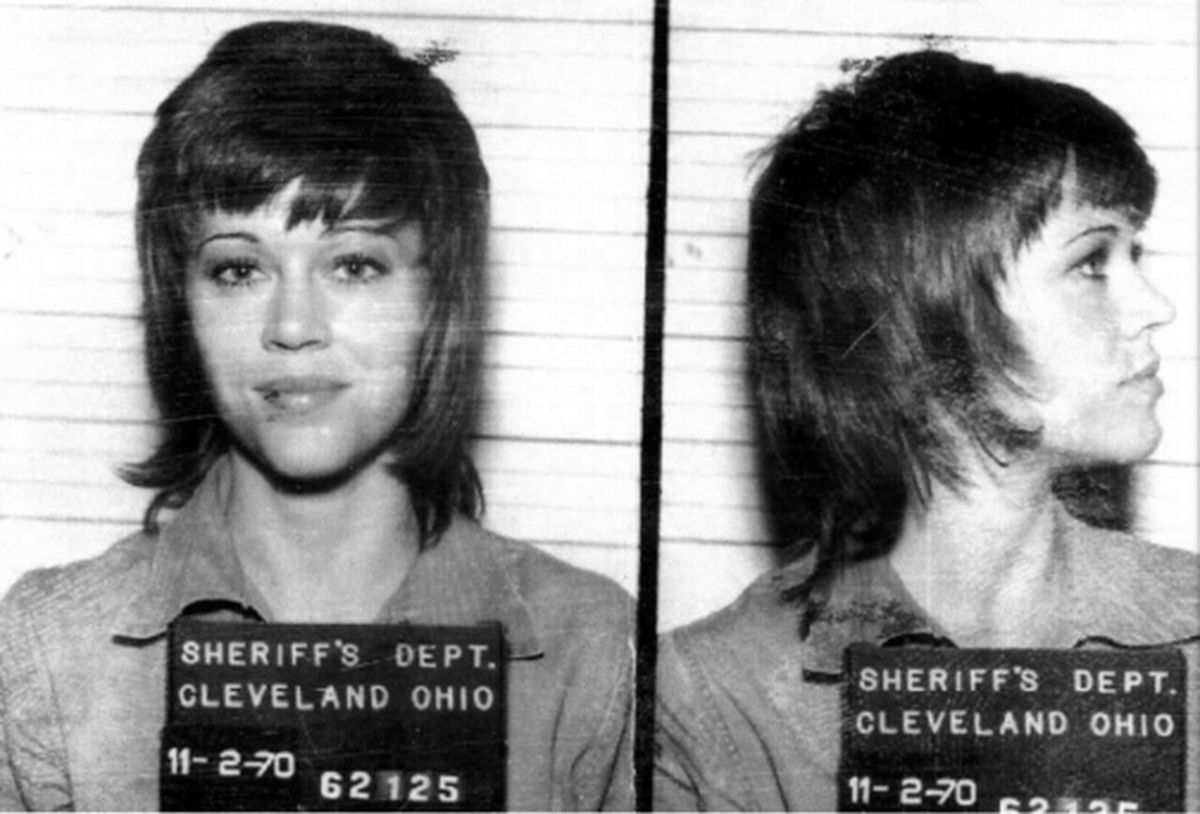
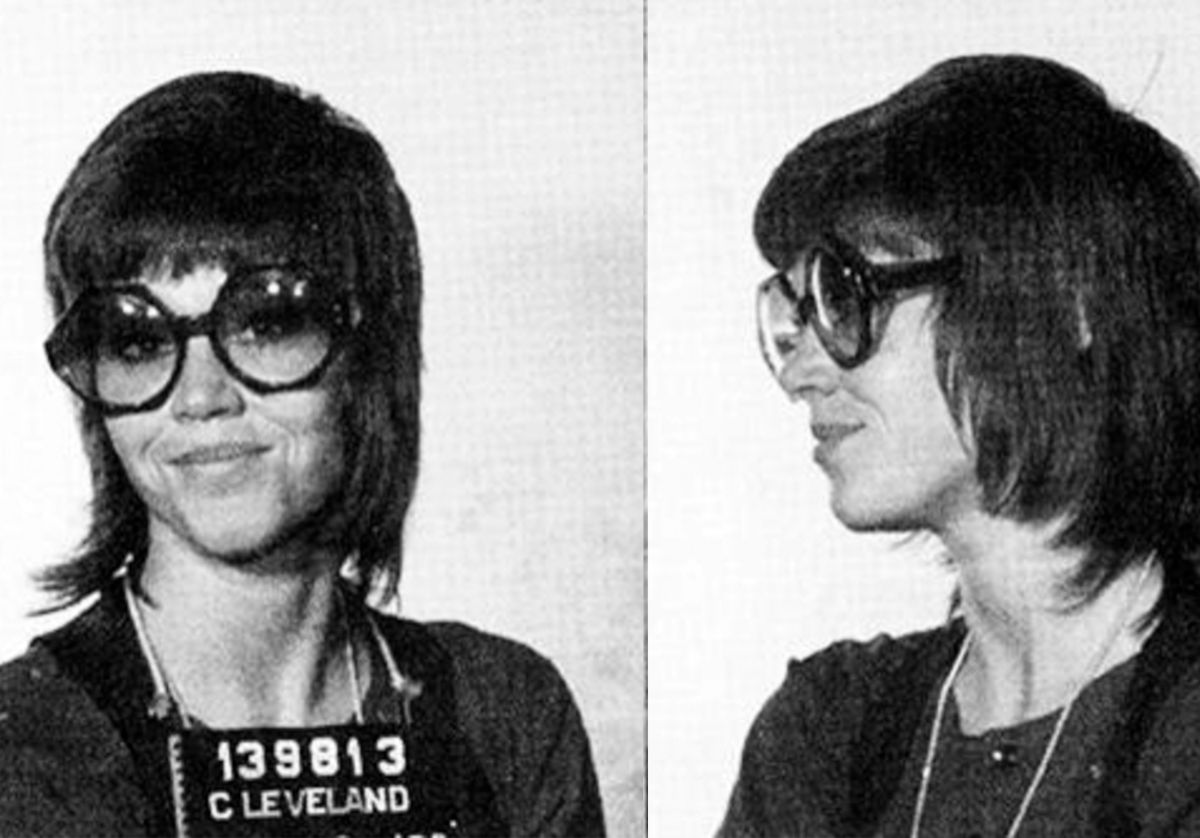
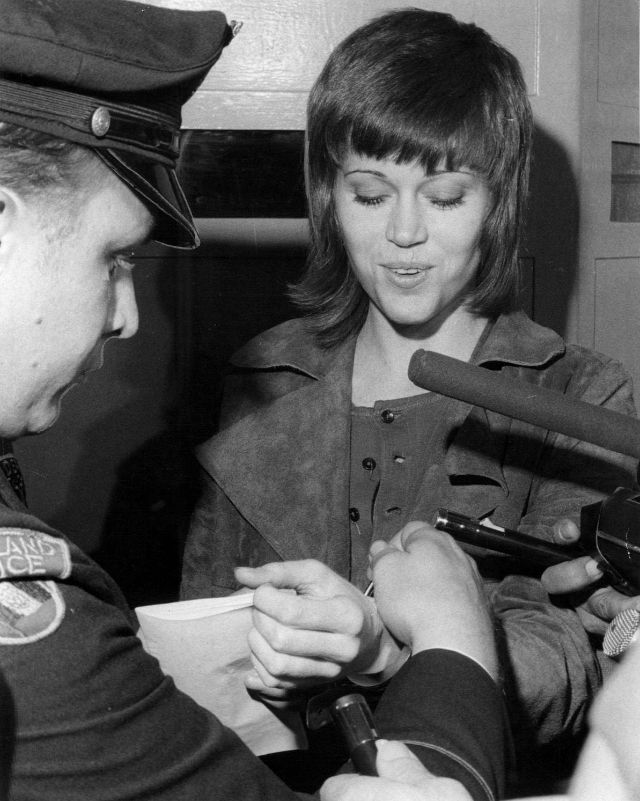
Jane Fonda was handcuffed in November 1970 at Cuyahoga County Jail.
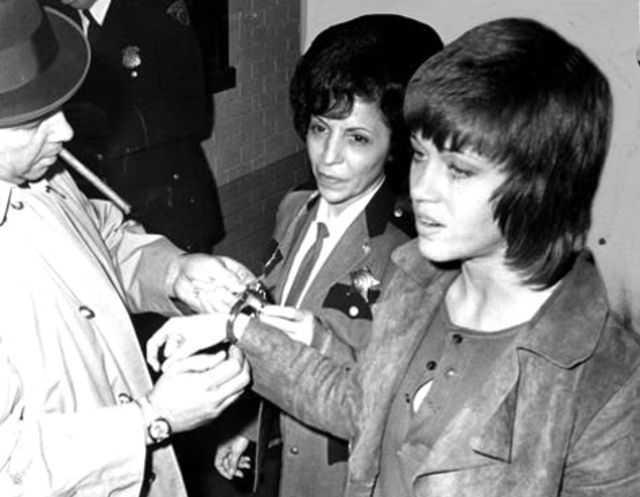
The Hollywood star was arrested in Cleveland while protesting the Vietnam War.
(Photo credit: Viet News Agency / Wikimedia Commons / Flickr).