
Ronnie Coleman did not arrive at the top overnight, and before he became “The King,” before the eight consecutive Mr. Olympia titles, before the record-tying reign alongside Lee Haney, before the legendary training videos and the catchphrases that echoed through gyms around the world, he was a police officer in Arlington, Texas.
He was just trying to find his footing in a sport that would eventually crown him its greatest champion of all time. His entry into bodybuilding came almost by accident.
A fellow officer named Gustavo Arlotta pointed him toward Metroflex Gym, a local establishment run by amateur bodybuilder Brian Dobson.
 Dobson saw something in Coleman and offered him a free lifetime membership in exchange for letting him serve as his trainer ahead of the 1990 Mr. Texas competition.
The arrangement worked out better than anyone could have anticipated. Coleman not only won first place in both the heavyweight and overall categories, he also beat Dobson himself on his way to the top.
What followed was not an overnight ascent but a slow, methodical climb. At the 1992 Mr. Olympia in Helsinki, Finland, Coleman finished dead last, 16th place out of 16 competitors.
 Two years later in Atlanta, he managed 15th. The sport’s elite, led by the dominant Dorian Yates, were constantly raising the bar, and Coleman responded the only way he knew how: by pushing harder, lifting heavier, and refusing to plateau.
By 1996, competing in Chicago, he had worked his way up to sixth place and took home $12,000 in prize money, modest by the standards of what was to come, but a clear signal that he was closing the gap.
That same year he captured the Canada Pro Cup, and around this period he began competing all over the world with an intensity that bordered on relentless, traveling by train rather than plane simply because that was what his budget allowed.
 The breakthrough arrived in 1998. Coleman showed up to the IFBB Finnish Grand Prix with what many observers considered one of the finest physiques he had ever displayed, and he backed it up by defeating Kevin Levrone and Nasser El Sonbaty.
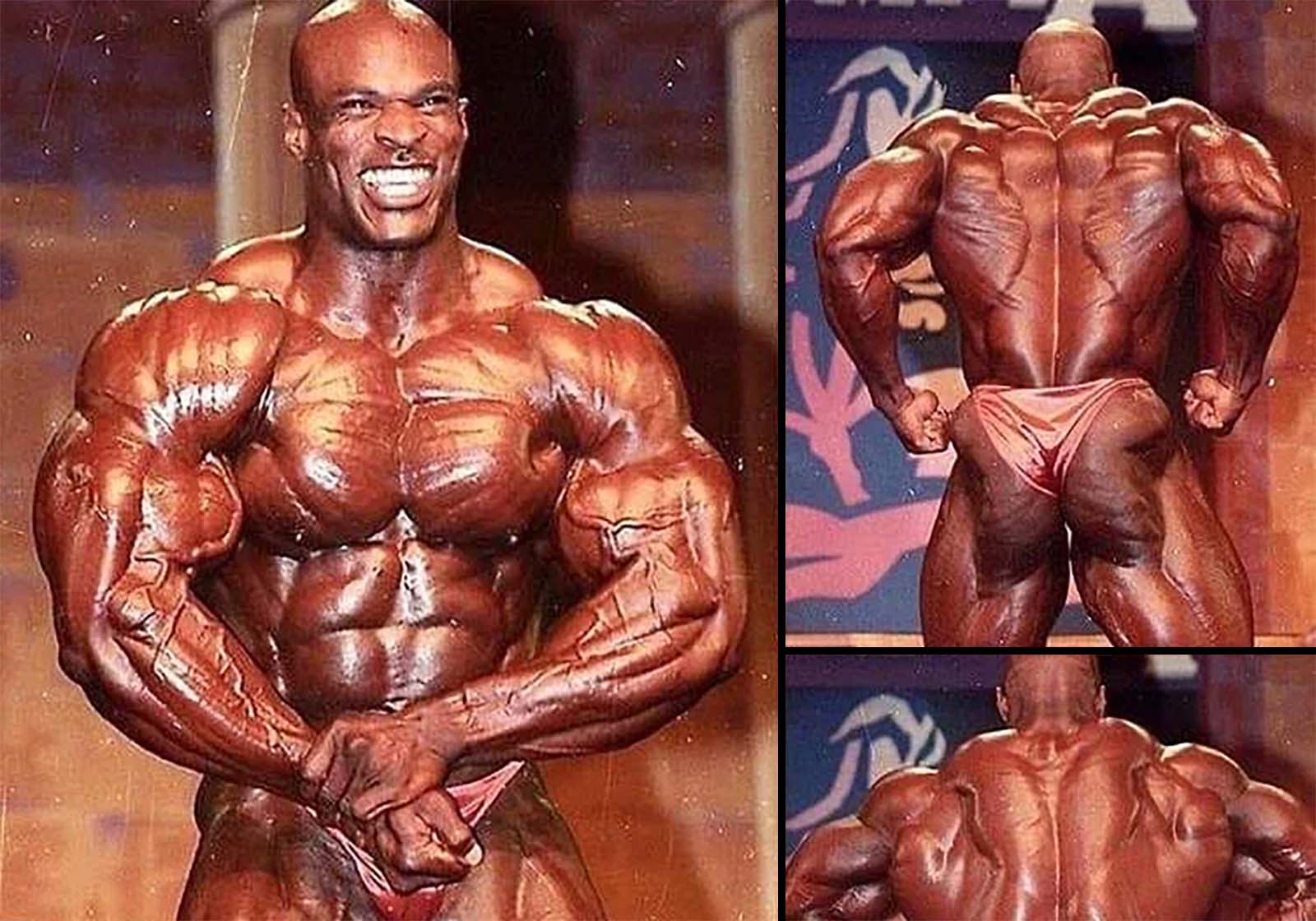
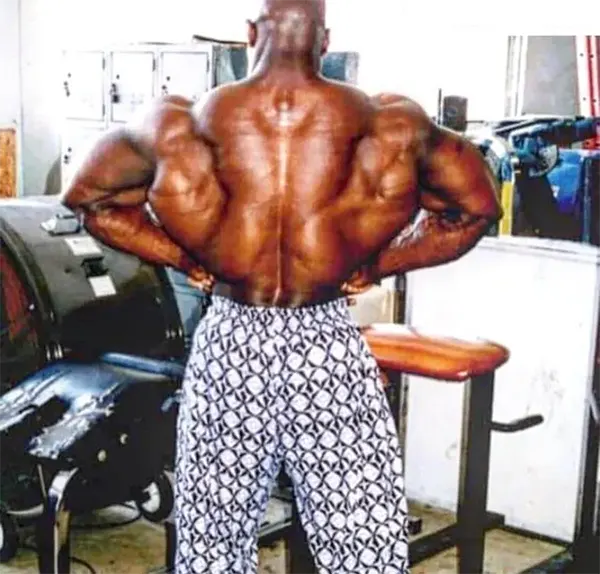
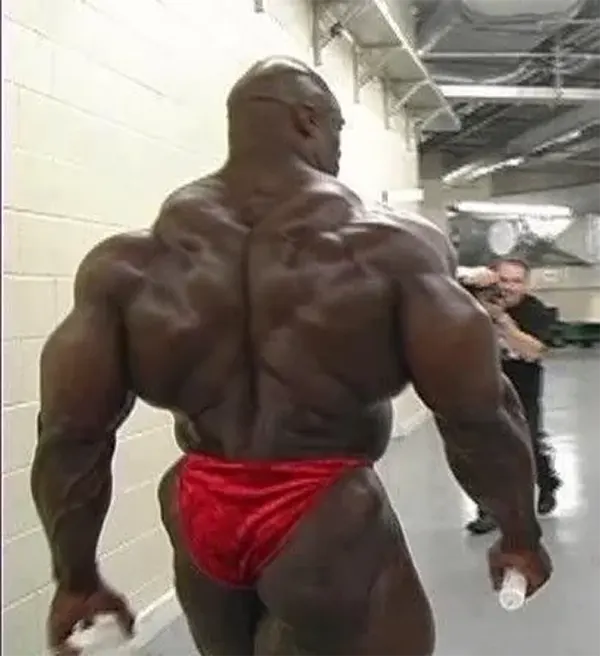
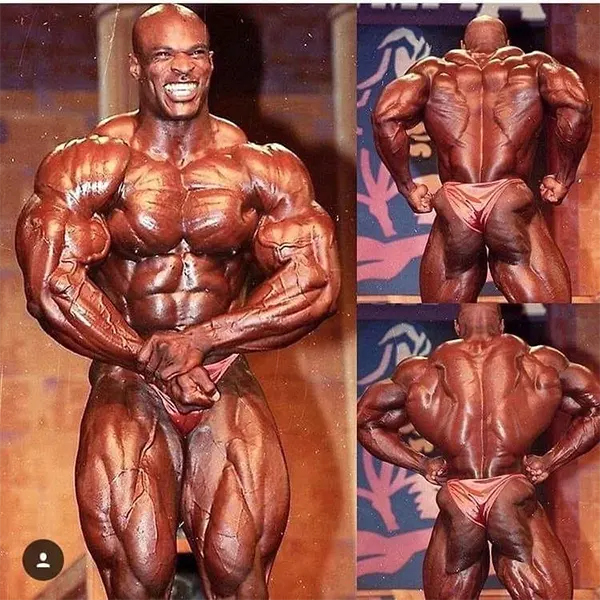
His back development in particular, that famously wide and impossibly thick structure, began drawing serious recognition, with his rear double biceps and rear lat spread poses earning comparisons to the best the sport had ever seen.
With Dorian Yates having retired the previous year, the throne was open, and most insiders expected Flex Wheeler to claim it. Wheeler had the look, the symmetry, and the momentum.
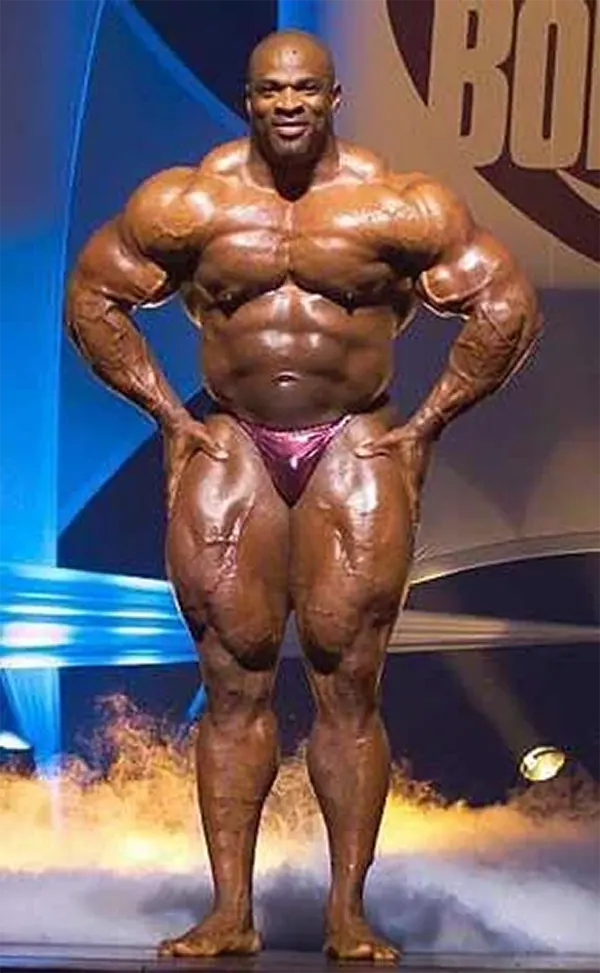 What he did not have was what Coleman brought to Madison Square Garden that October: 248 pounds of conditioning so sharp it seemed almost implausible, a package that overwhelmed Wheeler, El Sonbaty, Levrone, and Shawn Ray all at once. Ronnie Coleman walked out of New York City as the new Mr. Olympia.
He defended that title in 1999, but the moment that truly defined the era came earlier that year at the IFBB English Grand Prix, where Coleman faced what is still remembered as one of the most fearsome lineups ever assembled.
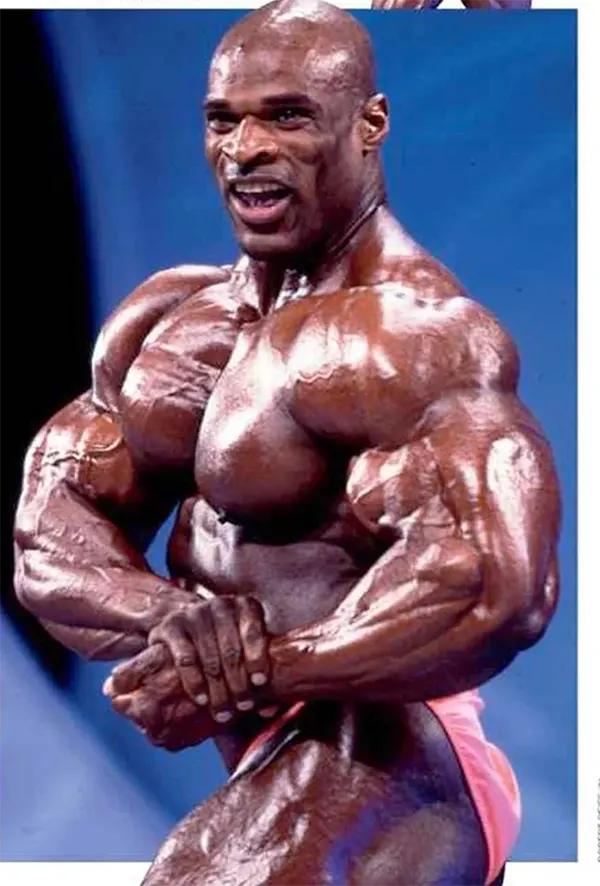 Wheeler, Levrone, Dexter Jackson, Milos Sarcev, El Sonbaty, and Markus Rühl each brought some of the best conditioning of their careers to that stage, and Coleman beat them all.
The contest became known as “The Greatest Show on Earth,” and the final trio of Coleman, Wheeler, and Levrone is still regarded by many as the best top three ever to share a stage simultaneously. His side chest pose from that competition remains a benchmark of the sport.
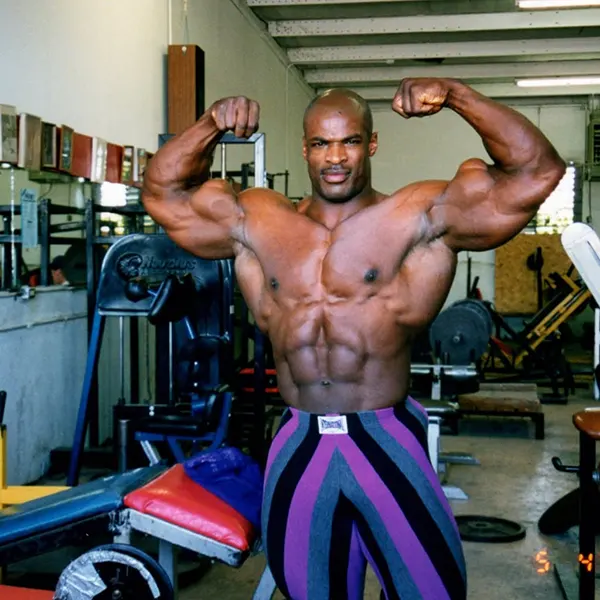 Throughout this period, Coleman’s lifestyle was as disciplined as his training.
He consumed roughly 6,000 calories a day, built around grilled chicken, turkey, steak, egg whites, rice, baked potatoes, and grits with cheese, spread across six meals per day, every day, with daily protein intake hovering around 600 grams and carbohydrates adjusted anywhere from 100 to 1,000 grams depending on whether he was cutting or bulking.
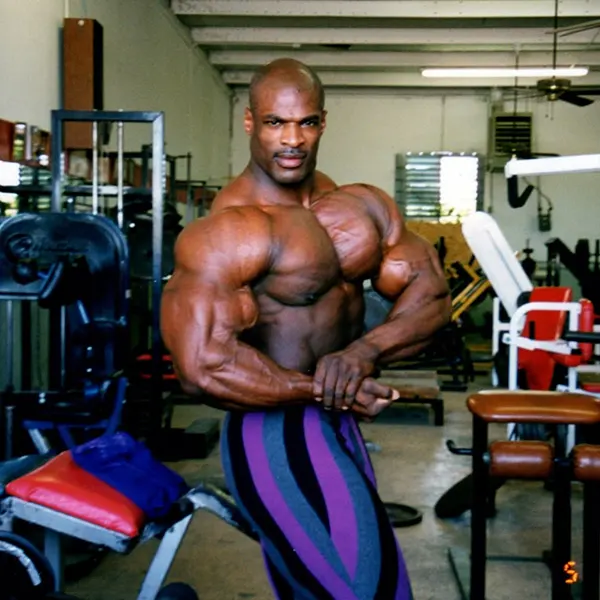 His training videos, produced by director Mitsuru Okabe and released throughout this era, gave the world an unfiltered look at how he operated under a loaded barbell.
The catchphrases he hollered at himself in those videos, “Yeah buddy,” “Light weight, baby,” “Ain’t nothin’ but a peanut,” eventually took on a life of their own in the age of viral content, becoming part of the shared vocabulary of gyms worldwide.
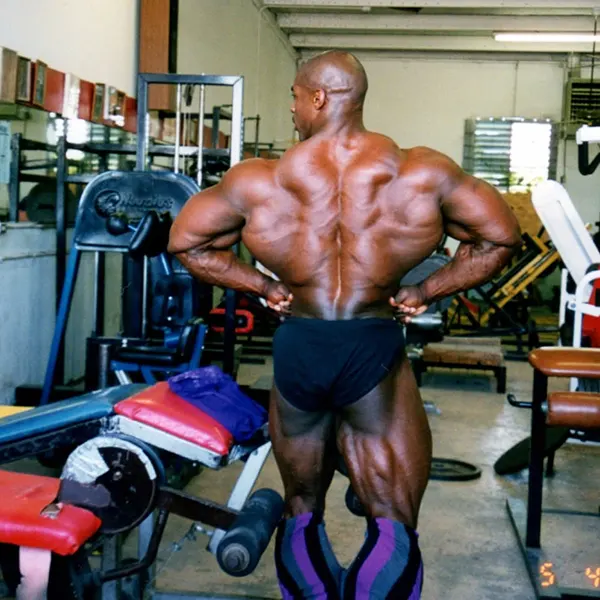 The physical cost of that era became apparent in the years that followed.
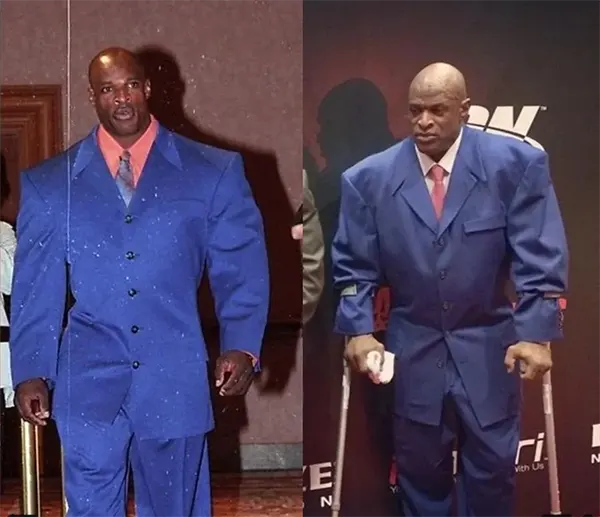
The extreme loads Coleman subjected his body to across more than a decade eventually led to severe orthopedic damage, and since 2007 he has undergone more than a dozen surgeries, including double hip replacements and multiple procedures on his intervertebral discs, at a cost running into the millions.
He now requires a wheelchair to move around, no longer able to walk unassisted. And yet he still trains.
The weights are lighter now, necessarily so, but the discipline that carried him from last place in Helsinki to eight Olympia titles has never fully left him.
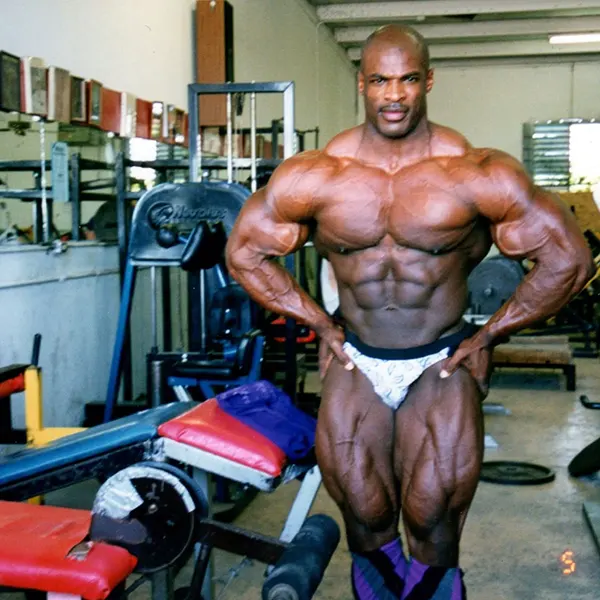
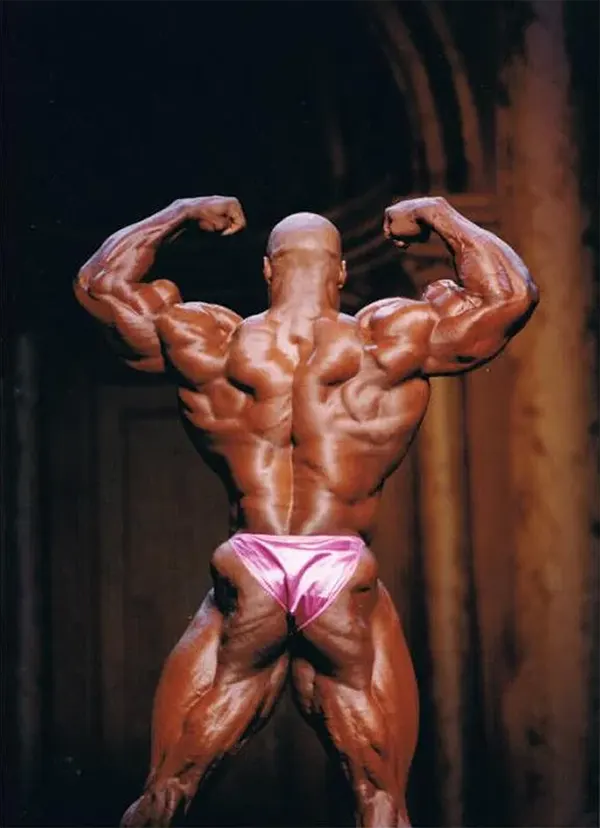
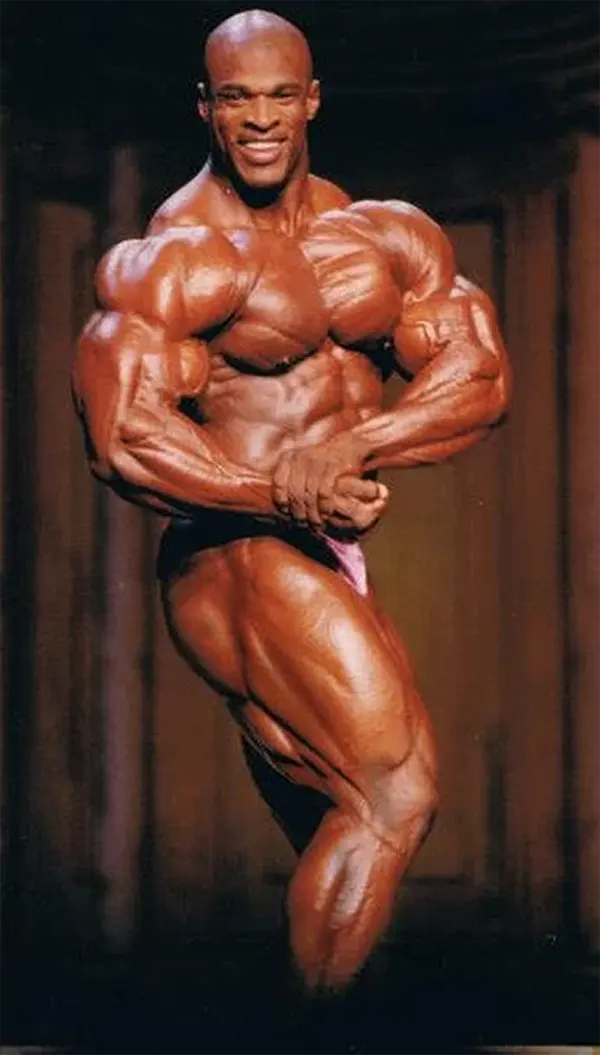
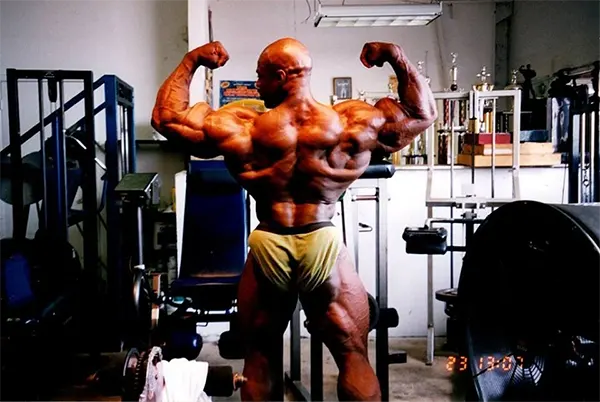
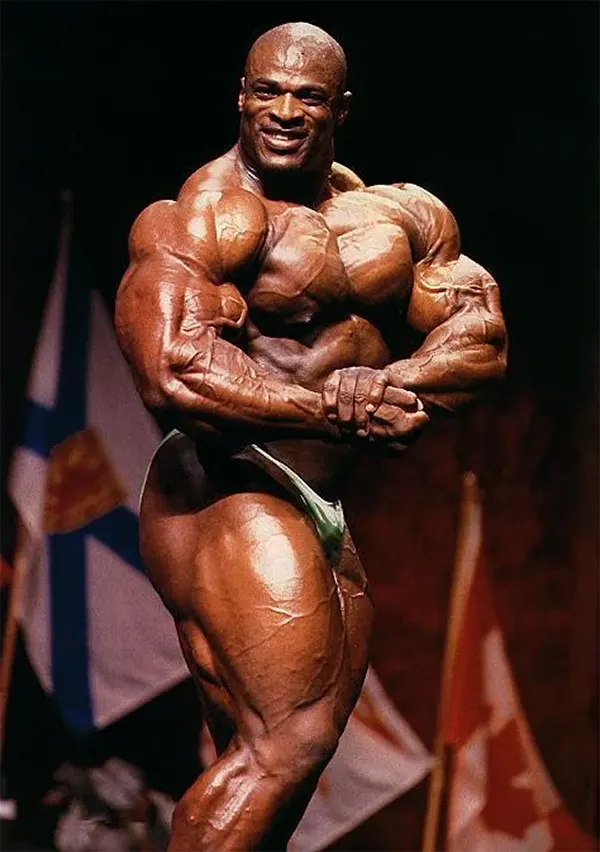
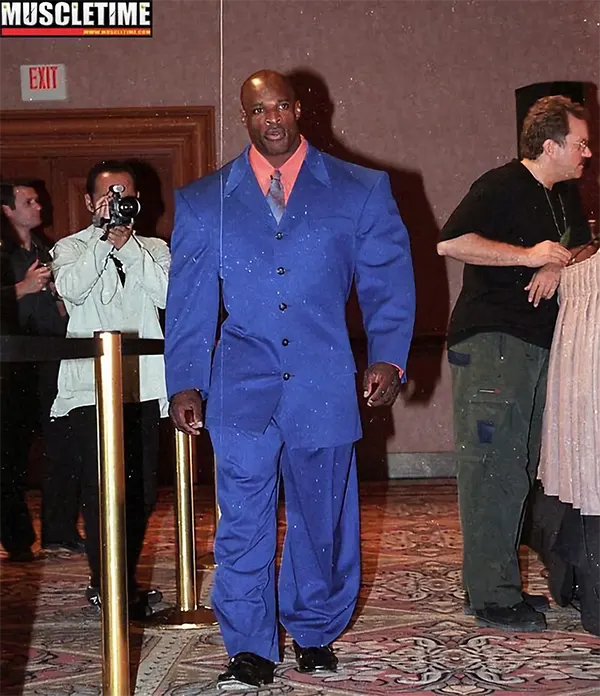
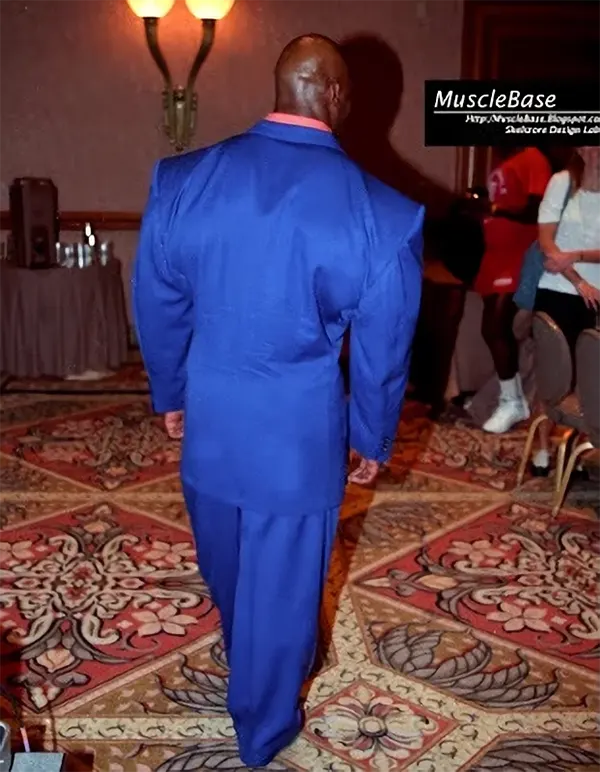

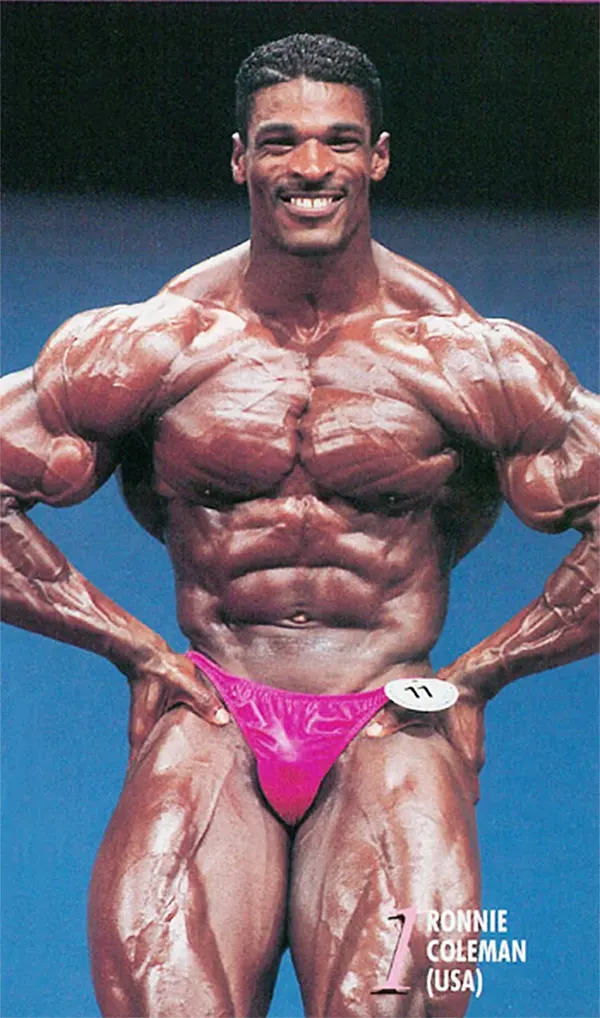
1991 NPC nationals Ronnie had some beautiful classic physique vibes.
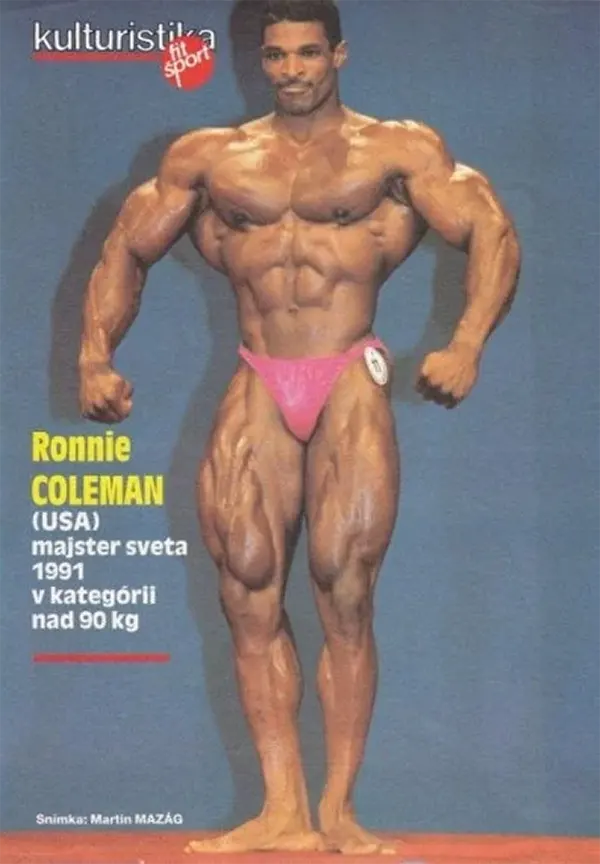
1991 NPC nationals Ronnie had some beautiful classic physique vibes.
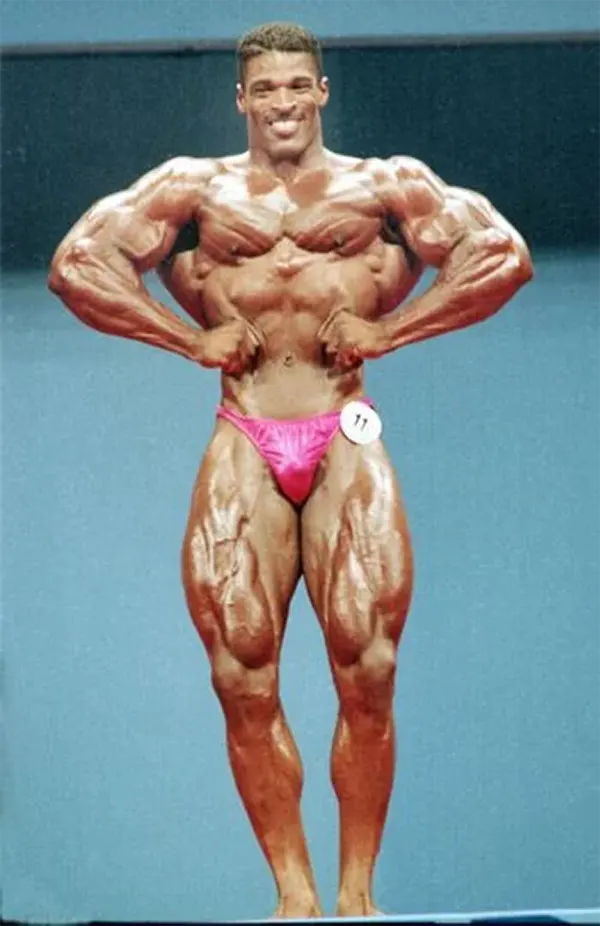
1991 NPC nationals Ronnie had some beautiful classic physique vibes.
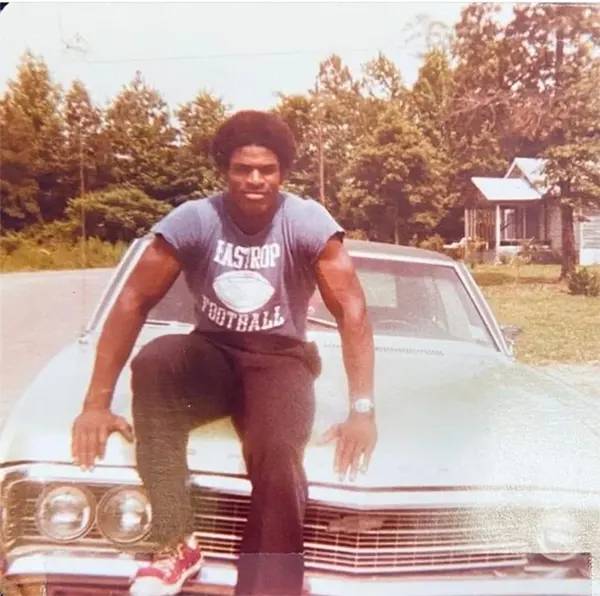
Ronnie Coleman 8 time Mr. Olympia at 16 years old.
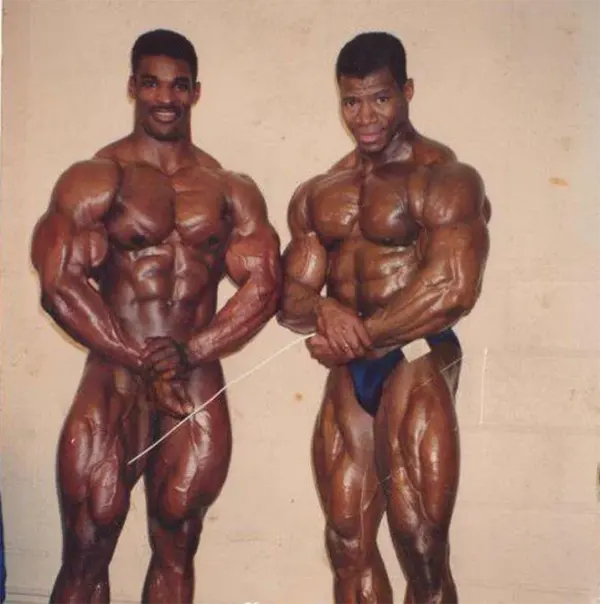
A young Ronnie Coleman and Ron Love looking crazy.
(Photo credit: Pinterest / Wikimedia Commons / Flickr).