
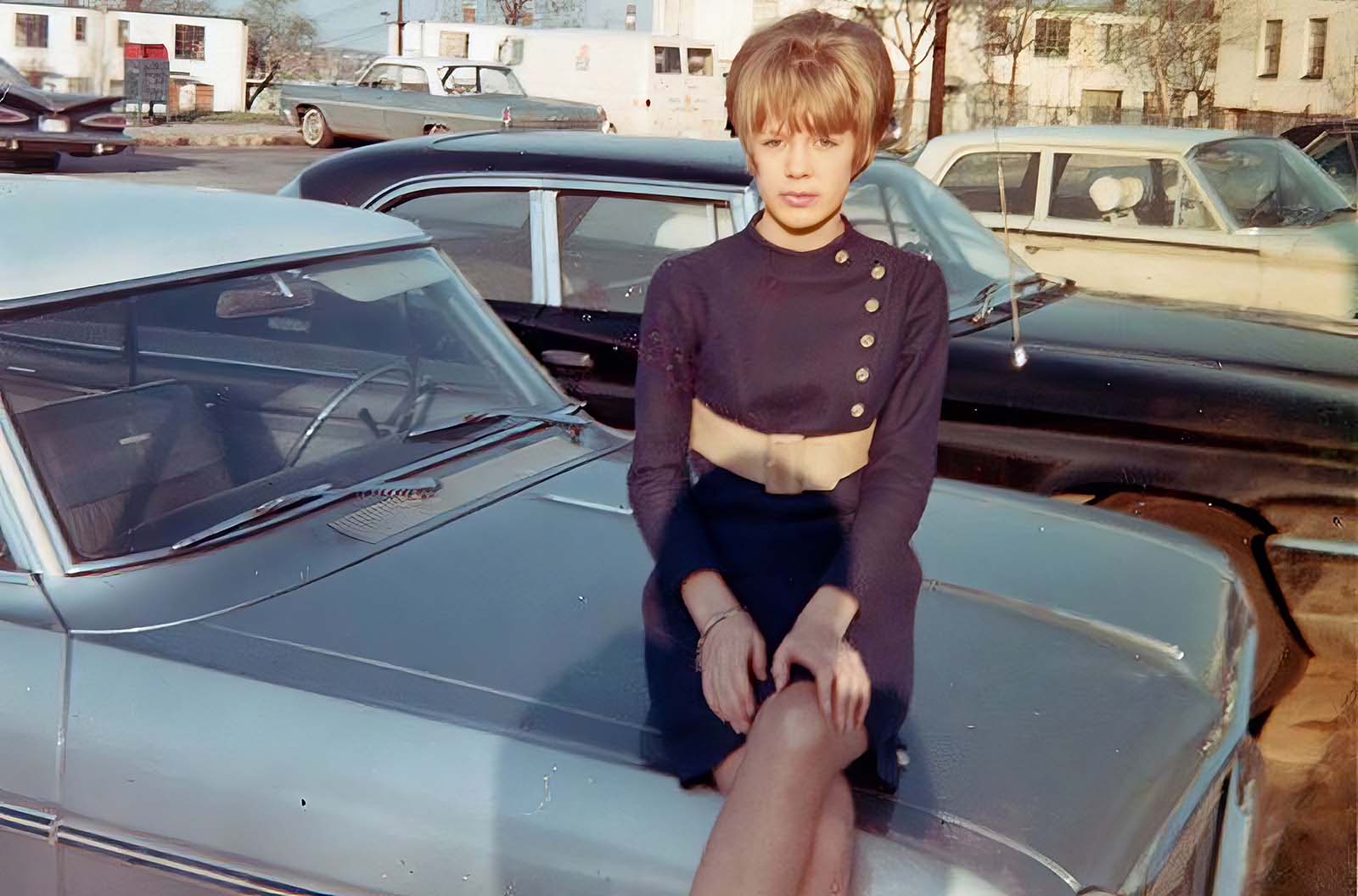

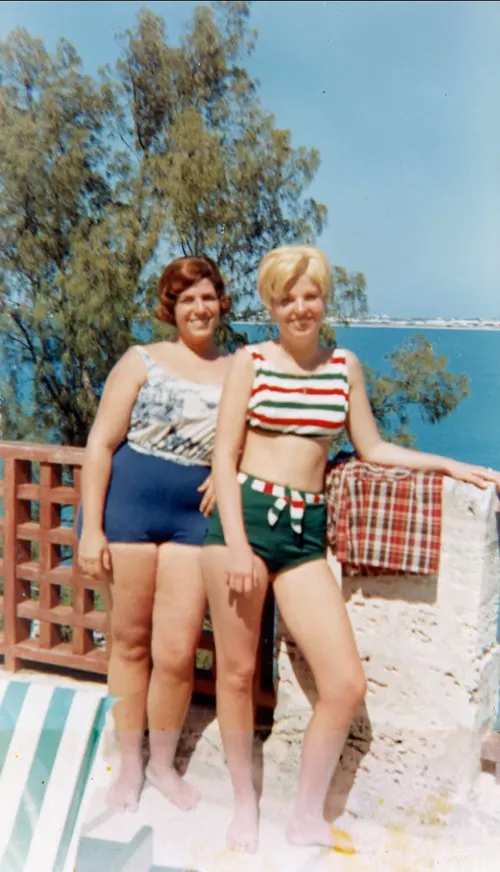
The decade that transformed teenage fashion forever began with an air of restraint and ended in a revolution of hemlines, colors, and youth empowerment.
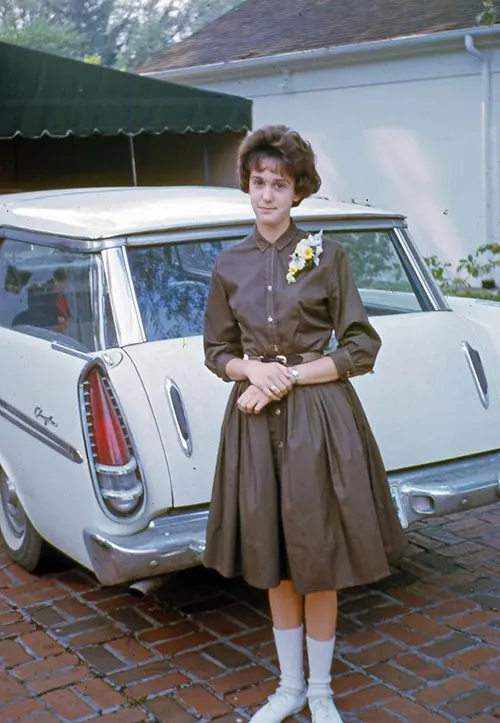
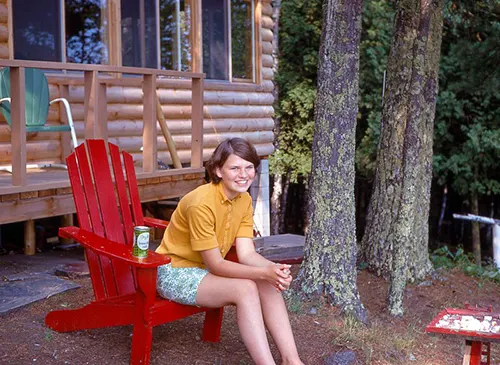
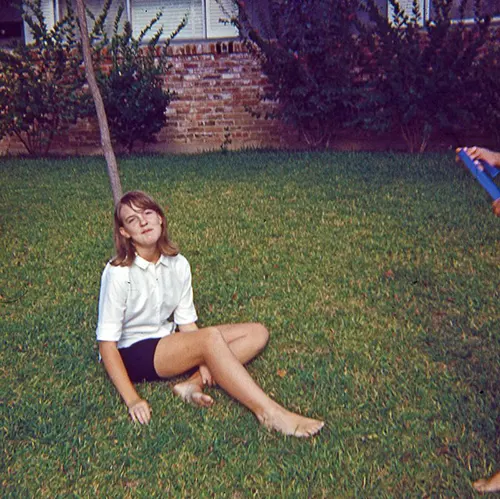
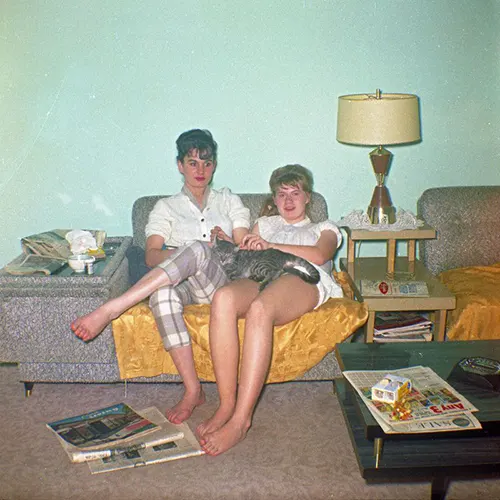
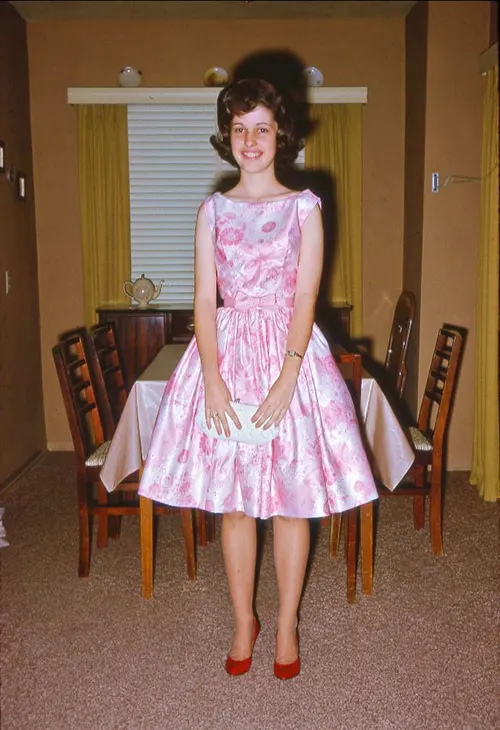
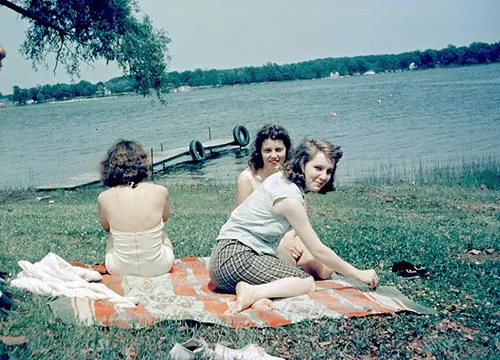
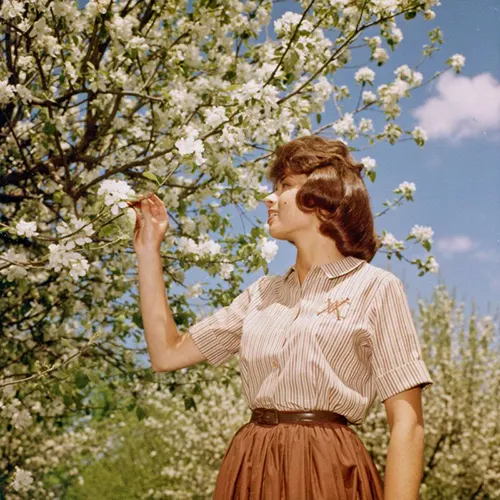
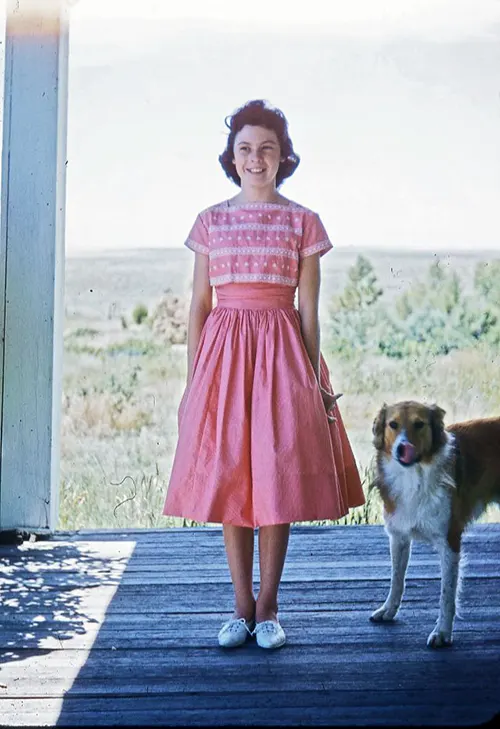
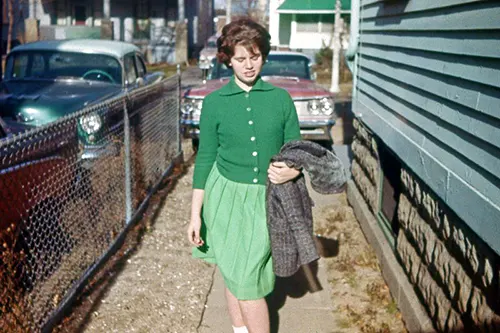
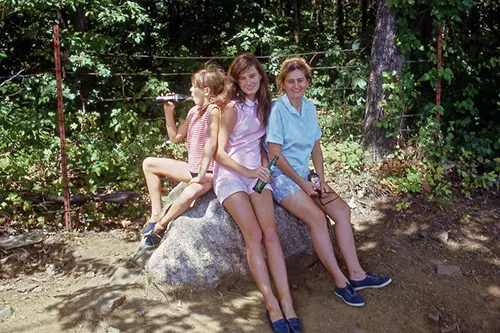
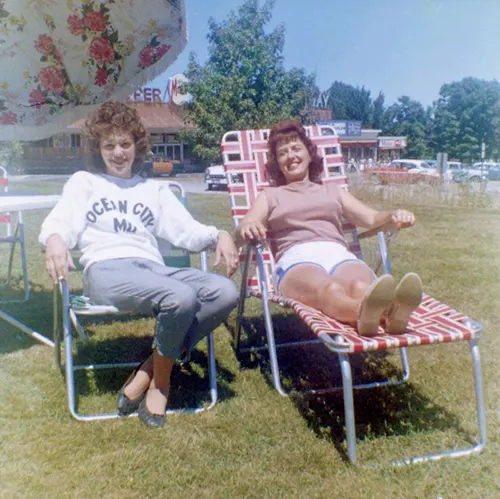
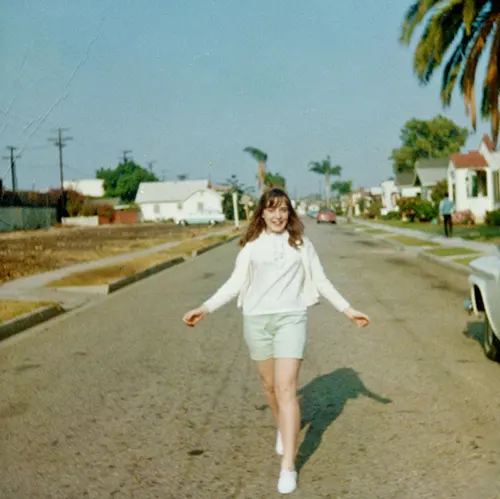
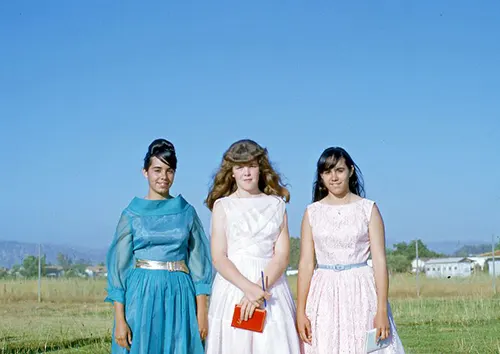
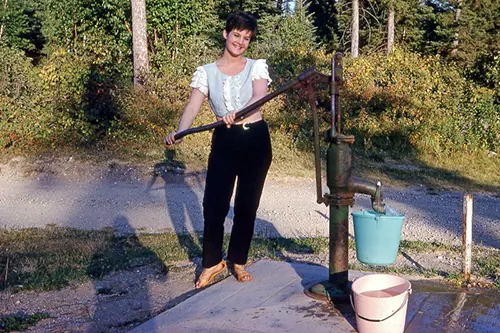
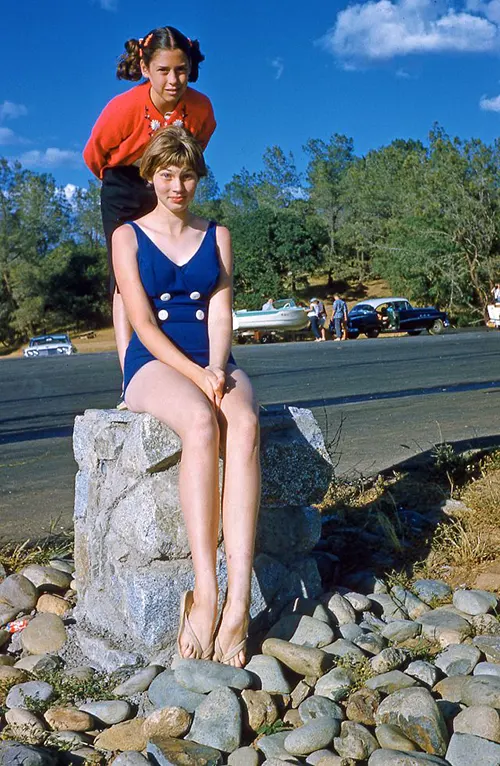
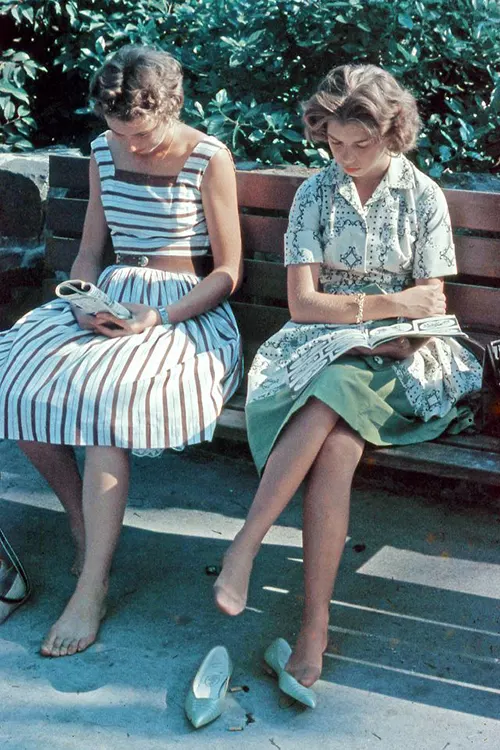
When the 1960s dawned across America, teenage girls dressed in a manner that would have pleased their mothers—knee-length skirts paired with cardigan sweaters and modest blouses dominated school hallways and weekend gatherings.
This conservative aesthetic reflected the lingering influence of the previous decade, when propriety and tradition still governed young women’s wardrobes.
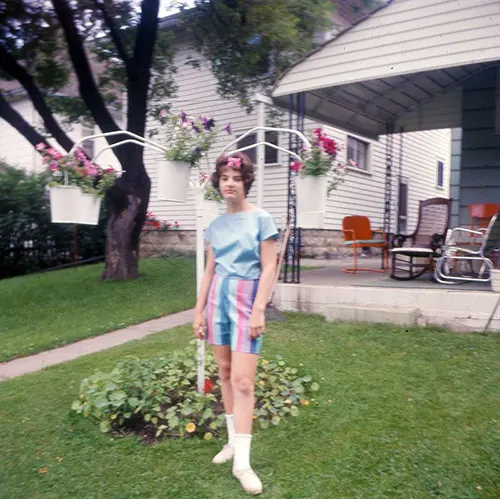
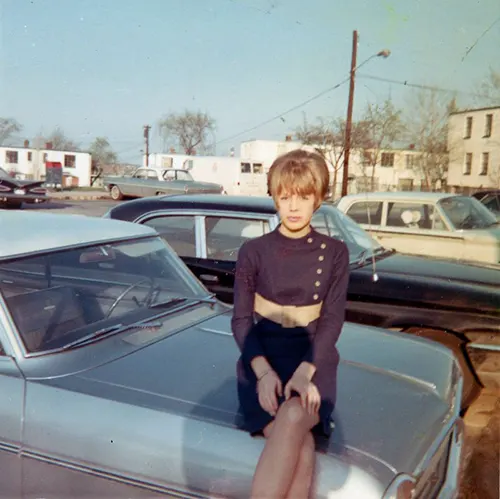
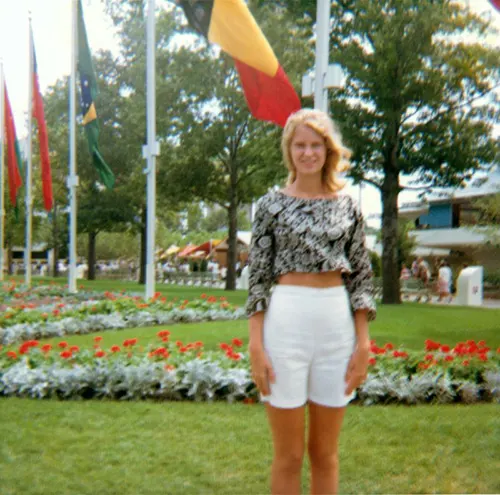
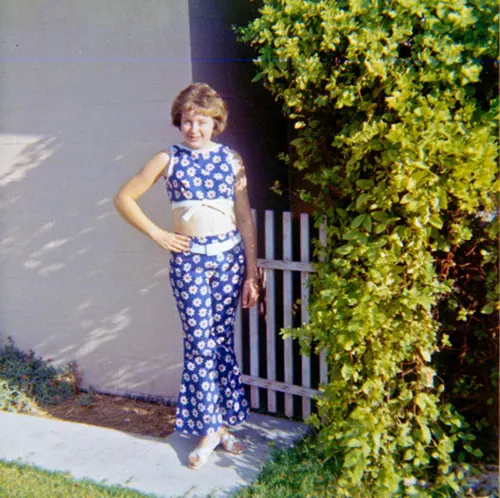
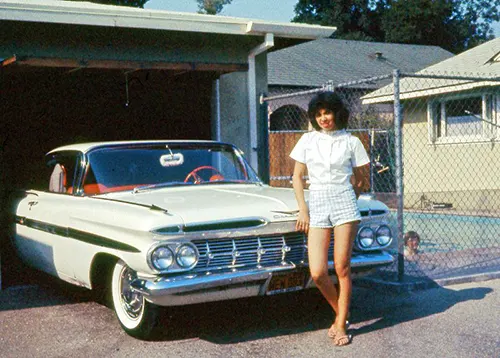
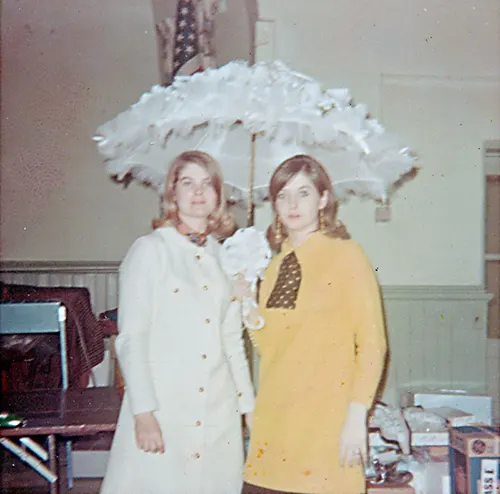
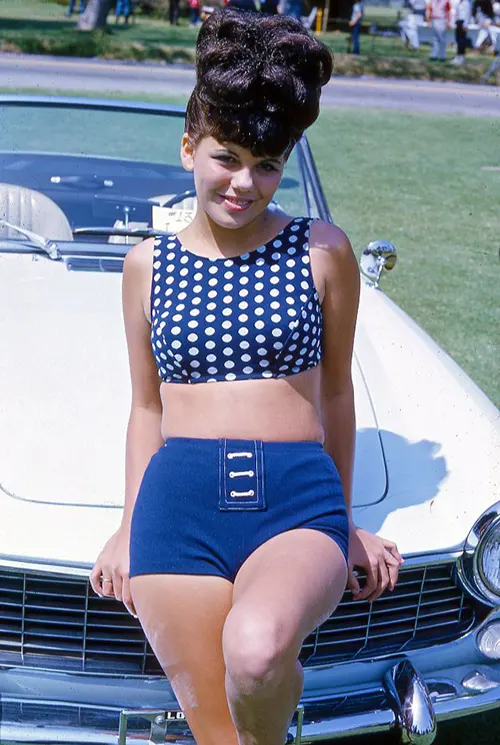 Everything changed as the decade reached its midpoint. The cultural earthquake known as the “Mod” movement swept across the Atlantic from London, bringing with it an explosion of geometric patterns, electric colors, and a defiant attitude toward conventional dress codes.
Teenage girls eagerly embraced this bold new aesthetic, which spoke directly to their generation’s desire for self-expression and independence.
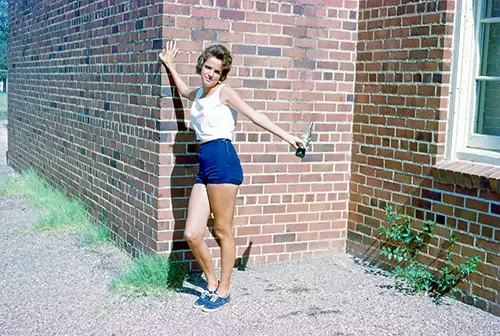
The miniskirt emerged as the movement’s most powerful symbol—a garment so revolutionary that its creator, designer Mary Quant, would become synonymous with the era’s spirit of rebellion.
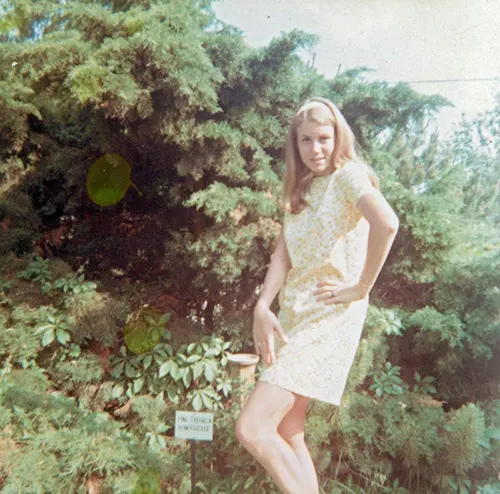
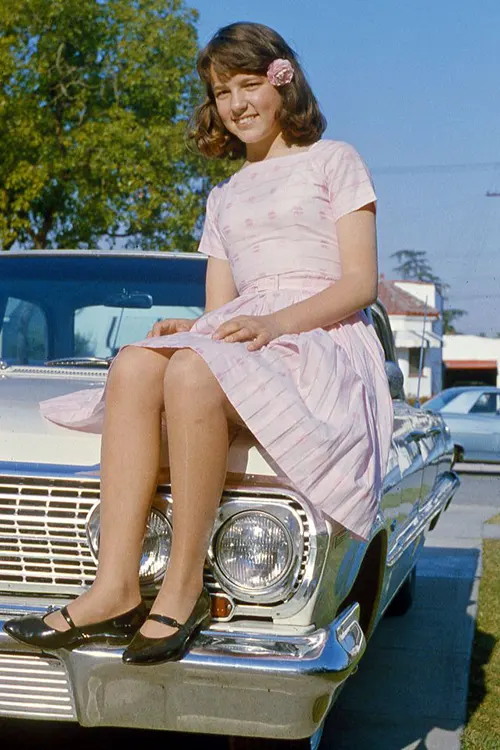
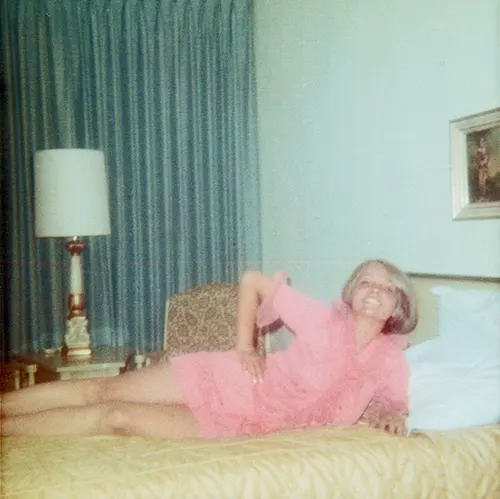
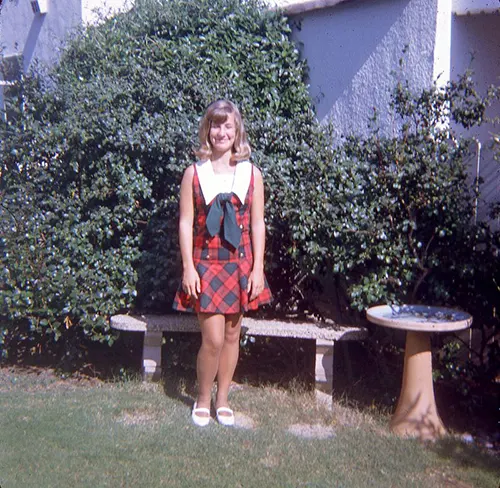
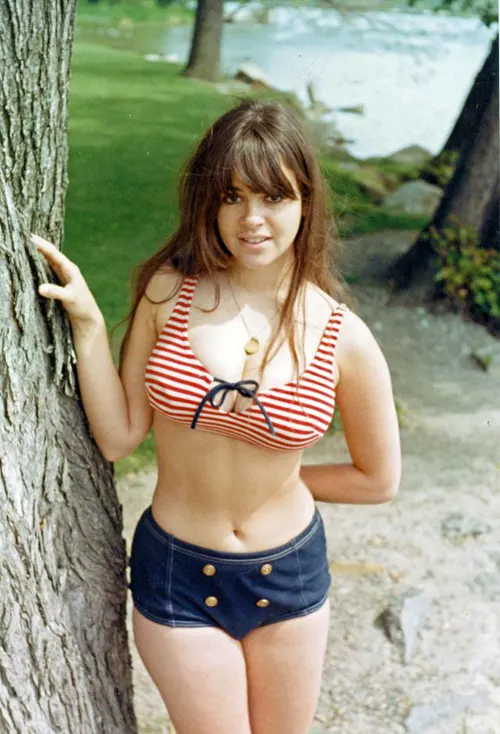 The transformation extended far beyond shortened hemlines. A-line shift dresses and baby doll silhouettes offered fresh alternatives to structured garments, prioritizing comfort and movement over formality.
These “little nothing” dresses, as they were playfully called, perfectly captured the decade’s embrace of youthful simplicity.
Pinafore dresses gained popularity alongside traditional miniskirts, while turtlenecks and fitted sweaters became essential layering pieces that worked seamlessly with the new shorter styles.
 Footwear underwent its own metamorphosis. White-vinyl go-go boots climbing to the knee became the ultimate statement piece, turning every sidewalk into a runway.
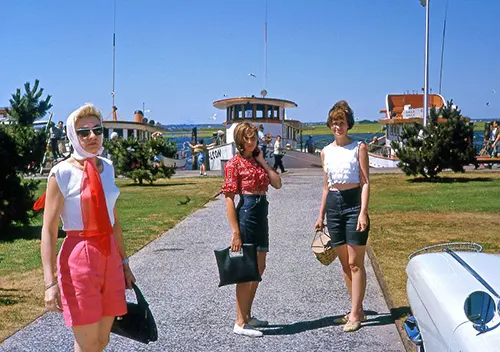
Mary Janes and ballet flats provided more practical options without sacrificing style, grounding even the most adventurous outfits with their timeless appeal.
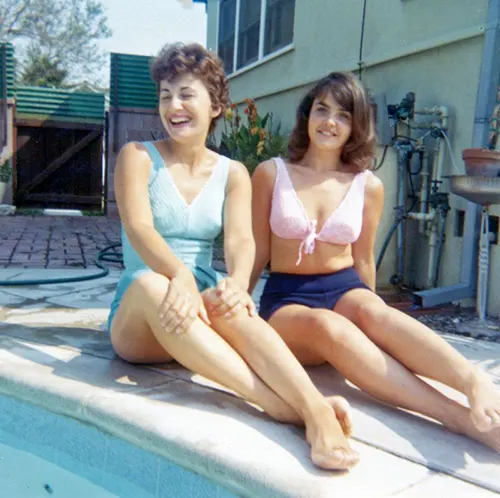
 Beauty standards evolved alongside fashion choices. The elaborate beehive hairstyles of the early decade gave way to sleek, geometric bobs that echoed the clean lines of Mod clothing.
Hair accessories like headbands and scarves added personality without overwhelming the look.
Makeup shifted toward natural tones, with pale lipsticks replacing the deeper shades of previous years, creating an overall aesthetic that felt fresh and modern.
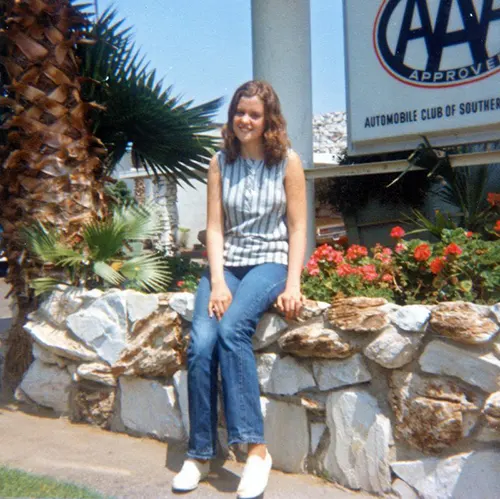
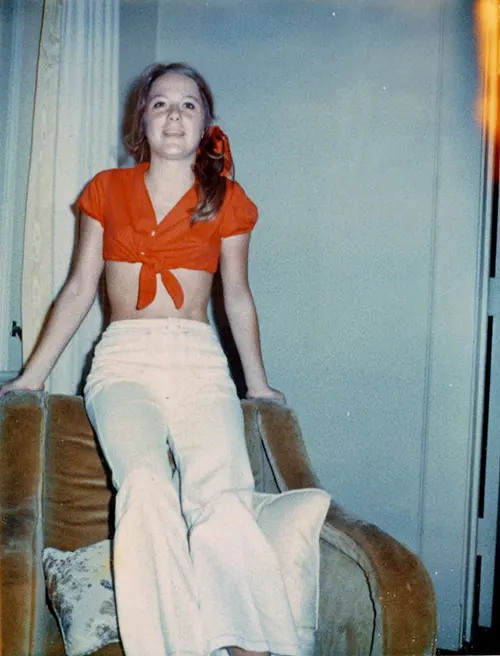
 As the decade drew to a close, fashion began its next evolution. The first whispers of the hippie movement introduced flowing maxi-skirts and earth-toned fabrics, signaling yet another reinvention.
The teenage girls of the 1960s had witnessed—and driven—one of fashion history’s most dramatic transformations, proving that youth culture possessed the power to reshape the world, one hemline at a time.

(Photo credit: Pinterest / Flickr / Wikimedia Commons).