
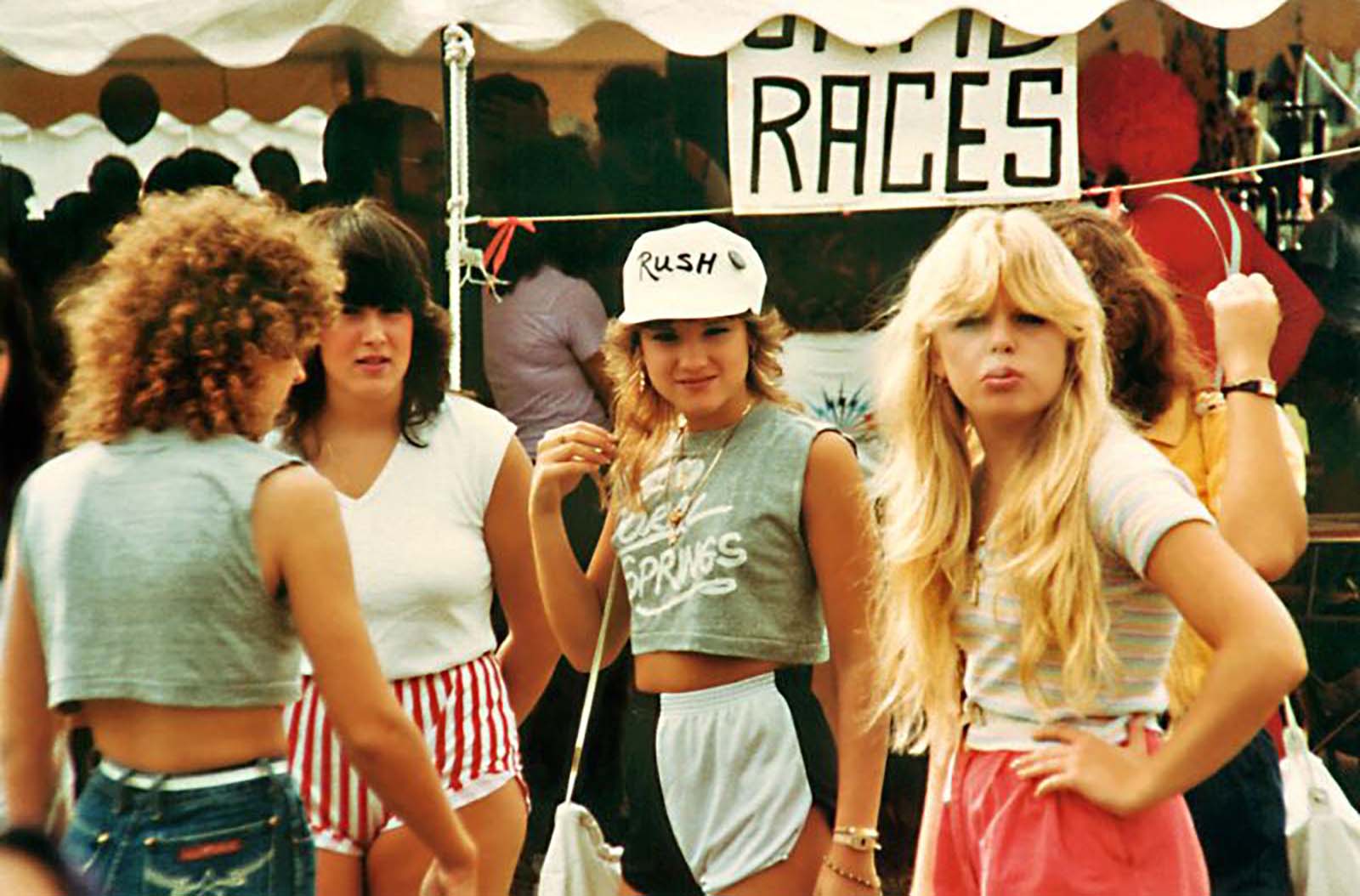
The 1980s had a look that was impossible to mistake for any other decade. Shoulder pads, neon colors, acid wash denim, and hair that defied gravity created a visual identity so specific that a single photograph can place it within seconds.
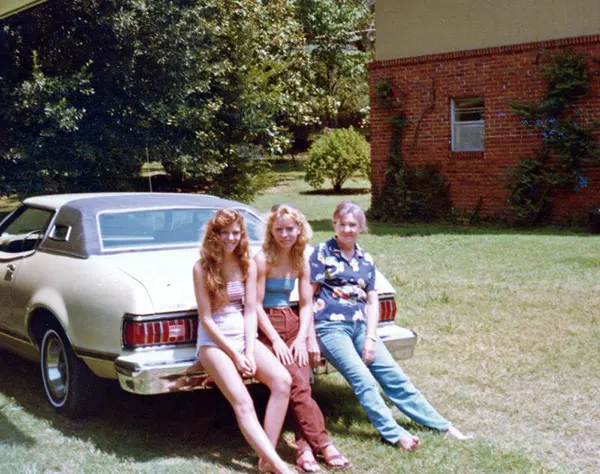
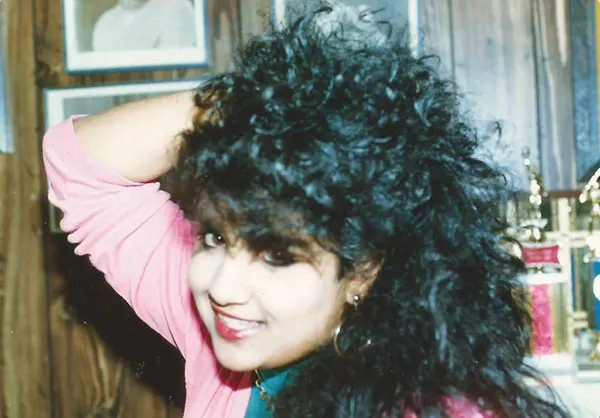
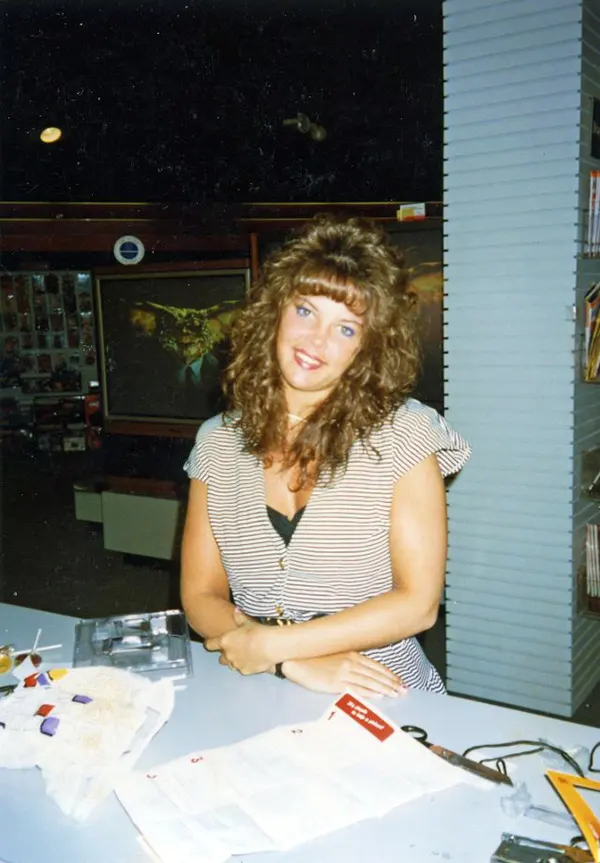
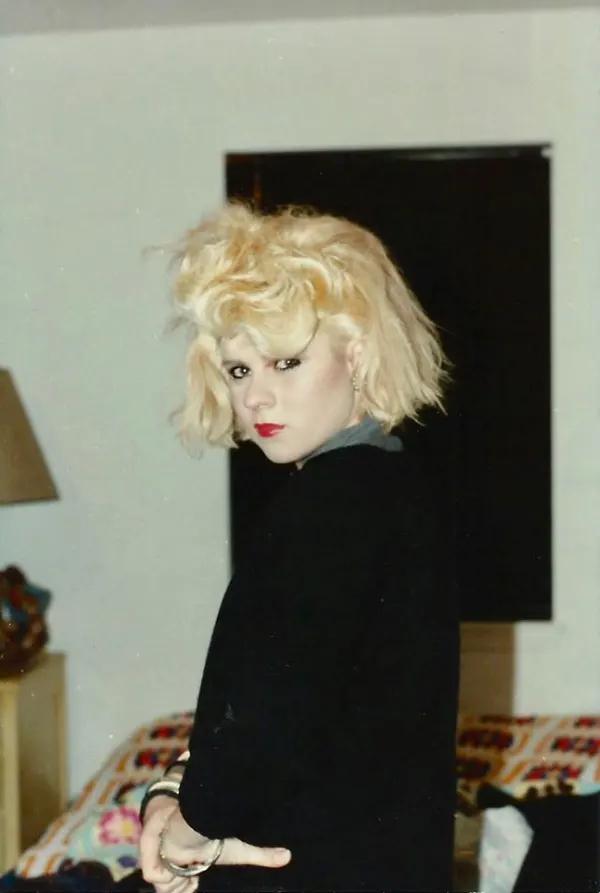
These photos capture exactly that: real women, real wardrobes, and a genuine look at what getting dressed in the 1980s actually looked like when no one was performing for a runway.
If there is one phrase that sums up women’s fashion in the 1980s, it is this: more was more.
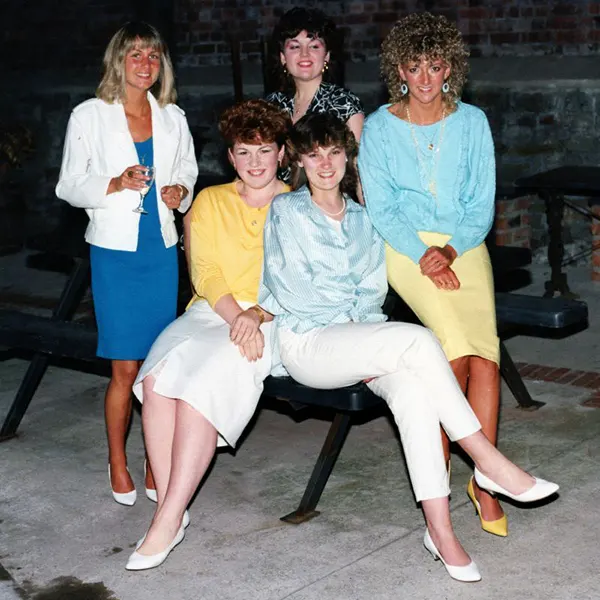 Shoulder pads were not an accent but a statement, widening silhouettes and projecting a sense of power that was very much intentional.
Hair followed the same logic, teased, sprayed, and volumized to heights that defied gravity.
Large earrings, often geometric or dangling well past the jaw, completed a look that was designed to take up space and command attention.
 Color played an equally defining role. Neon shades, electric pink, acid green, bold yellow — appeared on everything from sweatshirts to leggings.
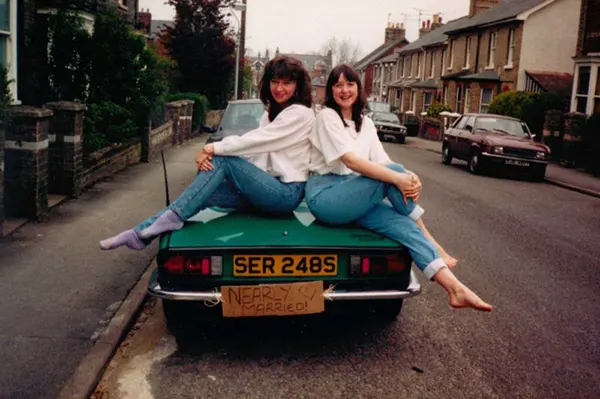
Acid wash denim became one of the most recognizable fabrics of the decade, showing up in jackets, jeans, and skirts worn by women of all ages.
Alongside it came geometric prints, animal patterns, and color-blocked separates that made even casual outfits look deliberately styled.
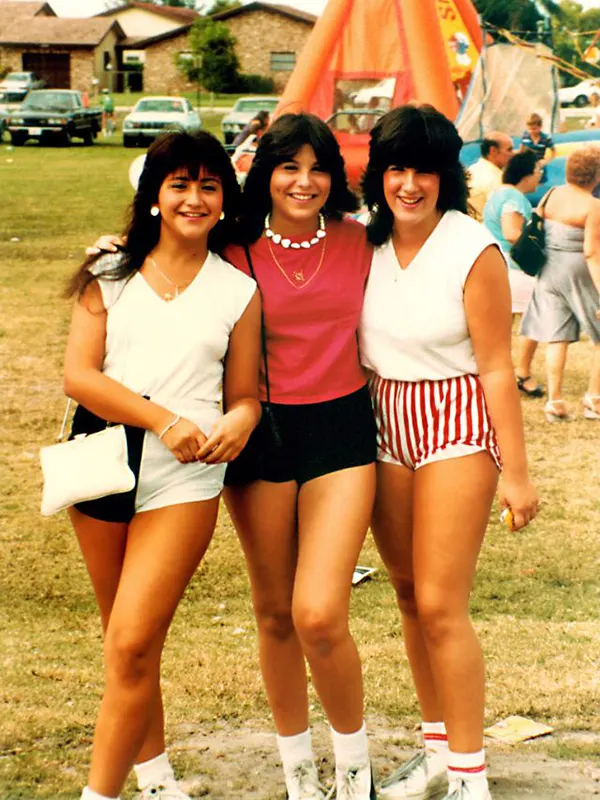 Away from magazine covers and music videos, everyday women built their wardrobes around a handful of staple pieces that defined the decade.
High-waisted jeans, often tapered at the ankle, were paired with oversized tops or tucked-in blouses.
Legwarmers, popularized by the aerobics craze, moved freely from the gym into daily wear. Stirrup pants were another fixture, worn with long sweaters or blazers with structured shoulder pads.
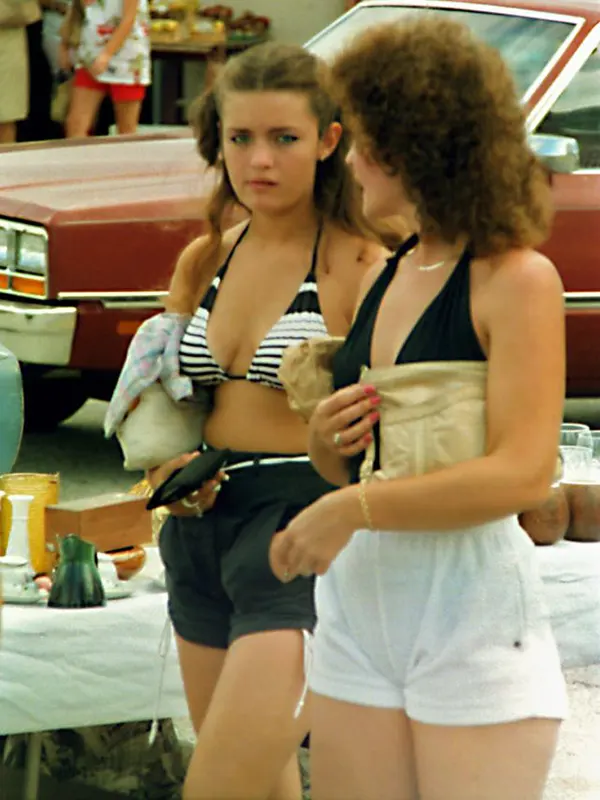 Layering was a common approach. Women often wore multiple pieces together: a fitted turtleneck under a baggy sweatshirt, or a denim jacket thrown over a floral dress.
Scrunchies, wide belts cinched at the waist, and chunky plastic jewelry were the finishing touches that pulled an outfit together.
The overall effect was maximalist but personal, with most women mixing trends freely rather than following any single look.
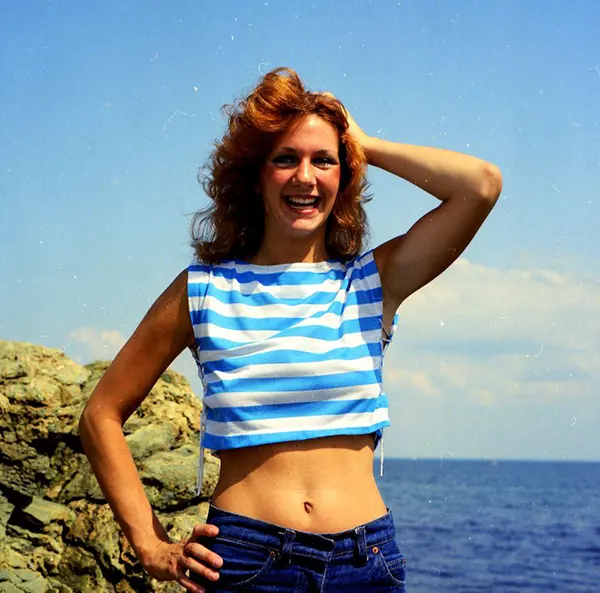 Fashion in the 1980s was also deeply tied to materialism. Designer labels were not just clothing choices — they were social signals.
Brand logos worn visibly on clothing and accessories communicated status in a way that had not been so overt in previous decades.
Sporting a recognizable label, whether on a handbag, a pair of sneakers, or a polo shirt, carried real meaning in everyday social settings.
 The decade’s broader cultural obsession with success and affluence shaped the way women dressed, and the fashion industry leaned into it fully.
It is also worth remembering how different the media landscape was at the time. There were no smartphones, no social media feeds, and no instant access to what anyone was wearing anywhere in the world.
Television offered limited channels, and catching a film in a cinema was still a genuine occasion.
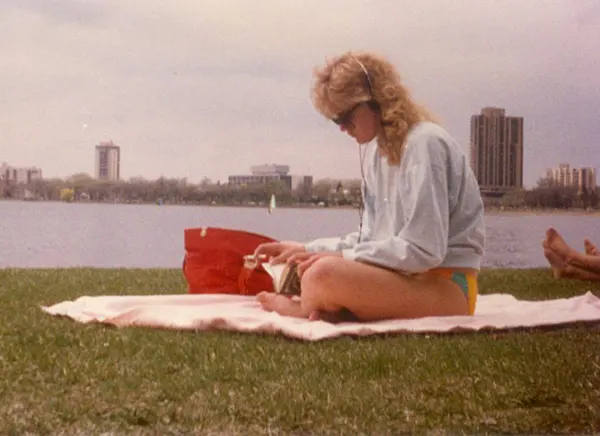 Fashion information reached most women through magazines, advertisements, and whatever appeared on their television screens.
That narrow pipeline gave a relatively small group of celebrities, pop musicians, and clothing brands enormous influence over what the general public wore.
When a well-known figure appeared in a particular style, it filtered outward slowly but powerfully, shaping what ended up in stores and eventually in everyday wardrobes across the country.
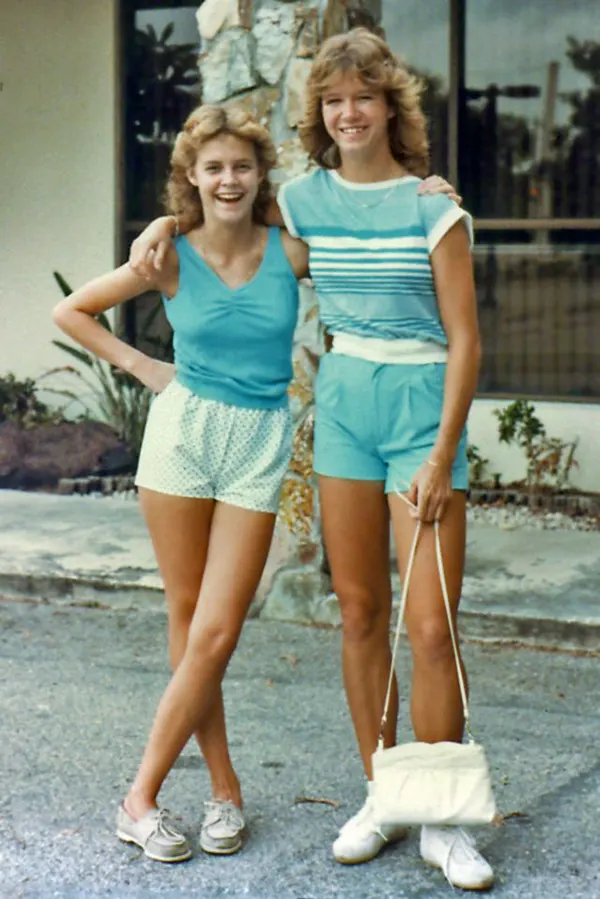

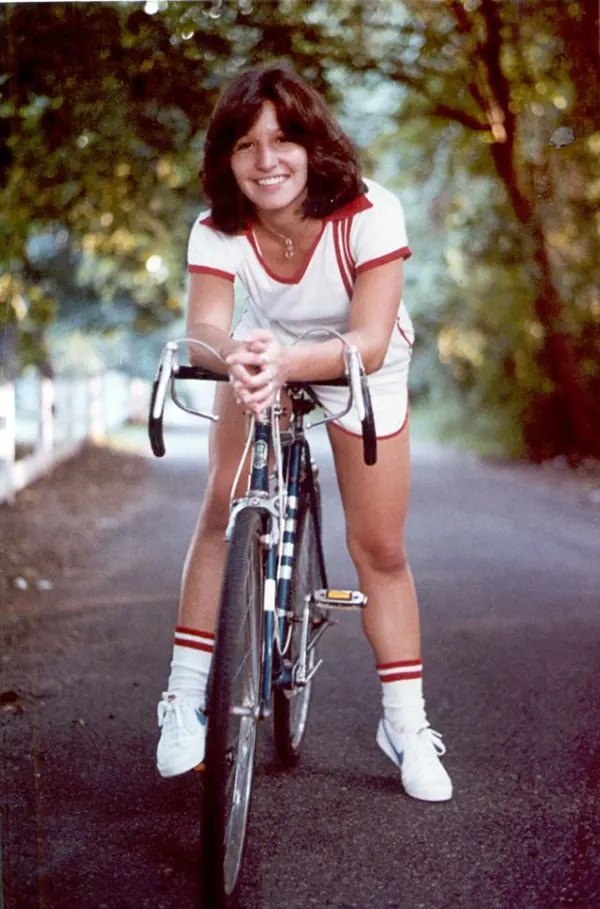
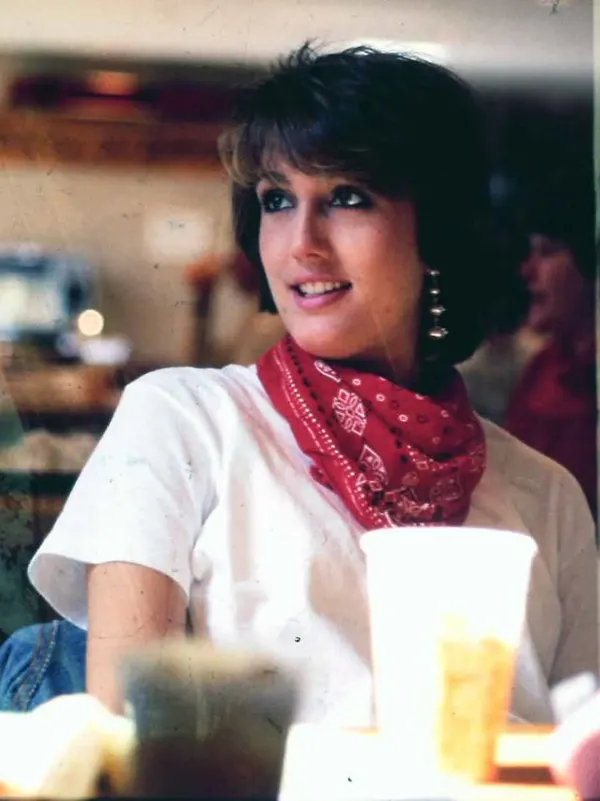



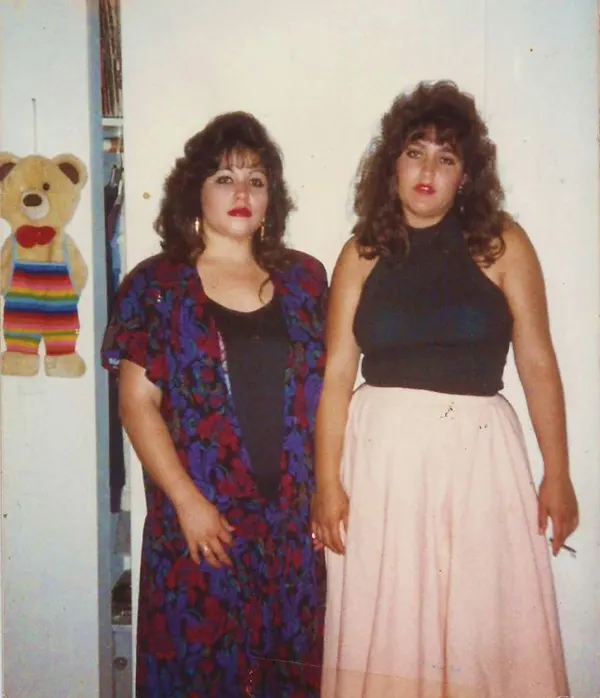
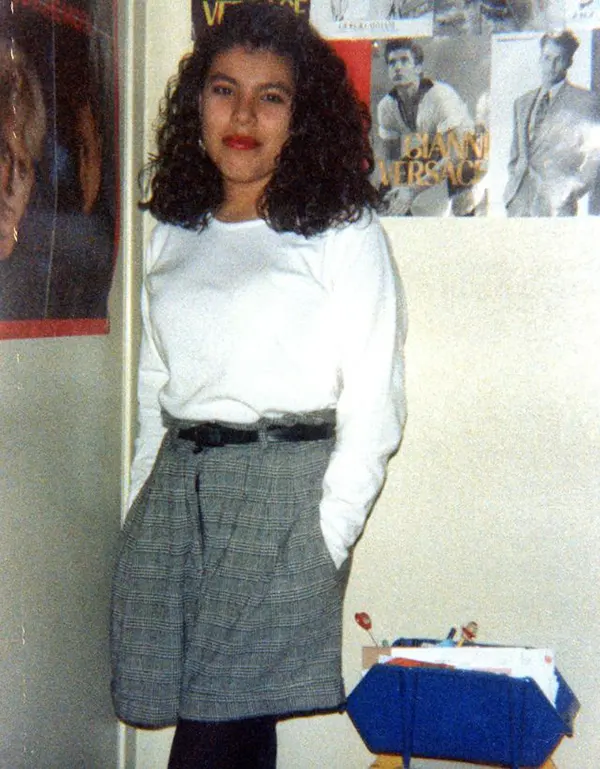

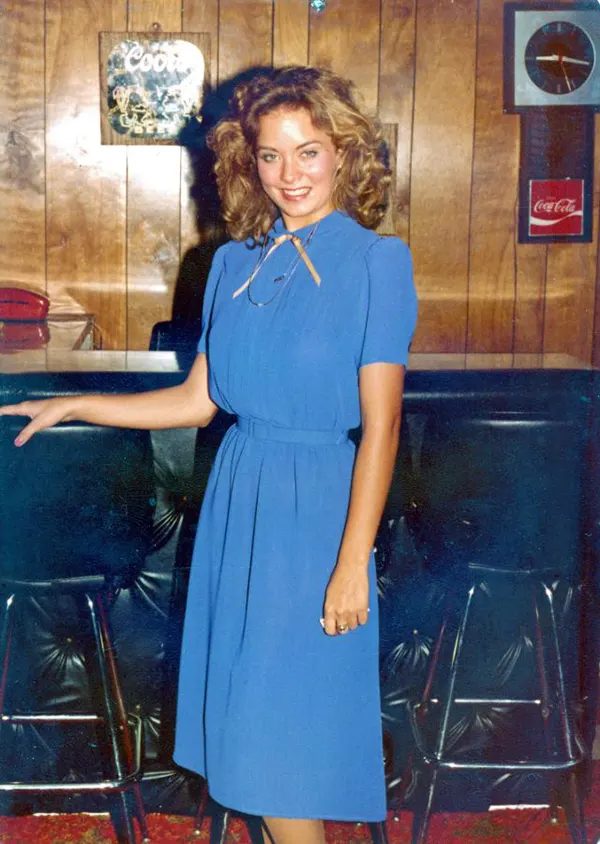
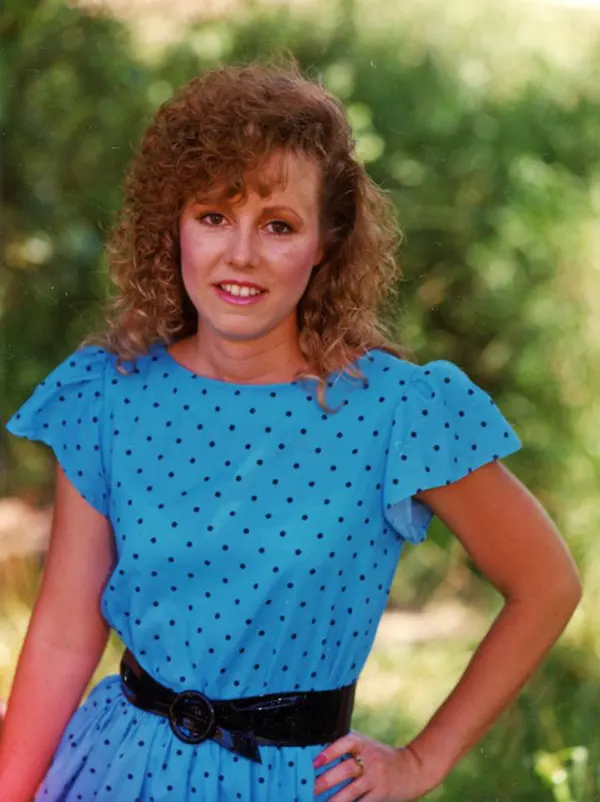

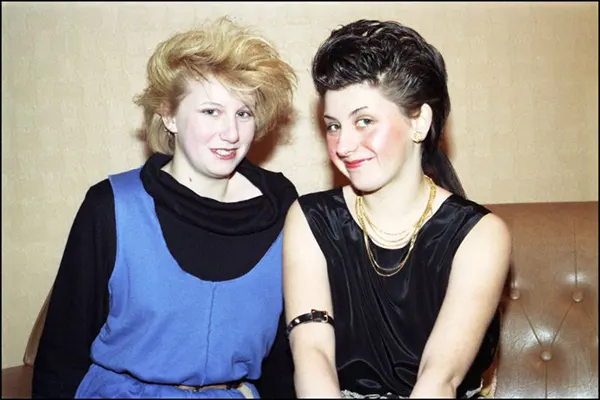
(Photo by Shaun Brittain).
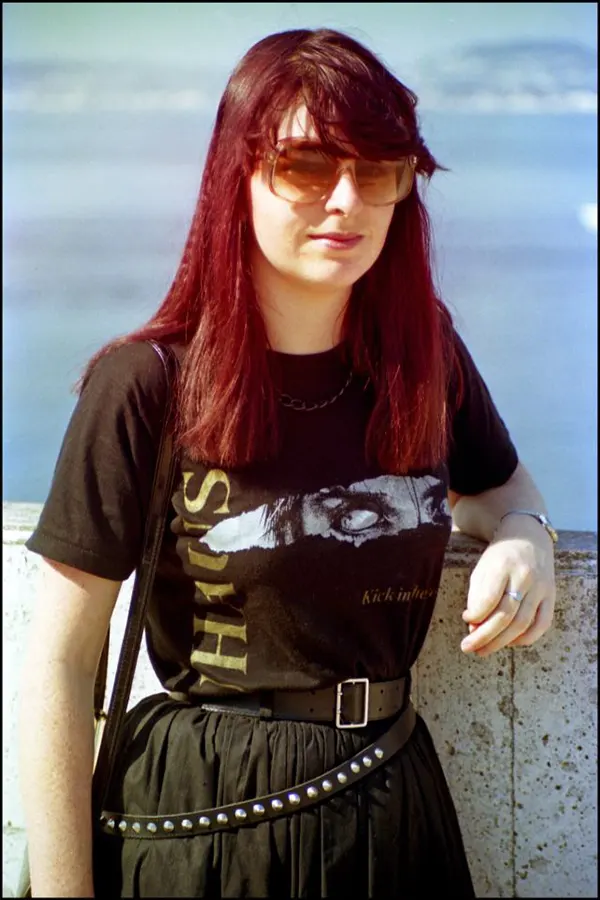
(Photo by Shaun Brittain).
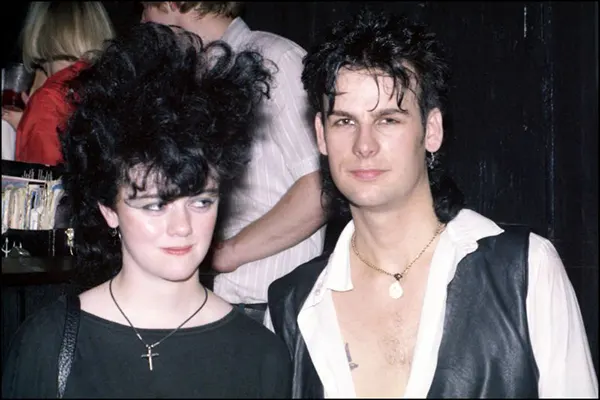
(Photo by Shaun Brittain).
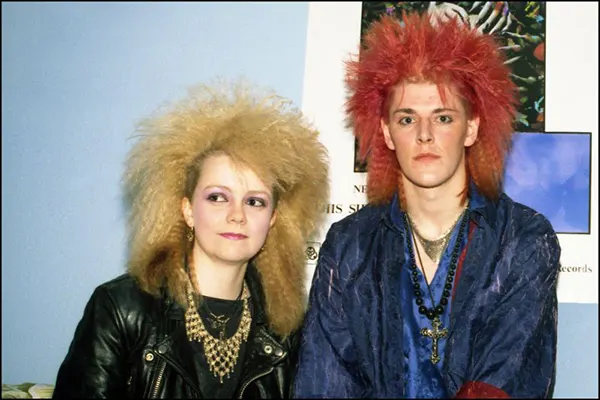
(Photo by Shaun Brittain).
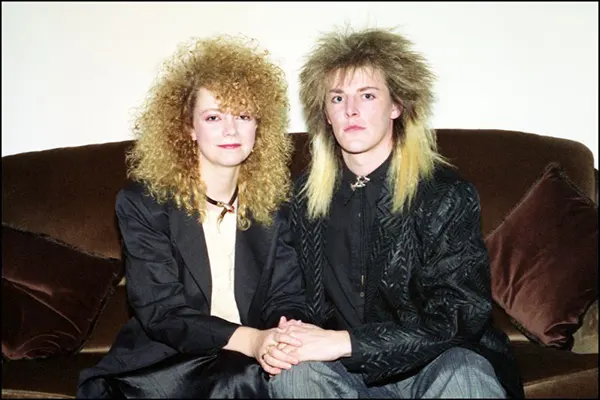
(Photo by Shaun Brittain).
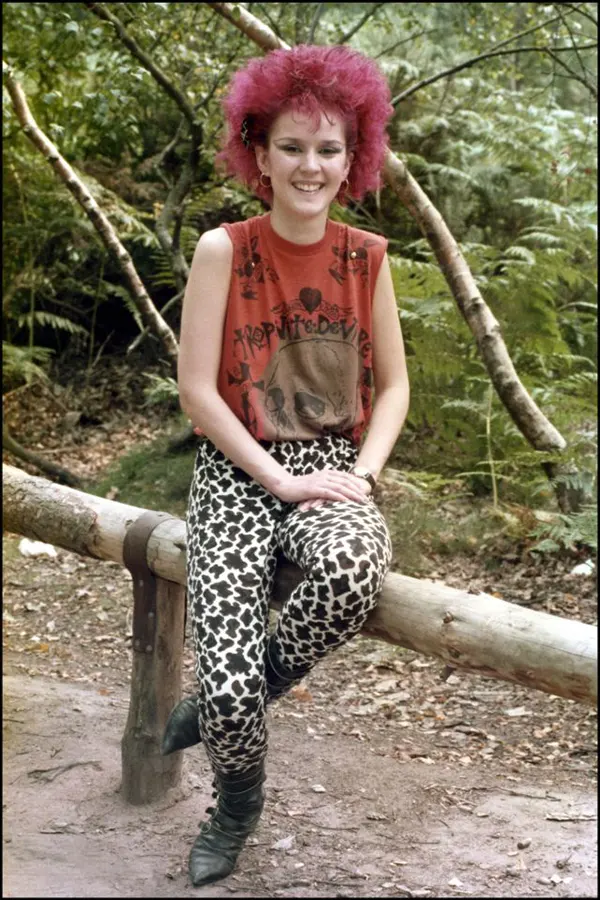
(Photo by Shaun Brittain).

(Photo by Shaun Brittain).
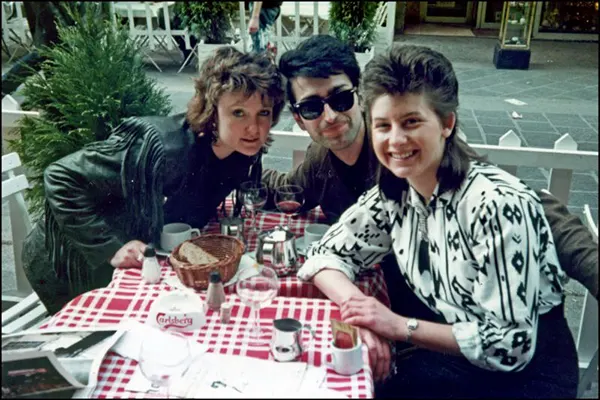
(Photo by Shaun Brittain).
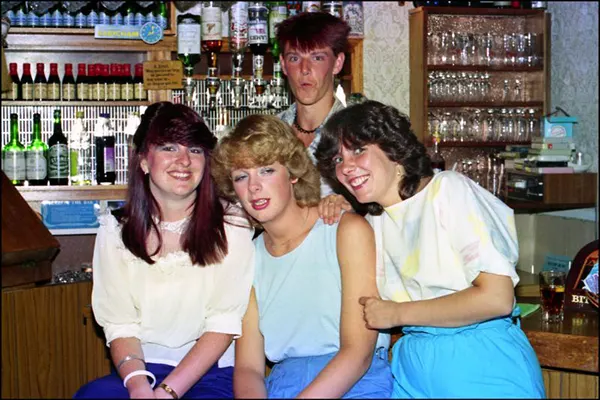
(Photo by Shaun Brittain).
(Photo credit: Flickr).