
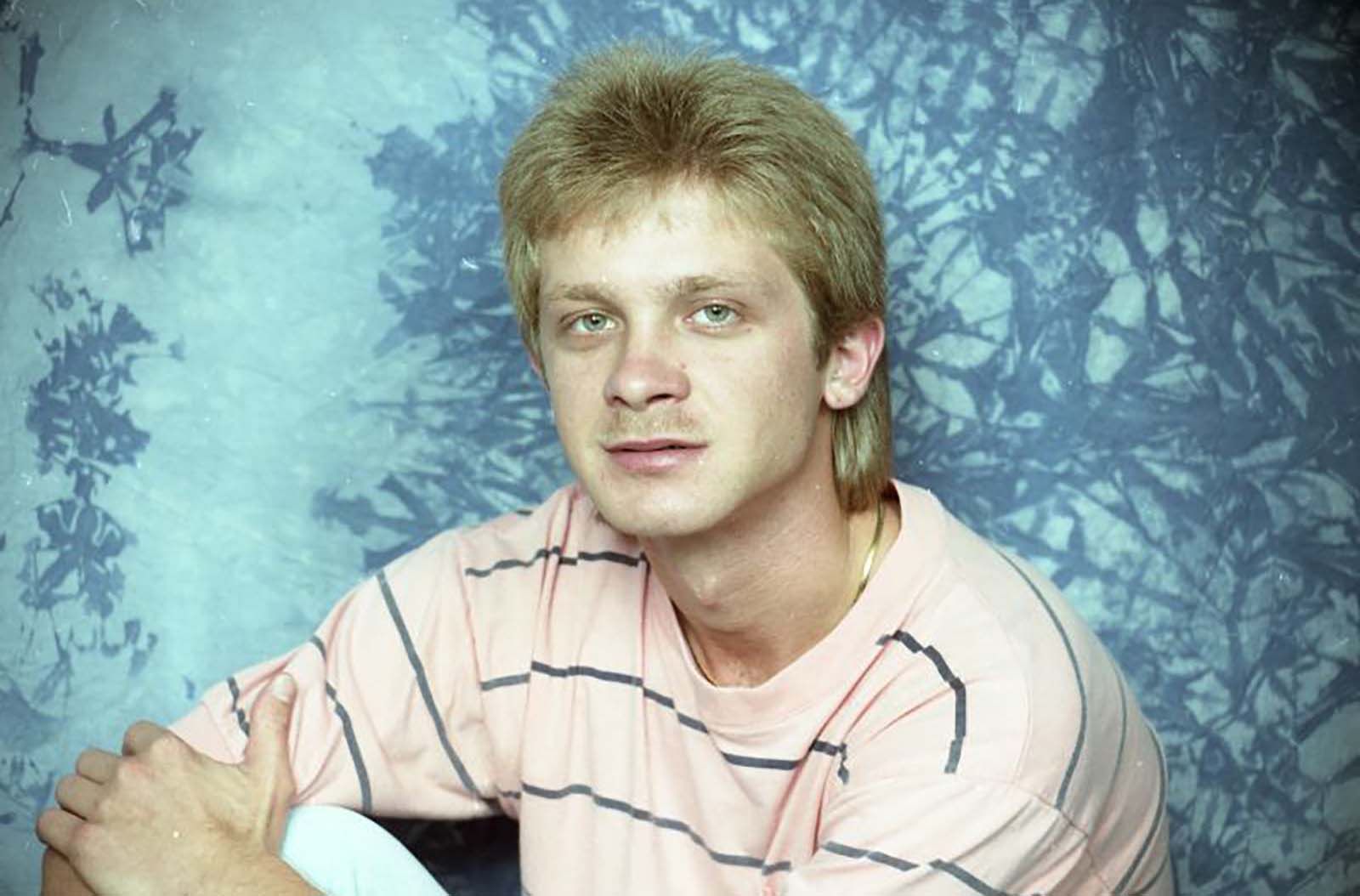
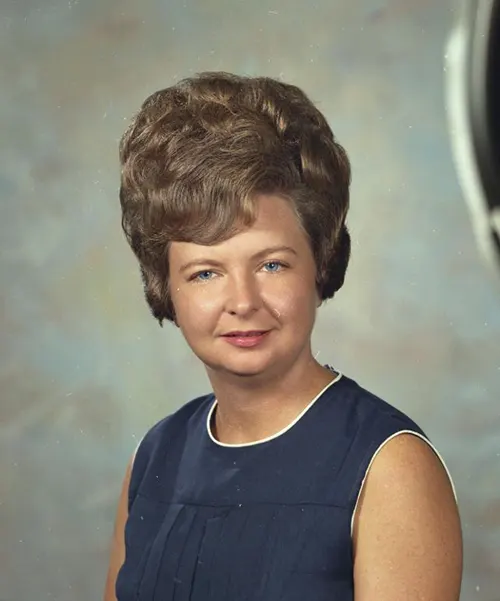
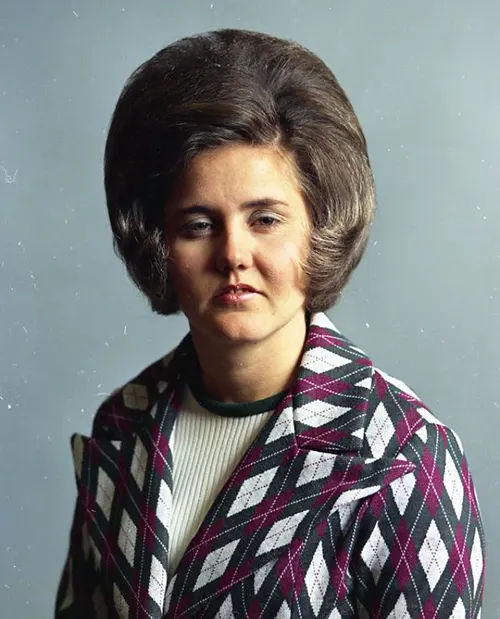
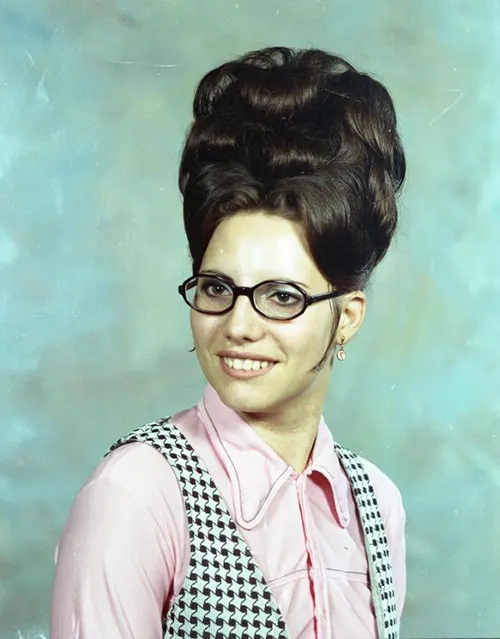
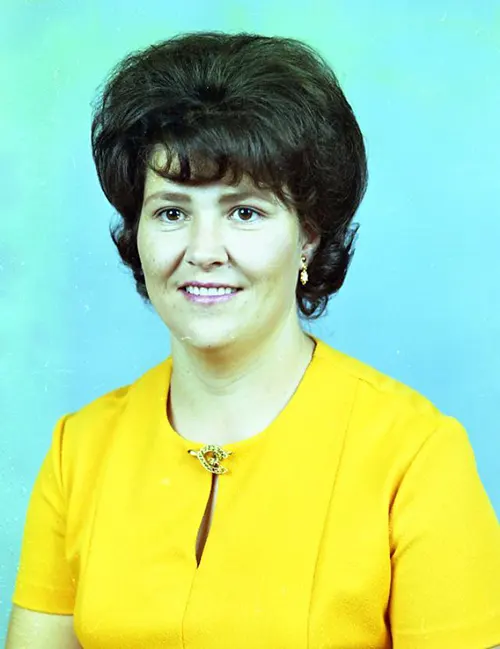
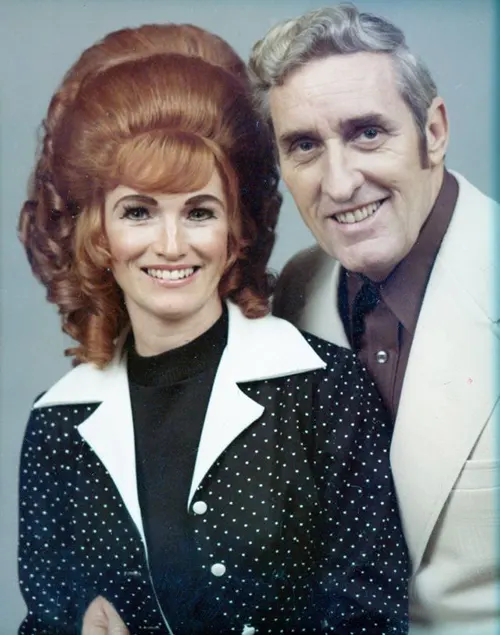
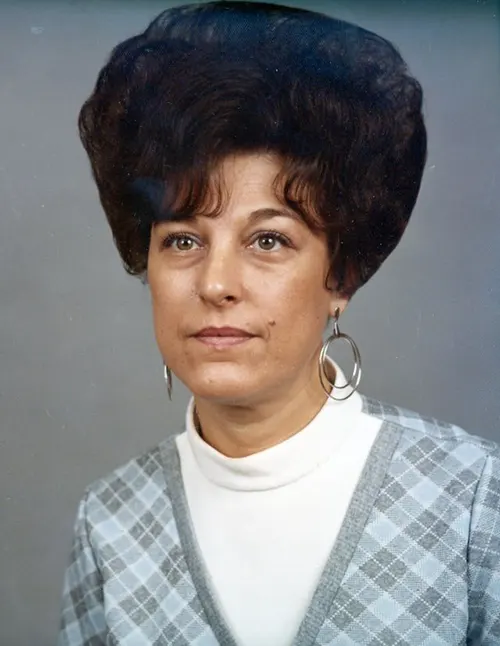
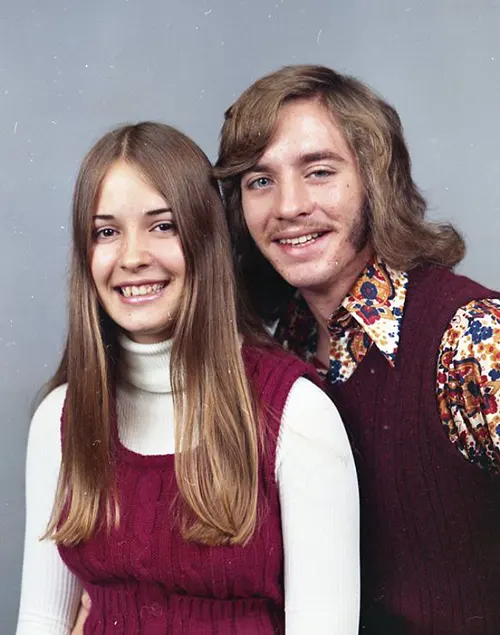
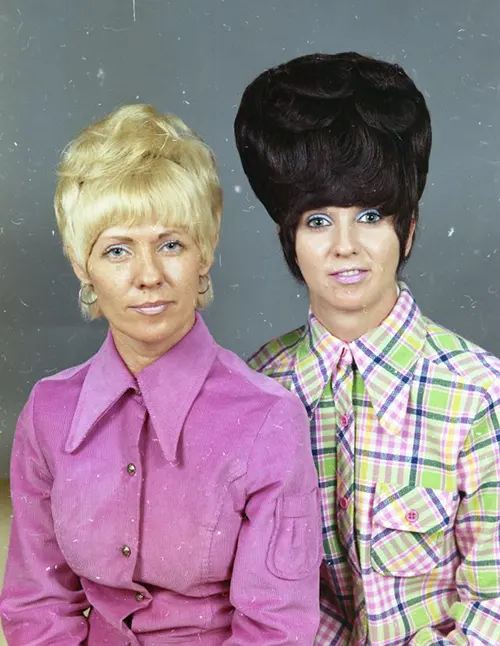
There is a specific kind of time capsule that no museum has ever managed to replicate, and it lives inside the portrait studios of the 1980s.
Ordinary men, dressed in their best, sat down under fluorescent lights and artificial backdrops and got photographed in a way that was completely sincere.
Nobody was performing a look for the internet. The mullets were real. The perms were intentional.
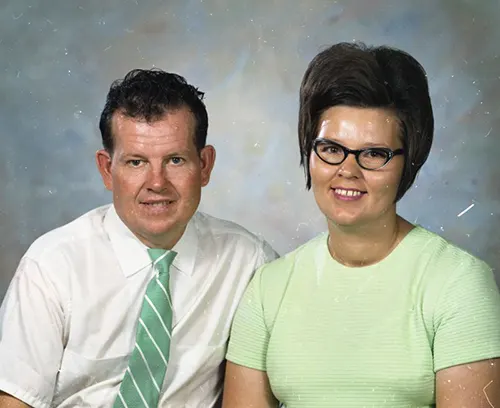 The wide lapels were pressed and worn with genuine pride, and the portraits that resulted are now some of the most telling documents of what that decade actually looked like from the inside.
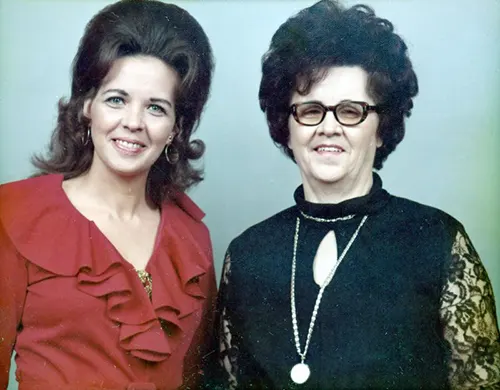
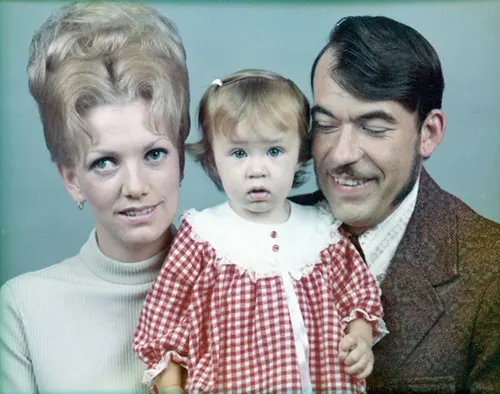
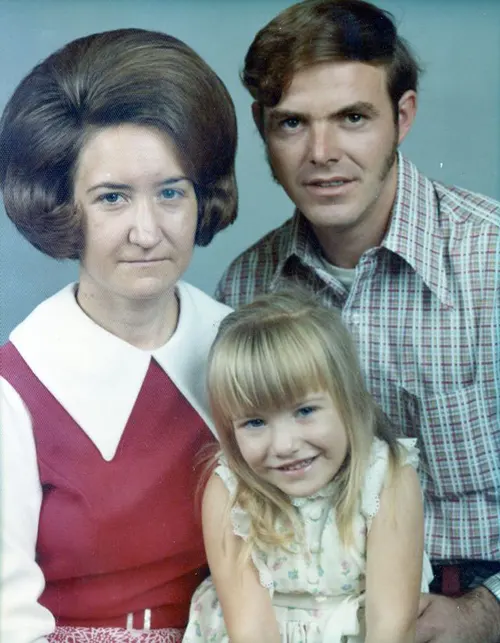
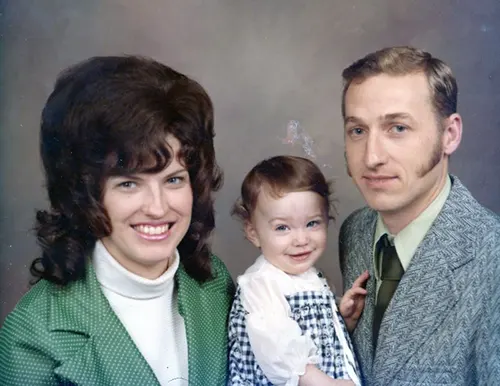
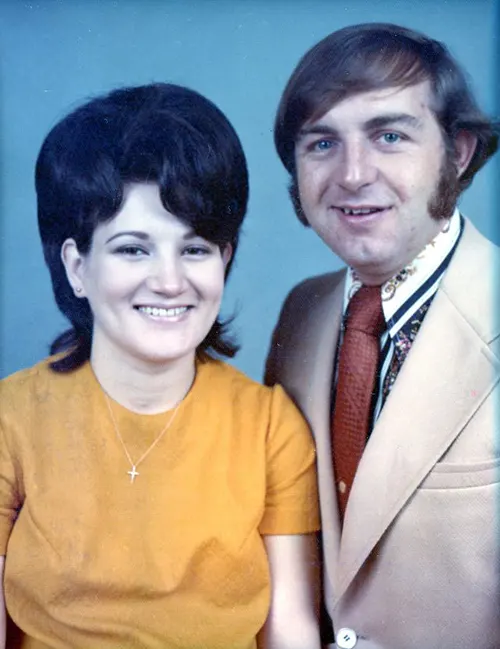
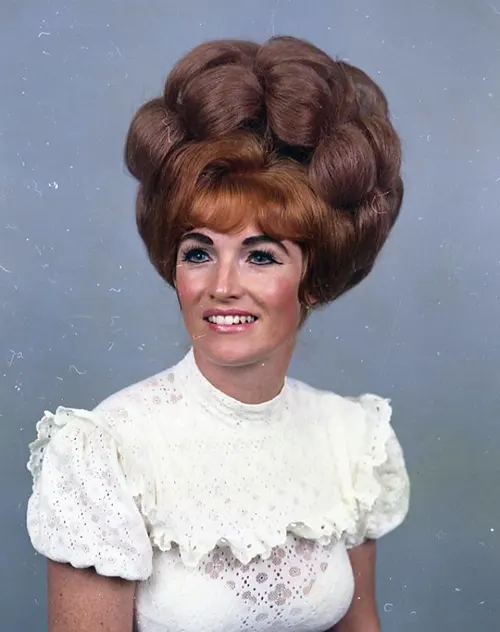
The hairstyles alone are enough to place a portrait in time down to the year. The mullet dominated through most of the decade, short and neat on top, long and loose at the back, worn by men in every profession from warehouse workers to office clerks.
The permed blowout was equally common, a voluminous style that required maintenance and commitment, favored by men who wanted their hair to make as much of an entrance as the rest of them.
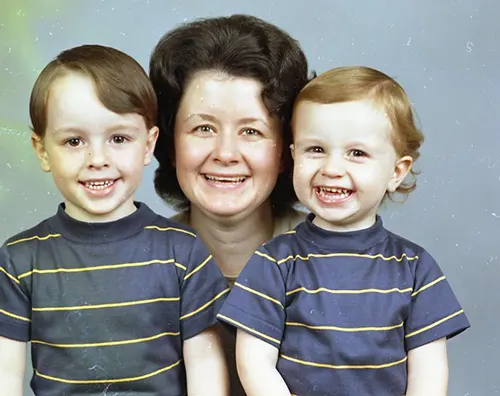 Feathered hair, swept back from the face in two symmetrical wings, carried over from the late 1970s and stayed firmly planted through the early part of the decade, often held in place with generous amounts of hairspray.
Less mainstream but just as distinctive were the rat tail, a thin strip of hair left to grow long at the nape of an otherwise short cut.
The Jheri curl brought a different kind of presence to the studio, a glossy, loosely curled style that required a specific chemical process and regular moisturizing, and which became a defining look for many Black men throughout the decade.
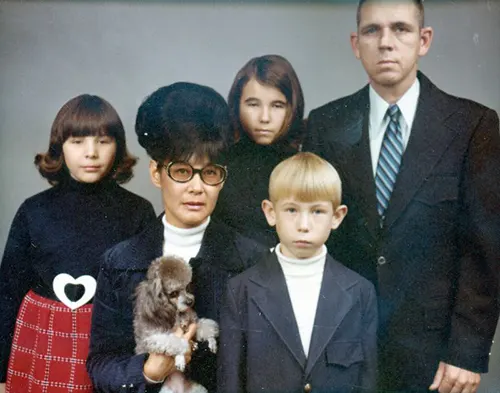
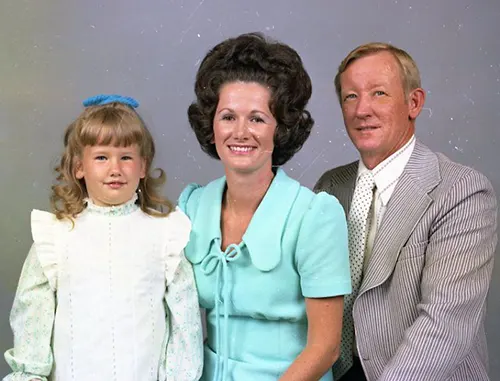 Even simpler cuts carried the influence of the decade. The bowl cut, shaped evenly around the head, appeared frequently in studio portraits, especially among younger men.
It was often paired with slight volume or texture, reflecting the broader trend of adding dimension to even the most basic styles.
Across all these variations, one theme remained consistent: hair was meant to be seen and noticed.
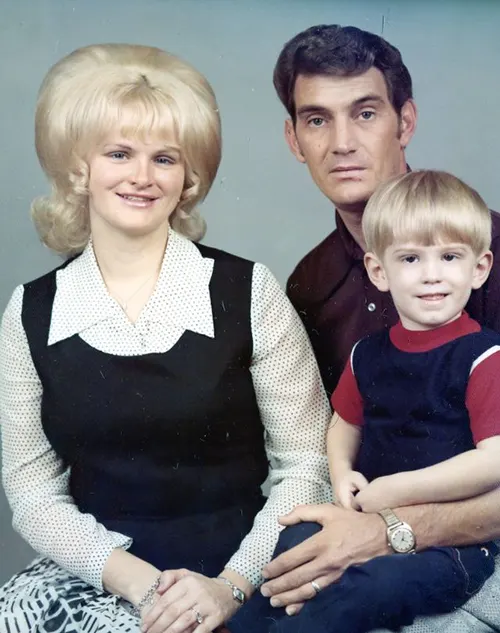 The fashion followed a similar logic. Men arriving for studio portraits typically dressed in what they considered their best, which in the 1980s meant something specific.
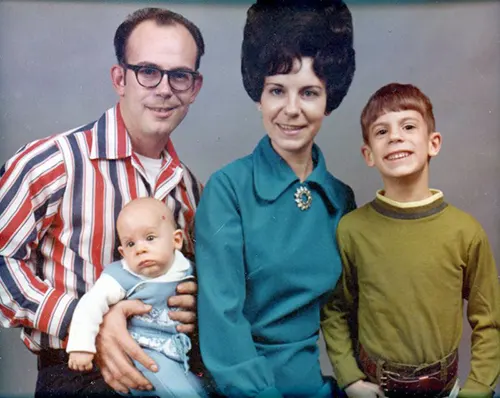
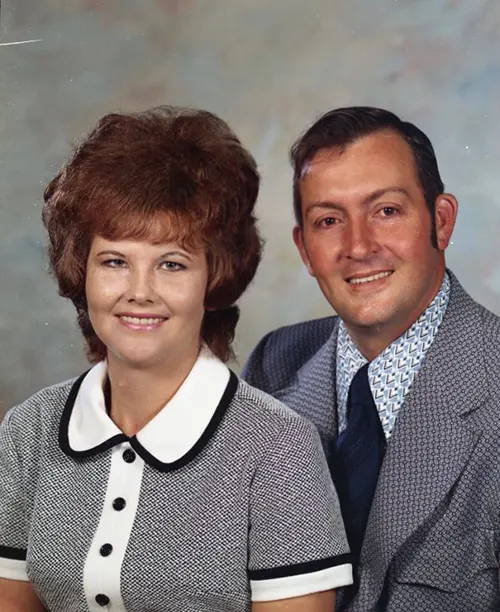
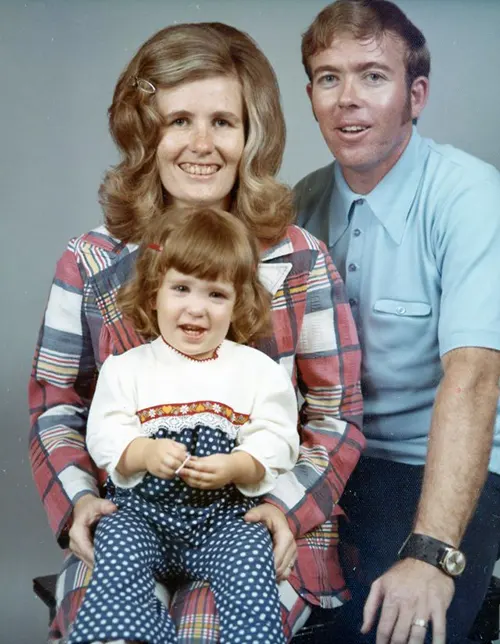
Collared shirts with wide lapels were standard, often paired with sport coats in muted plaids or solid earth tones.
Members Only jackets appeared regularly, worn zipped or partially open over a button-down.
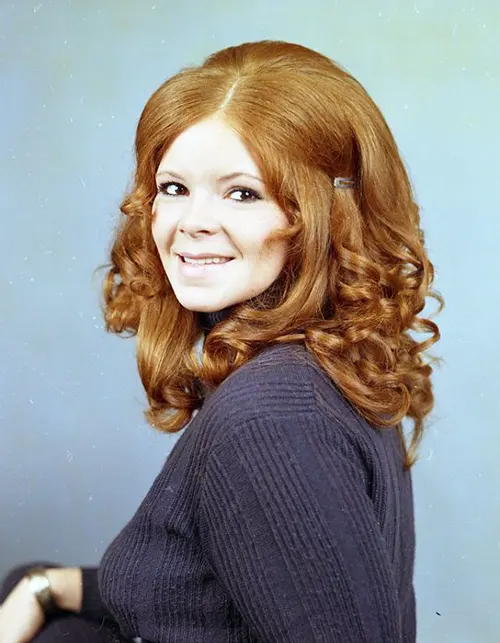 Sweaters were a popular choice as well, particularly the thick knit variety in bold geometric patterns that read as dressed-up without being formal.
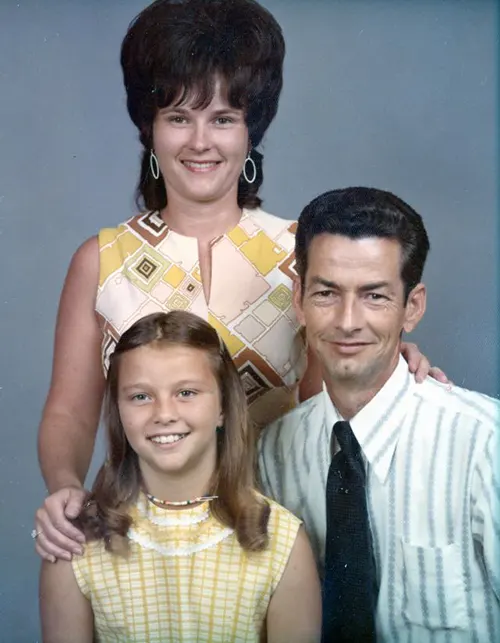
Ties were common even among men who did not wear them to work, pulled out specifically for portrait occasions and knotted wide.
Suits, when they appeared, tended toward boxy silhouettes with padded shoulders that gave the upper body a broad, structured look.
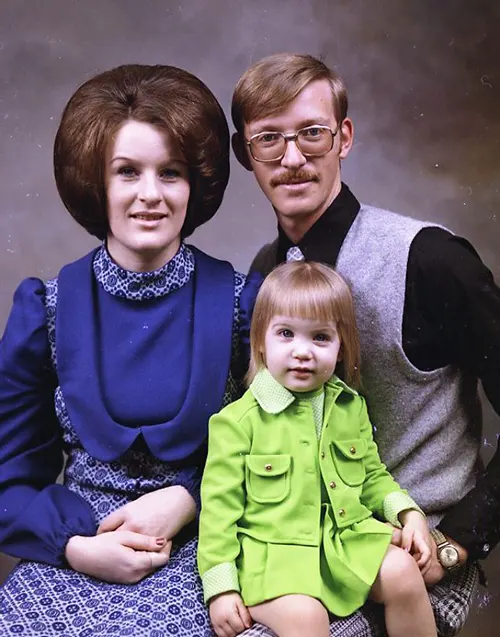
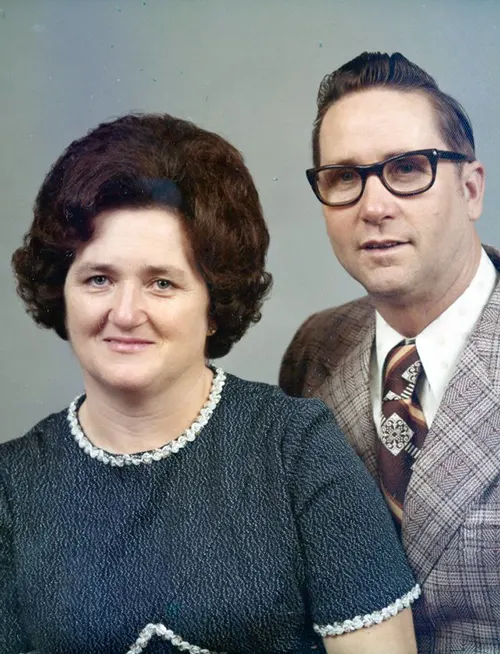 Colors ran toward burgundy, navy, tan, and forest green. Denim occasionally made an appearance in more casual portrait settings, particularly in family sessions where the goal was coordinated rather than formal.
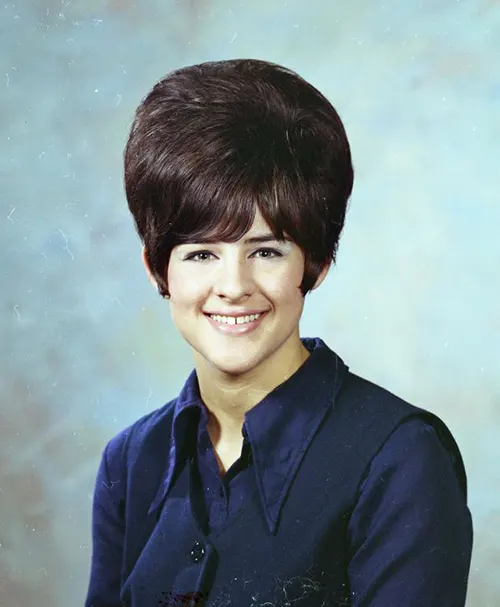
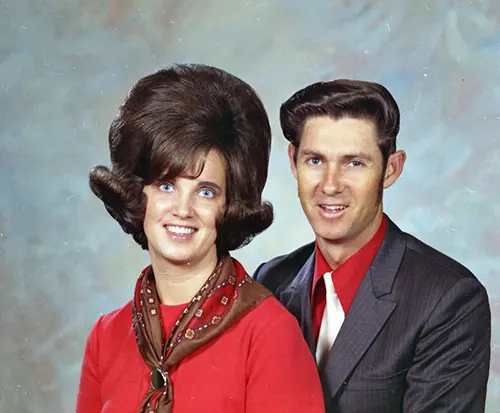
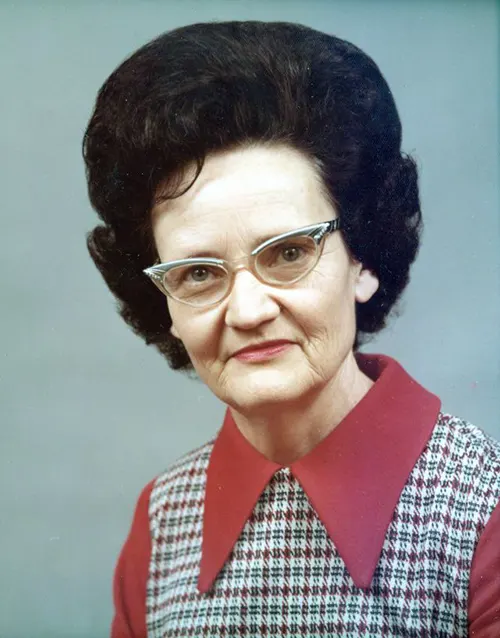
Together, these elements created images that were both personal and culturally specific. Studio portraits from the 1980s captured more than individual faces.
They preserved a moment when style was expressive, sometimes exaggerated, and always reflective of the era’s energy.
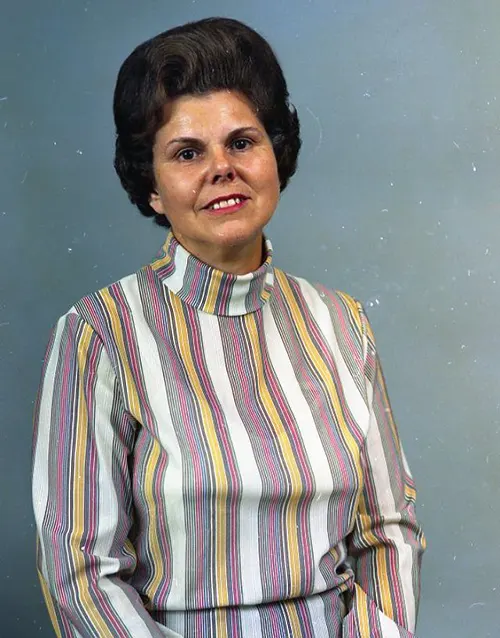
(Photo credit: Flickr).