
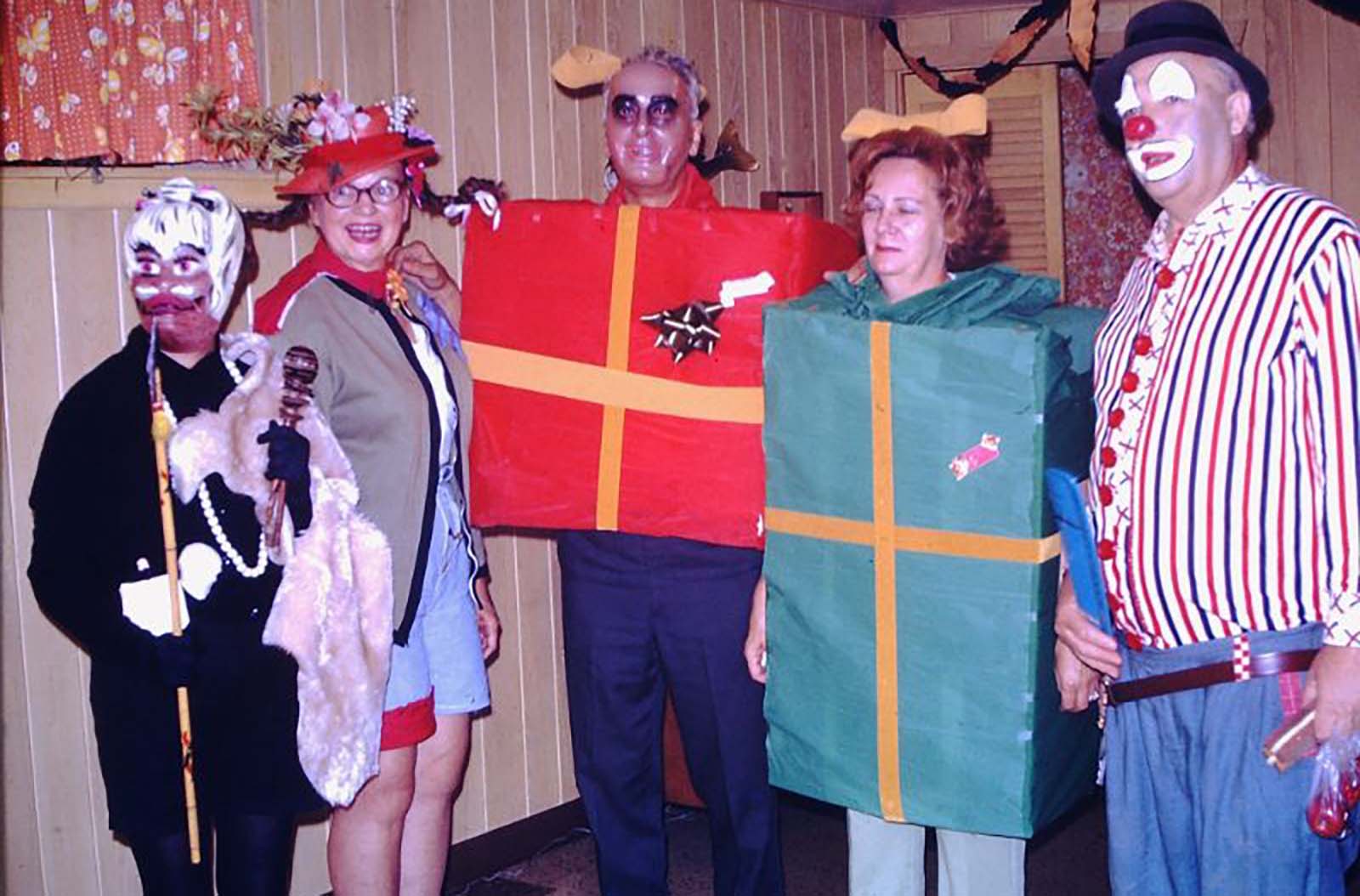
Halloween celebrations during the 1960s captured a unique moment in American culture, where timeless traditions merged with the era’s distinctive energy and creativity.
These gatherings reflected a society in transition, blending nostalgia for classic spooky festivities with fresh influences from television, cinema, and the decade’s bold artistic movements.
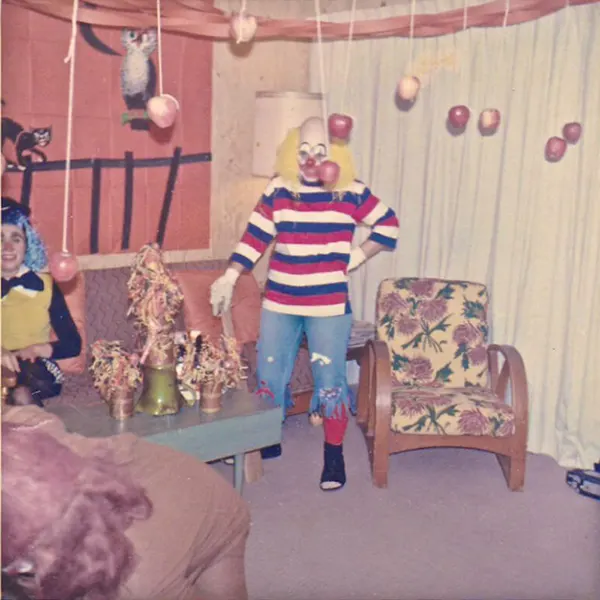
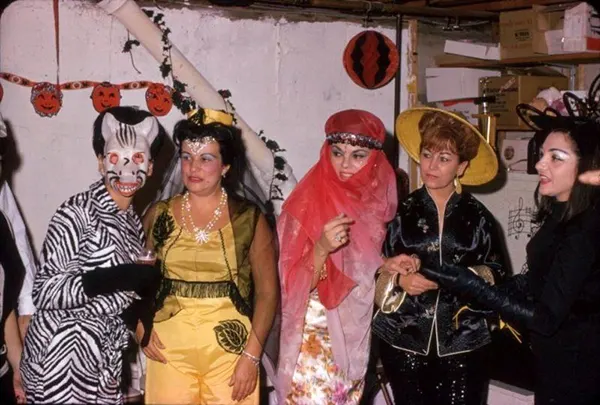
Party hosts transformed their homes with handmade decorations that ranged from traditional orange and black paper pumpkins to more adventurous designs inspired by the psychedelic art movement.
 Bright, whimsical patterns adorned walls alongside classic paper ghosts and artificial cobwebs, creating atmospheres that felt both familiar and refreshingly modern.
The decorating aesthetic varied widely depending on the host’s tastes, but the personal touch of handcrafted elements remained constant across most celebrations.
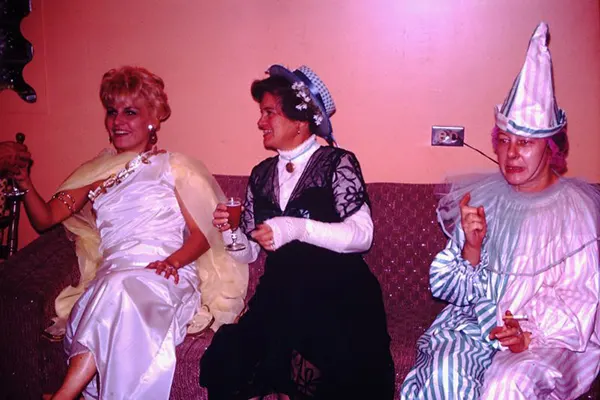
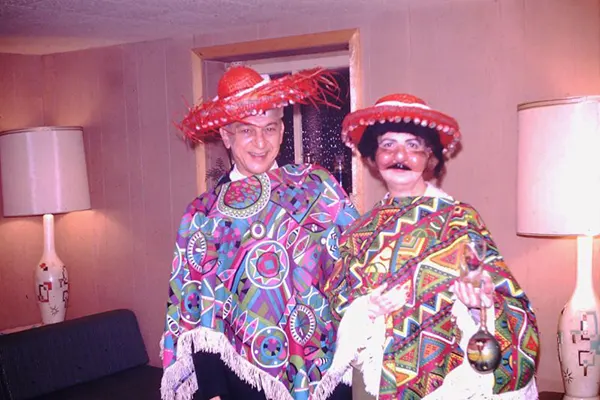
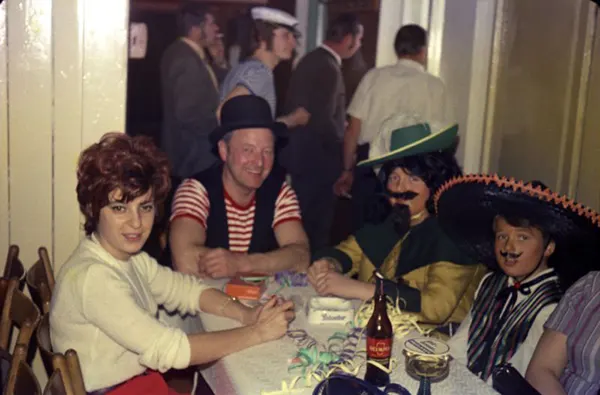
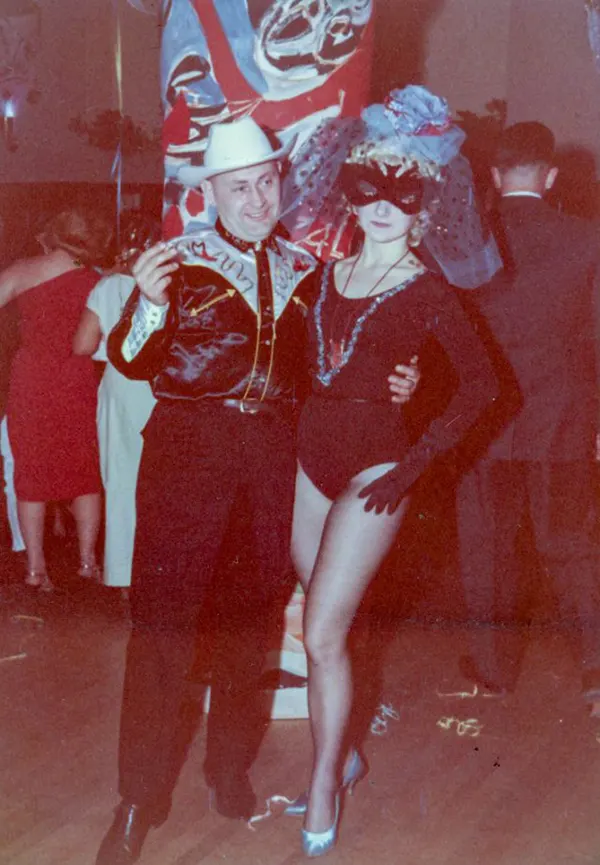
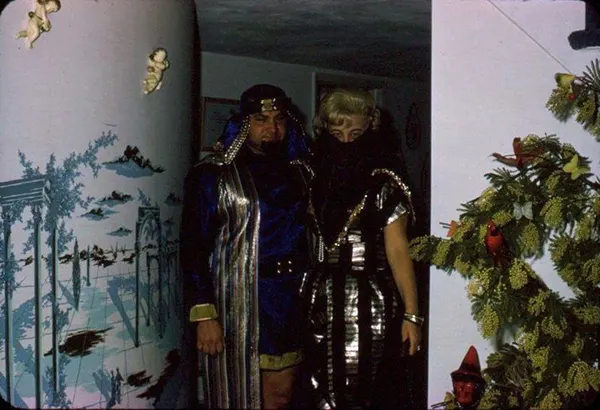
Costumes of the era told their own story about changing popular culture. While vampires, witches, and ghosts maintained their perennial appeal, characters from contemporary entertainment increasingly captured imaginations.
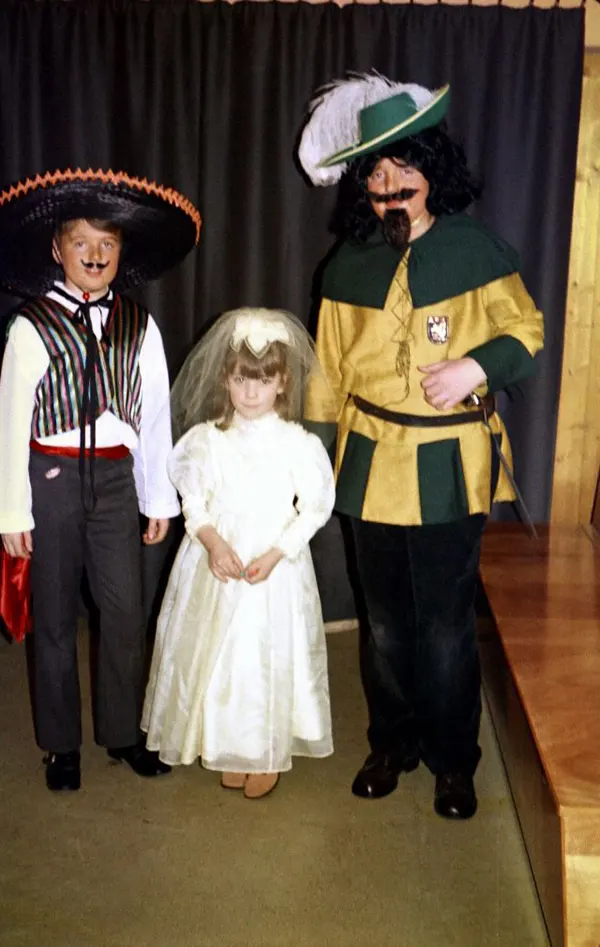 The Addams Family, Star Trek, and The Beatles inspired countless homemade outfits.
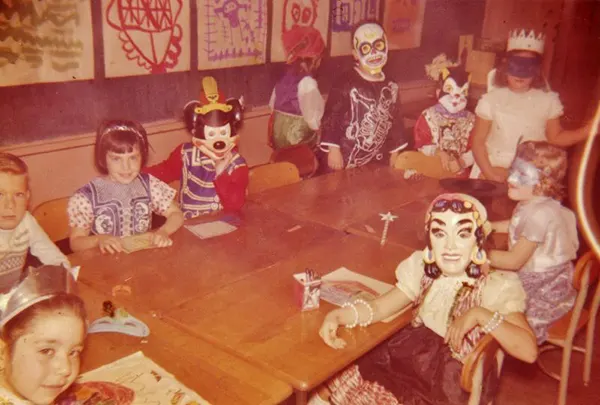
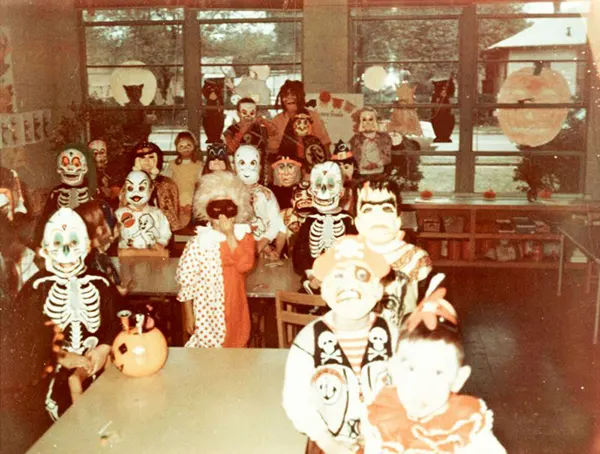
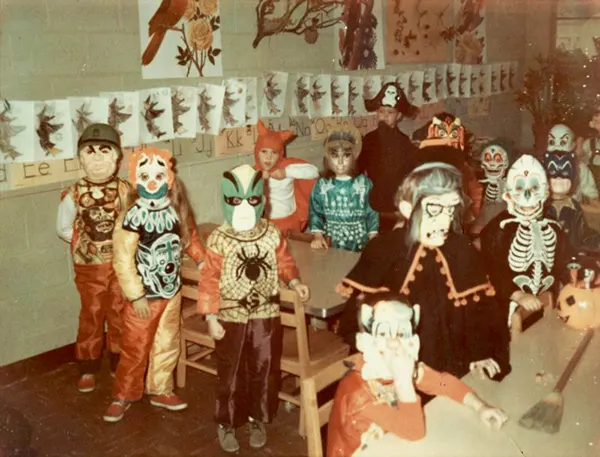
For children, the costume experience often meant wearing the iconic thin plastic masks and vinyl smocks produced by companies like Ben Cooper and Collegeville.
These mass-produced costumes featured beloved characters from Spiderman to various monsters, complete with elastic straps that dug into young faces and eye holes that rarely aligned quite right.
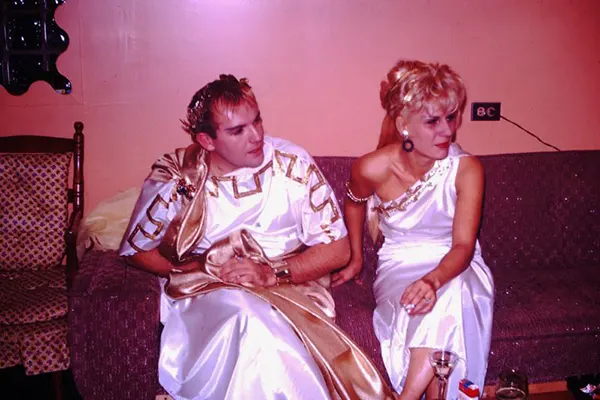 Entertainment at these gatherings honored established customs while embracing new elements. Bobbing for apples remained a staple activity, along with games like pinning the hat on the witch.
Storytelling sessions created memorable moments, with hosts dimming lights or gathering guests around bonfires to share spine-tingling tales.
Music added another layer of atmosphere, as novelty hits like “Monster Mash” and “Purple People Eater” played on record players, their distinctive sounds becoming inseparable from the Halloween experience.
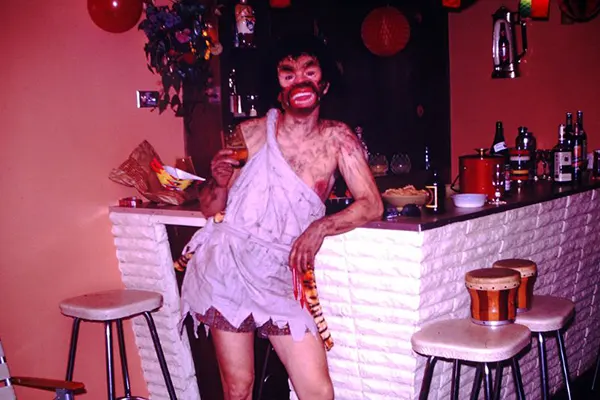 The treats served at parties and distributed to trick-or-treaters reflected both homemade traditions and commercial convenience.
Hostesses prepared popcorn balls, decorated cookies, and other confections from scratch, though packaged candies from brands like M&Ms and Snickers were gaining ground.
Children roamed neighborhoods clutching pillowcases that gradually filled with sugary treasures, while jack-o’-lanterns carved with simple kitchen knives flickered on porches, their triangular eyes and toothy grins lighting the way.
2
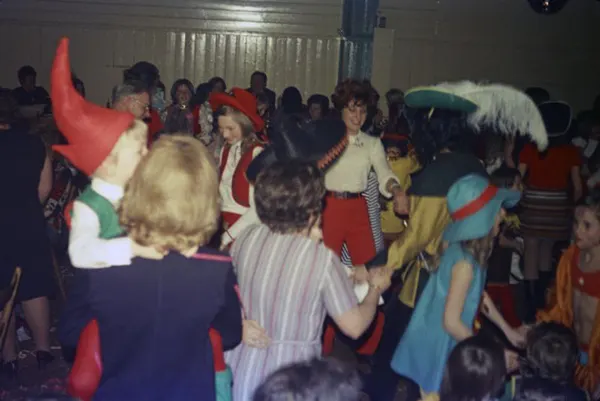
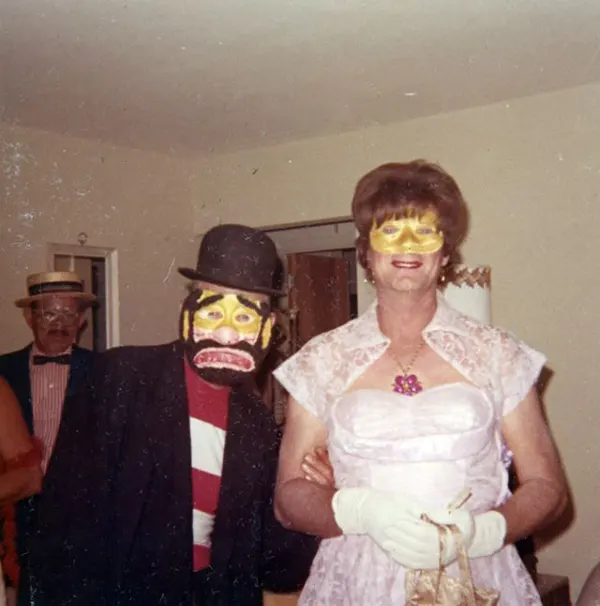
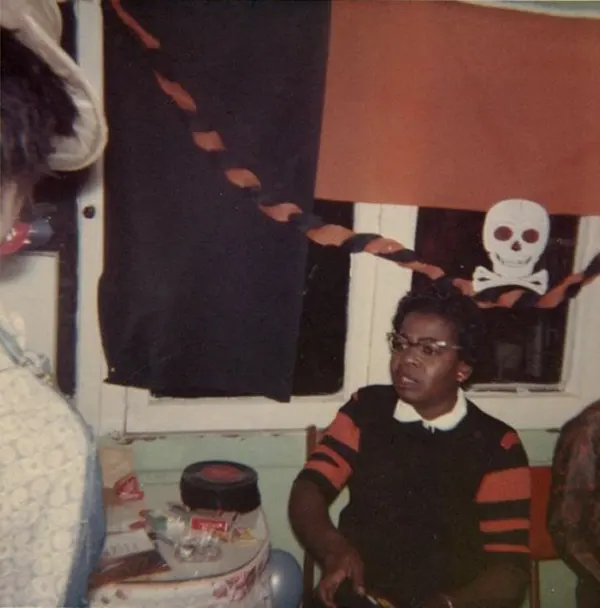
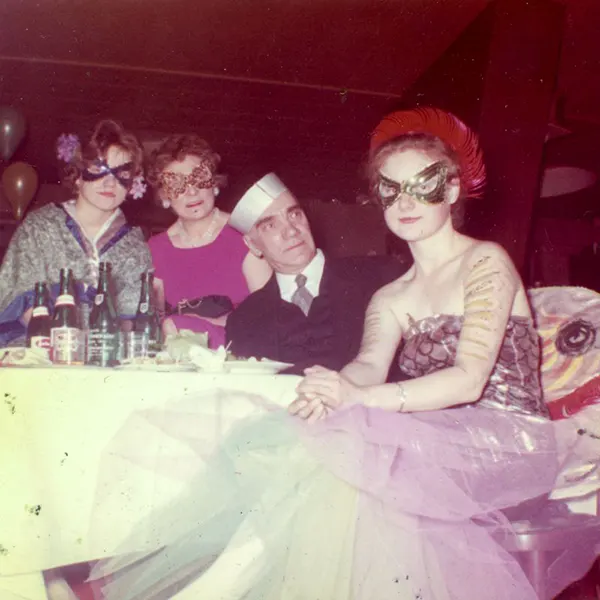
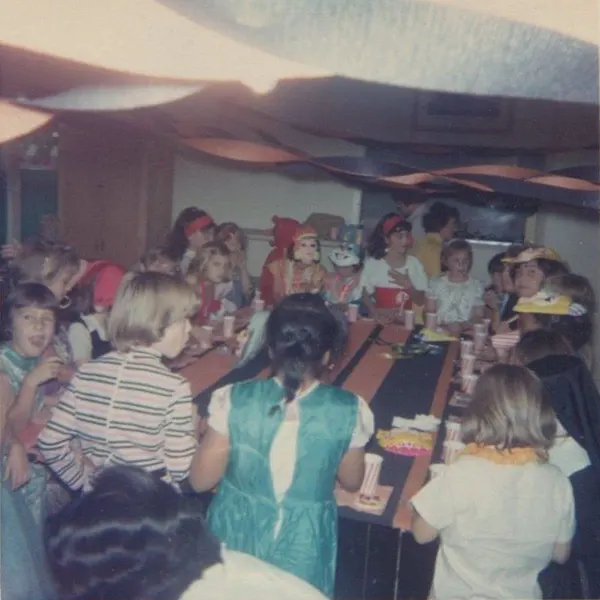
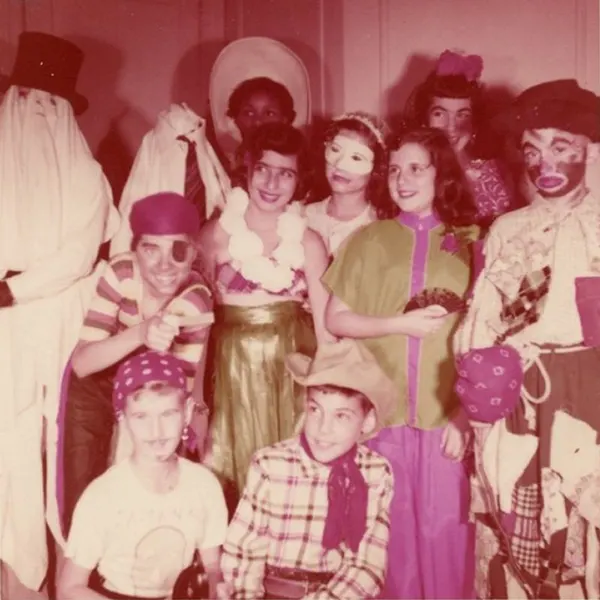
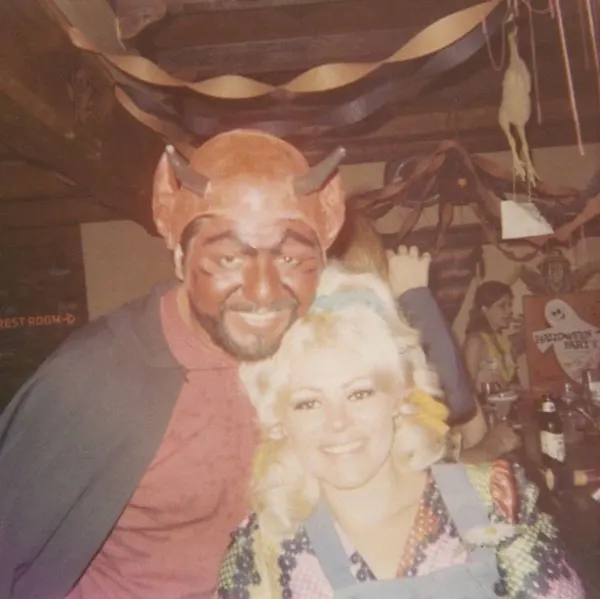
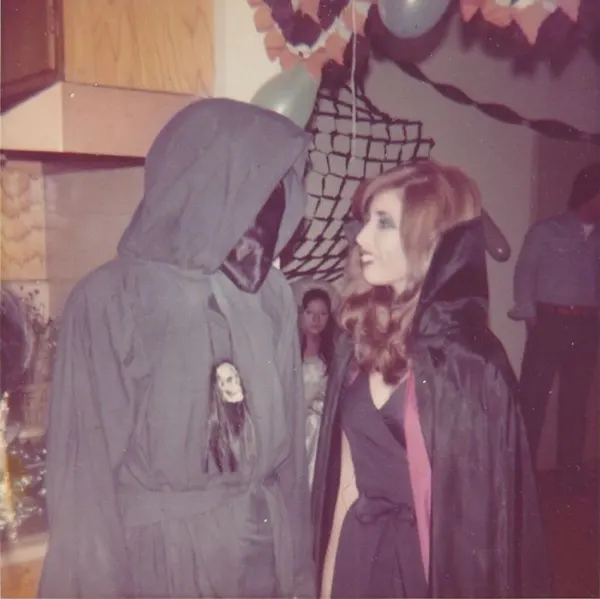
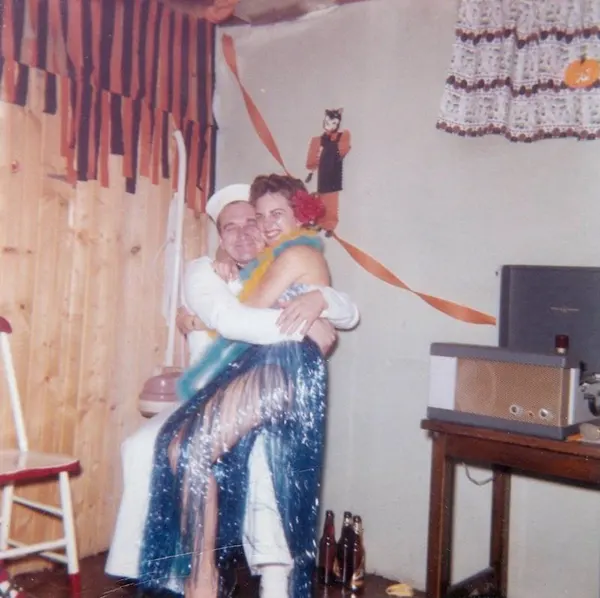
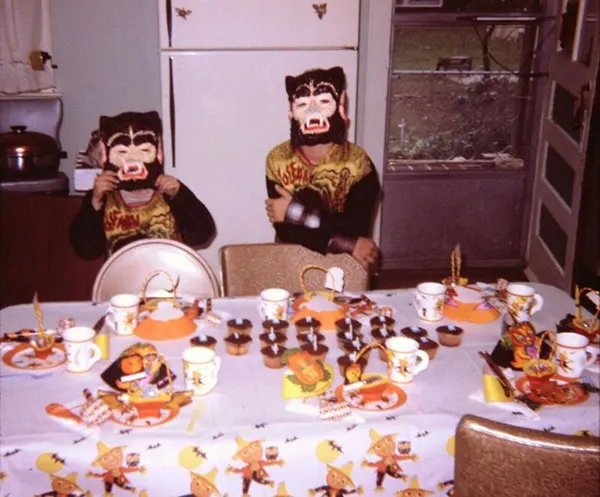
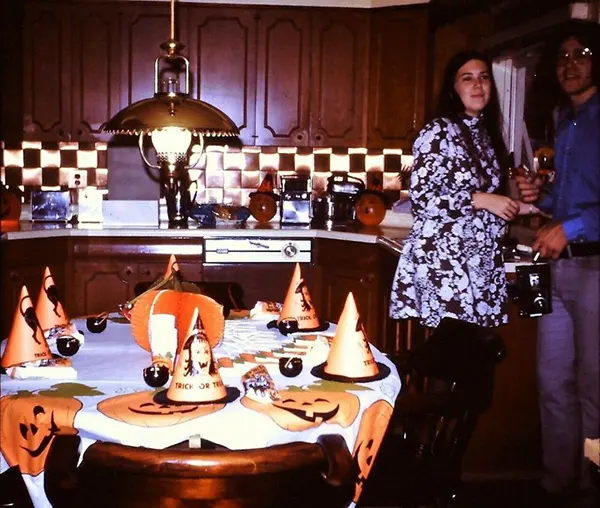
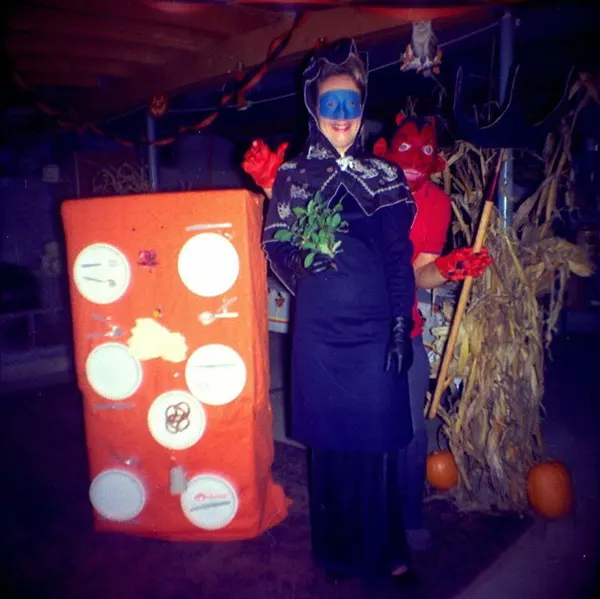
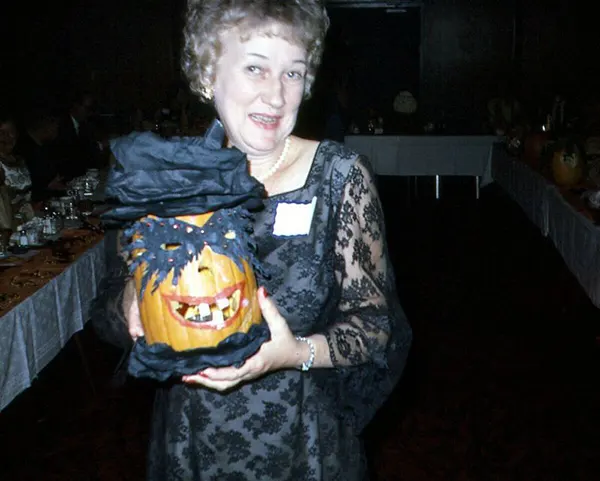
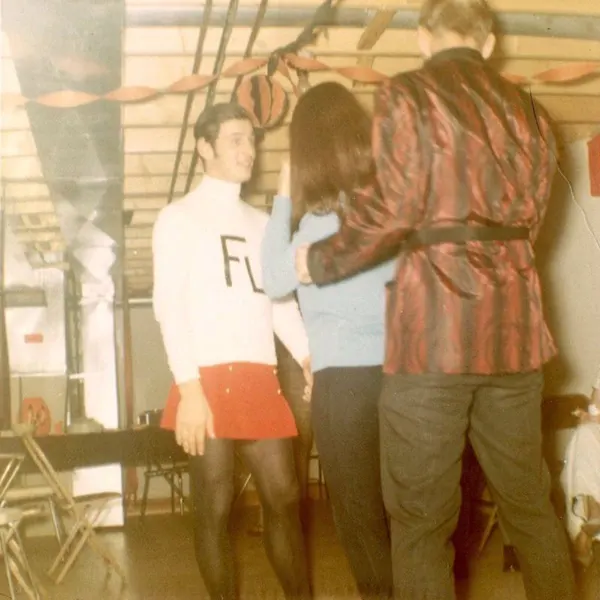
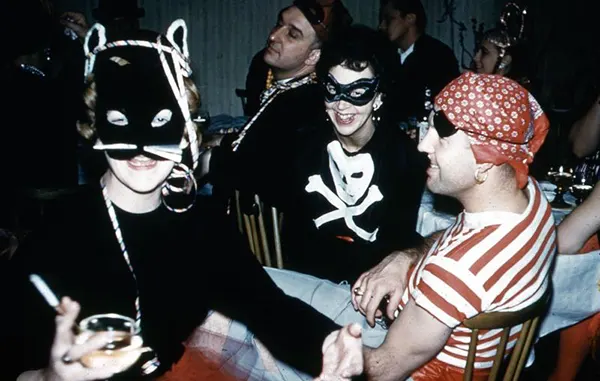
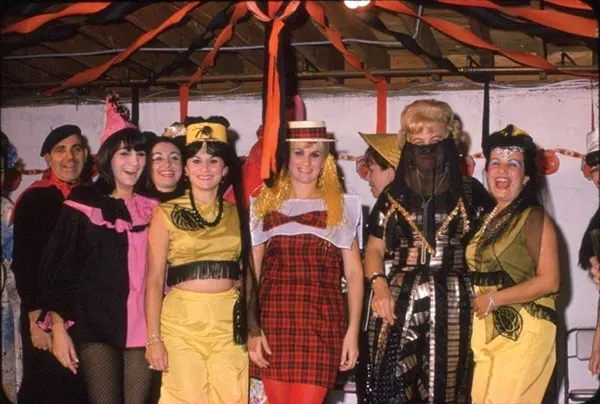
(Photo credit: Pinterest / Flickr).