
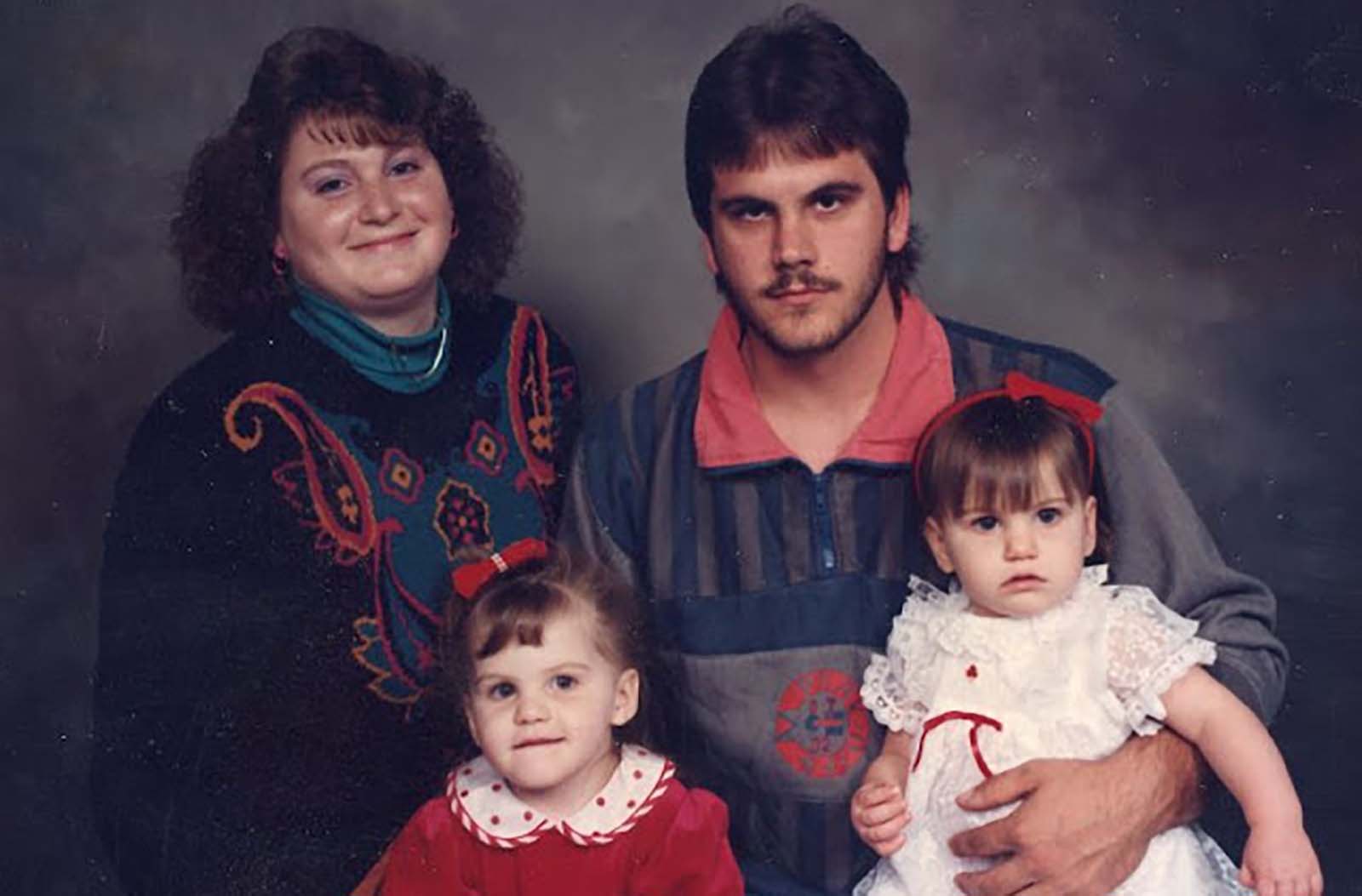
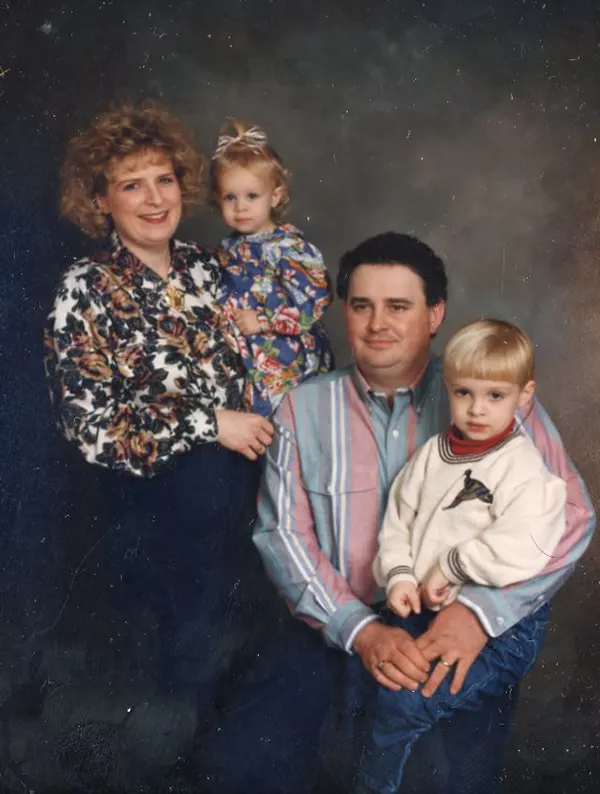
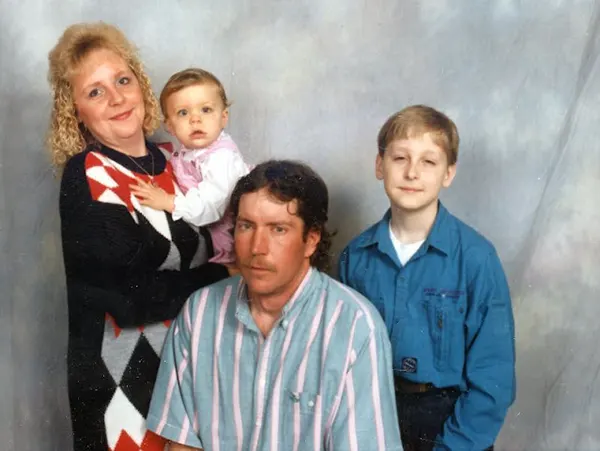
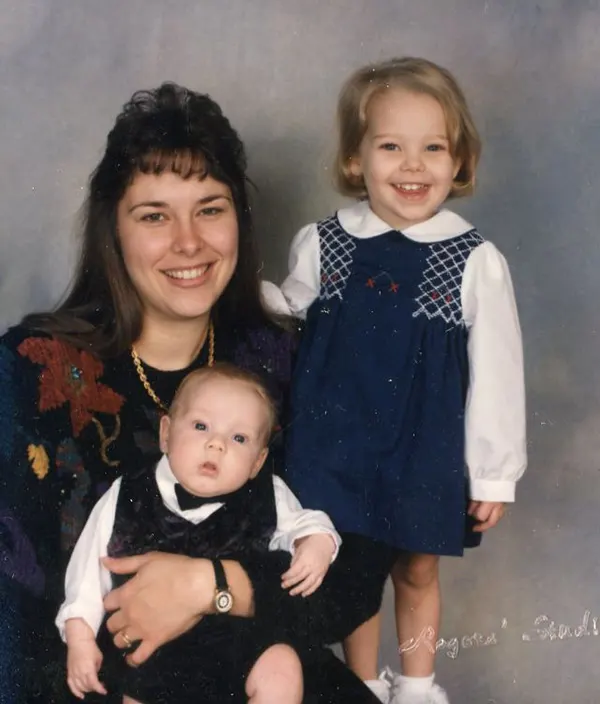
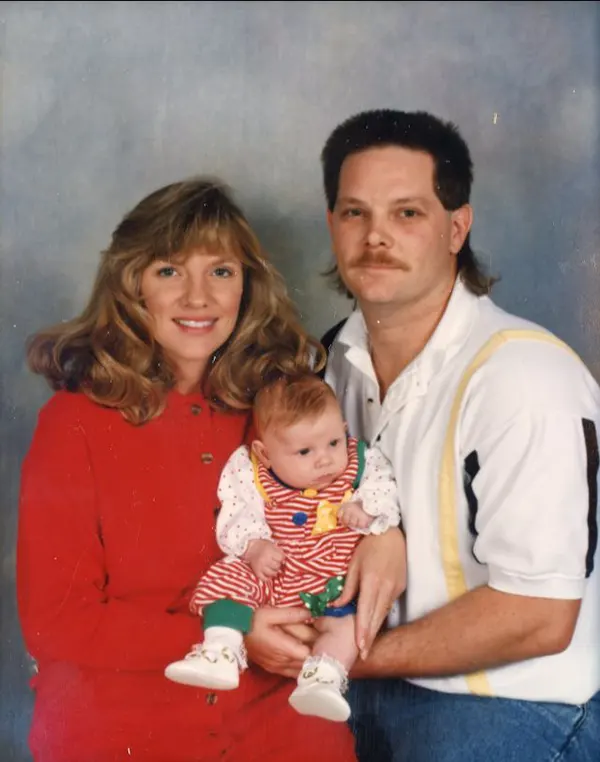
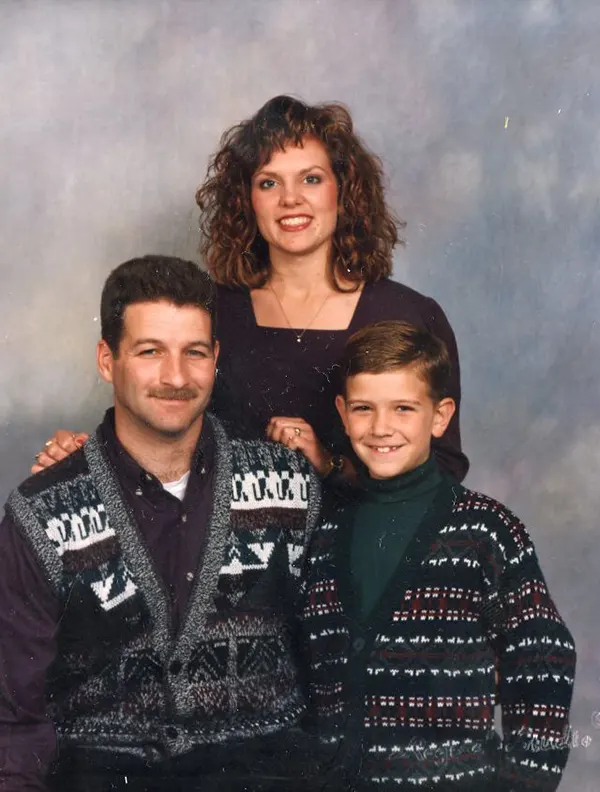
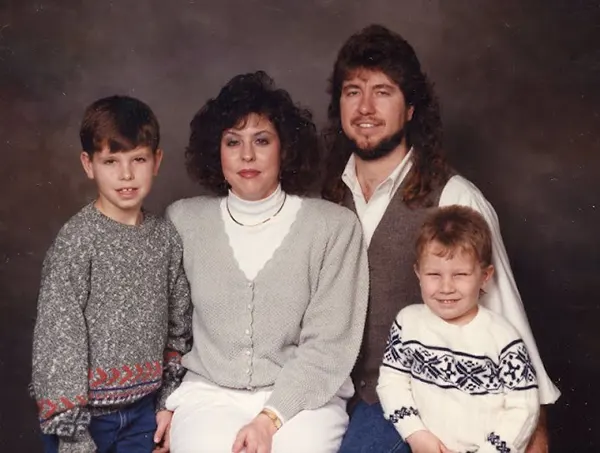
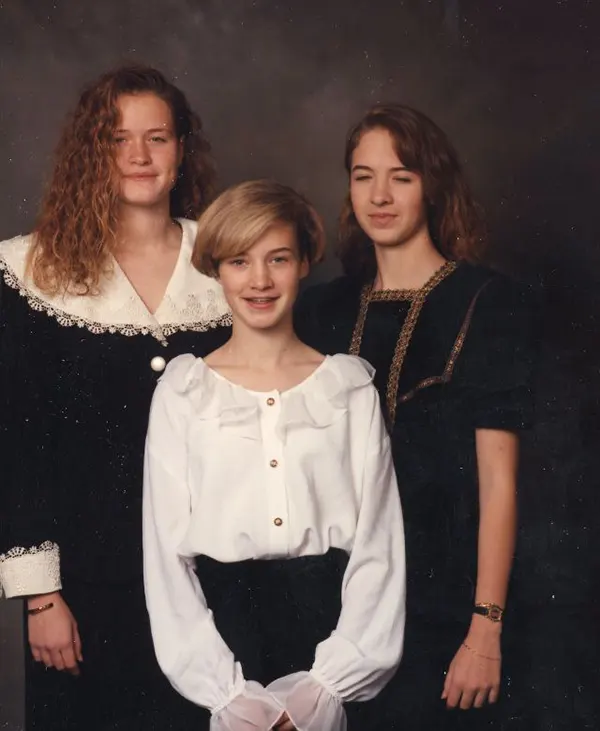
Long before smartphone cameras and instant uploads, the family portrait was a carefully staged event.
In the 1990s, visiting a photography studio was both a ritual and an occasion, one that promised a lasting image meant to represent the family at its best.
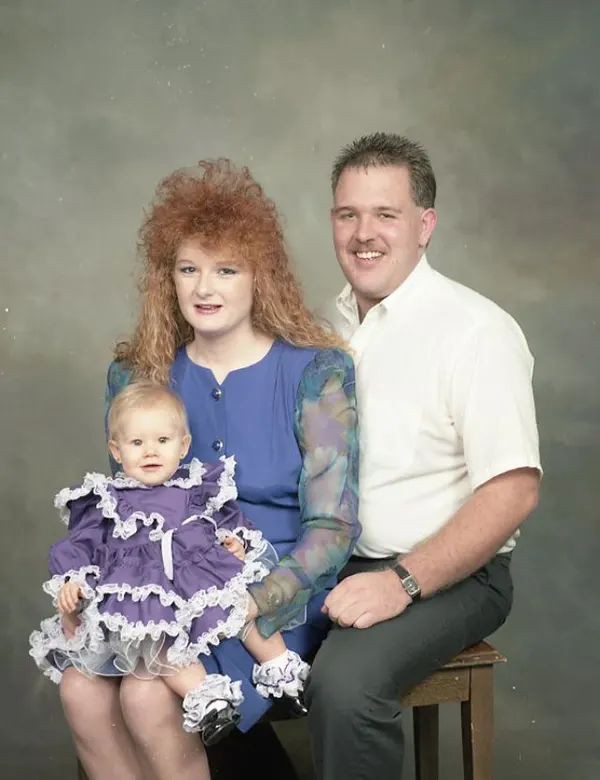
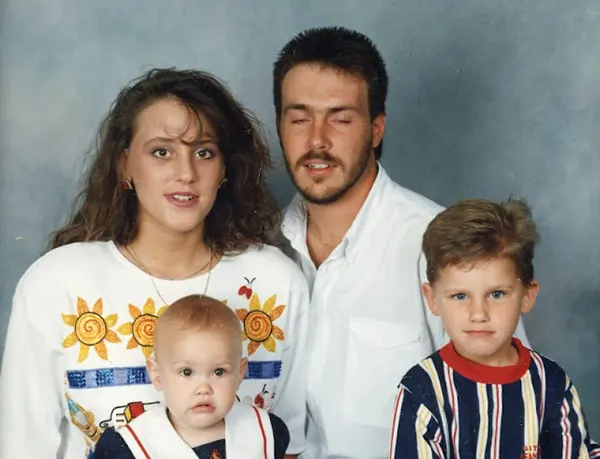
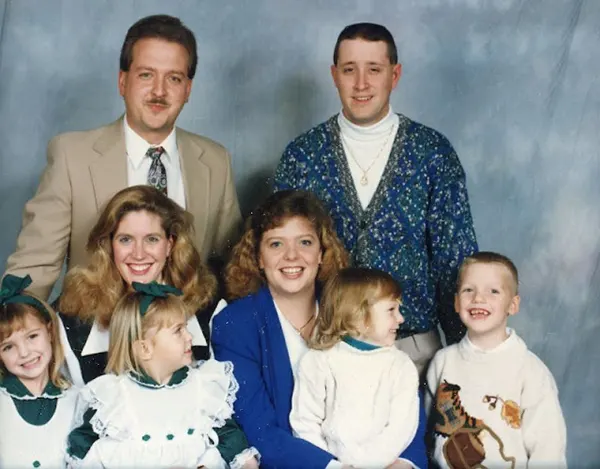
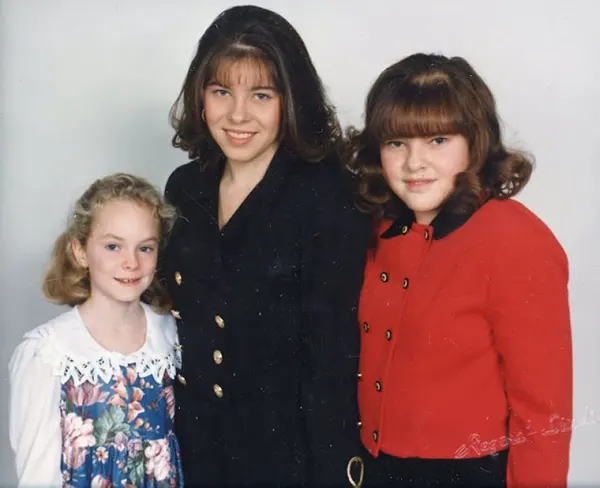
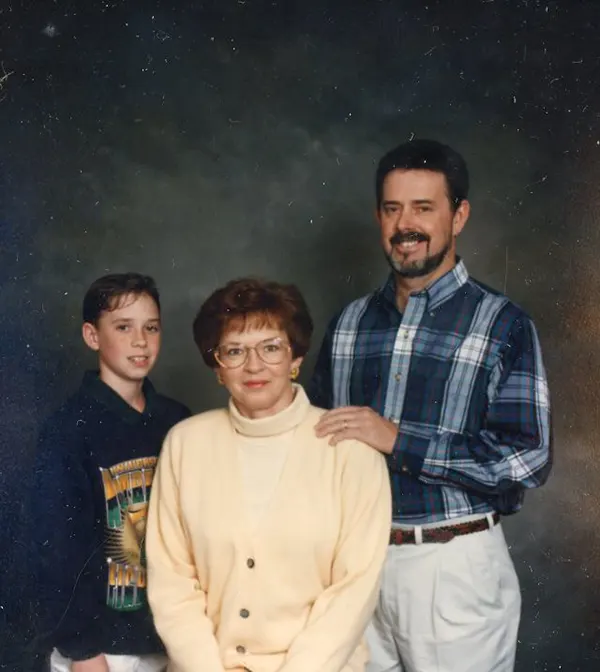
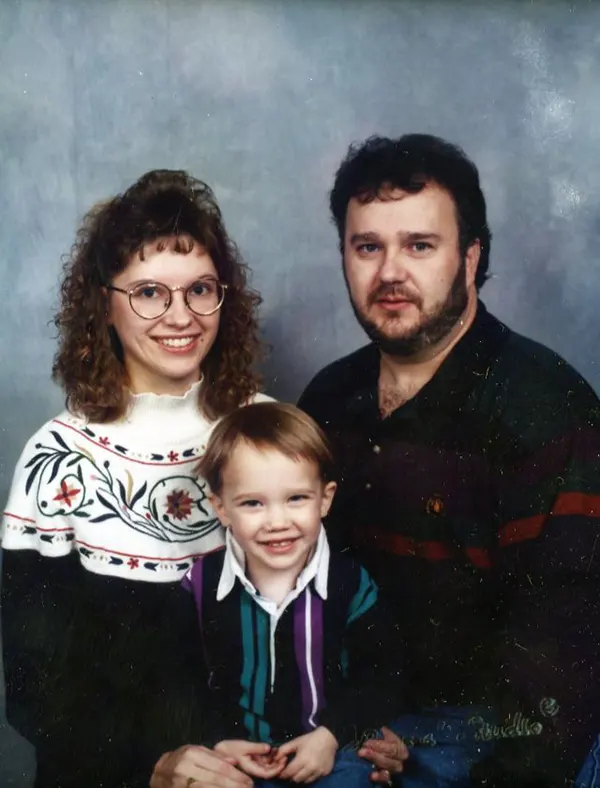
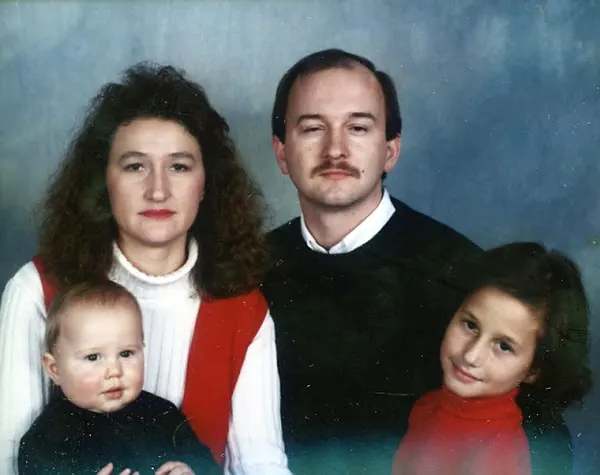
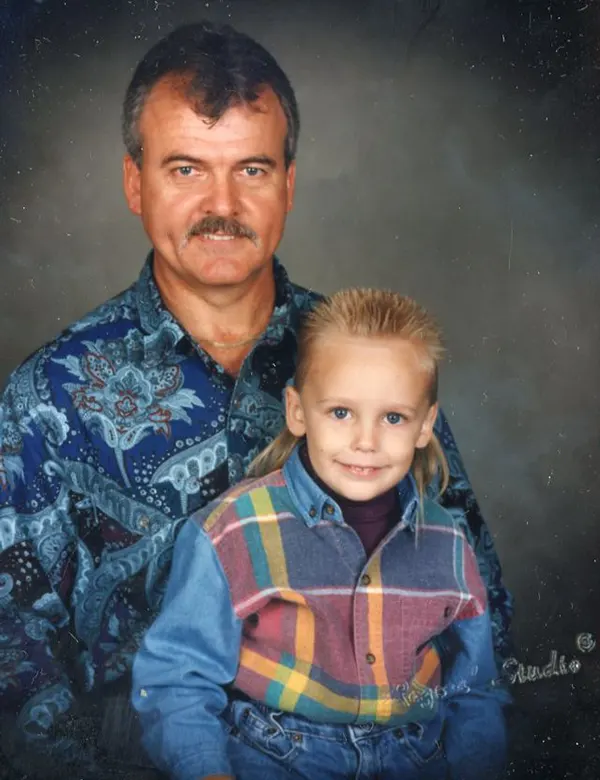
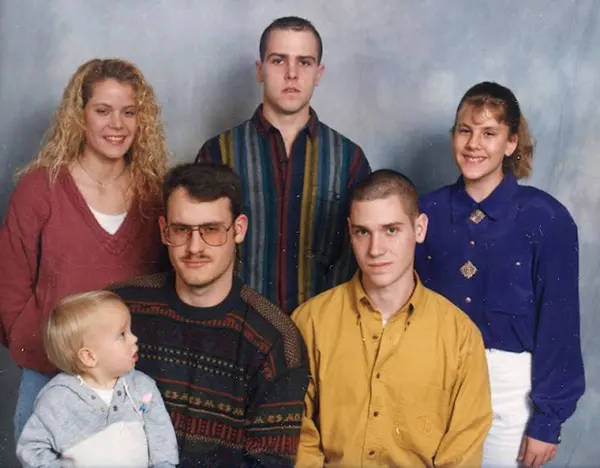
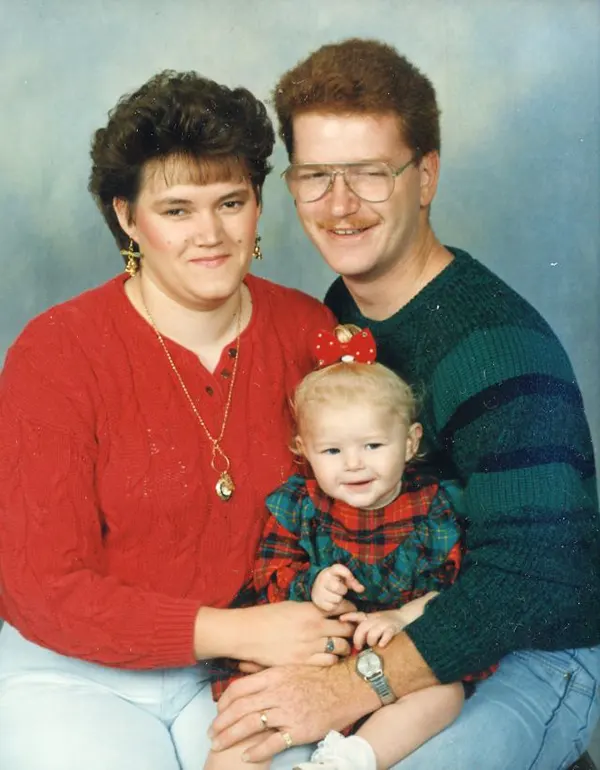
These portraits, created under bright studio lights and deliberate direction, captured more than faces. They reflected the values, style, and visual language of an era that favored polish, coordination, and control.
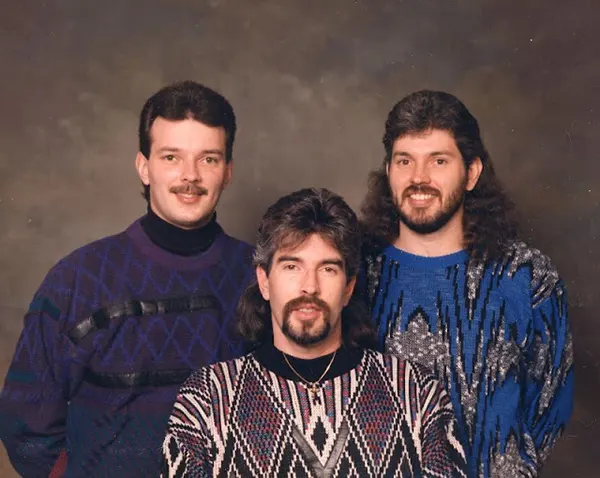 Studio family photography in the 1990s followed a familiar structure. Most sessions took place in mall-based portrait studios or small independent businesses, often booked weeks in advance.
Families arrived dressed with intention, sometimes bringing multiple outfits to ensure the right look.
Photographers worked within tight time slots, guiding each session efficiently while maintaining a friendly, reassuring tone, especially when children were involved. The goal was to produce a handful of strong, usable images rather than spontaneous moments.
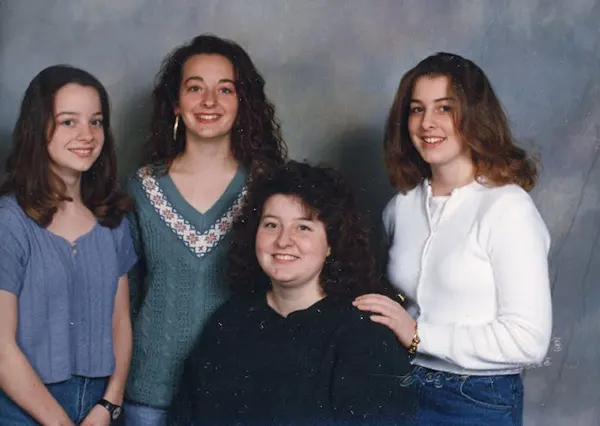
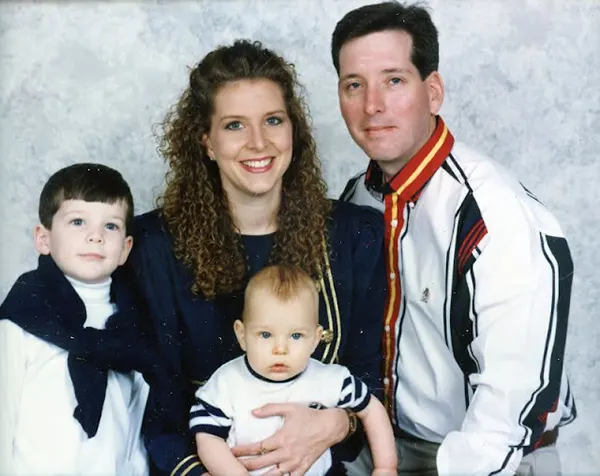
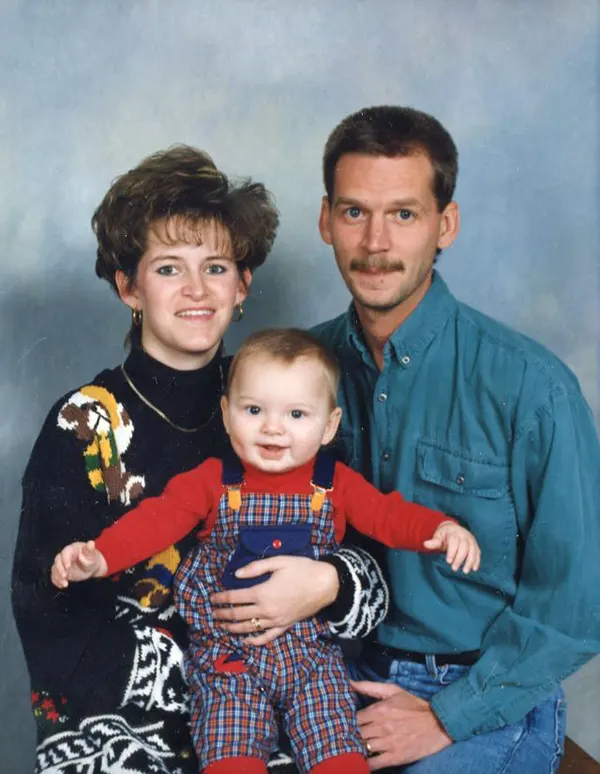
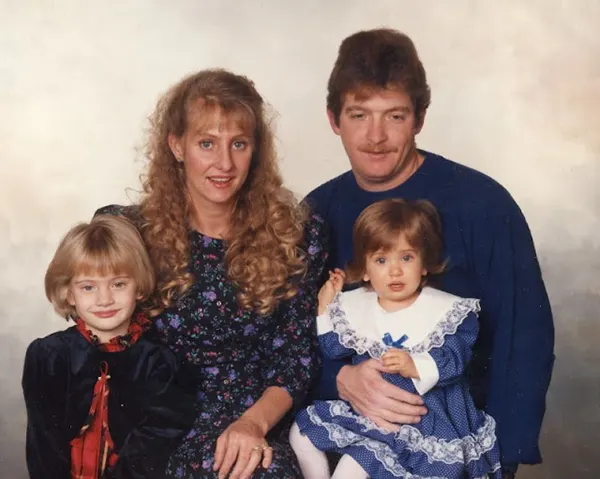 Backdrops were a defining feature. Neutral muslins in gray, beige, or soft blue dominated studio walls, occasionally paired with faux columns, textured panels, or lightly airbrushed scenery.
These backgrounds were designed to be timeless and unobtrusive, ensuring attention remained on the subjects. The lighting setup was equally standardized.
Soft, diffused lights reduced harsh shadows and smoothed facial features, creating an even, flattering finish that suited the studio’s professional promise.
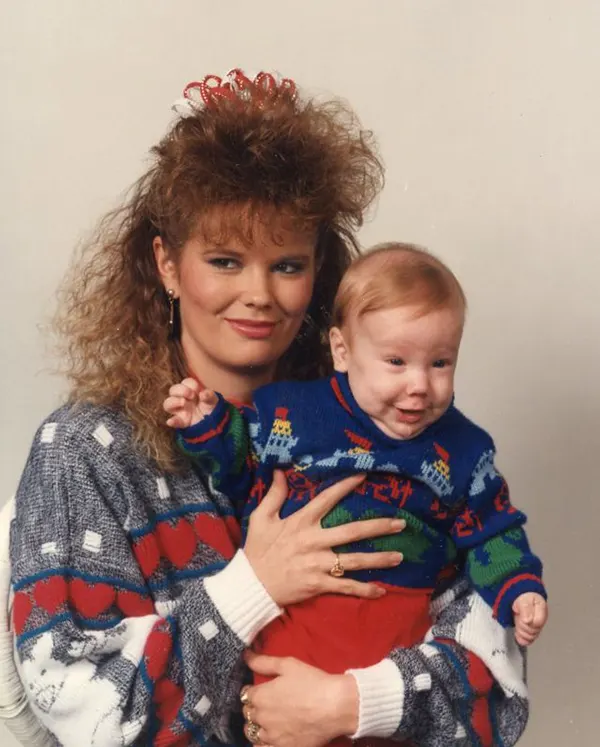 Fashion choices were rarely accidental. Many families embraced coordinated outfits, a hallmark of 1990s portraiture.
Denim paired with white tops became almost a uniform, chosen for its clean appearance and perceived neutrality.
Others opted for muted earth tones or pastels, carefully avoiding bold patterns that might distract from faces.
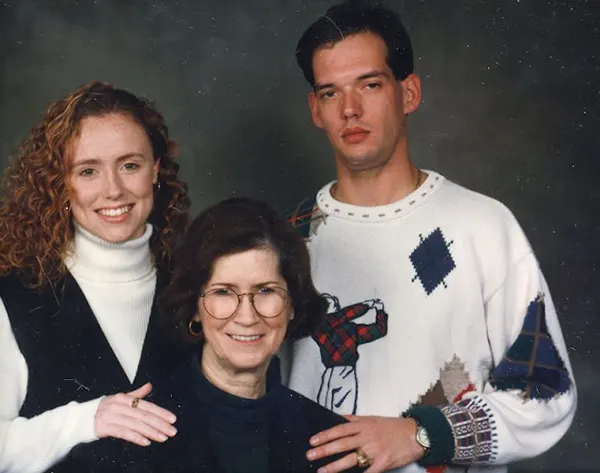
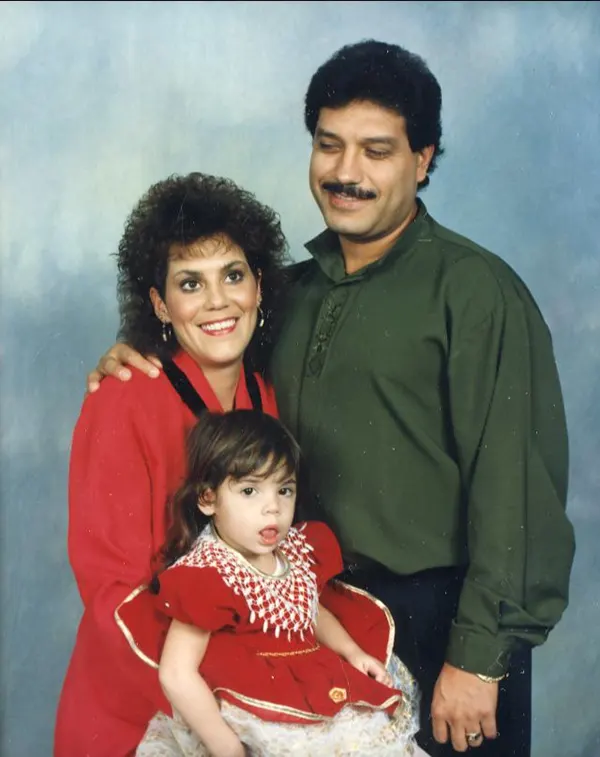
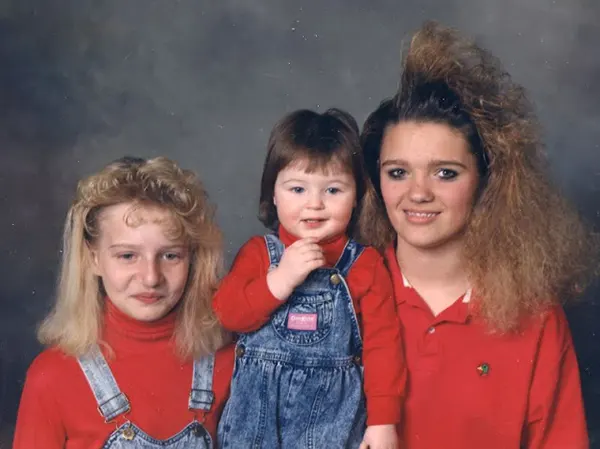
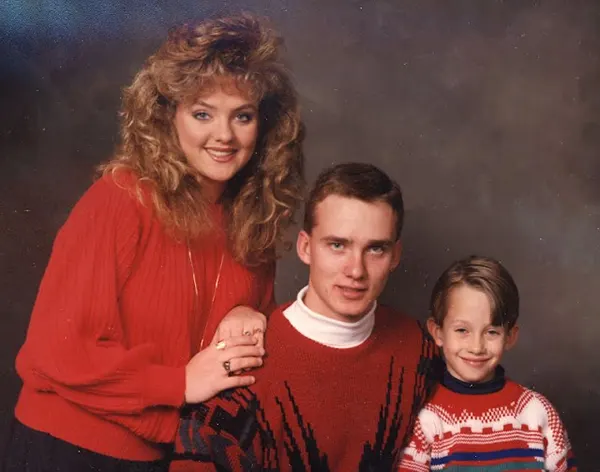
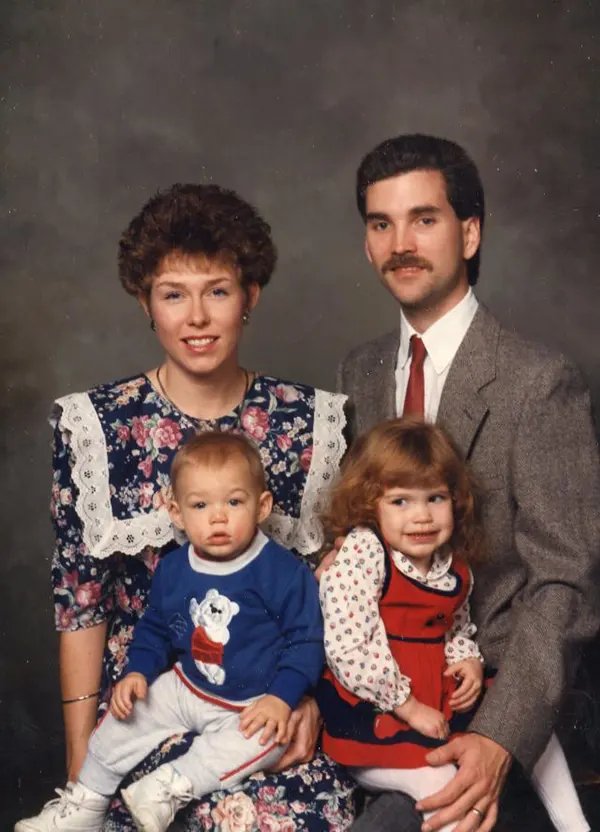 Posing followed established formulas. Parents were often seated or positioned centrally, with children arranged symmetrically around them.
Hands rested gently on shoulders, bodies angled slightly inward to suggest closeness, and expressions were calm and composed.
Photographers gave precise instructions, adjusting posture and spacing to achieve balance within the frame. While smiles were encouraged, they were typically restrained.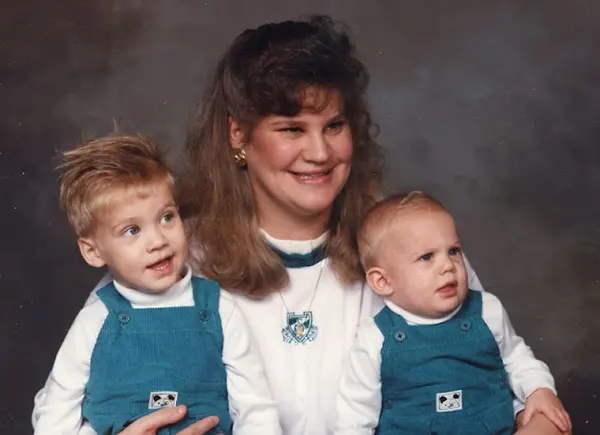 After the session ended, patience was required. Film had to be developed, proofs printed, and selections made, a process that often took several weeks.
Families returned to the studio to review sample images, choosing favorites and deciding on print sizes, frames, or wall packages.
The finished portraits were meant for prominent display, framed above fireplaces, lining hallways, or arranged carefully on living room walls.
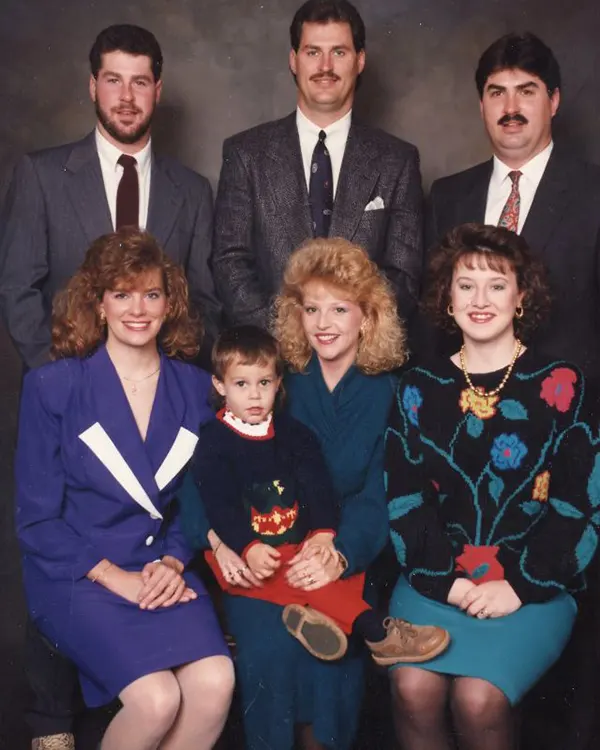
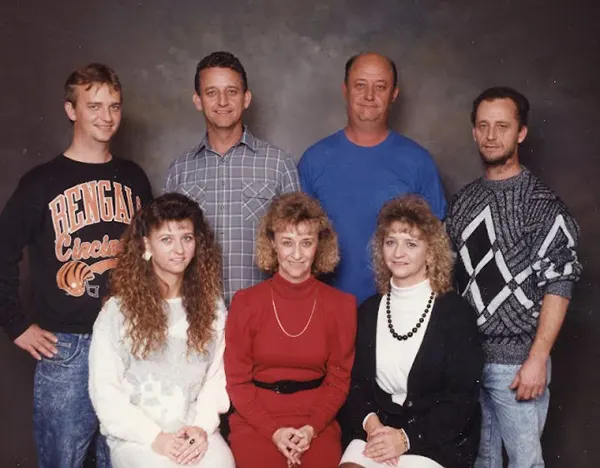
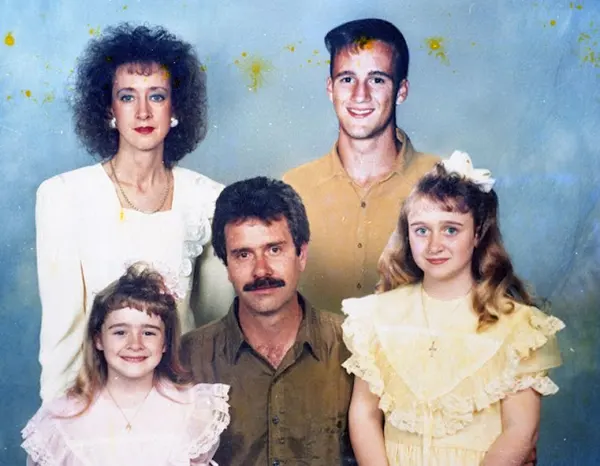
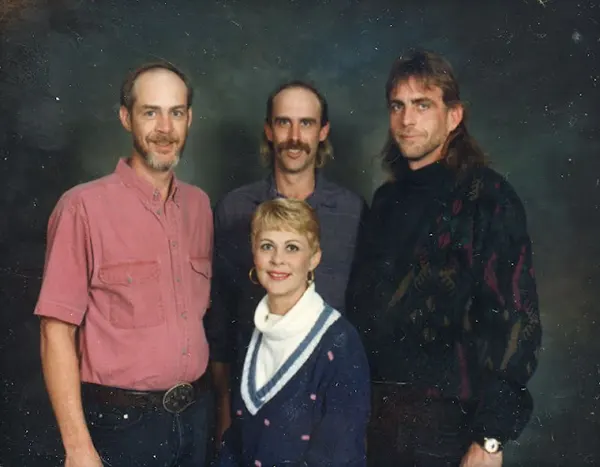
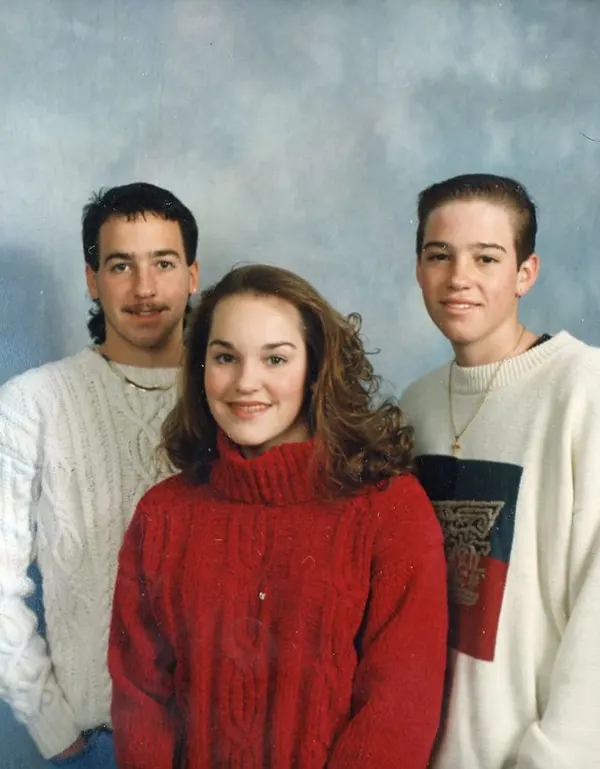
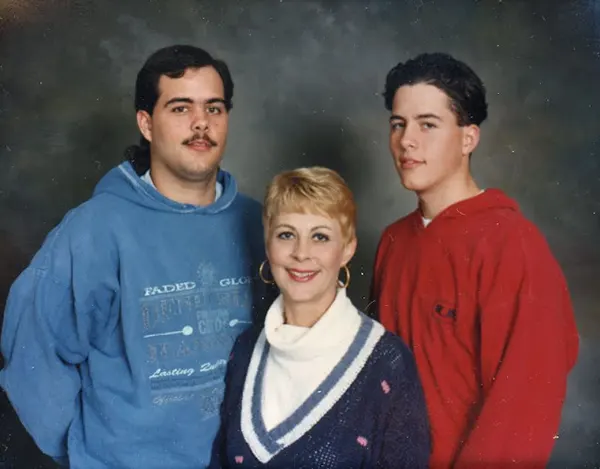
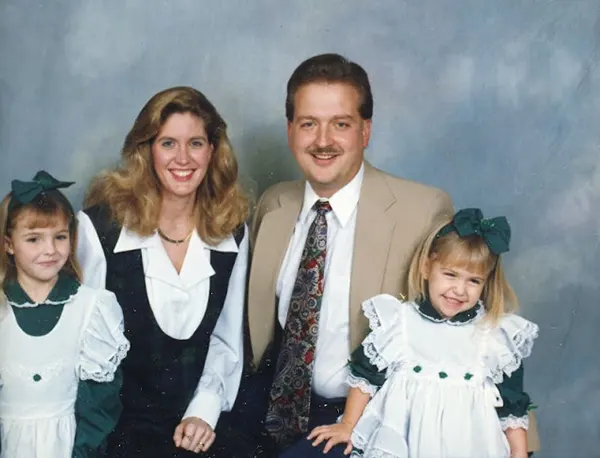
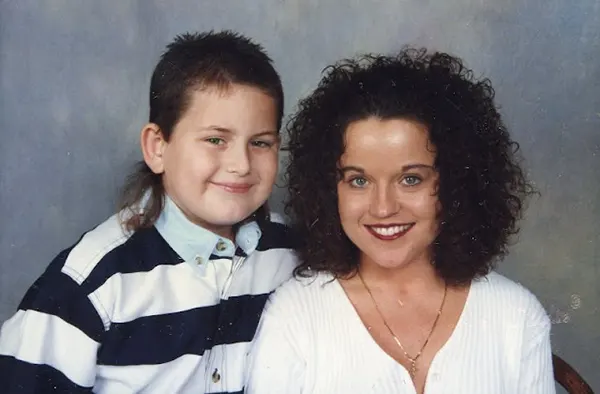
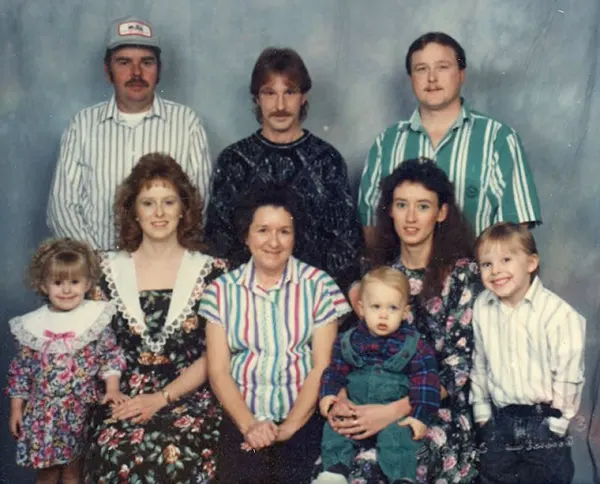
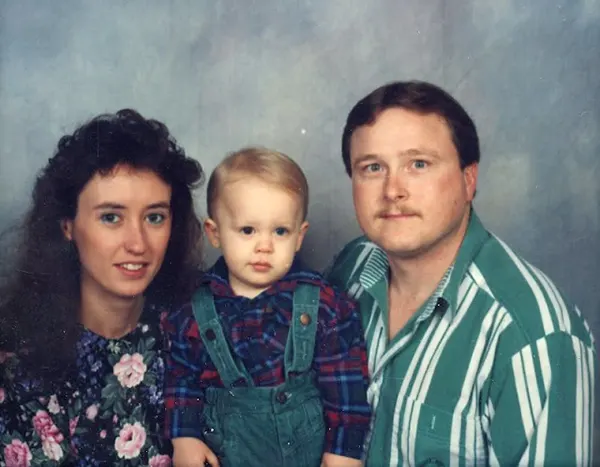
(Photo credit: Flickr / Wikimedia Commons).