
A century ago, a virus swept across the planet with a speed and lethality the modern world had never witnessed, reshaping societies from crowded cities to remote villages in a matter of months.
The 1918 influenza pandemic remains one of the deadliest public health disasters in recorded history.
Within roughly fifteen months, it claimed more than 50 million lives worldwide, with some estimates reaching as high as 100 million.
 What made the outbreak so devastating wasn’t just its death toll, but the pace at which it unfolded.
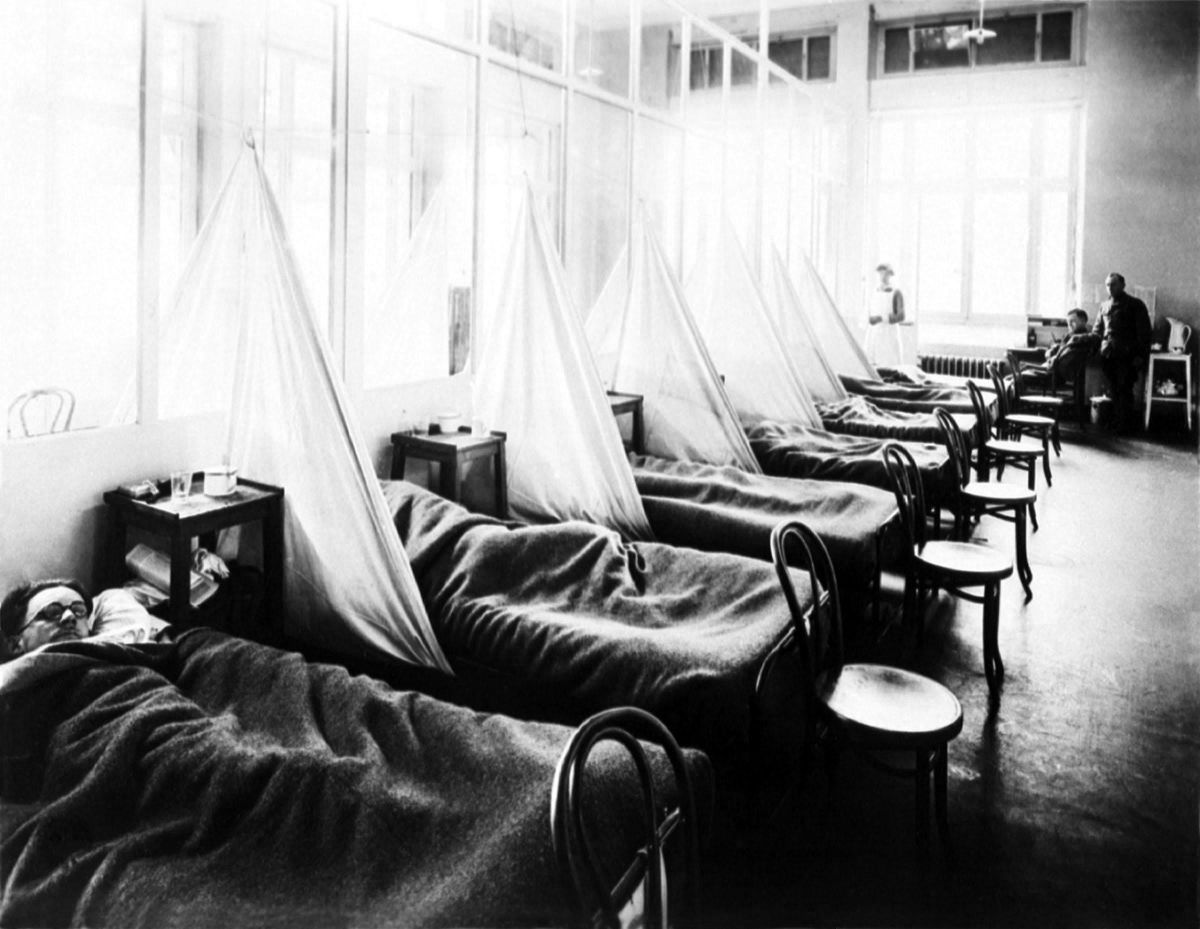
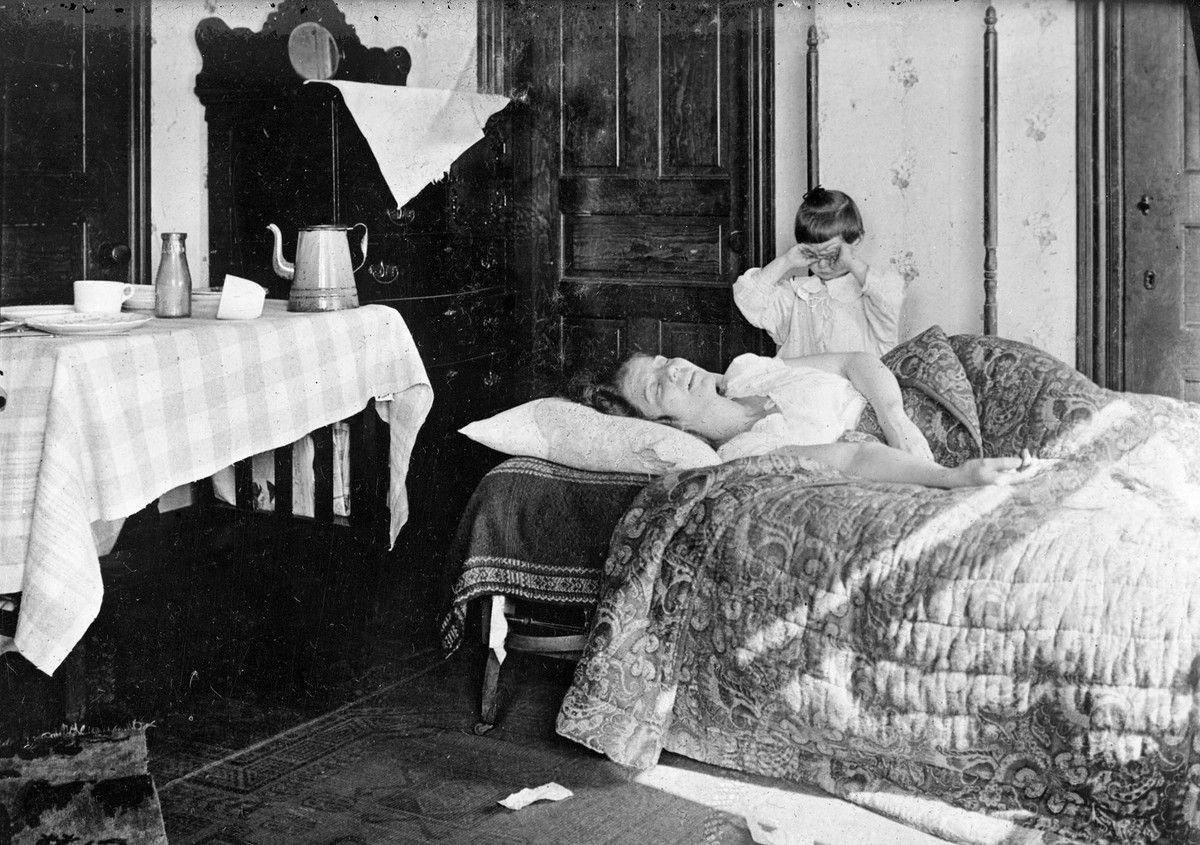
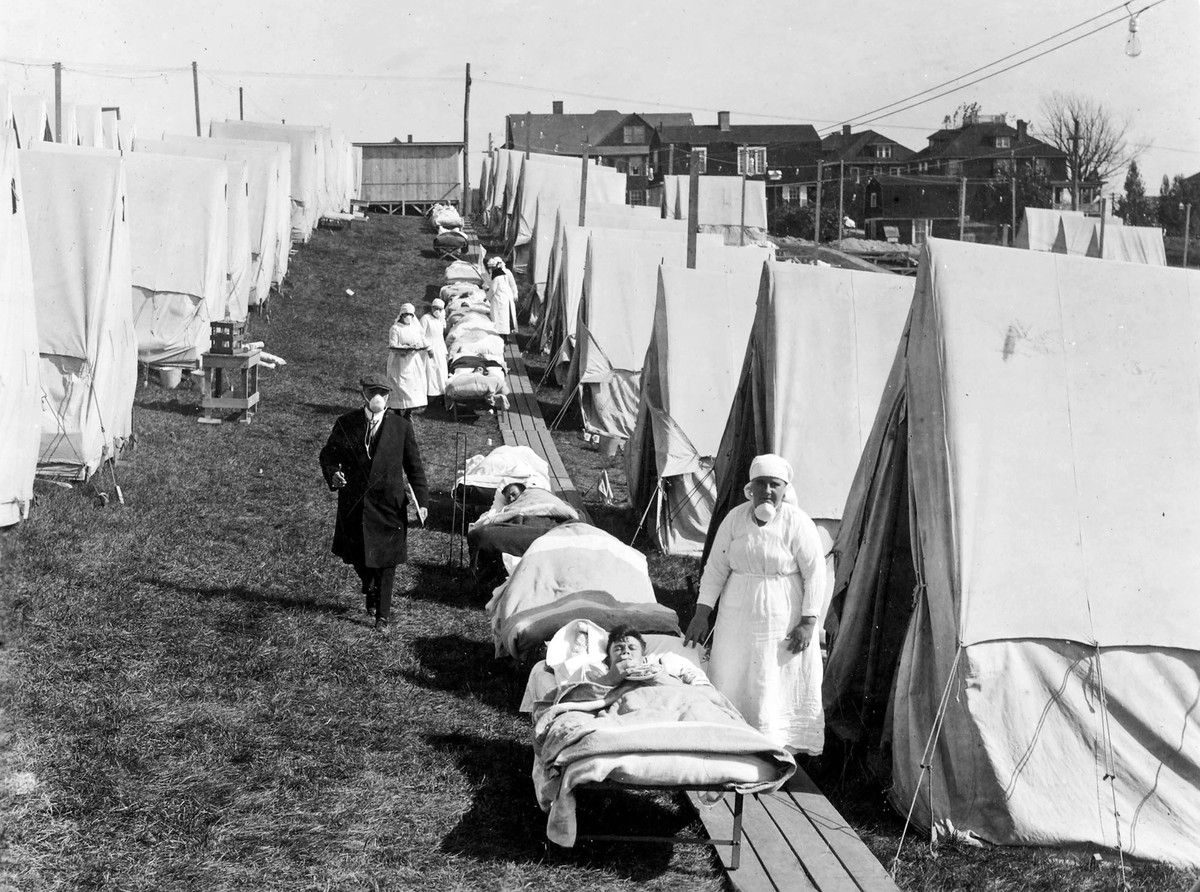
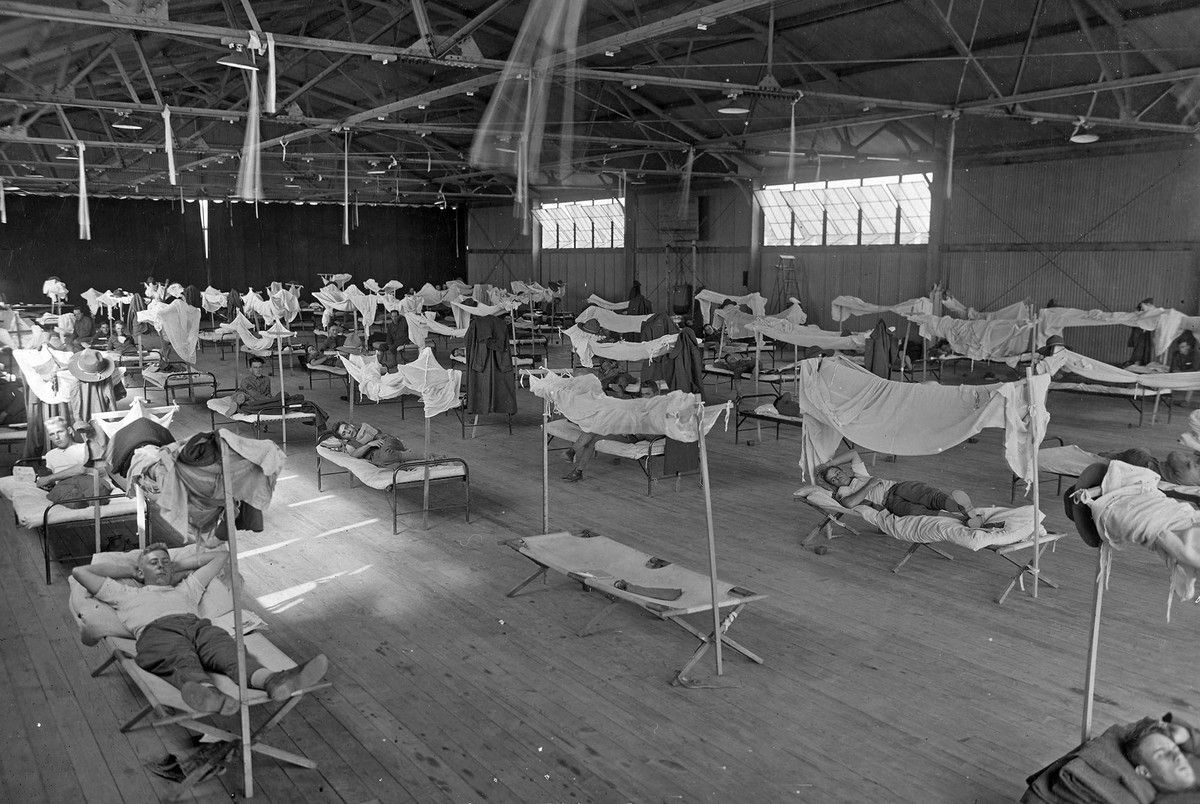
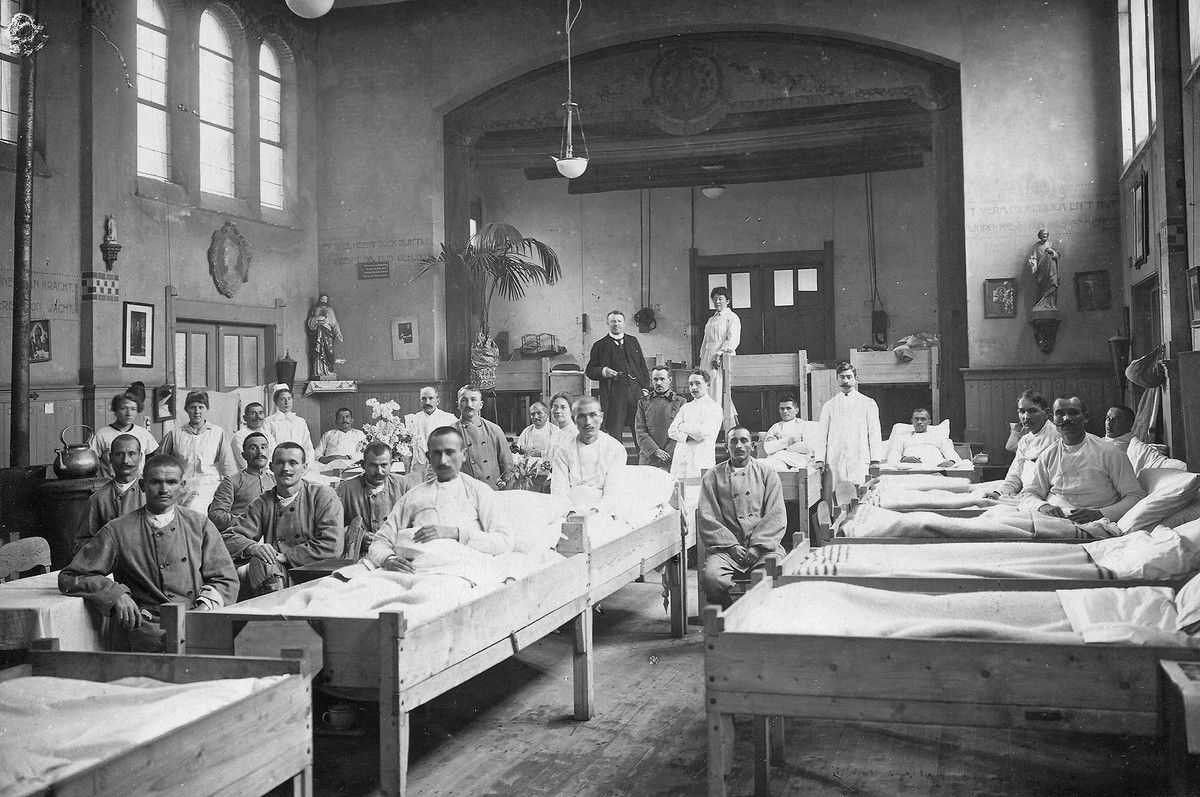
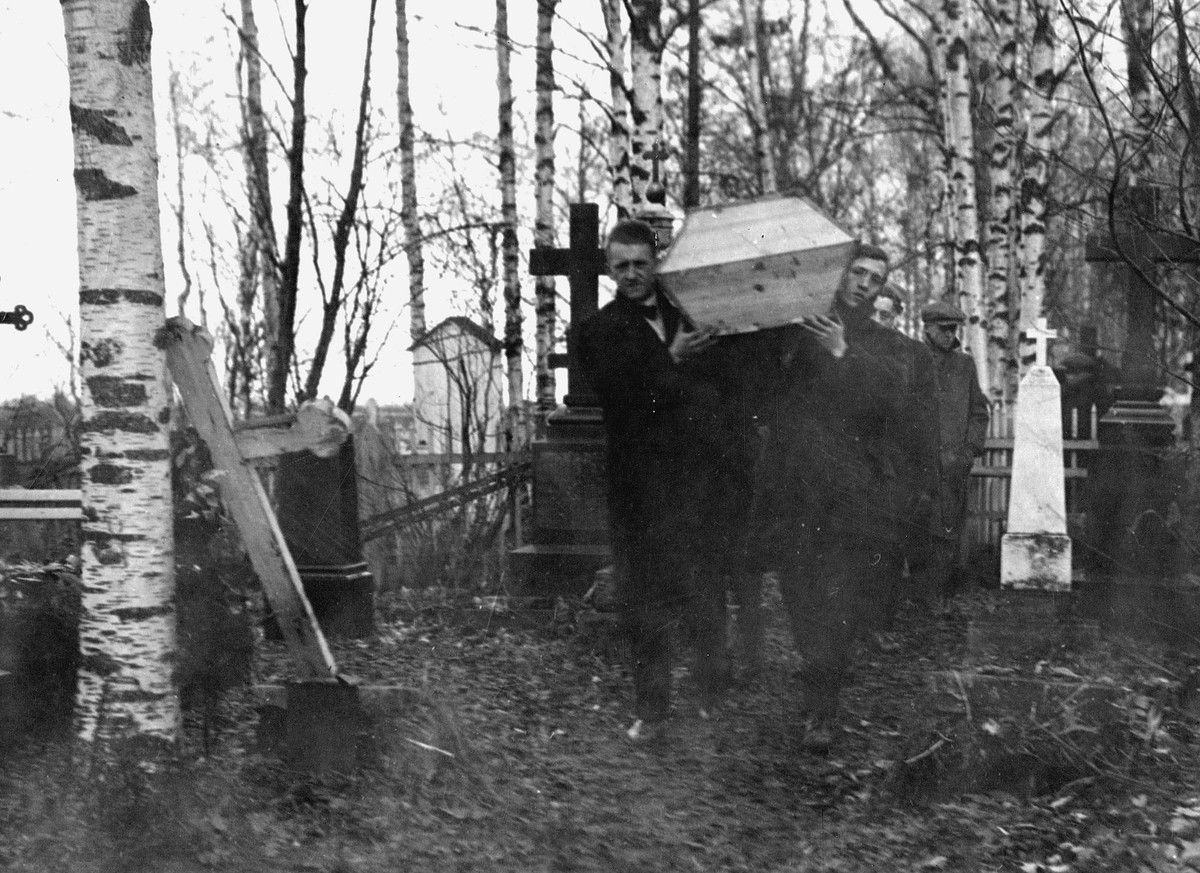
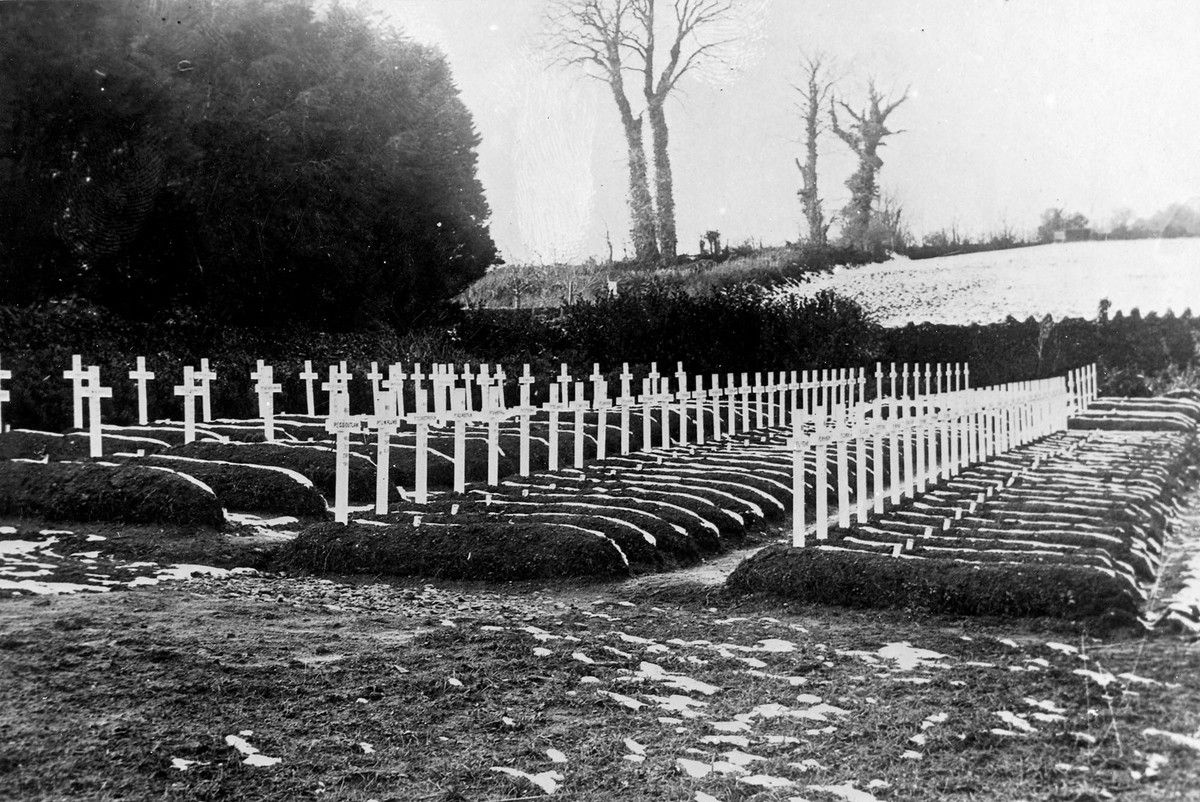
Hospitals ran out of beds, cemeteries struggled to keep up with burials, and entire communities found themselves scrambling to respond to a threat they barely understood.
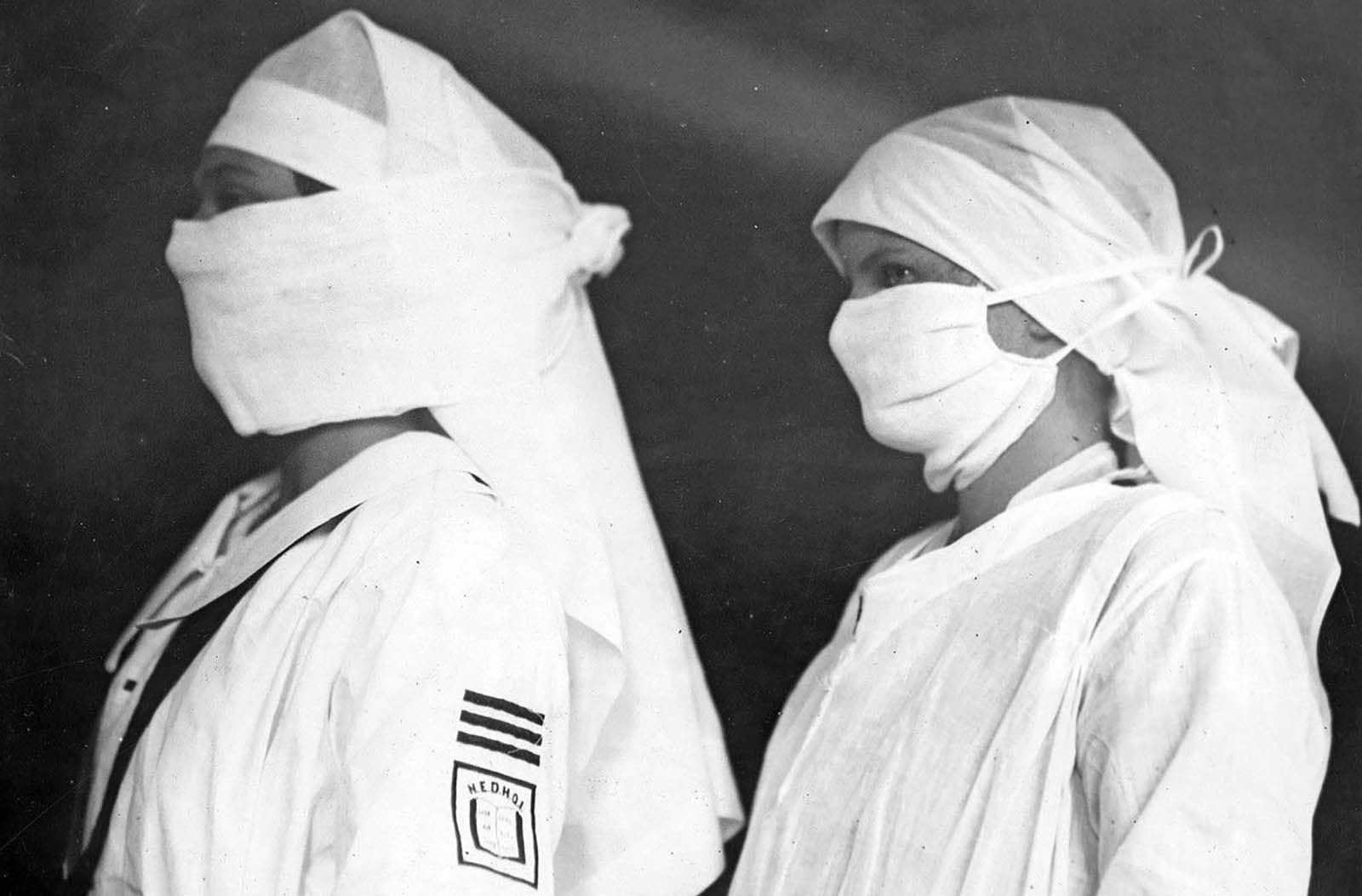
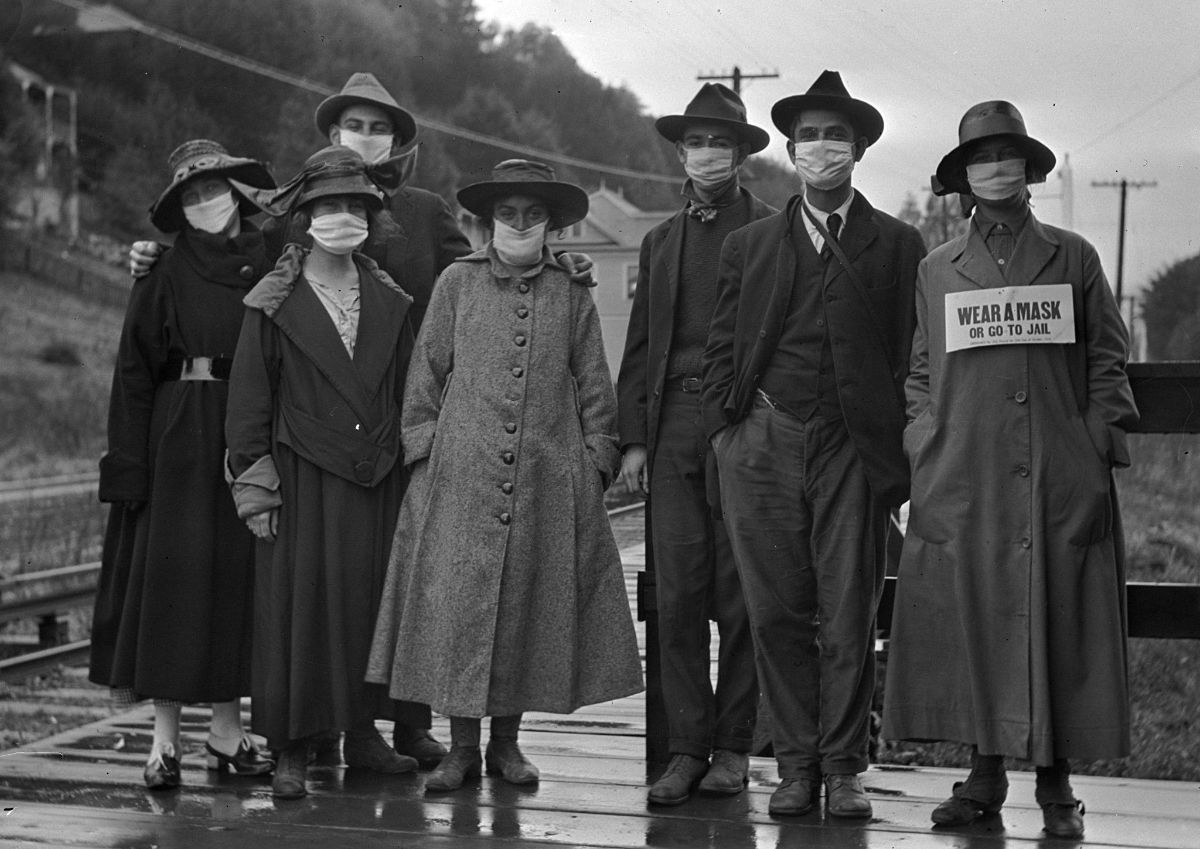
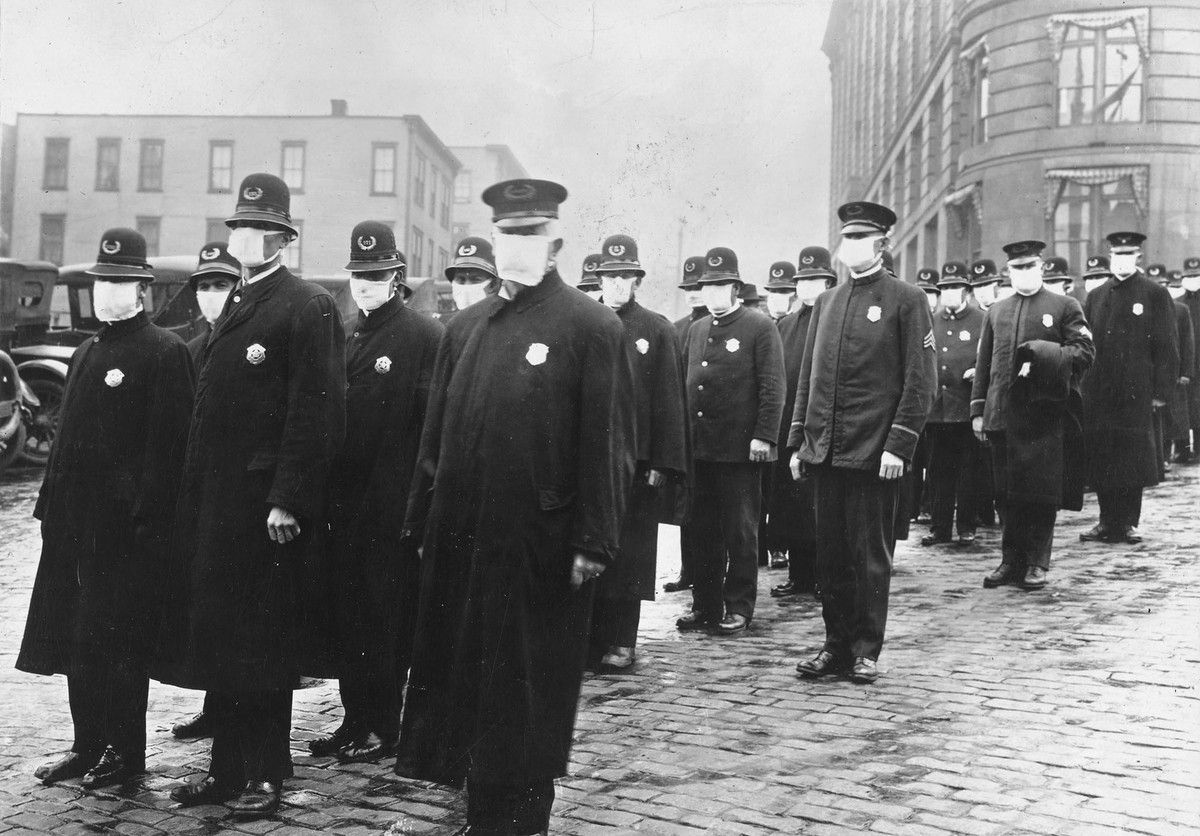
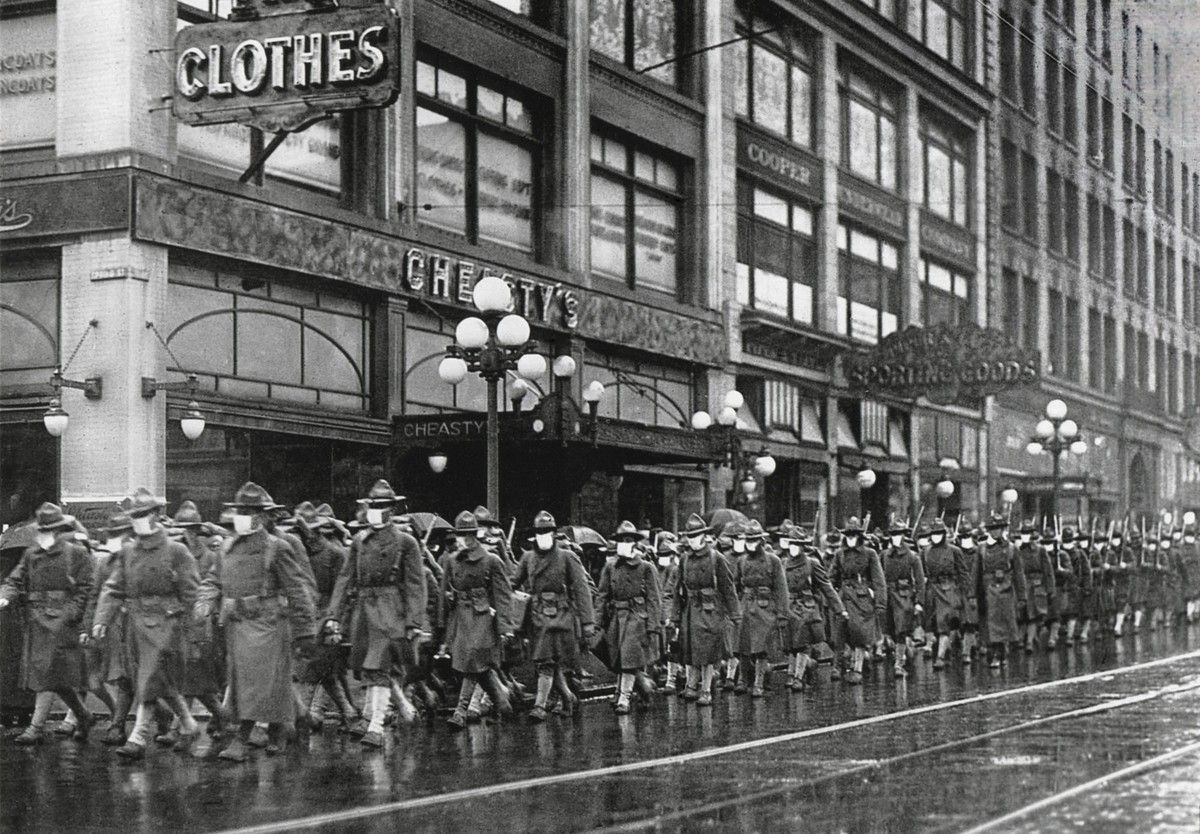
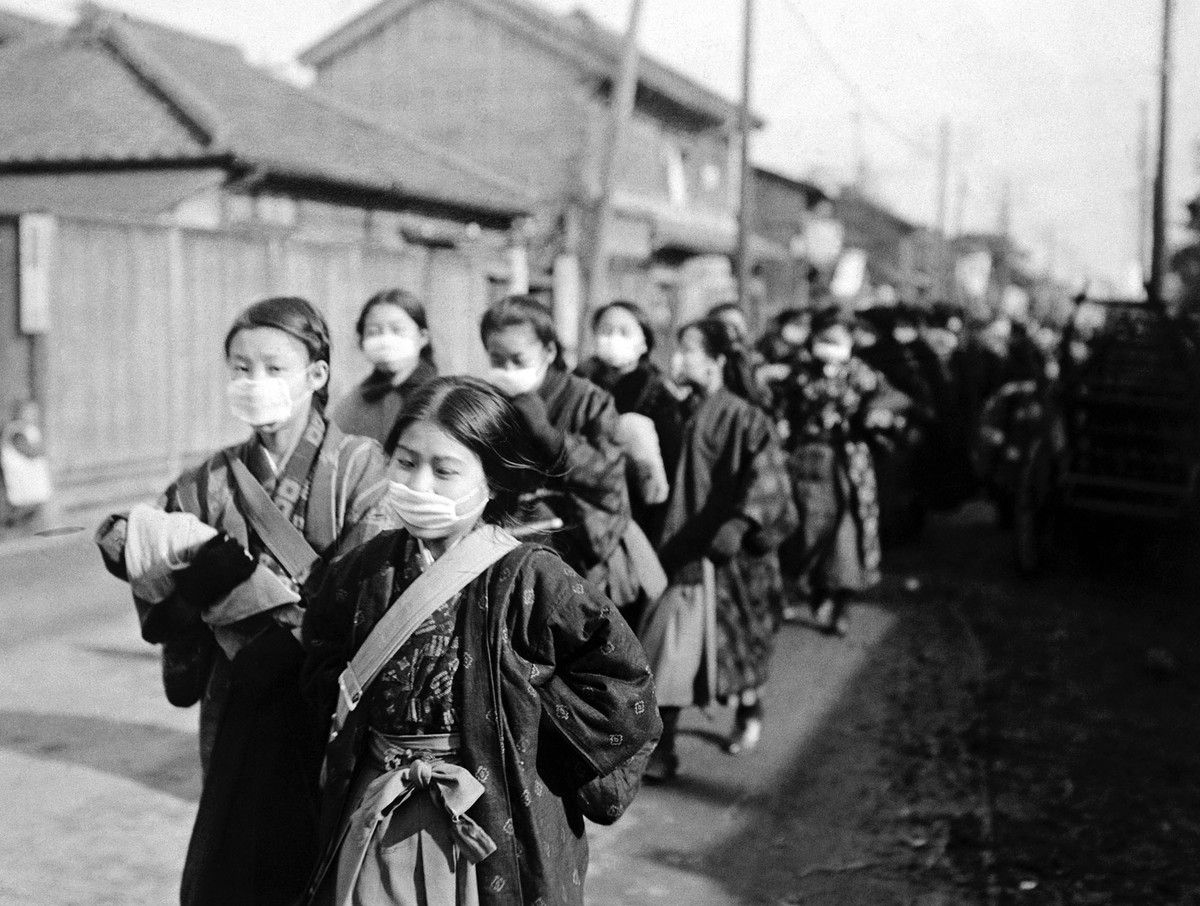
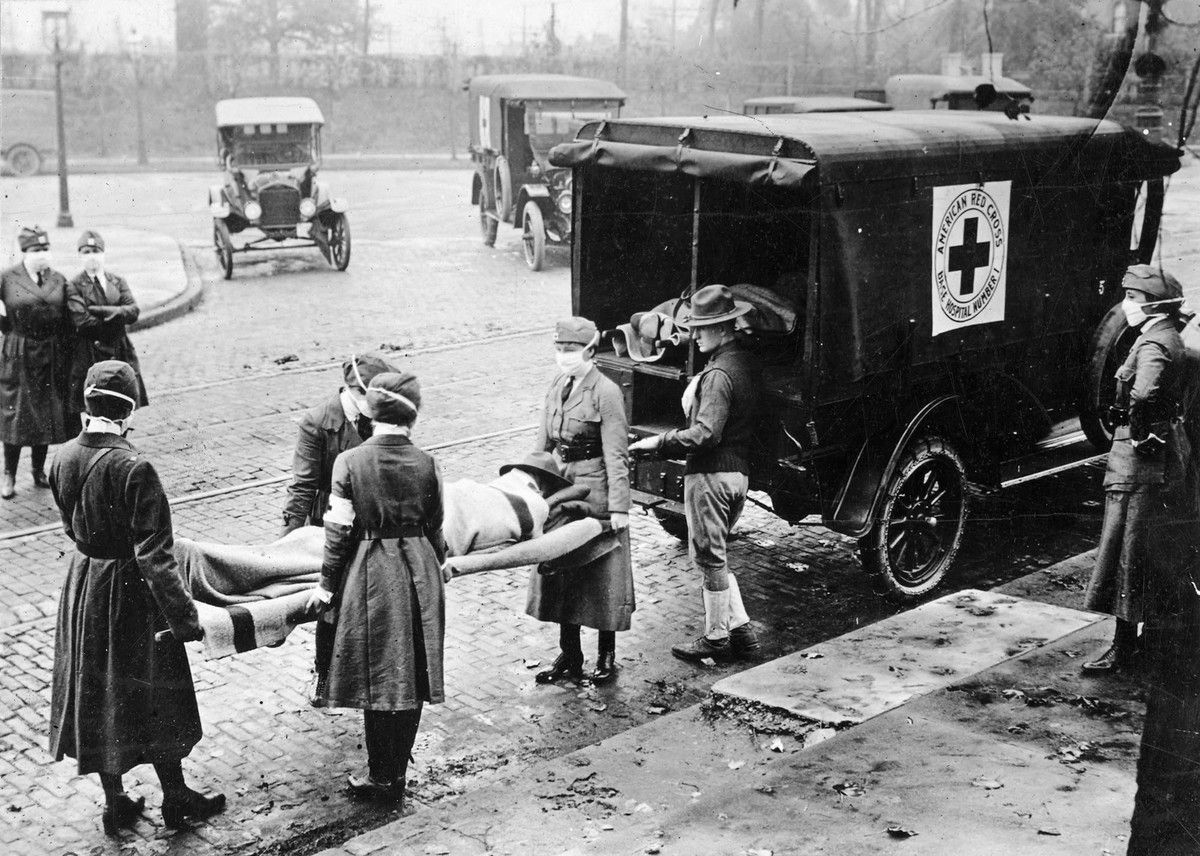
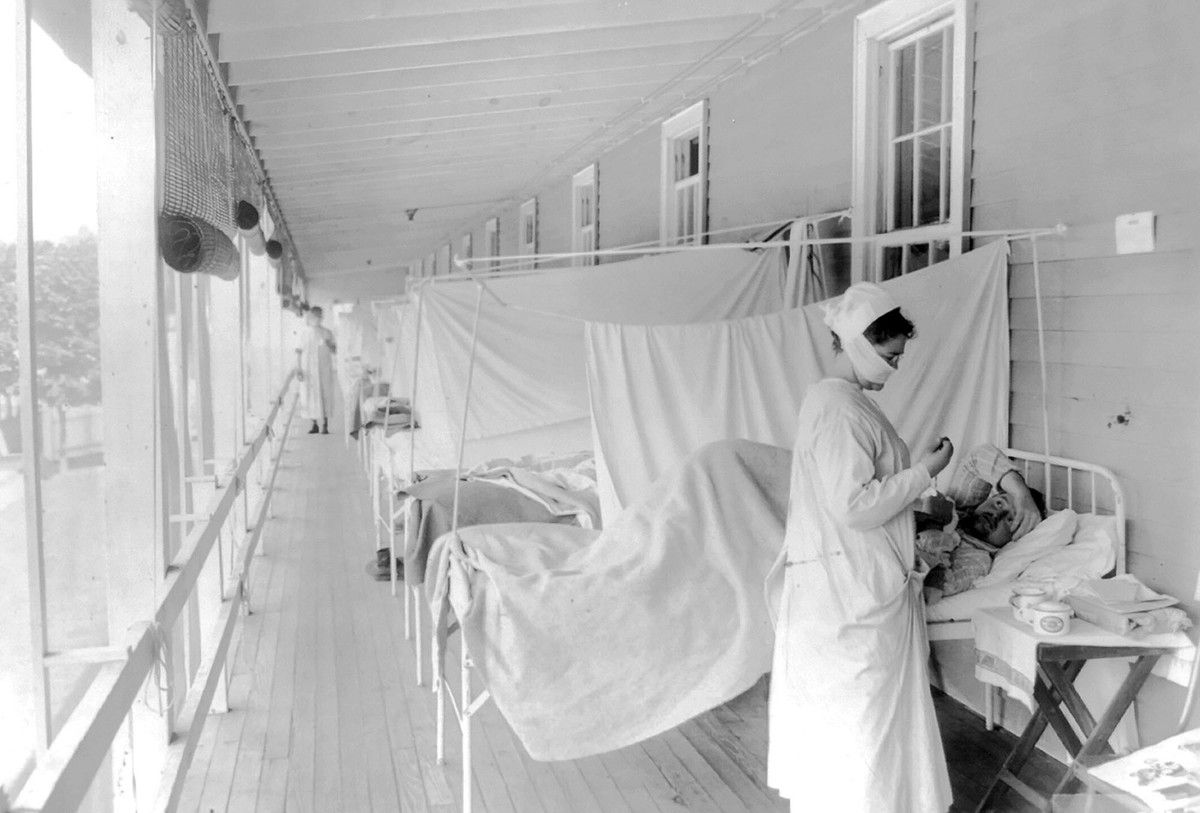
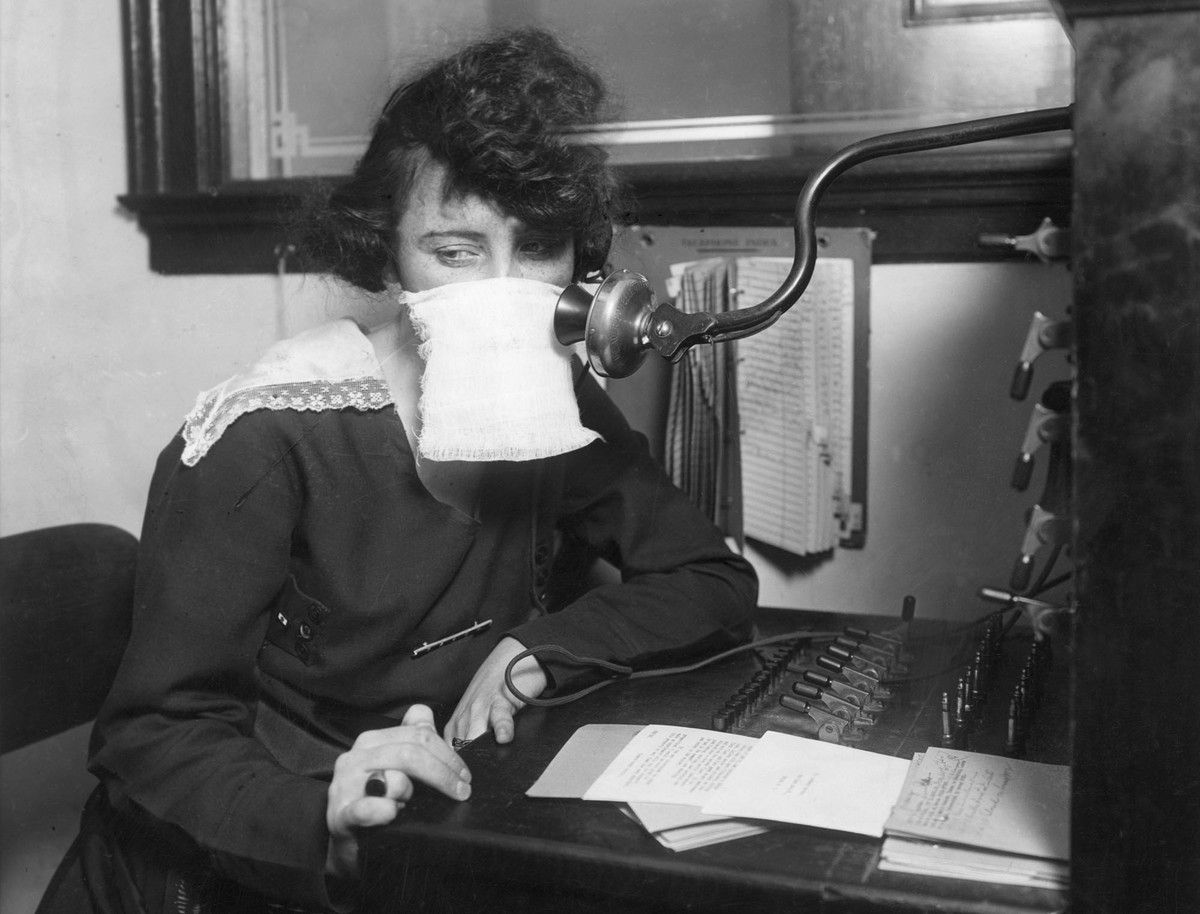
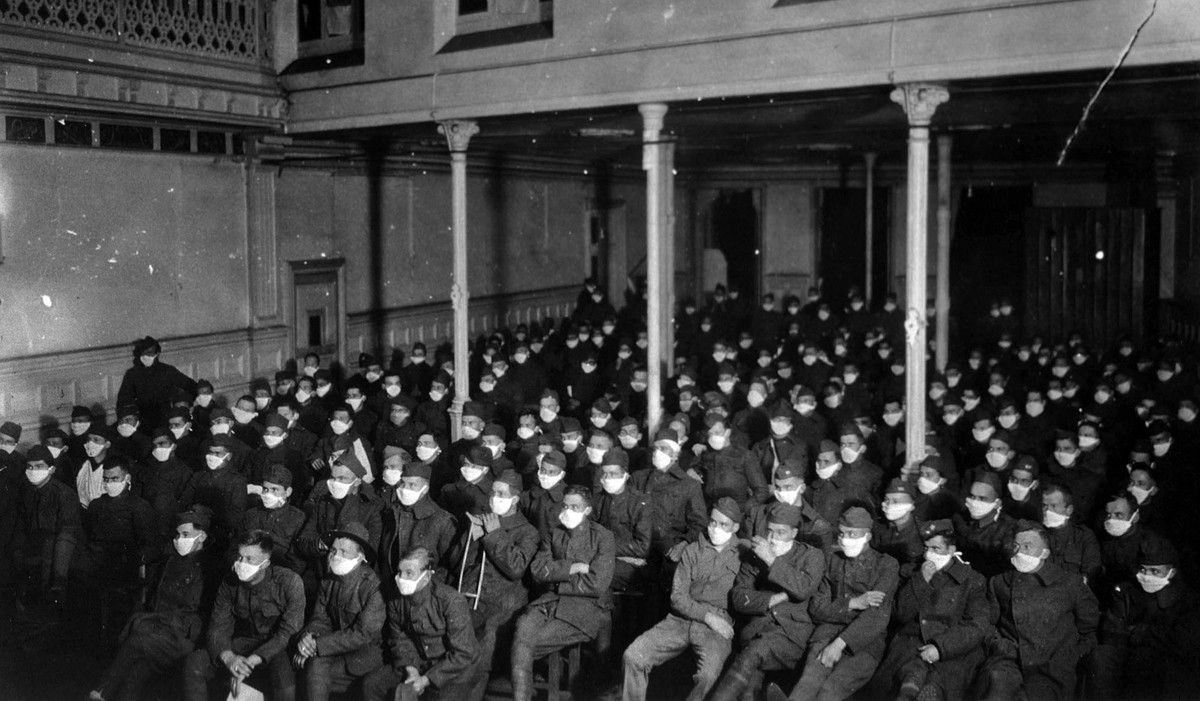
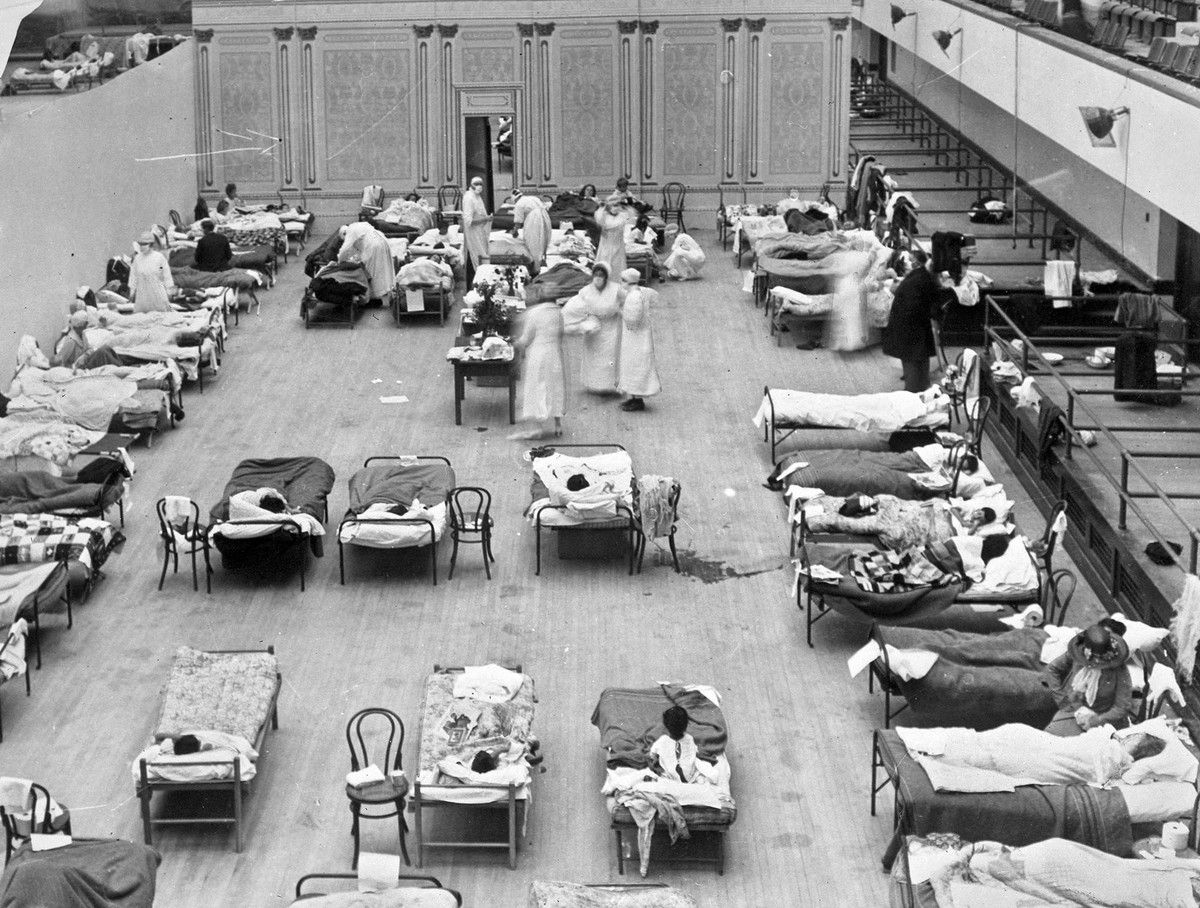
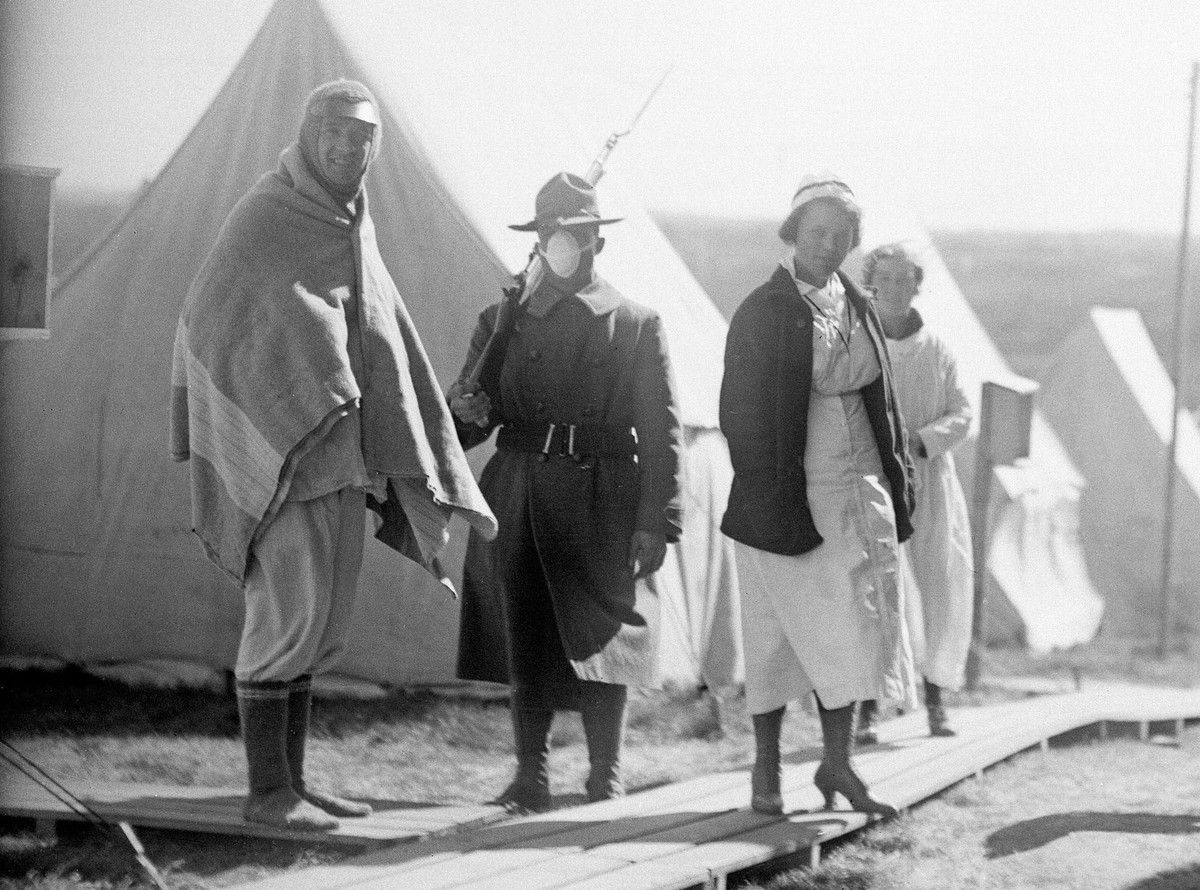
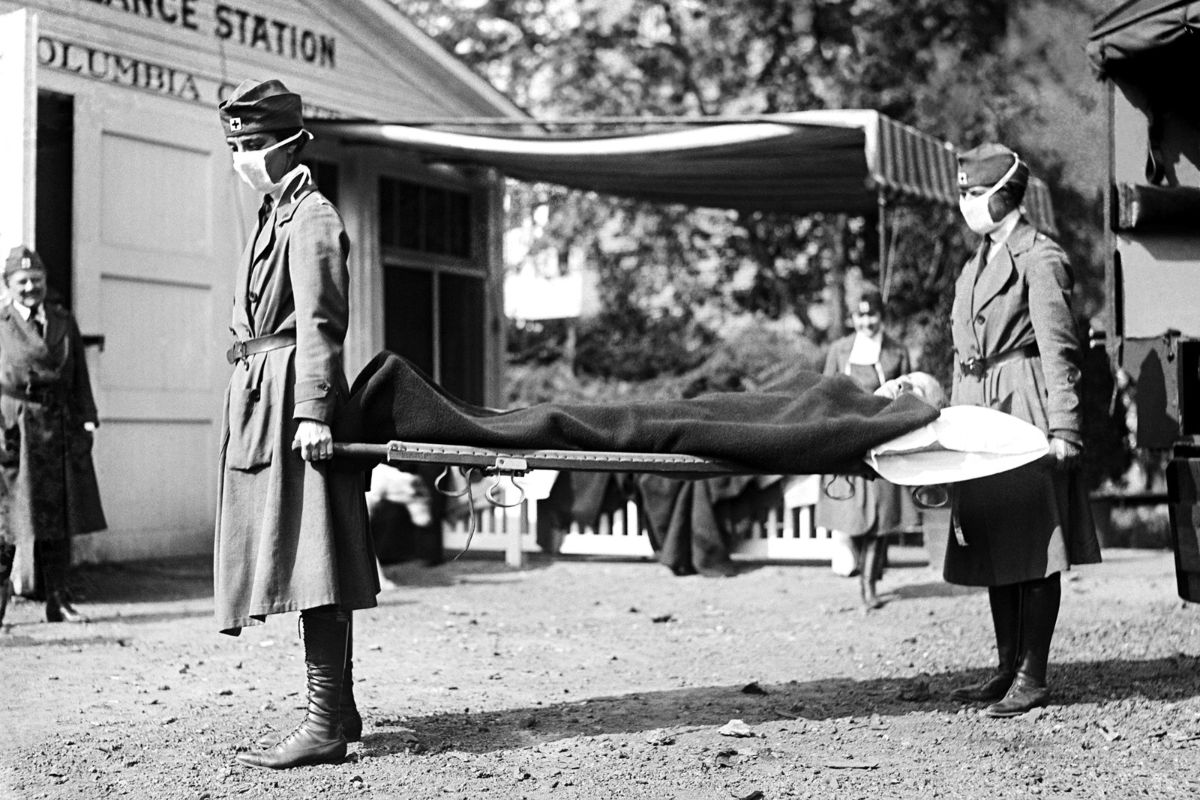
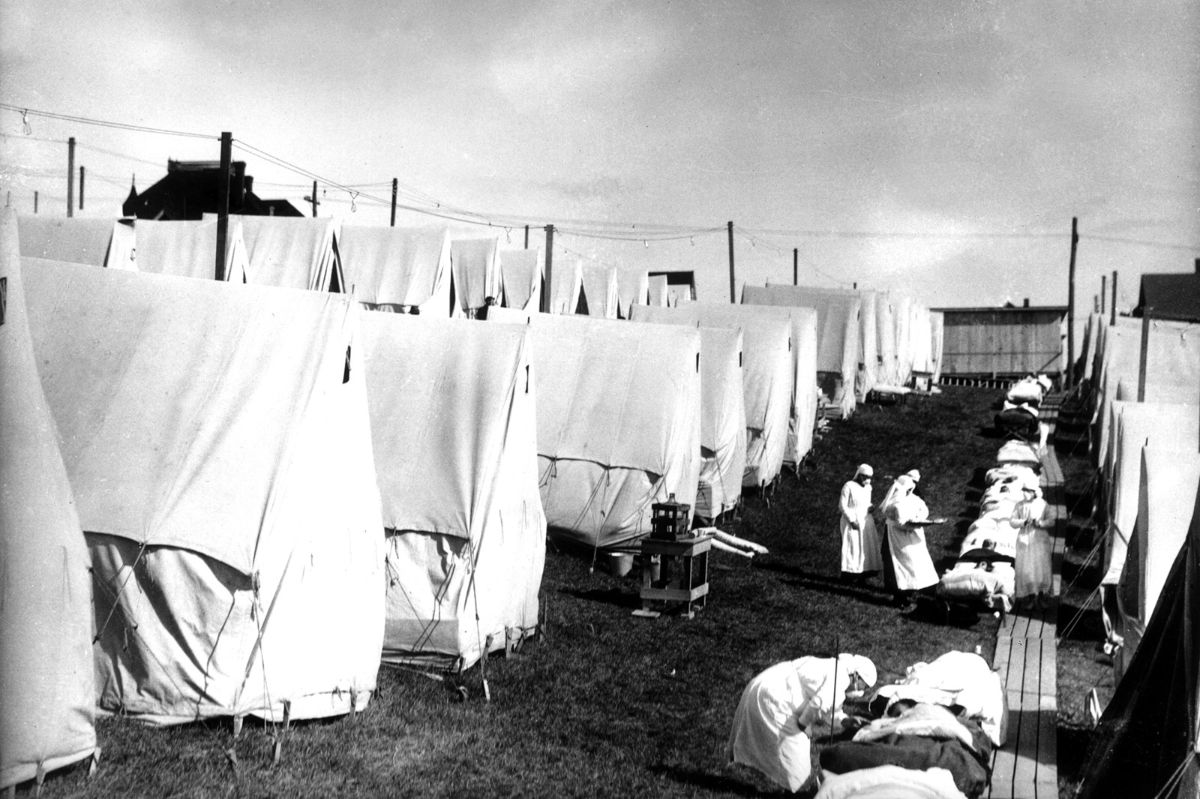
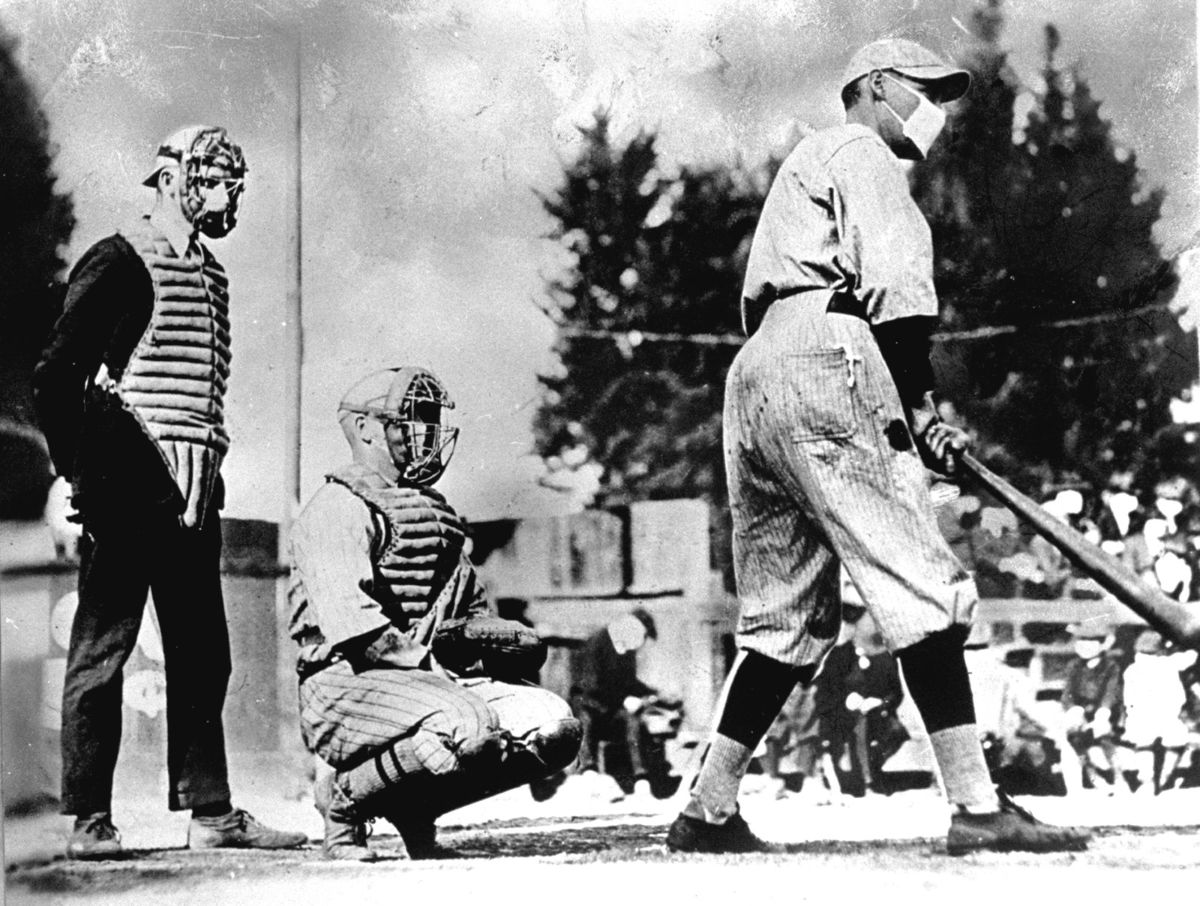
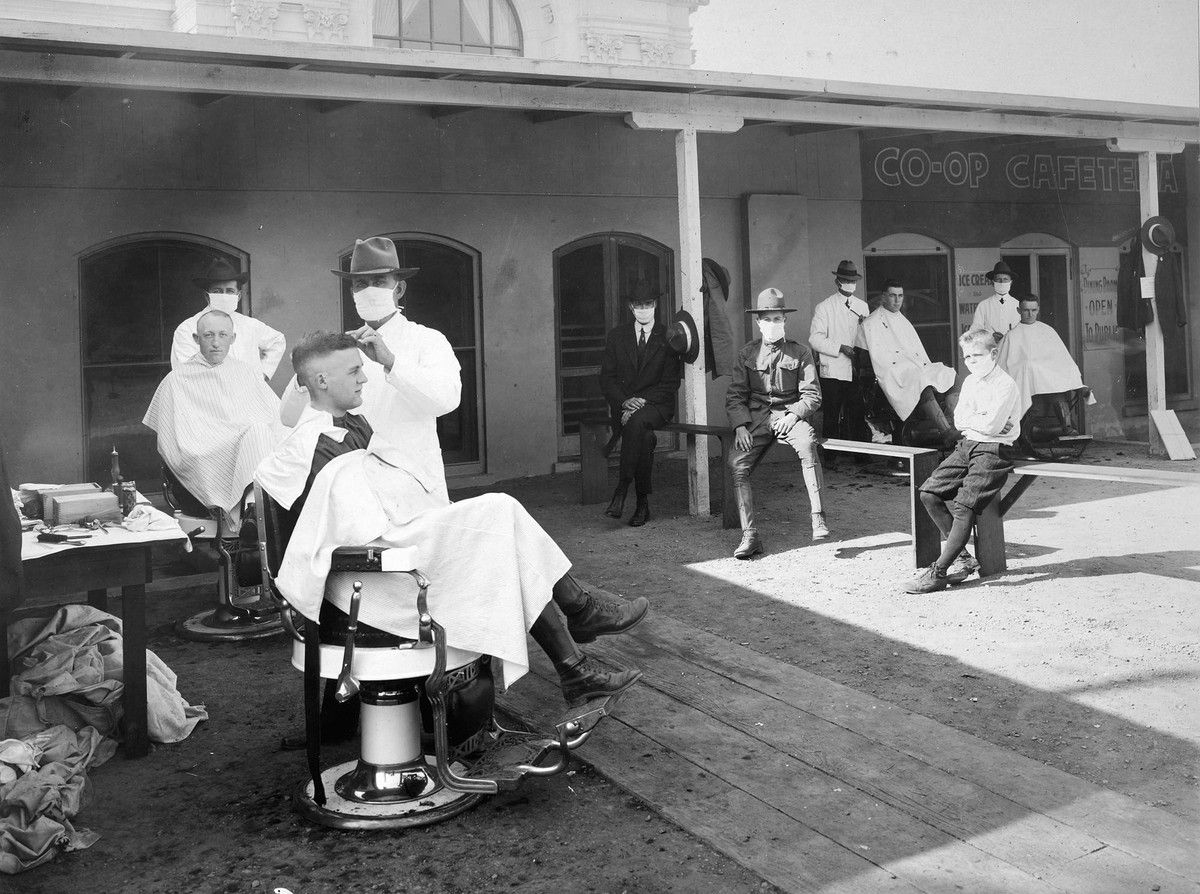
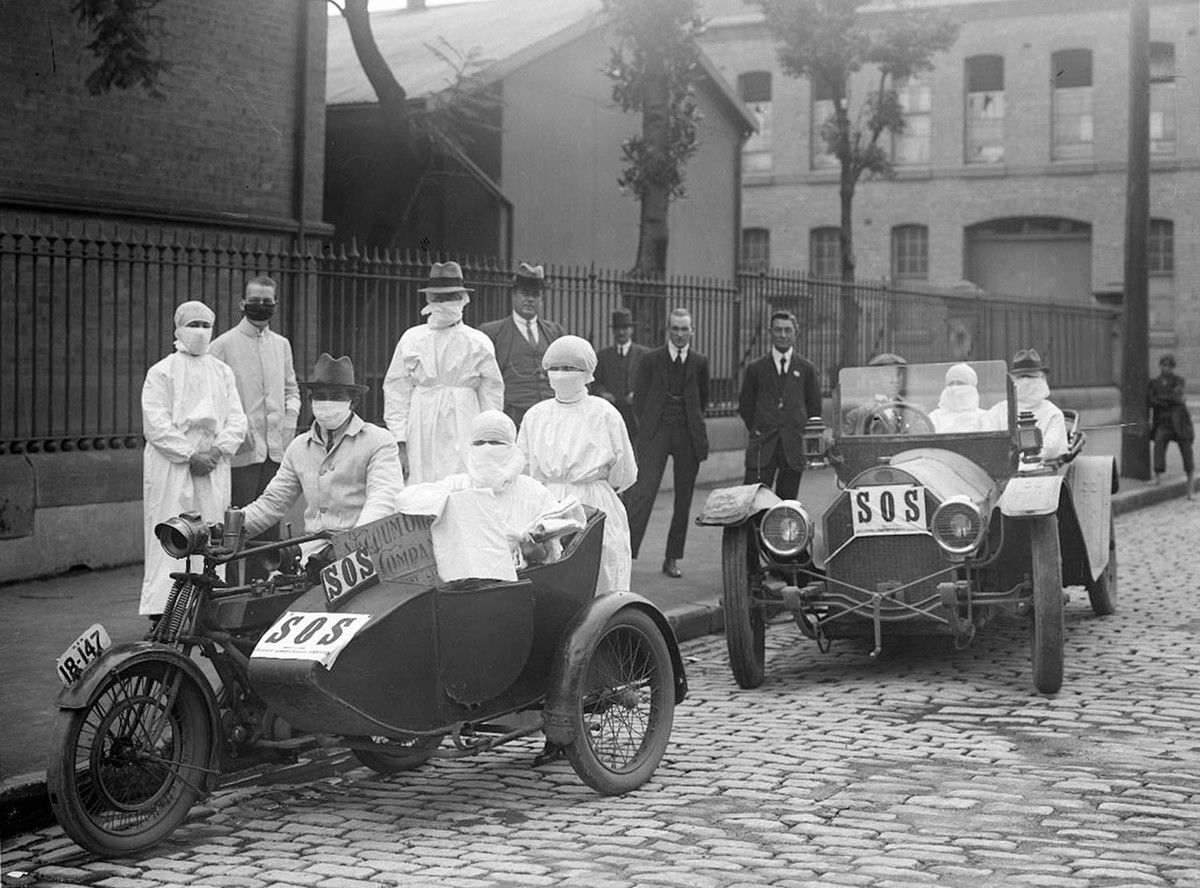
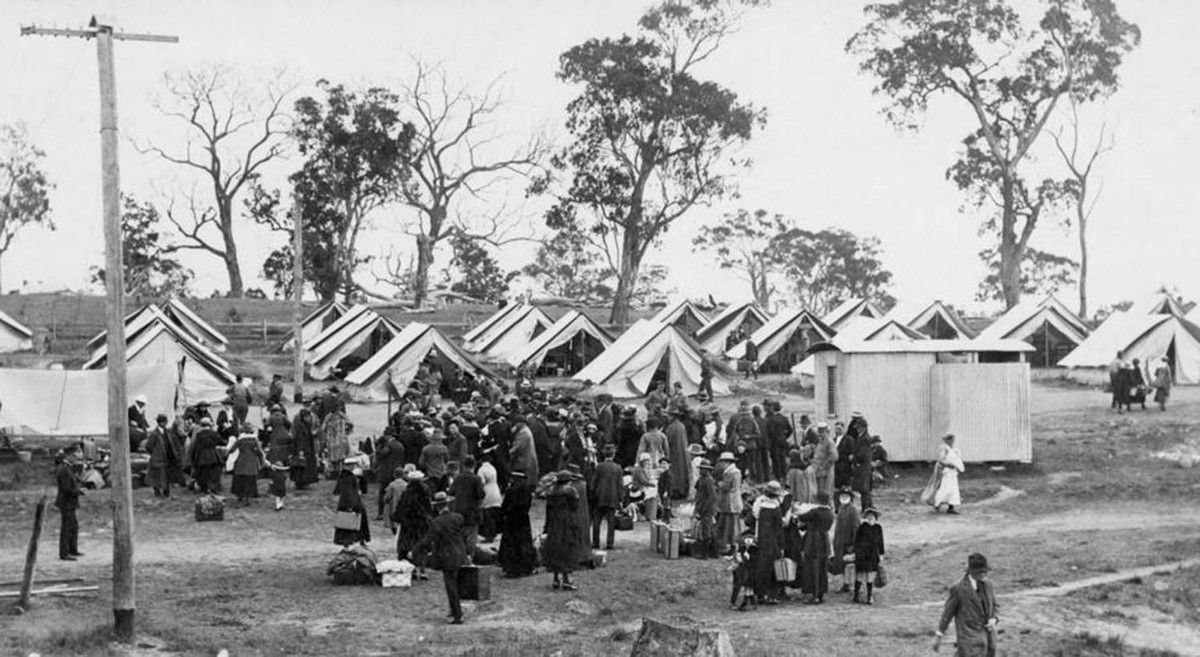
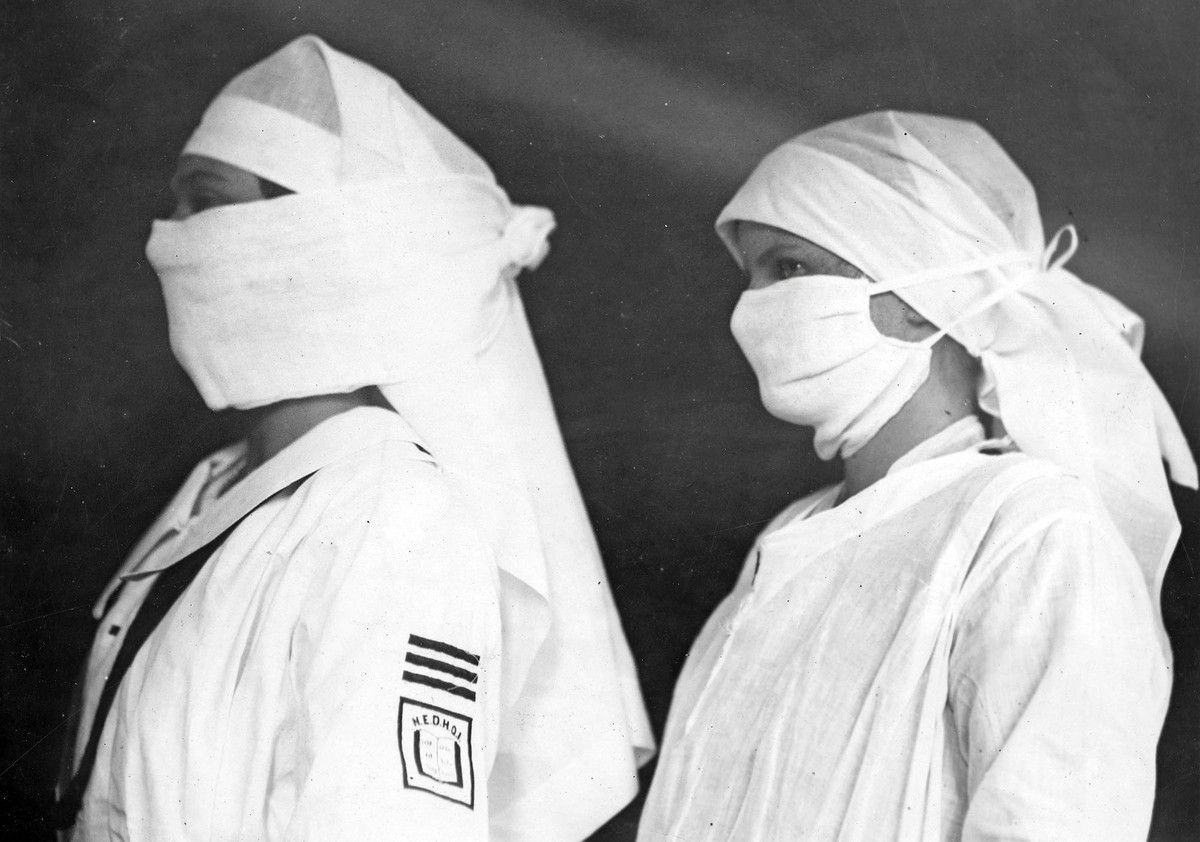
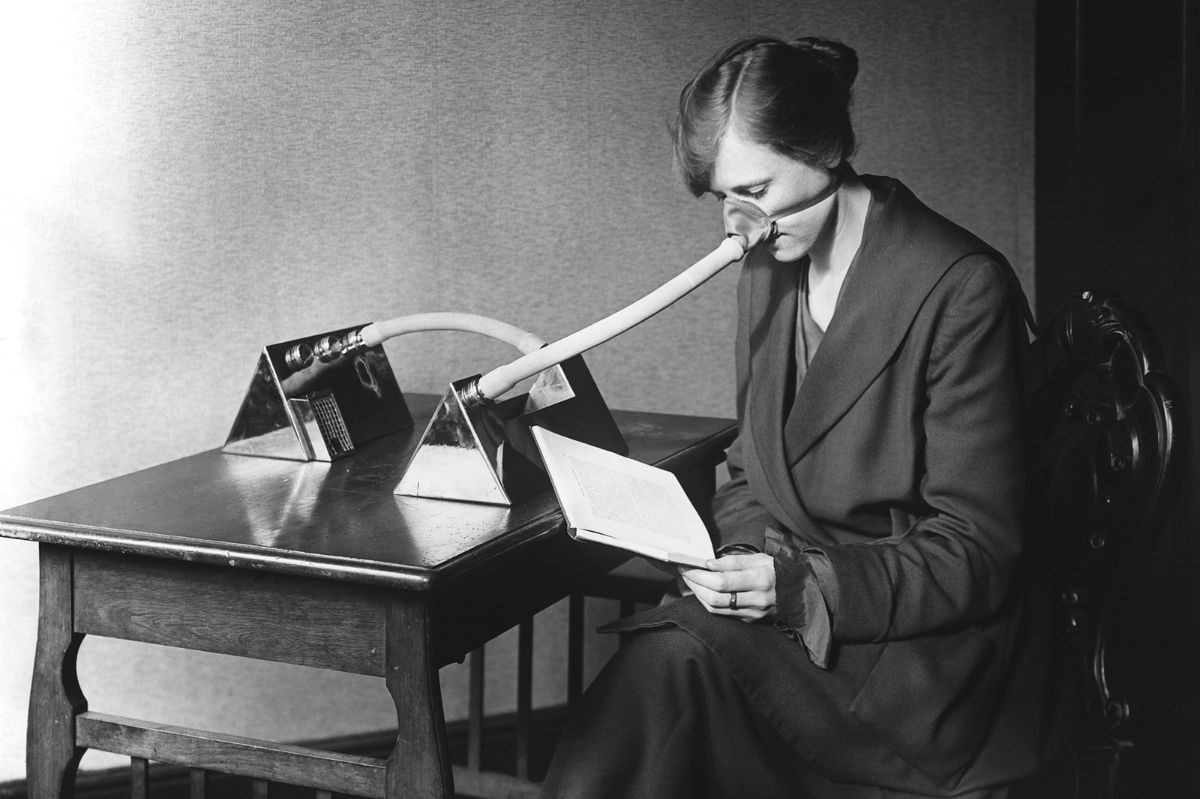
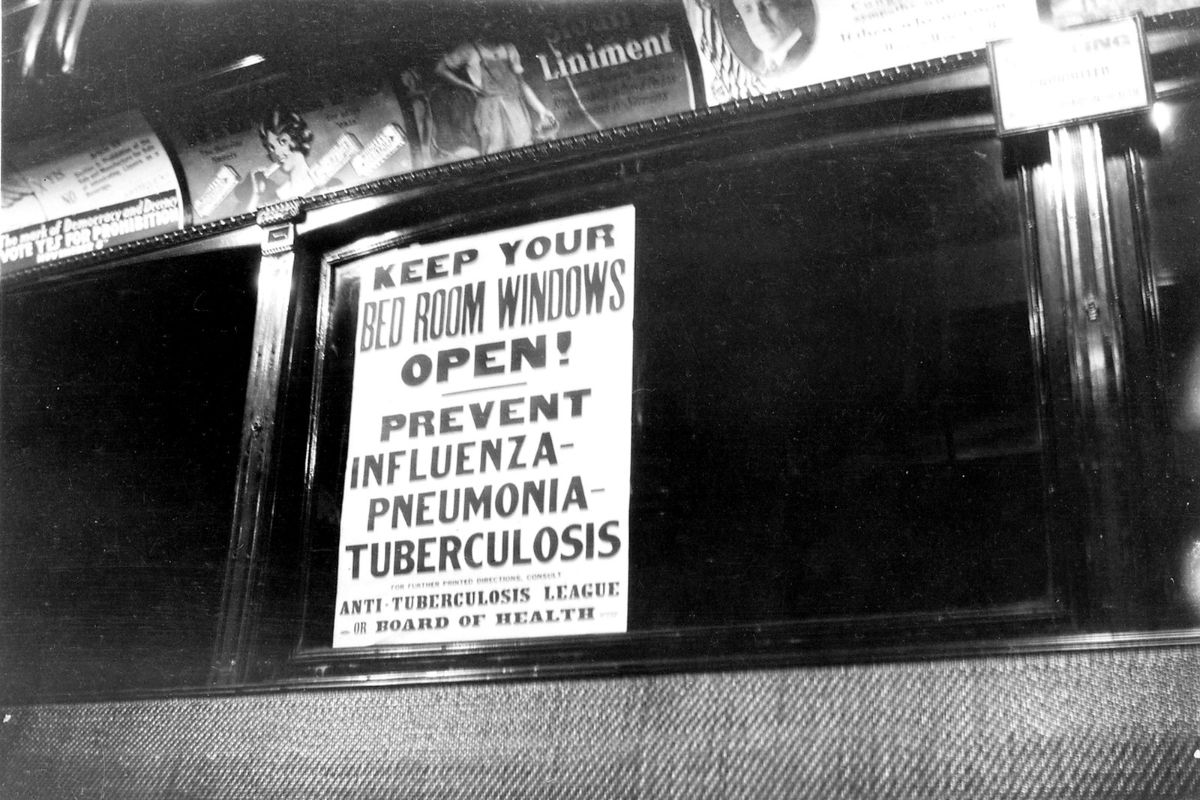
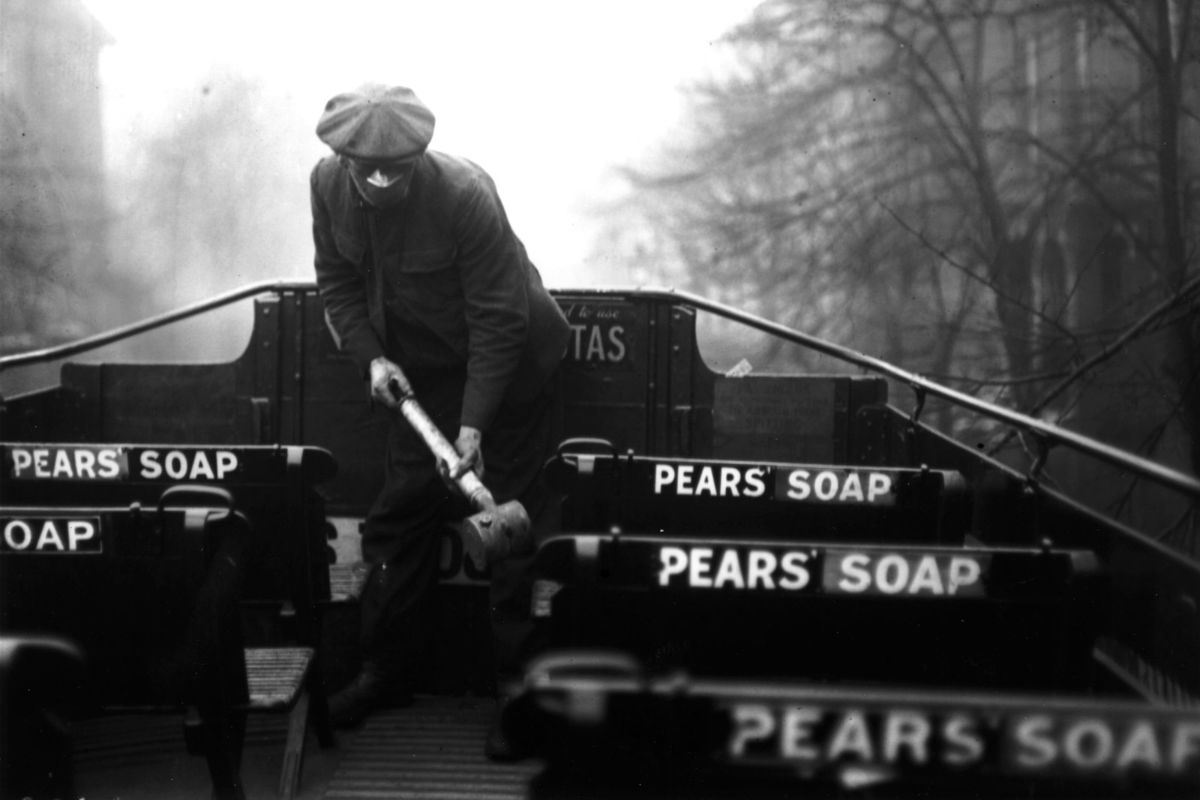
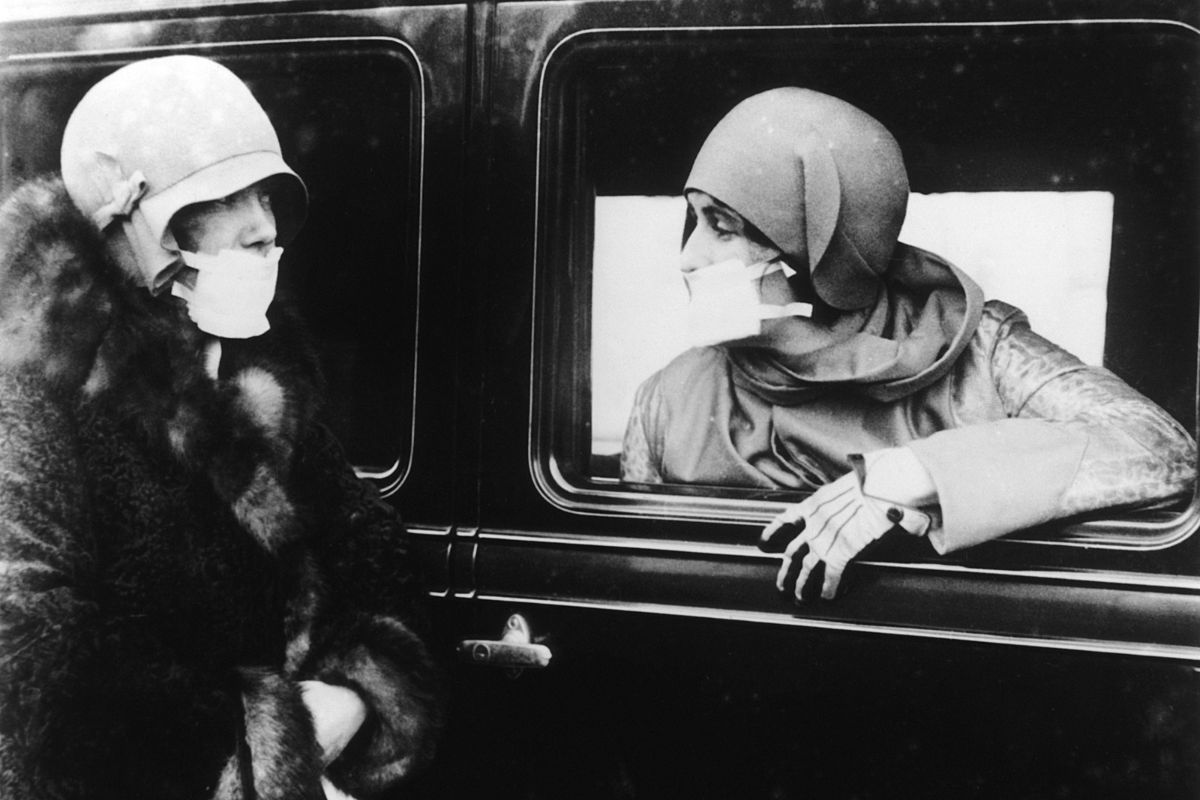
Governments and health officials reacted as quickly as the era allowed. Makeshift quarantine centers and emergency hospitals sprang up almost overnight, gauze masks became a common sight in public spaces, and awareness campaigns urged people to take precautions against spreading the illness.
 Yet these efforts faced an uphill battle. World War I was drawing to a close at the same time, and the mass movement of soldiers returning home or shifting between fronts created ideal conditions for the virus to travel across continents largely unchecked.
Although cases first drew attention in Europe, the United States, and parts of Asia, the outbreak didn’t stay contained for long, eventually touching nearly every corner of the globe.
The pandemic came to be known as the Spanish flu, though the name is something of a historical accident. Spain was neutral during the war and, unlike many other nations, did not censor its press.
 When the Madrid newspaper ABC reported on the outbreak, it inadvertently linked the disease to Spain in the public imagination, even though the country wasn’t where the virus began.
Researchers today generally point to an earlier origin in Kansas, in the central United States, where some of the first documented cases appeared.
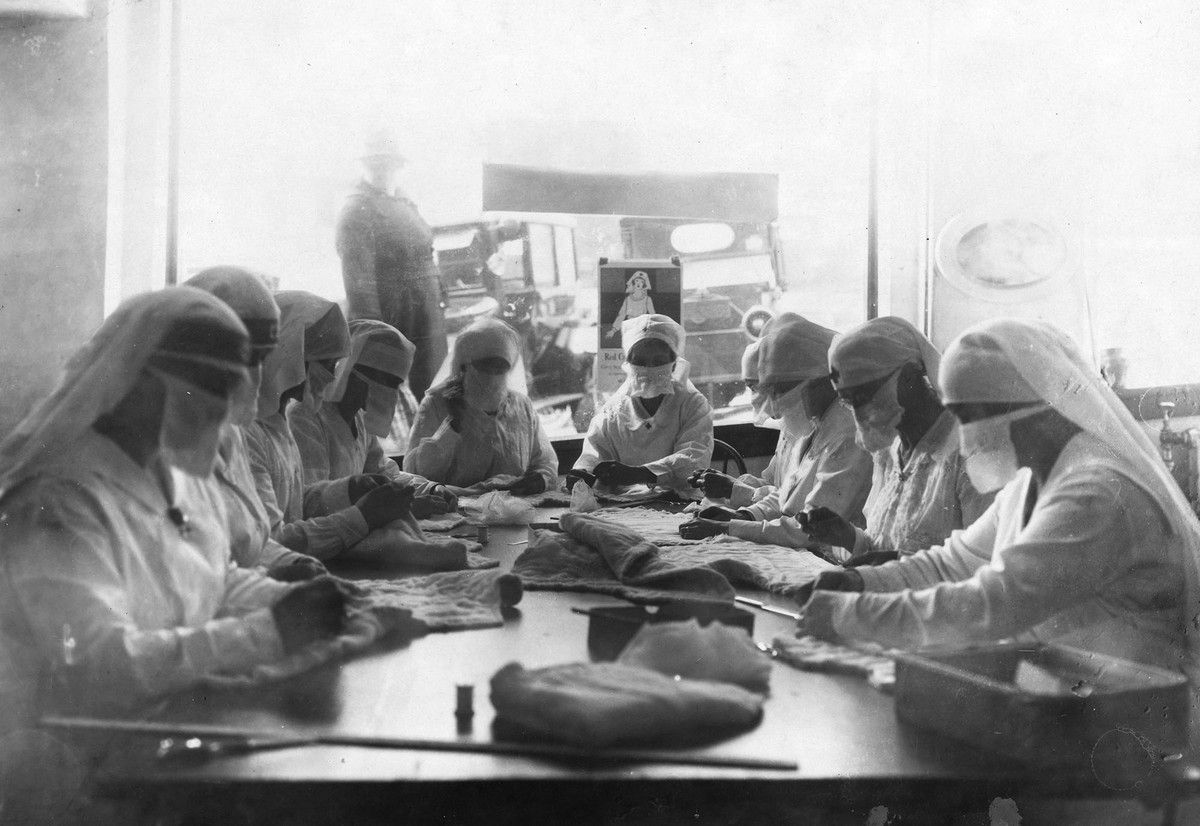 Medicine in 1918 offered little defense against the virus. No vaccine existed, and doctors had limited tools to treat patients once they fell ill.
Autopsies and medical records from the period later revealed that the flu frequently led to severe pneumonia, as the virus attacked the lungs directly and left victims vulnerable to secondary infections.
For many of those who died, it was this assault on the respiratory system, rather than the initial flu symptoms, that ultimately proved fatal.
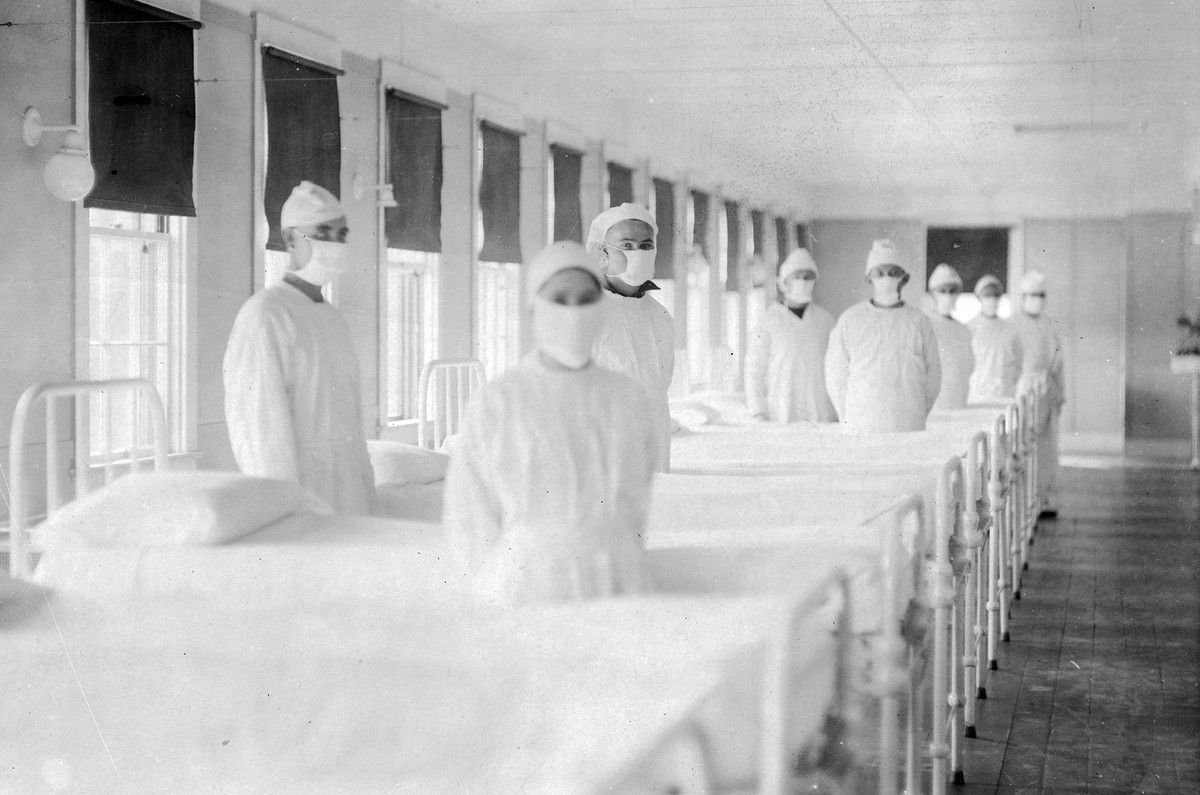 The scale of loss is difficult to grasp even now.
At its peak, the pandemic is believed to have killed close to 6 percent of the world’s entire population within a span of just over a year, a mortality rate that dwarfed the casualties of the war happening alongside it.
Entire families were wiped out, and communities from small rural towns to major metropolitan centers were left grappling with grief and disruption on a scale rarely seen before or since.
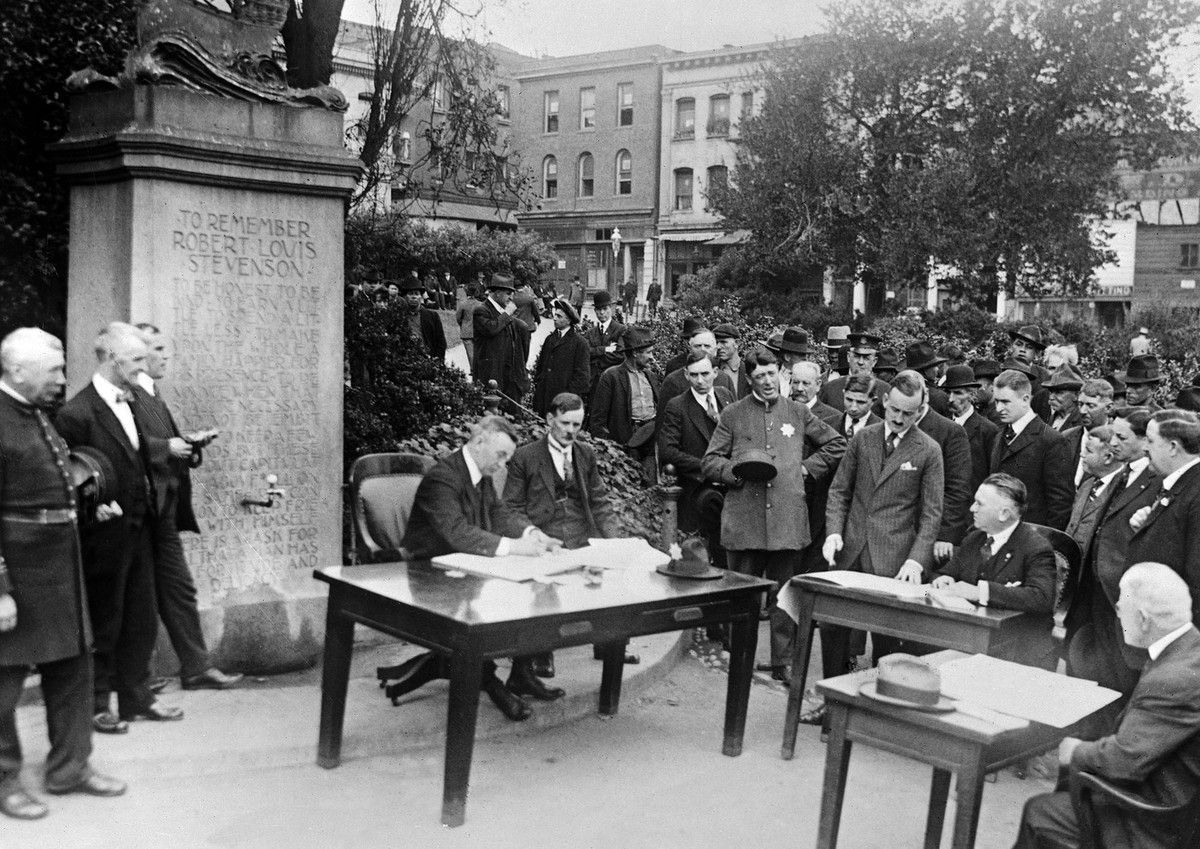
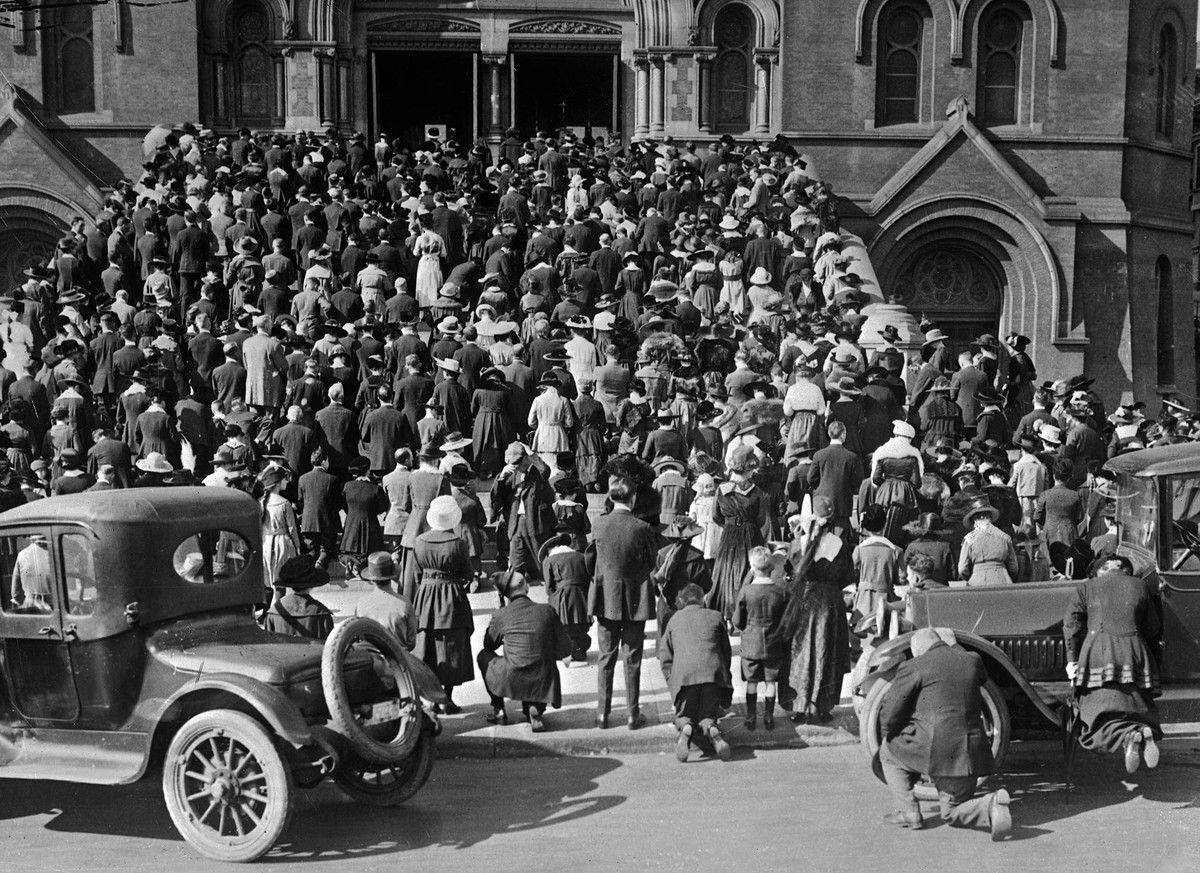
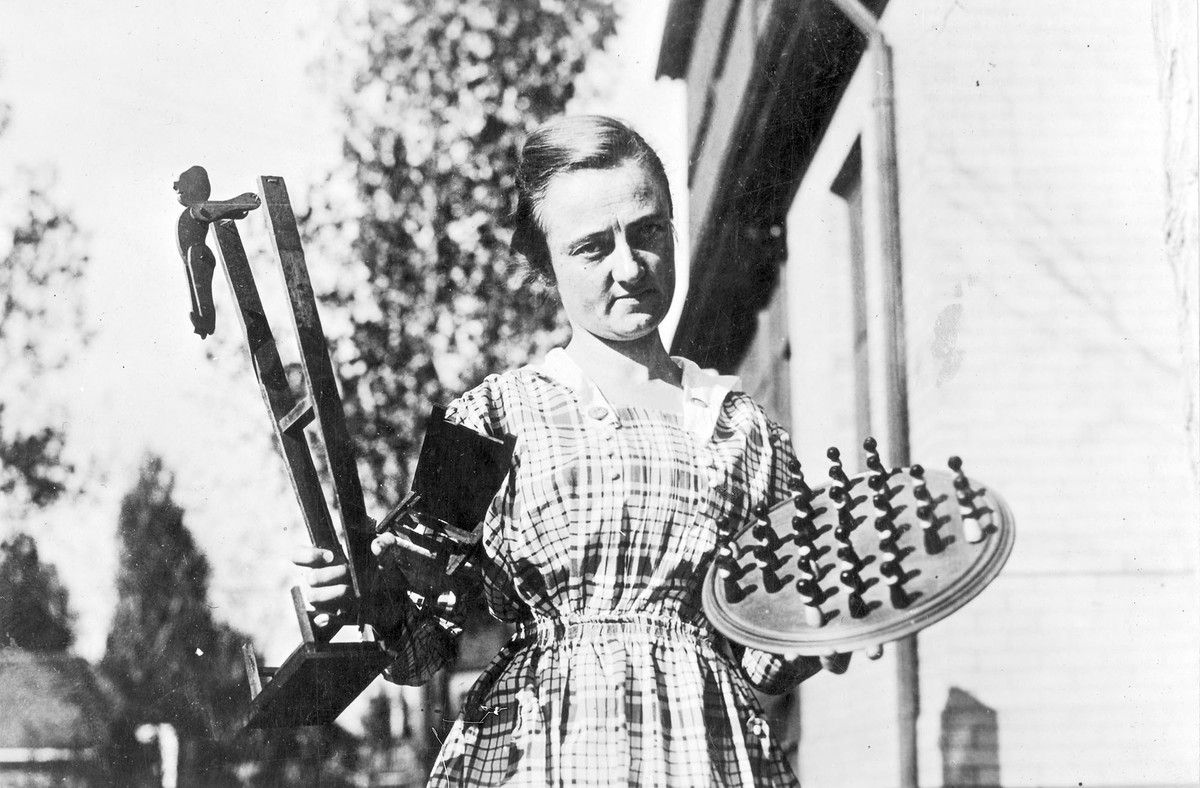
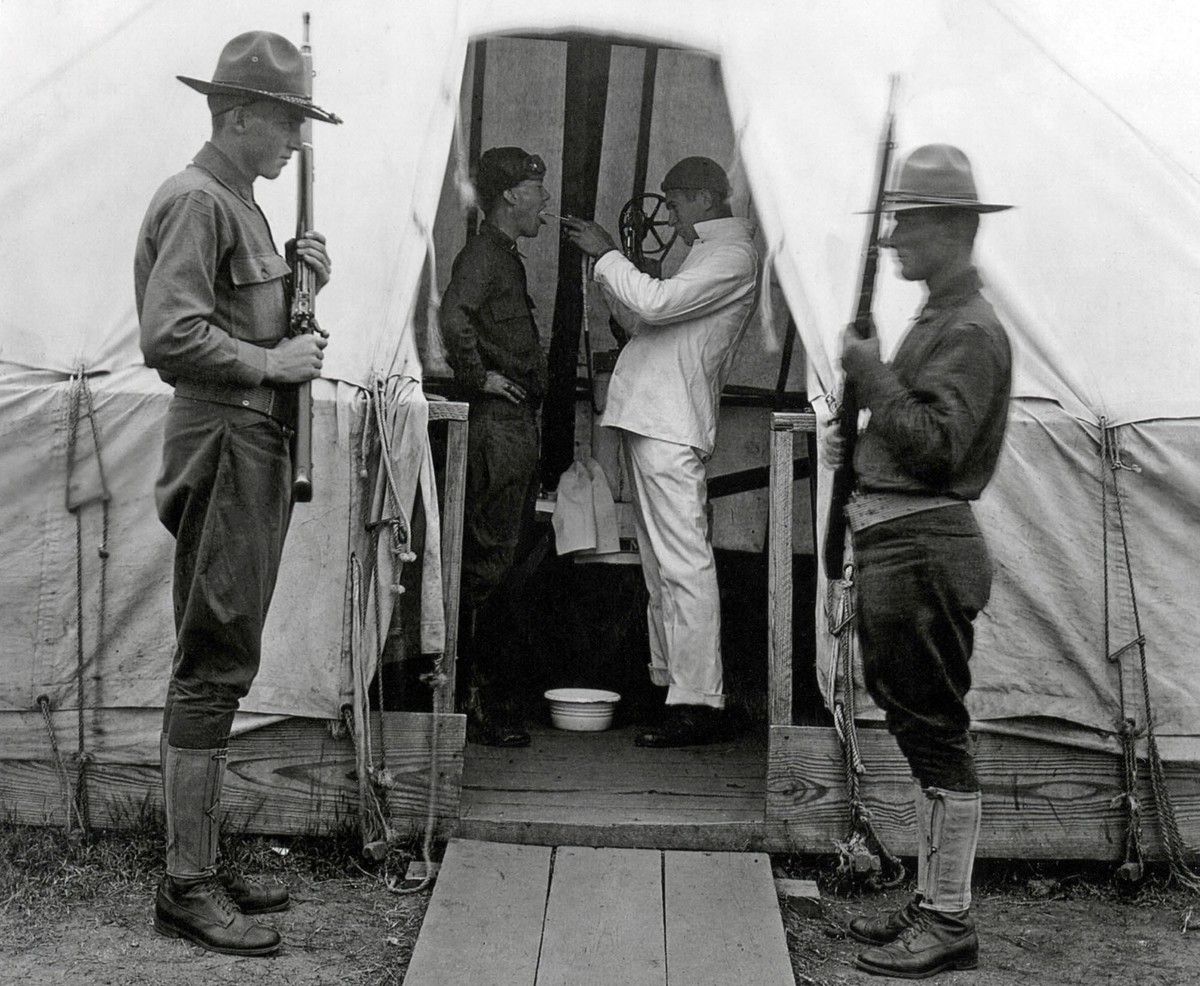
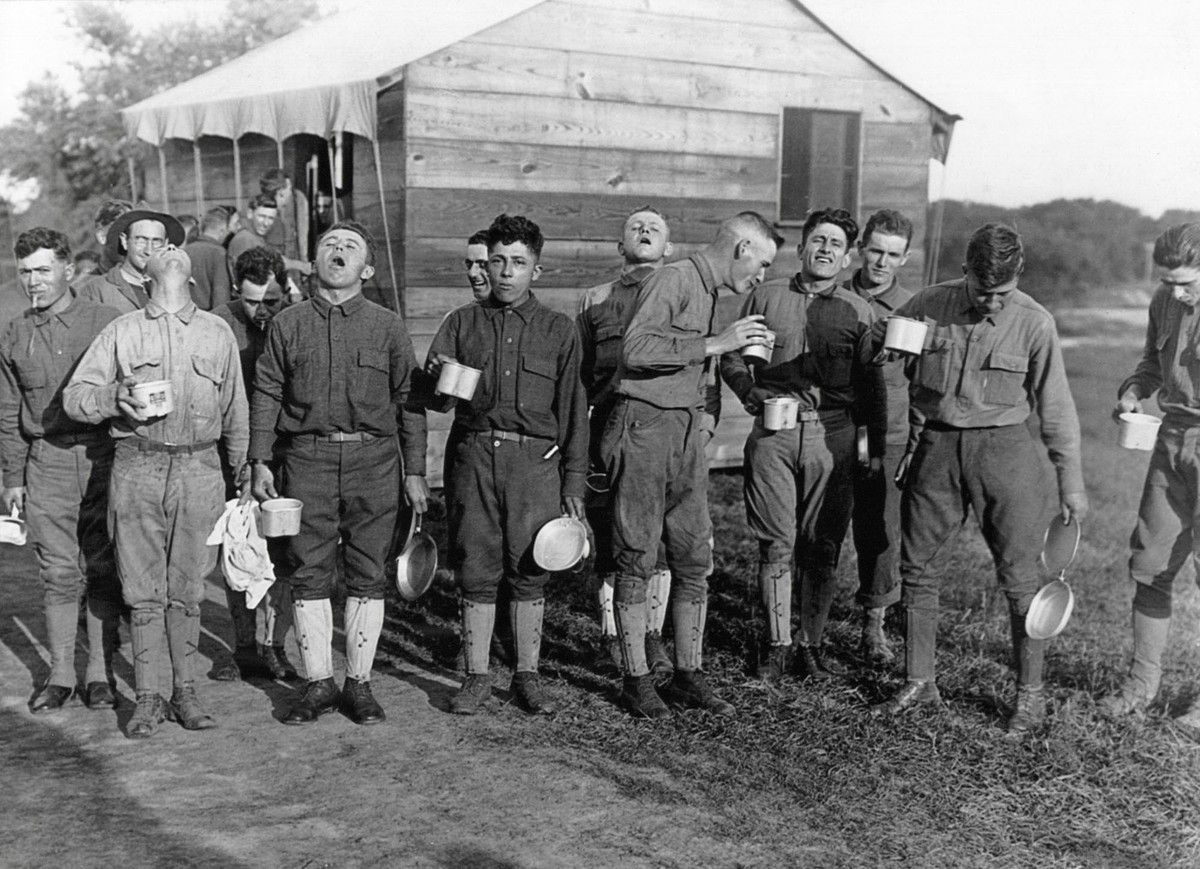
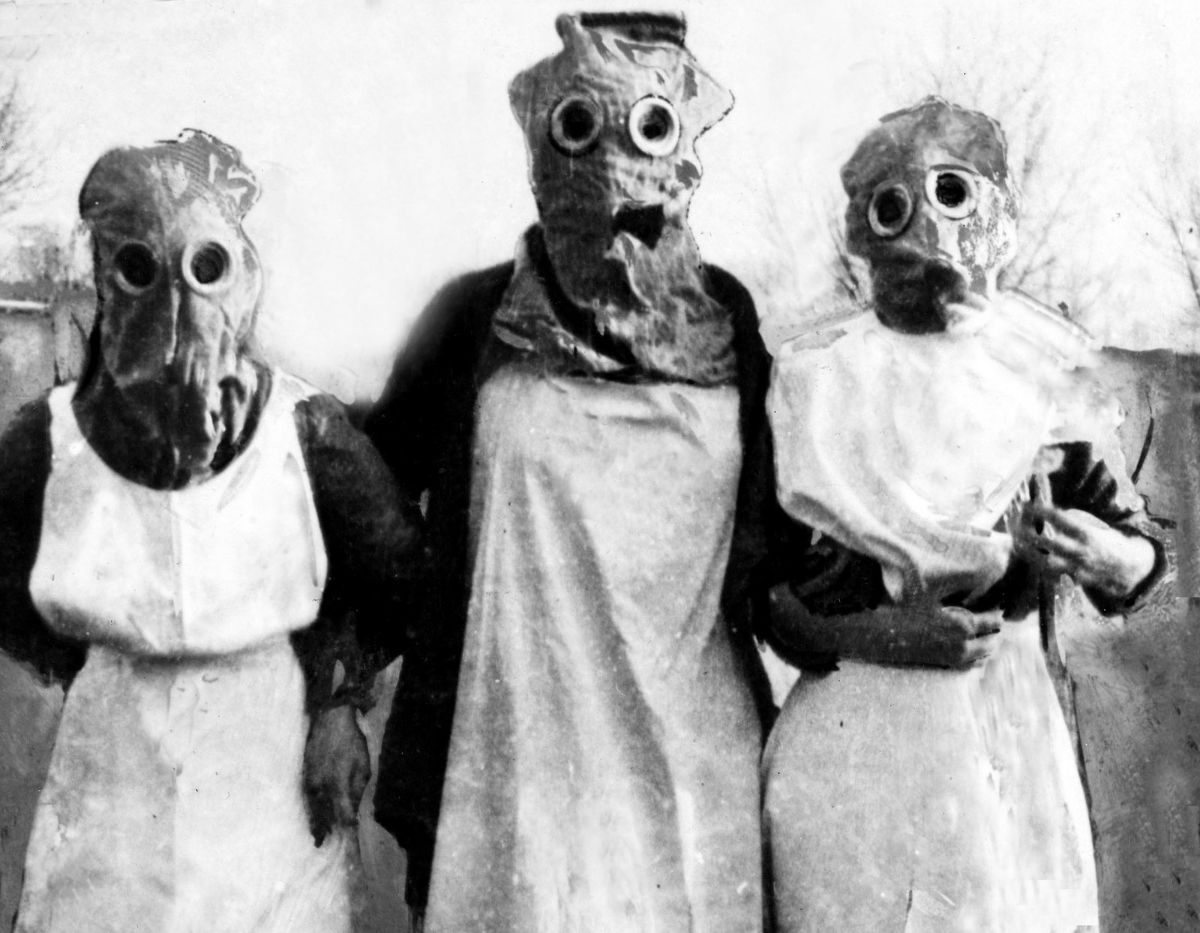
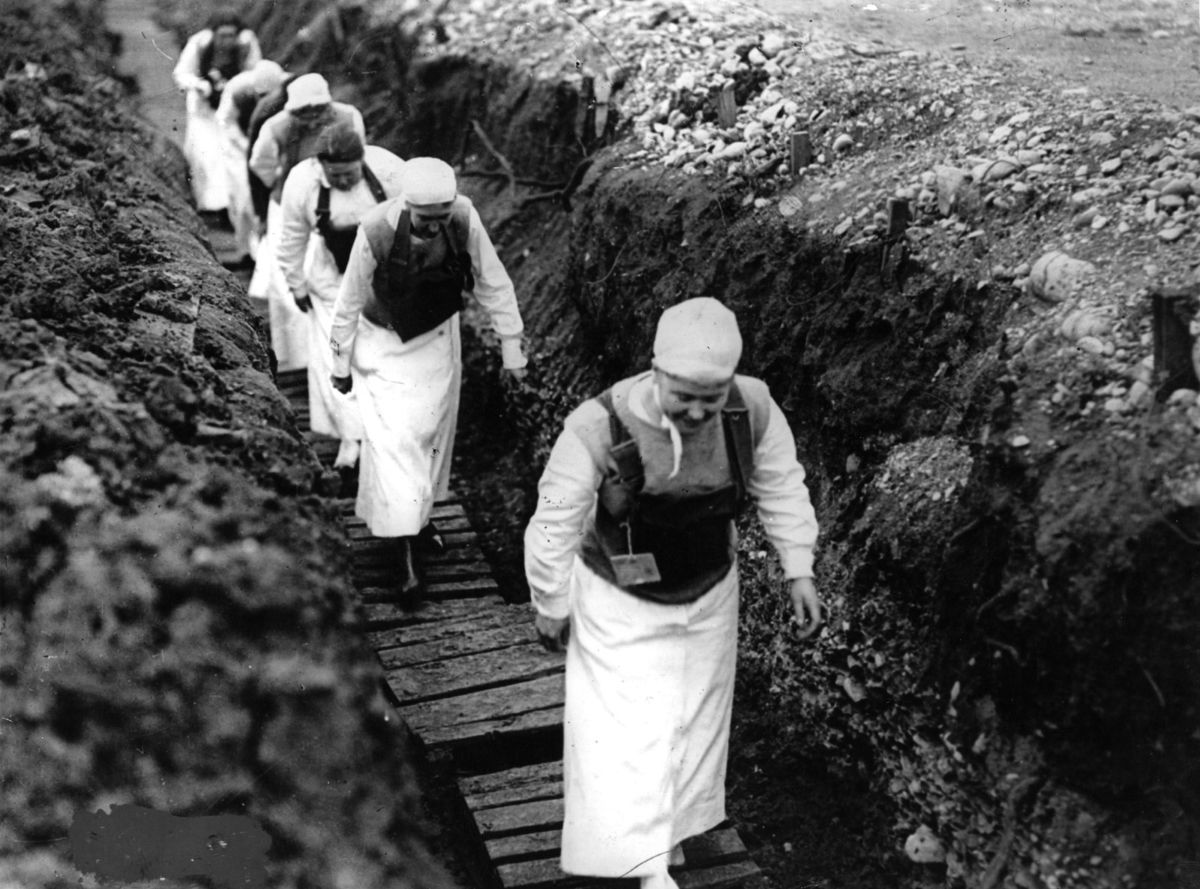
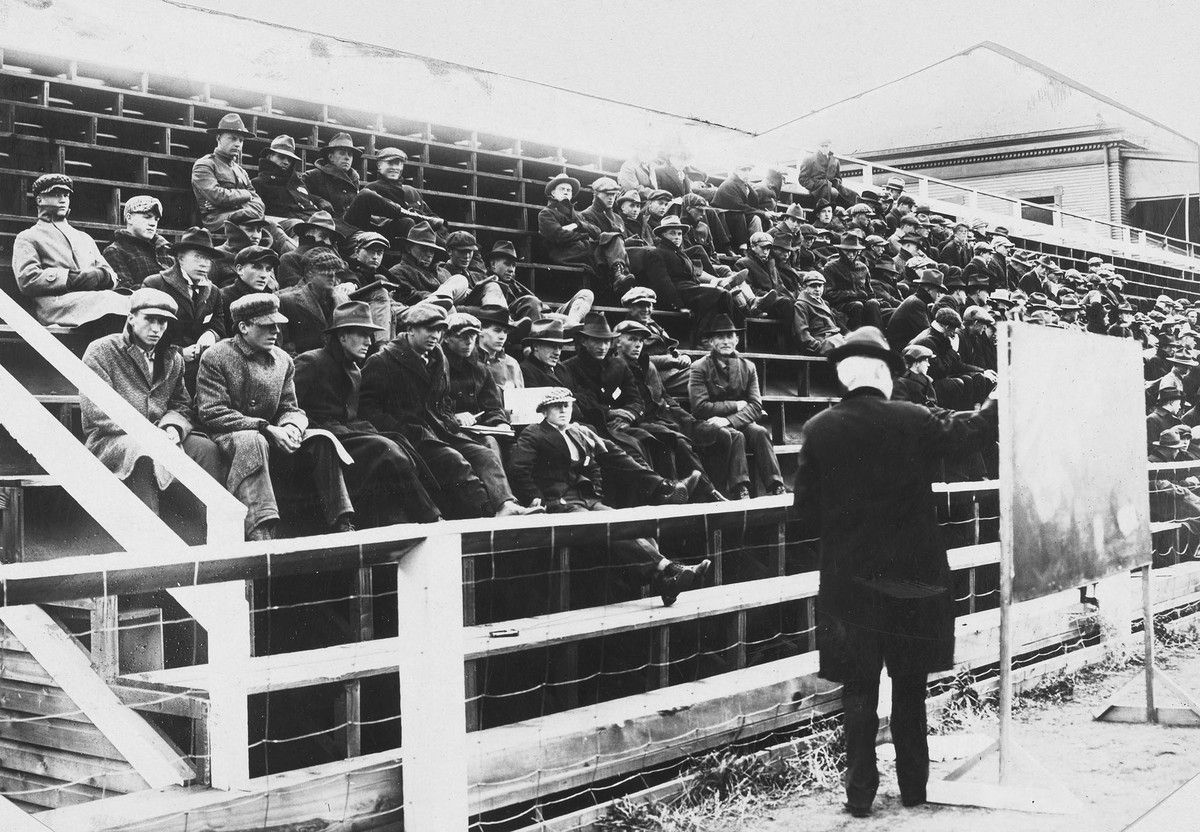
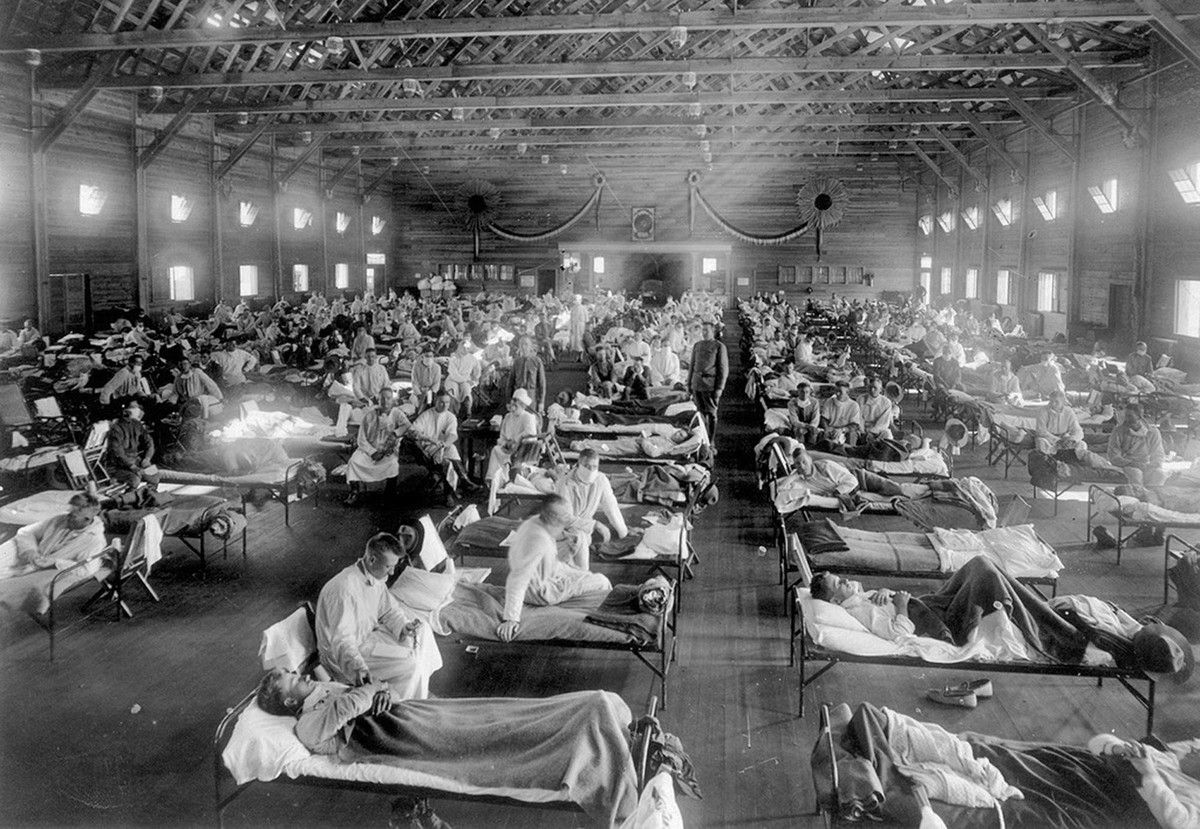 What follows is a collection of photographs documenting that extraordinary period: images of makeshift hospital wards, mask-wearing citizens going about daily life, public health notices posted on street corners, and the broader effort to contain a disease that touched nearly every nation on Earth.
Together, they offer a visual record of how ordinary people and overwhelmed institutions confronted a crisis of almost unimaginable scale, and how the world slowly found its way through one of the darkest chapters in modern history.
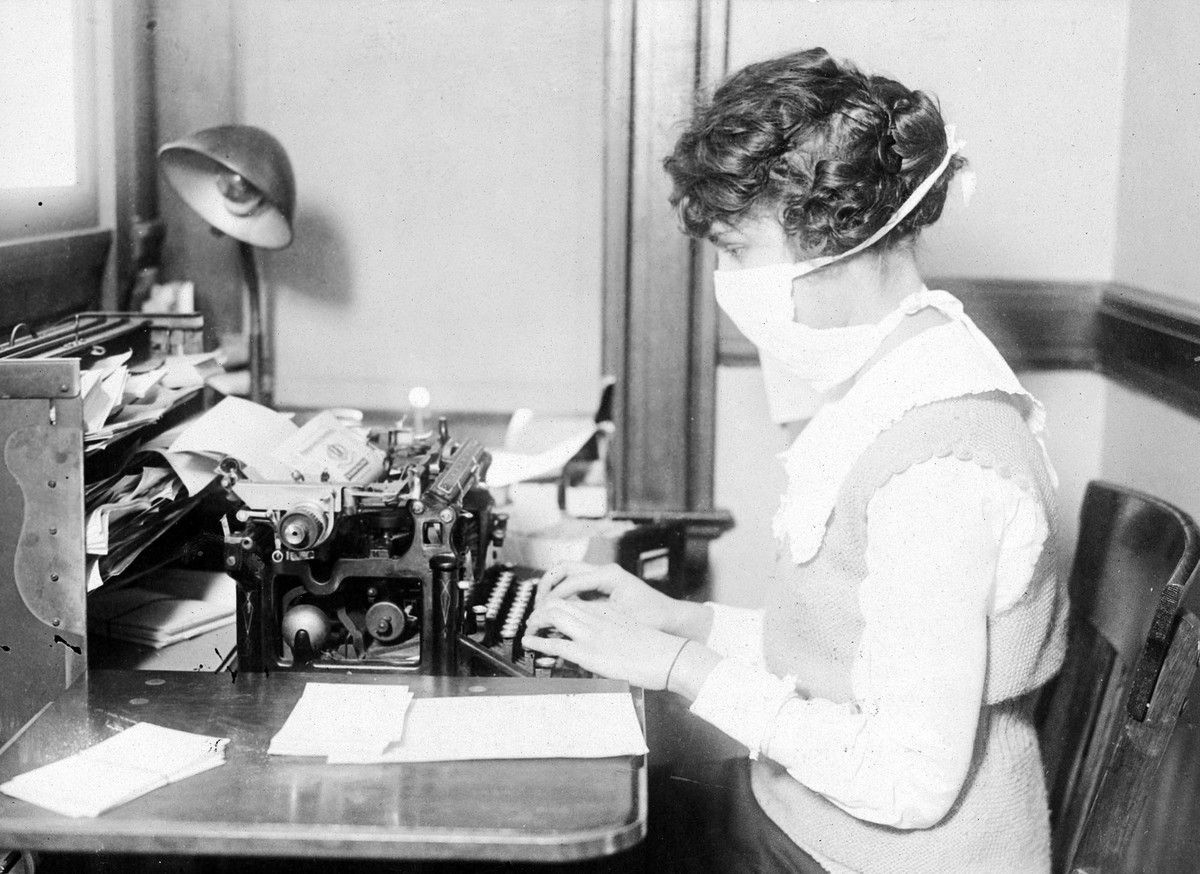
(Photo credit: Wikimedia Commons / Google Books).