

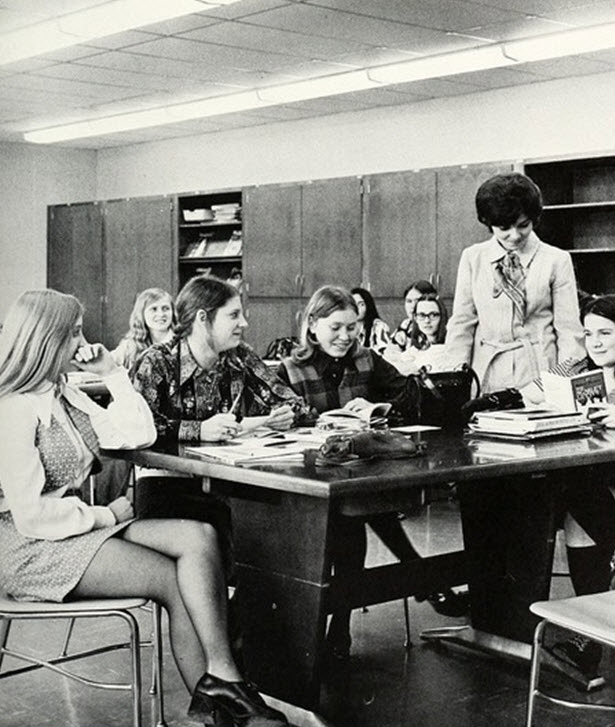
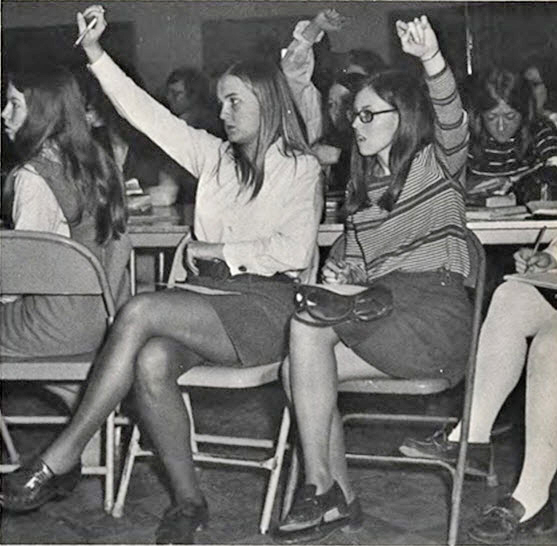
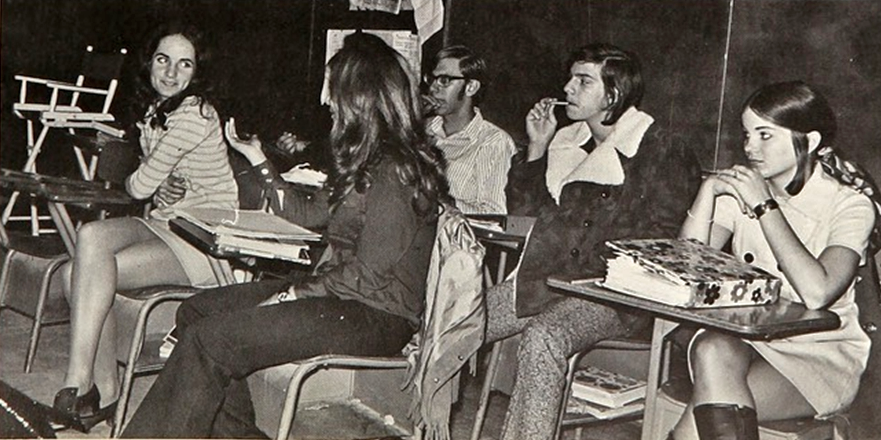
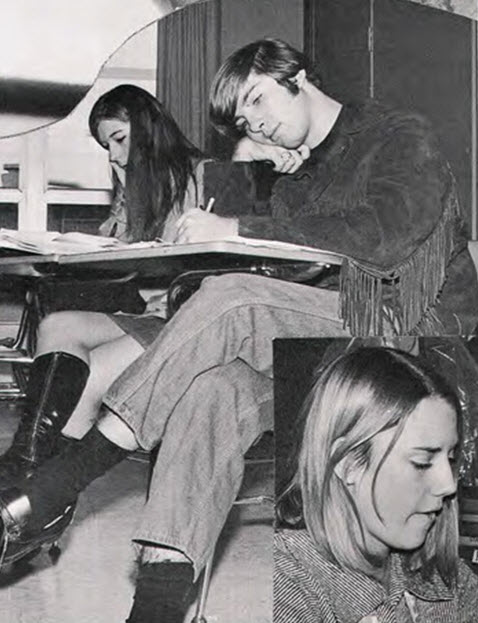
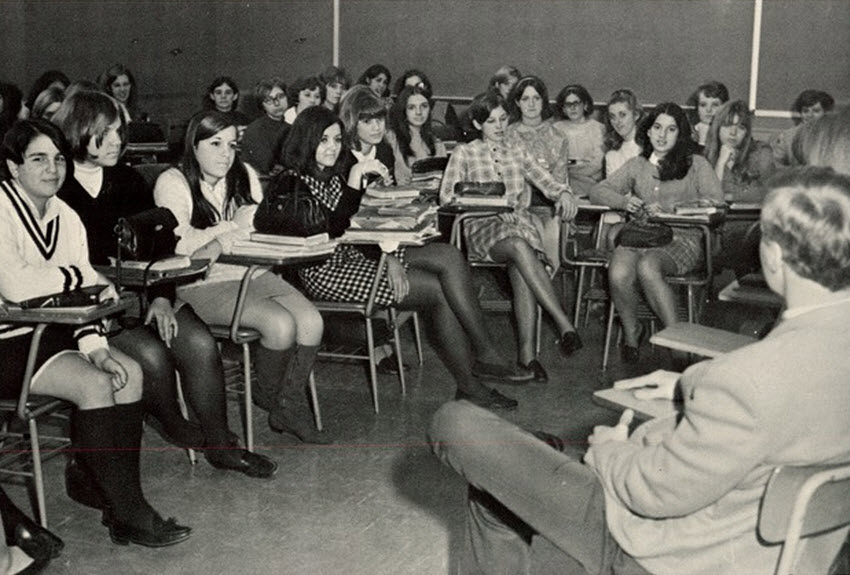
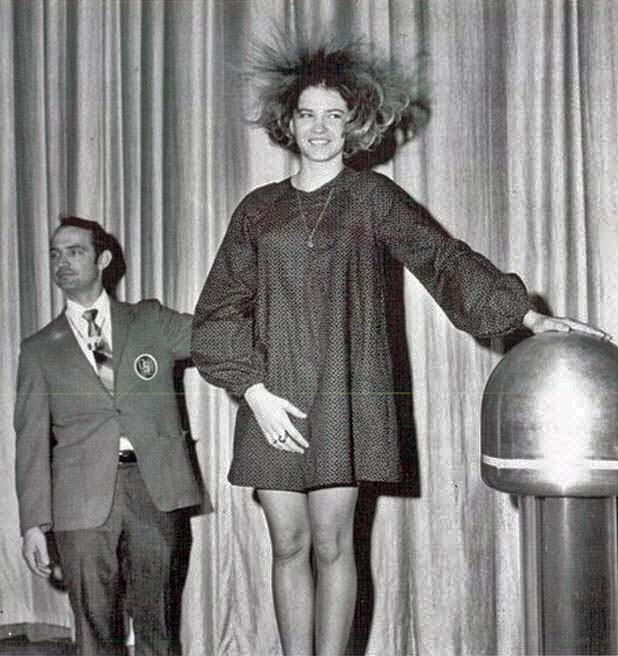
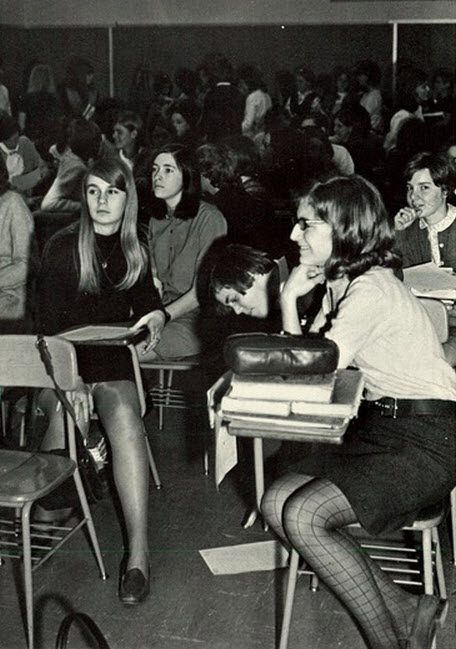
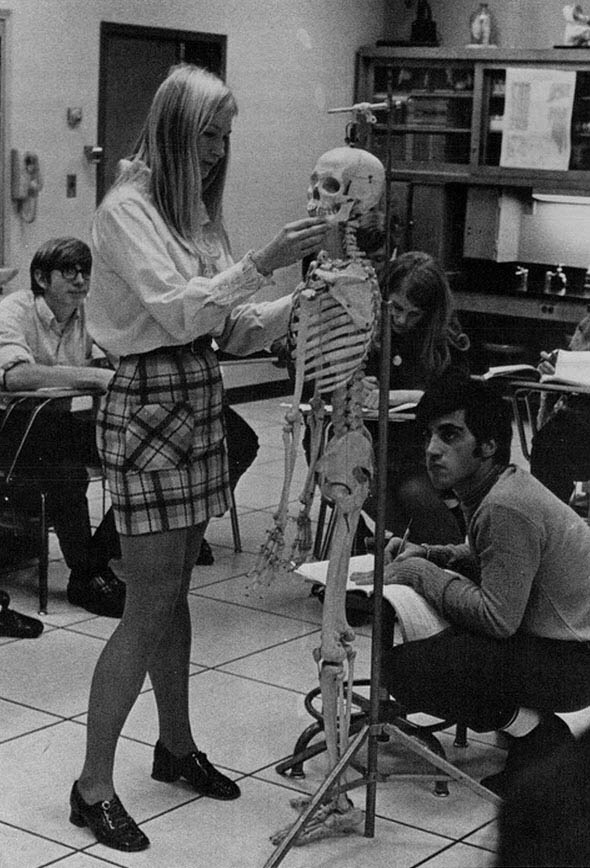
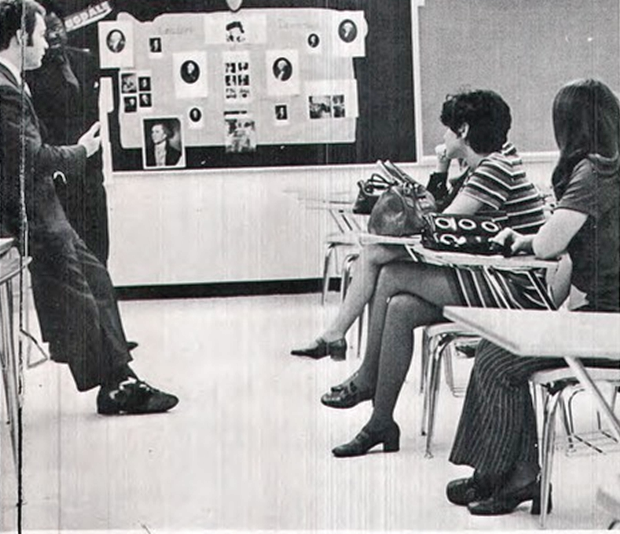
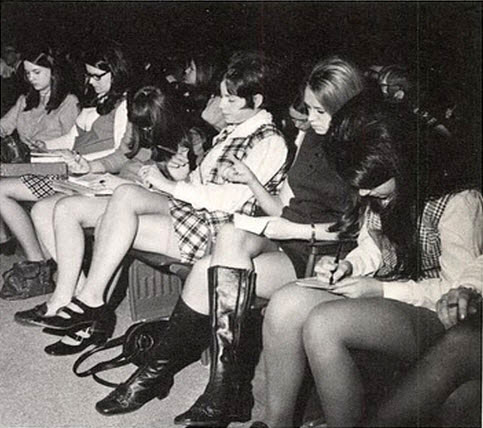
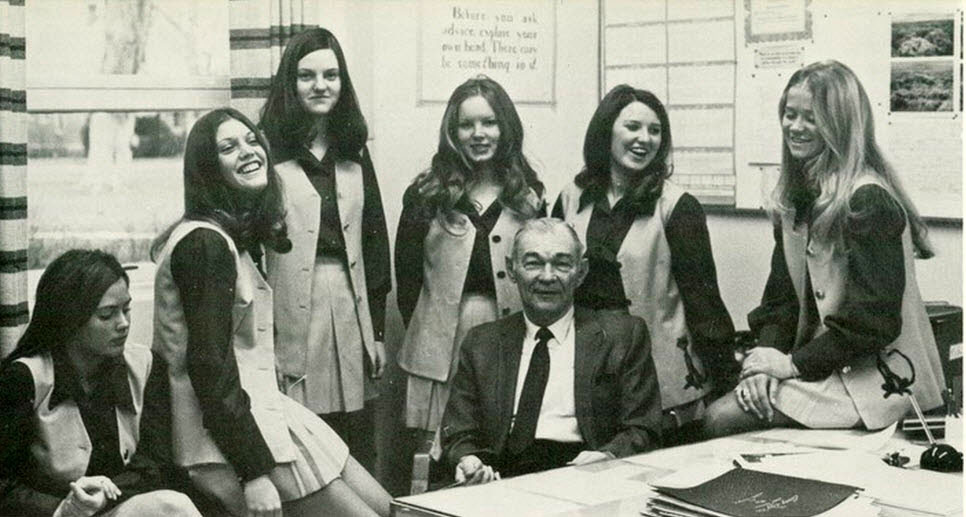
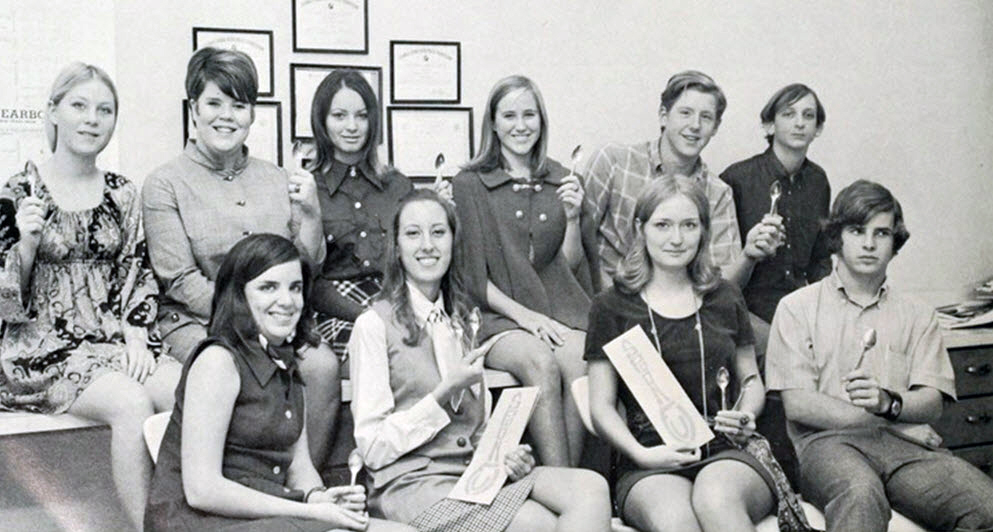
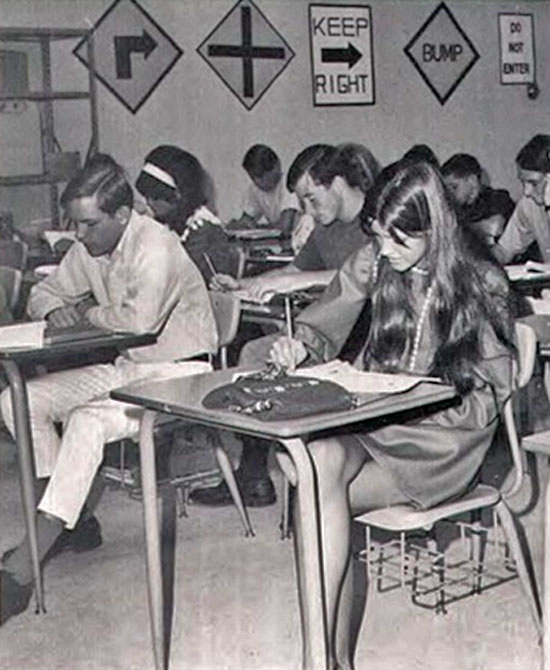
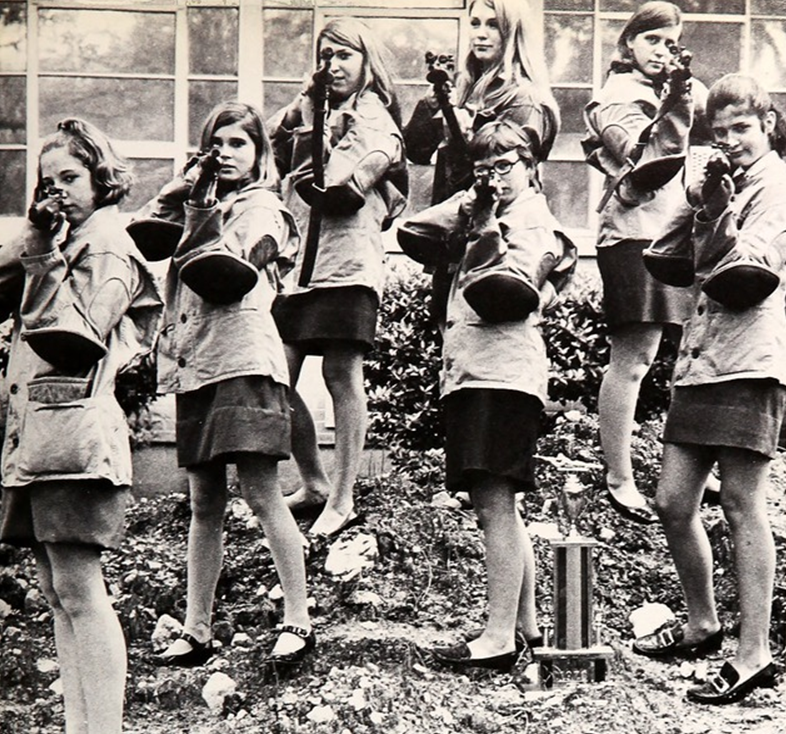
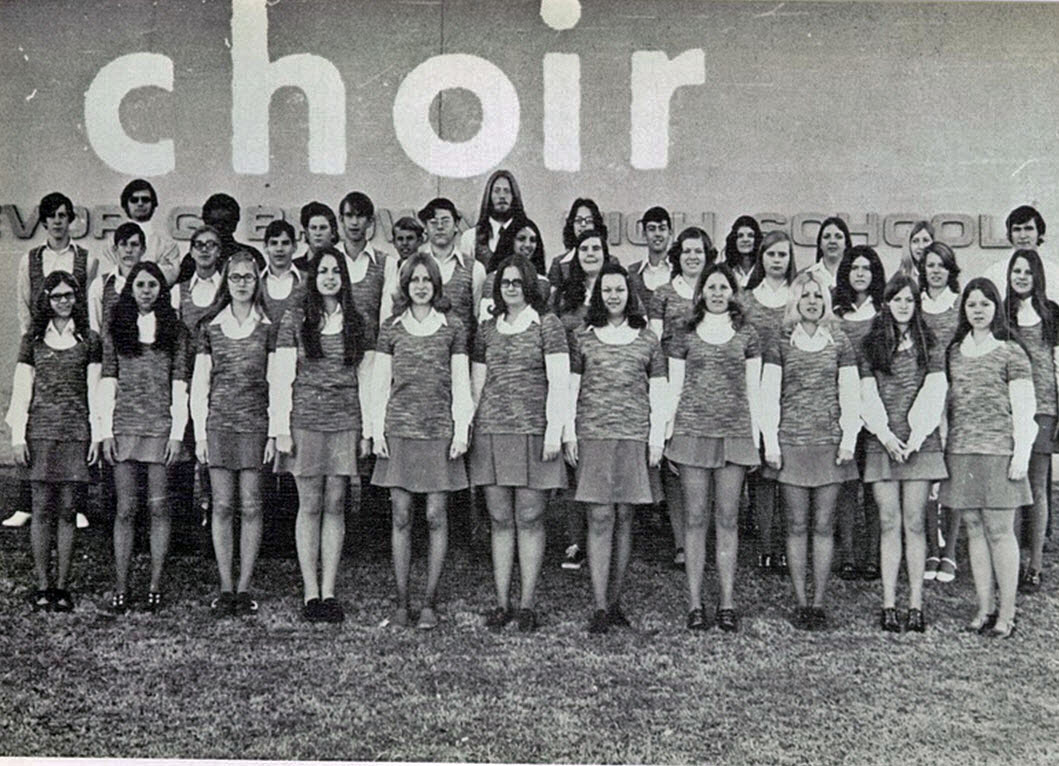
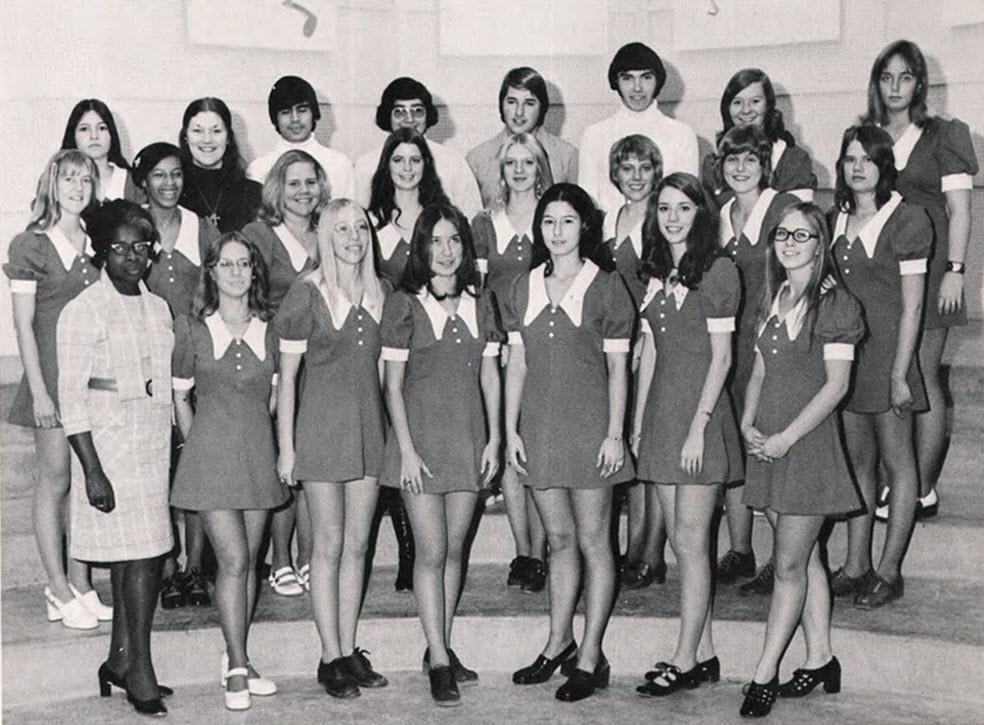
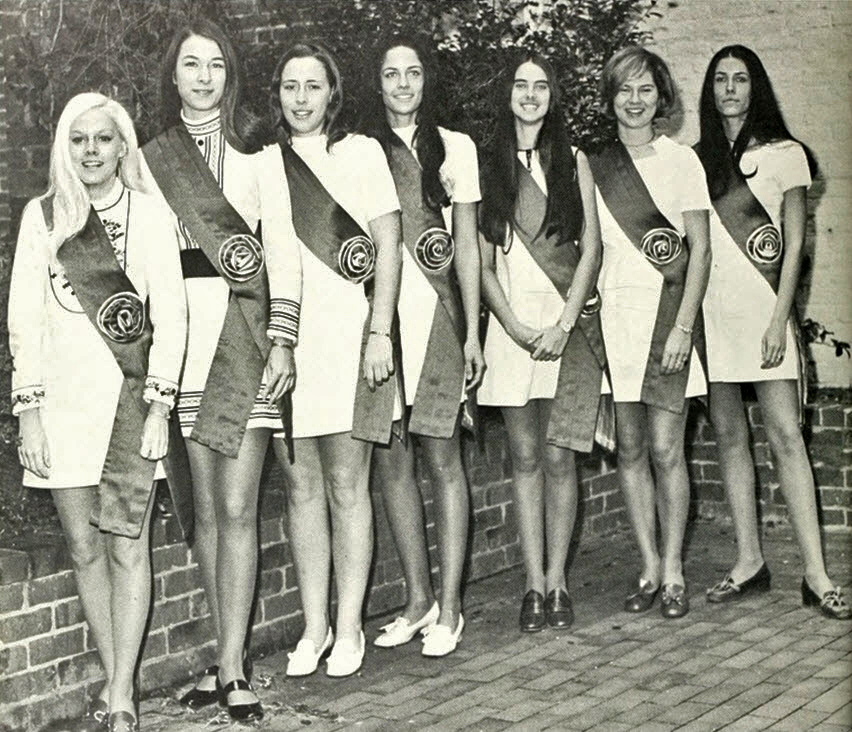
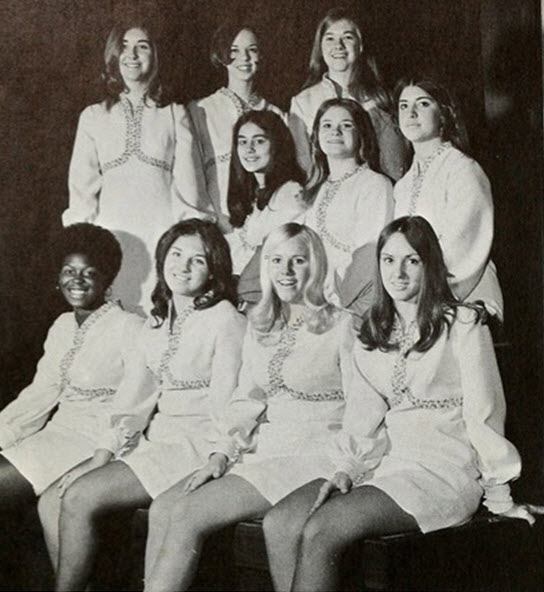
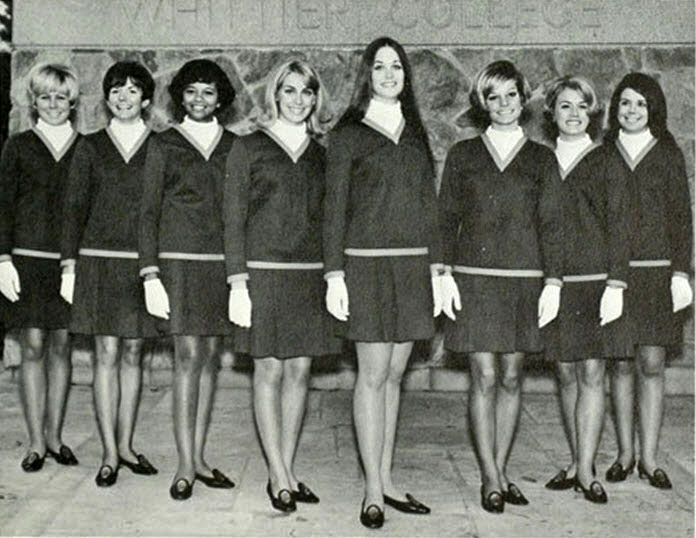
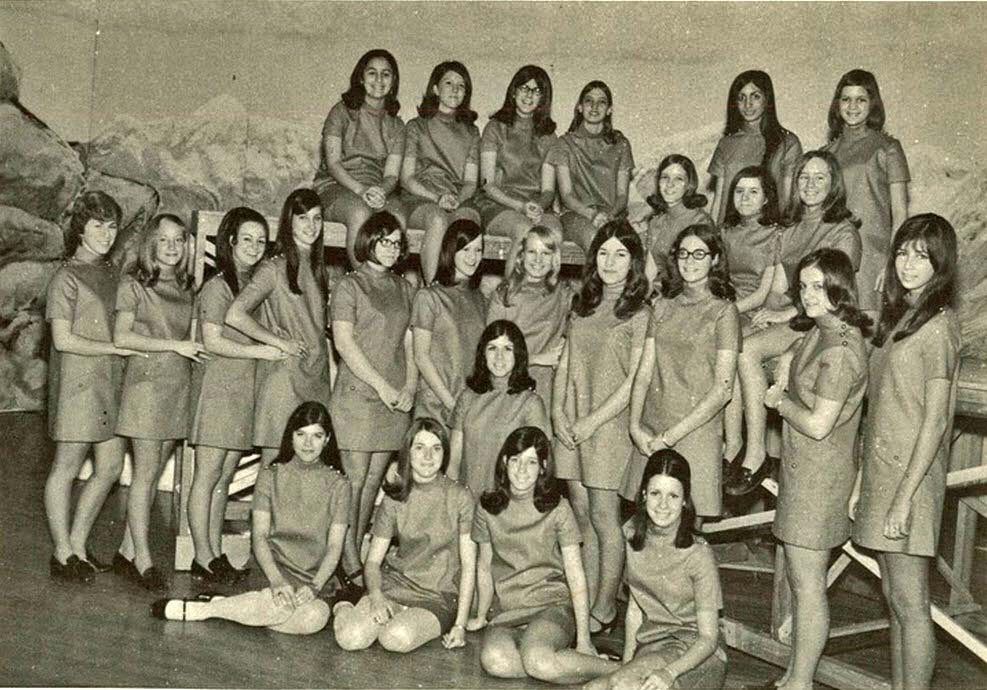
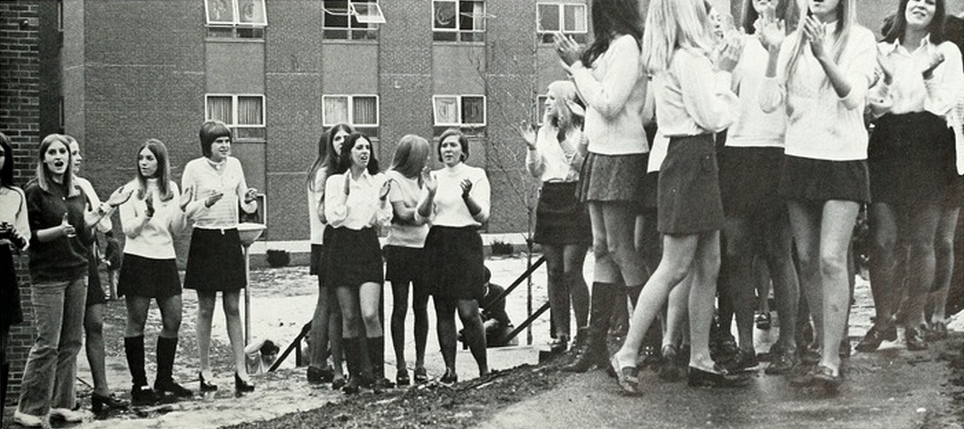
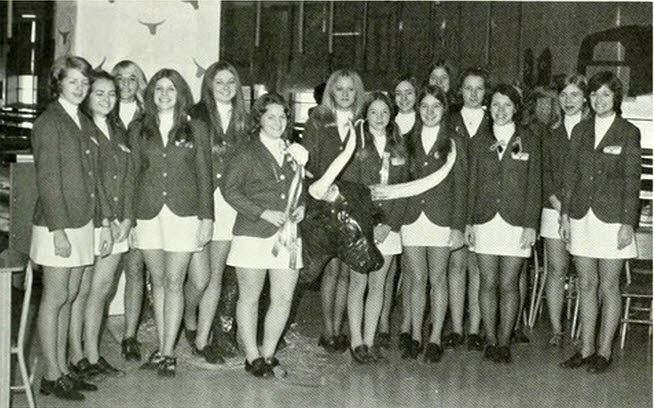
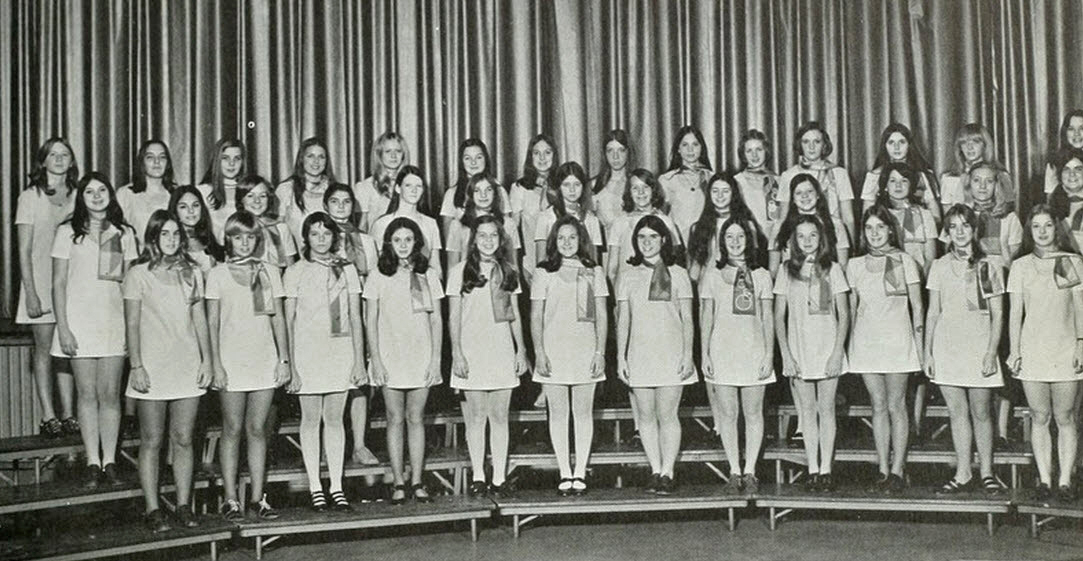
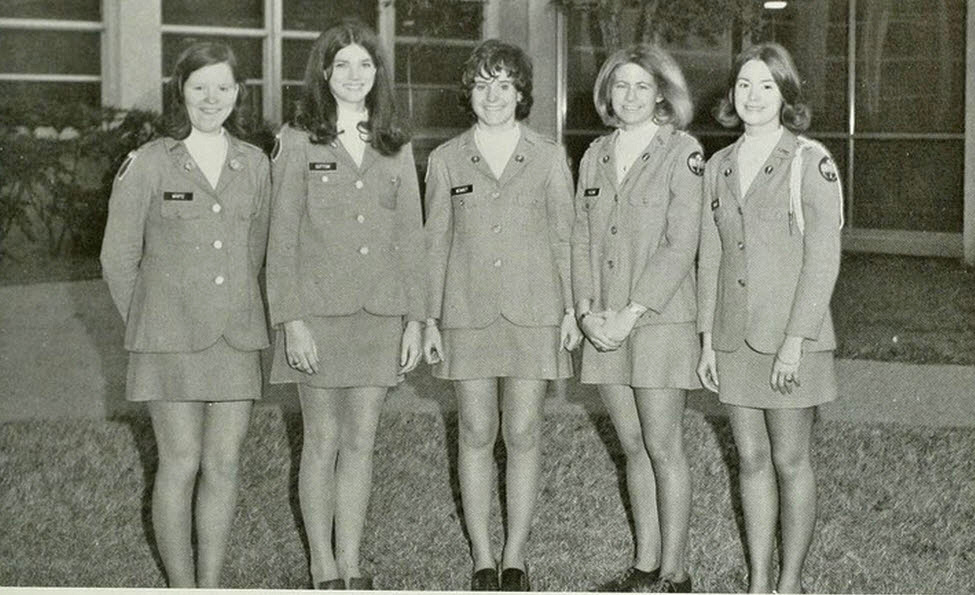
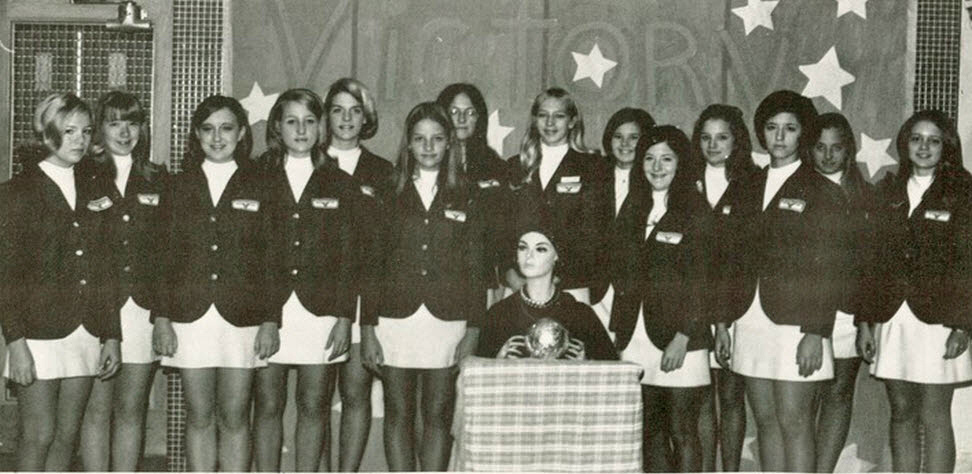
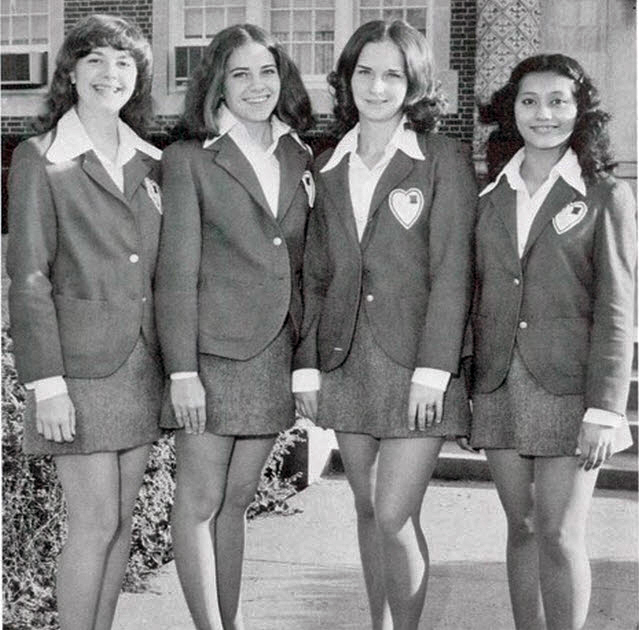
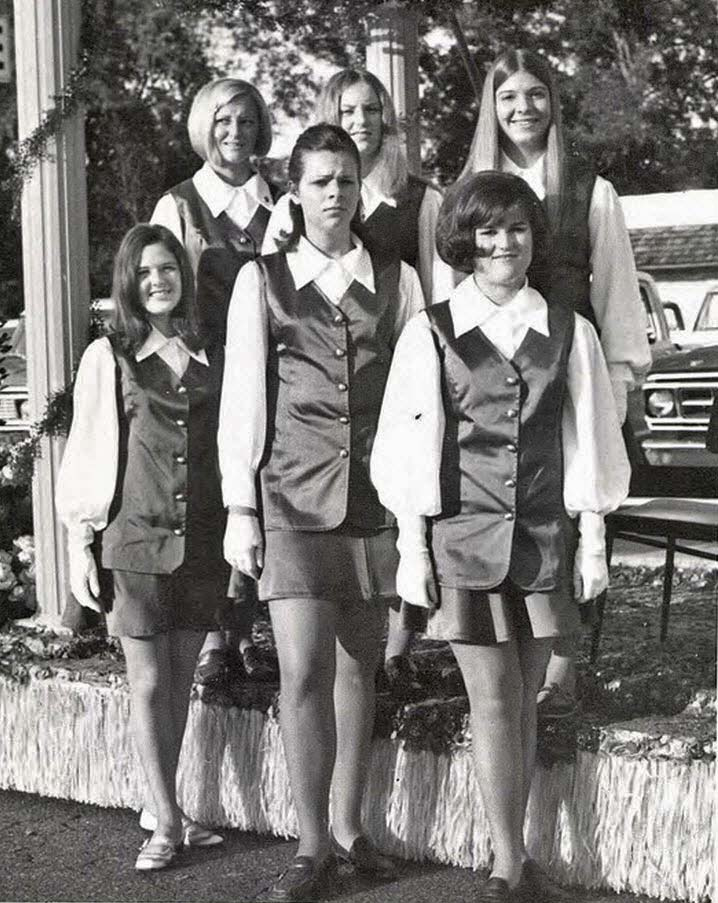
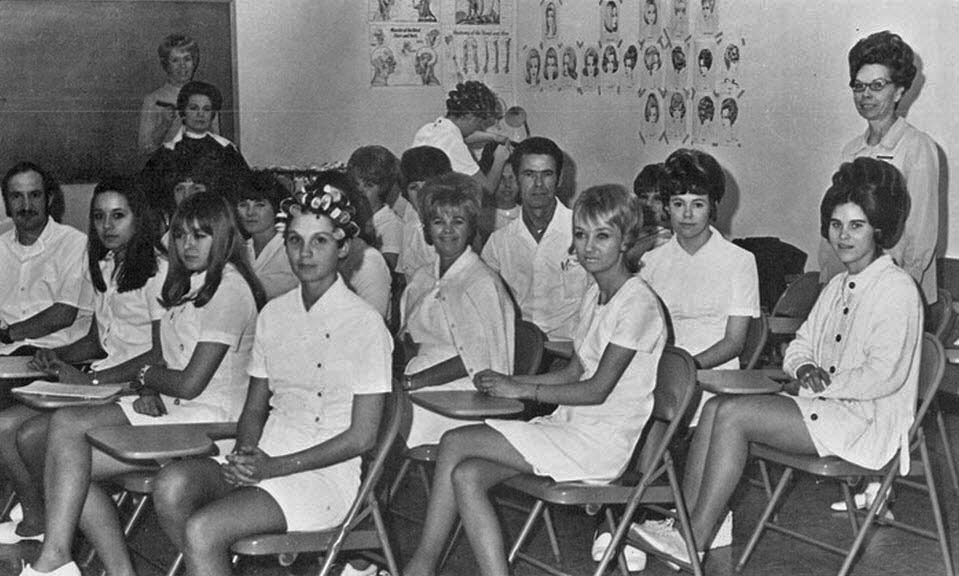
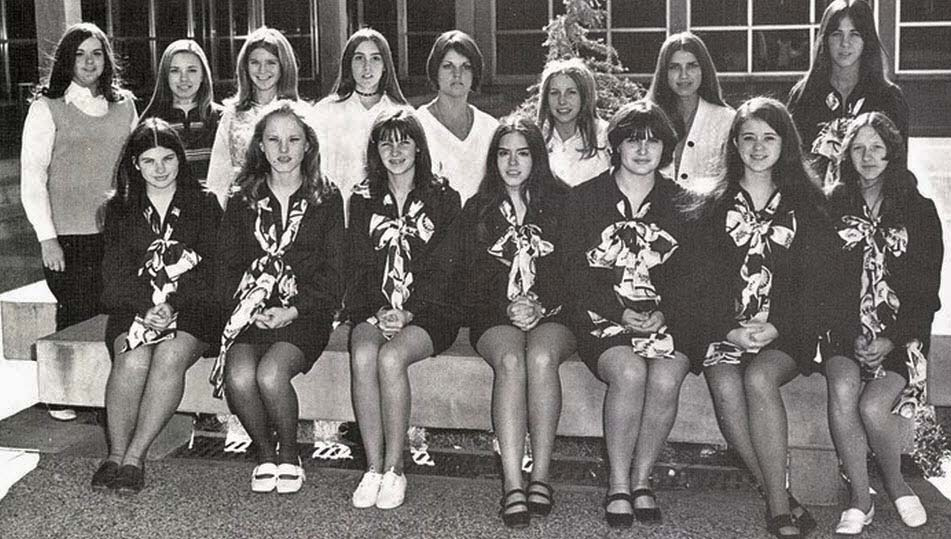
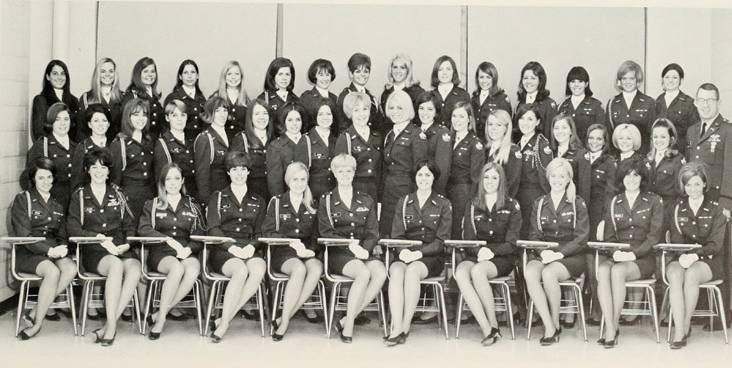
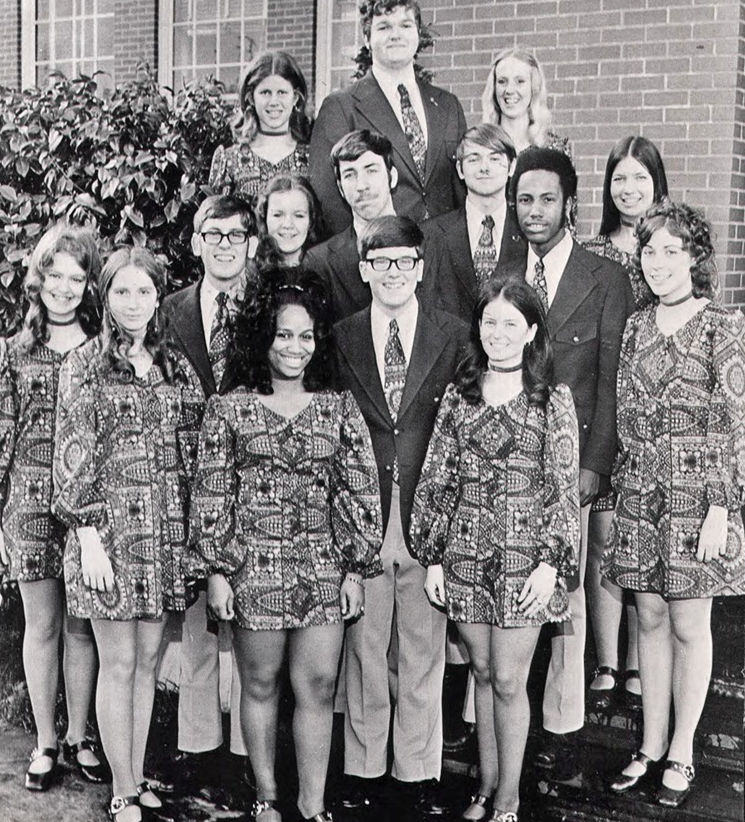
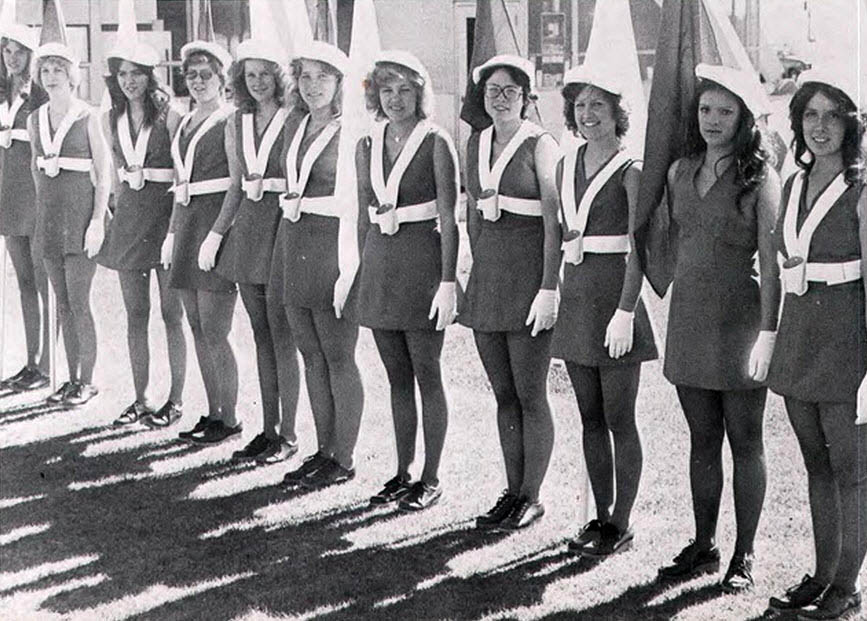
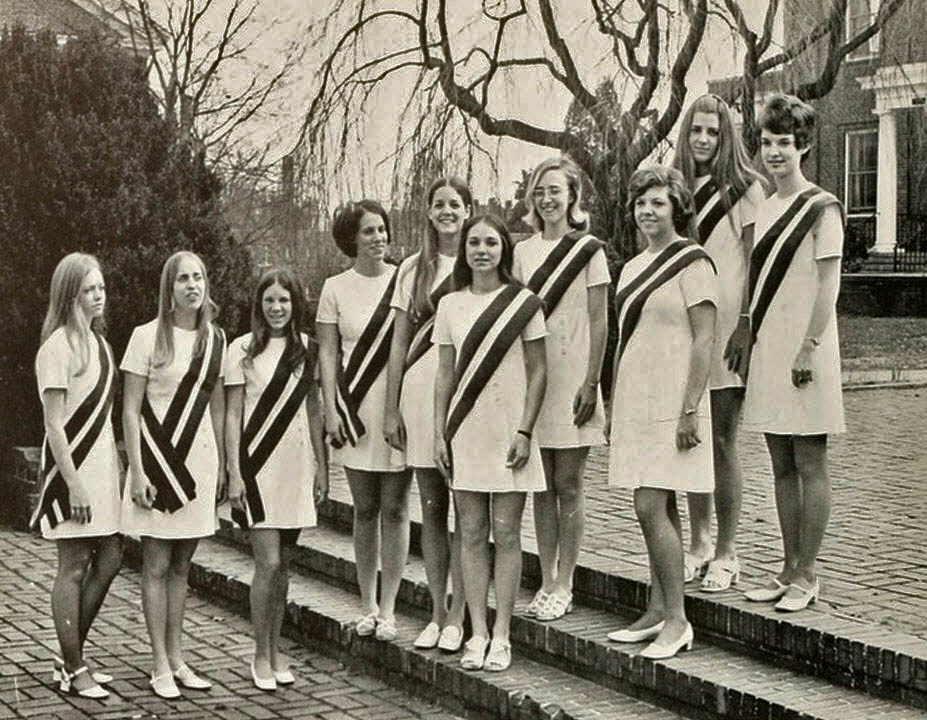
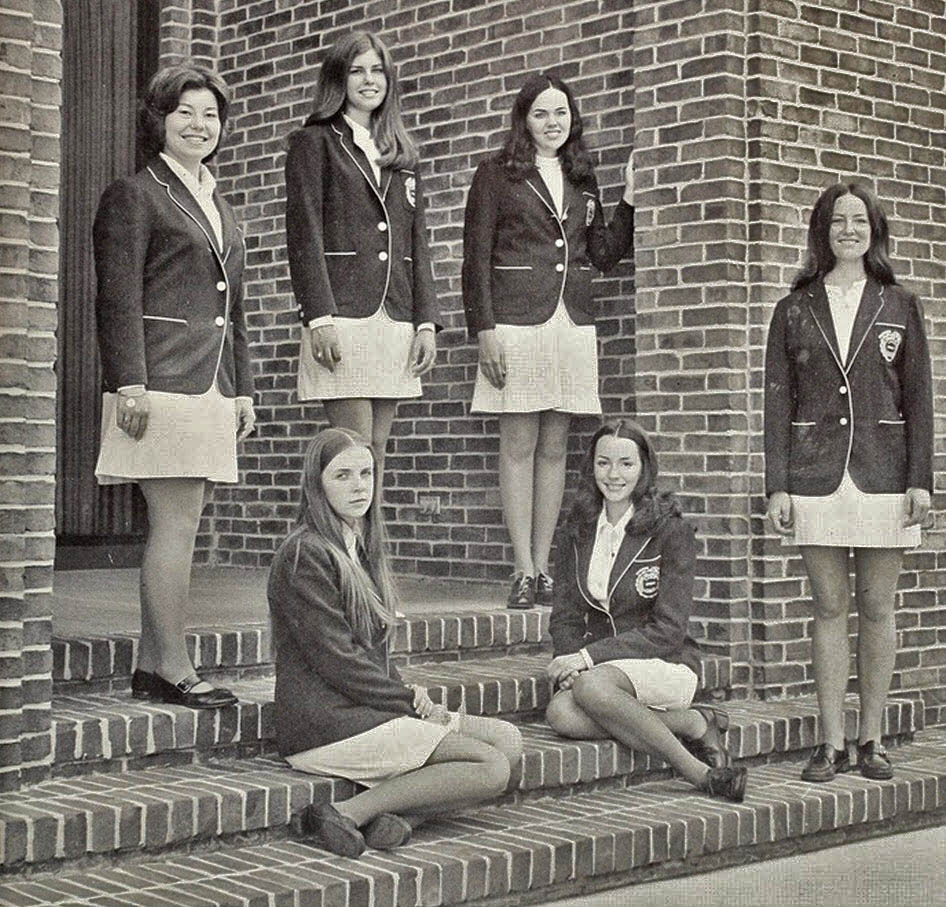
A yearbook page from the 1970s rarely looks like a fashion statement at first glance, yet look closer and the hemlines tell their own story.
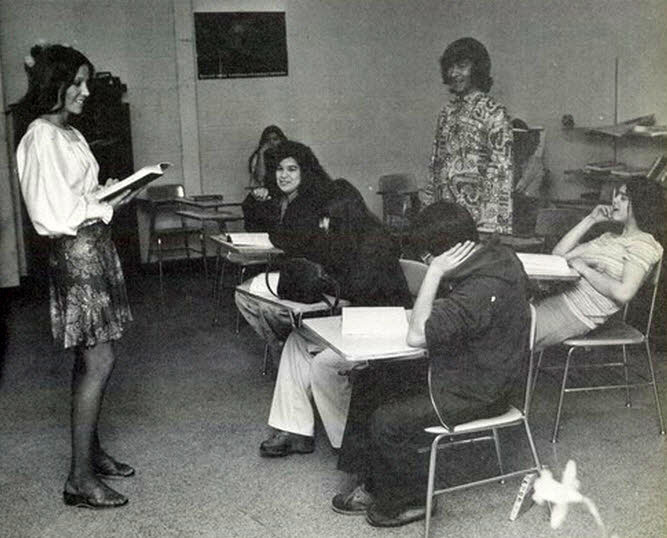
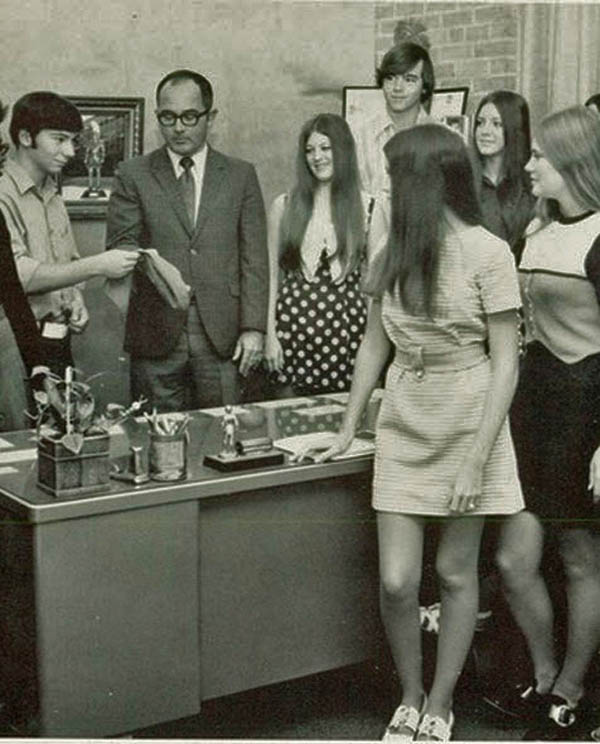
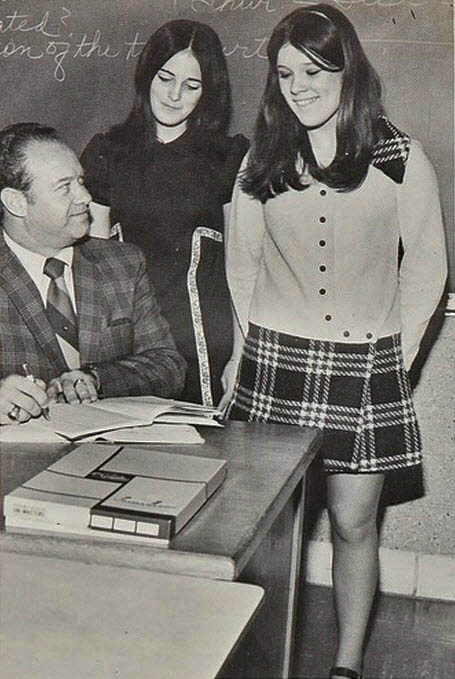
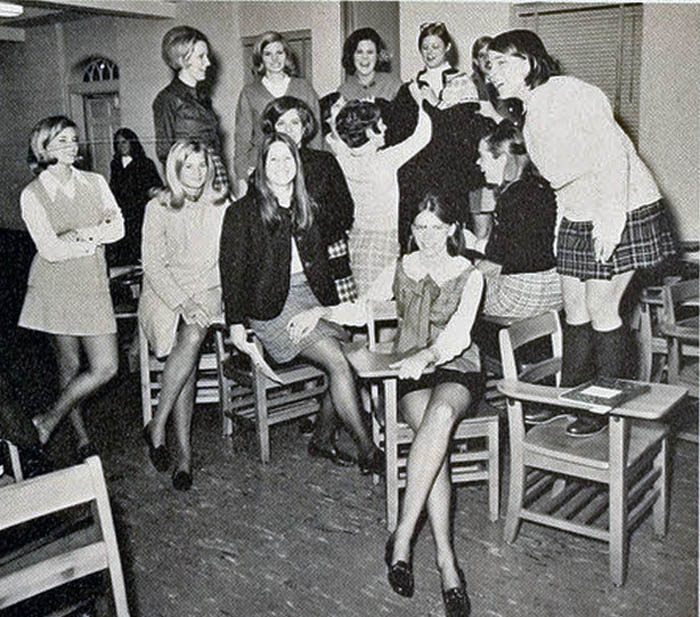
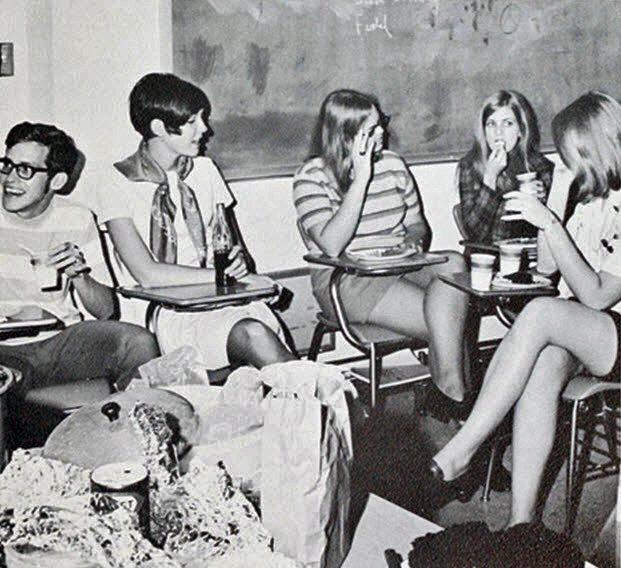
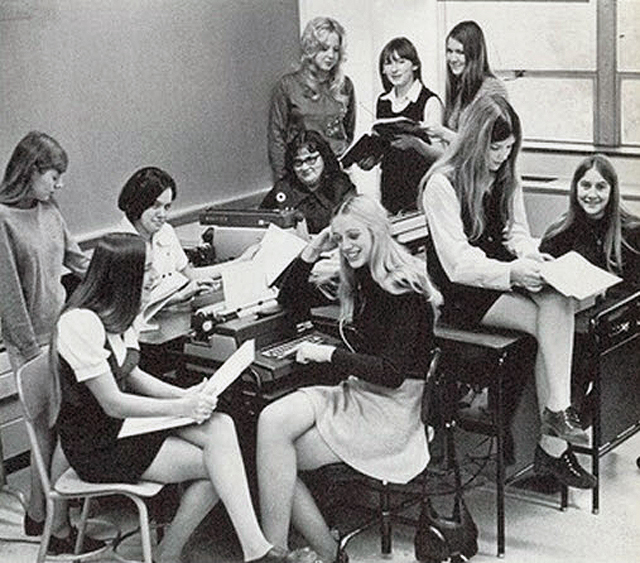
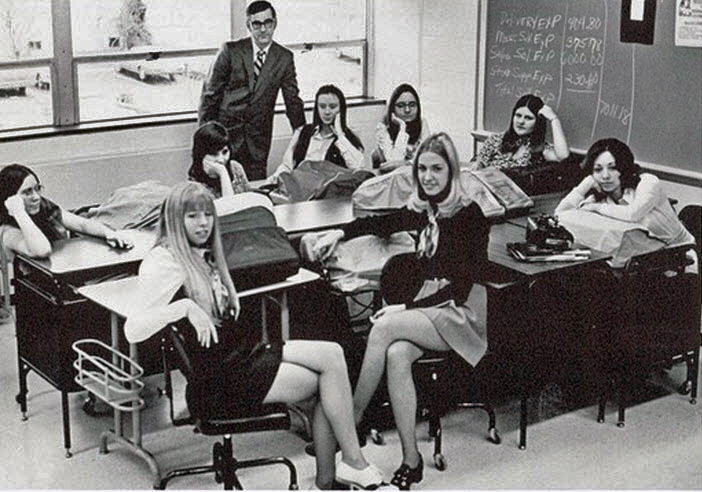
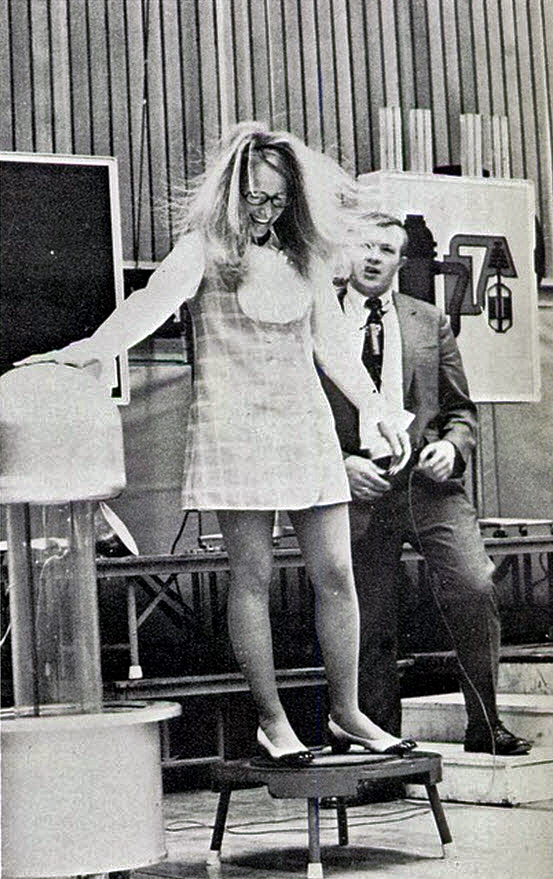
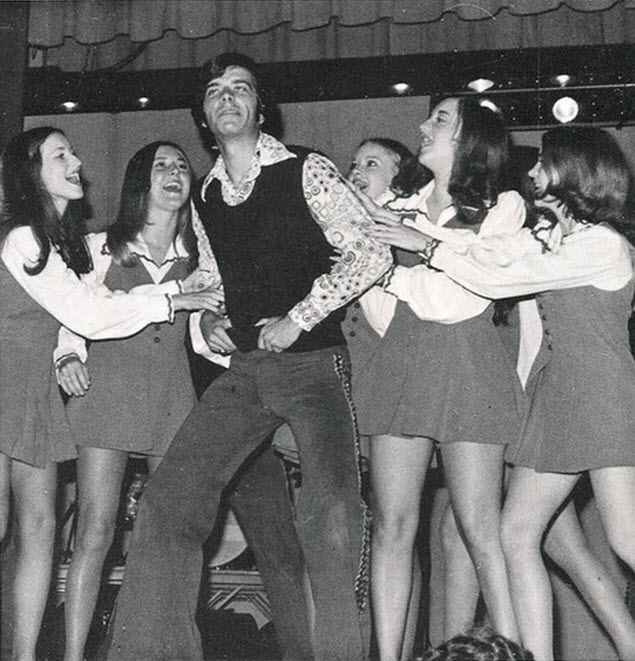
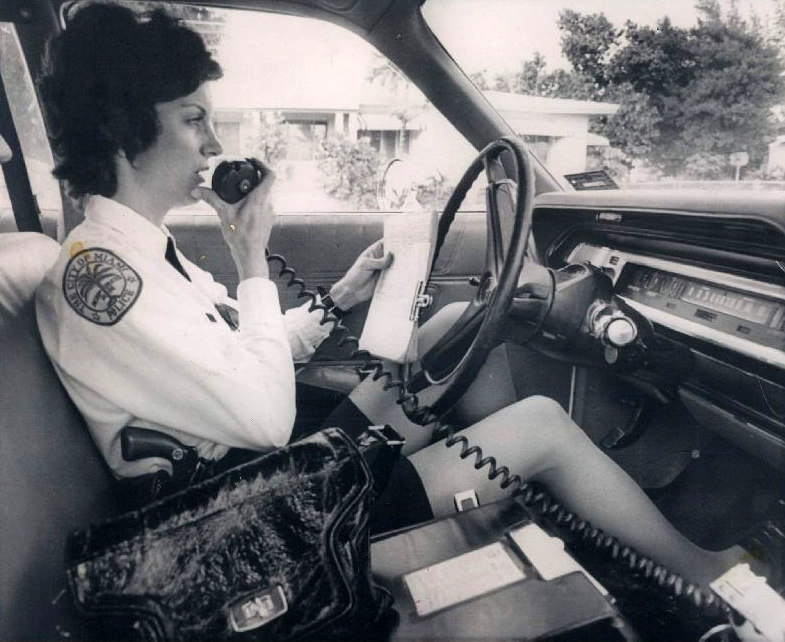
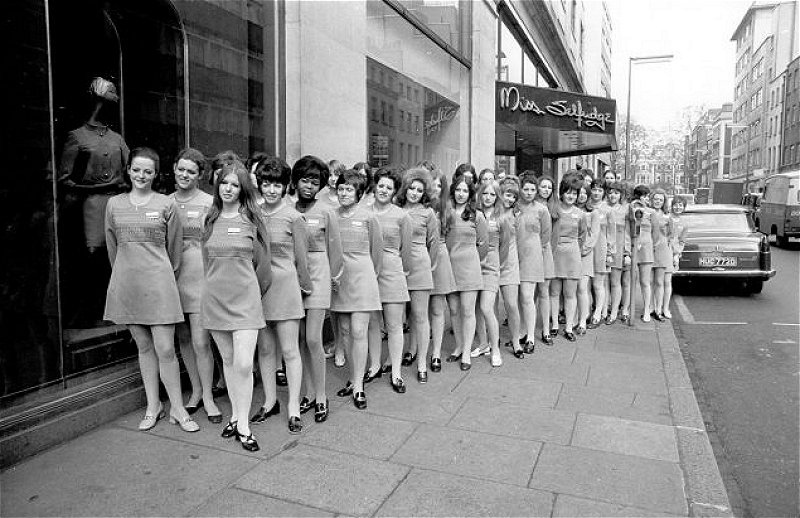
Row after row of young women pose in skirts several inches above the knee, a length that had been considered scandalous barely a decade earlier.
These photographs, tucked away in family albums and school archives, offer a window into one of the most contested fashion moments of the twentieth century, a period when a single garment became tangled up with questions of freedom, propriety, and generational change.
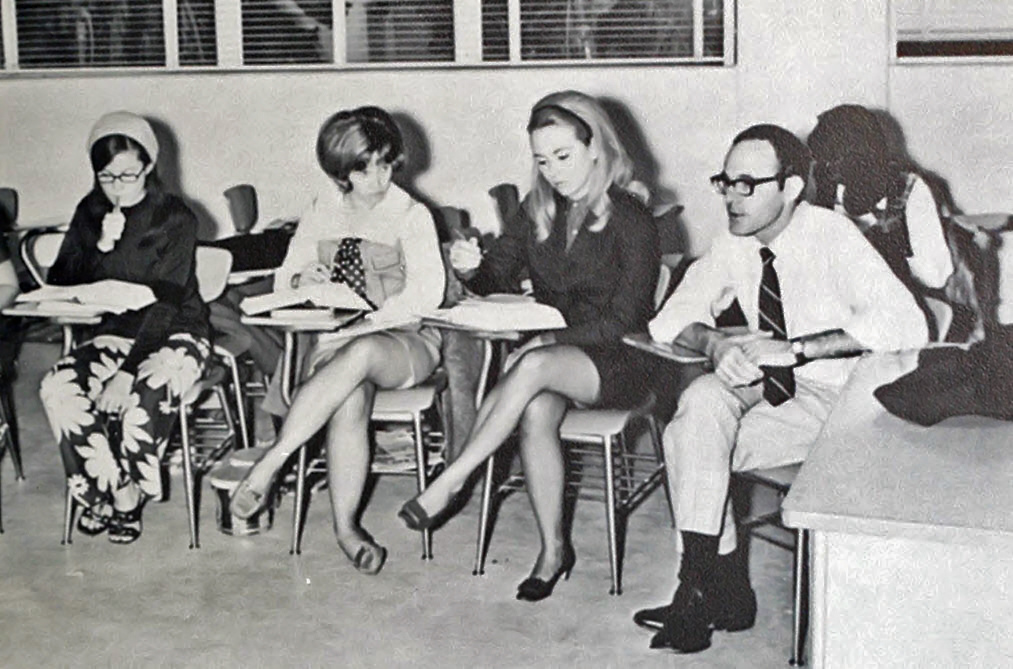 The miniskirt did not begin in the 1970s. Its origins date to the mid-1960s in London, where designer Mary Quant popularized the short hemline that model Twiggy helped turn into an international sensation.
The style drew both supporters and critics, blamed by some for corrupting youth morality and undermining feminine respectability, while high schools across the country responded by banning it outright on the grounds that it created a distraction in the classroom.
Despite that resistance, the skirt kept climbing in popularity through the rest of the decade and carried its momentum straight into the 1970s.
 That momentum collided head-on with an industry effort to end it.
By 1968, the trade publication Women’s Wear Daily had gone so far as to discourage the miniskirt among its own staff, and fashion insiders began predicting the style’s decline in favor of longer midi and maxi lengths.
Matters reached a peak around 1970, when the fashion industry pushed hard for the longer midi hemline, marketed under the more elegant-sounding name “longuette.”
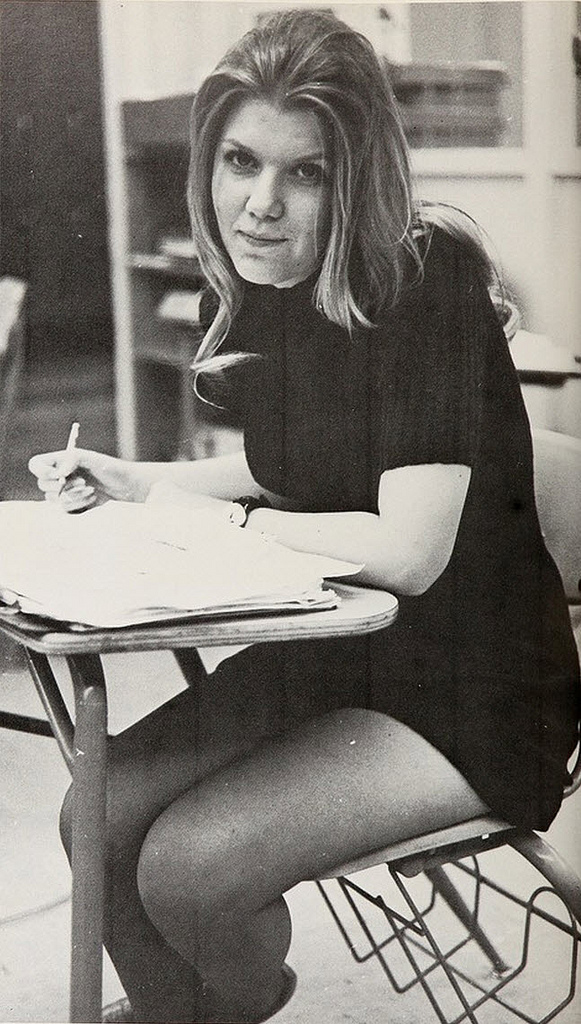 Department stores joined the campaign in force. By August of that year, major New York retailers had made the midi mandatory for sales staff, with the president of Saks Fifth Avenue declaring the mini “as dead as a doornail.”
Ordinary women disagreed, and their response was immediate.
A 1970 opinion poll found that 59 percent of women favored the mini compared to just 32 percent who preferred the midi, and the backlash included petitions, boycotts, and the formation of protest groups organized specifically to fight the new length.
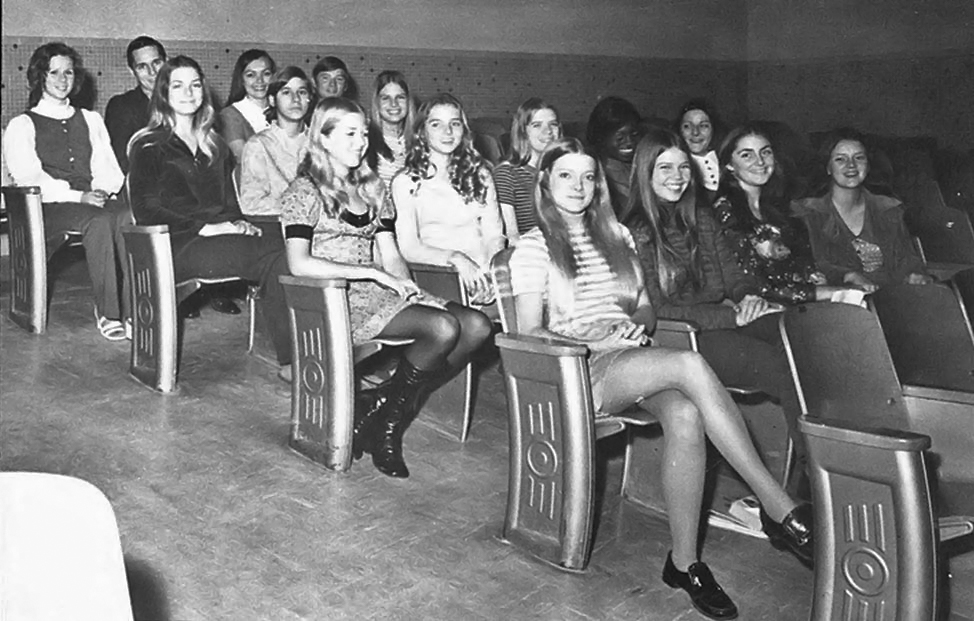 A separate poll conducted by New York’s Daily News that same year found that 83 percent of readers were still wearing skirts above the knee in open defiance of the industry’s push.
One young Philadelphia woman summed up the mood of many when she said she planned to keep wearing the mini even if it went out of style, a sentiment that left retailers uncertain about what to stock as no clear consensus on hemline length ever emerged.
 In classrooms and on campuses, the outcome of that broader cultural standoff played out unevenly.
Some school districts held firm to conservative dress codes throughout the early 1970s, continuing to treat short skirts as inappropriate for an educational setting.
Others relaxed considerably as the decade progressed, a shift that paralleled a wider legal conversation happening around student rights at the time.

In 1969, the Supreme Court ruled in Tinker v. Des Moines that students do not lose their constitutional rights to expression once they enter school grounds, a decision that, while centered on political speech rather than fashion, contributed to an environment in which schools faced growing scrutiny over how strictly they could police what students wore.
Against that backdrop, many administrators found it increasingly difficult to justify rigid clothing restrictions, and dress codes across the country began loosening in fits and starts rather than all at once.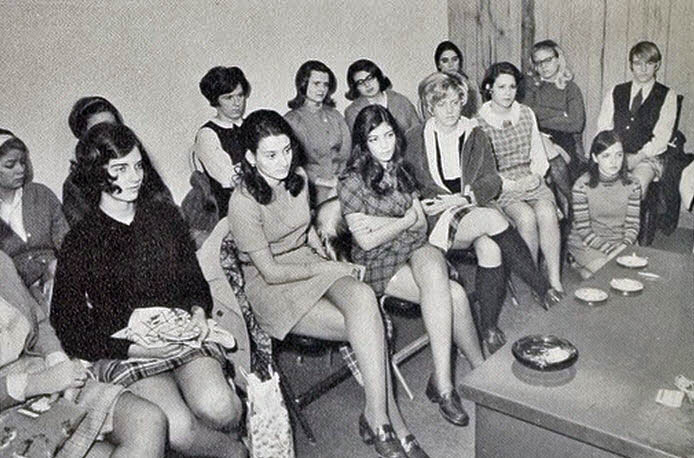 The mini itself proved remarkably resilient. While the fashion press continued pushing the midi through the early 1970s, the miniskirt held its ground, even as hot pants entered the scene and maxi skirts found their own following later in the decade.
That shift coincided with the rise of second-wave feminism and the passage of Title IX, developments that brought greater athletic and educational opportunity for women and, with it, a fashion culture that increasingly valued comfort, fitness, and self-determined style over externally imposed standards.  College campuses tended to embrace the change more readily than high schools, reflecting the greater personal freedom students found once they left home.
By the middle of the decade, the miniskirt had settled comfortably alongside bell-bottoms, platform shoes, and flowing maxi dresses as just one option among many.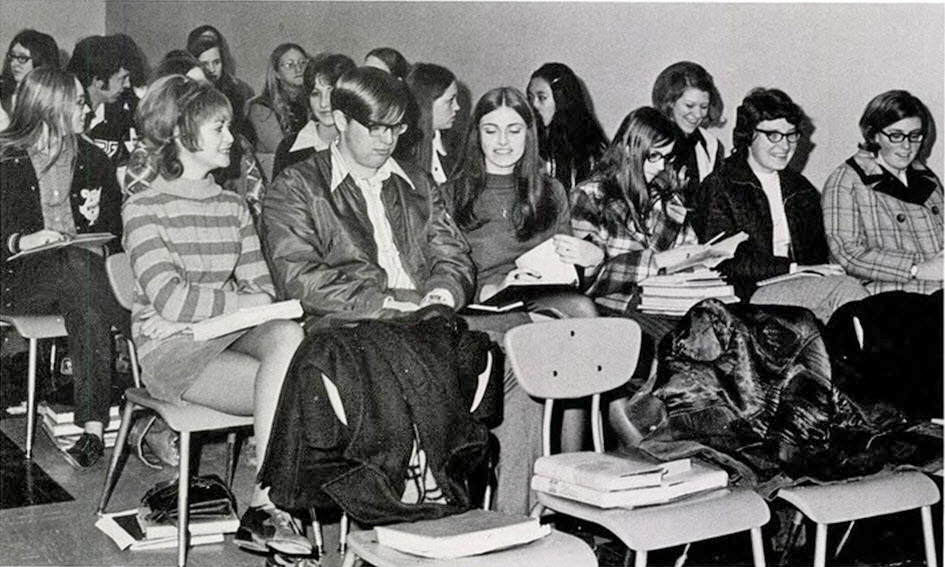






(Photo credit: Wikimedia Commons / Flickr).