
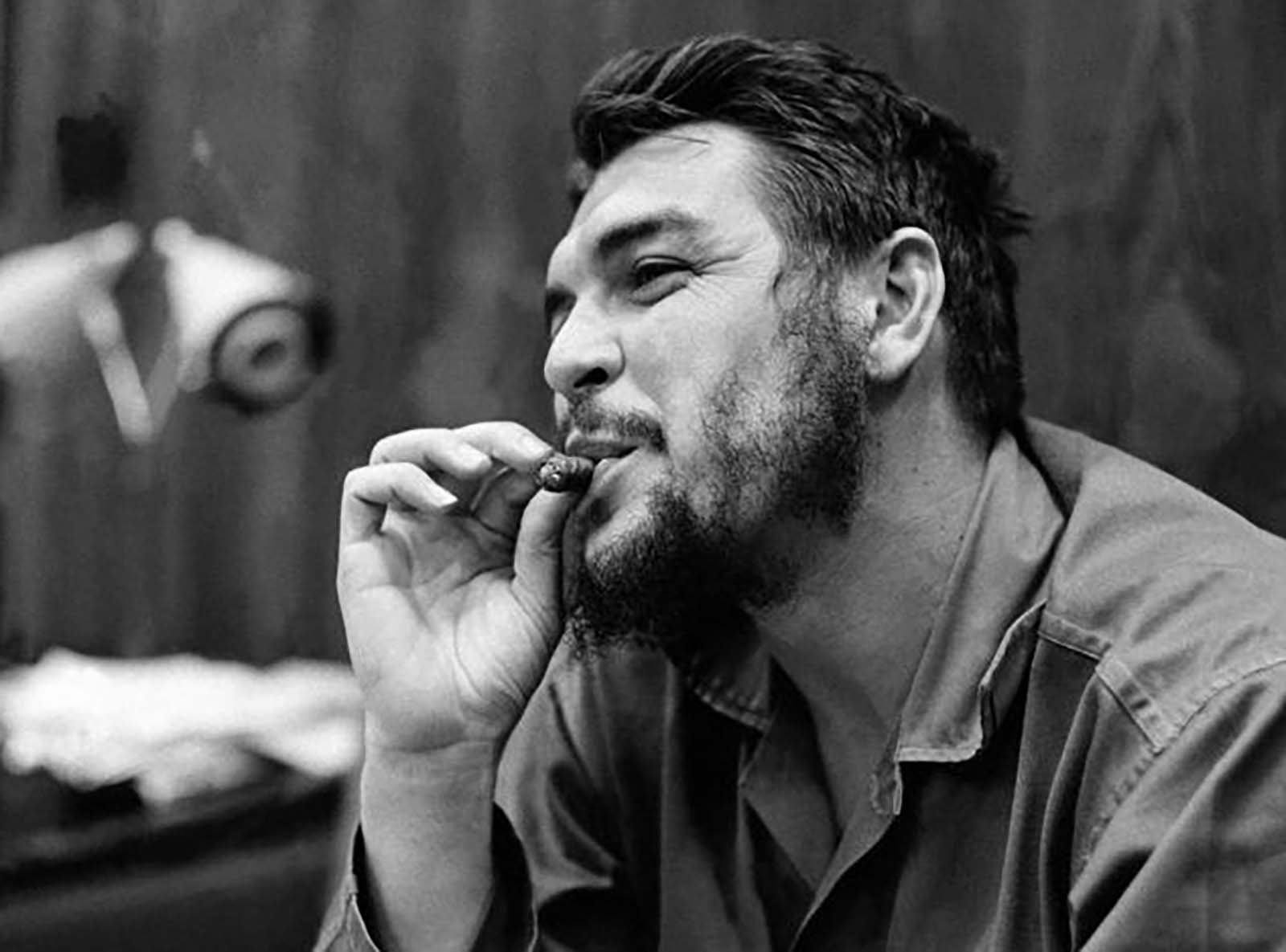
Few figures of the twentieth century have left behind a presence as unmistakable as Ernesto “Che” Guevara.
His image, reproduced on posters, album covers, and banners around the world, became an emblem of rebellion long after the man himself was gone.
Yet behind the familiar icon stood a far more complex individual: a trained physician, a revolutionary strategist, a political leader, and a restless traveler who believed that history could be reshaped through radical action.
Born in Argentina, Guevara grew from a young medical student into a committed Marxist revolutionary.
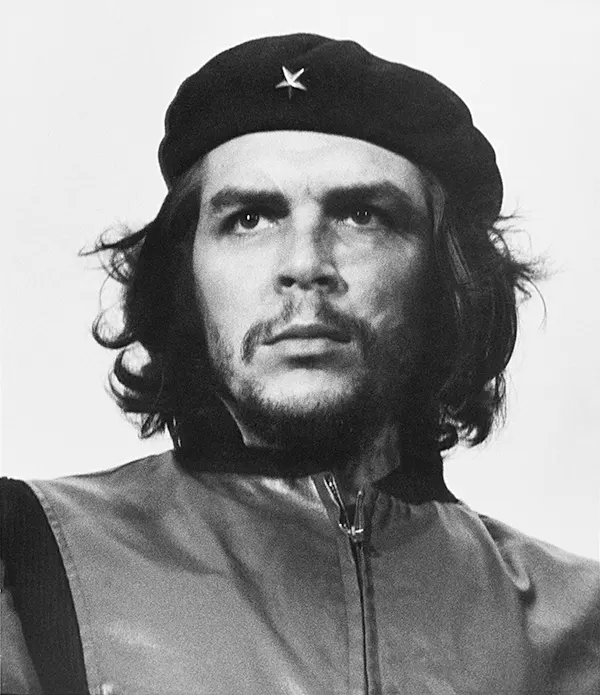
Guerrillero Heroico, 1960.
His journeys across South America exposed him to the harsh realities of poverty, hunger, and disease, and those experiences shaped his convictions.
Witnessing what he believed to be the capitalist exploitation of Latin America deepened his sense of injustice.
The fervor to change that reality drew him to Guatemala, where he supported the social reforms of President Jacobo Árbenz.
When the CIA helped overthrow the Árbenz government on behalf of the United Fruit Company, Guevara’s ideology solidified and moved decisively toward revolution.
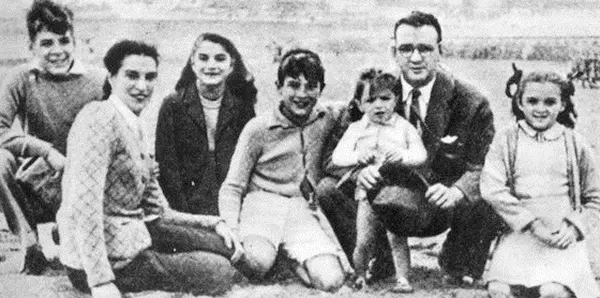
A teenage Ernesto (left) with his parents and siblings, c. 1944, seated beside him from left to right: Celia (mother), Celia (sister), Roberto, Juan Martín, Ernesto (father) and Ana María.
Mexico City became the next turning point. There he met Raúl and Fidel Castro, joined their 26th of July Movement, and boarded the yacht Granma with the aim of toppling the US-backed regime of Fulgencio Batista in Cuba.
Once on the island, Guevara quickly distinguished himself among the insurgents. He rose to second-in-command and helped lead the two-year guerrilla struggle that ultimately removed Batista from power.
The victory made him not only a symbol of armed resistance but also a full participant in building a new state.
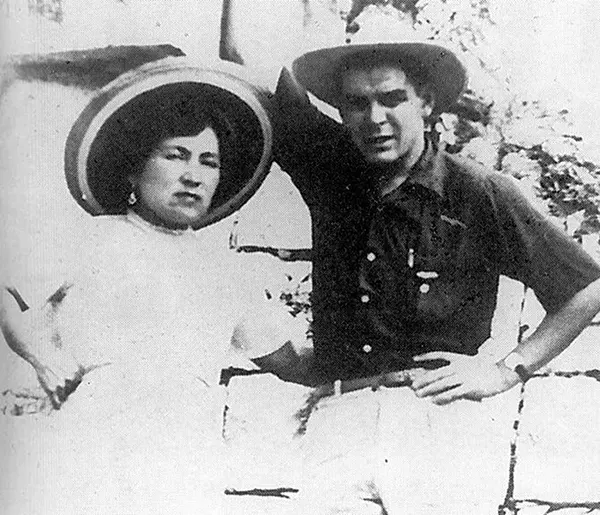
Guevara with his first wife Hilda Gadea at Chichen Itza during their honeymoon trip.
After the revolution, Guevara assumed an array of influential roles. He reviewed appeals during revolutionary tribunals, oversaw agrarian land reform, and served as minister of industries.
He guided a sweeping literacy campaign, became president of the National Bank, worked as instructional director for the armed forces, and represented Cuba abroad as a diplomat.
These positions allowed him to shape the direction of the young socialist government, train militia forces that repelled the Bay of Pigs Invasion, and negotiate the arrival of Soviet nuclear missiles to Cuba, a decision that triggered the tense standoff known as the Cuban Missile Crisis.
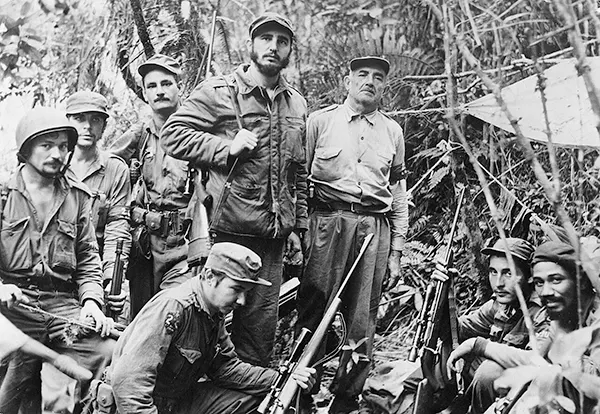
Granma survivors in the Sierra Maestra. Fidel Castro stands at center. Che Guevara stands second from left.
Beyond politics and military strategy, Guevara was also an energetic writer. He produced a key manual on guerrilla warfare and published a widely read memoir about his early motorcycle journey through South America.
His writings, combined with his experiences, led him to conclude that the economic dependence and underdevelopment of the Third World were rooted in imperialism, neocolonialism, and monopoly capitalism.
He believed that only proletarian internationalism and world revolution could break that cycle.
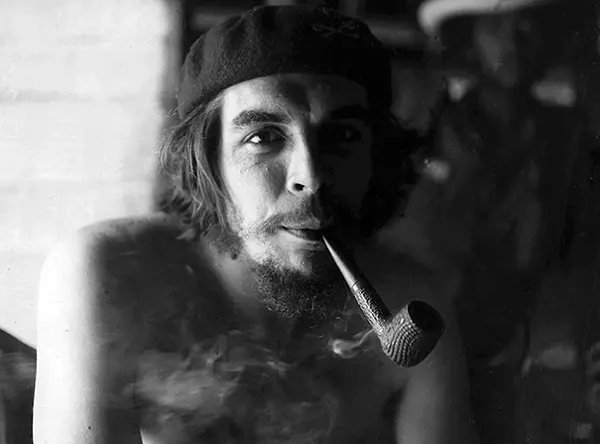
Guevara at his guerrilla base in the Escambray Mountains.
Restless for action, Guevara left Cuba in 1965 to ignite revolutions beyond its shores. His efforts first took him to Congo-Kinshasa and later to Bolivia.
The Bolivian campaign ended in disaster. Captured by Bolivian forces with CIA assistance, he was executed shortly afterward.
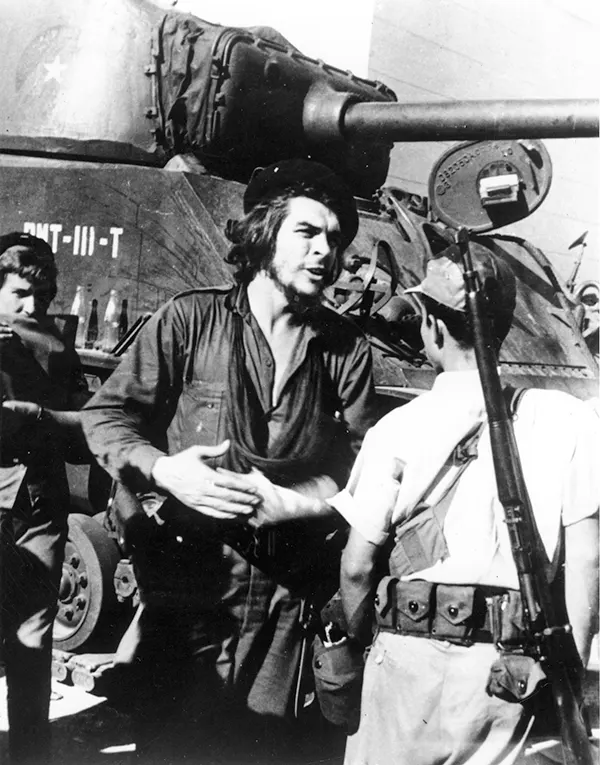
After the Battle of Santa Clara, 1 January 1959.
Guevara remains a deeply polarizing figure. Admirers see in him the “new man” who pursued ideals over material gain and became a timeless symbol for leftist movements.
Others, especially his critics on the political right, condemn him for authoritarian tendencies and the endorsement of violence against opponents. The divide over his legacy has not diminished his impact.
Time magazine named him one of the 100 most influential people of the twentieth century, and the Alberto Korda photograph titled Guerrillero Heroico has been described as “the most famous photograph in the world.”
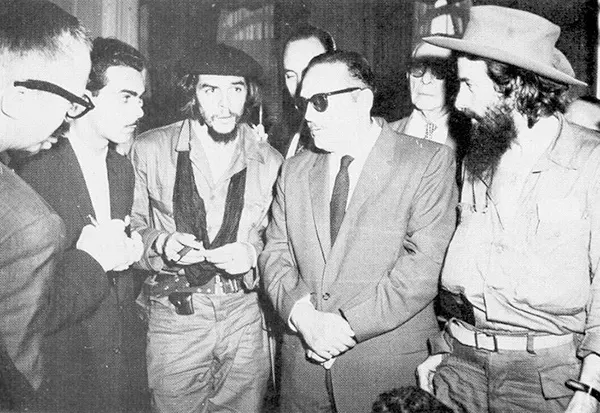
(Right to left) rebel leader Camilo Cienfuegos, Cuban President Manuel Urrutia Lleó, and Guevara (January 1959).
During the Cuban Revolution, Che Personally Executed Many People
During the long struggle that brought down the Batista government in 1959, Che Guevara became known as a man who administered swift and often deadly punishment.
In the remote Sierra Maestra, where Castro’s forces were based, Guevara did not hesitate to enforce discipline.
He dealt with suspected traitors, informants, or even those lacking enthusiasm for the cause with uncompromising severity.
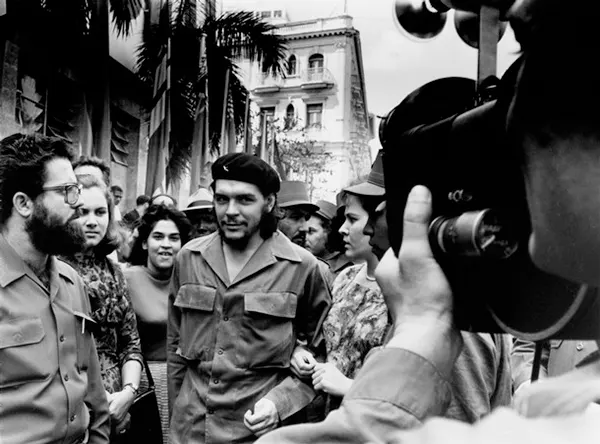
Guevara in 1960, walking through the streets of Havana with his second wife Aleida March (right).
Guevara later described one execution in chilling detail: “….I ended the problem giving him a shot with a .32 [caliber] pistol in the right side of the brain, with exit orifice in the right temporal.
He gasped for a little while and was dead. Upon proceeding to remove his belongings I couldn’t get off the watch tied by a chain to his belt, and then he told me in a steady voice farther away than fear: ‘Yank it off, boy, what does it matter…. I did so and his possessions were now mine.’”
He told his father about the same incident and added: “I’d like to confess, papa, at that moment I discovered that I really like killing.”
For many around him, that remark matched his actions. Fellow fighters and local civilians accused of minor offenses were often executed by Guevara or by those acting under his command.
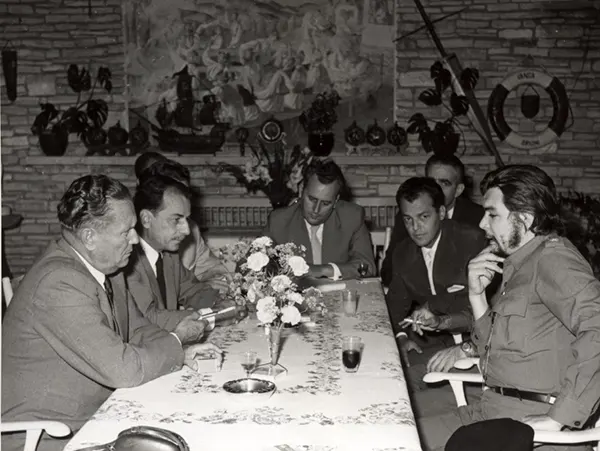
Che Guevara meeting Josip Broz Tito, during Guevara’s 1959 diplomatic travels.
Che Felt Betrayed by the USSR and Supported Plots That Could Spark War
The outcome of the 1962 Cuban Missile Crisis left both Fidel Castro and Guevara feeling betrayed. In their view, when Nikita Khrushchev stepped back from confronting the United States and agreed to remove Soviet missiles from Cuba, the island was abandoned by its most powerful ally.
What the rest of the world saw as a moment of relief, they regarded as humiliation. Only weeks after the crisis ended, a disturbing plot came to light.
On November 17, 1962, the FBI arrested two Cuban envoys to the United Nations, Elsa Montero and Jose Gomez Abad, after discovering incendiary devices and a large amount of TNT.
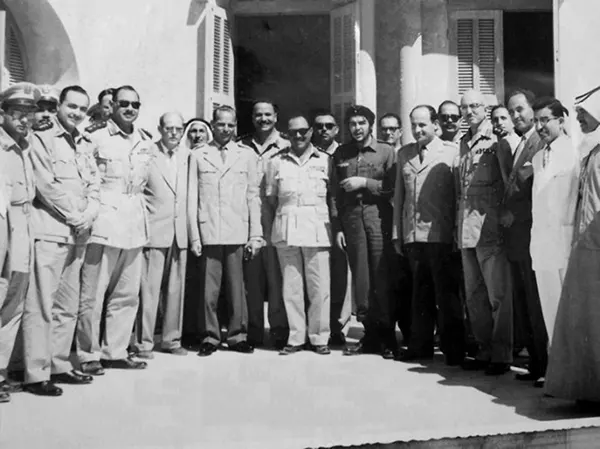
Che Guevara visiting Gaza during his diplomatic tour. (1959)
Prosecutors alleged that the plan was to bomb New York department stores — Macy’s, Gimbel’s, and Bloomingdale’s — as well as Grand Central Terminal. The story appeared on the front page of the New York Times.
The planned date was Black Friday, when the stores would have been packed. The attack, had it succeeded, could have cost countless lives and had dangerous consequences for relations between the United States and Cuba.
While some claims about Che’s support for nuclear strikes on Americans remain debated, this plot alone fuels the belief that the highest levels of the Cuban government were involved, and several commentators — including Humberto Fontova in the Miami Herald — argue that Castro and Guevara took part in planning it.
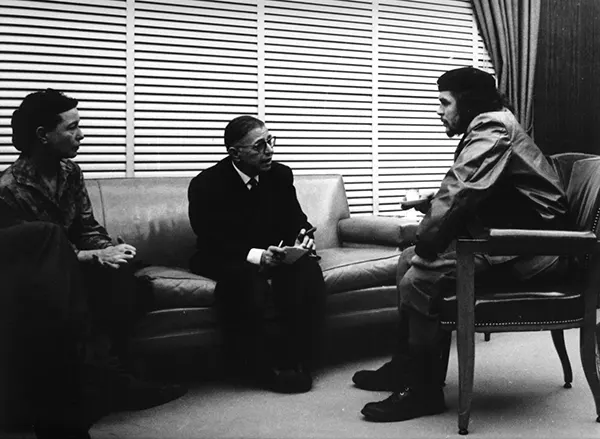
Guevara meeting with French existentialist philosophers Jean-Paul Sartre and Simone de Beauvoir at his office in Havana, March 1960. Sartre later wrote that Che was “the most complete human being of our time”. In addition to Spanish, Guevara was fluent in French.
Che Was Known as a Womanizer and a Serial Cheater
Away from the battlefield and political stage, Guevara’s personal life was turbulent. As a young man in Argentina, he reportedly demanded sexual favors from household servants, behavior that was considered common among wealthy boys of the time.
Later, in 1955, he began a relationship with Peruvian economist Hilda Gadea. He relied on her for both companionship and financial support.
When she became pregnant, he married her, yet left almost immediately to join Castro’s expedition to Cuba.
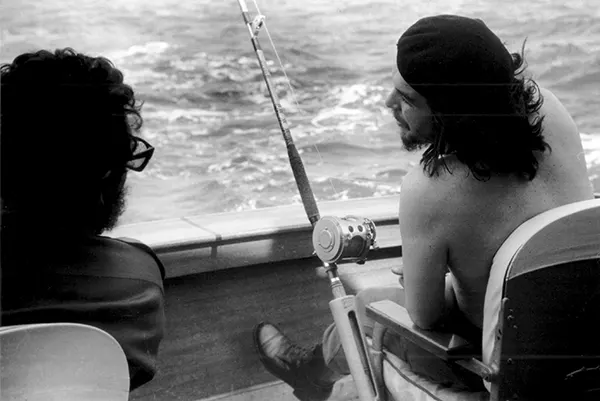
Guevara fishing off the coast of Havana, on 15 May 1960. Along with Castro, Guevara competed with expatriate author Ernest Hemingway at what was known as the “Hemingway Fishing Contest”.
By the time Gadea reached Havana in 1959 with their daughter, Guevara was already living with another woman,
Aleida March, who was pregnant with his child. He divorced Gadea and married Aleida. She gave birth to four children, but Guevara was rarely present.
His attention was fixed on revolutionary causes abroad rather than family life. Even March, who publicly defended him, later remarked: “Che was a ‘machista’ like most Latins.”
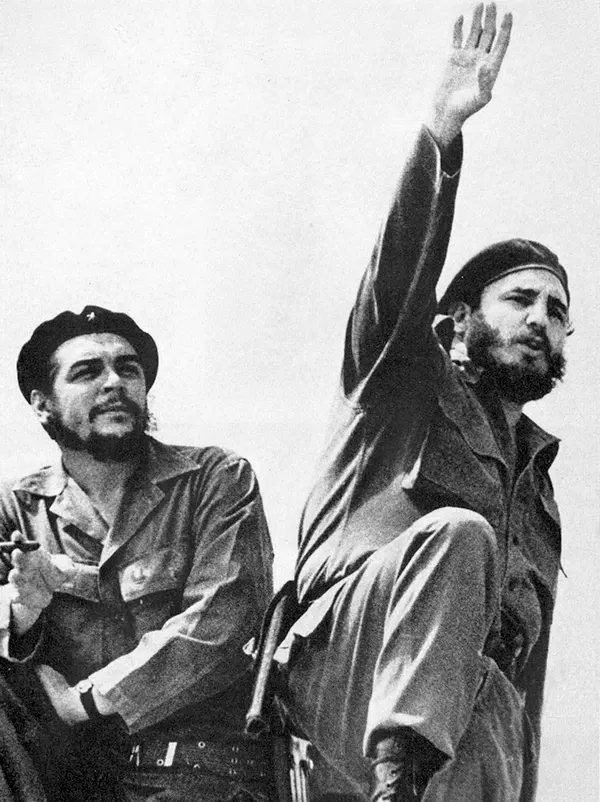
Guevara (left) and Fidel Castro, photographed by Alberto Korda in 1961.
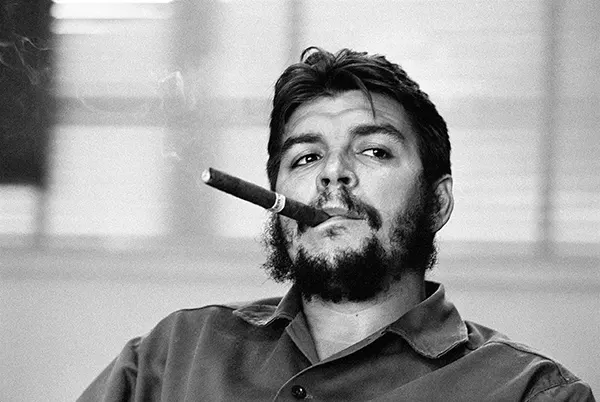
Che Guevara in his office as Minister of Industry (in the Hotel Riviera), while being interviewed by Laura Berquist for Look magazine. (1963).
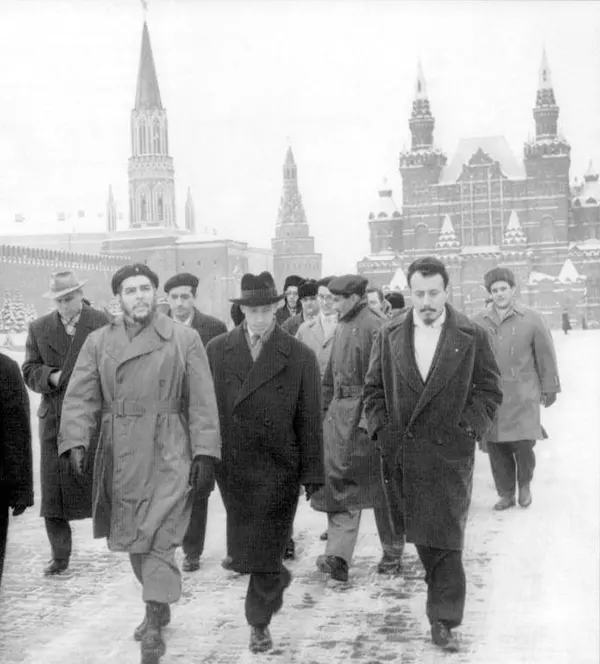
Walking through Red Square in Moscow, November 1964.
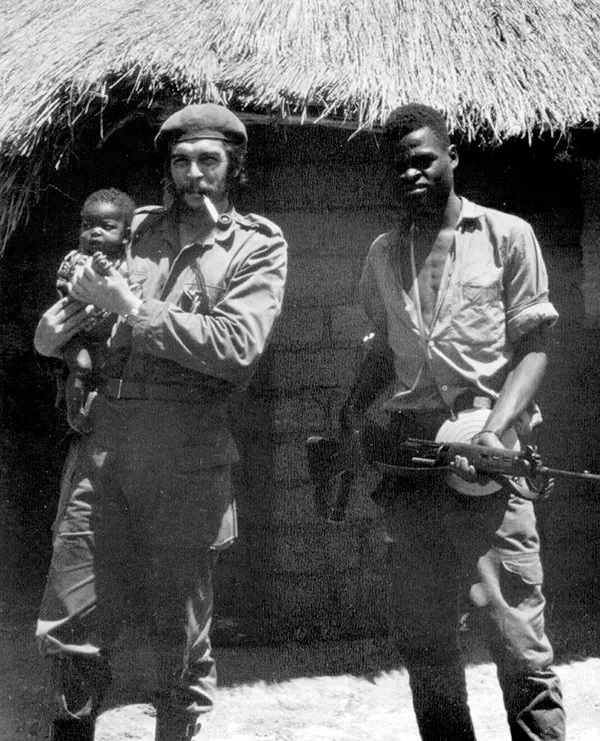
37-year-old Guevara, holding a Congolese baby and standing with a fellow Afro-Cuban soldier in the Congo Crisis, 1965.
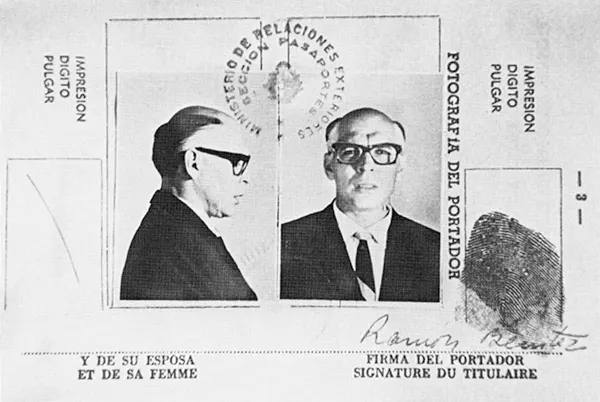
Guevara’s 1966 passport featuring him in disguise with a false name.
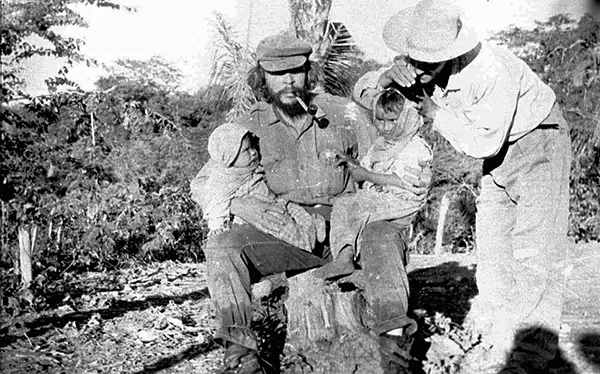
Guevara in rural Bolivia, shortly before his death (1967).
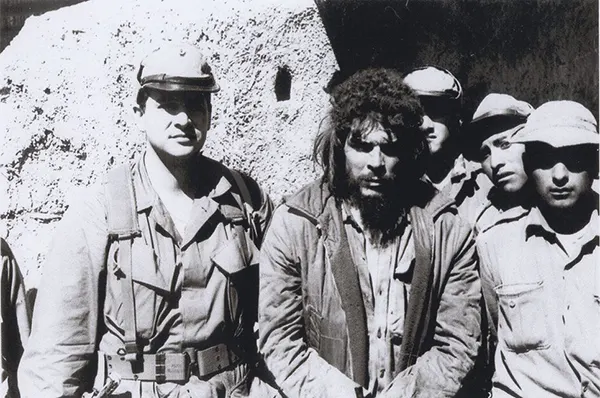
Guevara shortly before his execution, with CIA officer Félix Rodríguez (left).
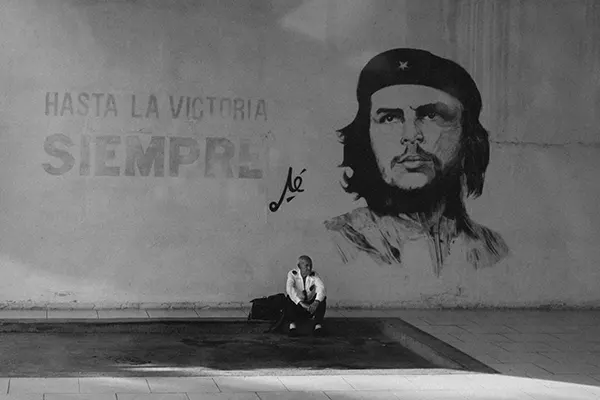
Portrait of Che Guevara, with quote, in Santa Clara, Cuba. Quote translates as: “Until victory, always”.
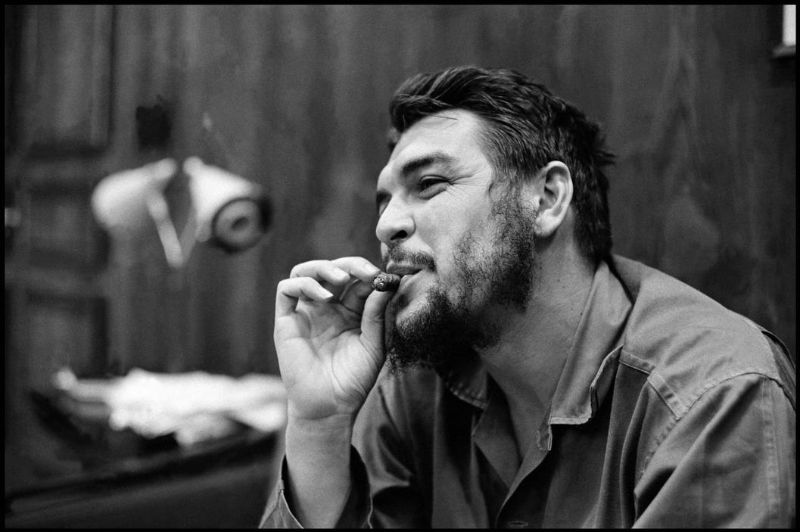
Photo of Che Guevara taken by Elliott Erwitt in Cuba, 1964.
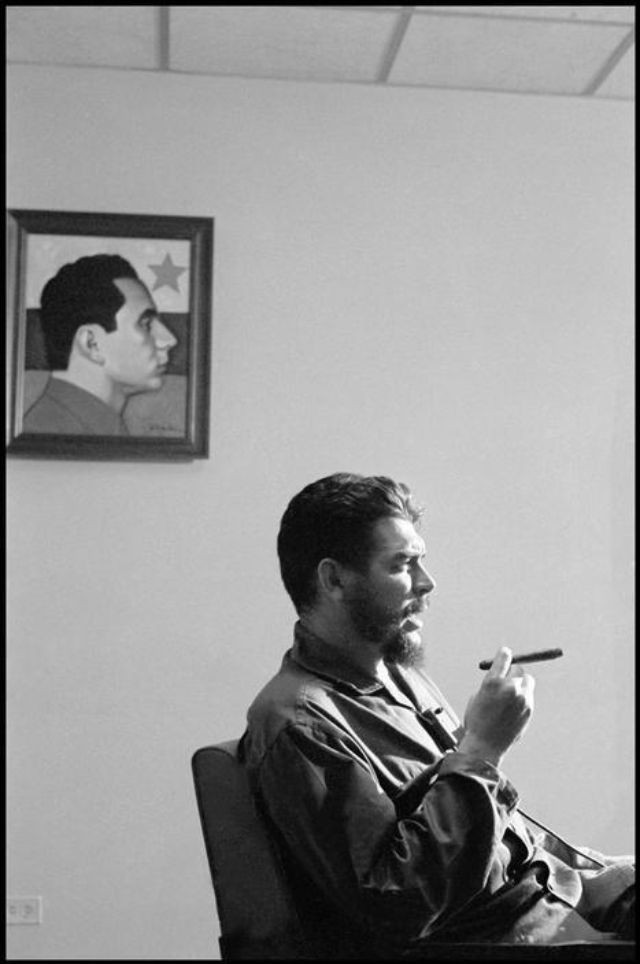
Photo of Che Guevara taken by Elliott Erwitt in Cuba, 1964.
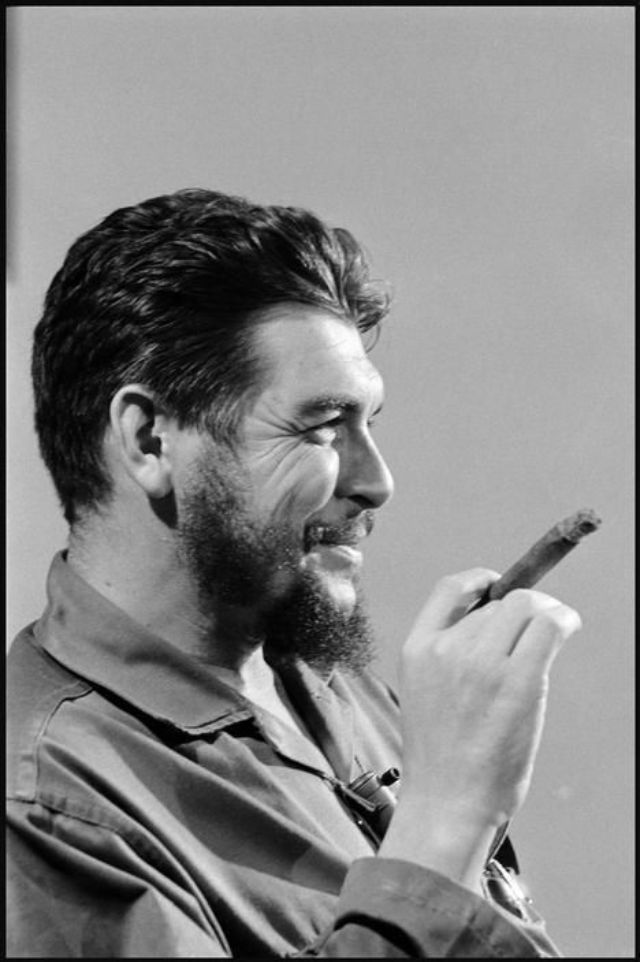
Photo of Che Guevara taken by Elliott Erwitt in Cuba, 1964.
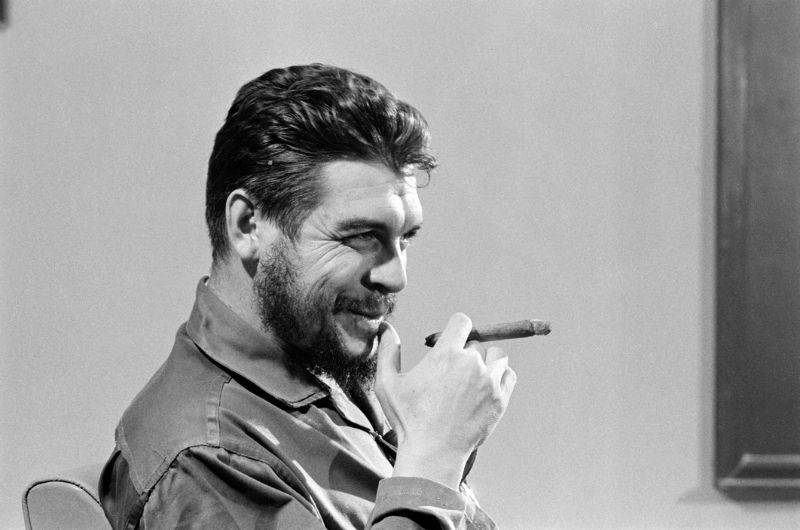
Photo of Che Guevara taken by Elliott Erwitt in Cuba, 1964.
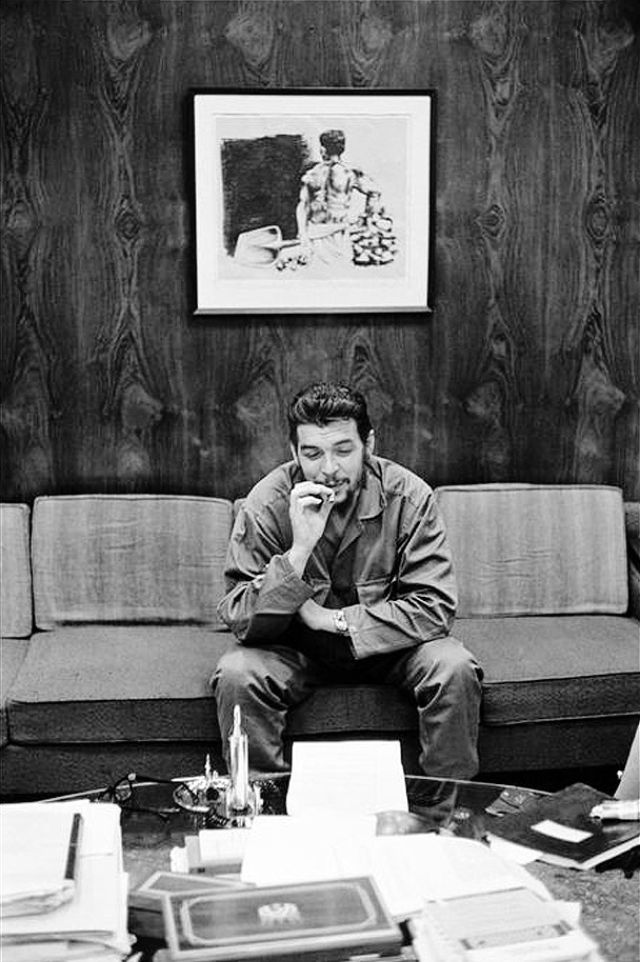
Photo of Che Guevara taken by Elliott Erwitt in Cuba, 1964.
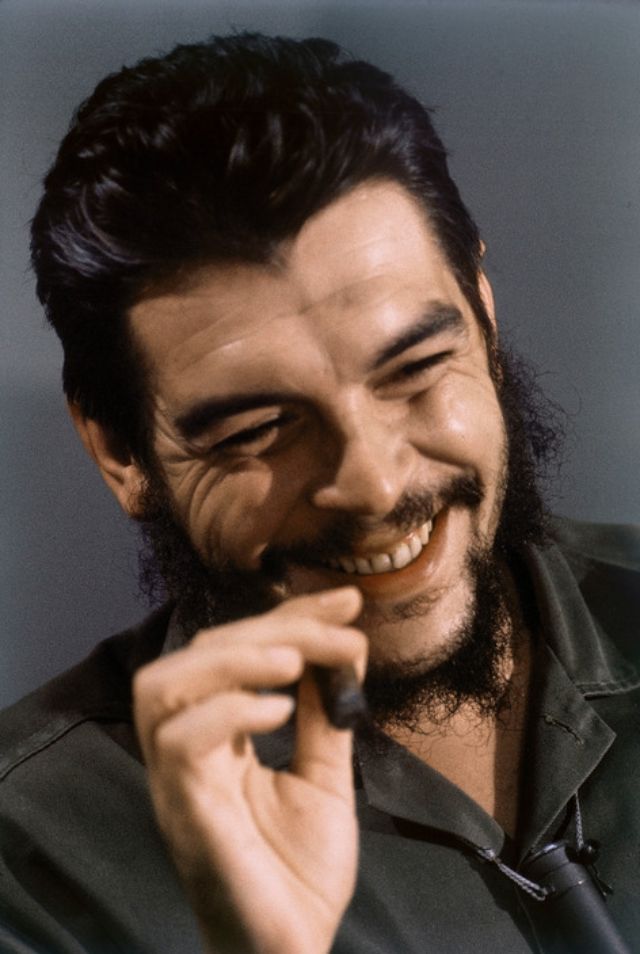
Photo of Che Guevara taken by Elliott Erwitt in Cuba, 1964.
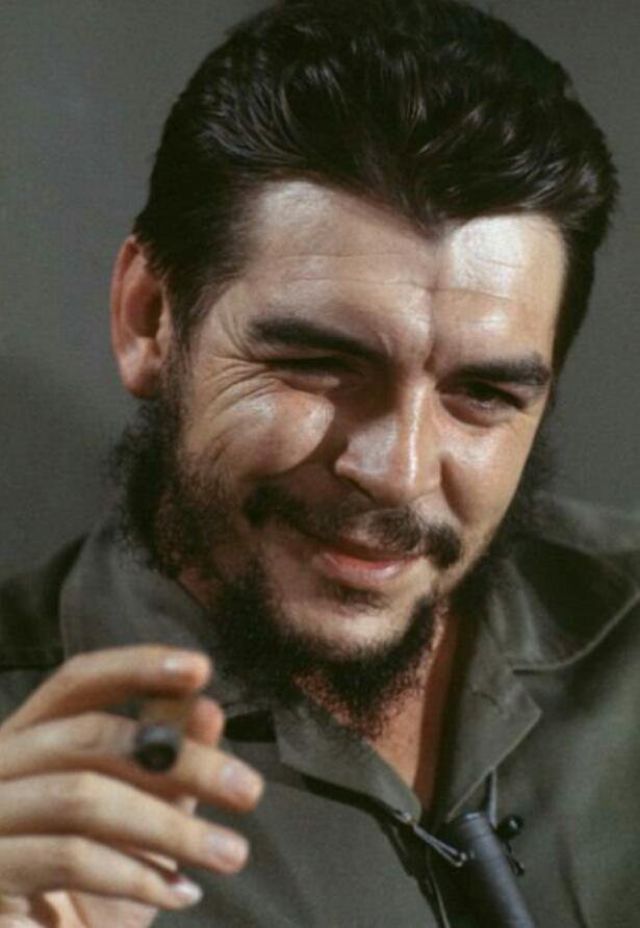
Photo of Che Guevara taken by Elliott Erwitt in Cuba, 1964.
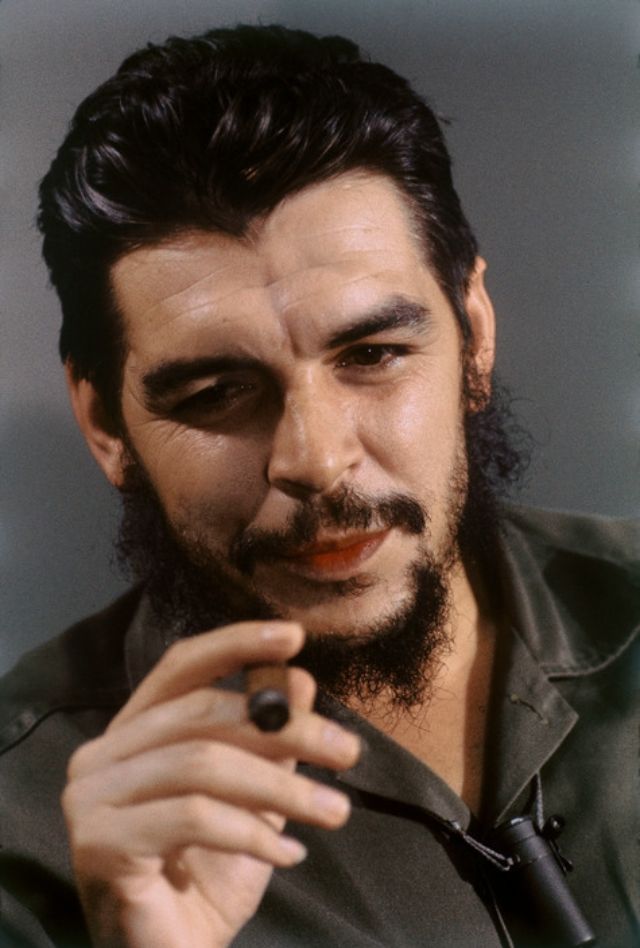
Photo of Che Guevara taken by Elliott Erwitt in Cuba, 1964.
Photo of Che Guevara taken by Elliott Erwitt in Cuba, 1964.
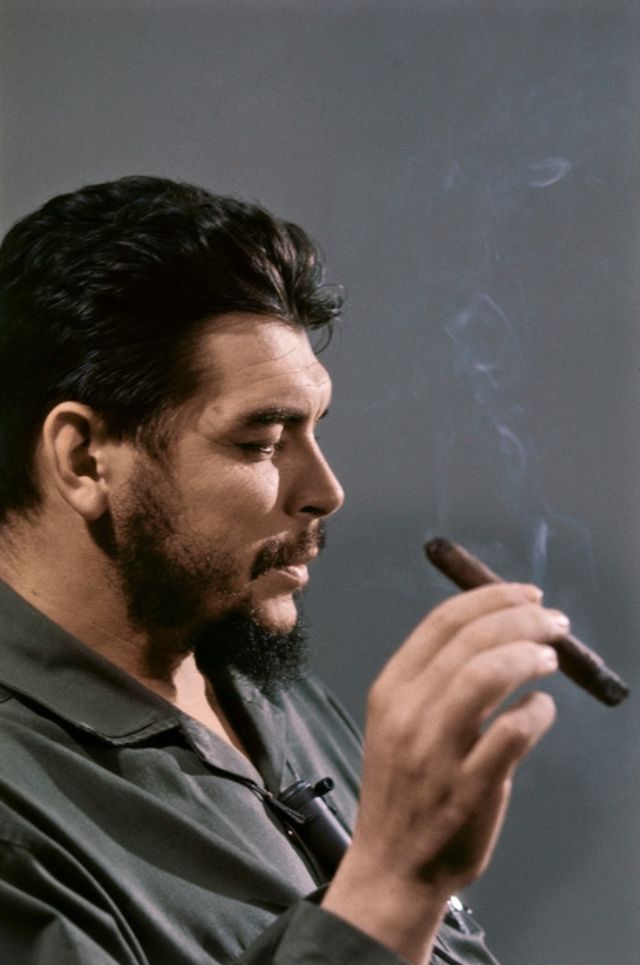
Photo of Che Guevara taken by Elliott Erwitt in Cuba, 1964.
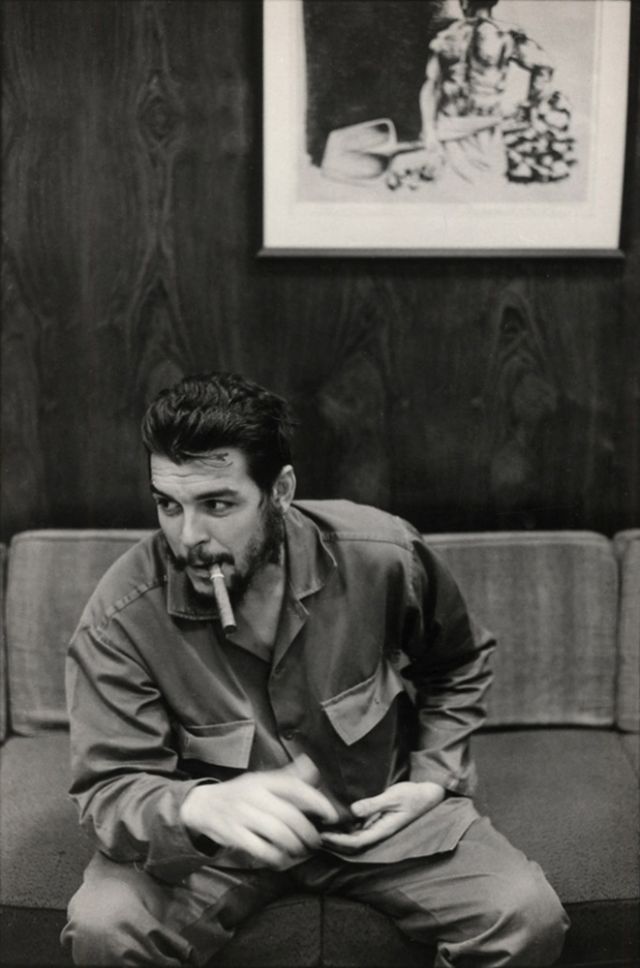
Photo of Che Guevara taken by Elliott Erwitt in Cuba, 1964.
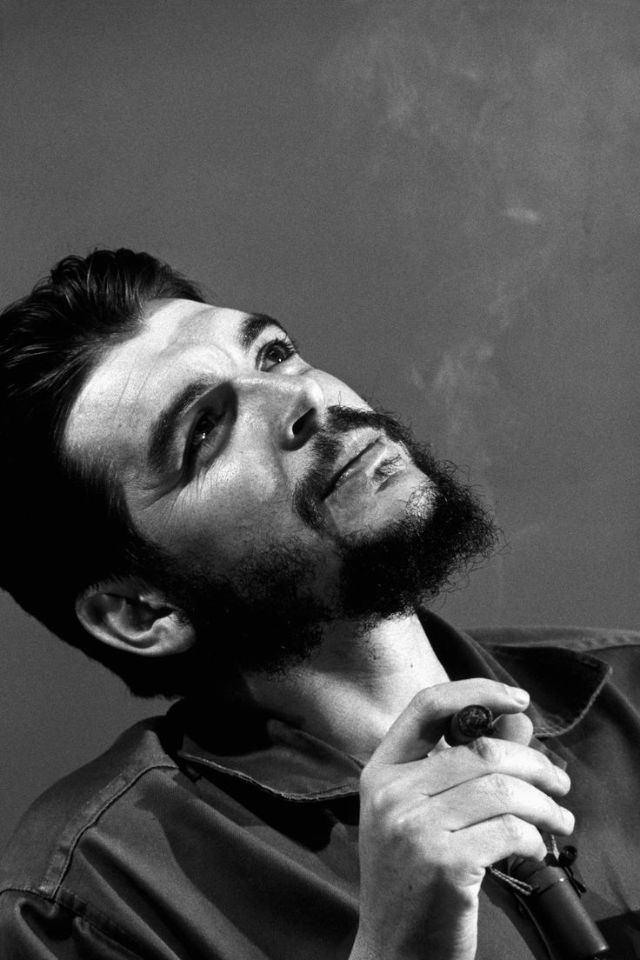
Photo of Che Guevara taken by Elliott Erwitt in Cuba, 1964.
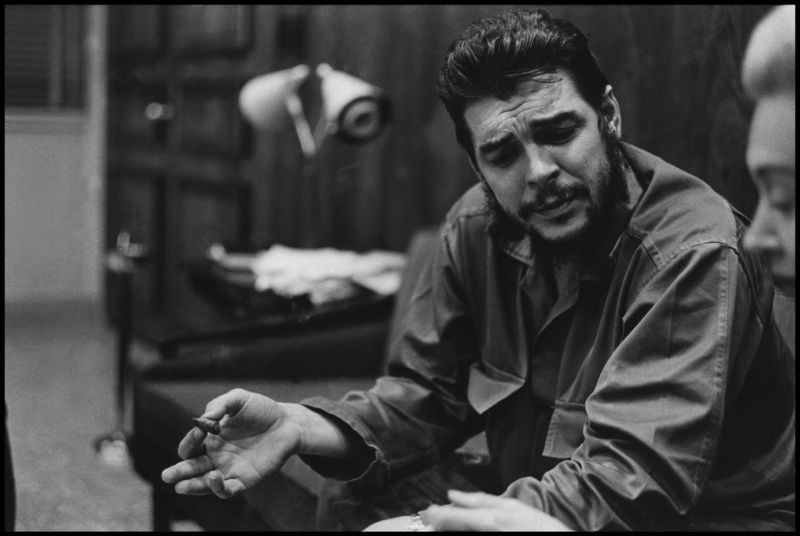
Photo of Che Guevara taken by Elliott Erwitt in Cuba, 1964.
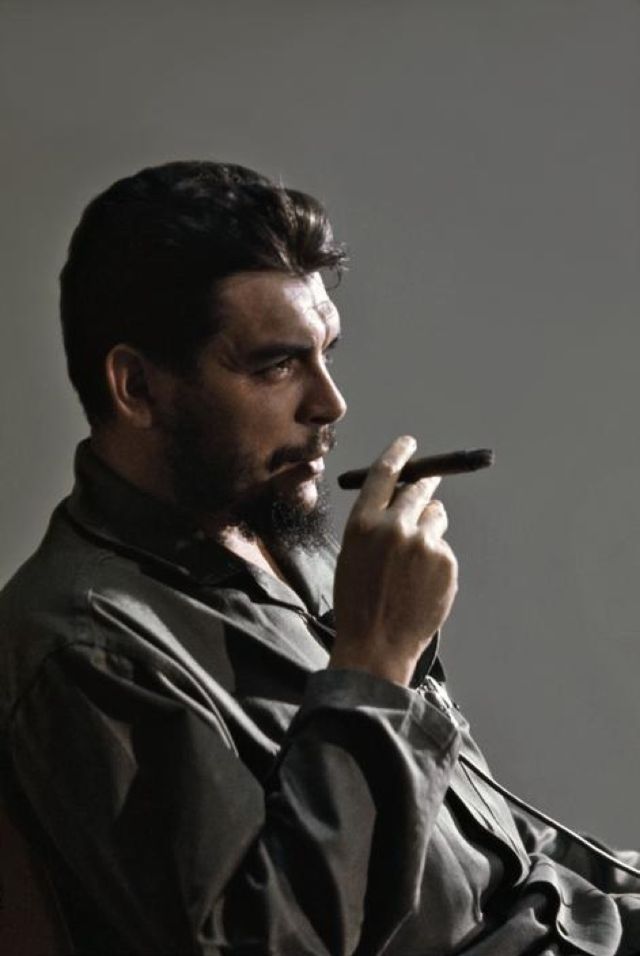
Photo of Che Guevara taken by Elliott Erwitt in Cuba, 1964.
(Photo credit: Wikimedia Commons / Pinterest / Flickr).