
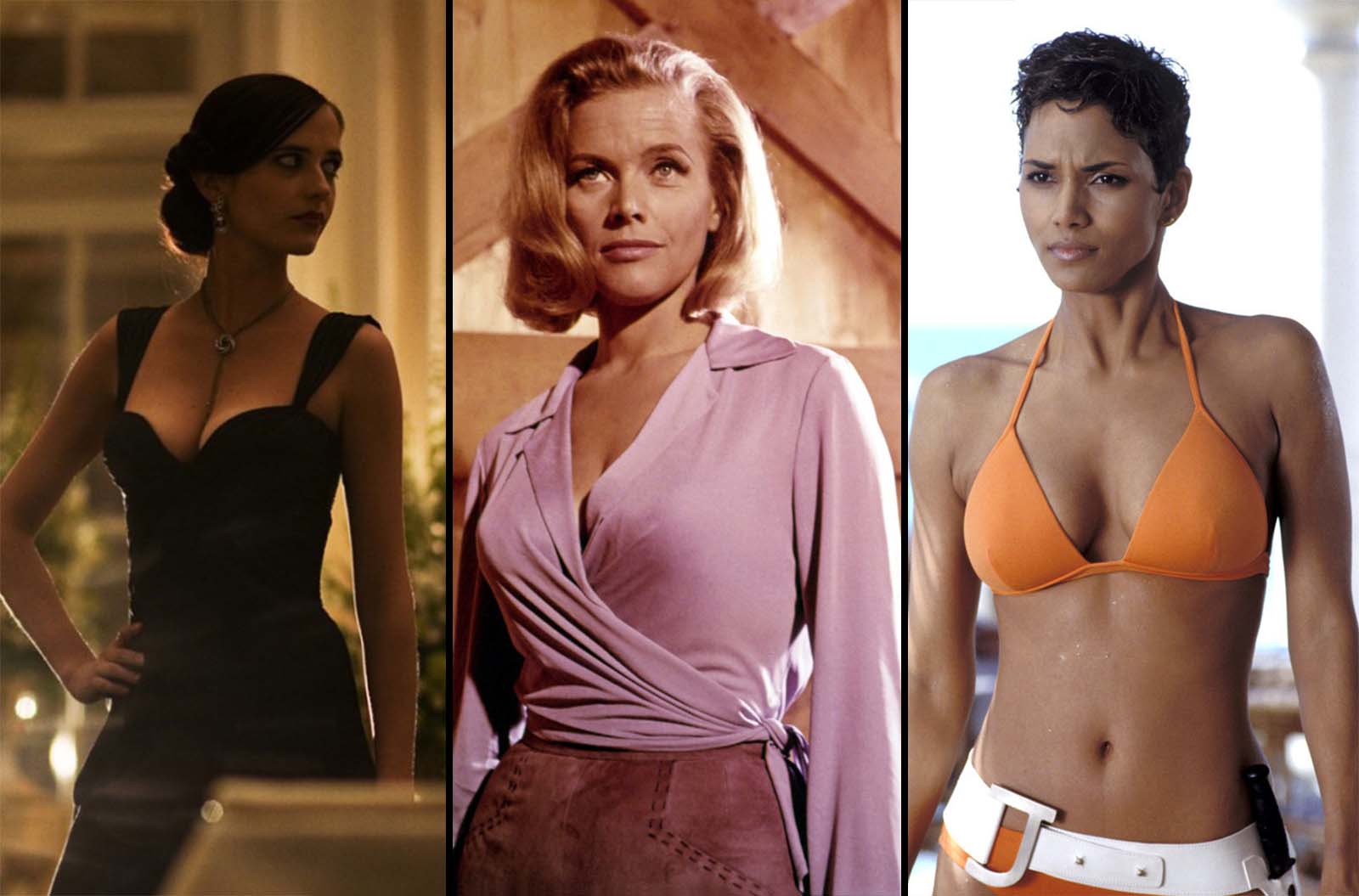
Throughout six decades of cinema, few images have proved as enduring as the Bond girl stepping into frame, captivating audiences while standing beside the world’s most famous secret agent.
From the earliest films to the latest blockbusters, these characters became part of the visual identity of James Bond.
Their style, confidence, danger, and allure helped shape what the franchise became, making them not only supporting players but cultural figures in their own right.
The “Bond girl” quickly grew into a defining feature of the series and a major contributor to its international success.
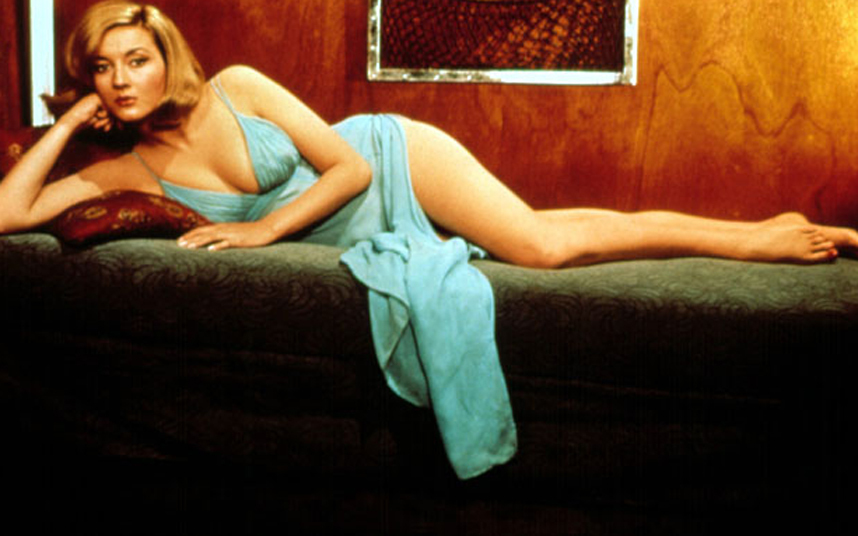
Daniela Bianchi as Tatiana Romanova in From Russia with Love in 1963.
Although debate surrounds who truly came first, Fox News Magazine notes that Ursula Andress, appearing as Honey Ryder in Dr. No (1962), is widely regarded as the original Bond girl, even though Eunice Gayson as Sylvia Trench and Zena Marshall as Miss Taro appeared onscreen earlier in the same film.
Two years later, Goldfinger (1964) firmly established the formula, reinforcing the idea that every entry in the franchise would introduce a new female character who captured Bond’s attention and often influenced the plot.
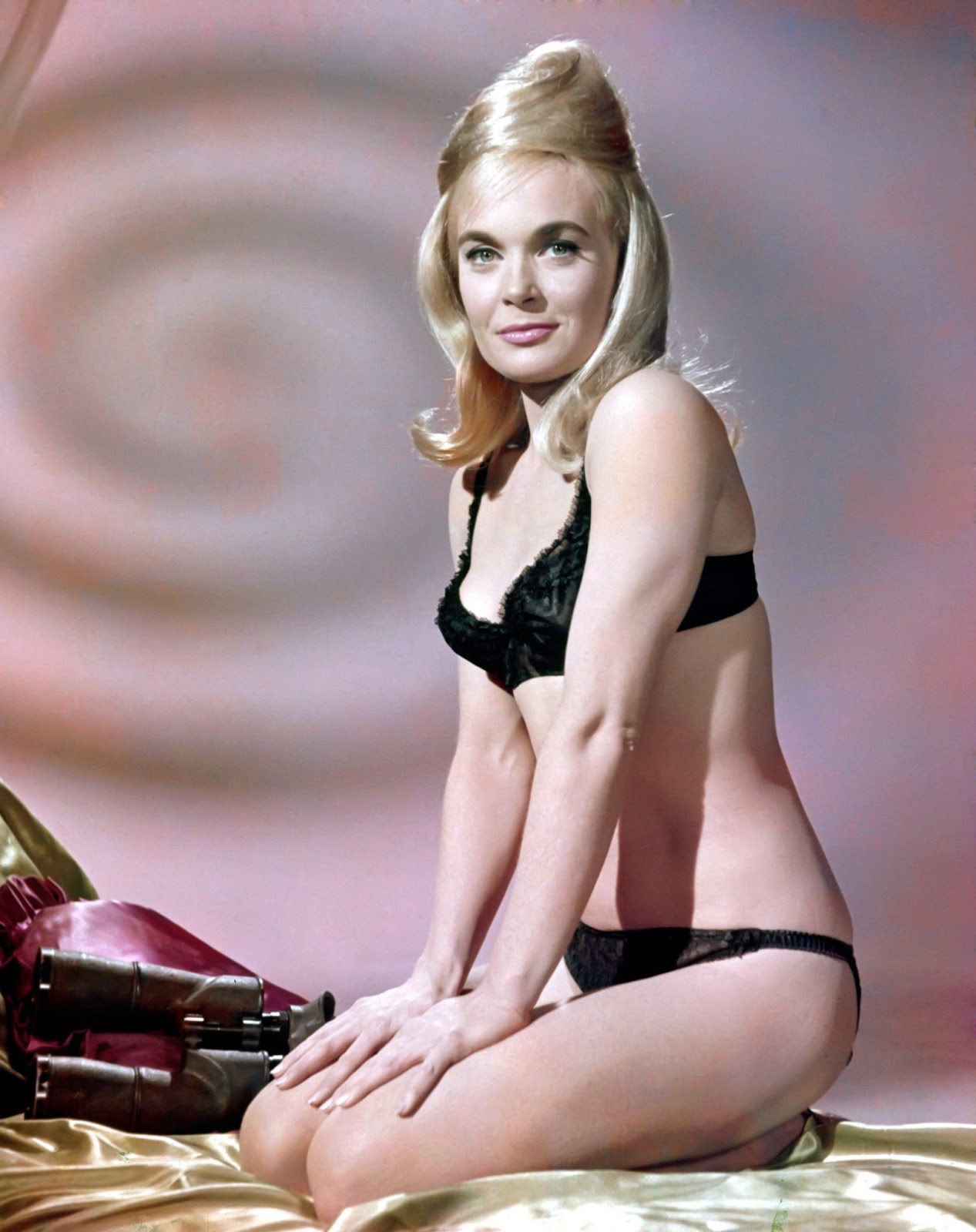
Shirley Eaton as Jill Masterton in Goldfinger in 1964.
The character of a Bond girl has never been confined to a single type. She may be a loyal ally or a dangerous adversary, essential to the mission or simply present for glamour and suspense.
Some of the most memorable female roles in the series were not romantic partners at all. Judi Dench’s M, Camille Montes (Olga Kurylenko) in Quantum of Solace, and Bibi Dahl (Lynn-Holly Johnson) in For Your Eyes Only offered dramatic and narrative importance without being considered Bond girls in the traditional sense.
Yet, because of M’s central role in Skyfall, some critics have argued that she qualifies as a Bond girl or even a “Bond woman”, adding new dimension to how the term is understood.
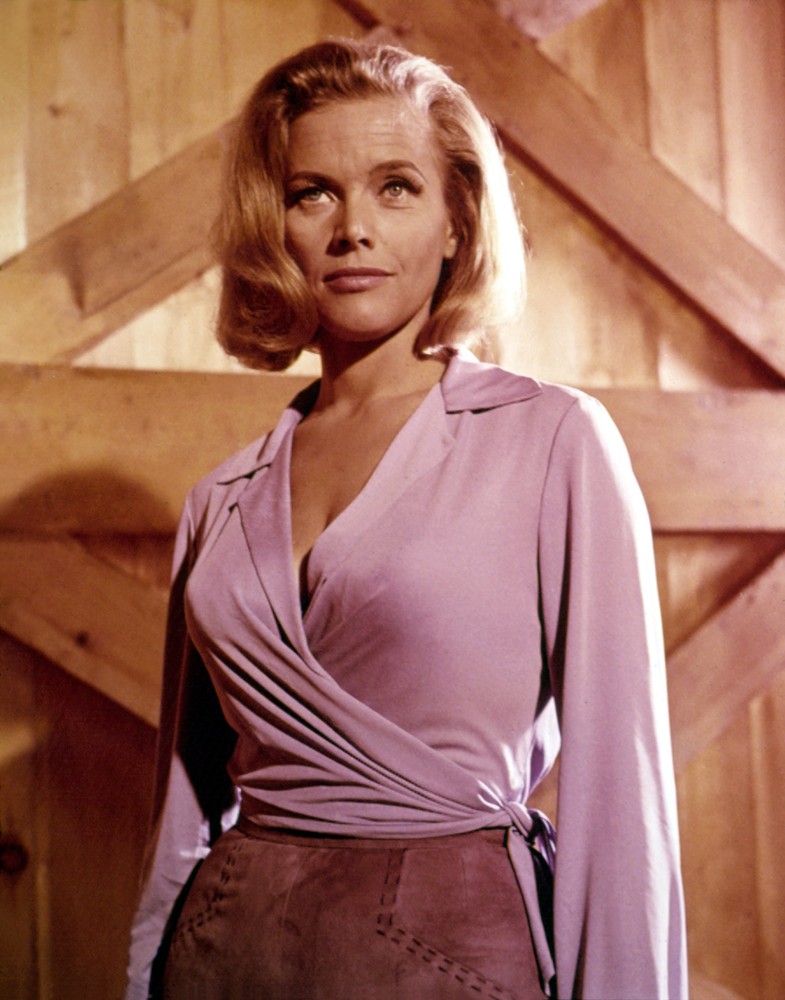
Honor Blackman as Pussy Galore in Goldfinger.
As the franchise expanded, so did the fascination with ranking the most iconic characters. Numerous attempts have been made to create top ten lists, and certain names appear again and again.
These include Barbara Bach as Anya Amasova in The Spy Who Loved Me, Honor Blackman as Pussy Galore in Goldfinger, Diana Rigg as Contessa Teresa di Vicenzo in On Her Majesty’s Secret Service, and often at the top, Ursula Andress as Honey Ryder in Dr. No.
Their impact extended beyond their performances. Entertainment Weekly even included “Bond bathing suits” on its 2009 end-of-the-decade “best-of” list, highlighting the influence of style and fashion associated with the characters.
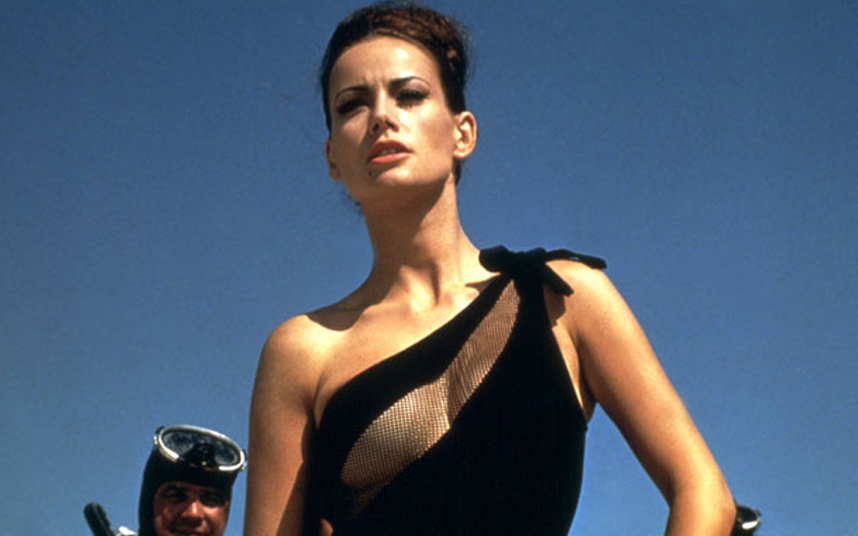
Luciana Paluzzi as Fiona Volpe in Thunderball in 1965.
Roald Dahl recalled being advised, while writing the script for You Only Live Twice, to include three Bond girls.
As he described, the first should die early, “preferably in Bond’s arms”, the second a villain “whom Bond seduces before she dies in an unusual and gory way midway”, and the third should survive until the end.
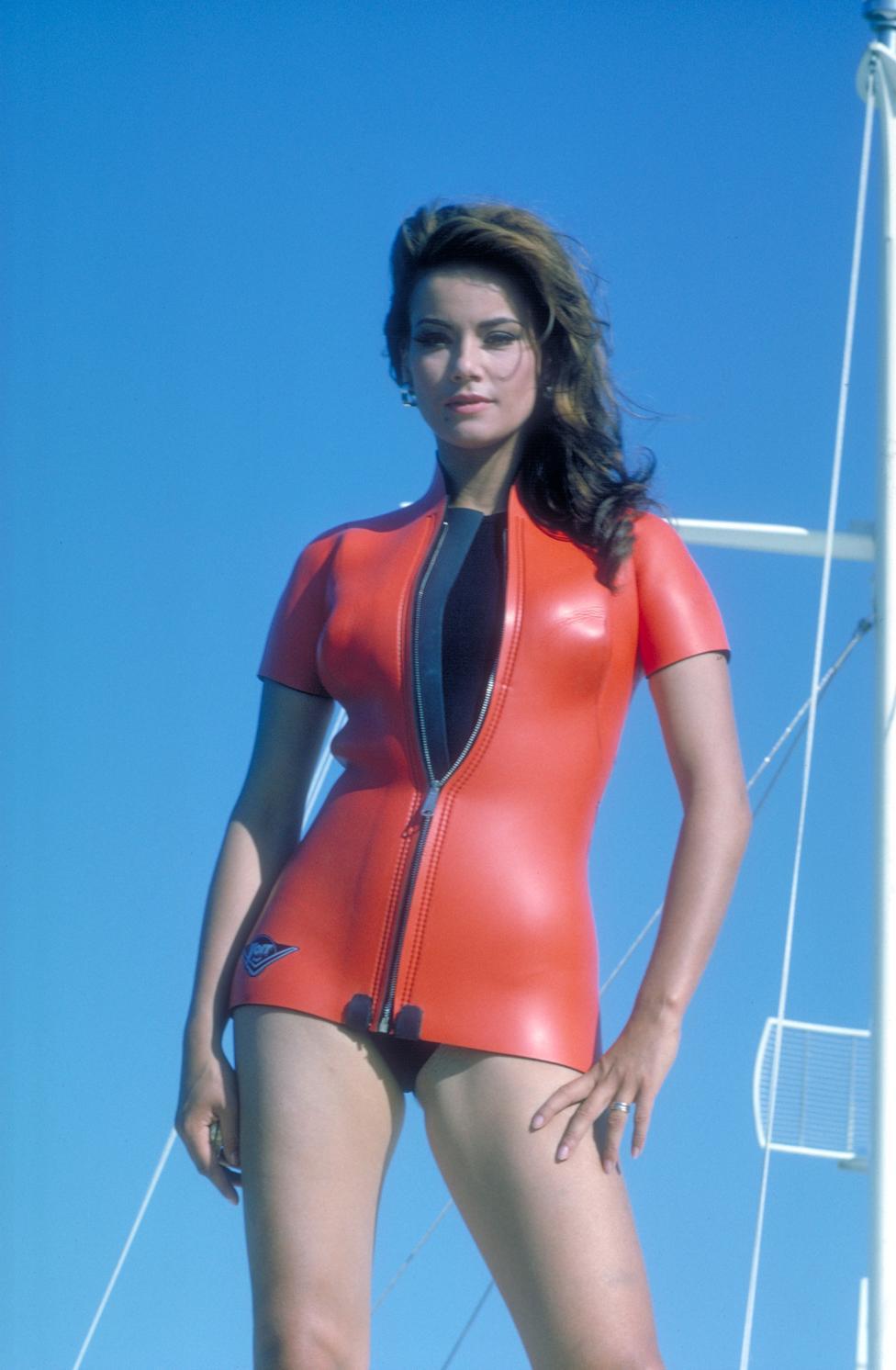
Domino Derval played by Claudine Auger in Thunderball.
This storytelling approach produced some memorable twists, especially when the women revealed themselves as villainesses after seducing Bond.
Examples include Fatima Blush (Barbara Carrera) in Never Say Never Again (1983), Elektra King (Sophie Marceau) in The World Is Not Enough (1999), and Miranda Frost (Rosamund Pike) in Die Another Day (2002).
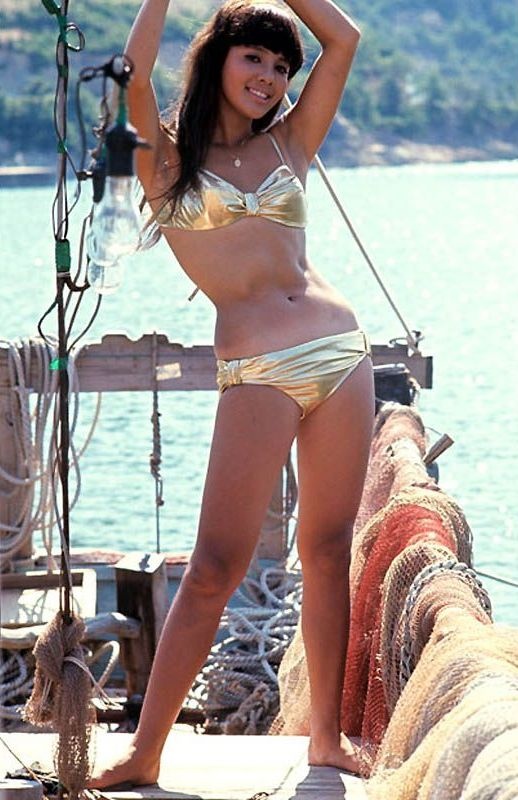
Mie Hama as Kissy Suzuki in You Only Live Twice in 1967.
Over time, the idea of the Bond girl has generated conversation and criticism. Naomie Harris, who plays Eve Moneypenny in three Bond films, stated in 2015 that the term was demeaning and suggested it should be replaced with “Bond woman”.
Monica Bellucci, who became the oldest “Bond girl” at age 50 when she appeared in Spectre, echoed the sentiment, noting, “I can’t say I’m a Bond girl because I’m too mature to be a Bond girl. I say Bond lady; Bond woman.”
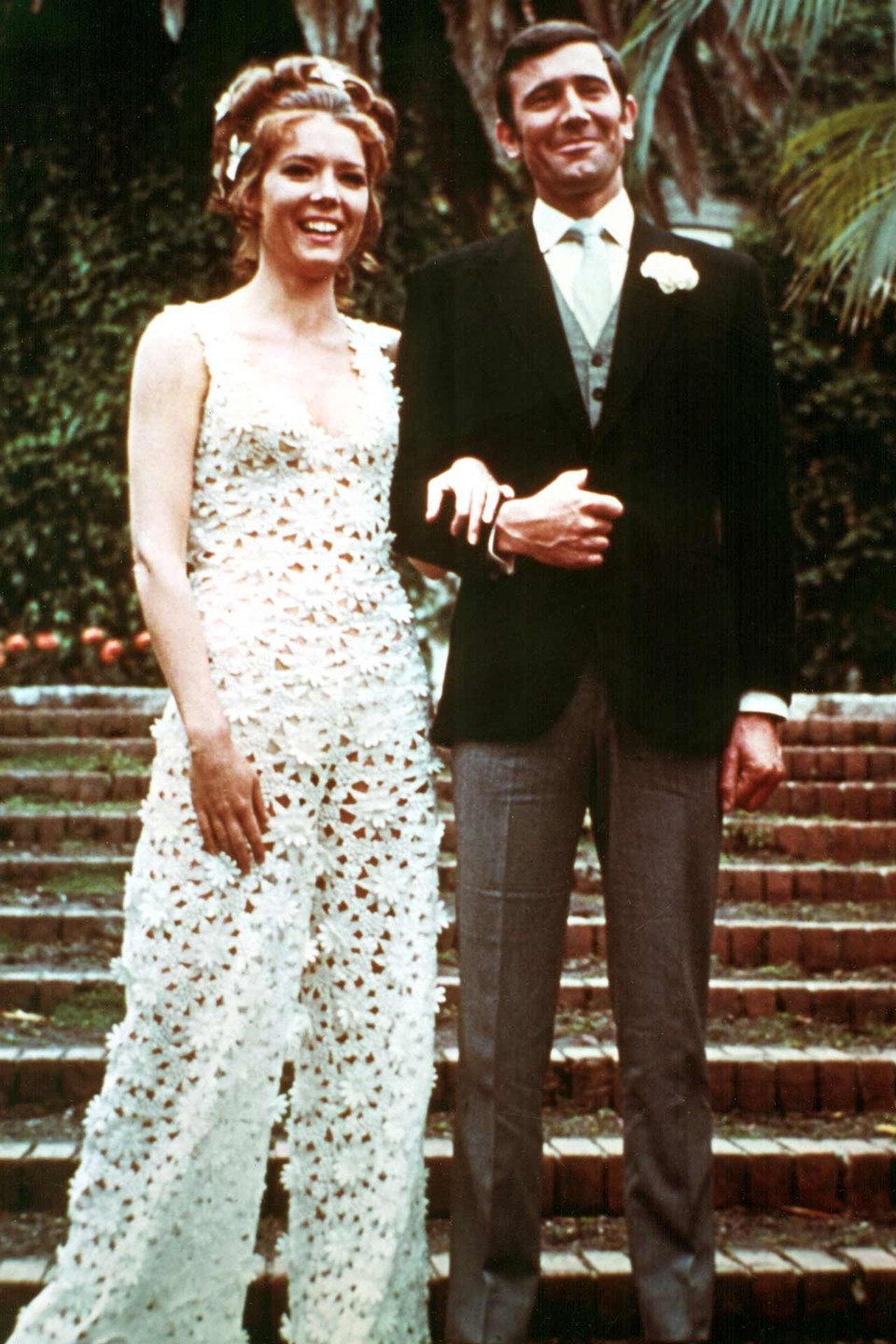
Diana Rigg as Teresa di Vicenzo with George Lazenby as Bond in On Her Majesty’s Secret Service in 1969.
Portraying a Bond girl has often been considered a high-profile opportunity, particularly for rising actresses. For many, the role brought instant visibility and launched them into international fame.
Yet several Bond actresses were already well-known before they stepped into the spy world.
Diana Rigg and Honor Blackman were both cast after achieving stardom in the television series The Avengers, showing that established talents also found the Bond universe irresistible.
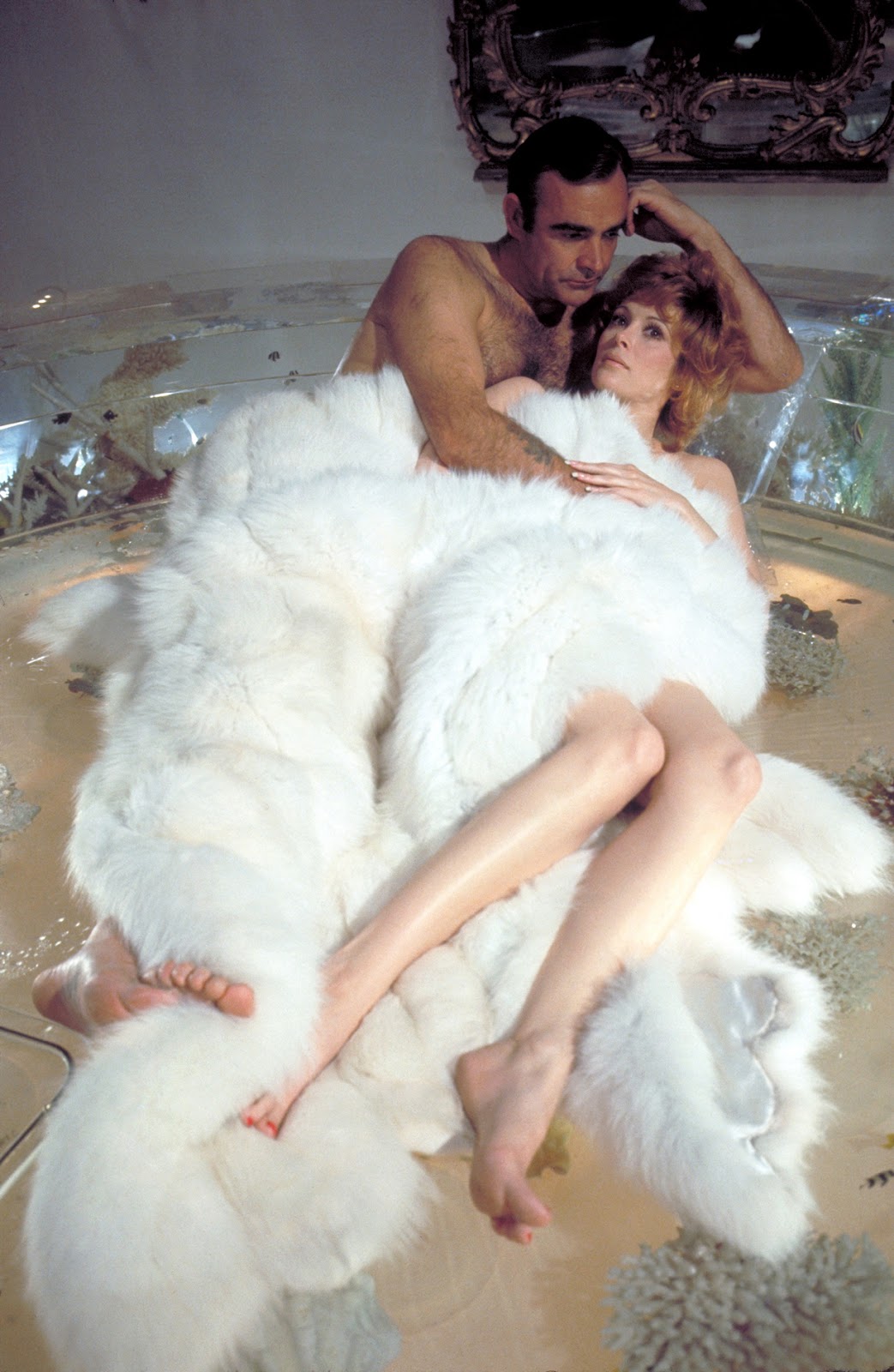
Jill St John as Tiffany Case in in Diamonds are Forever in 1971, Sean Connery’s last outing as James Bond.
Behind these characters stands the creator of James Bond himself, Ian Fleming. The author filled his novels with women who were strong, desirable, and often doomed.
Ben Macintyre of The Times speculated that Fleming’s lover Muriel Wright may have inspired this pattern.
Macintyre described both Wright and Bond girls as “pliant and undemanding, beautiful but innocent, outdoorsy, physically tough, implicitly vulnerable and uncomplaining, and then tragically dead, before or soon after marriage.”
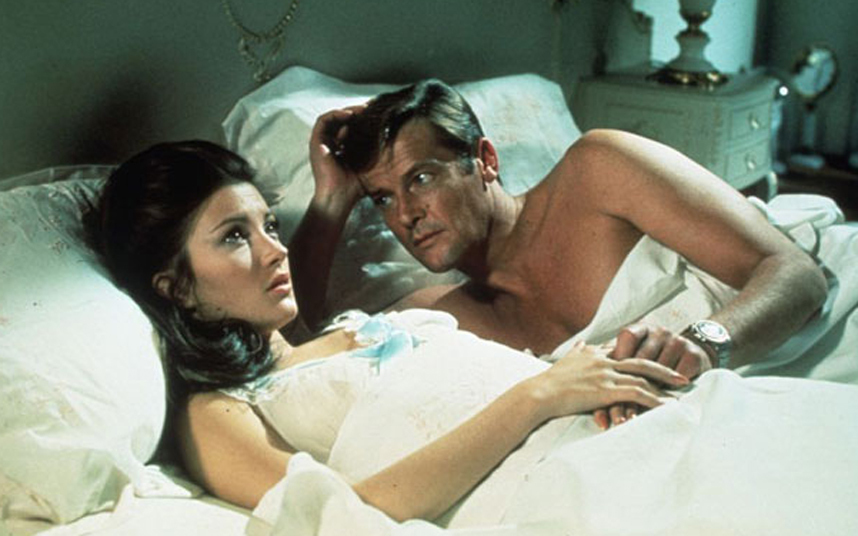
Jane Seymour as Solitaire in Roger Moore’s first Bond film Live and Let Die in 1973.
Wright was a wealthy model, an accomplished skier, and a skilled polo player. When she died in 1944, Fleming was heartbroken and called her “too good to be true”.
The emotional imprint of that loss may have shaped the way he wrote women who entered Bond’s dangerous orbit, bringing vulnerability, romance, and tragedy into a fictional world defined by action.
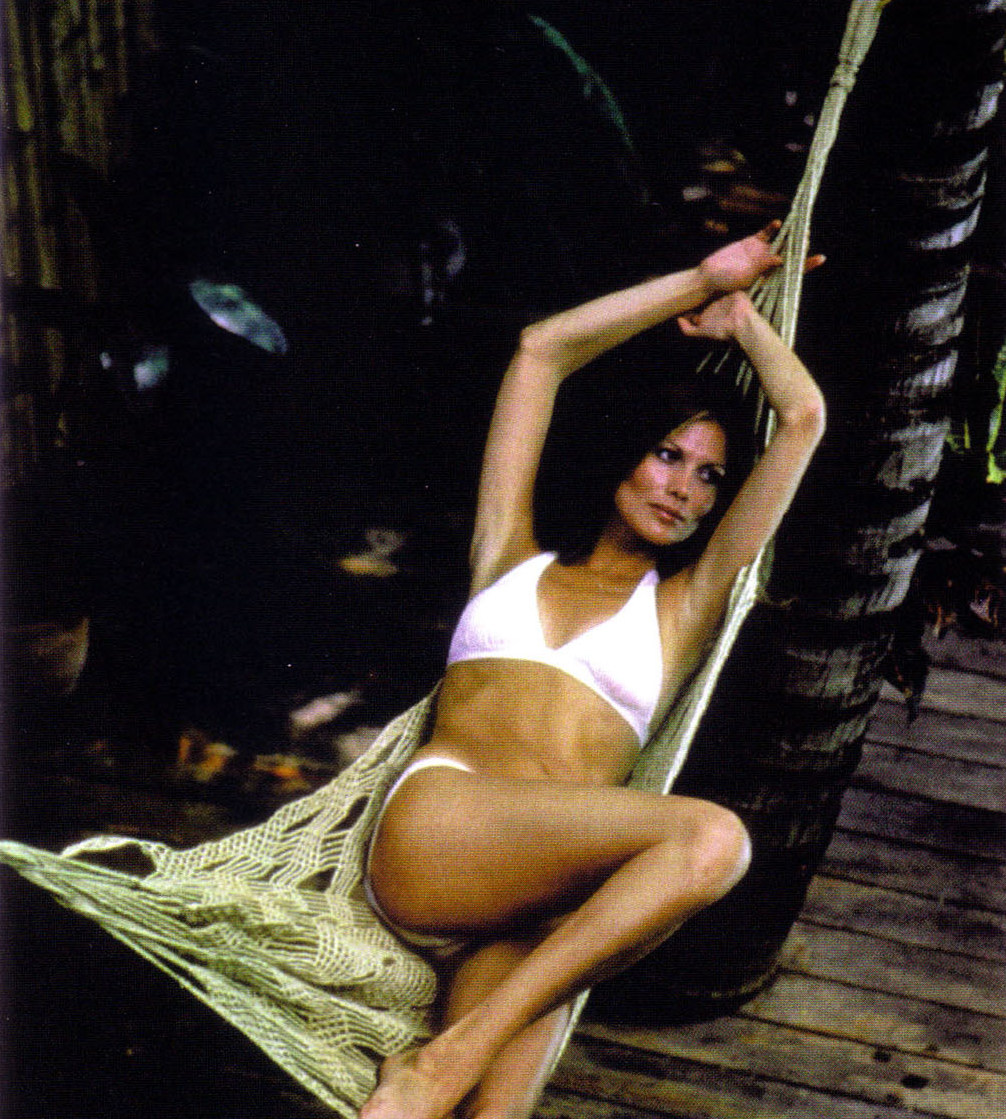
Maud Adams as Andrea Anders in The Man with the Golden Gun in 1974.
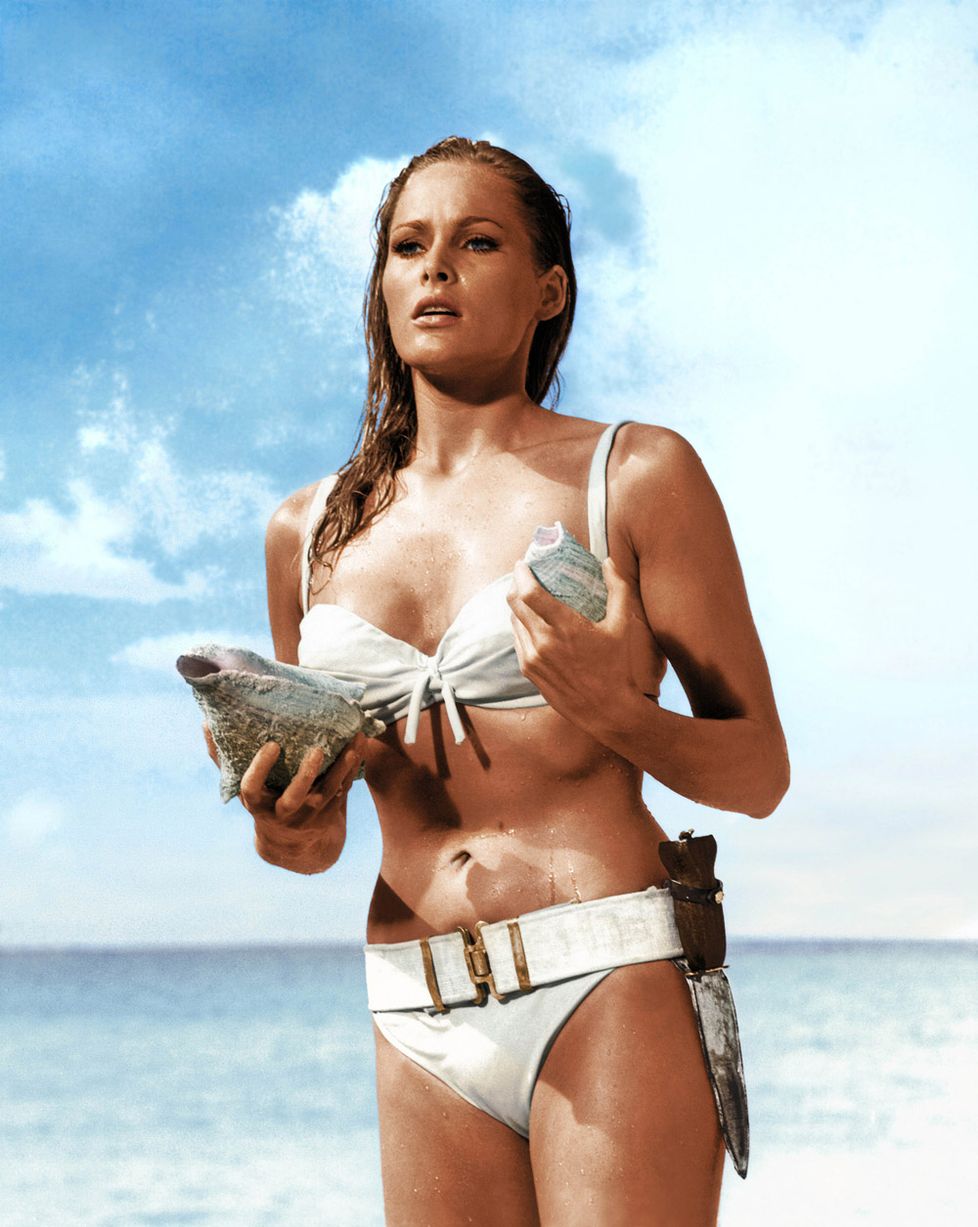
Ursula Andress as Honey Rider in Dr. No in 1962.
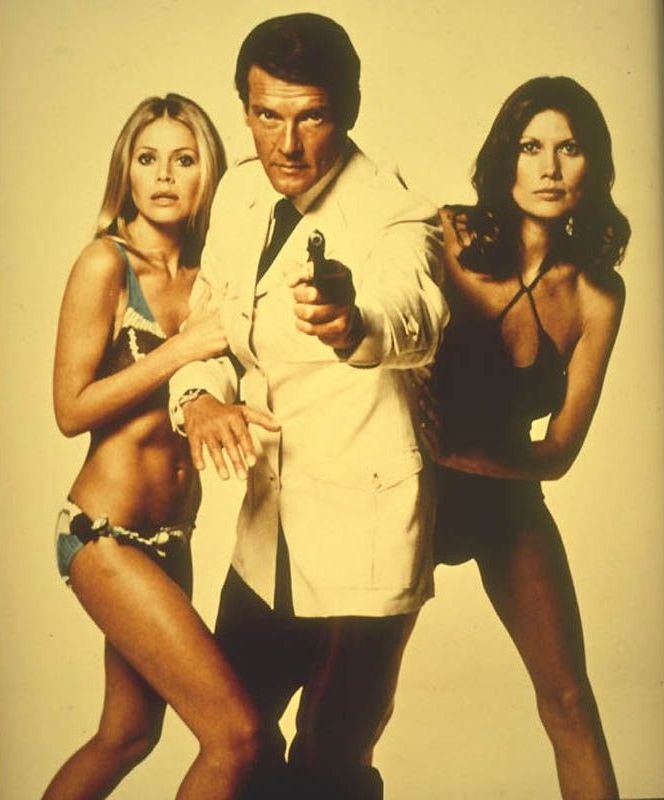
Roger Moore with Britt Ekland, left, as Mary Goodnight, with Maud Adams, right, as Andrea Anders in The Man with the Golden Gun.
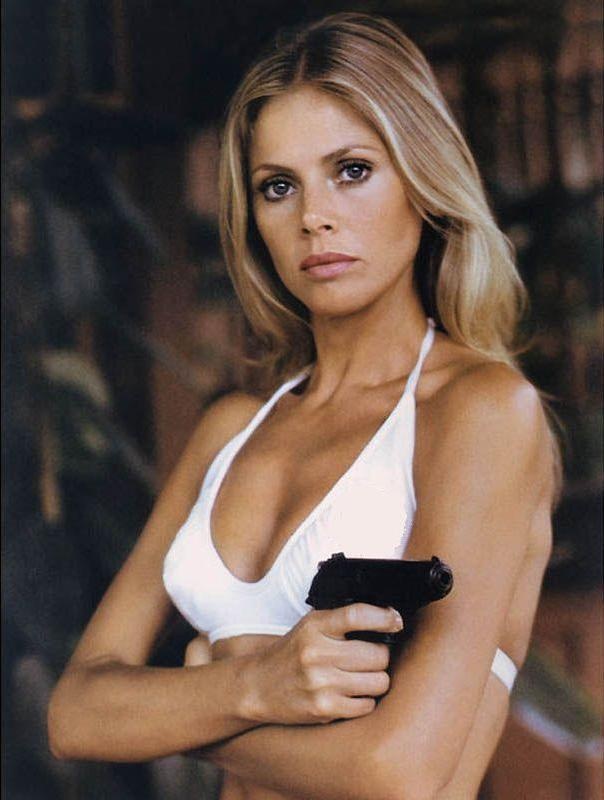
Britt Ekland as Mary Goodnight in The Man with the Golden Gun.
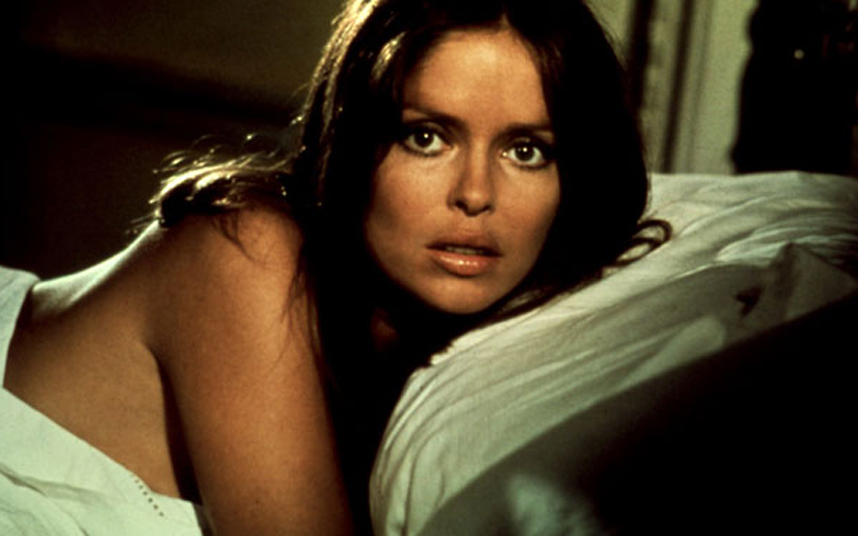
Barbara Bach as Anya Amasova in The Spy Who Loved Me in 1977.
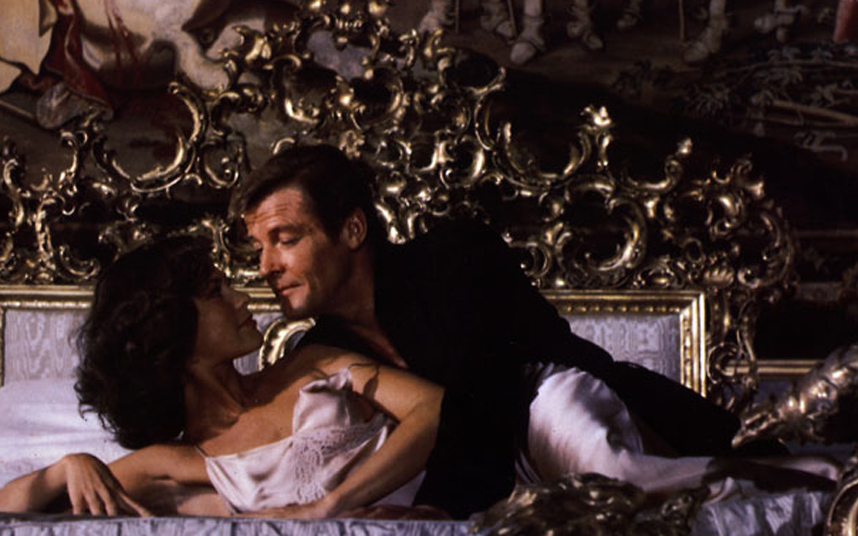
Roger Moore as James Bond and Corinne Clery as Corinne Dufour in Moonraker, 1979.
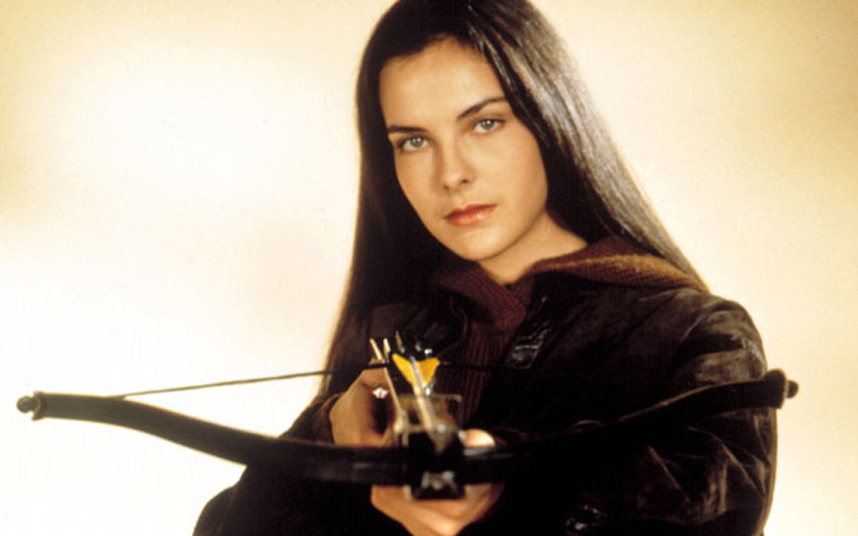
Carole Bouquet as Melina Havelock in For Your Eyes Only in 1981.
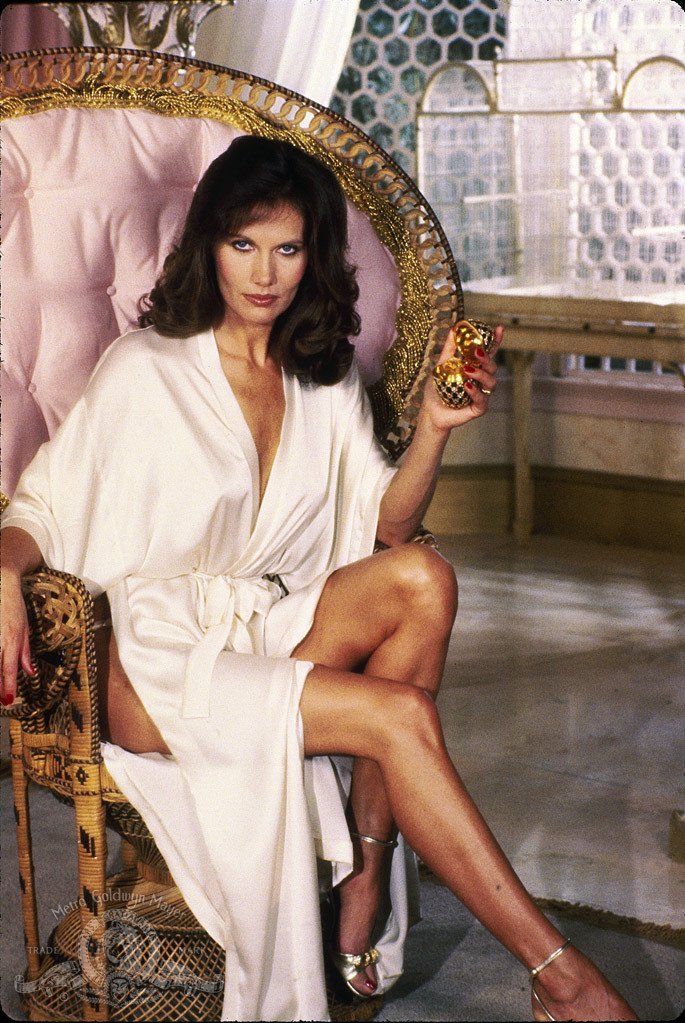
Maud Adams stars as Octopussy in 1983.
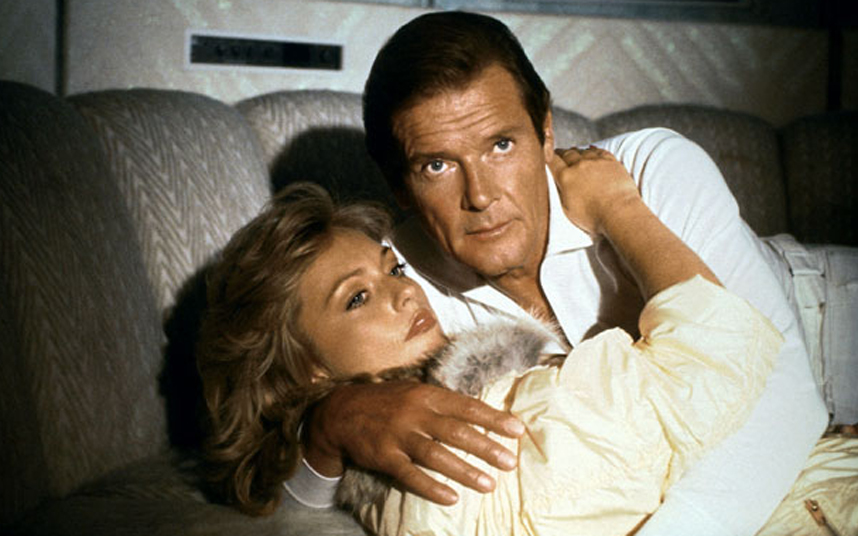
Roger Moore’s last outing as Bond was in A View to a Kill in 1984, with Tanya Roberts as Stacey Sutton.
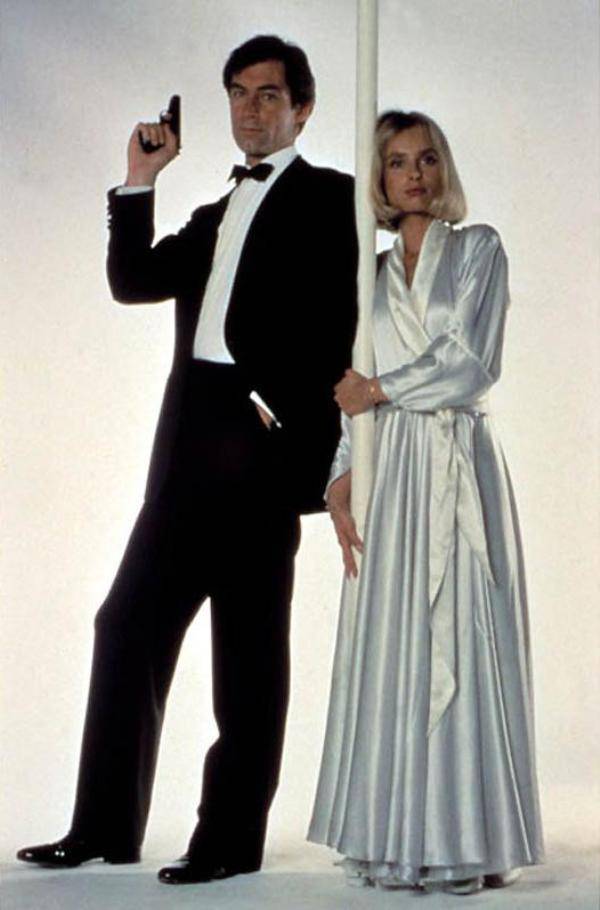
Timothy Dalton stars as Bond alongside Maryam d’Abo as Kara Milovy in The Living Daylights in 1987.
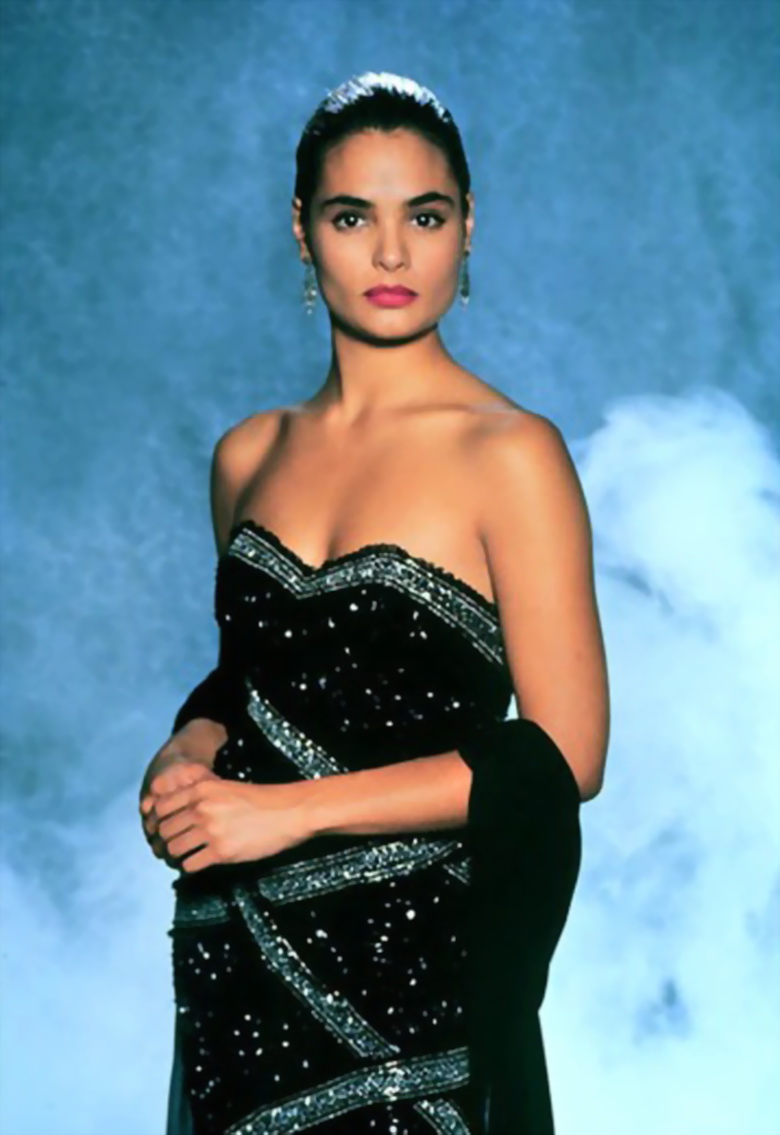
Talisa Soto as Lupe Lamora in Licence to Kill in 1989.
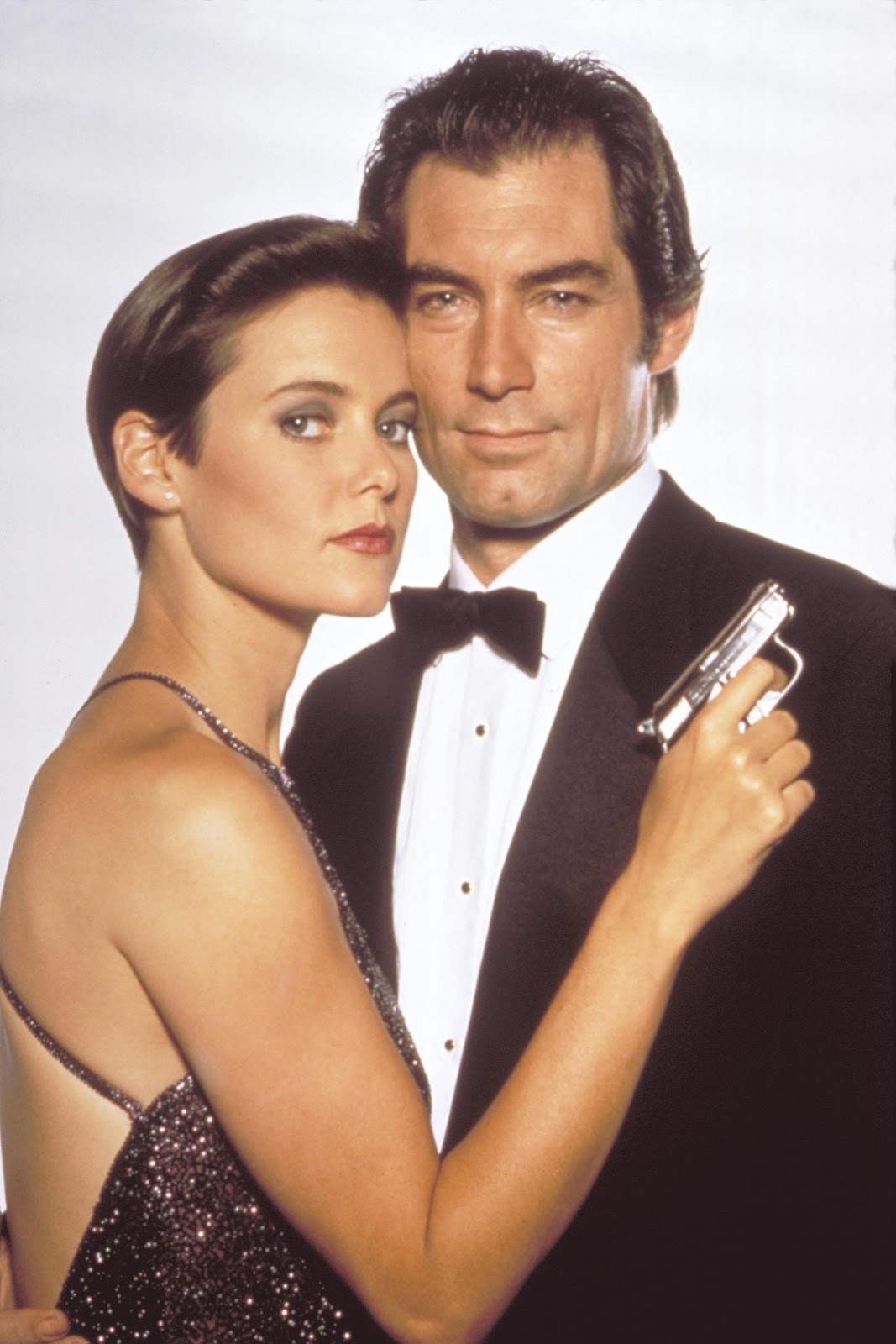
Carey Lowell as Pam Bouvier with Timothy Dalton as Bond in Licence to Kill.
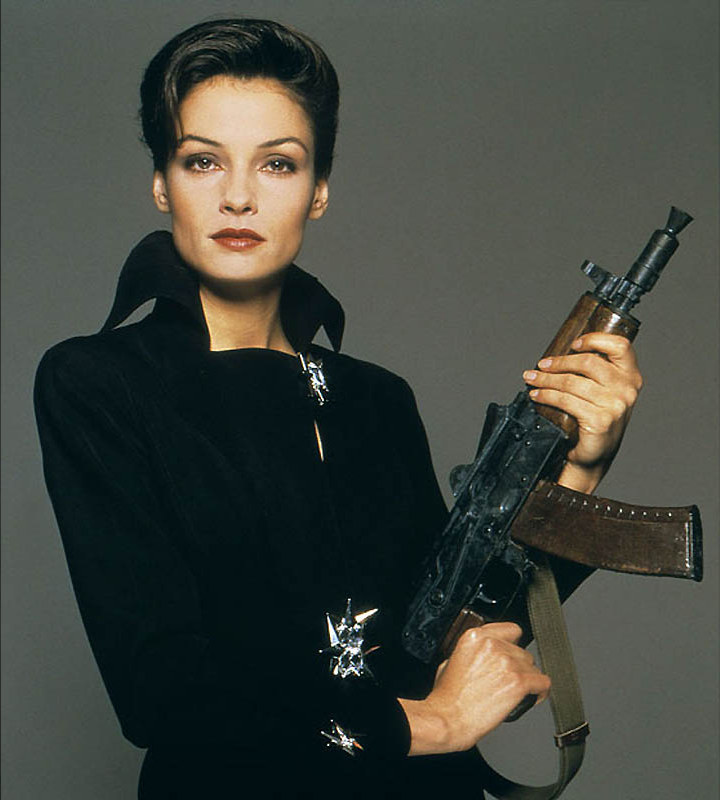
Famke Janssen as Xenia Onatopp in 1995’s GoldenEye, the first outing for Pierce Brosnan as James Bond.
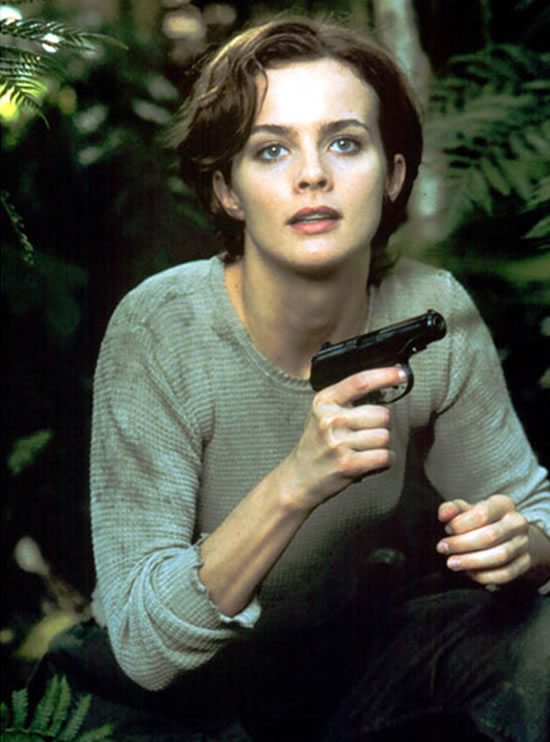
Izabella Scorupco as Natalya Simonova in GoldenEye.
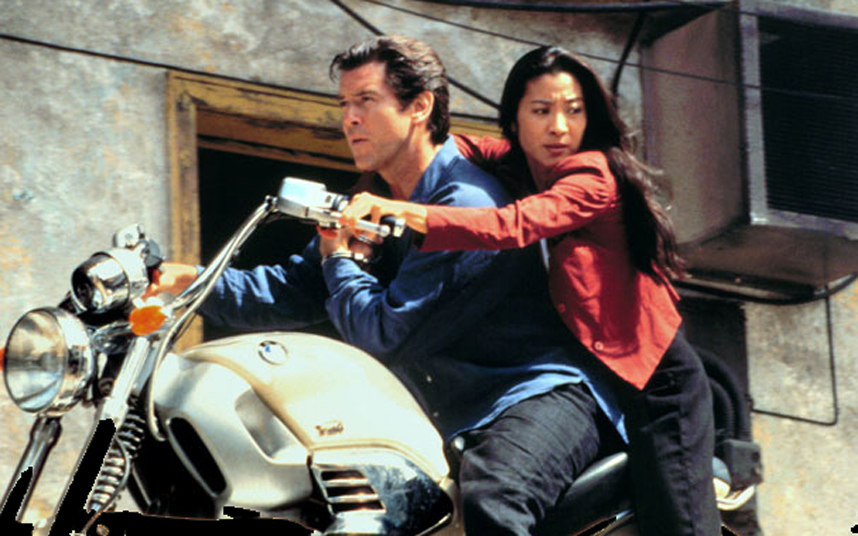
Michelle Yeoh as Wai Lin alongside Pierce Brosnan in Tomorrow Never Dies in 1997.
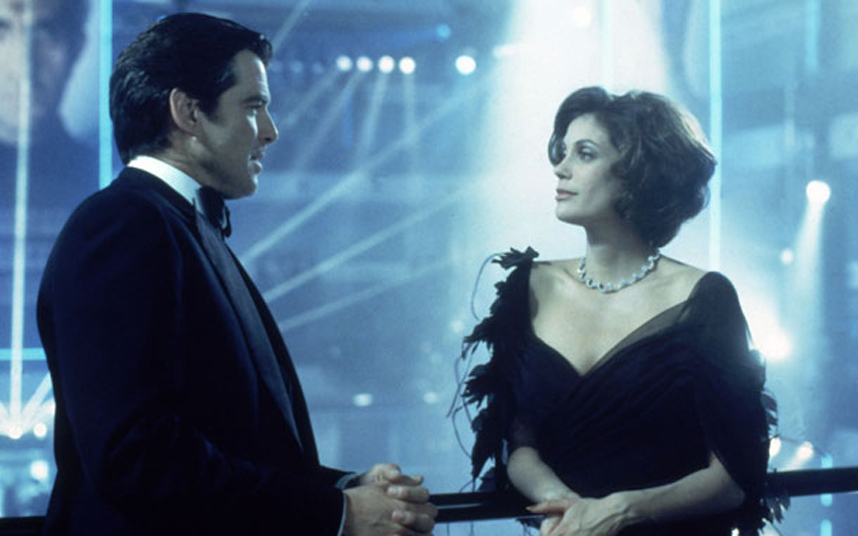
Pierce Brosnan as James Bond with Teri Hatcher as Paris Carver in Tomorrow Never Dies.
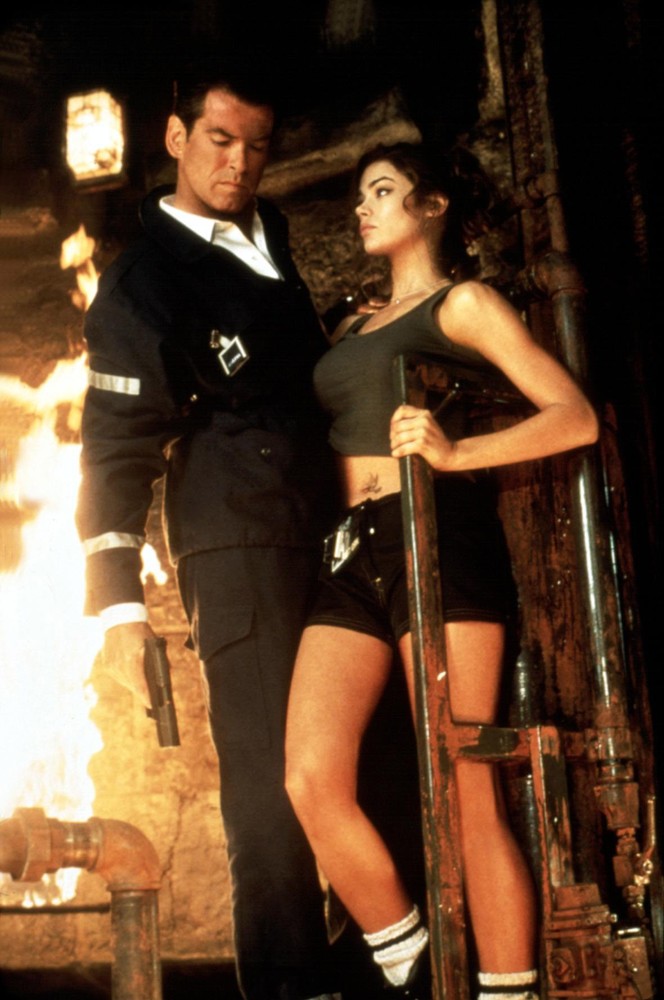
Pierce Bosnan with Denise Richards as Dr Christmas Jones in The World Is Not Enough in 1999.
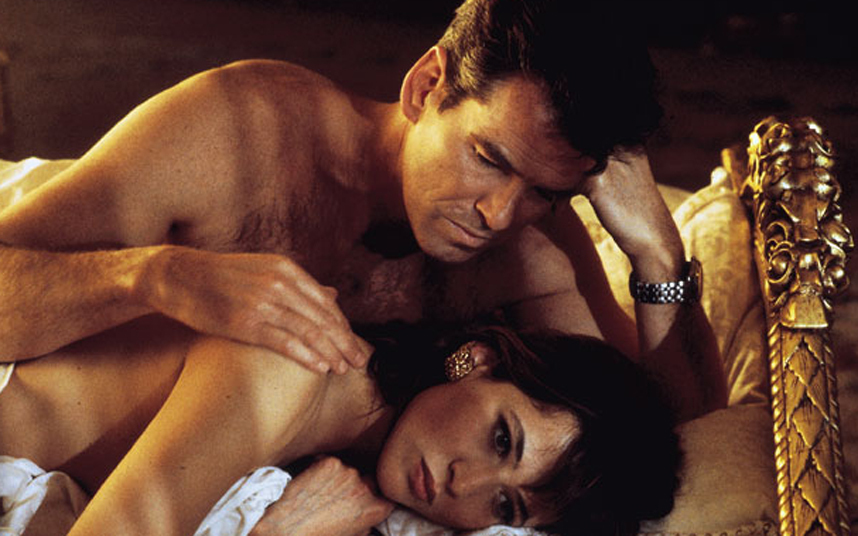
Pierce Brosnan as James Bond and Sophie Marceau as Elektra King in The World Is Not Enough.
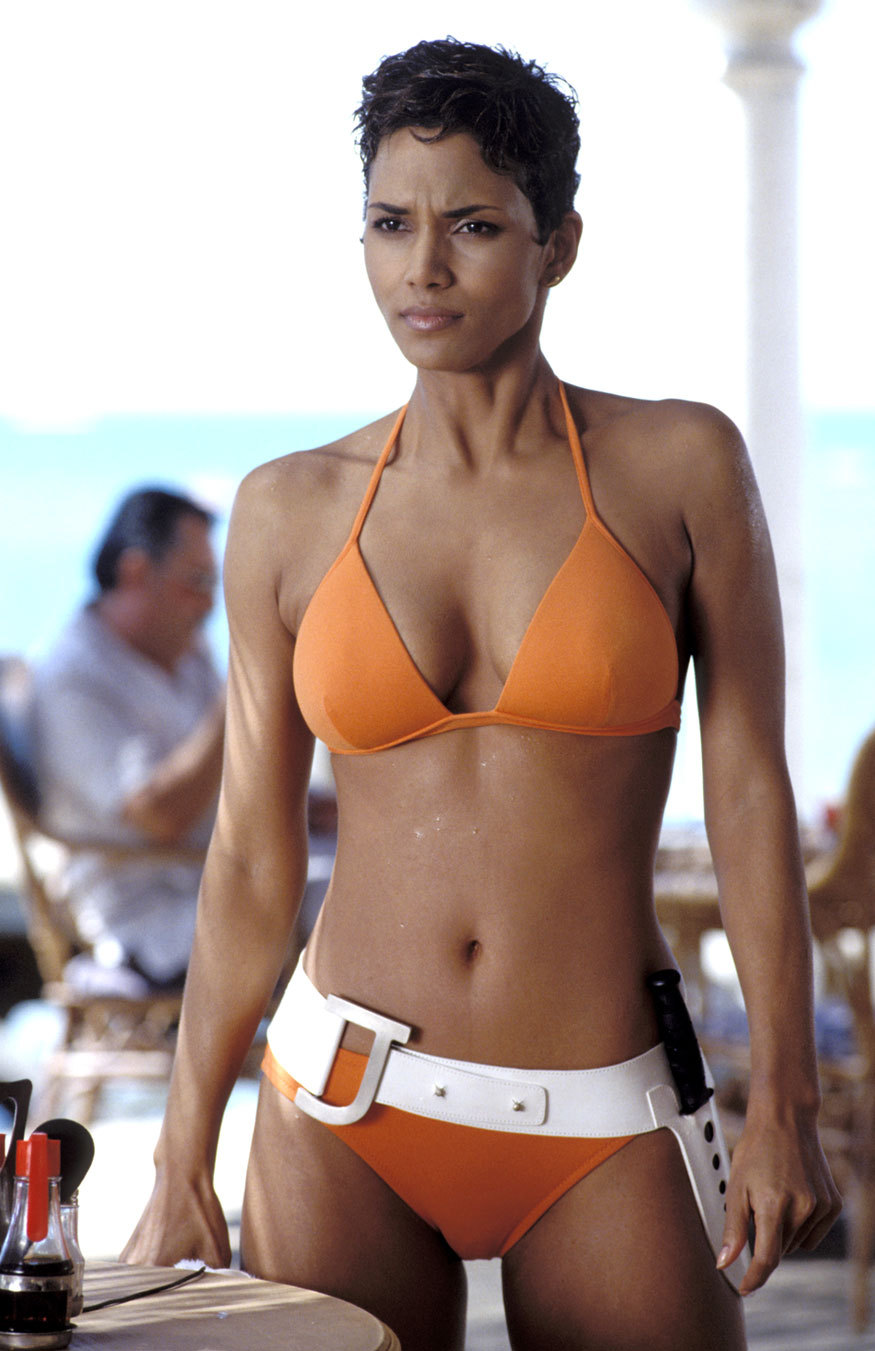
Halle Berry as Giacinta ‘Jinx’ Johnson in 2002’s Die Another Day, the last of the Pierce Brosnan 007 films.
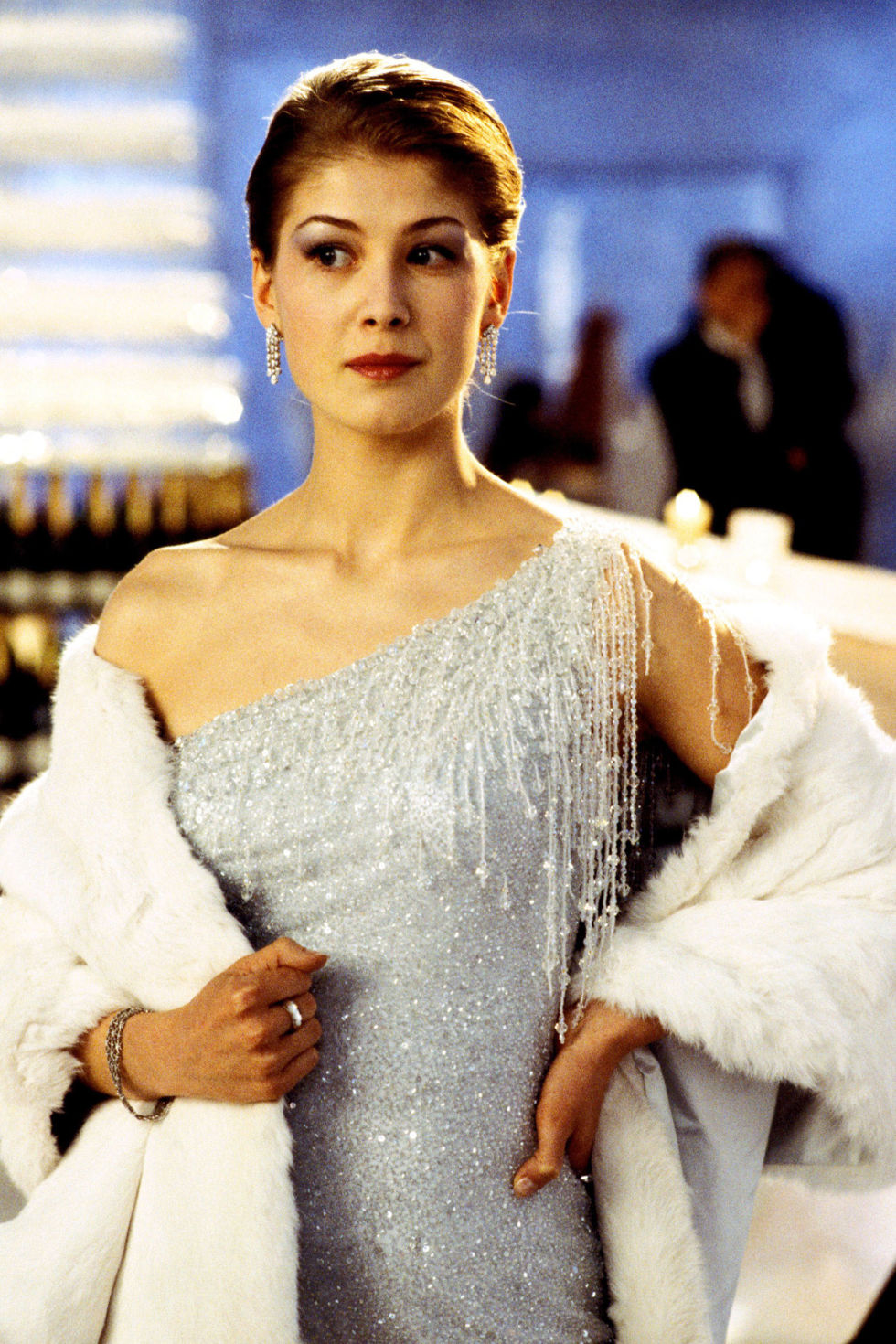
Rosamund Pike as Miranda Frost, also in Die Another Day.
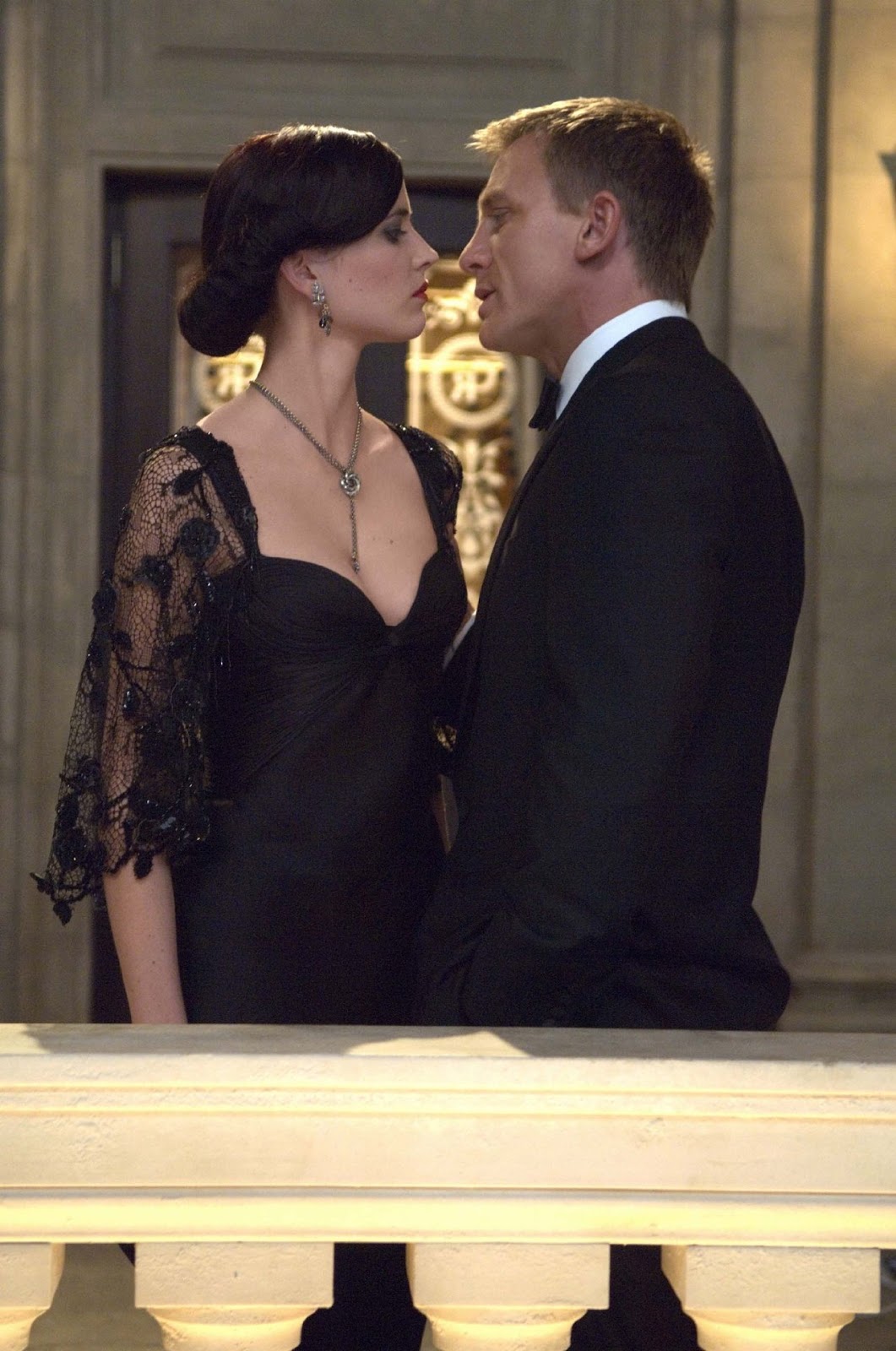
Eva Green as Vesper Lynd and Daniel Craig as James Bond in Casino Royale in 2006.
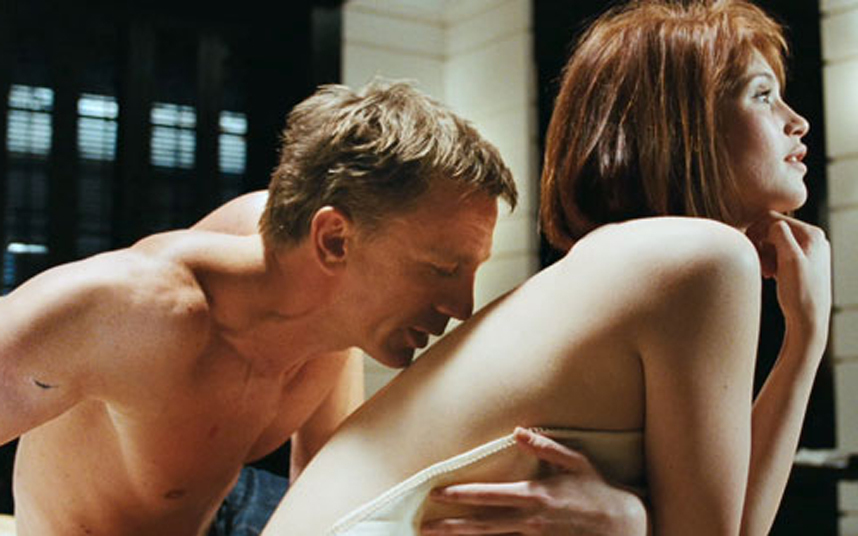
Daniel Craig as Bond with Gemma Arterton as Strawberry Fields in Quantum of Solace in 2008.
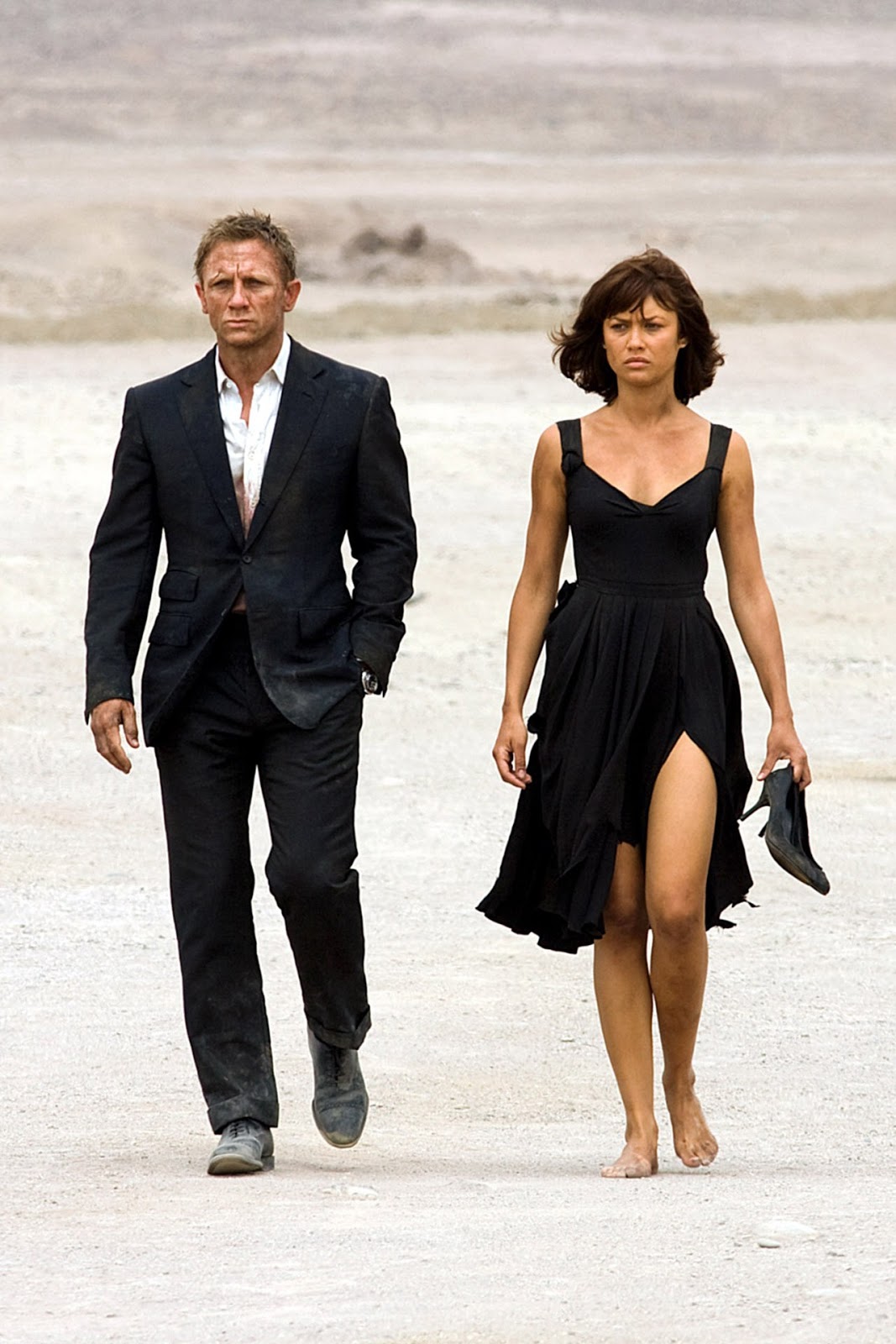
Olga Kurylenko played Camille Montes, with Daniel Craig as James Bond, in Quantum of Solace.
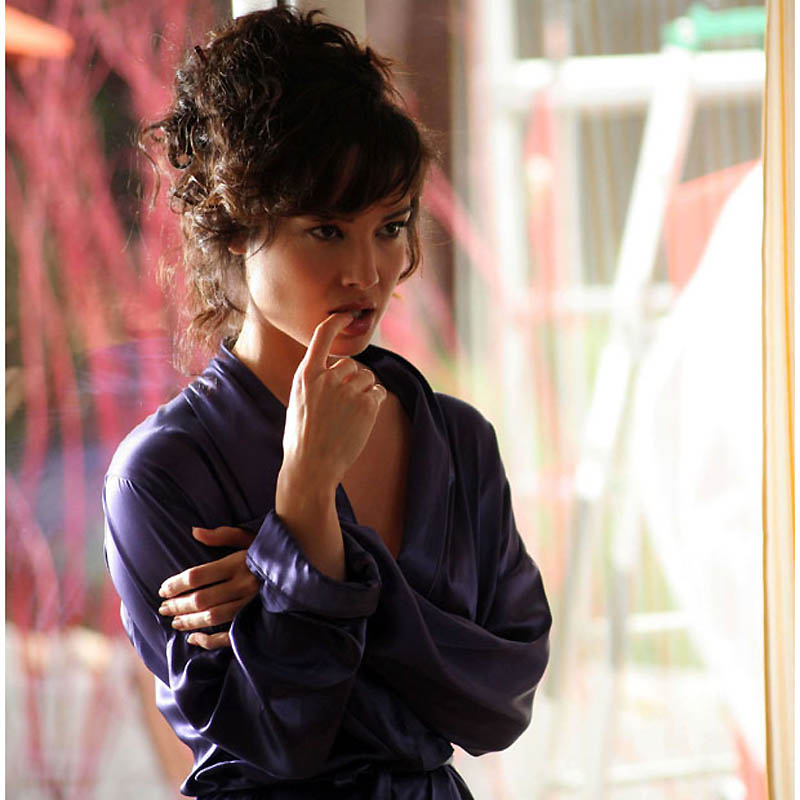
French actress and model Bérénice Marlohe starred in the 23rd film in the James Bond series: Skyfall.
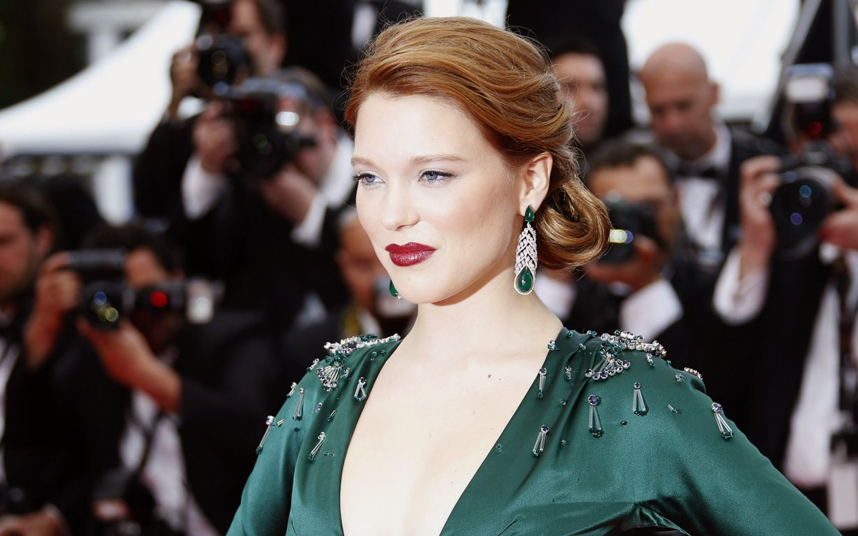
Another French actress, Léa Seydoux, will reportedly play the Bond girl opposite Daniel Craig in 007’s 24th film appearance.
(Photo credit: Telegraph / Wikimedia Commons / Wikipedia).