
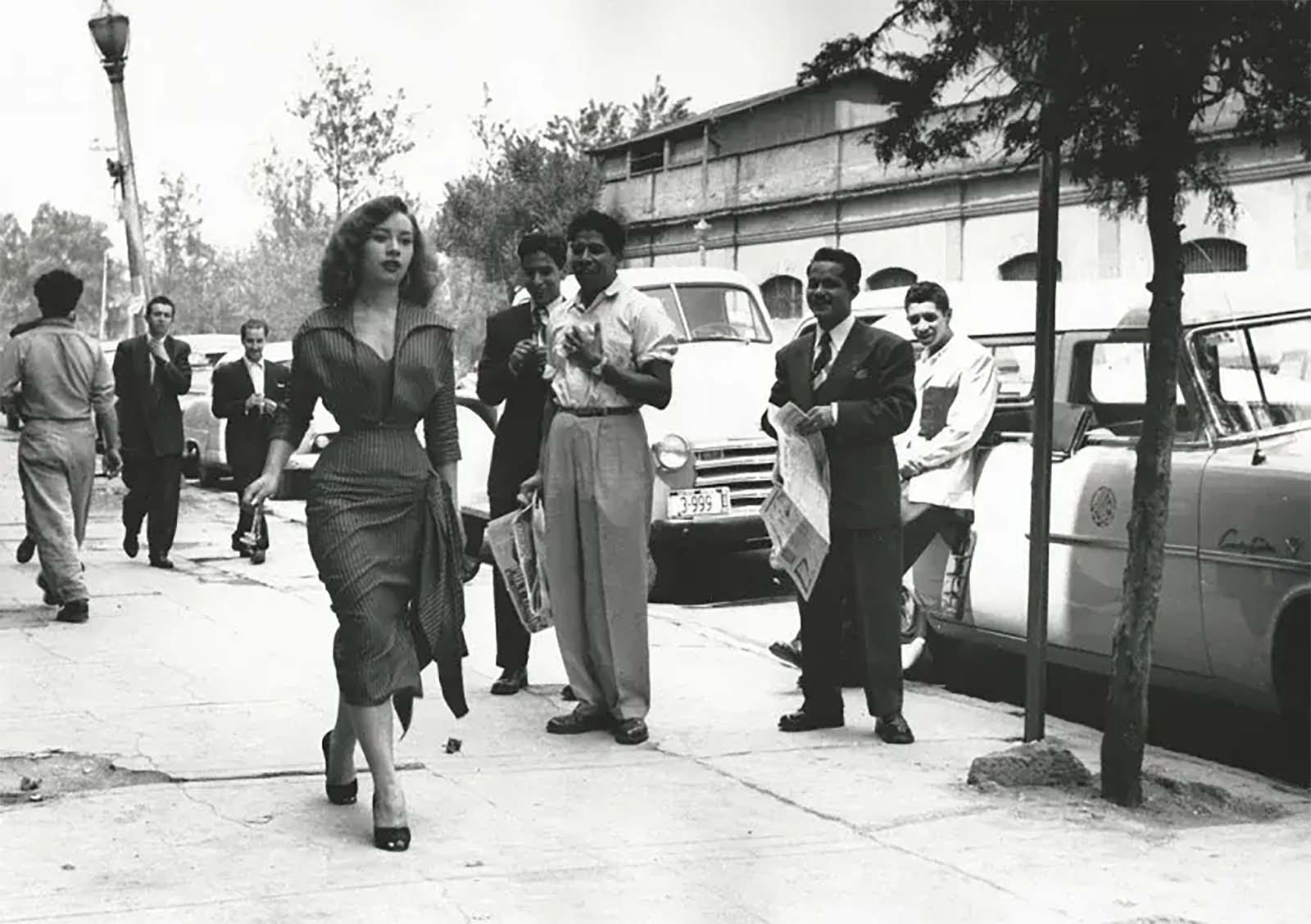
In 1953, a simple walk through a busy market street in Mexico City became an unexpected social experiment that revealed much about public behavior, gender dynamics, and the everyday culture of the time.
What began as a routine photo assignment quietly turned into a candid observation of how a young woman was seen—and judged—in public space.
The resulting images would spark debate, attract international attention, and later be recognized as one of the most significant photographic works of the 20th century.
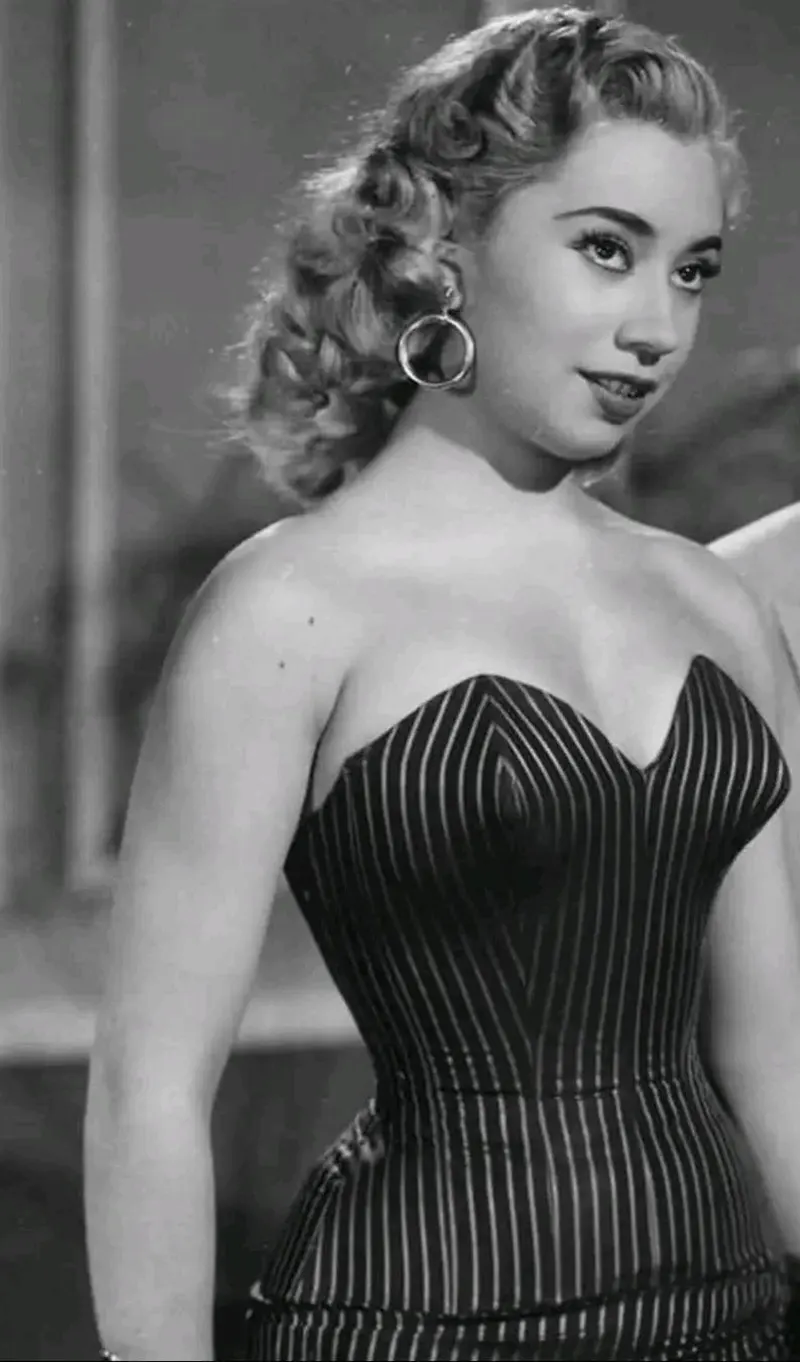
Her name was Maty Huitrón, a 17-year-old showgirl and actress who was unknowingly drawn into participating in a photographic series that would later become iconic.
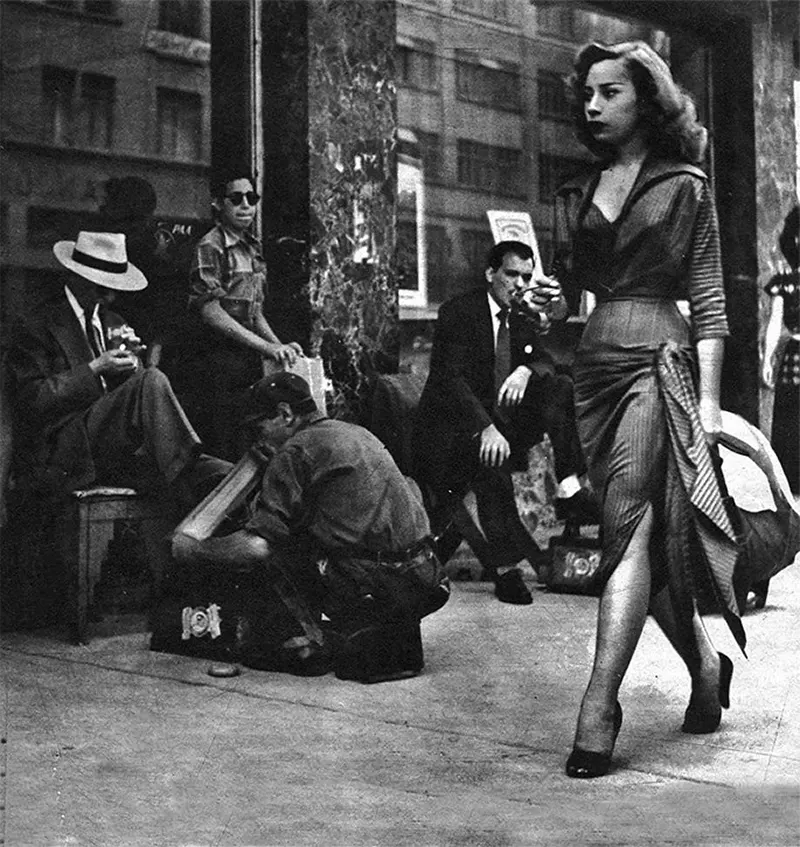 In early 1953, the editors of Siempre magazine were determined to make their debut issue unforgettable.
To achieve this, they decided to focus on the striking beauty of the young performer Maty Huitrón
The assignment was given to photographer Nacho López, a student of Manuel Álvarez Bravo, who was beginning to gain attention for moving away from traditional subjects such as politicians and elites, choosing instead to document ordinary people and everyday life.
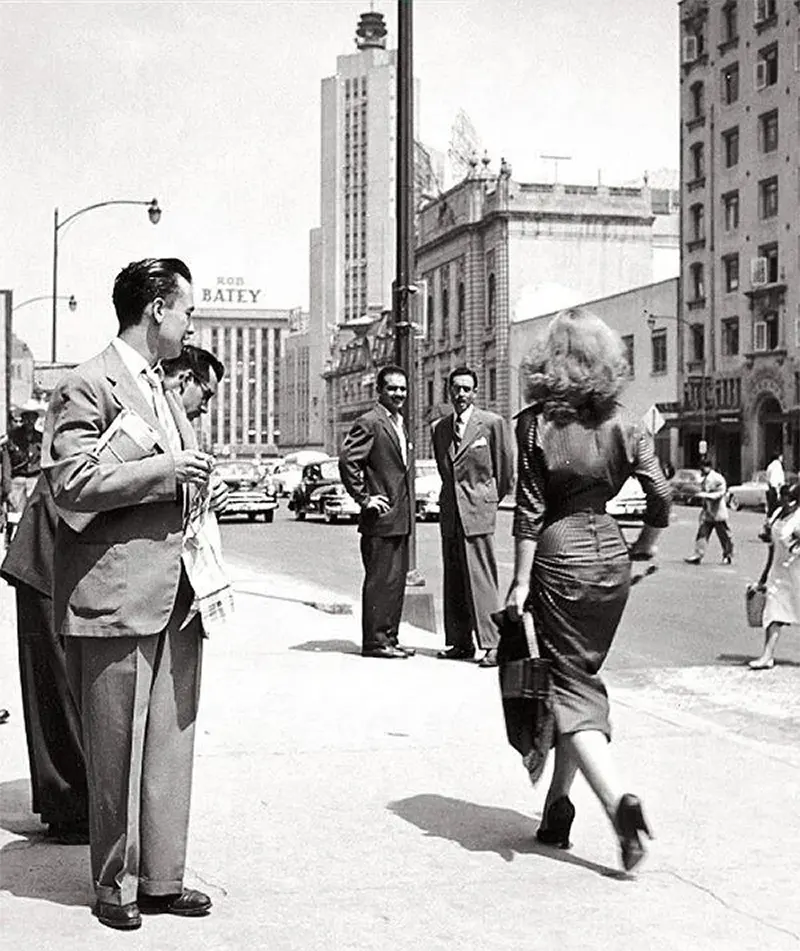 One January morning, the photographer and actress met in the Historic Center of Mexico City to begin the session.
López claimed that he had forgotten to bring enough film and told Huitrón he would go ahead to buy more, asking her to follow him shortly after.
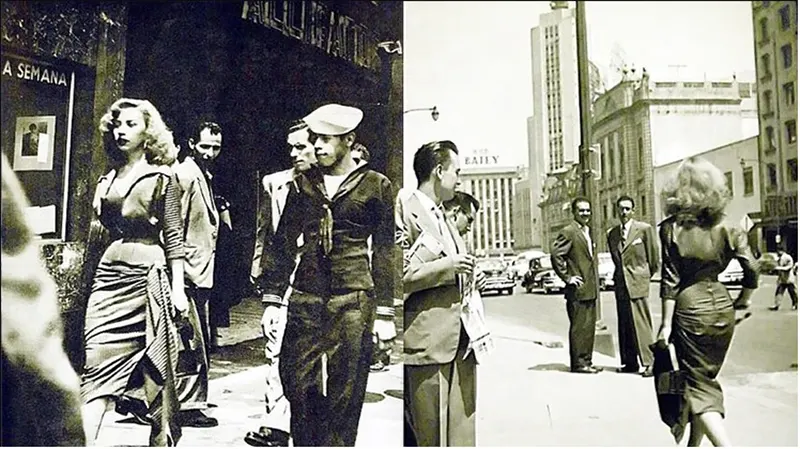
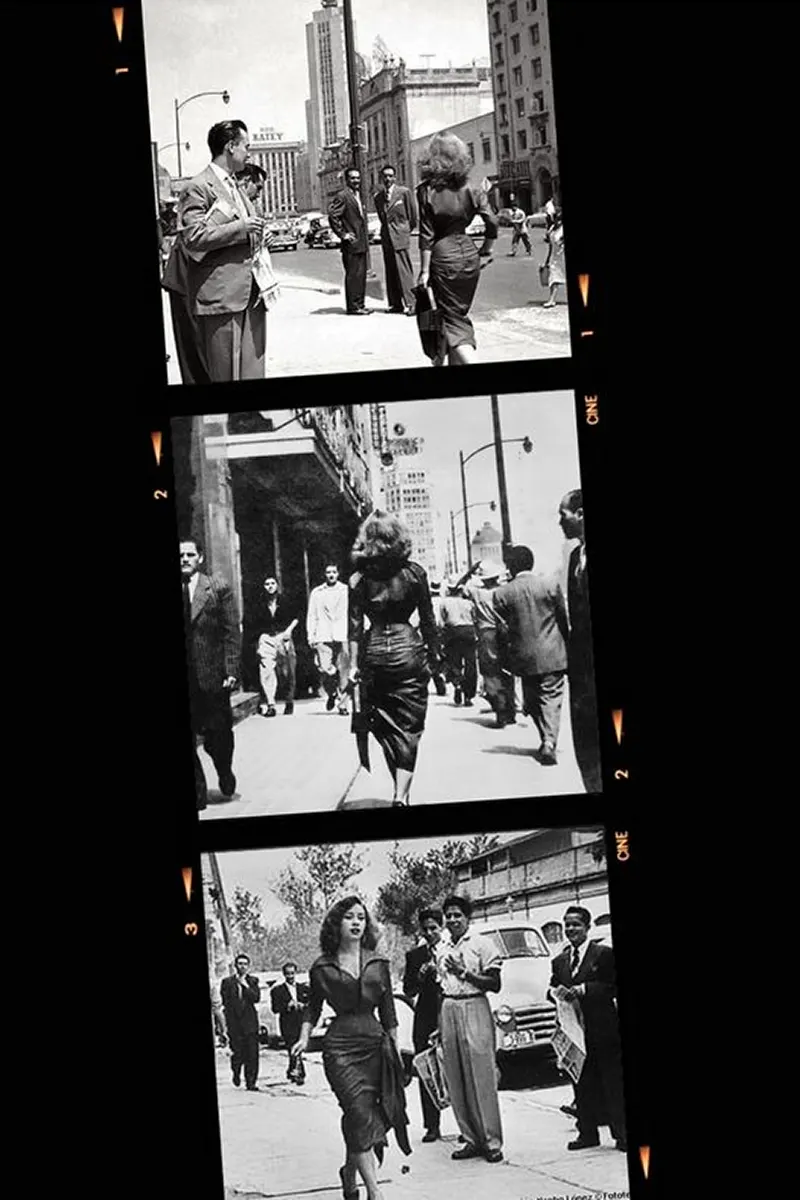
She agreed, unaware that she had become part of a carefully planned experiment. Wearing a fitted dress that highlighted her figure, Huitrón walked along Madero Street, drawing lingering stares and unsolicited comments from men passing by.
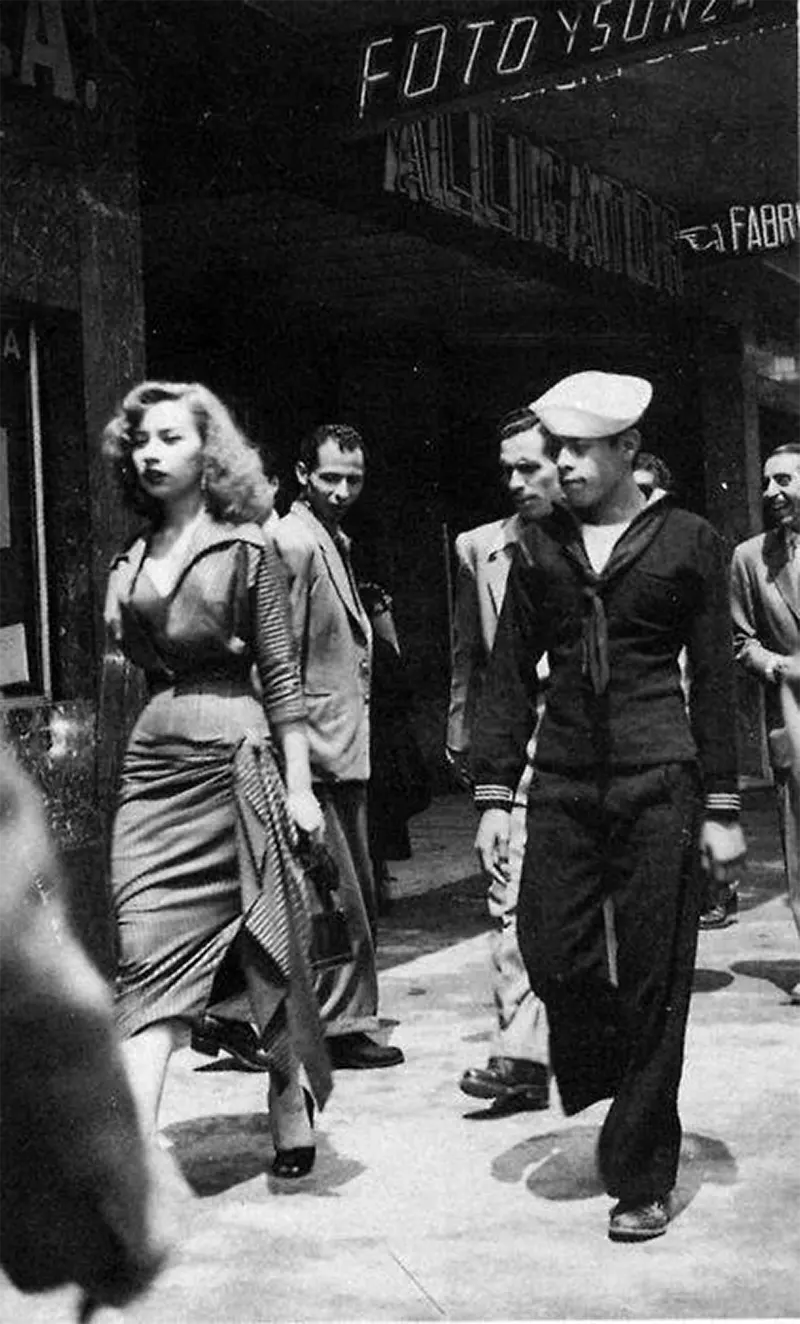 Hidden from view, the photographer followed her, capturing these reactions without her or the surrounding crowd realizing they were being photographed.
When the walk ended, the actress confronted him, saying, “Hey Nacho, you’re not taking any risks. You have no idea what they said to me.”
López simply smiled, knowing the project had achieved exactly what he intended. Through his lens, Huitrón was immortalized—sometimes composed and confident, at other moments visibly uncomfortable.
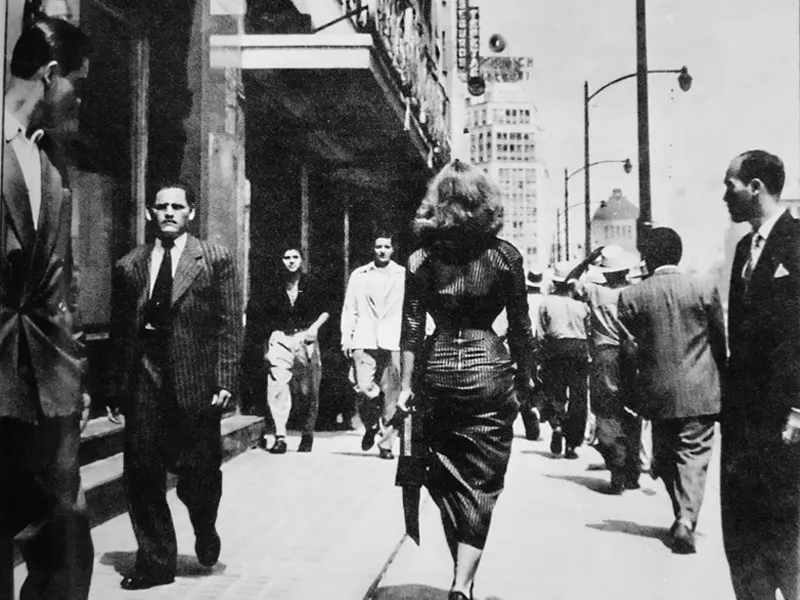 The six photographs were published in the first issue of Siempre magazine under the title “When a Beautiful Woman Walks Down Madero Street.”
The series caused a strong reaction among readers, not only because of the actress’s appearance, but because it forced viewers to confront their own behavior and attitudes as reflected in the men watching her pass.
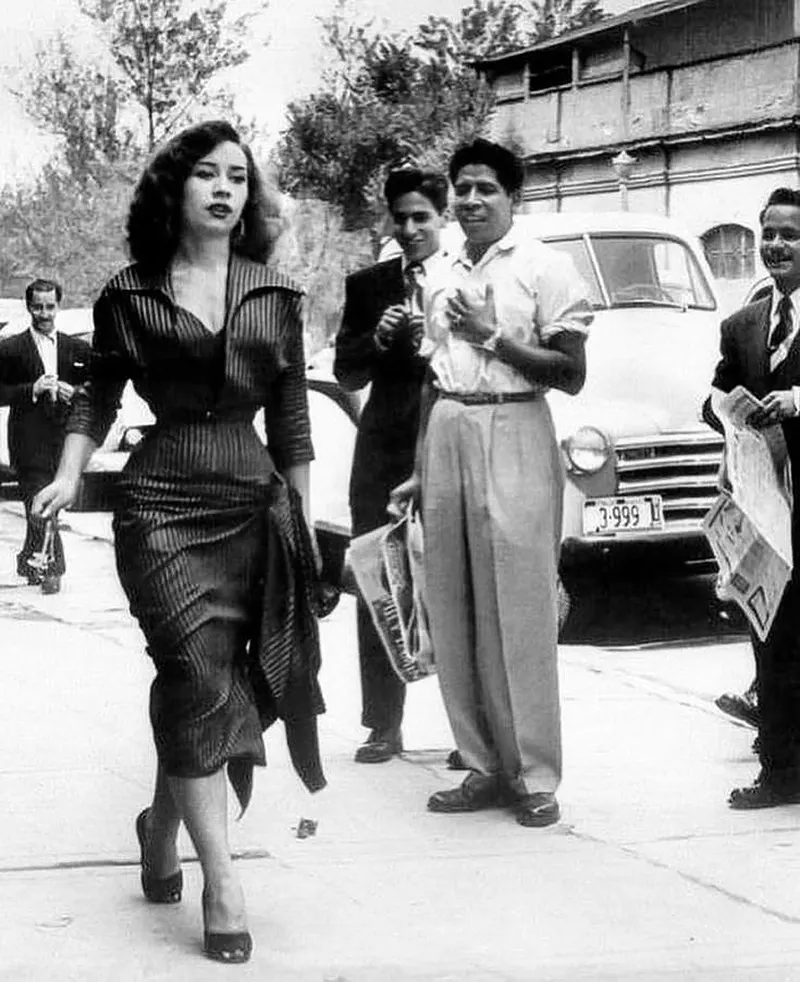 The images quickly drew criticism, with many accusing them of glorifying machismo. Huitrón, however, dismissed the backlash.
She later explained that the photographs became a defining moment in her career, bringing her international recognition without relying on nudity, excessive makeup, or overt sexualization.
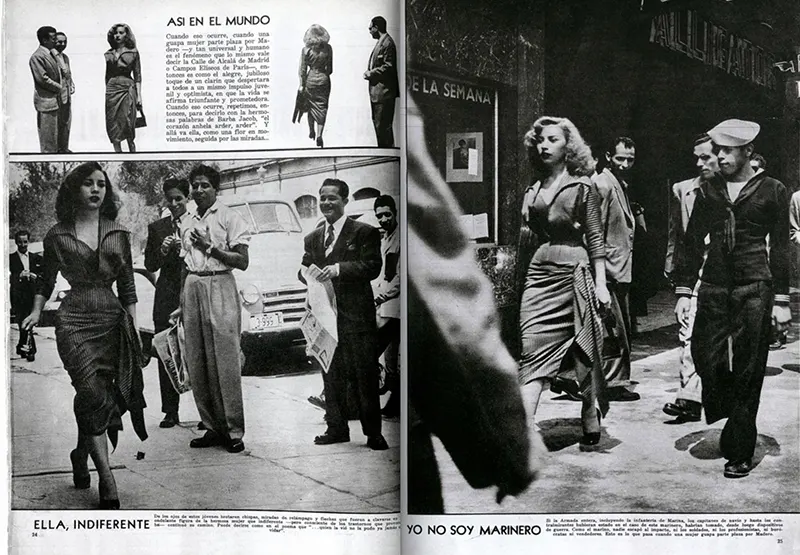 By 1957, the series had been exhibited in Paris and Munich. Writer Carlos Monsiváis later featured one of the images on the cover of his book A ustedes les consta (You Are Witnesses), a collection of chronicles about life in Mexico City.
In the early 2000s, the photographs were officially recognized as one of the greatest photographic achievements of the 20th century and were even commemorated on a postage stamp.
Today, the original negatives are preserved at Mexico’s National Museum of Anthropology.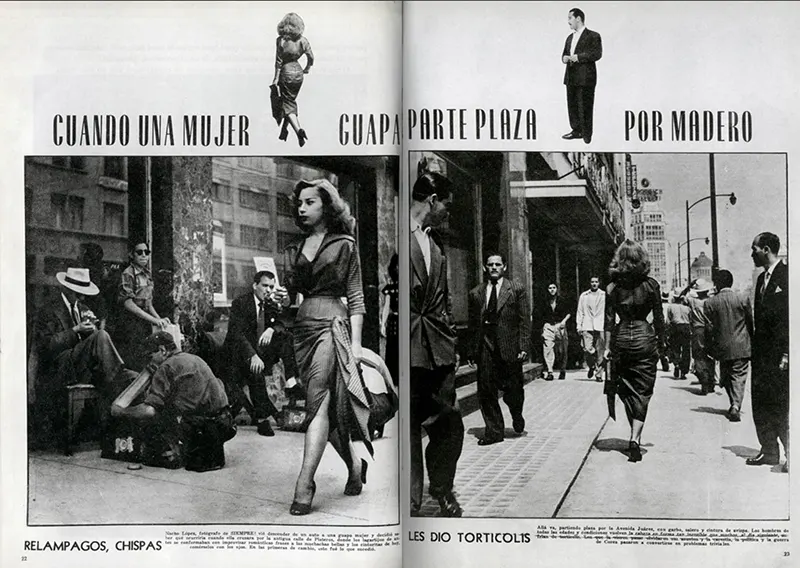 Huitrón had a long career as an actress and would go on to star in films such as My Father Was at Fault (1953), Dona Mariquita of My Heart (1953) and El casto Susano (1954).
She was also known for her roles in telenovelas such as El privilegio de amar (1998–1999) and Amor real (2003), both produced by her daughter Carla Estrada. Huitrón died on 14 January 2019 at the age of 82.
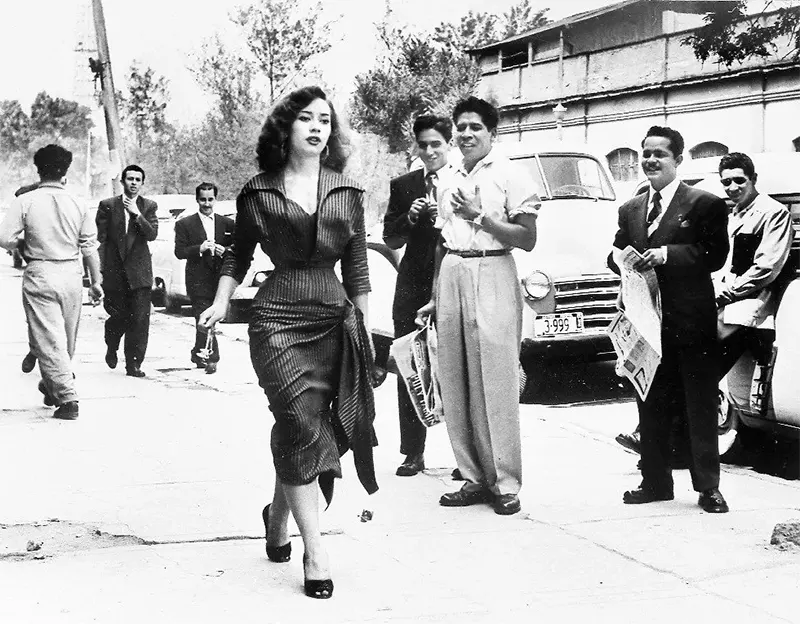
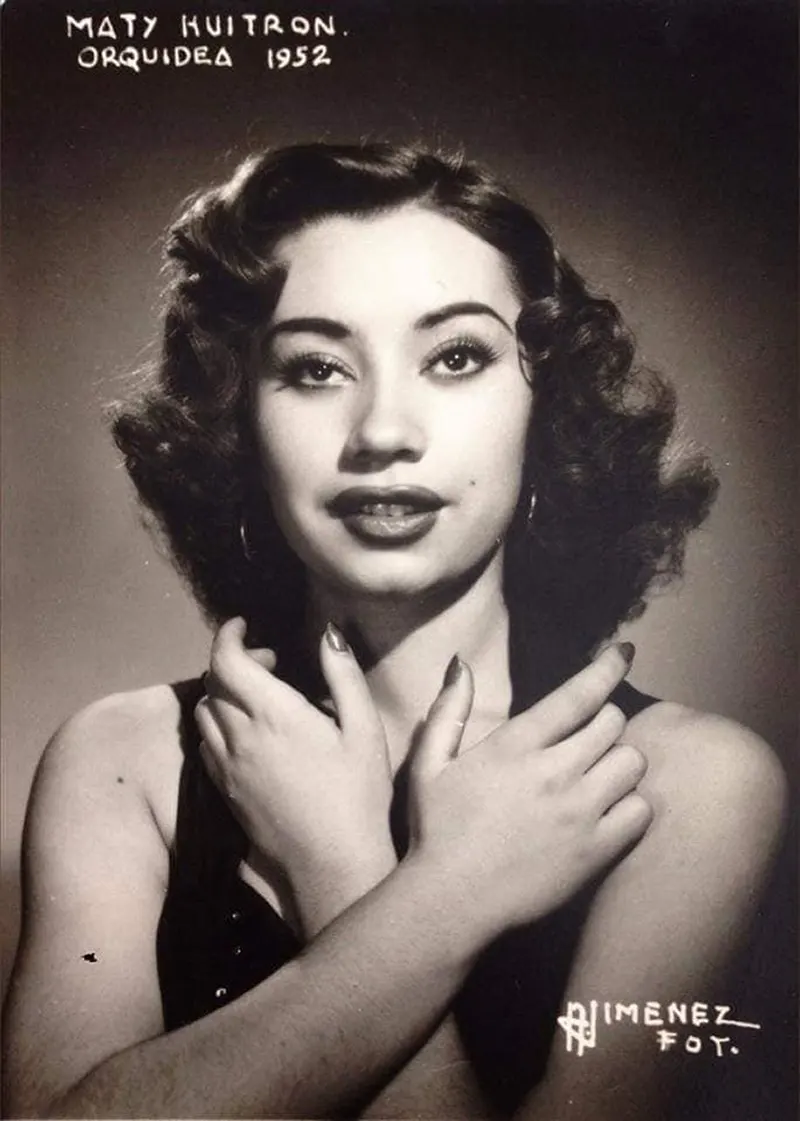
Maty Huitrón in the 1950s.
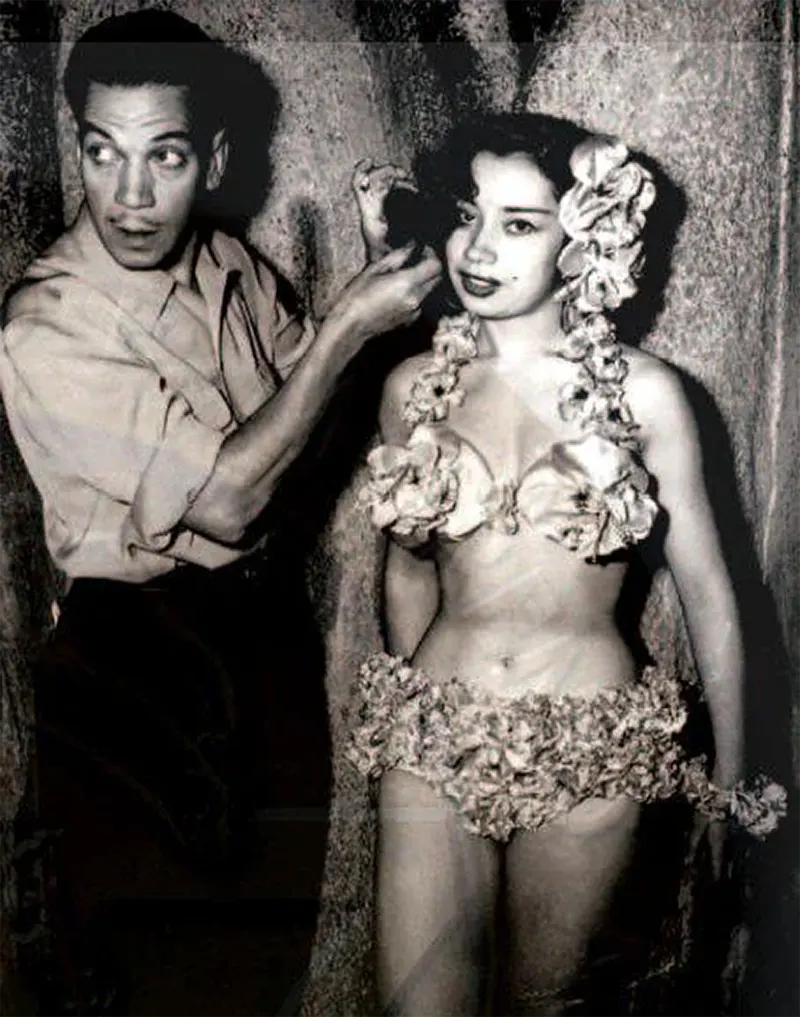
Mexican comic star, Mario Moreno “Cantinflas” and then aspiring actress Maty Huitron, 1953.
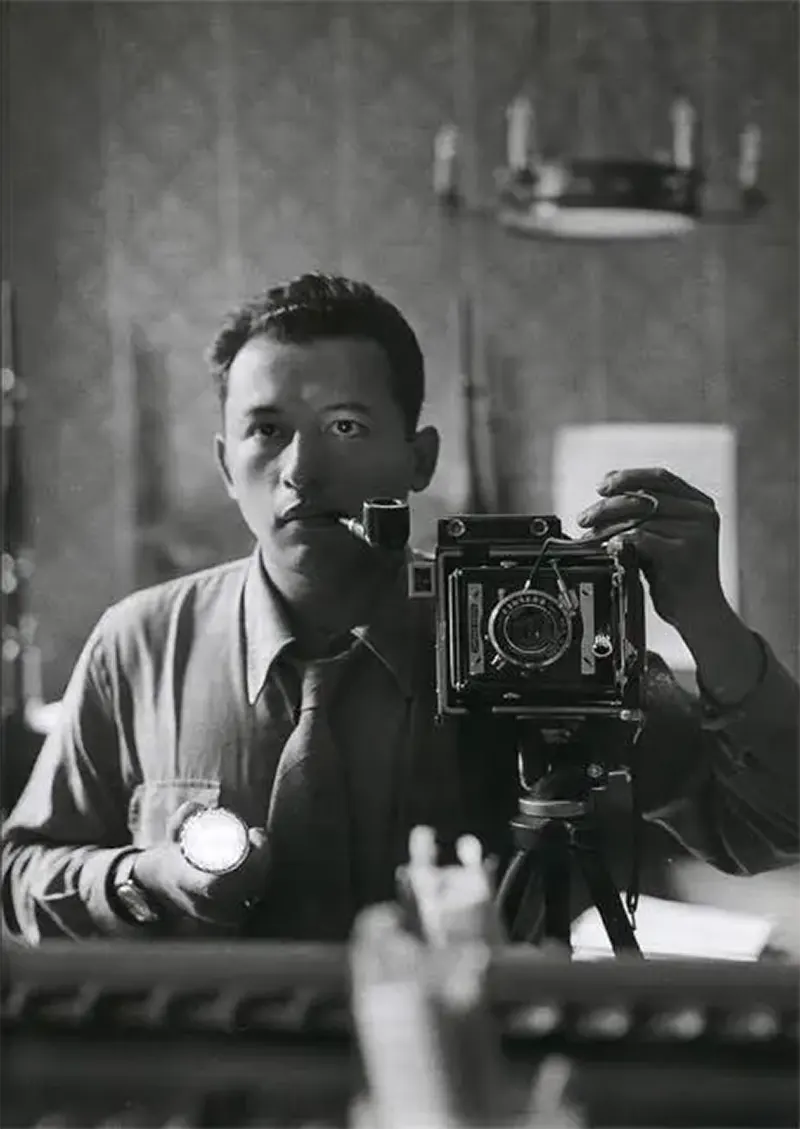
Ignacio López Bocanegra, better known as Nacho Lopez.
(Photo credit: Nacho Lopez).