
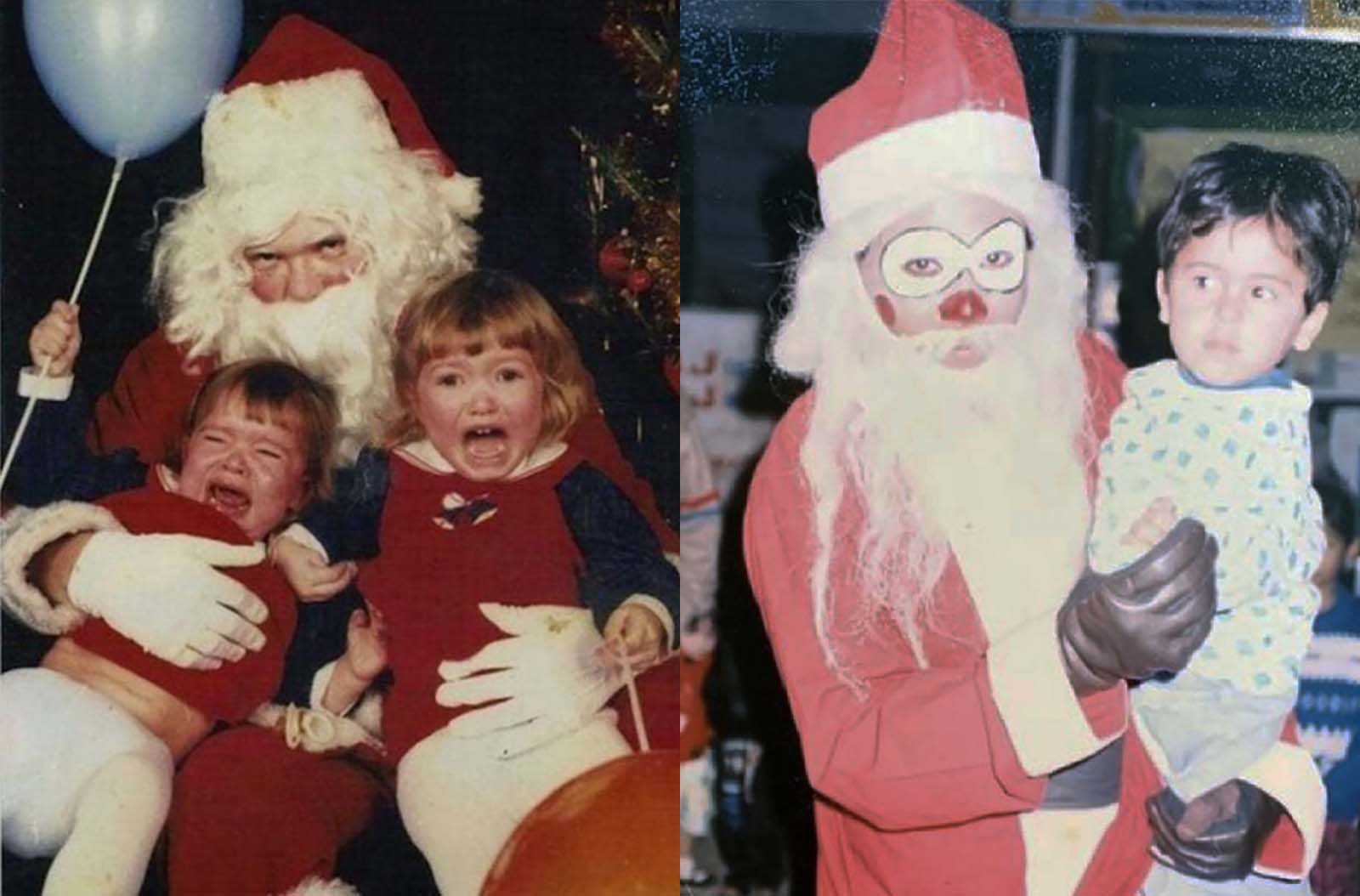

Christmas is usually associated with comfort and cheer, but these images tell a very different story.
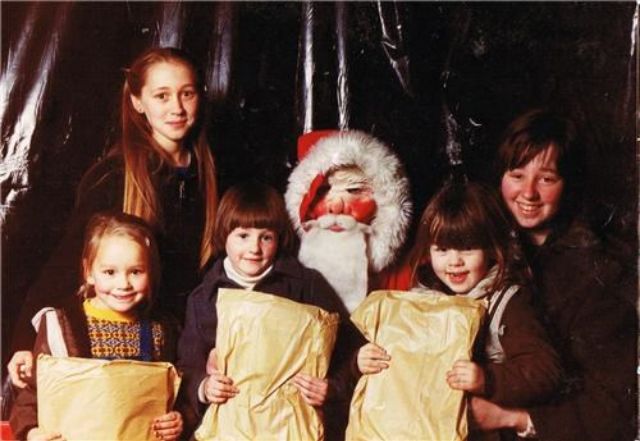
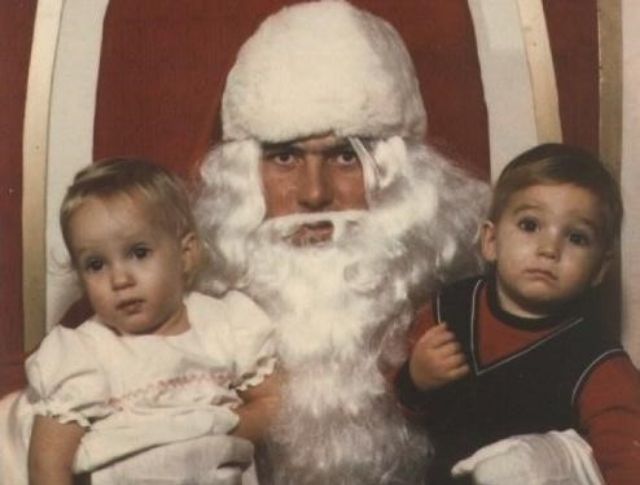
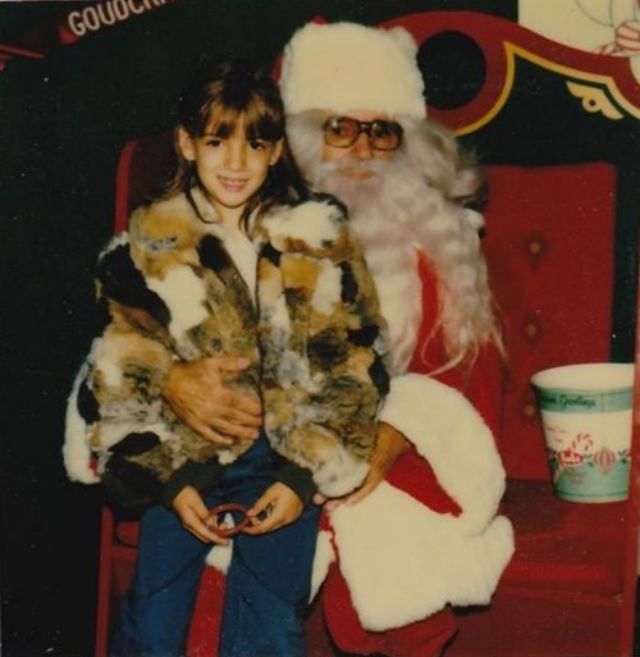
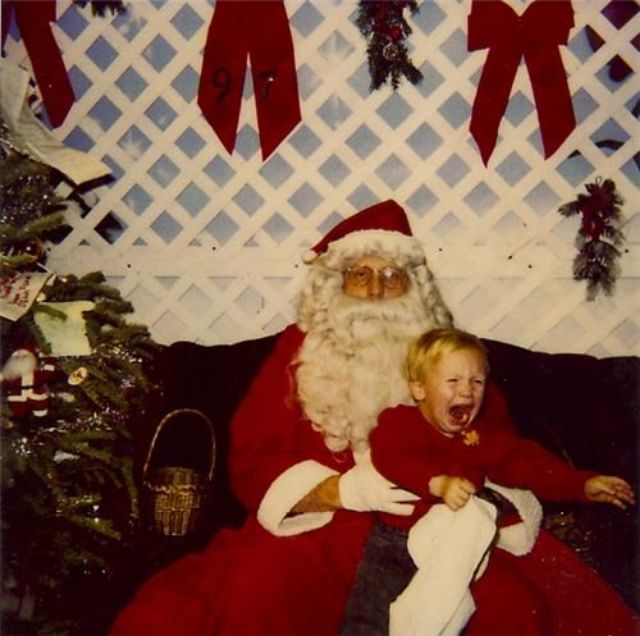
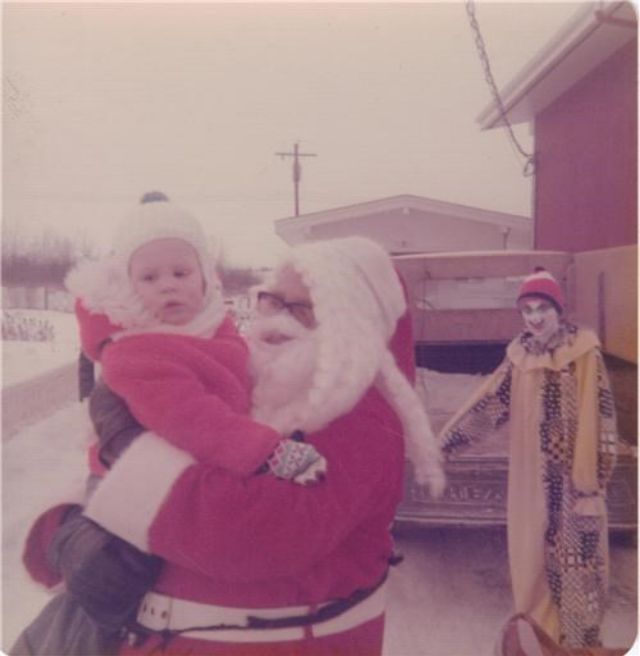
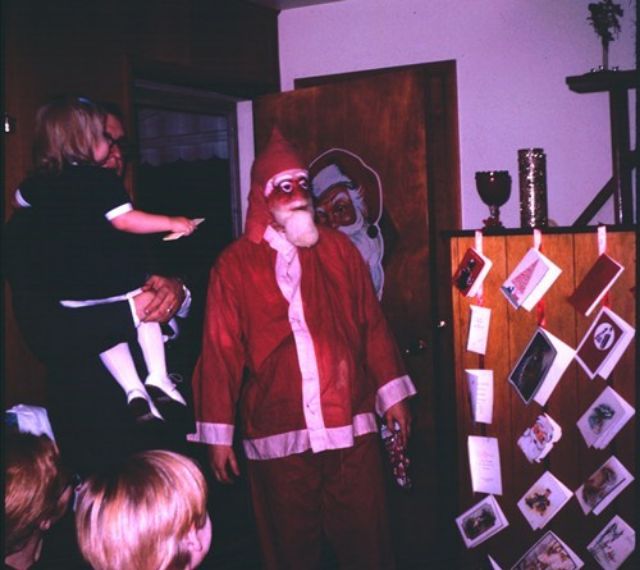
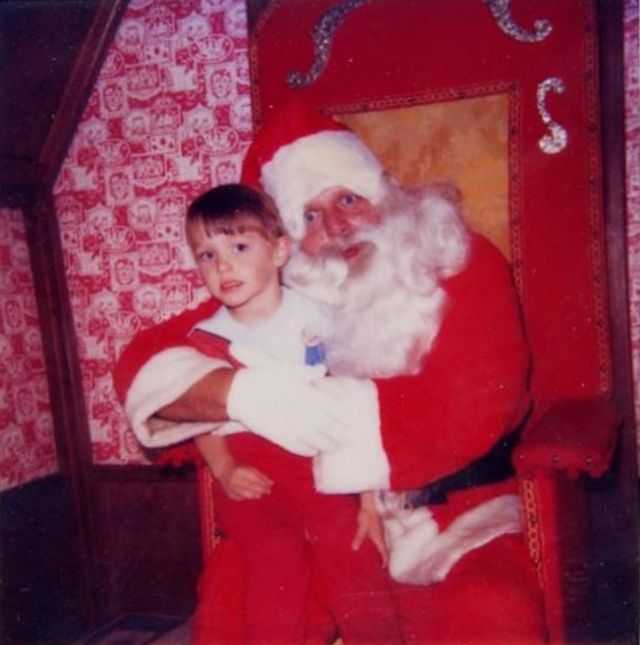
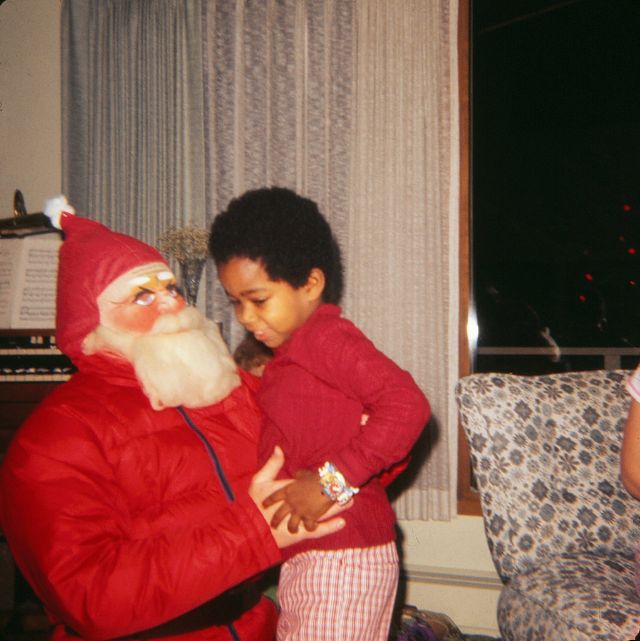
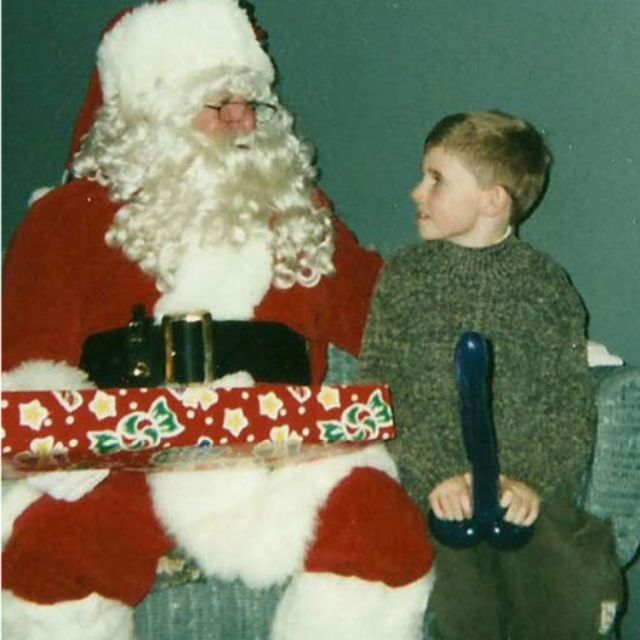
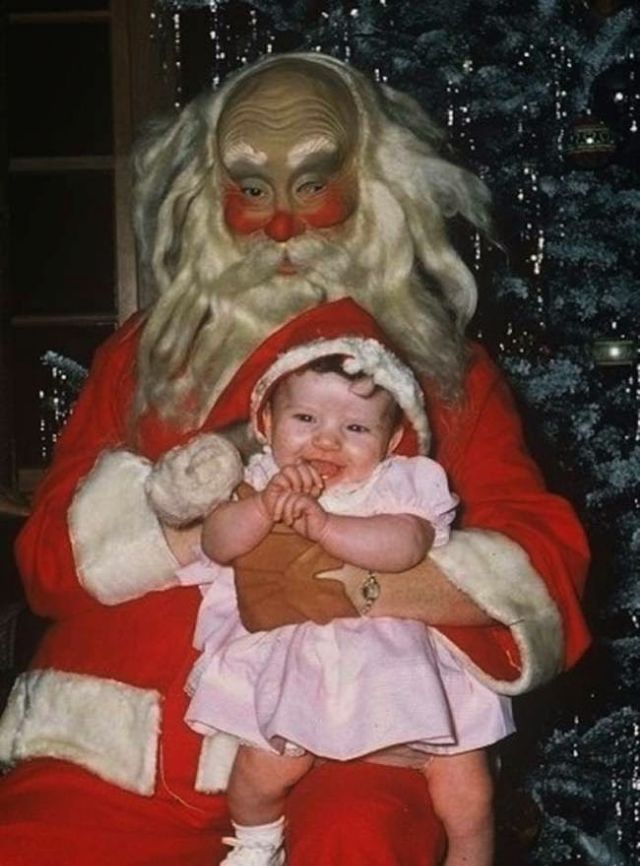
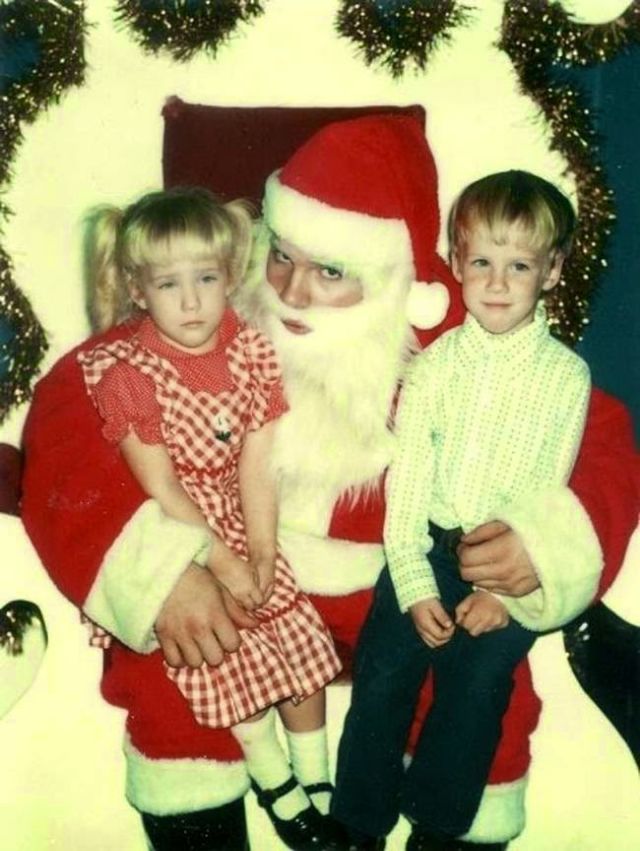
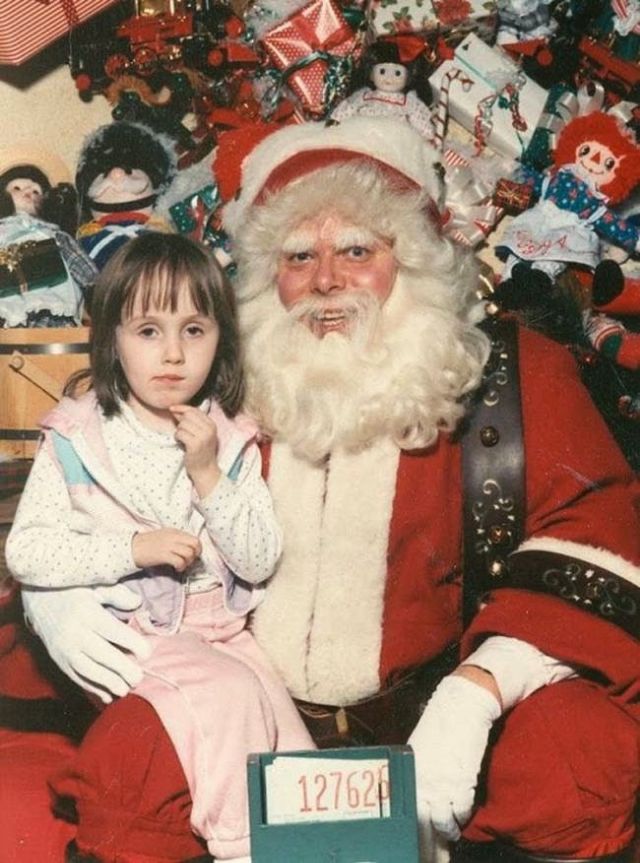
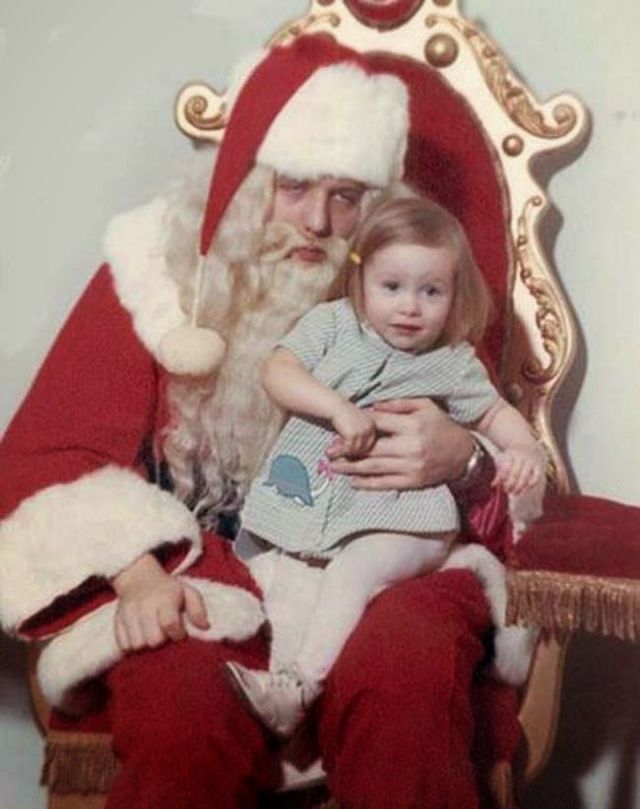
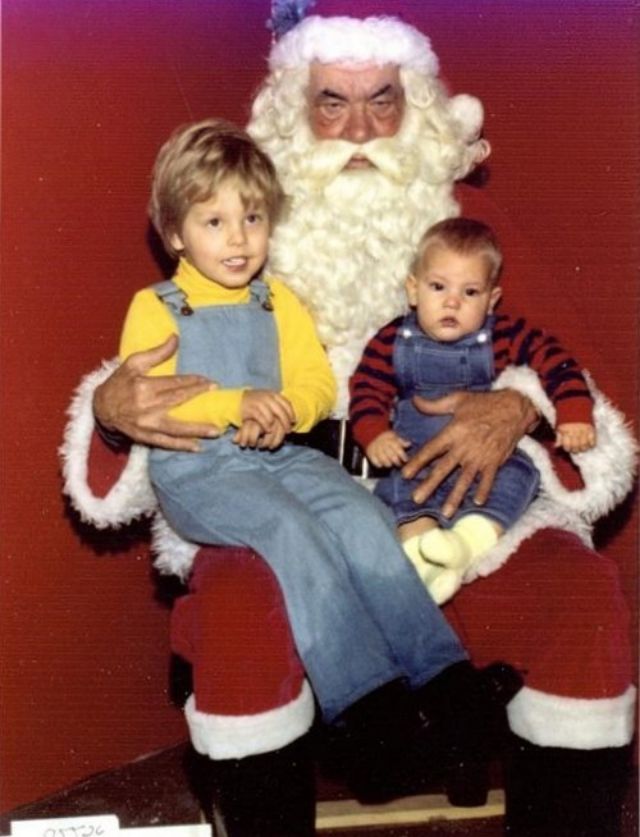
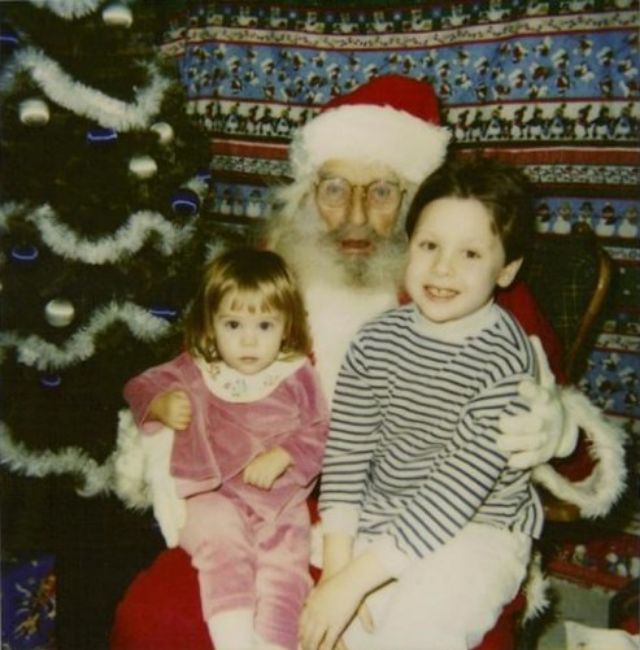
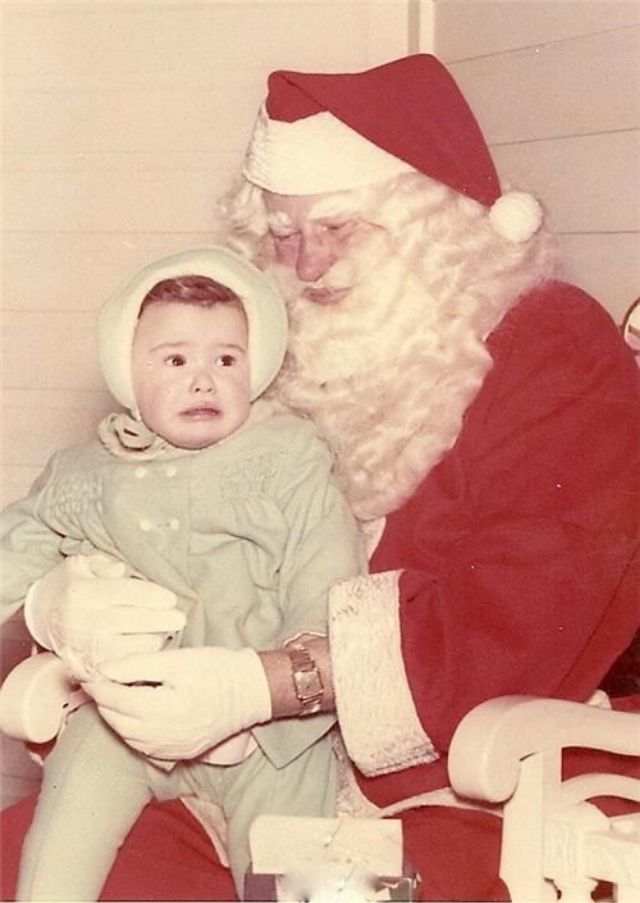
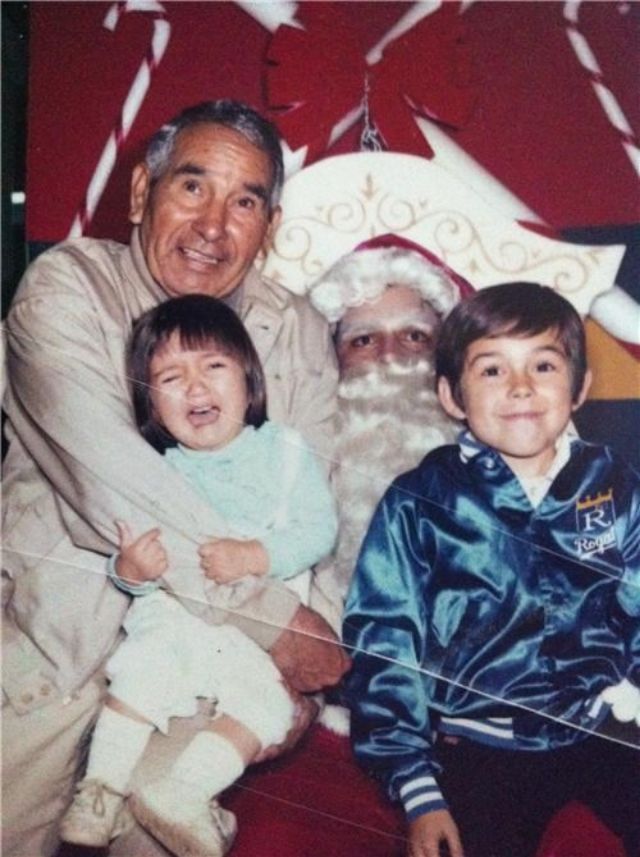
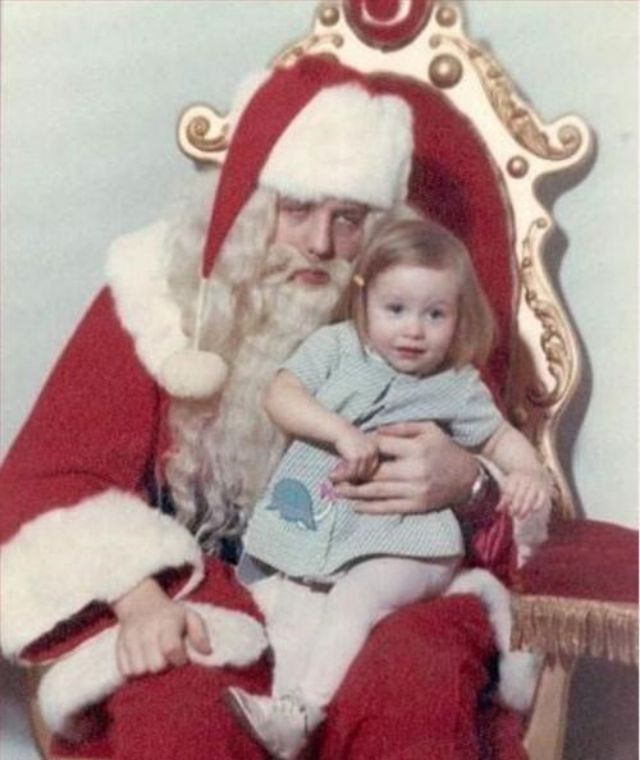
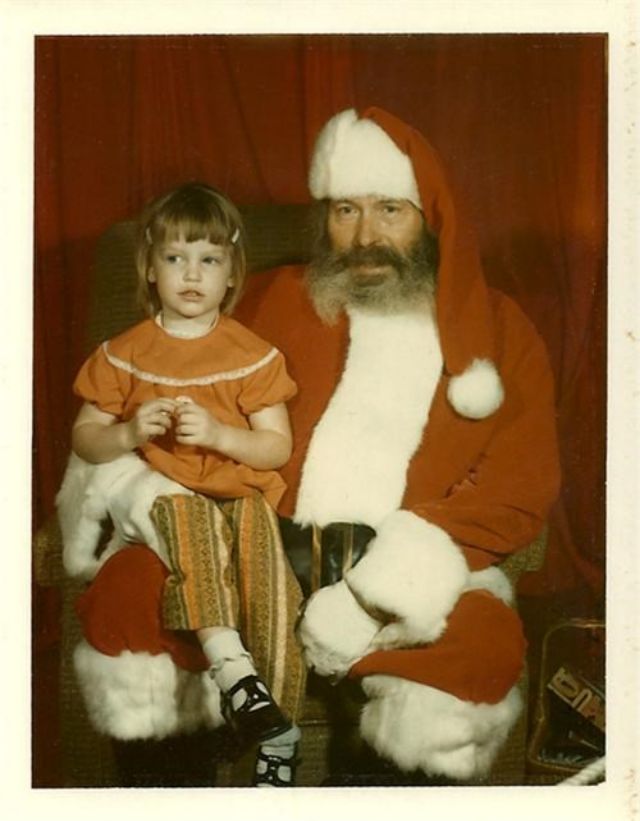
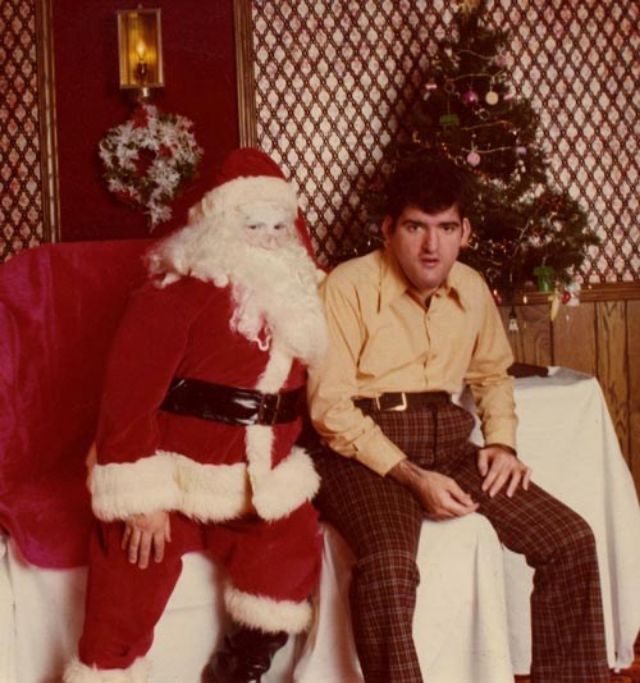
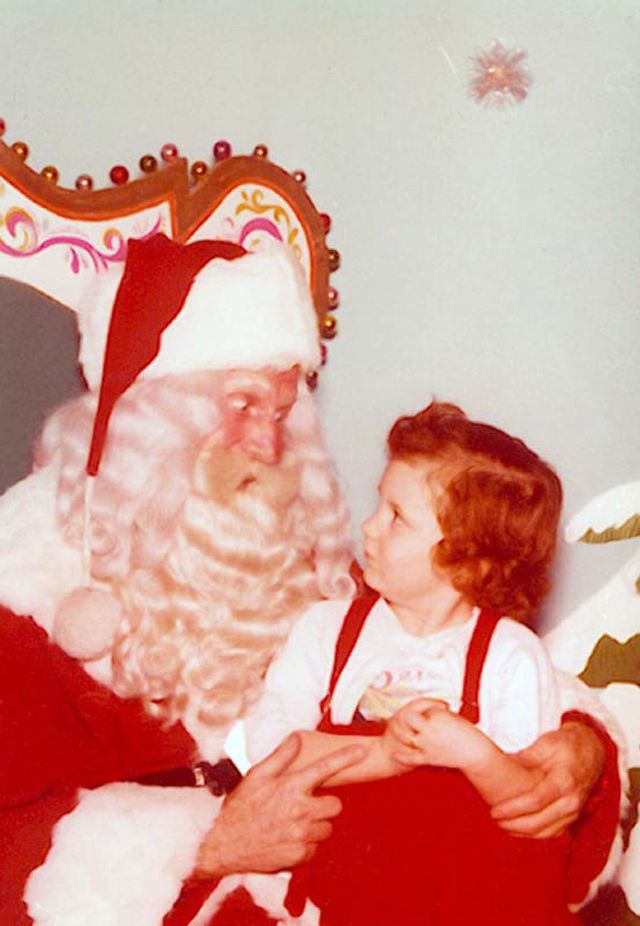
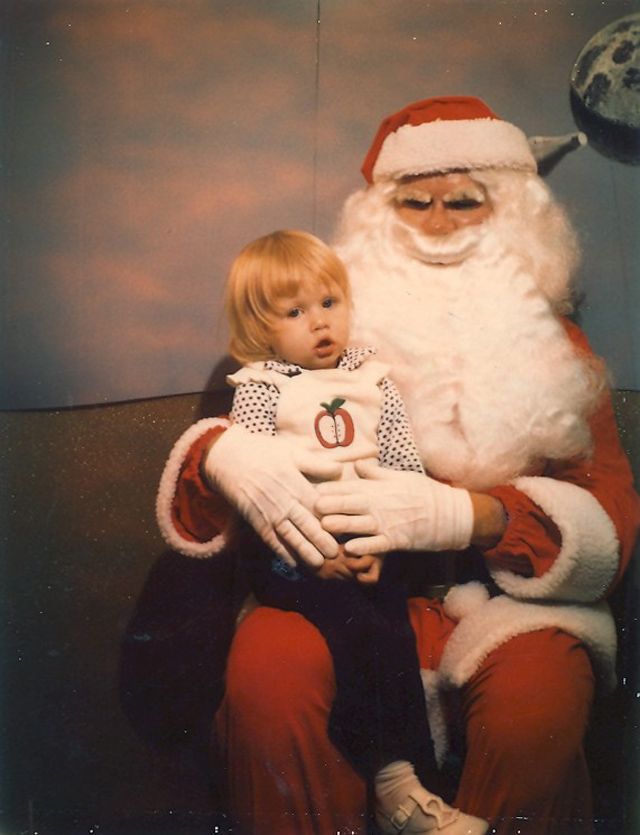
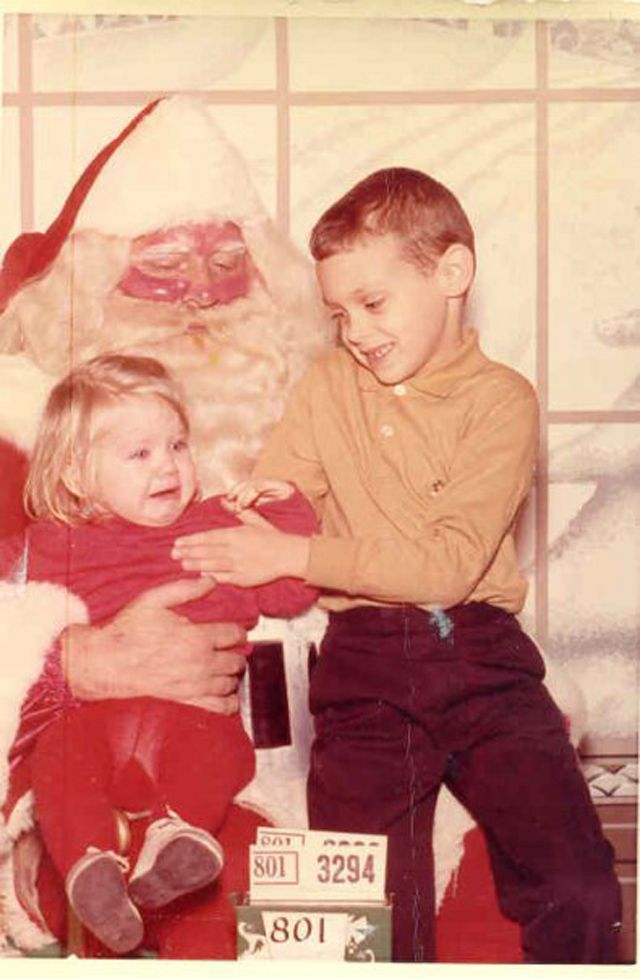
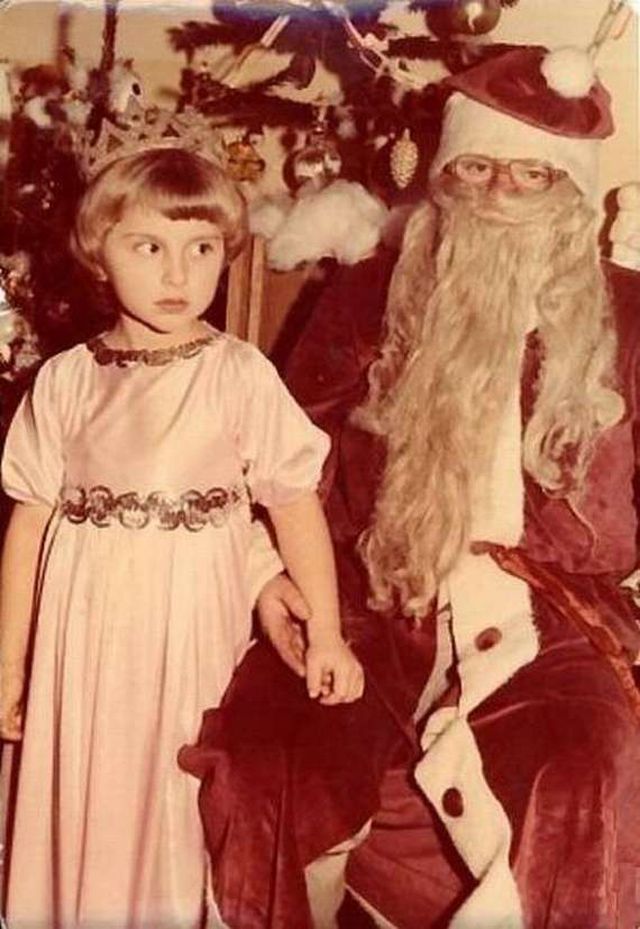
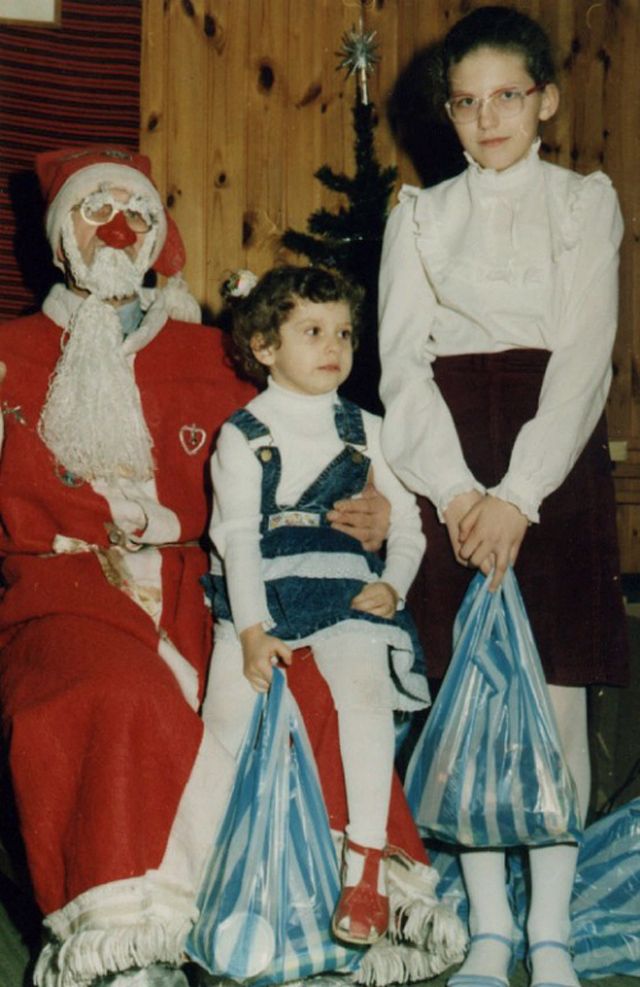
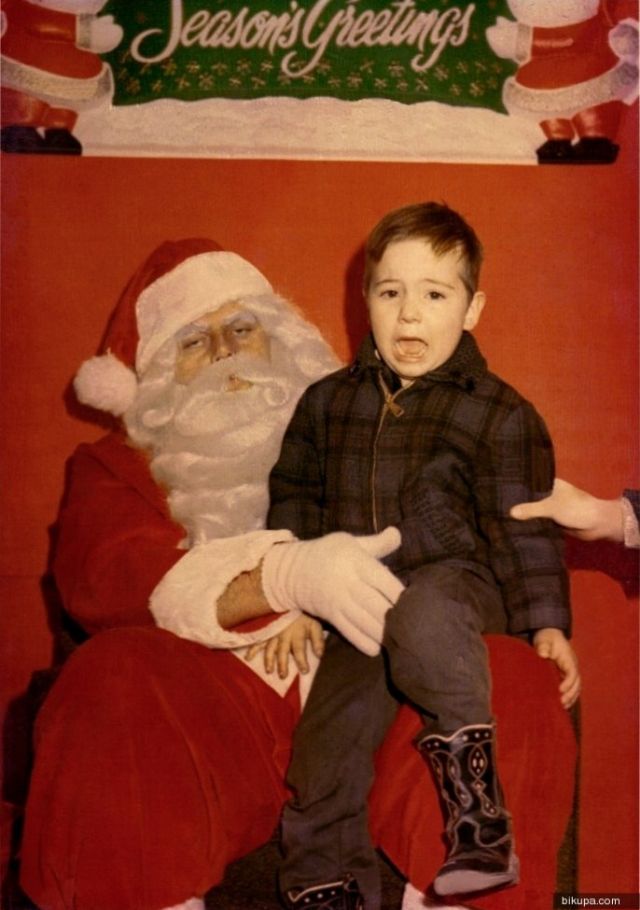
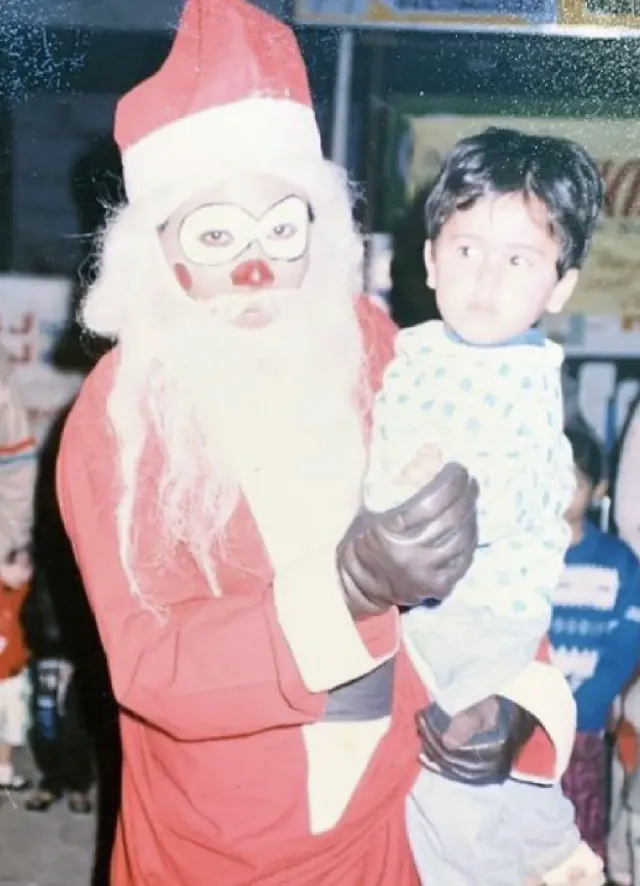
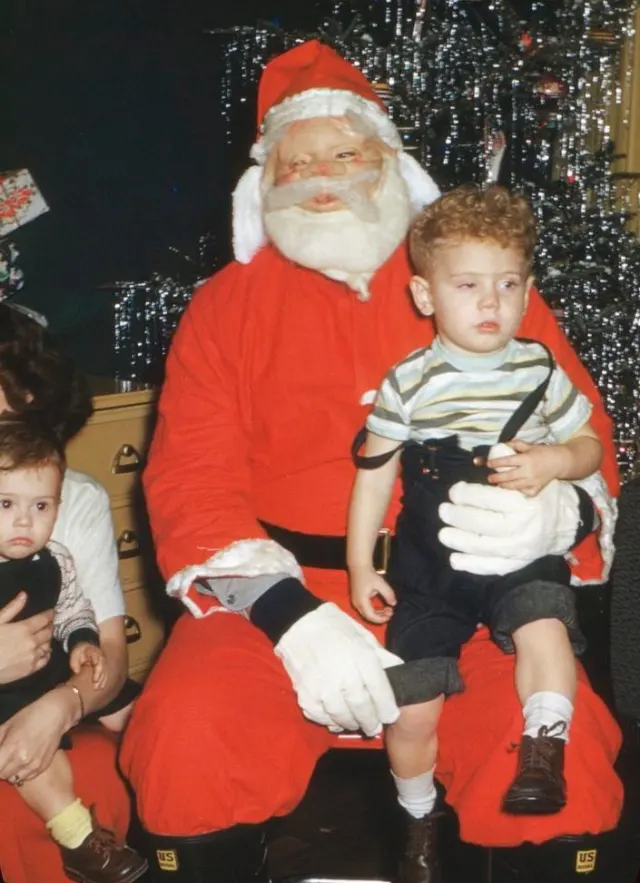
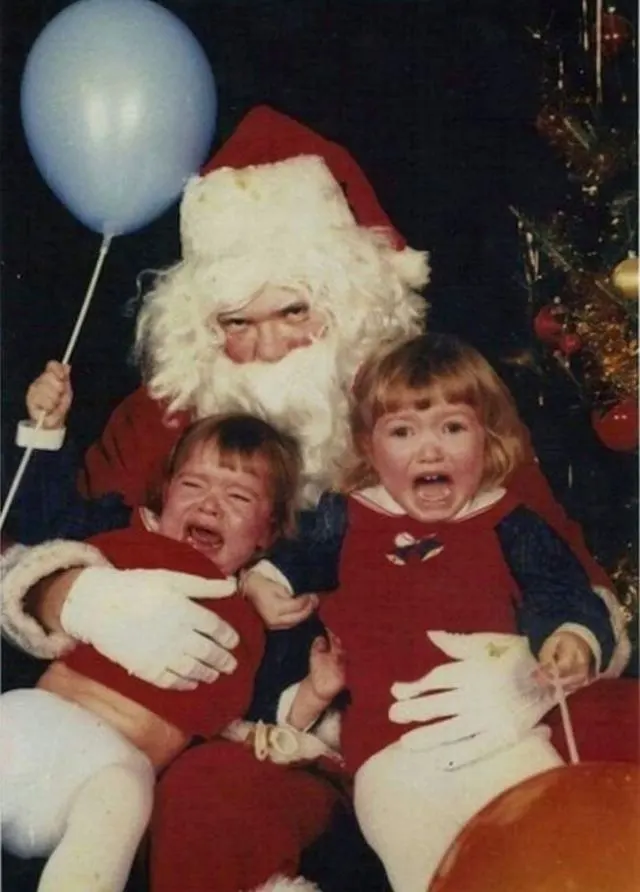
Far from the warm and jolly figure known today, vintage photographs reveal a version of Santa Claus that feels unsettling, awkward, and sometimes outright disturbing.
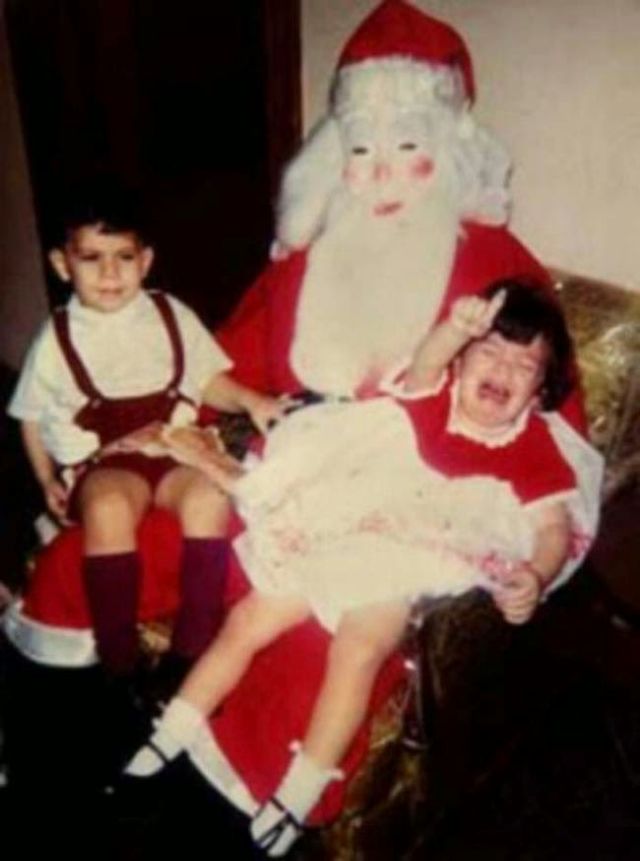
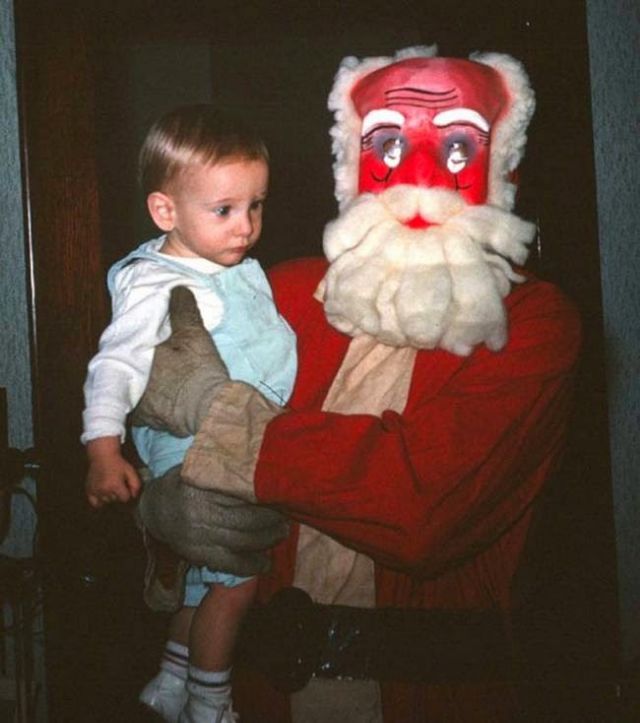
Stiff costumes, vacant stares, and uneasy children transform what should be joyful holiday moments into scenes that feel closer to a nightmare than a celebration. This is the stranger side of Christmas history, where Santa’s smile often failed to reassure.
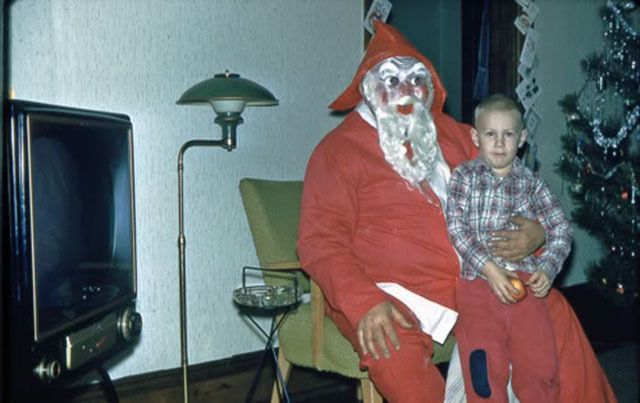 The Santa Claus most people recognize today is a relatively recent creation. His red suit, white trim, and gentle smile became firmly established in the early 20th century, influenced by illustrations, advertising, and popular culture.
While Coca-Cola’s famous holiday campaigns of the 1930s helped standardize the look, earlier depictions of Santa varied widely.
He drew inspiration from St. Nicholas, the austere fourth-century bishop known for secret gift-giving, as well as from Europe’s Father Christmas, a figure more symbolic of winter feasts than childhood joy.
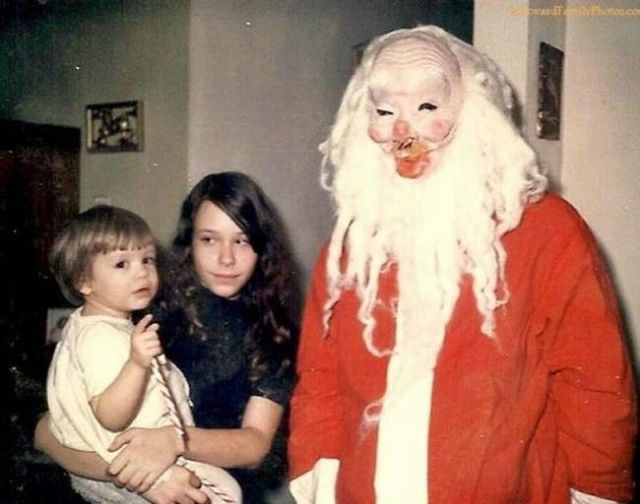 Before the modern image settled into place, Santa’s appearance ranged from thin and stern to bulky and oddly dressed, sometimes resembling a wandering folkloric figure rather than a lovable icon.
These older interpretations often made their way into early photography, with results that can feel deeply uncomfortable to modern eyes.
The costumes were improvised, the beards stiff and artificial, and the smiles forced or entirely absent.
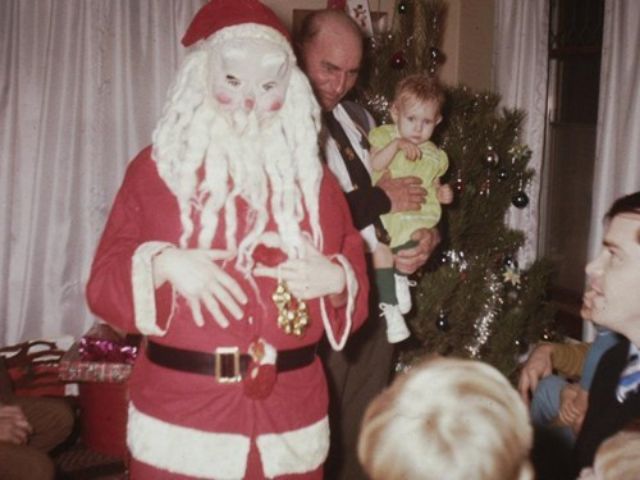 In many photos, Santa towers over children who look confused, frightened, or on the verge of tears.
What was intended as a festive encounter often appears tense and awkward, revealing the limits of early holiday pageantry and the challenges of convincing young children to trust a stranger in costume.
Part of the unease comes from the mythology surrounding Santa himself. He is said to appear unseen, enter homes at night, and keep a silent record of children’s behavior throughout the year.
 In theory, this makes him a moral guide and generous rewarder. In practice, especially in earlier decades, these ideas could feel intimidating rather than magical.
Vintage photographs capture that tension perfectly, freezing moments where joy, fear, and confusion coexist in a single frame. The modern image of Santa Claus traces its roots to centuries-old folklore surrounding Saint Nicholas, a fourth-century Christian bishop revered as the patron saint of children.
Celebrated for acts of generosity and discreet gift-giving, Saint Nicholas became a lasting symbol of kindness and goodwill.
Over time, this figure blended with regional traditions, particularly the English character known as Father Christmas.
 As these stories evolved and crossed cultural boundaries, the two figures gradually merged, forming the foundation of the Santa Claus recognized today.
In contemporary culture, Santa Claus is typically portrayed as a cheerful, round-bodied man with a full white beard and a warm, approachable presence. 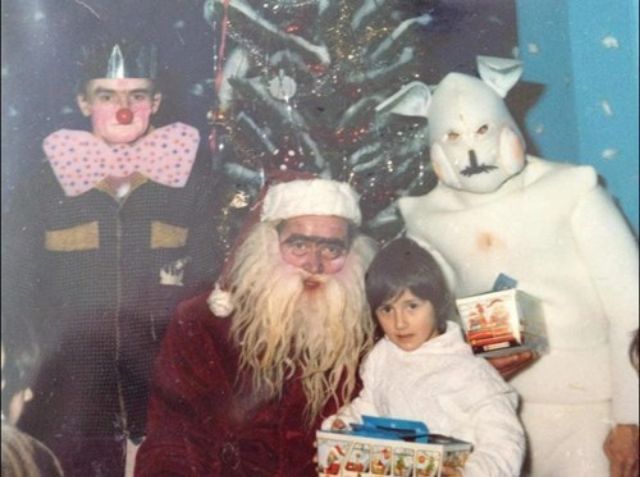 He is commonly shown wearing a red suit trimmed with white fur, paired with a matching hat, black belt, and sturdy boots, while carrying a sack filled with gifts for children.
Often depicted with glasses and a booming, jovial laugh, Santa’s appearance and personality are designed to embody generosity, comfort, and festive joy, reinforcing his role as one of the most enduring icons of the Christmas season.


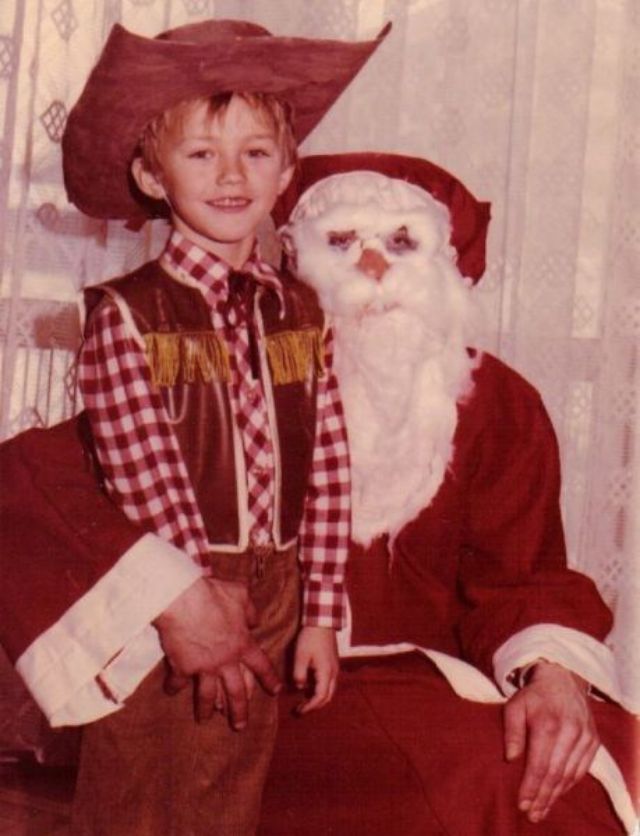
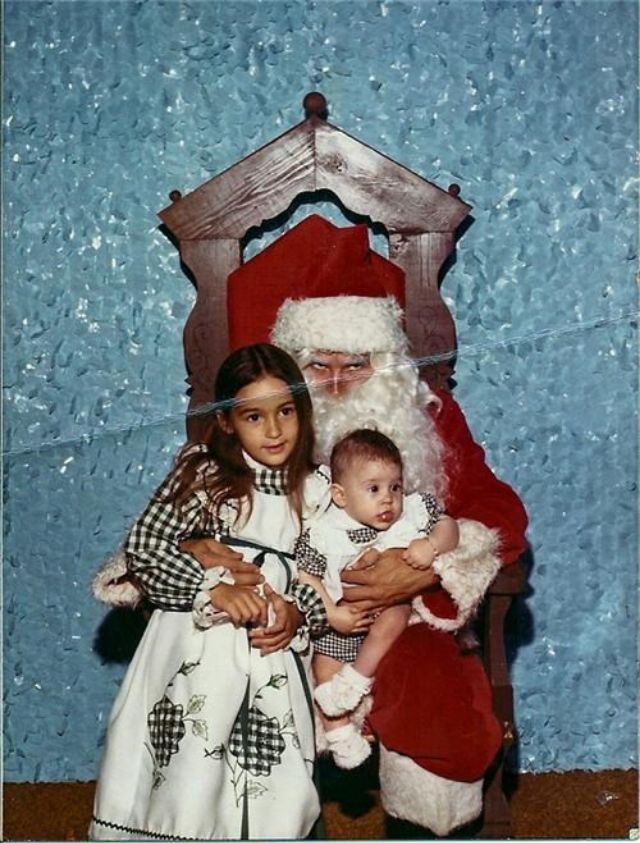
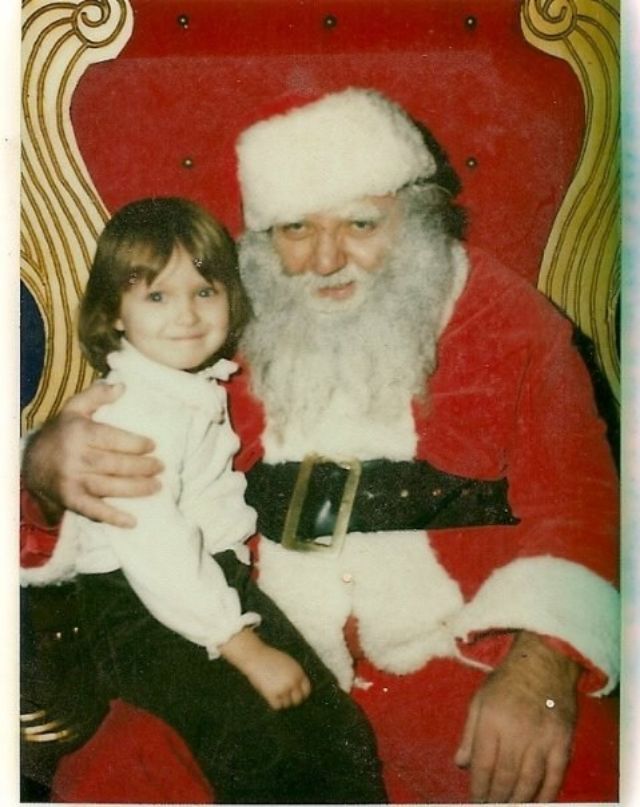
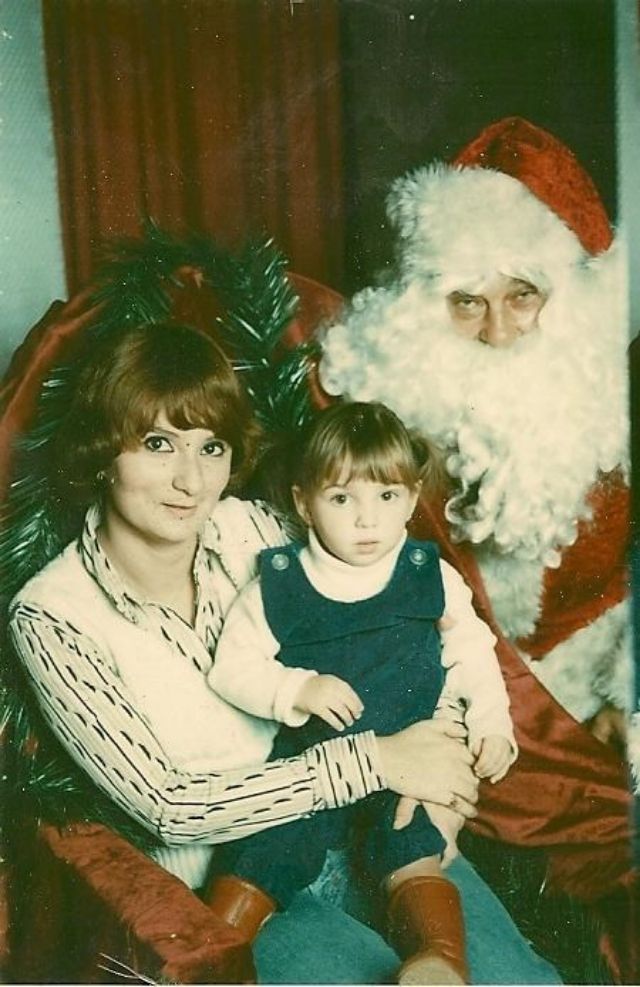


(Photo credit: Vintage Santa Claus photo album on Flickr / Danny McMonny).